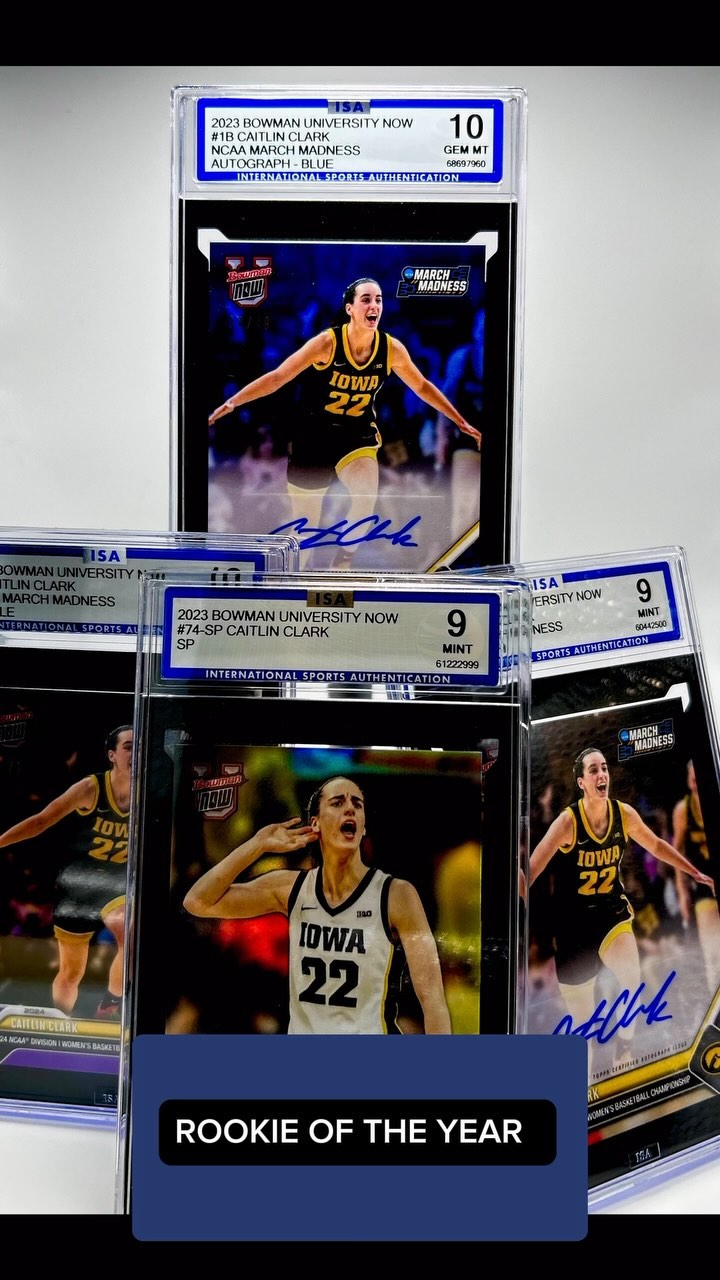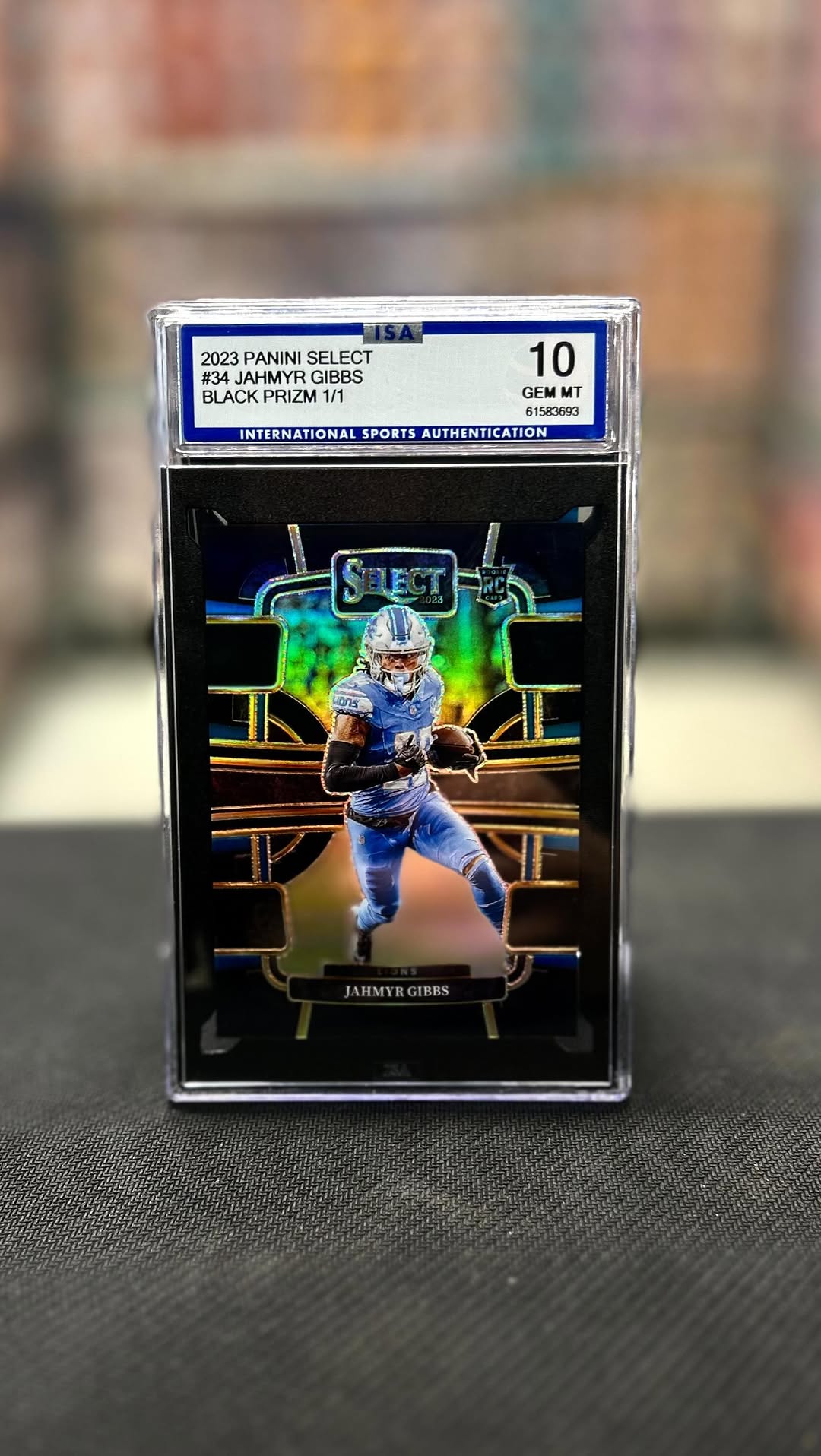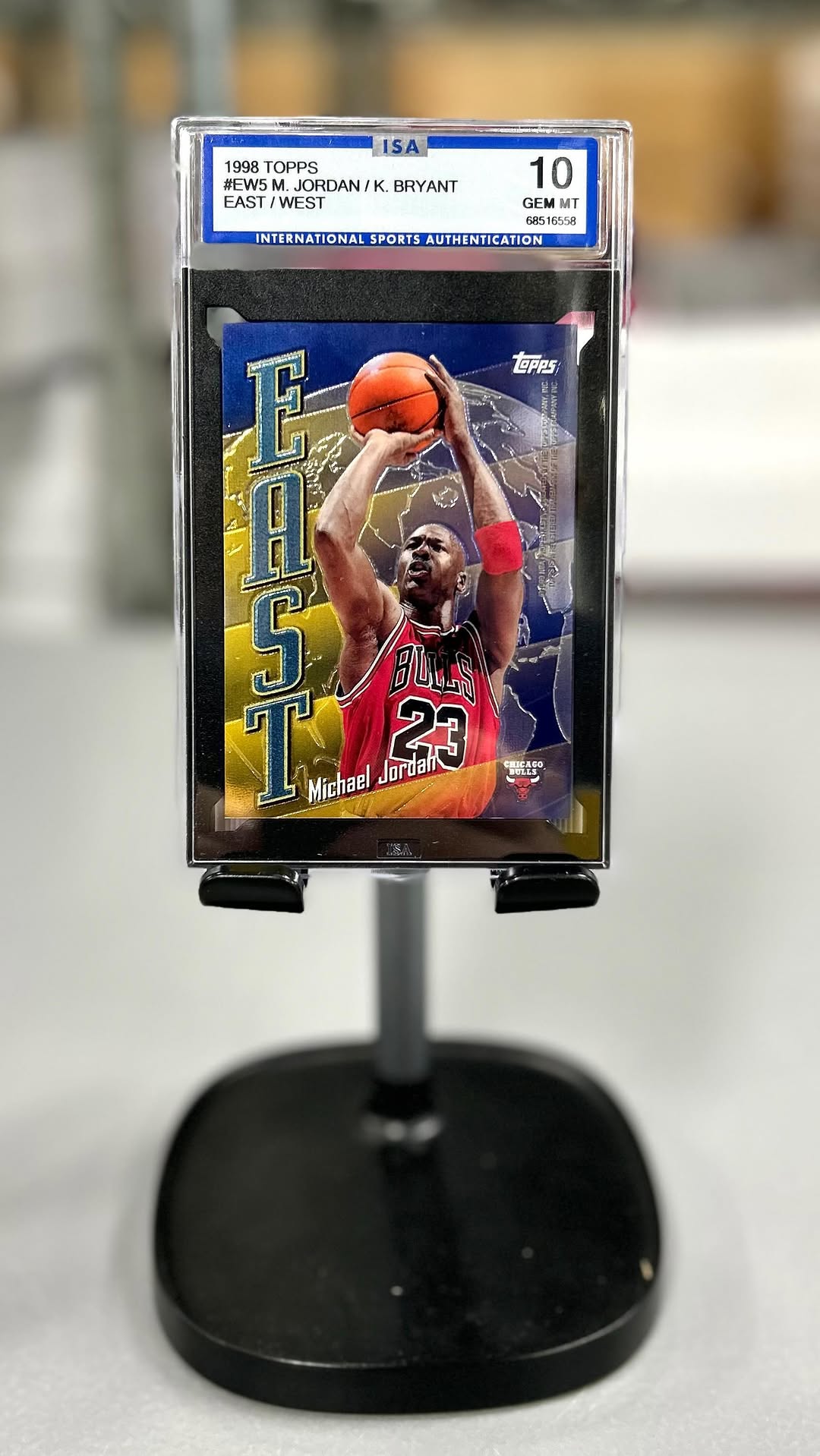

A breakout performance, a playoff run, or a Hall of Fame announcement can bring fresh attention to a player's cards. For collectors and dealers considering a sale, that attention creates a practical question: will the cards be available when buyers are looking?
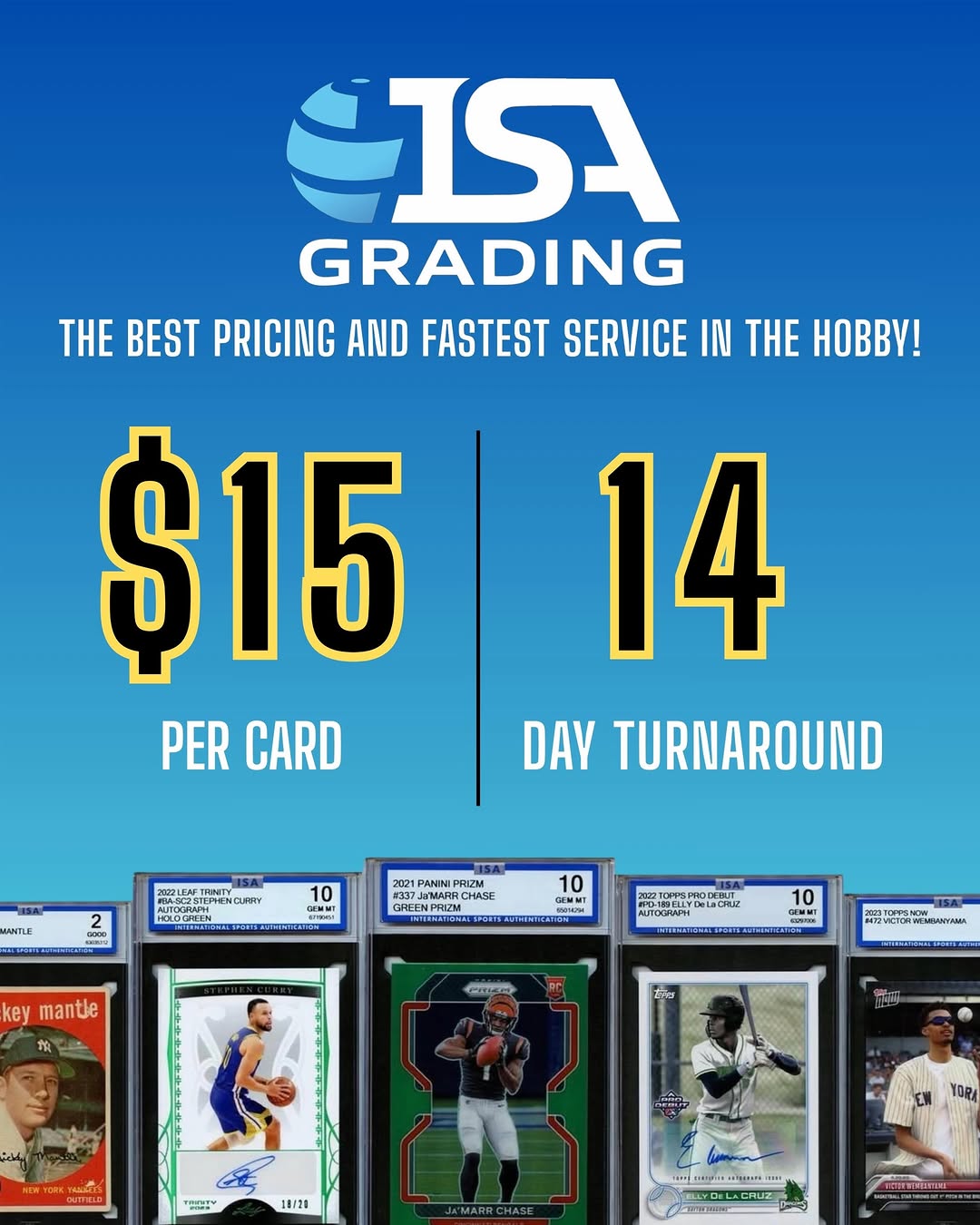
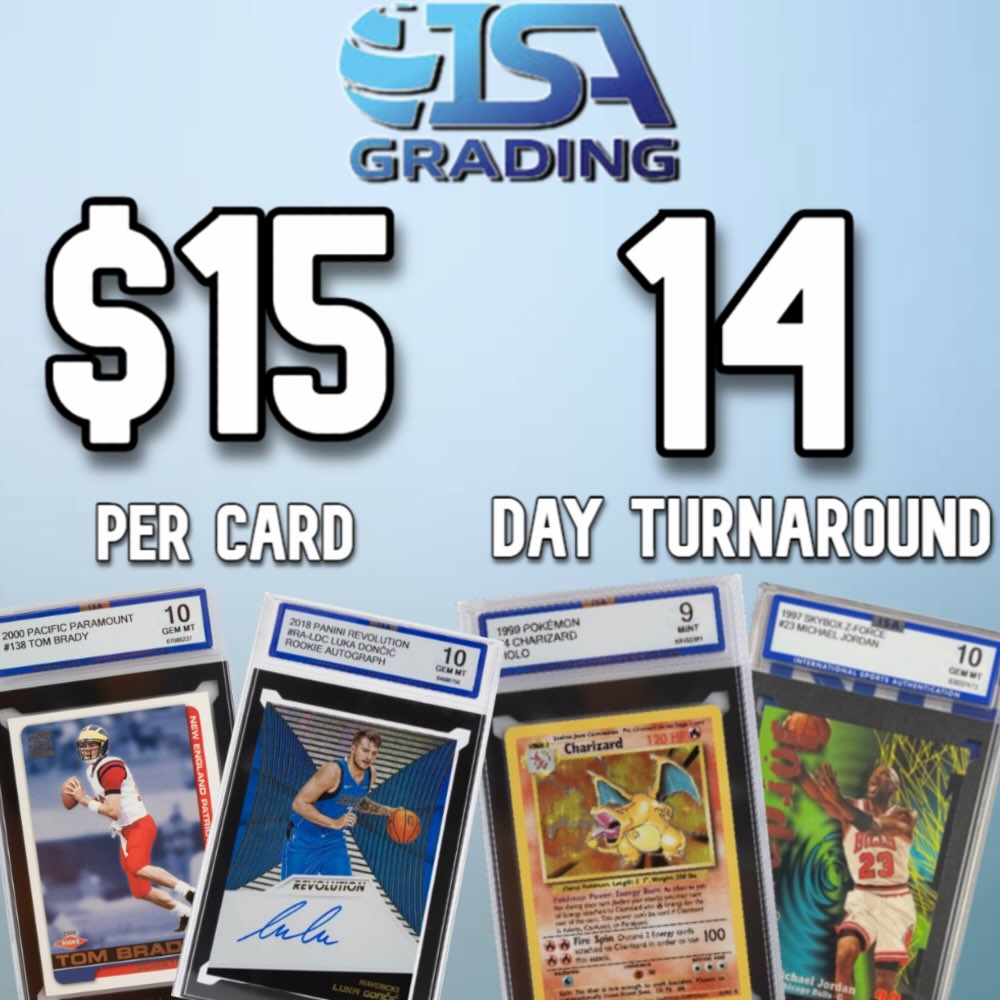
Fast card grading can help shorten one part of that timeline. It cannot guarantee a higher sale price or keep demand from cooling, but it can give you more flexibility to prepare listings and respond to changing interest. ISA Grading, also known as International Sports Authentication, currently offers sports card grading and authentication at $15 per card, with a 14 day turnaround, a 10 card minimum, and no upcharges.
Why Turnaround Matters When Card Markets Move
Card prices respond to more than player performance. Product releases, seasonal demand, population information, collector preferences, and broader spending conditions can all affect buying activity. Those factors rarely follow a submission schedule.
A card sent for grading during a strong week may return to a different market. That does not automatically make grading a poor decision. It means the time spent away from your inventory belongs in the same calculation as grading fees, shipping, and expected selling costs.
Shorter turnaround reduces the period during which a submitted card is unavailable for photographing, listing, or delivering to a buyer. For dealers, that can support inventory planning. For collectors, it can preserve the choice to sell, hold, or trade once the results are known.
Availability Is More Useful Than a Price Prediction
The strongest argument for a shorter timeline is not that you can reliably catch a market peak. It is that you can act sooner with complete information about the returned grade. You may discover that the card fits your collection better than expected, or that current offers do not justify selling.
Think of turnaround as a planning input, not an investment signal. The same approach applies to baseball card grading before the season and football card grading ahead of playoff interest: identify a realistic selling window without assuming demand will rise.
Build Your Schedule Around the Full Submission Cycle
ISA's current 14 day turnaround provides a useful reference point, but your calendar should include more than grading alone. Preparing cards, shipping the submission, receiving the return shipment, and building listings all take time.
Before choosing a target sale date, check the current service terms and clarify how turnaround is measured. Do not assume whether the stated period uses business days or calendar days, or when the clock begins. Review ISA's grading FAQ and ask about anything that affects your deadline.
- Choose a target window. Start with a show, season milestone, or planned inventory release rather than an exact predicted price peak.
- Allow preparation time. Inspect cards, record identifying details, and follow submission instructions.
- Include shipping both ways. Transit time and carrier delays can affect when cards are available to sell.
- Leave room for listing work. Returned slabs still need clear photos, accurate descriptions, and current pricing research.
- Keep a backup plan. Decide whether you would hold, trade, or sell at a lower price if demand changes.
If a card must be available for a specific event, confirm the timing before submitting. A published turnaround should not be treated as a guaranteed delivery date for your entire project.
Pricing Clarity Makes Market Decisions Easier
A grading decision starts with the likely economics of the card, not simply its popularity. ISA's current $15 per card price and no upcharges make the grading fee straightforward to calculate. With a 10 card minimum, the grading portion of a minimum submission is $150, before shipping or any other applicable costs.
No upcharge card grading helps you plan that expense without setting aside an additional grading fee for a potentially more valuable result. It does not remove selling fees, shipping expenses, or the risk that a card receives a lower grade than expected.
Use Conservative Numbers Before You Submit
Suppose you are evaluating ten cards for a potential sale. Compare recent completed sales for the same card, relevant grades, and the grading company shown on the holder. Asking prices alone are not reliable evidence of what buyers will pay.
Subtract your acquisition cost, grading expense, shipping, marketplace fees, and any other selling costs from a realistic sale estimate. Also calculate a lower-grade outcome. If the numbers work only when every card receives a top grade, the submission carries more risk than the headline profit suggests.
A clear fee structure helps with budgeting, but it cannot make every card worth grading. Sometimes selling raw, keeping the card, or waiting for a better submission opportunity is the more practical choice.
Choose Cards for Condition and Demand, Not Just Headlines
A player getting attention does not mean every card featuring that player has a strong resale market. Set, year, scarcity, parallels, and buyer preferences all matter. Condition is another major variable, especially when a price difference depends on achieving a particular grade.
Before using a card grading service, inspect your candidates under good lighting. Review ISA's grading scale so your expectations reflect its published standards rather than a quick impression through a sleeve.
- Card corners: Look for whitening, bends, soft tips, and other visible wear.
- Card edges: Check for chipping, rough areas, and damage that may be difficult to see against the card's design.
- Card centering: Compare the positioning of borders and design elements on both sides.
- Surfaces: Examine for scratches, print lines, dents, stains, and other defects.
- Authenticity concerns: Flag anything unusual rather than assuming grading will resolve uncertainty in your favor.
This preparation supports more realistic card condition grading expectations. Handle cards carefully and avoid attempts to alter or conceal defects. Good preparation means assessing and protecting the card, not trying to change its condition.
Different Categories Need Different Selling Plans
Rookie card grading often involves strong expectations about future player performance. Separate that speculation from the condition and current demand for the exact card you own. Basketball card grading may involve similar decisions around young players, established stars, and season milestones.
Vintage card grading can require a different approach. A lower numerical grade may still be relevant to collectors seeking a scarce issue, while authenticity and visible wear can play a larger role in the buying decision. ISA's article on what to expect before grading vintage cards offers useful context for setting expectations.
The broader trading card grading market also includes non-sports categories. If you are researching TCG card grading or Pokemon card grading, confirm current card eligibility and submission requirements directly with ISA before sending those cards. Do not assume that a sports card service accepts every trading card category.
Use the Submission Minimum as an Inventory Check
A 10 card minimum encourages you to assess a group rather than a single headline card. That can be useful, provided you do not add weak candidates simply to fill the order. Each card should have its own reason for submission.
Consider organizing candidates into three groups: cards intended for near-term sale, cards you would comfortably hold, and cards needing more research. Submit only when the group makes sense at the total cost. Cards that look promising in isolation may not justify tying up additional funds.
For dealers, keep a submission log with purchase costs, card details, intended selling windows, and estimated expenses. For collectors, a simpler checklist may be enough. Either way, knowing what you sent and why helps you evaluate the results without relying on memory.
Card Protection and Buyer Confidence Still Matter
Speed is useful only when paired with careful handling and accurate information. Before shipping, follow ISA's current packaging instructions and use appropriate protection. Keep a record of the cards included and avoid packaging that allows unnecessary movement or pressure.
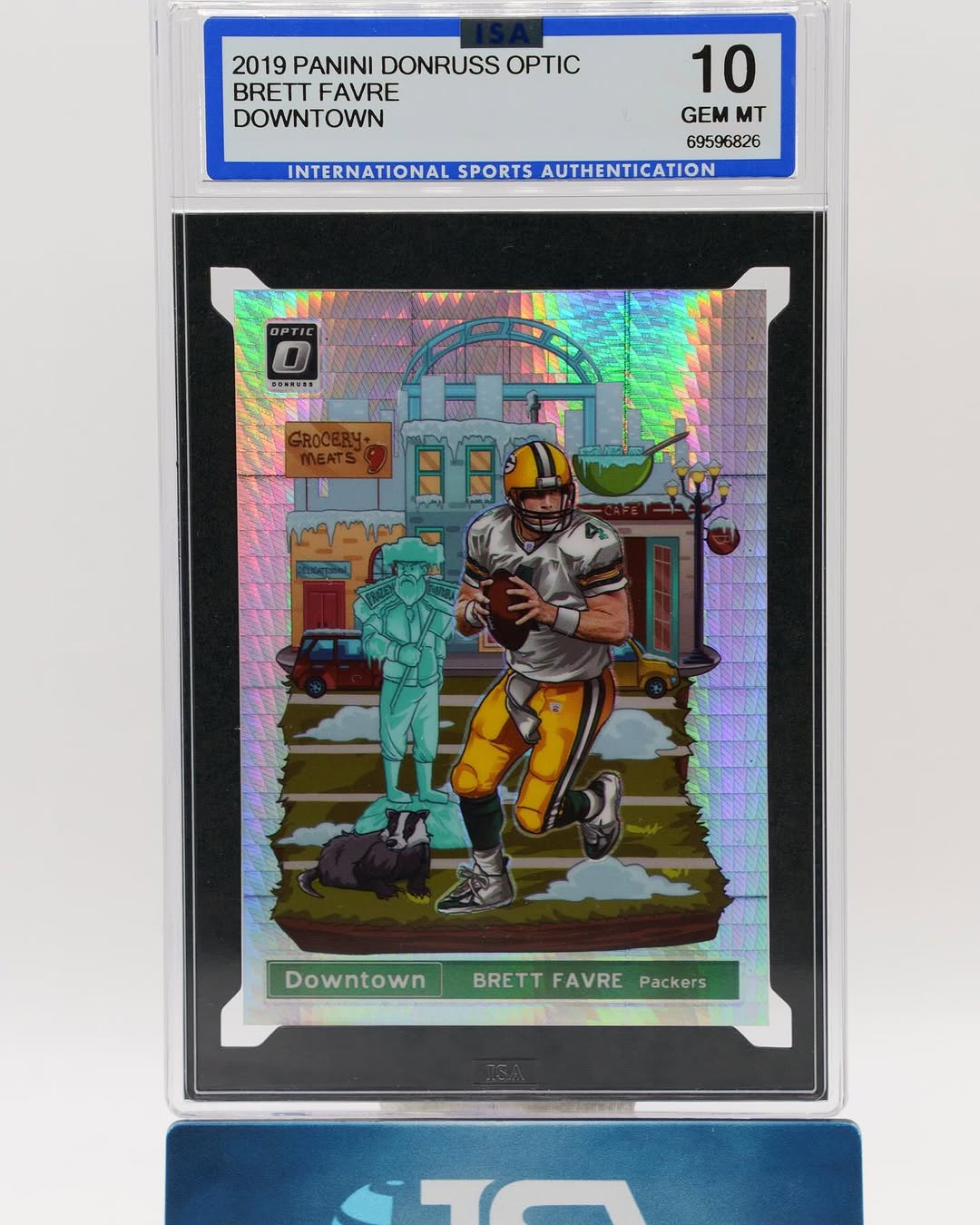
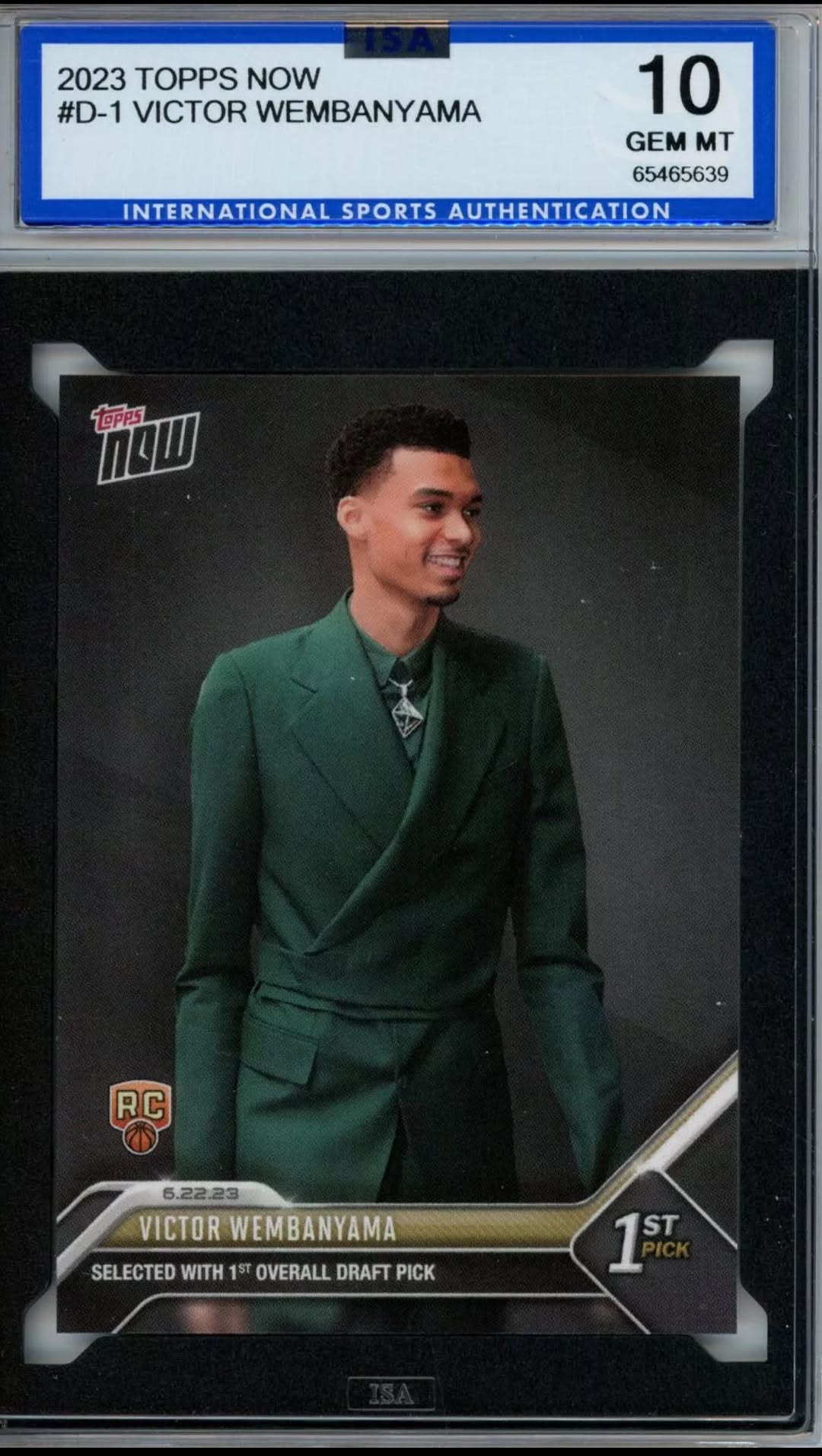
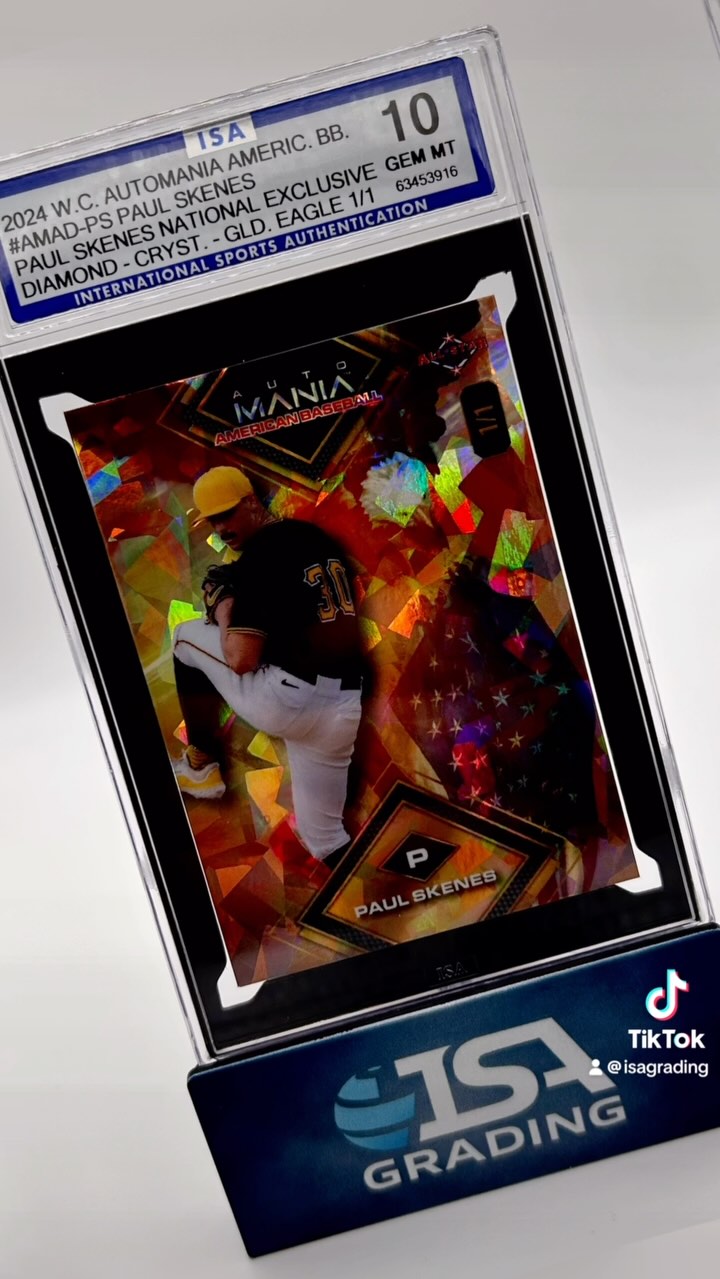
After grading, card encapsulation places the card in a holder intended to help protect it during normal handling and storage. Slabs are not a reason to ignore heat, moisture, sunlight, or shipping precautions. Store and transport graded cards with care.
For buyers, a graded holder presents an assessment of the card's condition alongside identifying information. That can make a listing easier to evaluate, but buyer confidence also depends on the seller's photos, description, transaction history, and willingness to answer questions.
Make Certificate Verification Easy
ISA offers certificate verification on its website. When selling graded cards, provide clear images of the holder and label so buyers can review the identifying details and use the available verification resource.
Verification is a useful part of a buyer's review, not a substitute for inspecting the listing. Photos should show the actual item for sale, and the description should agree with the card and holder pictured. Avoid language suggesting that a grade guarantees future value.
Prepare Your Listing Before the Cards Return
Some selling work can happen while cards are away. Research comparable completed sales, draft accurate card descriptions, and identify the marketplace or event that fits your audience. Leave grades, certificate details, and final pricing open until you have the returned cards.
Once the submission arrives, check the contents against your records. Photograph the fronts and backs of the slabs, capture readable labels, and note visible holder damage if present. Then refresh your comparable sales research. Prices collected before submission may no longer reflect current demand.
Do not let an earlier target price become a fixed expectation. A card returning during a quieter market may still be worth holding. Conversely, strong demand does not require you to rush a listing with incomplete photos or inaccurate details.
Put Turnaround to Work Without Chasing Every Spike
A practical grading plan balances timing, condition, cost, and your willingness to hold inventory. ISA's current $15 per card service, 14 day turnaround, 10 card minimum, and no upcharges provide clear starting points for that calculation. They do not replace card selection or market research.
Choose cards that make sense under more than one outcome, build shipping and listing time into your schedule, and decide in advance what would make you sell or wait. That approach gives a shorter turnaround a useful purpose: keeping more options available when the cards return.
When your candidates and budget are ready, review the current instructions on ISA's card submission page. For timing or eligibility questions specific to your order, contact ISA Grading before shipping.
Submit Cards to ISA Grading
Collectors ready to use ISA Grading can start on the submission page. The current active service is $15 per card with a 14 day turnaround, no upcharges, and a 10 card minimum.
Frequently Asked Questions
How can fast card grading help with market timing?
A shorter grading timeline can make cards available sooner for listing, trading, or sale. It gives sellers more flexibility around seasonal interest and player news, but it cannot guarantee that demand or prices will remain strong.
What are ISA Grading's current price, turnaround, and submission minimum?
ISA currently offers grading at $15 per card, with a 14 day turnaround, a 10 card minimum, and no upcharges. A minimum submission has $150 in grading fees before shipping or any other applicable costs. Confirm current terms before submitting.
Does the 14 day turnaround include shipping?
Do not assume that the stated turnaround covers the full door-to-door submission cycle. Confirm with ISA how the period is measured, when it begins, and how shipping affects your expected return date before planning a sale.
Should I grade every card connected to a trending player?
No. Evaluate the exact card's condition, recent completed sales, total costs, and likely outcomes at different grades. A player receiving attention does not mean every card will sell well or benefit financially from grading.
How can buyers verify an ISA certificate?
Buyers can use the certificate verification page on ISA's website. Sellers should provide clear photos of the actual card, holder, and label so buyers can compare the listing details with the available certificate information.