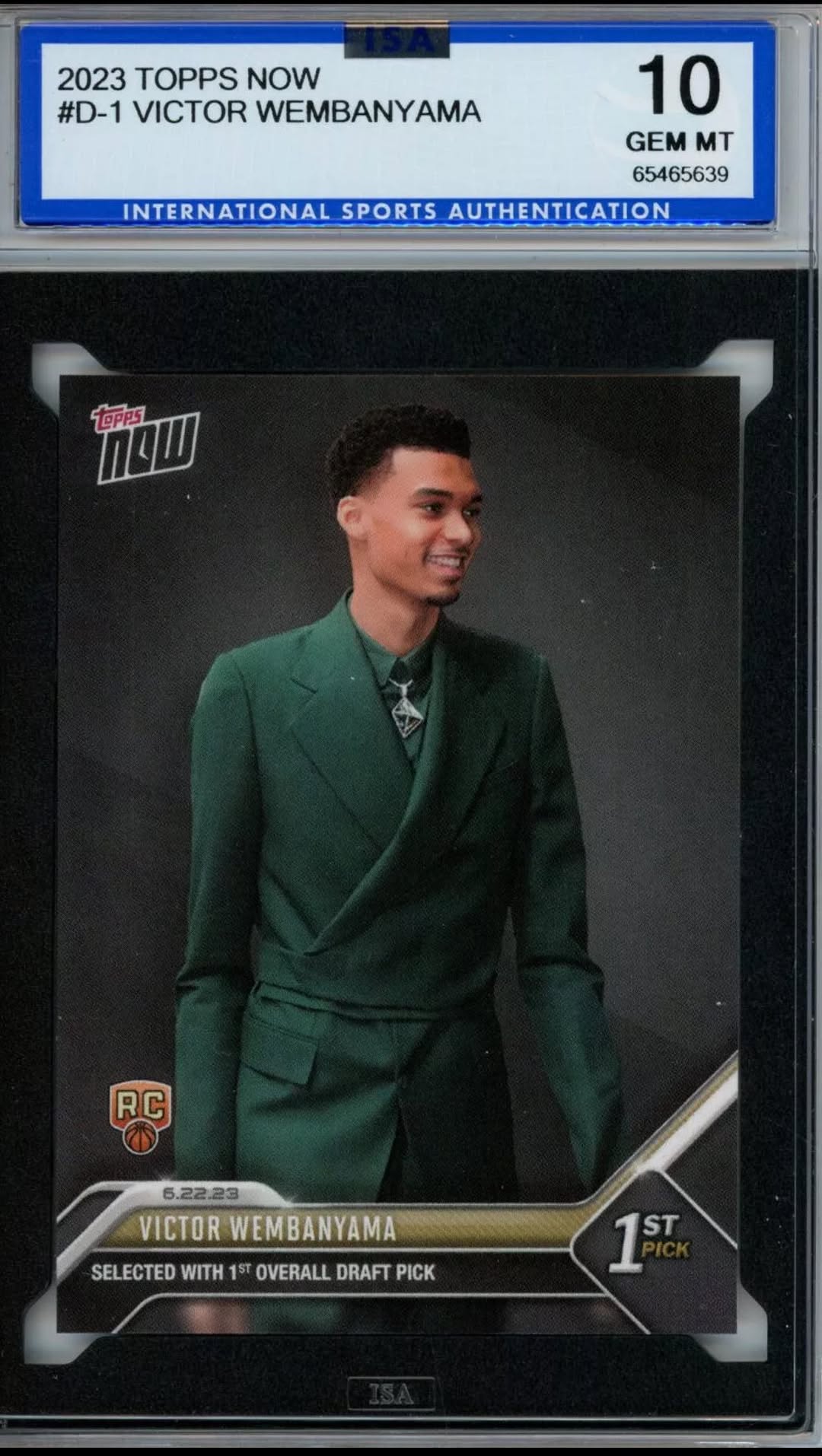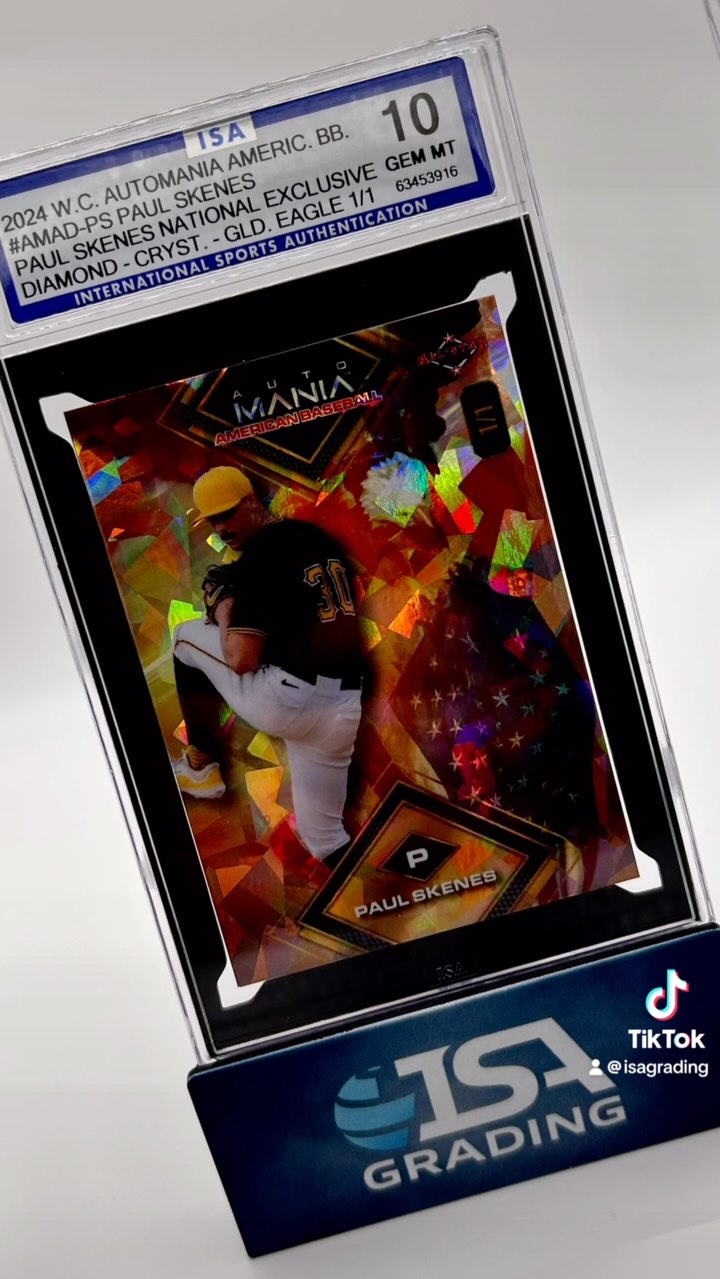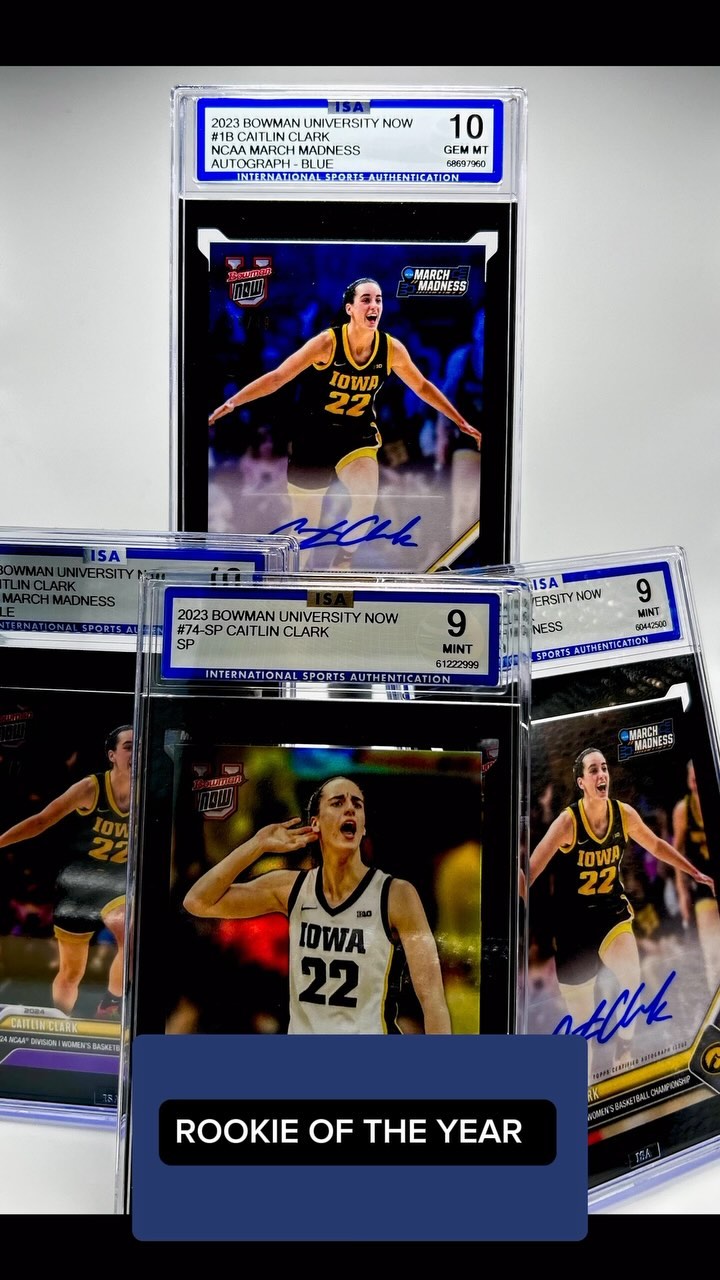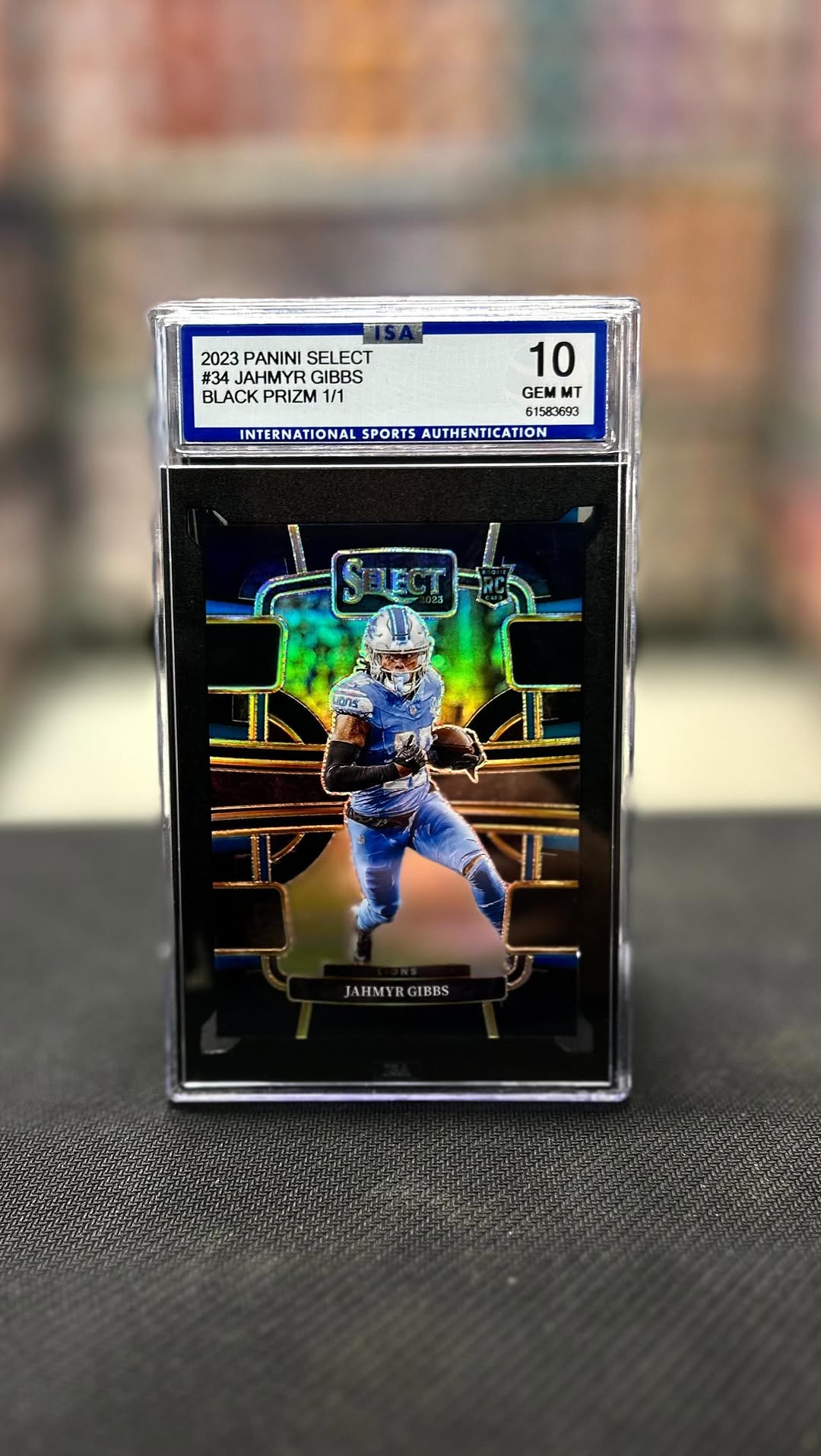
Collectors often have more grading candidates than time. A new release may need to reach buyers while interest is active, a dealer may be preparing inventory for an upcoming show, or a personal collection may have sat unorganized for months. In each case, a predictable process can make sports card grading easier to fit into a busy schedule.
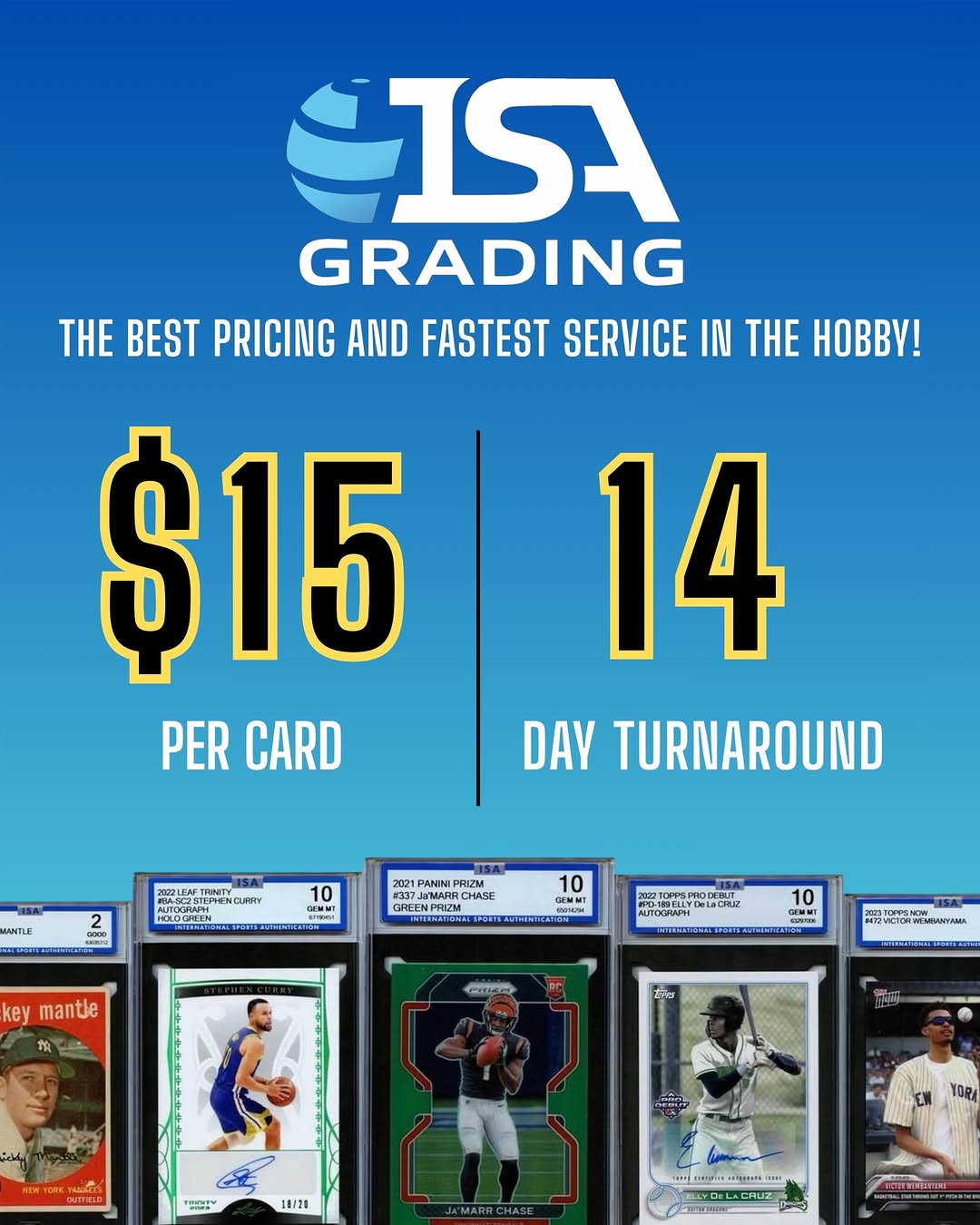
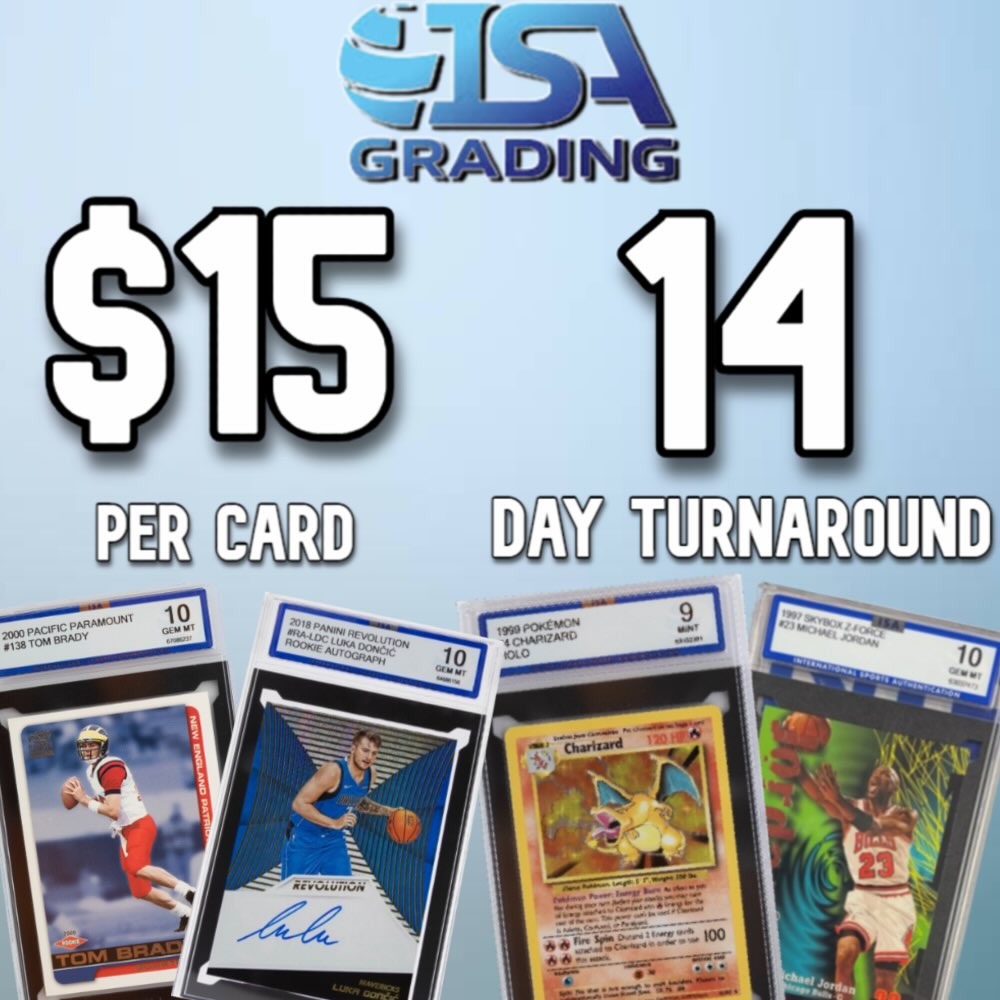
ISA Grading, also known as International Sports Authentication, currently offers grading and sports card authentication for $15 per card with a 14 day turnaround, a 10 card minimum, and no upcharges. Those straightforward terms help collectors plan a submission without building a complicated estimate for every card. Before sending a batch, collectors can review the requirements and begin through the ISA card submission page.
Why turnaround time matters to active collectors
Turnaround time affects more than patience. It can influence when a seller lists a card, whether a dealer has graded inventory ready for an event, and how long money remains tied up in ungraded stock. A 14 day card grading turnaround gives collectors a defined service window around which they can organize these activities.
Fast card grading can be particularly useful when dealing with cards from an active season. Football card grading, for example, may be time sensitive when a player is approaching a major game, returning from injury, or attracting attention during a strong season. The same principle can apply to basketball, baseball, hockey, soccer, and other trading cards. Market interest can change quickly, although no turnaround time can guarantee a specific selling price or level of demand.
Collectors should also separate turnaround from shipping time. Packaging the order, transit to ISA, return shipping, and the grading process are distinct parts of the overall timeline. Checking current submission information before mailing cards helps establish realistic expectations and leaves room for transit on both sides of the process.
Clear pricing makes batch planning simpler
ISA's current active service costs $15 per card and requires a 10 card minimum. That means the grading fee for a minimum size submission is $150, before shipping or any other separately disclosed costs. Collectors can decide which cards belong in the batch and calculate the grading charge without sorting them into different declared value levels.
The service also has no upcharges. For collectors searching for no upcharge card grading, that pricing policy provides useful clarity. A card receiving a stronger grade or proving more desirable than expected does not create a grading upcharge under the current service. This can be valuable when submitting prospects, overlooked vintage cards, or cards purchased before a player's market changed.
Price should still be considered alongside the reason for grading. A card does not automatically become more valuable merely because it is placed in a holder. Before submitting, compare the card's likely condition, raw market value, graded sales where available, personal importance, and intended use. For a closer look at the pricing structure, read how ISA Grading simplifies grading for $15 per card.
How to choose cards for a 10 card submission
The 10 card minimum encourages thoughtful batch building. Instead of asking only, “Should I grade my cards?” consider what role each card serves within the submission. A balanced batch might include cards intended for resale, pieces that need authentication, and personal favorites that deserve long term protection.
Start with a clear purpose
- Resale inventory: Select cards with genuine buyer interest and enough potential value to justify the grading and shipping costs.
- Personal collection cards: Include cards you want protected, identified, and displayed in a consistent format.
- Authentication candidates: Consider cards for which third party card authentication could provide useful information to a future buyer.
- Set or player projects: Group cards from the same set, athlete, team, or era to make the minimum easier to reach without adding random choices.
Collectors should avoid filling the final spots with cards they have not inspected. A minimum is a submission requirement, not a reason to grade unsuitable cards. If a batch has only seven strong candidates, it may be better to continue evaluating the collection until three appropriate cards can be added.
Consider modern and vintage cards separately
Modern card condition grading often rewards close attention to production flaws that can be easy to overlook. Chrome style cards may show print lines, scratches, dimples, or roller marks. Thick cards may have edge or corner wear caused by packaging. Vintage card grading presents different concerns, including age related wear, printing characteristics, paper quality, trimming concerns, and evidence of alteration.
Older cards do not need to look modern to be meaningful grading candidates. Authenticity, scarcity, eye appeal, and collector demand may matter even when visible wear is present. The key is to evaluate the card realistically rather than expecting every vintage example to receive a high numerical grade.
Inspect each card before submission
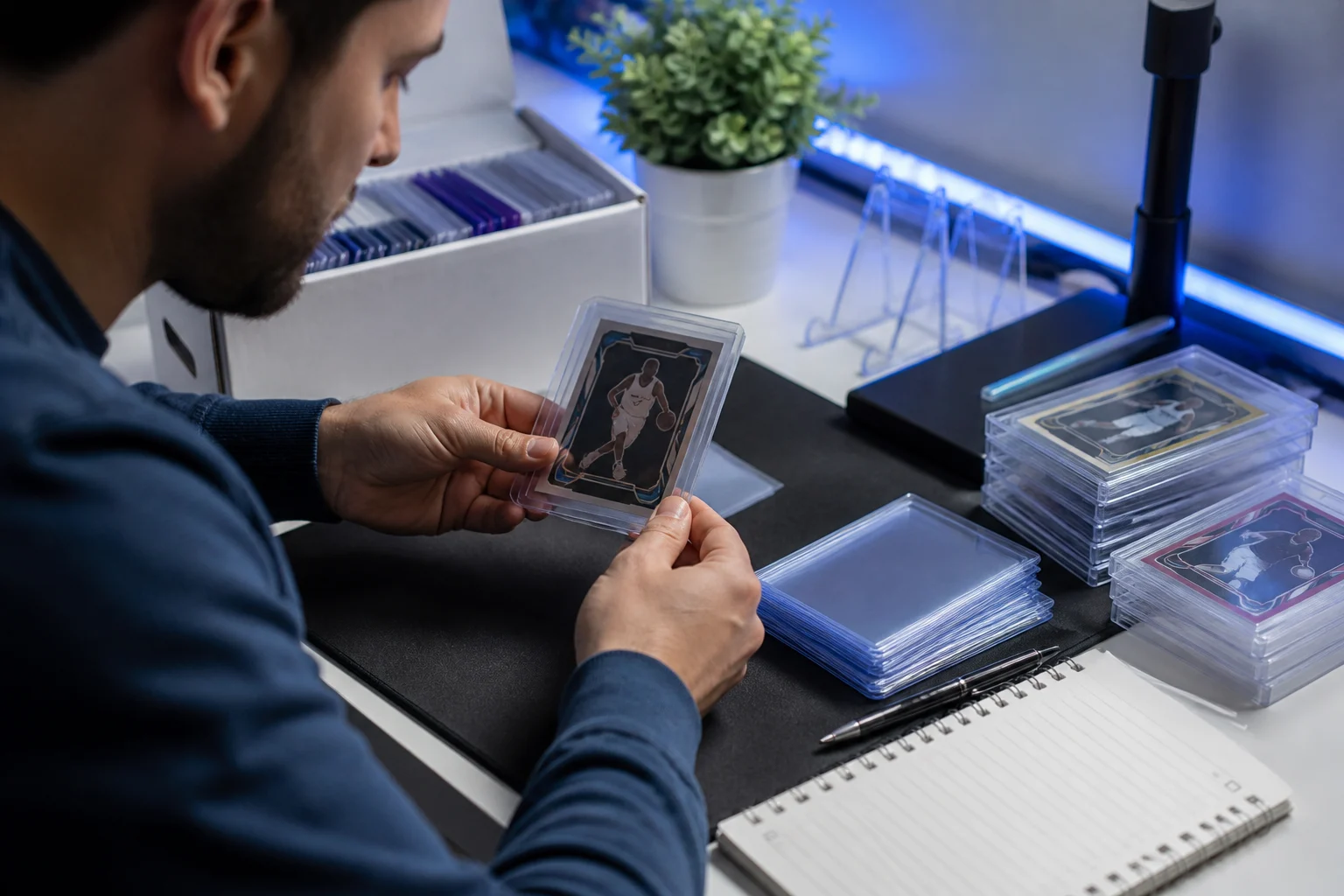
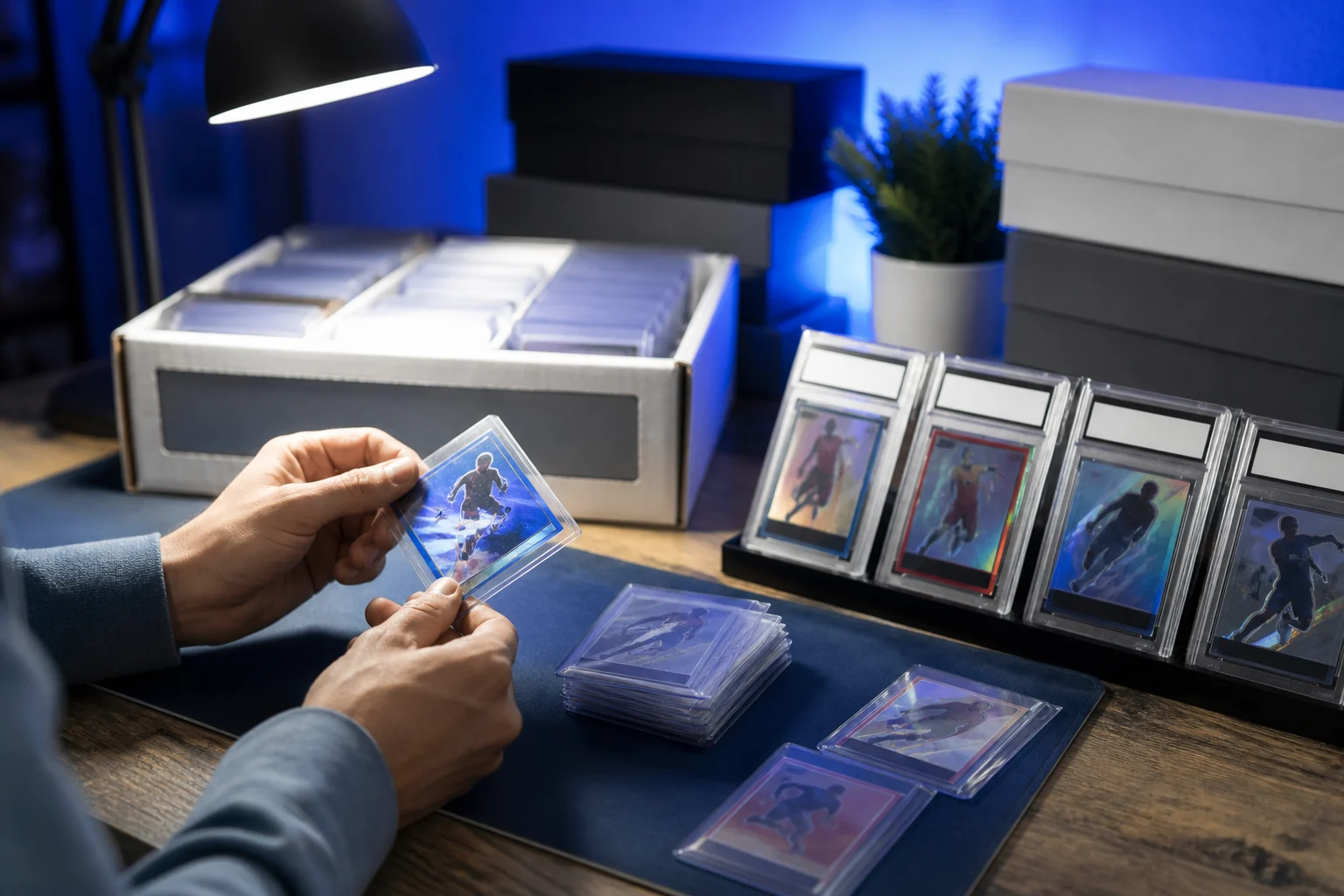
A careful inspection helps reduce surprises and prevents avoidable handling damage. Use clean hands, a clear workspace, and bright, indirect lighting. Do not clean, press, recolor, trim, or otherwise alter a card. If debris does not come away through safe, ordinary handling, aggressive treatment may cause damage or raise alteration concerns.
Review the main condition areas used in trading card grading:
- Card centering: Compare the borders and design placement on the front and back. Some designs make centering easier to judge than others.
- Corners: Look for softness, whitening, bends, compression, or separation. Check from more than one angle.
- Card edges: Examine all sides for chipping, rough cuts, dents, flaking, and color loss.
- Card surface: Tilt the card under light to reveal scratches, creases, indentations, print lines, stains, and loss of gloss.
Inspection is not the same as assigning an official grade. It is a screening process that helps collectors decide whether the card fits their goals. ISA publishes information about its standards on the grading scale page, which can help submitters understand how condition categories are described.
Build an efficient grading workflow
Busy collectors benefit from using the same routine for every batch. A repeatable workflow reduces misplaced cards, submission errors, and last minute handling.
- Create an initial group of cards that may be suitable for grading.
- Record the year, manufacturer, set, player, card number, and any relevant variation for each card.
- Inspect condition and remove cards that do not support the purpose of the submission.
- Confirm that the final group meets the 10 card minimum.
- Arrange the cards in the same order as the submission information.
- Photograph or inventory the cards for personal records.
- Package the order according to the current submission instructions.
- Use a shipping method that provides tracking and protection appropriate for the contents.
This approach is useful for individual collectors, breakers, shop owners, and online sellers. Dealers can also schedule recurring submissions rather than allowing ungraded inventory to accumulate. A consistent routine makes the 14 day turnaround easier to incorporate into listing calendars and show preparation.
Protect cards before and after grading
Card protection begins before a grading company receives the package. Each card should be placed in the protective materials specified by the current submission instructions. Cards should not move freely inside the shipping box, but packaging should also avoid excessive pressure. Use sturdy outer packaging, cushioning, and a logical arrangement that can be unpacked safely.
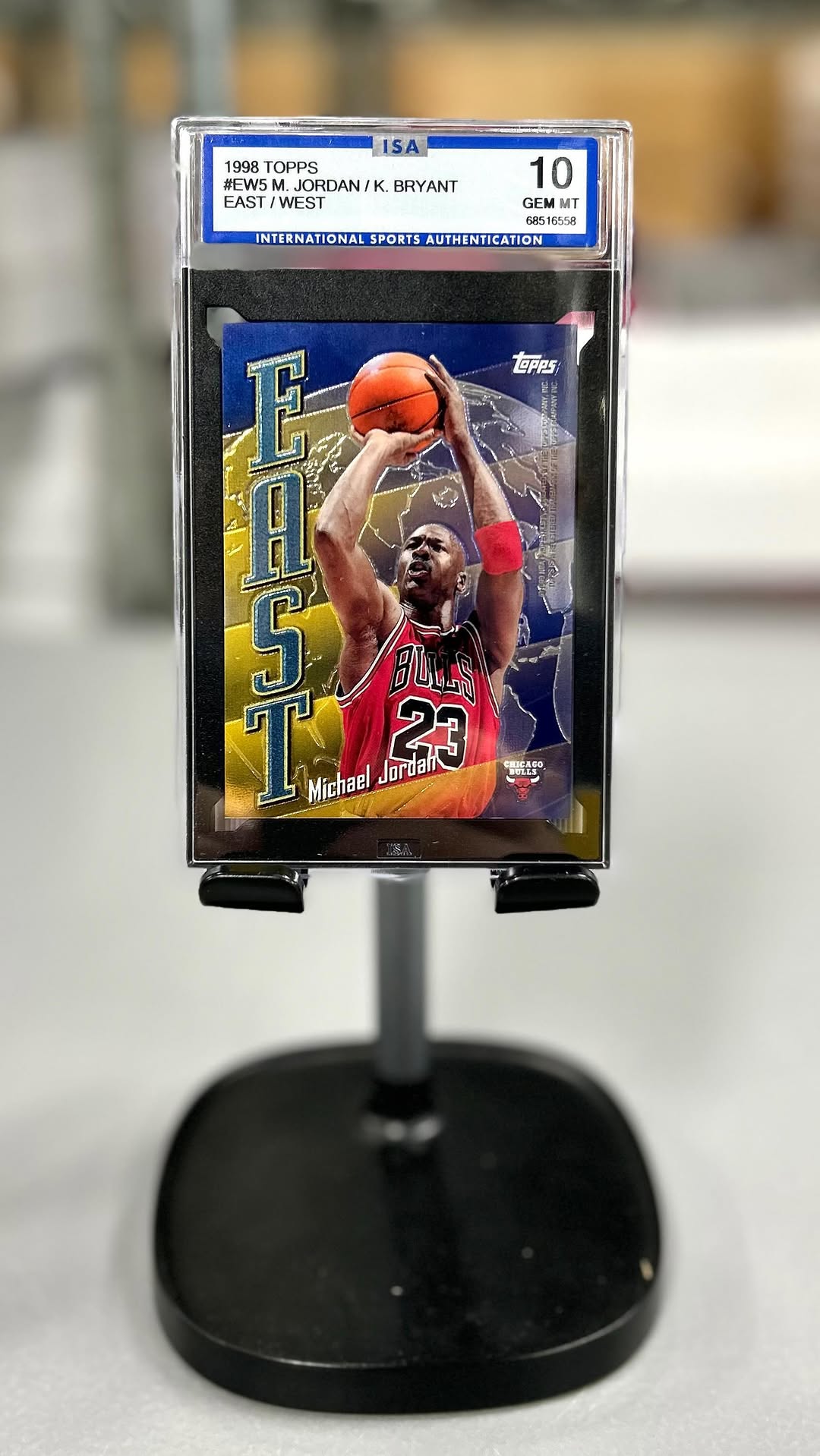
Once cards return in trading card slabs, storage conditions still matter. Slabs add substantial handling protection, but they should not be treated as indestructible. Keep graded cards away from direct sunlight, moisture, extreme heat, and abrupt temperature changes. Avoid stacking them where they can fall or where heavy items can place pressure on the holders.
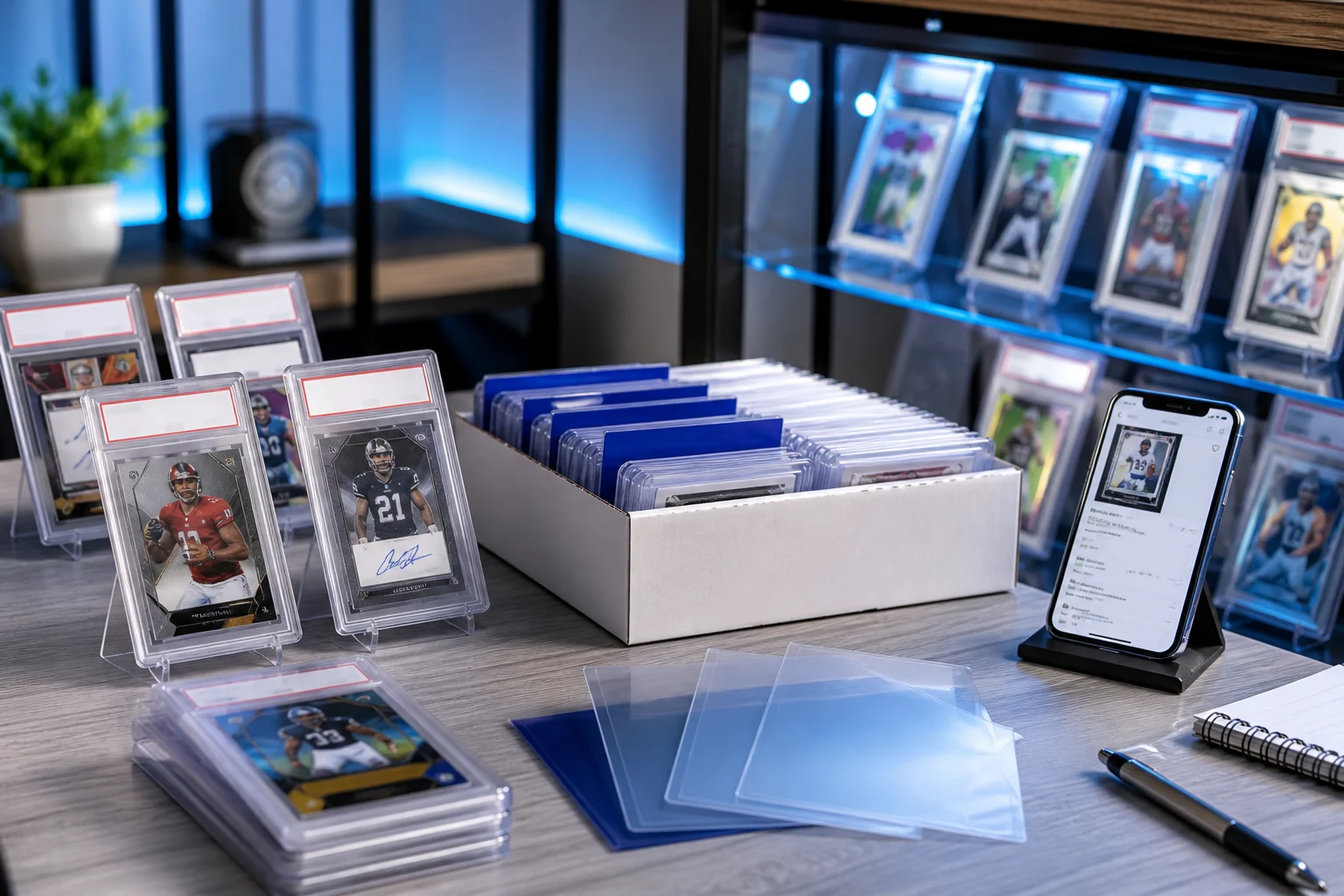
Protective slab sleeves can reduce light scratches from routine storage and handling. Boxes designed for graded cards can also keep a collection upright and organized. More practical storage guidance is available in the article about protecting sports cards before and after ISA grading.
Certificate verification can support buyer confidence
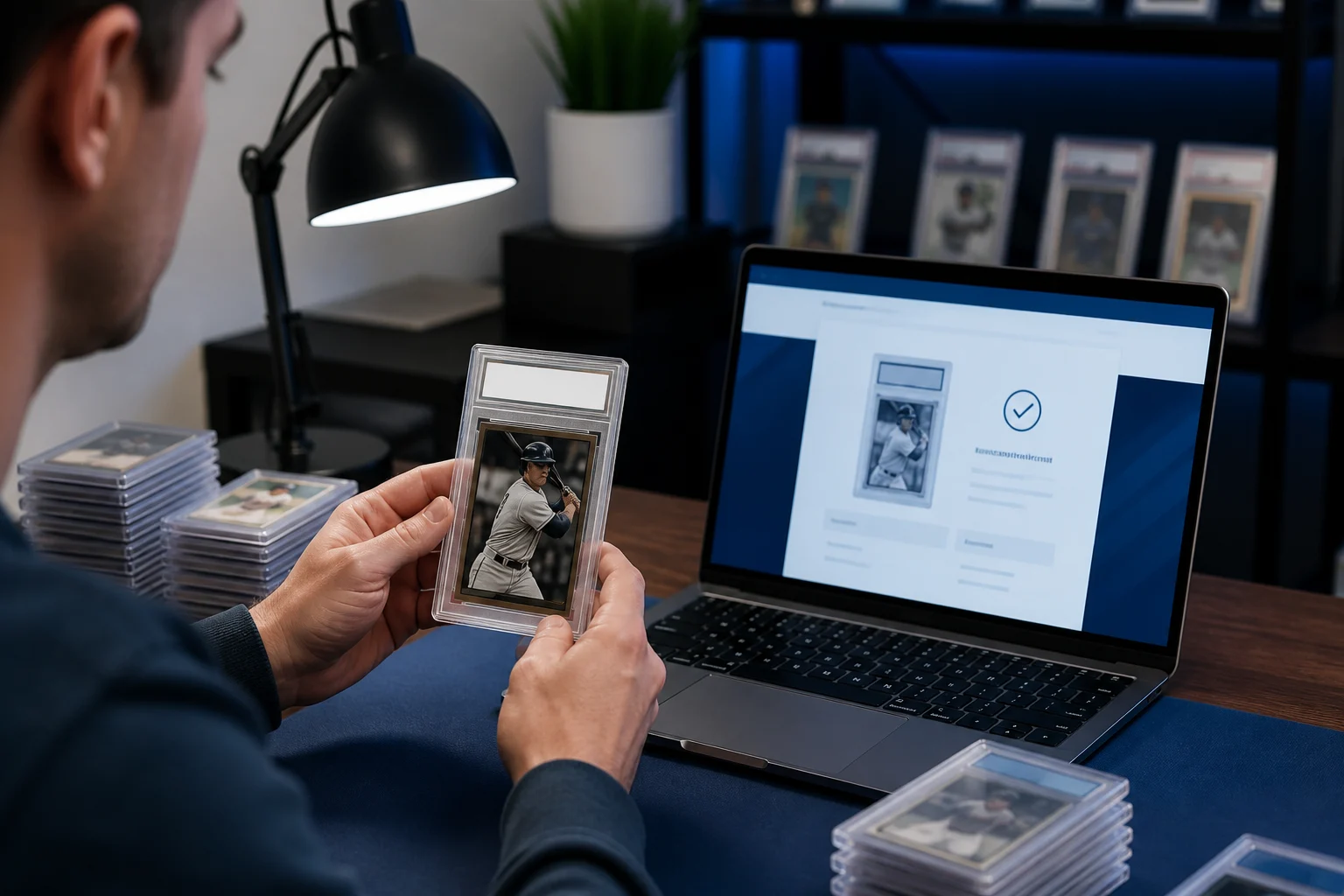
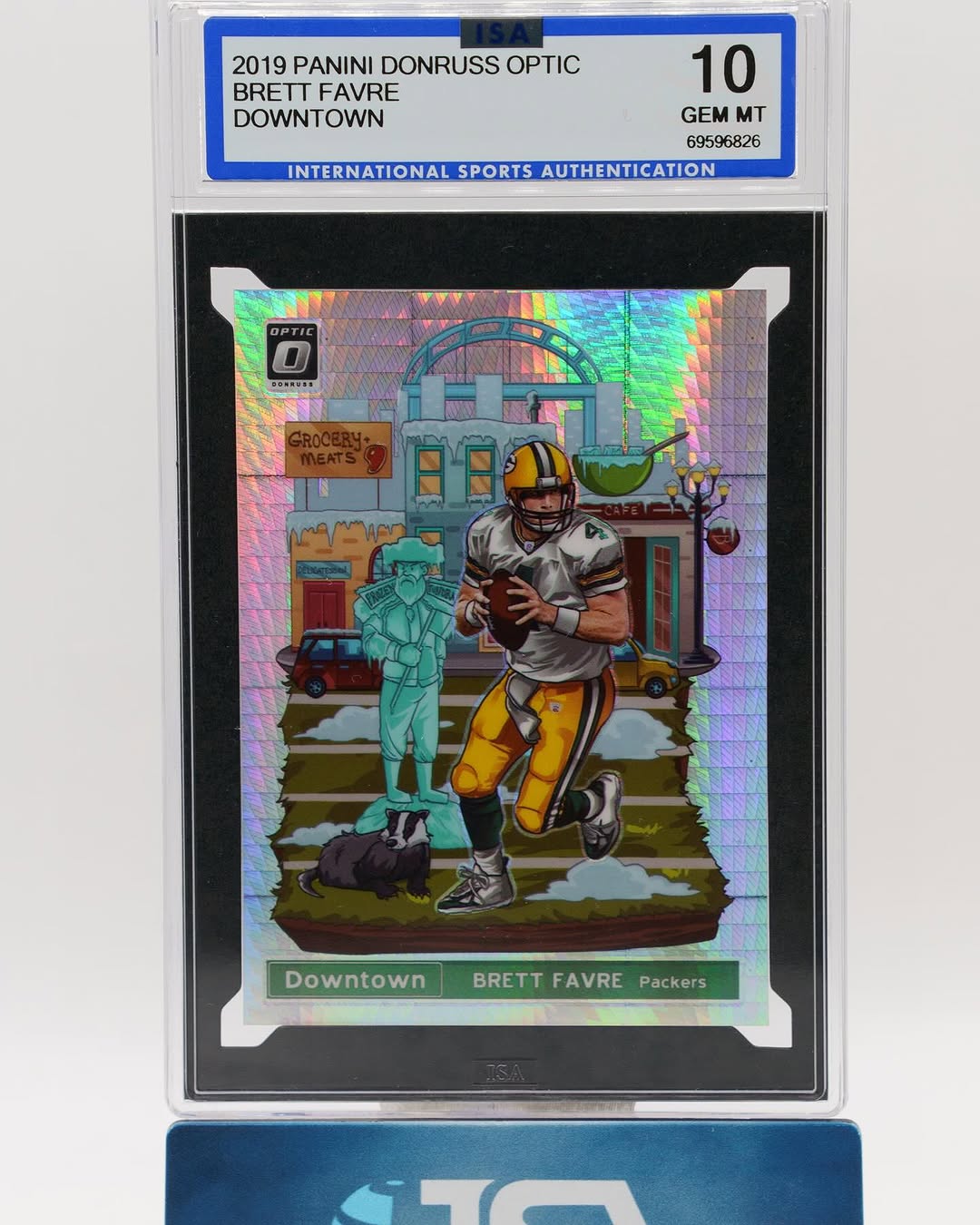
A graded card should be easy for a prospective buyer to identify. ISA provides online certificate verification, allowing users to look up the certification information associated with an ISA holder. Collectors and buyers can use the certificate verification page as part of their review.
Verification is useful when buying or selling online because photographs do not always show every label detail clearly. A seller can include a readable image of the front and back of the slab, enter the certification number accurately in the listing, and direct an interested buyer to the verification tool. Buyers should compare the available certification information with the card, label, and holder shown.
Sports card authentication and grading can improve the amount of organized information available in a transaction, but they do not eliminate the need for ordinary purchasing care. Buyers should still evaluate seller reputation, listing accuracy, return terms, images, and payment protections. Sellers should avoid describing a grade as a guarantee of future value.
Selling graded cards more effectively
A professional listing gives buyers the information needed to make an informed decision. State the athlete, year, set, card number, variation, grade, and grading company. If the card is serial numbered, autographed, or a memorabilia card, describe those features accurately and show them in the photographs.
Use clear images of the full front and back of the slab. Additional angled images may help show foil, refractor effects, autographs, or surface appearance. Avoid filters that change color or hide details. If the holder has visible storage wear, disclose it separately from the condition of the encapsulated card.
Pricing should be based on relevant market evidence when it exists. Compare the same card, variation, grade, and grading company rather than relying on unrelated examples. Active asking prices reveal what sellers hope to receive, while completed sales may provide more direct evidence of what buyers recently paid. Rare cards may have too little sales history for a simple comparison.
Trust also depends on fulfillment. Package the slab securely, provide tracking, and communicate promptly if a shipping issue occurs. Collectors evaluating ISA for future submissions can also read customer experiences on the ISA reviews page.
When fast grading is most useful
A fast card grading service can fit several common collecting situations. A dealer may need inventory before a card show. A hobby seller may want to list rookie cards during the current season. A collector may be organizing an inherited collection and want selected cards authenticated and protected. Another collector may simply prefer not to leave important cards out of the collection for an extended, uncertain period.
The best use case depends on the card and the owner's objective. Speed cannot turn a weak grading candidate into a strong one, and no card grading service can promise that grading will produce a profit. The value of a 14 day turnaround is practical: it gives the submitter a current, defined option for planning.
Collectors searching online for a card grading service near me may actually be looking for convenience, clear submission instructions, responsive information, and a manageable turnaround rather than a physical storefront nearby. The article on what collectors mean when searching for card grading near me explains how to evaluate those priorities.
A submission plan that respects your time
ISA's current combination of $15 per card, a 14 day turnaround, a 10 card minimum, and no upcharges gives busy collectors a straightforward framework. The strongest submission still begins with careful selection, honest condition screening, safe packaging, and a clear reason for grading each card.
Before sending a batch, confirm current service information, review the grading scale, create an inventory, and package each card according to the published instructions. That preparation supports an efficient submission and makes it easier to manage the cards when they return graded, encapsulated, and ready for collection storage or sale.
Submit Cards to ISA Grading
Collectors ready to use ISA Grading can start on the submission page. The current active service is $15 per card with a 14 day turnaround, no upcharges, and a 10 card minimum.
Frequently Asked Questions
What is ISA Grading's current turnaround time?
ISA Grading currently offers a 14 day turnaround. Collectors should also allow separate time for shipping to ISA and return delivery, and should review the current submission terms before mailing cards.
How much does ISA charge to grade a card?
ISA's current active service is $15 per card with no upcharges. A 10 card minimum applies, so the grading fee for the minimum submission is $150 before shipping or other separately disclosed costs.
What cards can I include to meet the 10 card minimum?
A submission can be built around appropriate sports cards from a personal collection, resale inventory, player collections, sets, or authentication candidates. Inspect every card first rather than adding unsuitable cards simply to reach the minimum.
How should I prepare cards for grading?
Inspect card centering, corners, edges, and surface under good lighting. Record each card in an inventory, place it in the protective materials required by the current submission instructions, and use sturdy tracked packaging. Do not clean, trim, recolor, press, or alter cards.
Can buyers verify an ISA graded card online?
Yes. Certificate verification is available on the ISA website. Buyers and sellers can enter the card's certification number and compare the available information with the label, card, and holder.