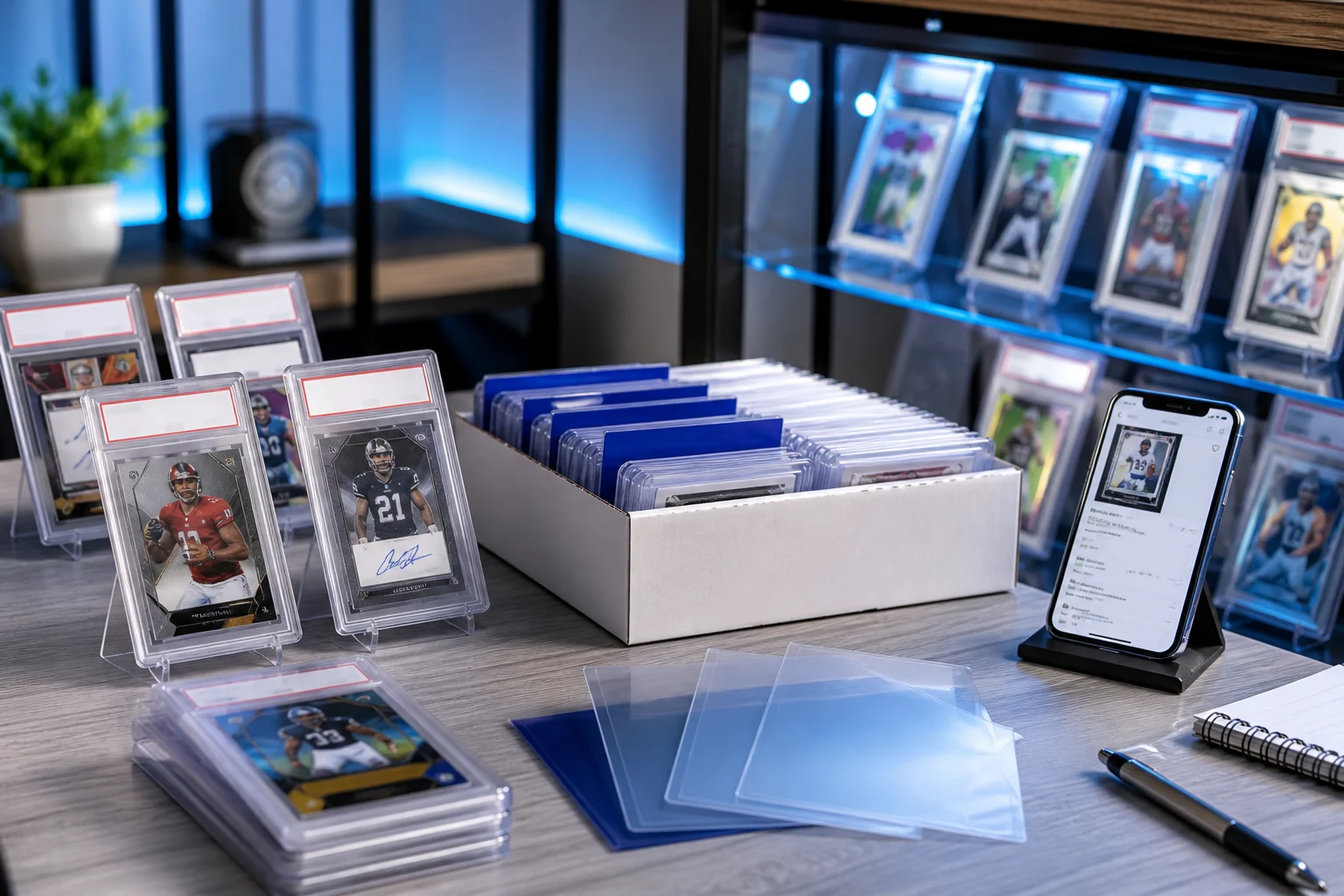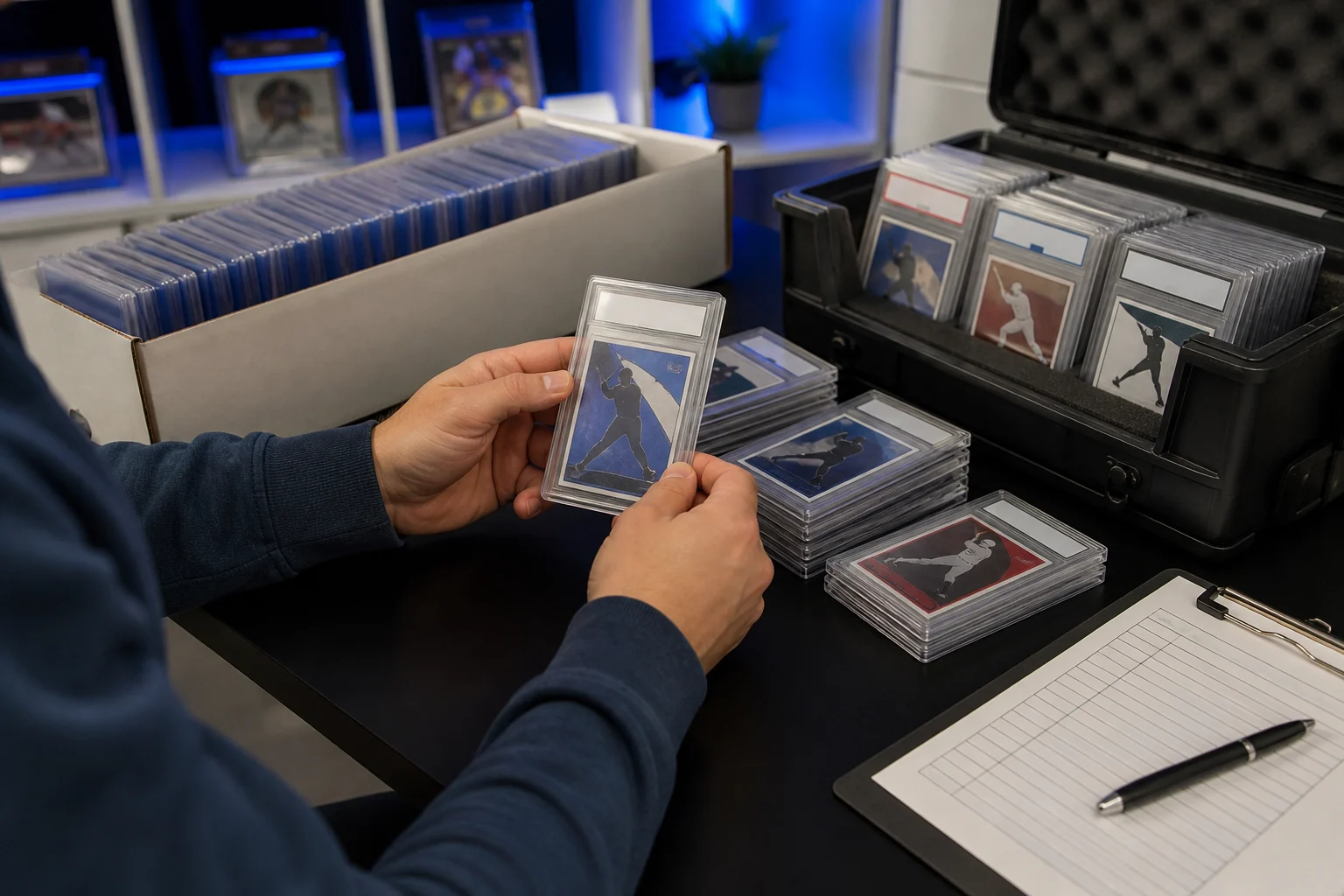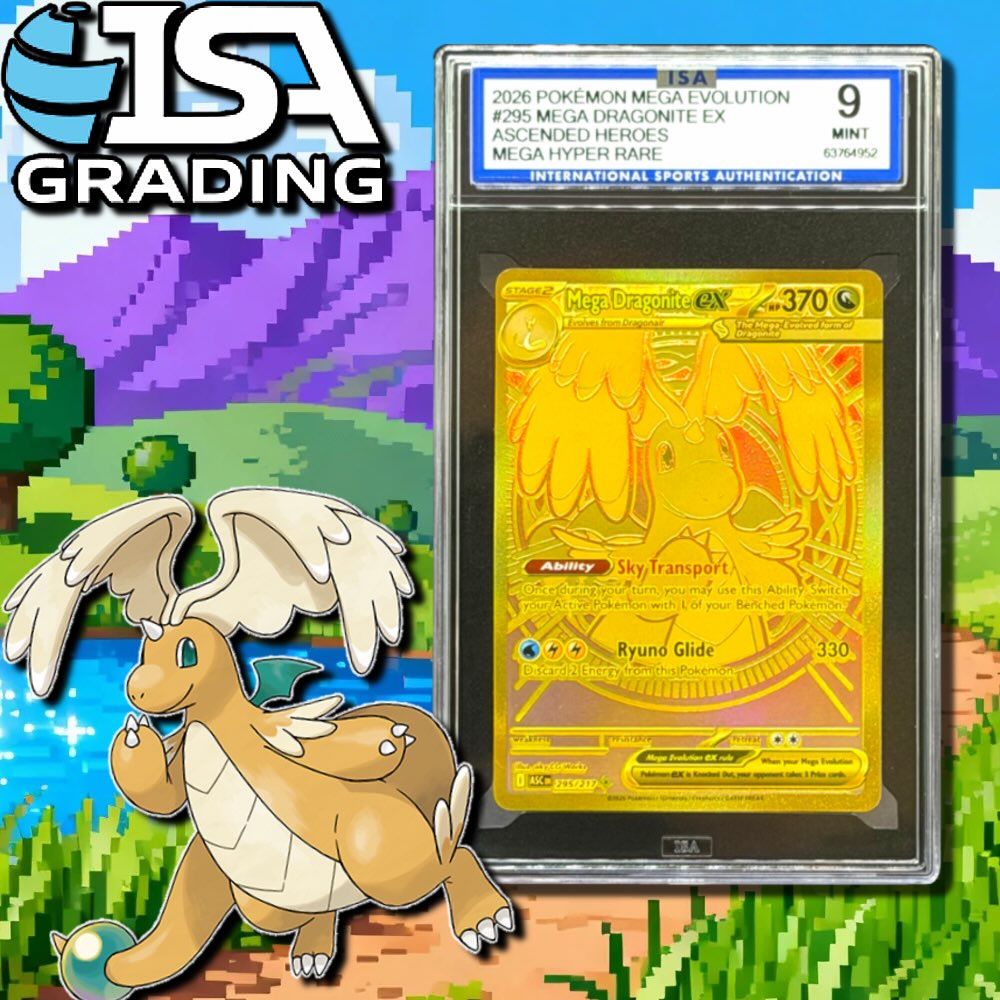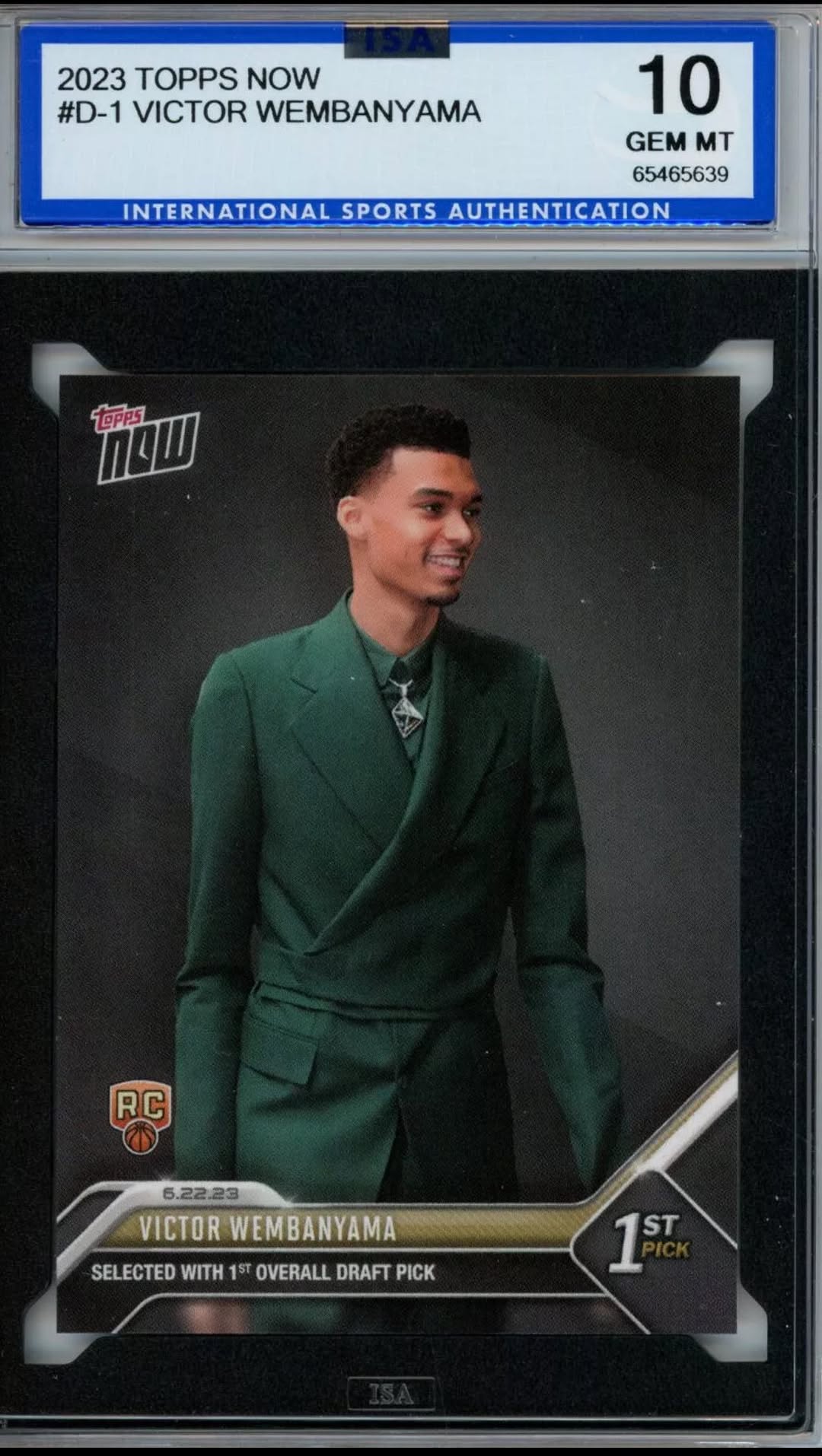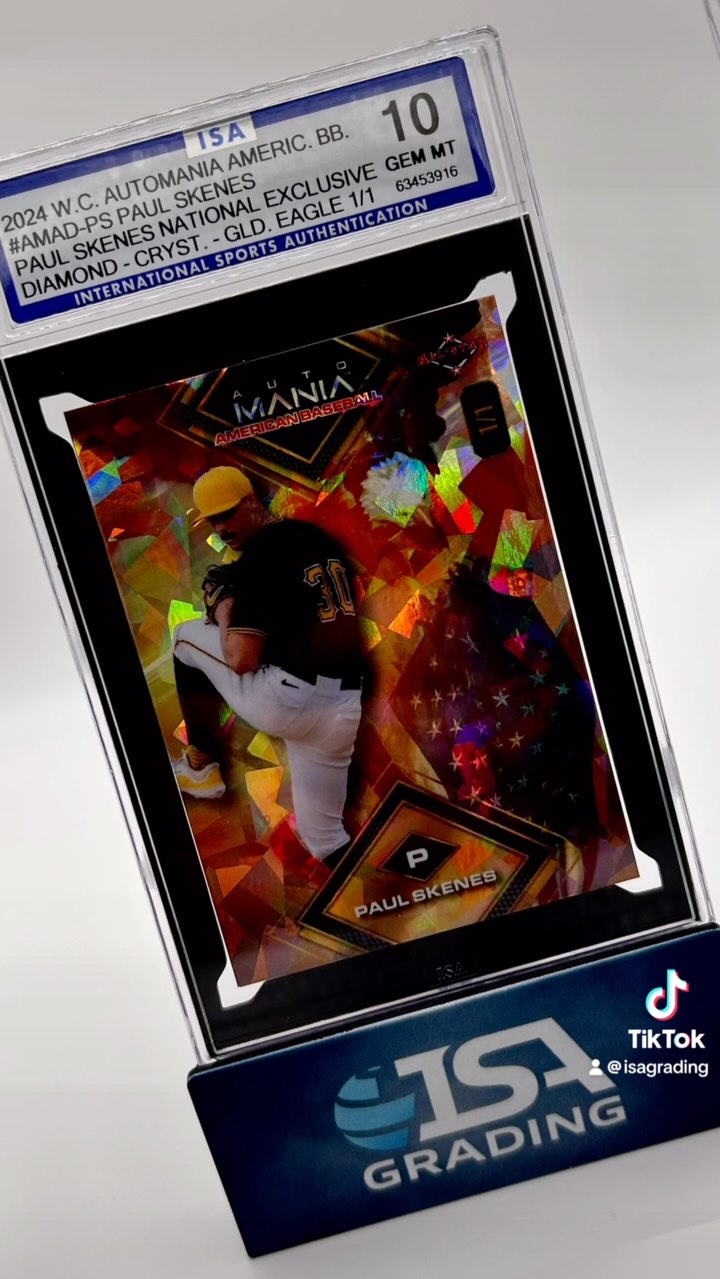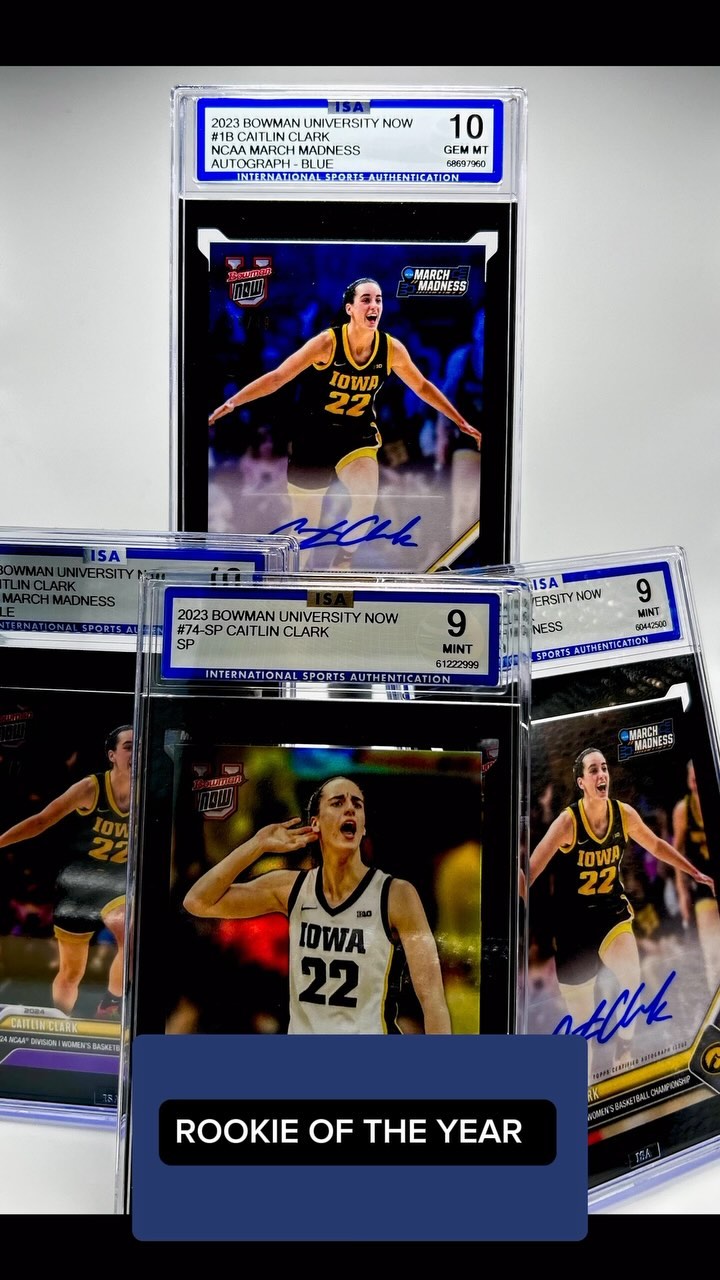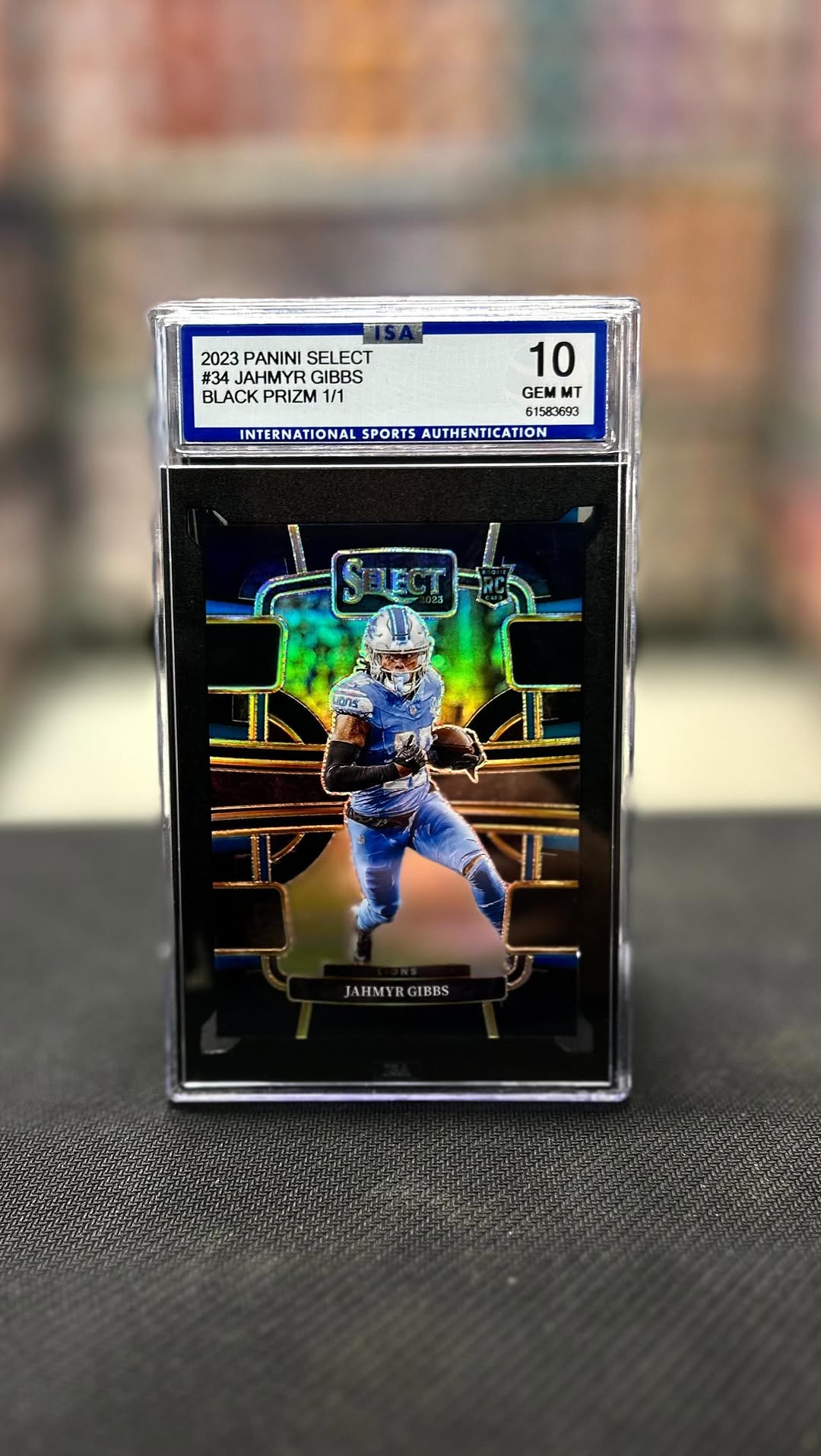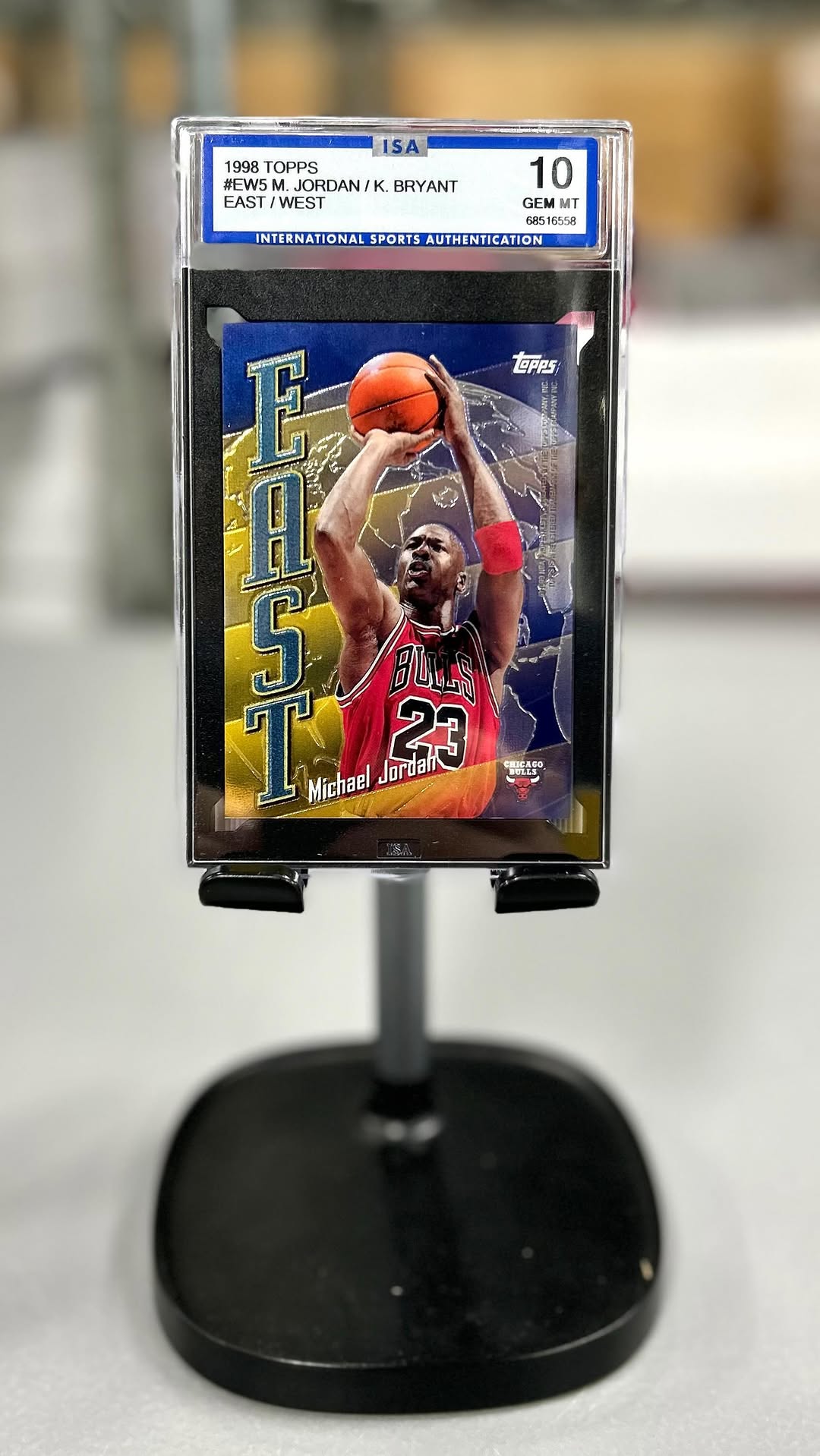
A graded card listing can look convincing before a buyer has checked anything beyond the photograph. The label shows a grade, the slab looks clean, and the seller describes the card confidently. But an informed purchase starts with a practical question: can you check the certificate information against the card being offered?
ISA Grading, also known as International Sports Authentication, offers certificate verification on its website. For collectors and dealers, that lookup adds a useful checkpoint when evaluating a slab, preparing a listing, or answering a buyer’s questions. It supports confidence through information rather than asking someone to rely on a sales description alone.
Here is how certificate verification fits into sports card grading, what buyers should examine alongside it, and how sellers can make the process easier.
What Certificate Verification Actually Tells a Buyer
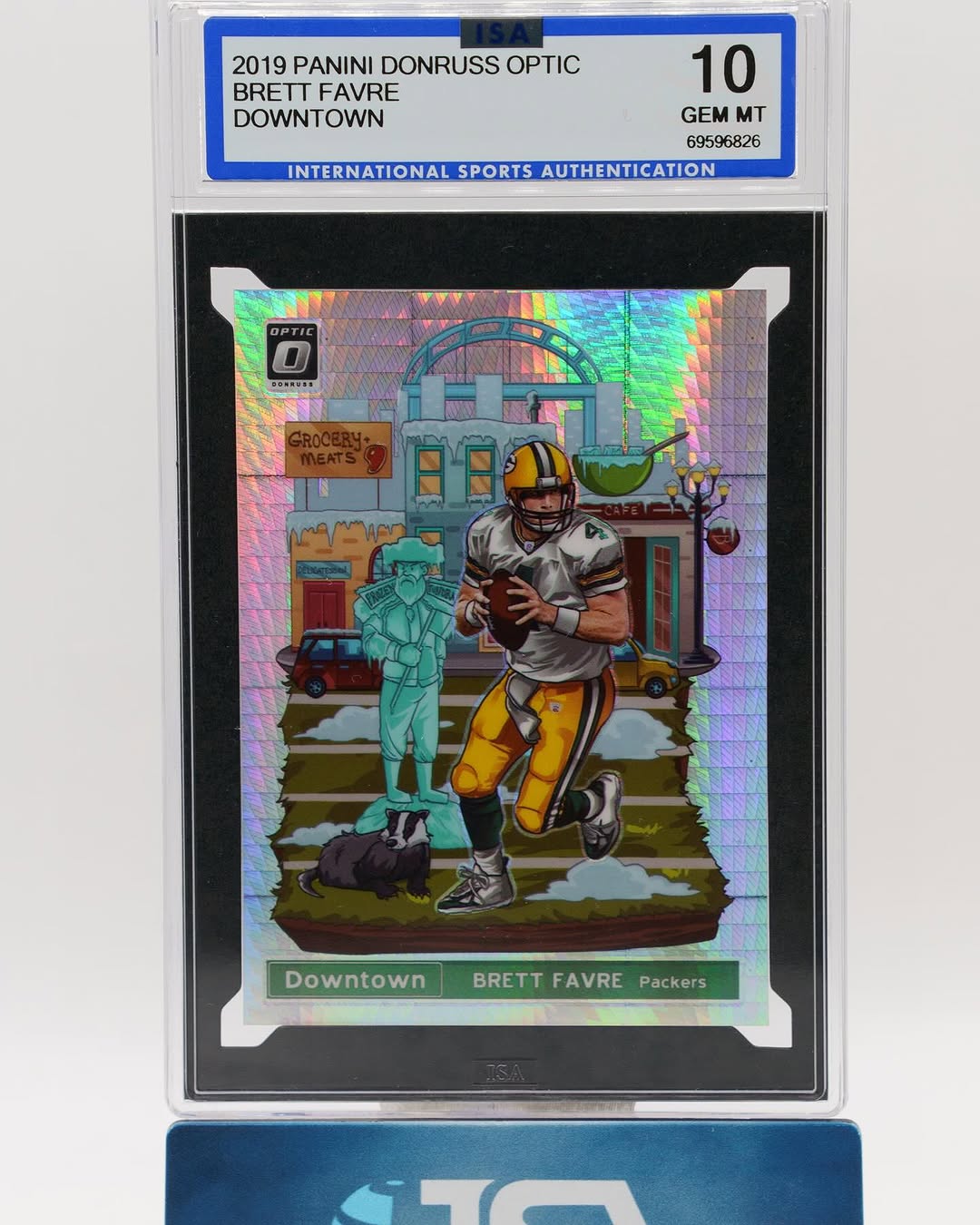
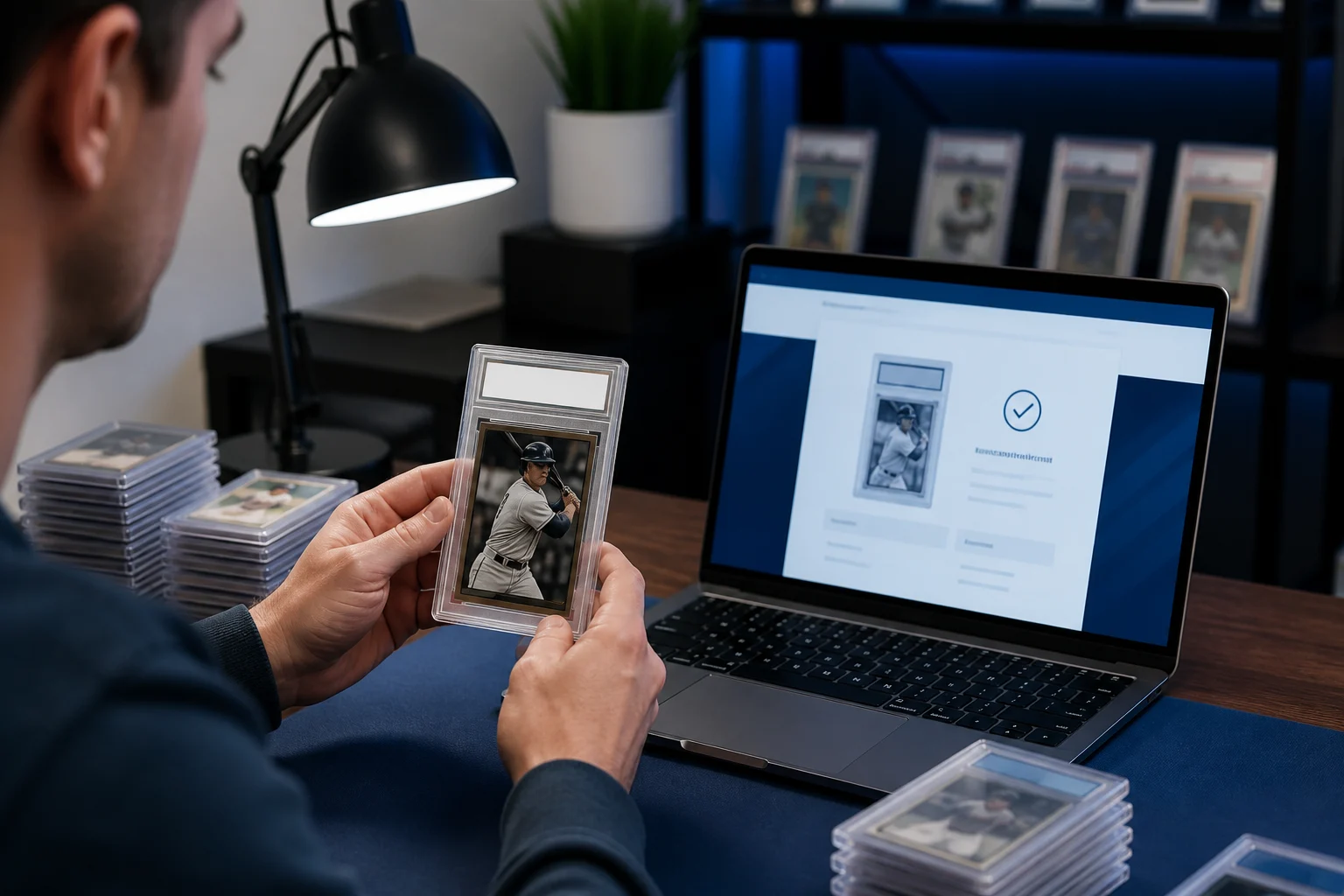
Certificate verification lets a buyer look up the certificate information associated with a graded card. Start with the number shown on the slab label, then use the ISA certificate verification page to check the available record. Compare the information returned with the label and the card in front of you.
The important distinction is between checking a record and confirming everything about a transaction. A matching lookup is useful evidence, but it does not independently establish that the seller owns the pictured card, that every listing photo is current, or that the holder has remained unchanged since grading.
Think of verification as one part of a buying routine. The certificate record, clear photographs, physical holder condition, seller communication, and transaction protections should work together. None should be treated as a substitute for all the others.
How to Check an ISA Certificate Before Buying
1. Get a readable photograph of the label
Ask for an image that clearly shows the certificate number and label details. If a listing uses distant photos, heavy glare, or cropped images, request a closer view. A seller’s typed certificate number is helpful, but a photograph lets you compare that number with the actual slab being offered.
2. Enter the certificate number carefully
Use ISA’s website rather than relying only on a screenshot supplied by someone else. Enter the number as shown and review the result. If the lookup does not produce the expected information, first check for a typing mistake. An unsuccessful search alone does not establish that a card or holder is counterfeit.
3. Compare the available details
Compare every relevant detail displayed in the record with the slab label and card. Depending on the information available, this may include the card identity, set, year, grade, or other identifying details. Pay particular attention when a set includes similar variations, parallels, or multiple cards of the same player.
4. Resolve discrepancies before paying
If something does not match, pause the purchase and ask for clarification. Request additional photographs or contact ISA through its website if you need help interpreting a result. Do not explain away a mismatch simply because the price is attractive or another buyer appears interested.
Why Verification Builds Buyer Confidence
Buying a graded card involves several separate judgments. Is this the card advertised? Does the grade match the label and available record? Does the holder appear intact? Is the price reasonable for the specific card and condition? Certificate verification helps address the identification and record questions without pretending to answer every pricing or transaction question.
That distinction matters when selling graded cards. A seller who provides readable label photos and makes the certificate easy to check gives buyers a way to investigate independently. The listing becomes easier to evaluate because important details are accessible rather than buried in messages.
For dealers, a consistent verification routine can also help catch inventory errors. Similar-looking cards can be assigned to the wrong listing, or an old description can carry over into a new sale. Comparing the certificate, photographs, and listing text before publication is a straightforward quality-control step.
Look Beyond the Number: Inspect the Card and Slab
Trading card slabs make handling and presentation more practical, but buyers should still inspect them carefully. Look at the front, back, edges, and corners of the holder. Ask about visible cracks, chips, separation, cloudiness, or scratches that could affect viewing or raise questions about its condition.
Card encapsulation helps protect a card during ordinary handling, but a slab is not permission to ignore storage conditions. Avoid excessive heat, moisture, prolonged direct sunlight, and unnecessary impact. Use suitable packaging when shipping, and protect the holder from rubbing against other items.
Also look at the card itself. Card centering, corners, edges, and the card surface all deserve attention, even when a numerical grade is already assigned. Photographs may not reveal every surface issue, so ask for additional angles when glare hides an area you want to examine.
ISA’s grading scale provides context for understanding its grades. Use that information to understand the assessment, while recognizing that a grade does not guarantee a particular sale price or eliminate differences in personal preference.
What Sellers Should Include in a Verifiable Listing
A useful listing anticipates the questions a careful buyer would ask. It does not need exaggerated language or promises about future value. It needs accurate identification, clear images, and an honest description of what is included in the sale.
- Card identification: State the player, year, set, card number, and variation when applicable.
- Grading information: Identify ISA and reproduce the grade accurately.
- Readable label photos: Make the certificate number and label details easy to inspect.
- Front and back views: Show the actual card and holder being sold.
- Holder condition: Disclose visible damage or notable cosmetic wear.
- Transaction terms: Explain shipping, packaging, and applicable return terms clearly.
Keep original photographs associated with the correct inventory record. If you hold multiple copies of a card, do not assume one slab’s images are interchangeable with another’s. Buyers need to evaluate the specific copy they will receive.
Customer feedback can provide additional context about a company, but it serves a different purpose from certificate verification. ISA’s reviews page can inform your research into customer experiences; a certificate lookup addresses the record associated with a particular graded card.
Clear Pricing Makes the Submission Decision Easier
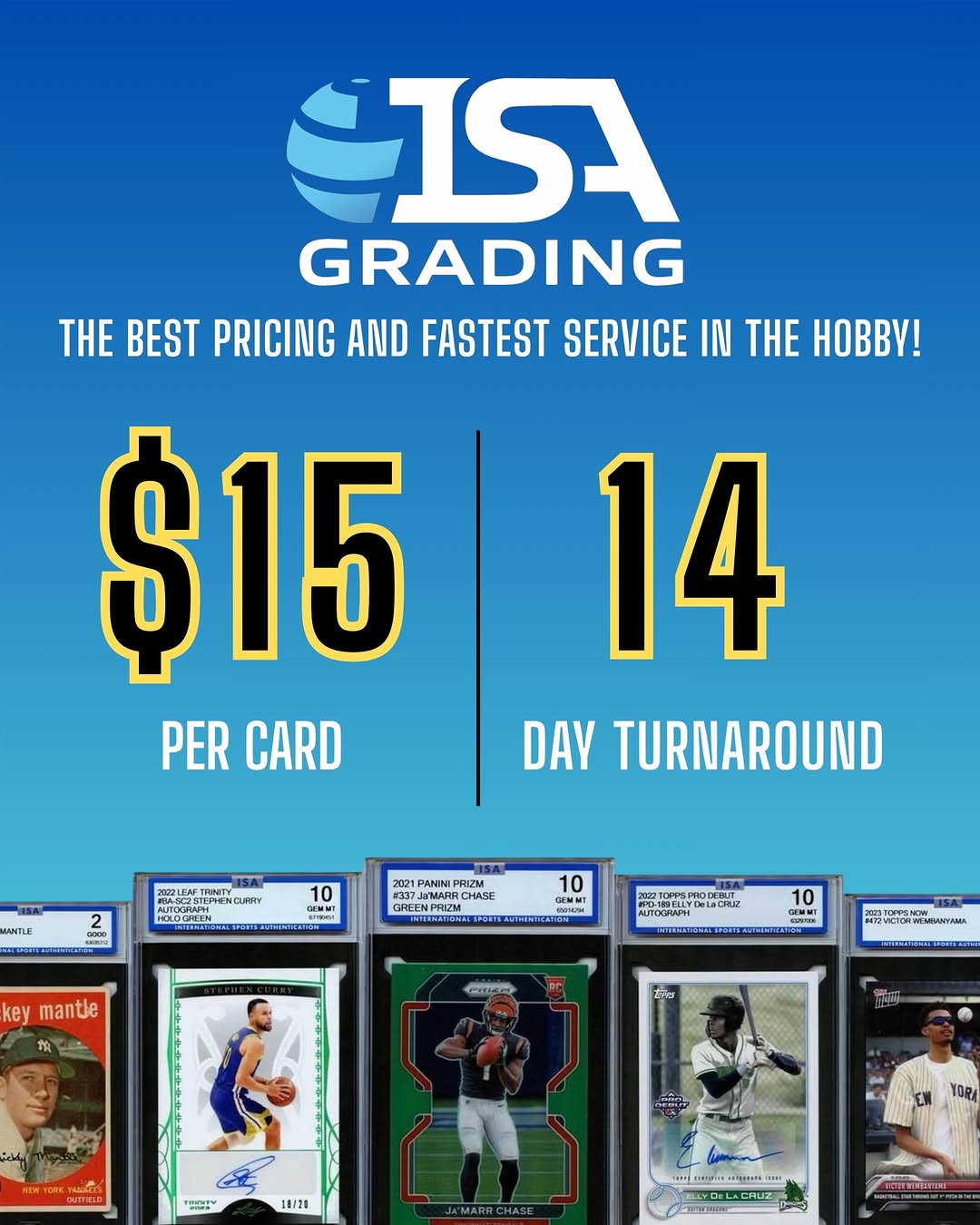
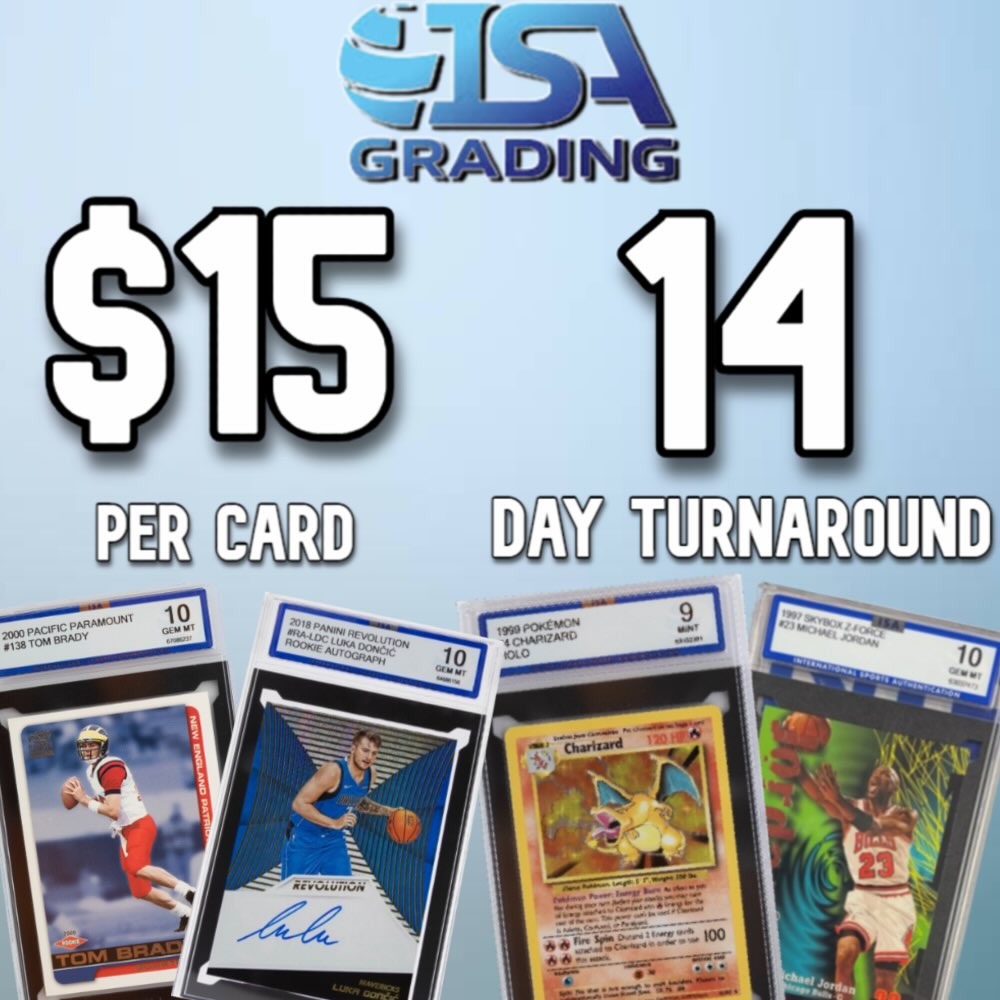
Buyer confidence begins before a graded card reaches a marketplace. Collectors and dealers also need to understand the service they are purchasing. ISA’s current active service is $15 per card, with a 14 day turnaround, a 10 card minimum, and no upcharges.
At the current per-card price, ten cards total $150 in grading charges. Budget separately for any applicable shipping, insurance, taxes, or other charges shown during submission. No upcharges should not be confused with an assumption that every possible transaction expense is included in the grading price.
That pricing clarity helps when comparing the cost of grading with a card’s likely role in your collection or inventory. For a closer look at the service price, read how ISA keeps grading at $15 per card.
If you are thinking, “Should I grade my cards before selling?” start with the individual cards rather than the fee alone. Review condition, recent comparable sales, expected selling expenses, and whether encapsulation serves your goal. Grading is not a guarantee of profit.
Turnaround Time and a Realistic Selling Plan
Fast card grading can matter when inventory is intended for an upcoming show or a planned online release. ISA currently offers a 14 day card grading turnaround. Before making firm commitments, review the current submission terms so you understand how turnaround is measured and how transit affects your overall schedule.
Your planning window should account for preparation, outbound shipping, processing under the applicable service terms, return shipping, photography, and listing work. A grading turnaround is not the same as the total time between packing a submission and completing a sale.
For dealers, timing also affects how long money remains committed to inventory. That does not mean a faster return guarantees a better price. It means a clearer schedule can support better planning. ISA explores that relationship in The Hidden Cost of Waiting: Why Grading Turnaround Shapes Every Card Sale.
Prepare Cards Carefully Before Submission
Certificate verification happens after grading, but good recordkeeping starts before you ship. Build an inventory list that identifies each card clearly. Photograph your cards and note variations or identifying features so you can reconcile the submission when it returns.
Inspect cards under suitable lighting without unnecessary handling. Look for surface marks, corner wear, edge damage, and centering differences. Do not attempt to improve a card through cleaning, trimming, pressing, or other alteration. Follow the submission instructions for protective materials, organization, and packaging.
Collectors researching baseball card grading or basketball card grading may be working with very different card stock, finishes, and production eras. Rookie card grading often requires careful identification of the exact issue, while vintage card grading calls for realistic expectations about age-related wear and condition. In every case, accurate identification supports better records.
Searches for trading card grading can also lead collectors to Pokemon card grading or TCG card grading information. Do not assume every grading company accepts every category. Confirm current eligibility and submission requirements before including non-sports cards or unusual formats. ISA’s FAQ page is a useful starting point for service questions.
Make Verification Part of Every Purchase and Sale
Someone searching for card grading near me may initially focus on convenience. But the longer-term questions include pricing clarity, careful handling, understandable grading information, and whether a future buyer can check the certificate. Those details remain relevant after the submission is complete.
Sports card authentication, condition grading, and certificate verification play related but distinct roles. Verification connects your review to an available certificate record. It should complement careful inspection and sound transaction practices, not replace them.
Before buying, check the certificate and resolve inconsistencies. Before selling, confirm that the listing, photographs, and slab all match. Before submitting, review ISA’s current terms and prepare your inventory carefully. When you are ready, visit ISA’s card submission page to begin with the current $15 per card service, 14 day turnaround, 10 card minimum, and no upcharges.
Submit Cards to ISA Grading
Collectors ready to use ISA Grading can start on the submission page. The current active service is $15 per card with a 14 day turnaround, no upcharges, and a 10 card minimum.
Frequently Asked Questions
How do I verify an ISA graded card certificate?
Find the certificate number on the slab label and enter it on ISA’s certificate verification page. Compare the available record with the label and actual card. If information differs, check your entry and seek clarification before completing a purchase.
Does a matching certificate guarantee that a listing is legitimate?
No. A matching certificate record is a useful checkpoint, but it does not independently confirm seller ownership, current photographs, or the physical condition of the holder. Review the actual card, slab, seller information, and transaction protections as well.
What should I do if an ISA certificate lookup does not match?
Recheck the certificate number for typing errors and compare it with a clear photograph of the label. If the issue remains unresolved, pause the transaction and contact ISA for assistance. A failed lookup alone does not prove that a card or holder is counterfeit.
What are ISA’s current grading price and turnaround?
ISA’s current active service is $15 per card with a 14 day turnaround, a 10 card minimum, and no upcharges. Review current submission terms for turnaround details and any applicable shipping, insurance, taxes, or other charges.
What photos should I provide when selling an ISA graded card?
Provide clear front and back photographs of the actual card and slab, plus a readable view of the label and certificate number. Show or disclose notable holder wear or damage, and make sure the listing description matches the specific card being sold.