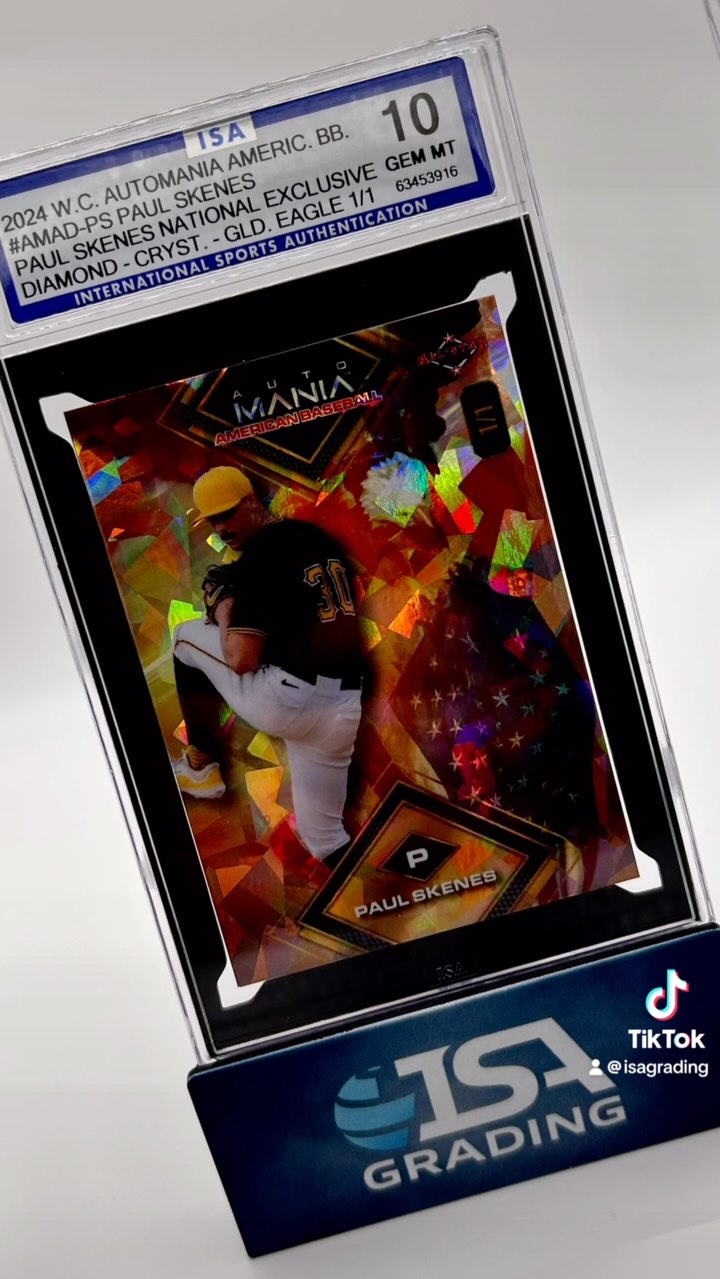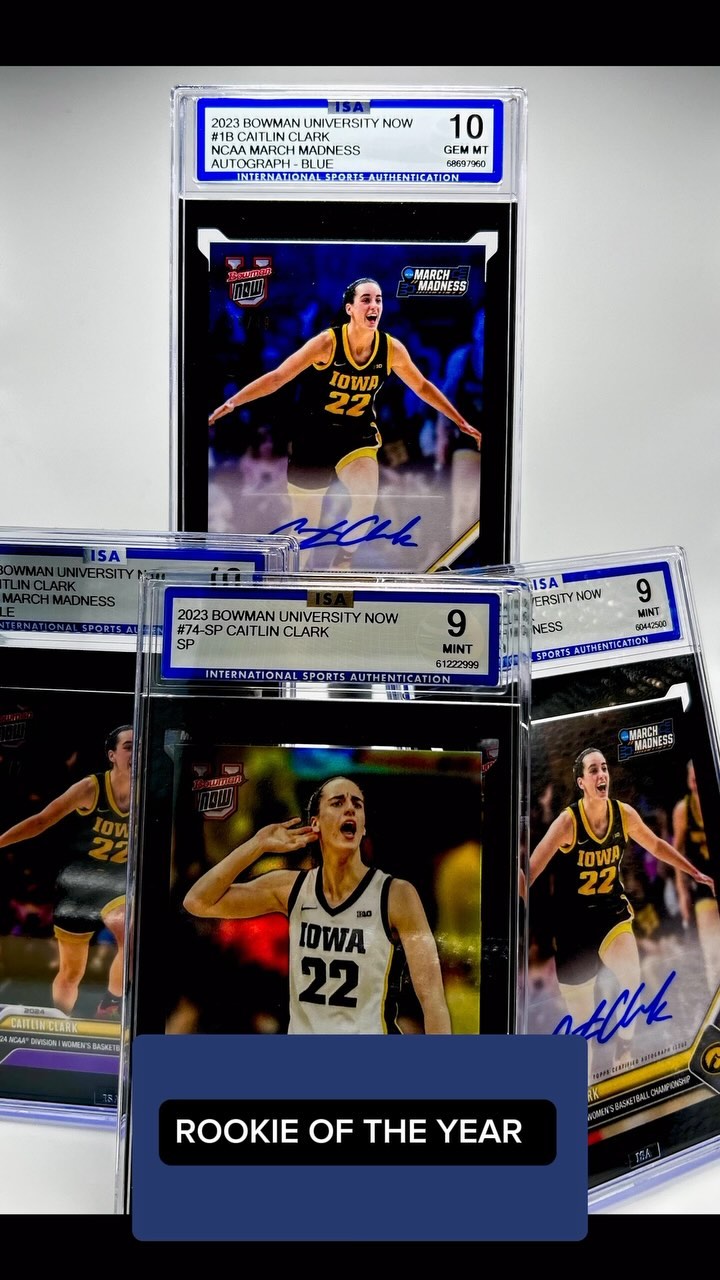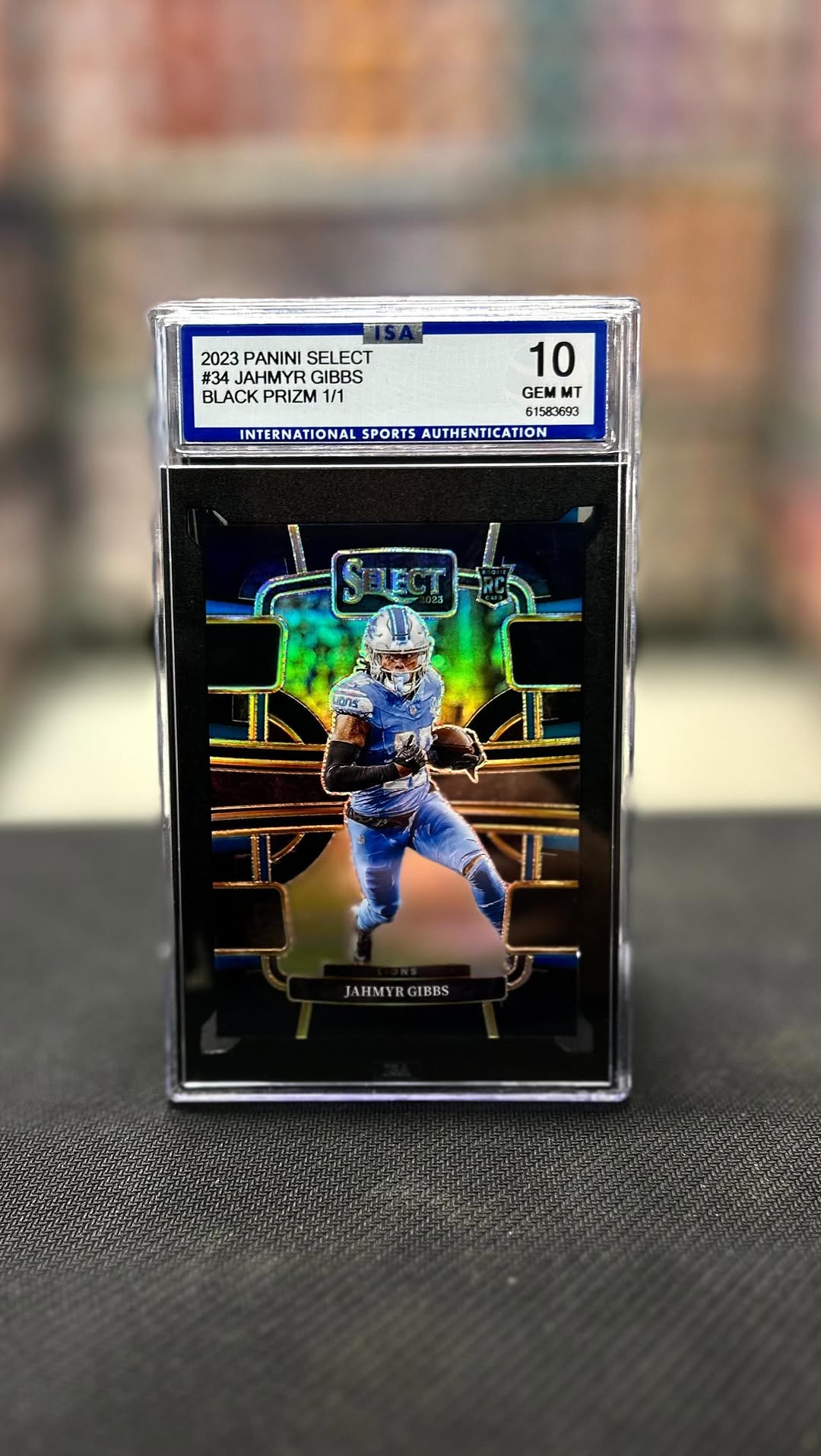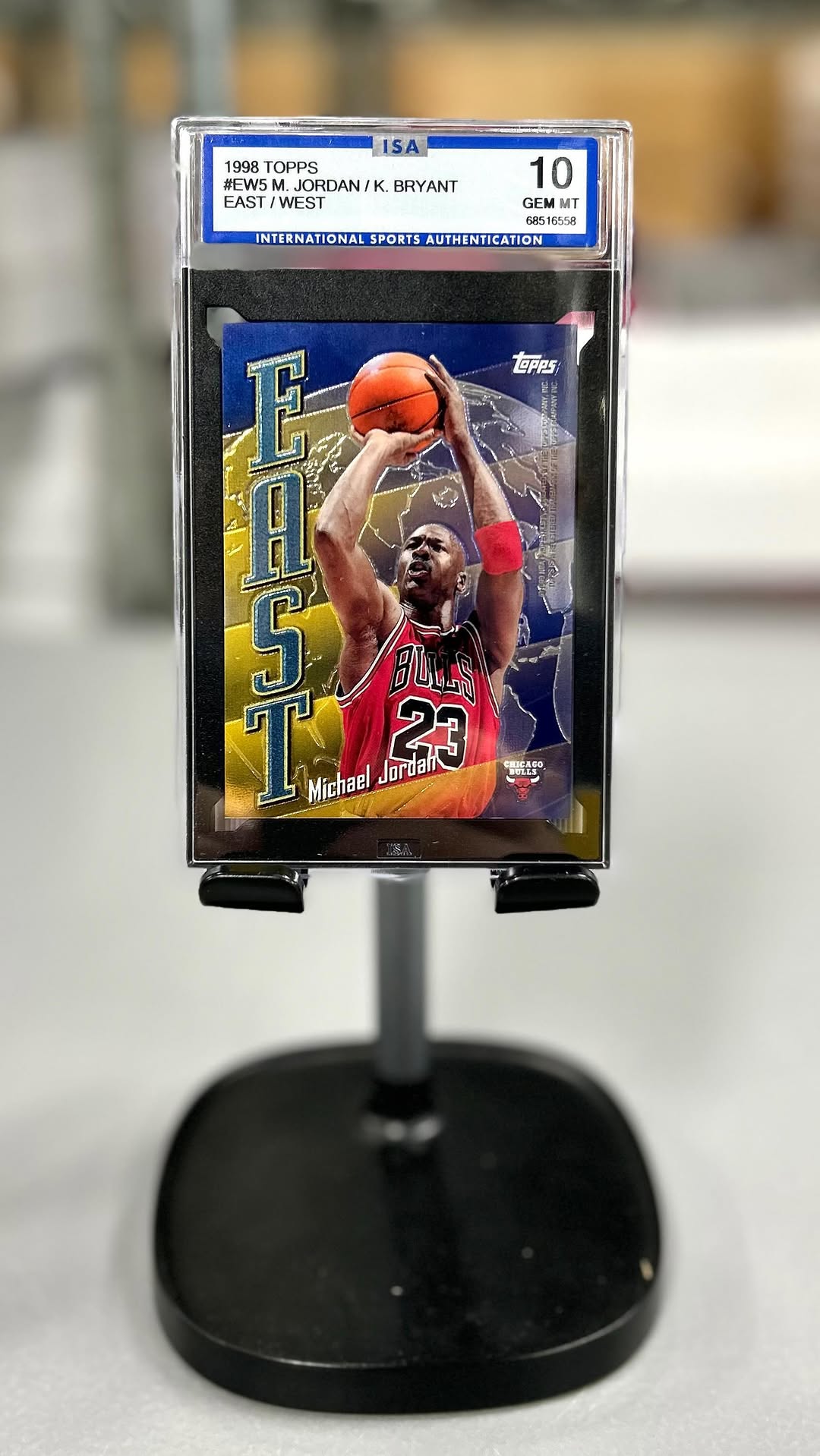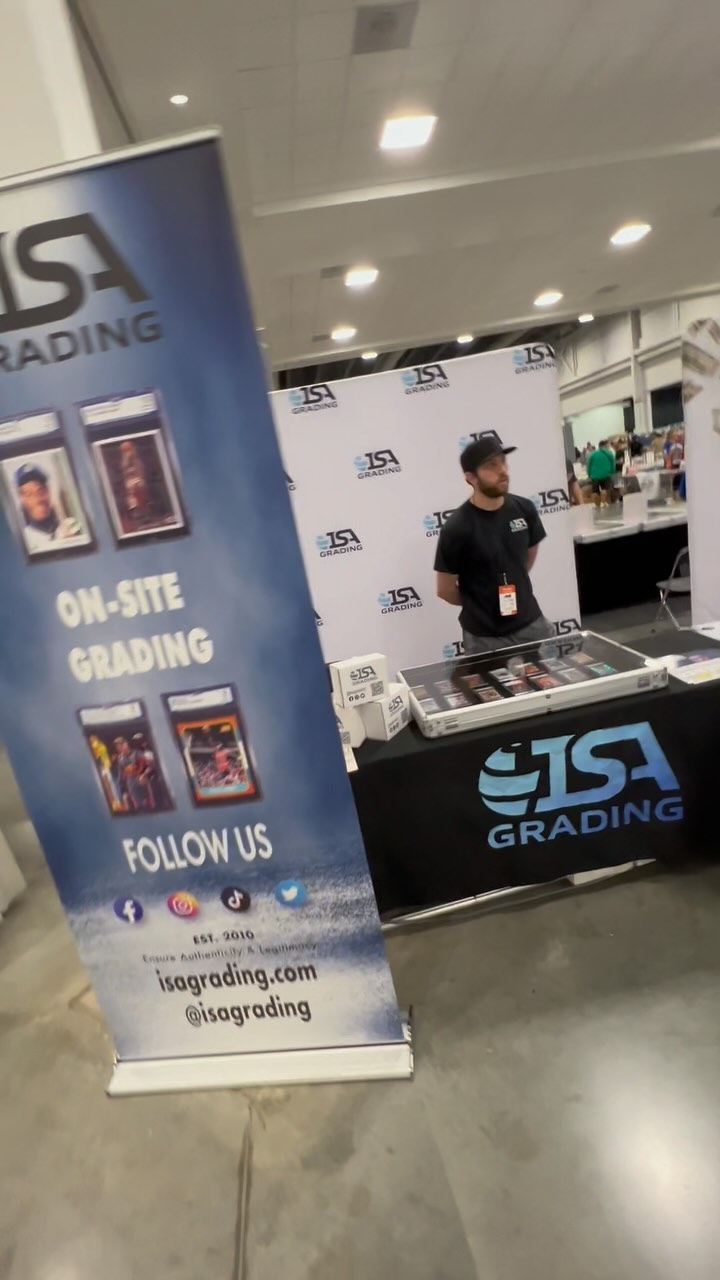
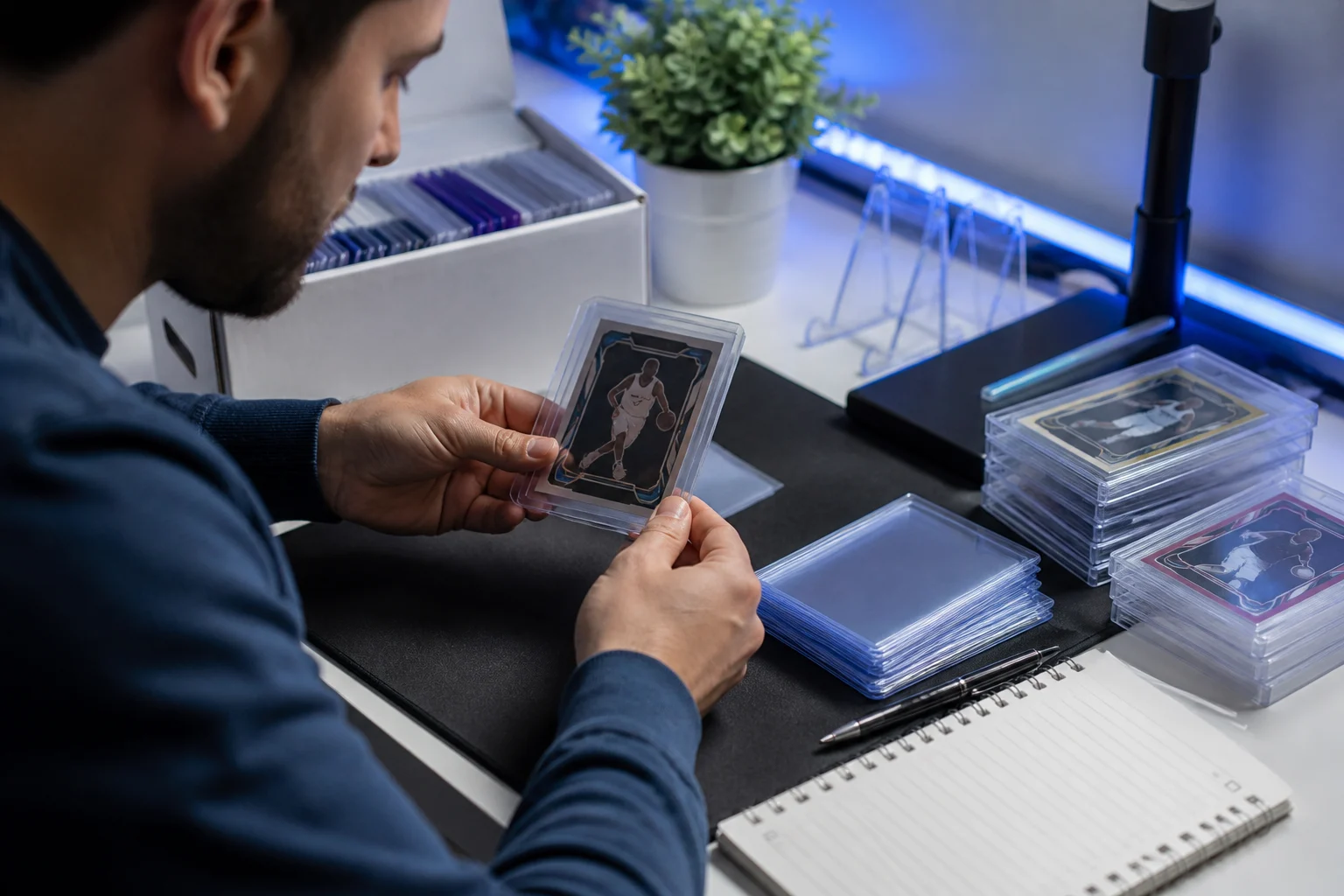
When collectors search for card grading near me, they are usually looking for more than a nearby address. They want a trustworthy place to send valuable cards, a clear price, a manageable wait, and a finished slab they can confidently keep, display, or sell.
The right choice depends on what happens before, during, and after submission. Can you understand the grading standards? Does the service fit your budget? Can a future buyer check the certificate? Those questions often matter more than driving distance.
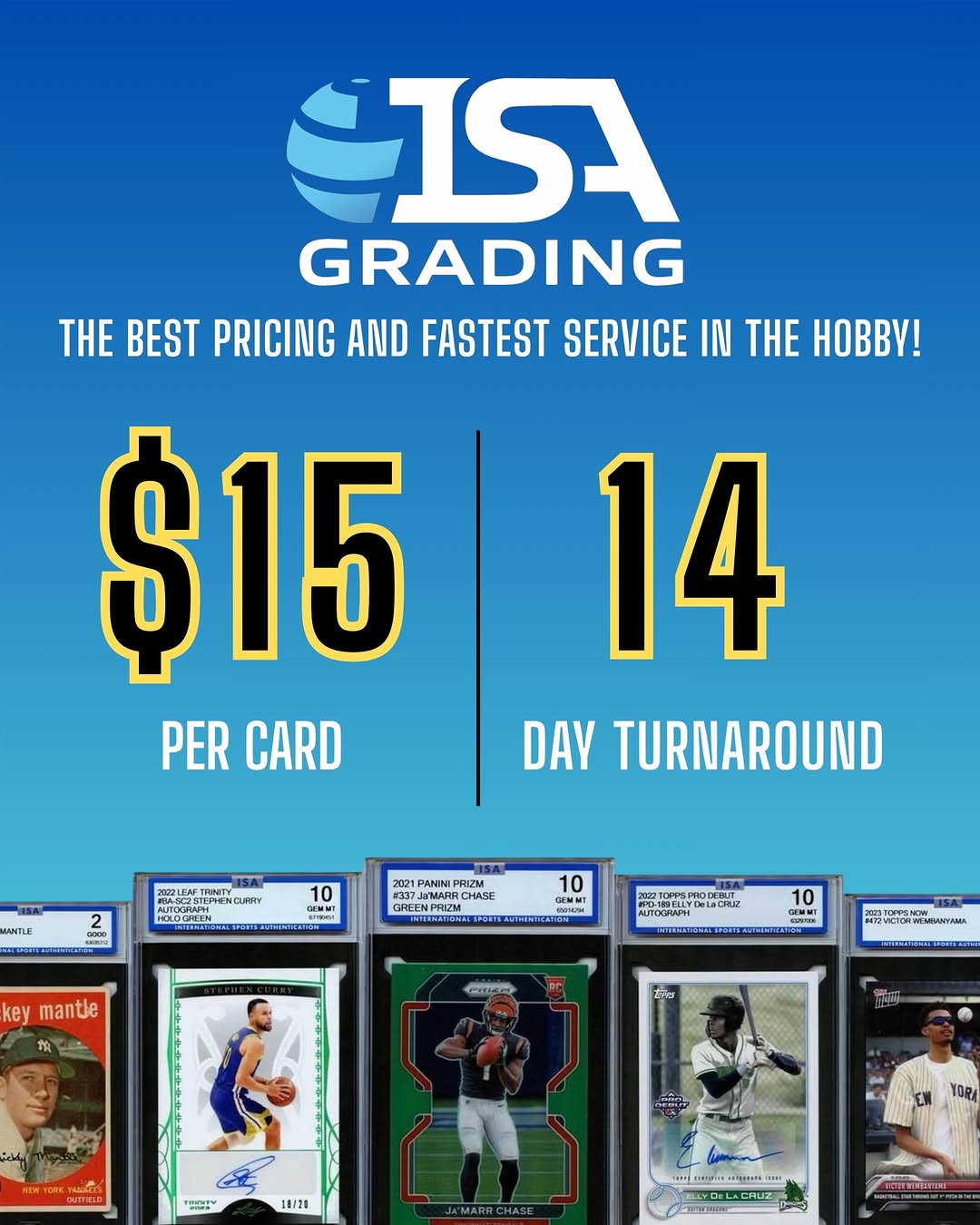
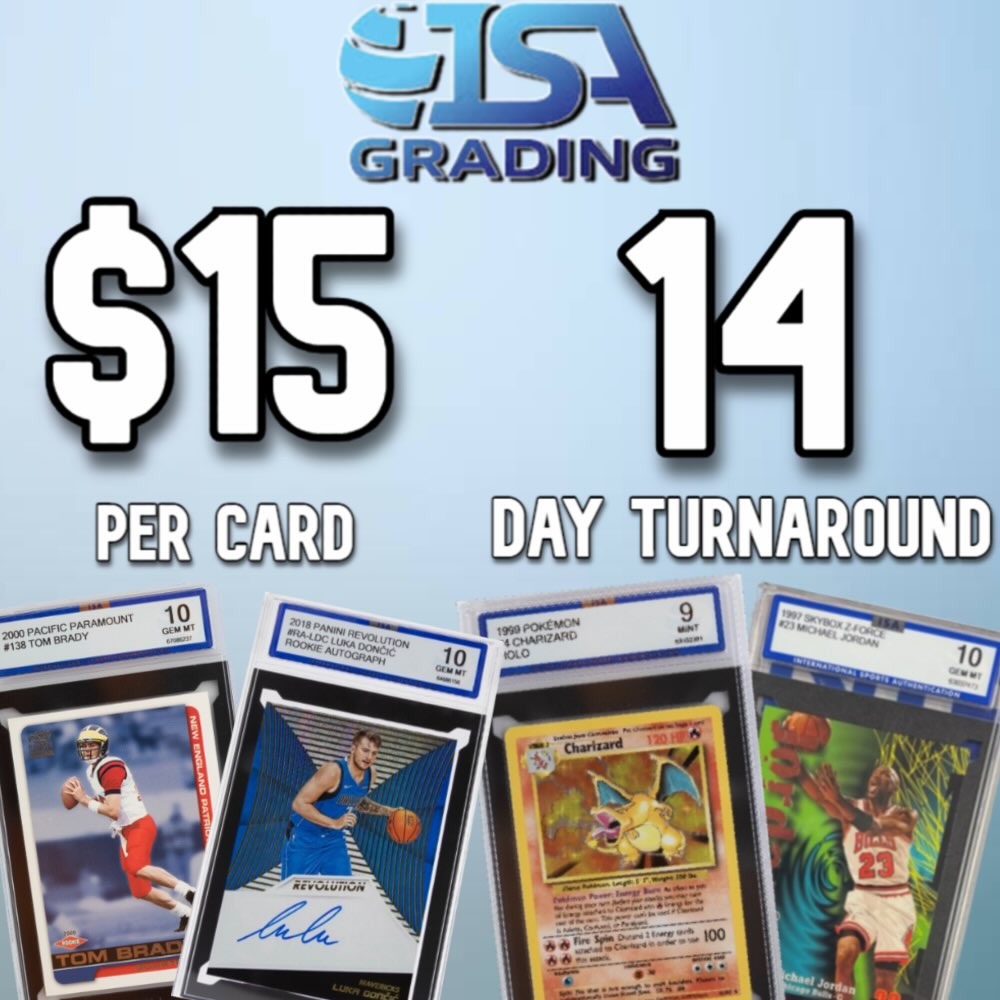
ISA Grading, also known as International Sports Authentication, offers sports card grading and authentication at $15 per card, with a 14 day turnaround, a 10 card minimum, and no upcharges. Here is how to evaluate those details alongside your own collecting or selling goals.
Local Convenience Is Not the Same as the Right Service
A local option can be appealing if you prefer face-to-face communication or hope to avoid shipping. However, a nearby card shop, submission intermediary, and grading company may play different roles. Before handing over cards, establish who will evaluate them, who will hold them, and how they will reach the grader.
Do not assume that a business appearing in local search results accepts walk-in submissions. Confirm its submission method, appointment requirements, and handling procedures first. If another business submits on your behalf, ask about any additional charges and how you will receive updates.
For a direct submission, distance becomes one factor among several. Clear instructions, practical communication, and predictable pricing can be more useful than proximity alone. Compare the complete process rather than choosing solely from a map listing.
Start With Your Reason for Grading
Before asking, “Where should I grade my cards?”, decide what you want the submission to accomplish. A collector protecting a favorite rookie card has different priorities from a dealer preparing inventory for a show.
- Personal collection: Focus on condition documentation, presentation, and long-term handling needs.
- Online sales: Consider whether the grading expense makes sense for the card and its likely buyers.
- Dealer inventory: Match submission size and timing to your sales calendar and available cash.
- Inherited collections: Identify cards carefully before committing to grading an entire group.
A slab does not automatically make every card worth more. Common cards, heavily worn copies, and cards with limited demand may not recover their grading costs. Research actual sold listings for comparable cards, paying attention to the grading company, grade, card variation, and date of sale.
Understand the Price Before You Build a Submission
ISA's current service costs $15 per card with a 10 card minimum. That makes the grading charge for a minimum submission $150. ISA also offers no upcharges, an important detail for collectors trying to establish a budget before sending cards.
Still, the grading charge and the entire cost of submitting are not necessarily identical. Review current instructions for shipping, insurance, taxes, or other applicable expenses before calculating your total. Do not assume those items are included in the per-card rate.
When comparing no upcharge card grading options, look beyond the headline price. Check the minimum quantity, return arrangements, and payment terms. A low advertised rate is only useful if you understand what your submission requires.
For sellers, evaluate each card individually. Compare its likely selling price after grading with what it could sell for raw, then account for grading, shipping, marketplace fees, and your acquisition cost. Use conservative condition estimates rather than assuming every clean-looking card will receive the highest grade.
Make Turnaround Part of Your Selling Plan
A 14 day card grading turnaround can help collectors and dealers organize submissions around upcoming selling opportunities. ISA's current turnaround is 14 days, but that figure should not be treated as a promise that a shipment will leave your hands and return within exactly two weeks.
Transit time and the service's timing rules matter. Confirm when the turnaround period begins, how days are counted, and whether any submission-specific issues could affect processing. If you need cards for a particular event, leave room for shipping and unexpected delays.
Fast card grading is useful when it supports a realistic plan. A dealer might submit selected inventory ahead of a show, while a collector might want cards back before reorganizing a display. Neither should rely on the tightest possible schedule.
For a closer look at inventory planning, read From Submission to Sales Table: A Dealer's Plan for Fast Card Grading. The practical goal is to keep cards moving without committing sale dates you cannot control.
Inspect Condition Before Paying for Evaluation
Card condition grading starts with understanding what is actually on the card, not what you hope a grader will see. Use good lighting, a clean workspace, and careful handling to review each candidate before submitting it.
Centering and corners
Card centering describes how the printed image and borders are positioned. Look at both the front and back, and remember that some designs make uneven alignment harder to notice. A card can appear sharp while still showing an obvious shift in its layout.
Inspect card corners for bends, softness, whitening, or separation. Avoid repeatedly touching a corner to decide whether it is damaged. Magnification and angled lighting can help you observe small flaws without adding handling wear.
Edges and surface
Check card edges for chips, roughness, and visible wear. Dark borders and reflective finishes can make small defects especially noticeable. Consider whether marks are printing characteristics or later damage, but do not assume either will be ignored during grading.
The card surface deserves equal attention. Scratches, indentations, creases, staining, and print lines may be difficult to see straight on. Tilt the card under light and examine both sides. Avoid chemicals, polishing, pressing, or other attempts to change its appearance.
Review ISA's grading scale before making your final selections. Familiarity with the scale helps set expectations, but a home inspection is not a guaranteed prediction of the assigned grade.
Authentication and Grading Answer Different Questions
Card authentication concerns whether a card is genuine. Condition grading evaluates its physical state under the grading company's standards. These are related services, but they are not interchangeable: an authentic card can still have substantial wear or damage.
Sports card authentication is particularly relevant when buying unfamiliar cards, reviewing inherited collections, or evaluating issues that have been reproduced. If you have concerns about a card's origin or possible alteration, disclose what you know and ask about eligibility before submitting.
Vintage card grading also calls for realistic expectations. Older cards may show rounded corners, creases, staining, or other age-related wear. A lower condition grade does not erase a card's historical or personal importance, although buyers may value different examples very differently.
Collectors searching for TCG card grading should verify category eligibility directly rather than assuming a sports card grading service accepts every trading card game. Likewise, ask about unusual dimensions, specialty materials, autographs, or other features before including them in a submission.
Prepare Cards Without Creating New Problems
Good preparation is mostly about organization and protection, not improving the card. Follow the company's current packing requirements instead of relying on a method that worked for a different submission service.
- Identify each card accurately. Record the year, set, player, card number, and variation when known.
- Document your submission. Keep a personal inventory and clear photographs of the cards before packing.
- Use the requested protection. Follow current instructions for sleeves, holders, and packing materials.
- Match the paperwork. Keep cards in the same order as the submission list to reduce confusion.
- Plan the shipment. Review tracking and insurance options appropriate to your cards and carrier.
Do not force a card into a tight holder or leave it loose inside a package. The objective is to limit movement and unnecessary handling while following the receiving company's requirements. Review ISA's current submission instructions before assembling your shipment.
What Slabs Do, and What They Do Not Do
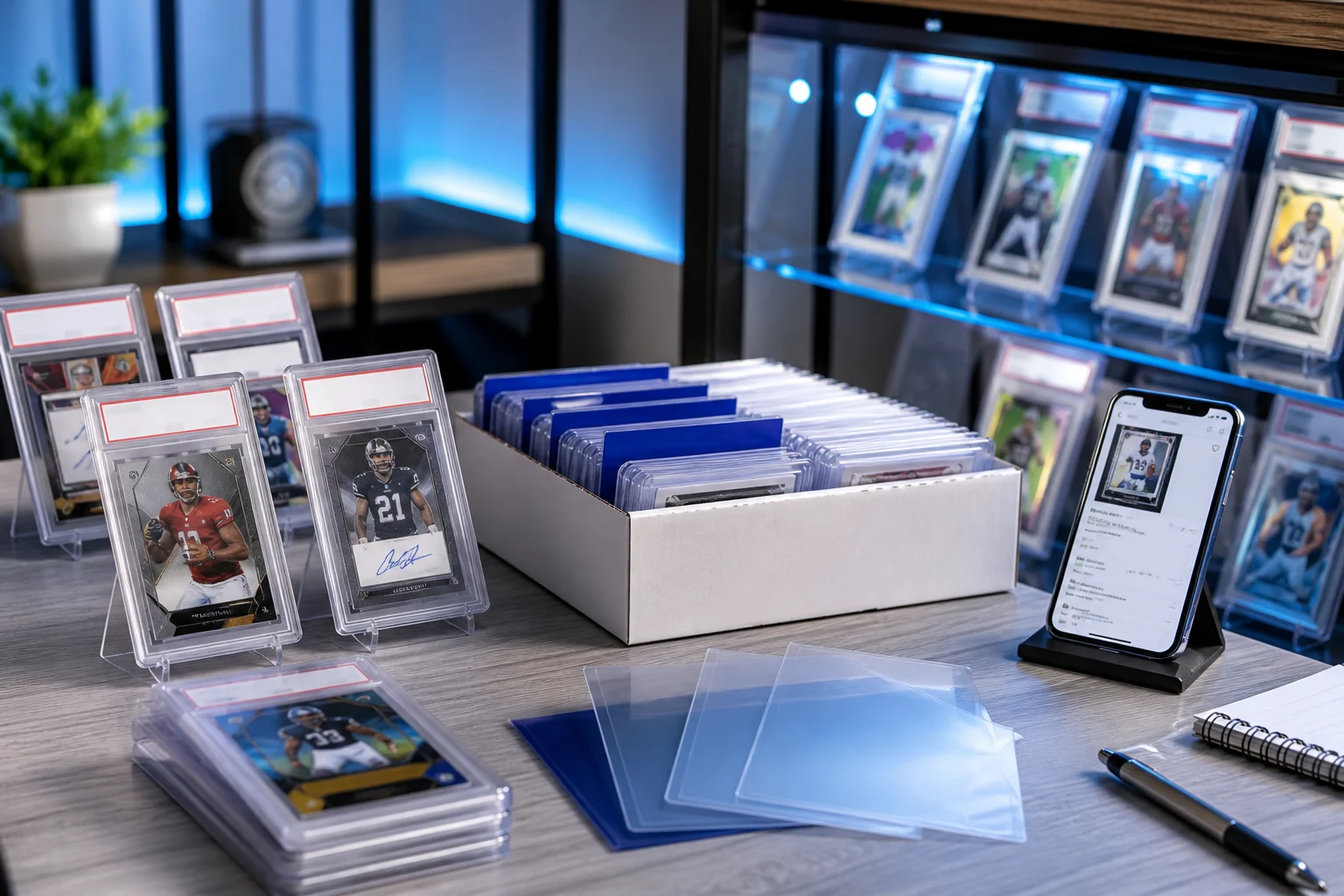
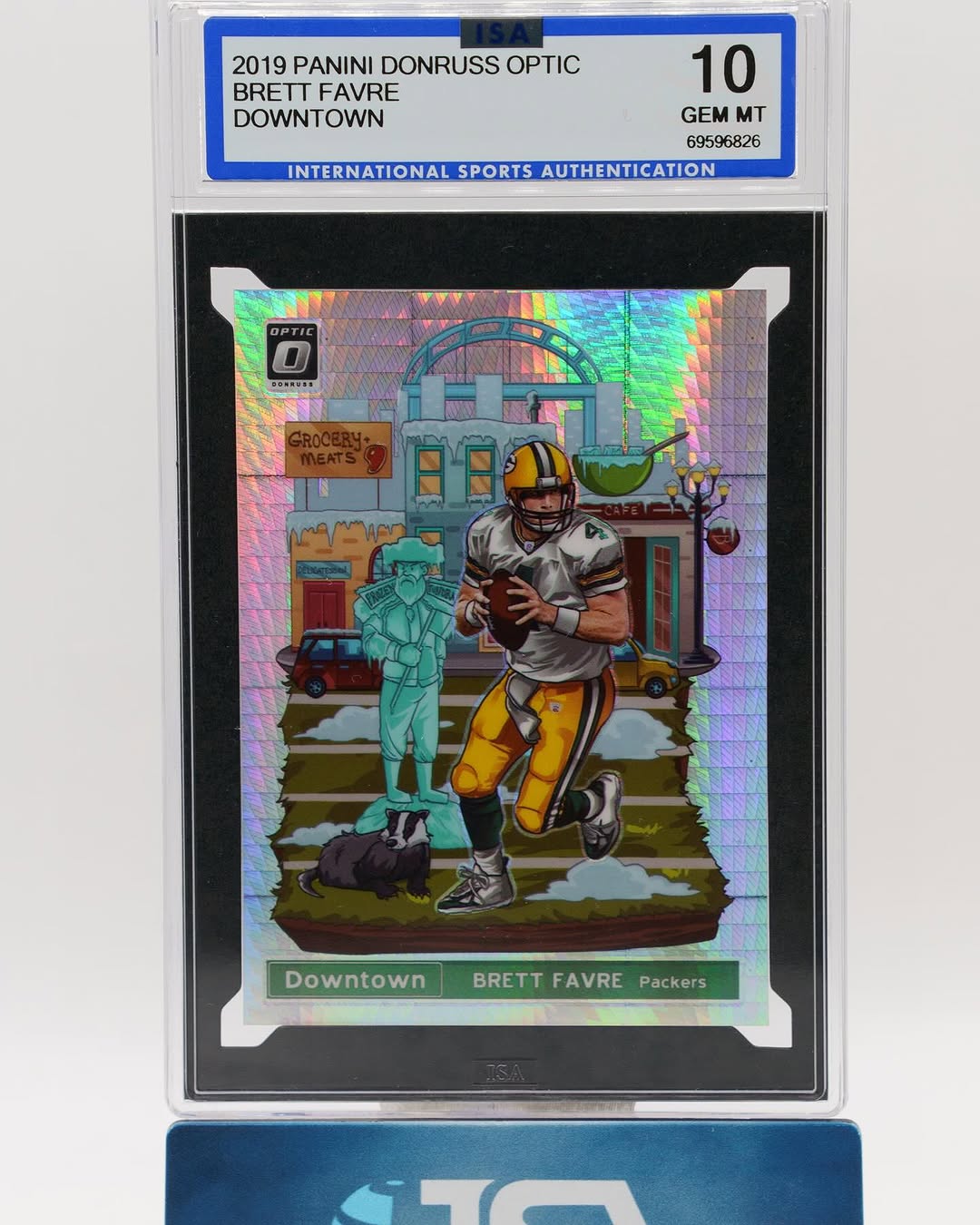
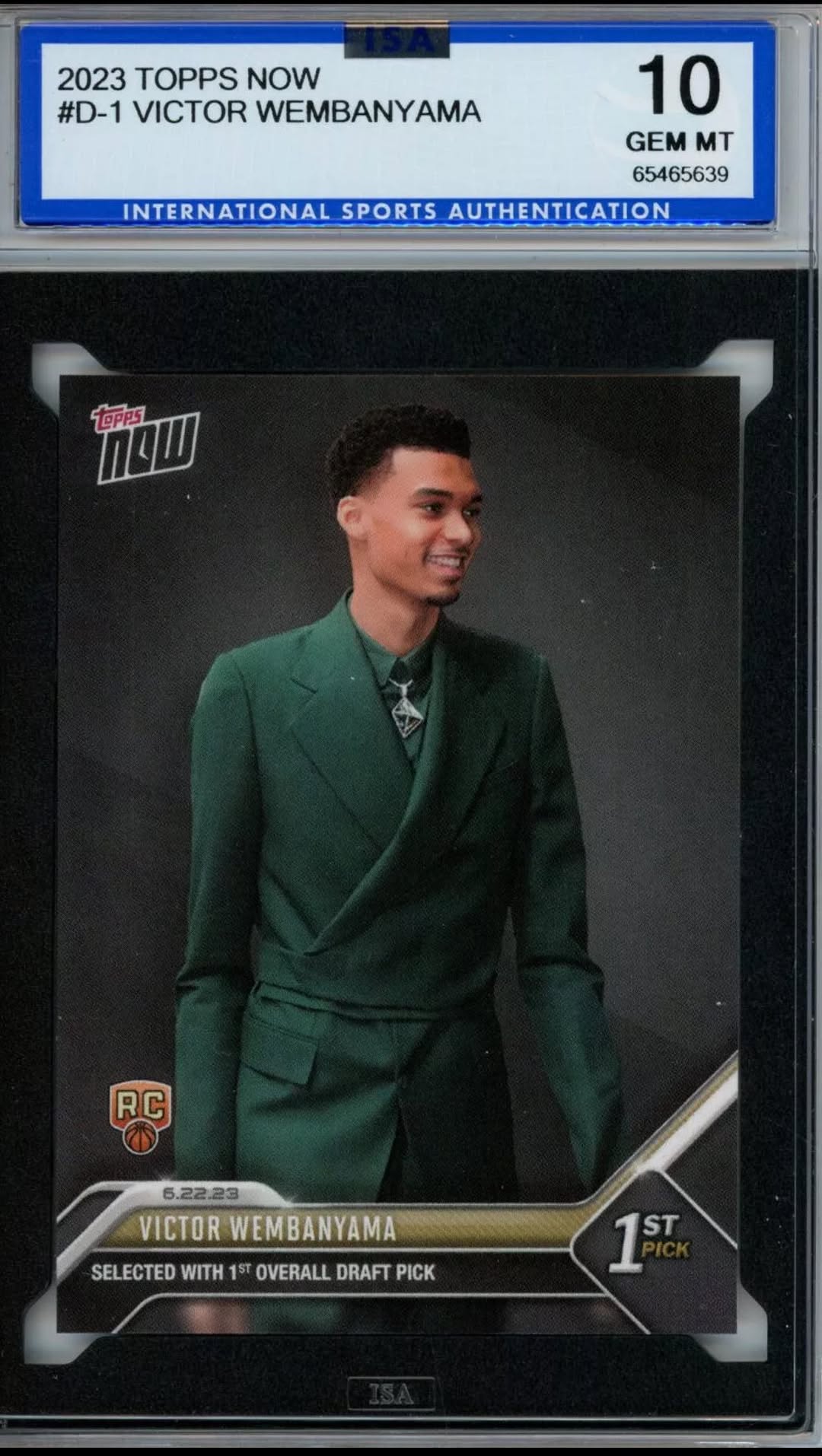
Card encapsulation places a graded card inside a protective holder, commonly called a slab. The holder provides a consistent presentation and reduces the need to handle the card directly when showing it to another collector or photographing it for sale.
A slab is not permission to ignore storage conditions. Keep encapsulated cards away from excessive heat, moisture, and prolonged direct sunlight. Store them securely so holders are not repeatedly scratched, dropped, or pressed against objects that could damage them.
When evaluating a slabbed card, examine both the card and the holder. Read the label, check identifying details, and look for visible damage or inconsistencies. A professional presentation is useful, but it should complement careful buying habits rather than replace them.
Use Certificate Verification to Support Buyer Confidence
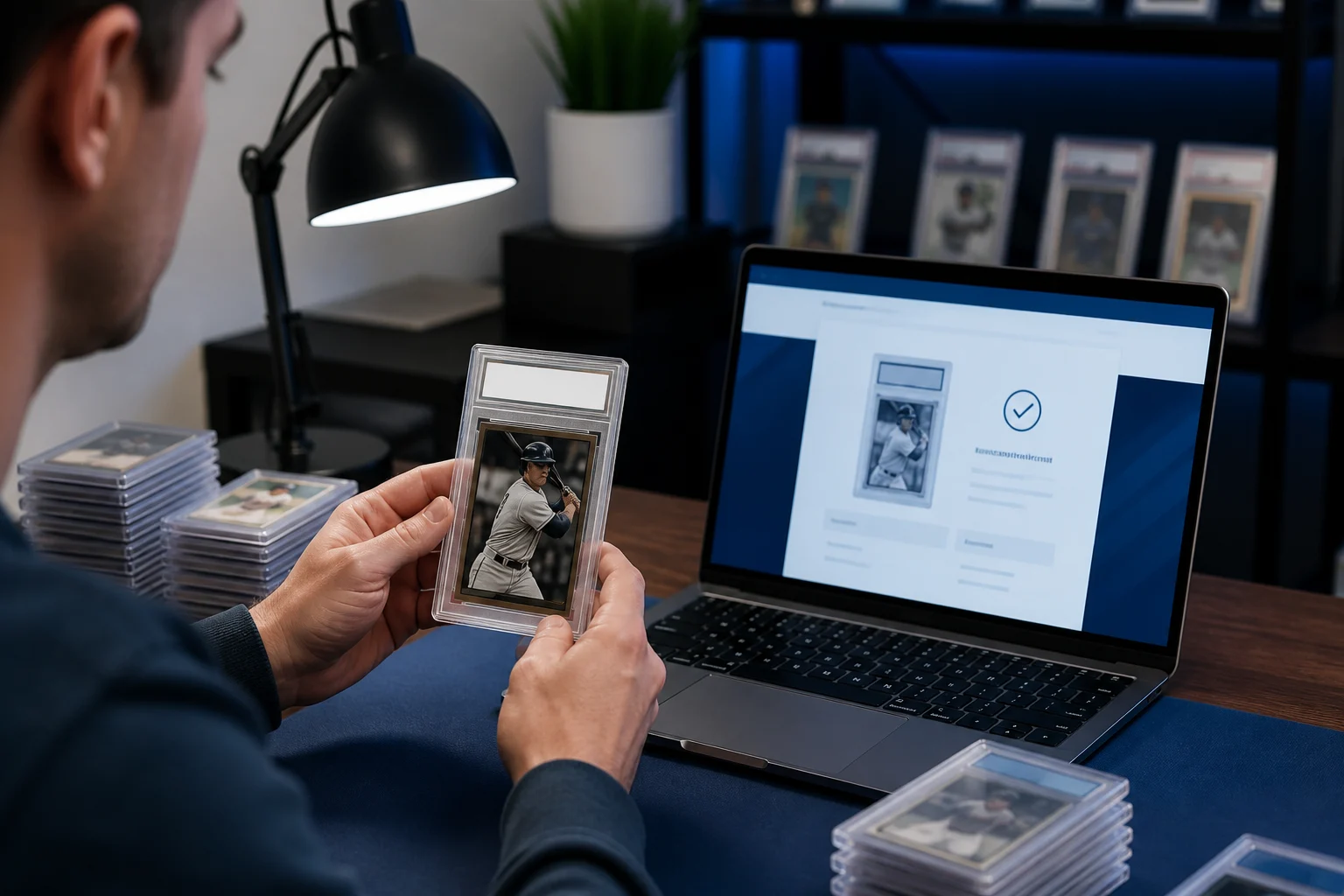
ISA provides certificate verification on its website. That gives collectors and prospective buyers a way to look up a certificate and compare the available record with the card and label in front of them.
Check the certificate number carefully and compare all available identifying information. If the result does not match, or something about the holder seems unusual, pause the transaction and seek clarification. A matching record is a useful check, not a substitute for examining the item and assessing the seller.
For additional context, read The Number Behind the Slab. Making verification accessible can help buyers answer basic questions before they contact you.
Selling Graded Cards Starts With an Accurate Listing
When selling graded cards, identify the grading company and assigned grade clearly. Include photographs of the front and back, the label, and any notable holder wear. Avoid implying that grades from different companies are automatically interchangeable.
Price from relevant sold comparisons rather than optimistic asking prices. Demand depends on the player, set, rarity, condition, grading company, and current market. Grading can make condition information easier to communicate, but it does not guarantee a higher sale price or a faster buyer.
Before choosing a service, review ISA customer reviews for perspectives on the submission experience. Then use the published service details to make your own decision. With ISA's $15 per card pricing, 14 day turnaround, 10 card minimum, and no upcharges, you have clear starting points for deciding which cards belong in your next submission.
Submit Cards to ISA Grading
Collectors ready to use ISA Grading can start on the submission page. The current active service is $15 per card with a 14 day turnaround, no upcharges, and a 10 card minimum.
Frequently Asked Questions
Do I need a local grading company to submit sports cards?
Not necessarily. A grading service that accepts shipped submissions may fit your needs even if it is not nearby. Compare submission requirements, total costs, turnaround, and verification options. Confirm any walk-in arrangements directly rather than assuming they are available.
How much does ISA Grading currently charge?
ISA Grading's current service is $15 per card with a 10 card minimum and no upcharges. A minimum submission has a $150 grading charge. Review current submission details for shipping, insurance, taxes, or other applicable expenses.
What is ISA Grading's current turnaround time?
ISA currently offers a 14 day turnaround. Before planning around a sale or event, confirm when the turnaround period begins and how days are counted. Allow additional time for shipping rather than treating the service turnaround as a door-to-door delivery estimate.
How can buyers verify an ISA certificate?
Use the certificate verification page on ISA's website and compare the available record with the card and slab label. Check the identifying details carefully. If information does not match or the holder raises concerns, seek clarification before buying.
Will grading guarantee that my cards sell for more?
No. Sale results depend on the card, assigned grade, grading company, buyer demand, and market conditions. Research comparable sold listings and account for grading, shipping, and selling expenses before deciding whether a submission makes financial sense.