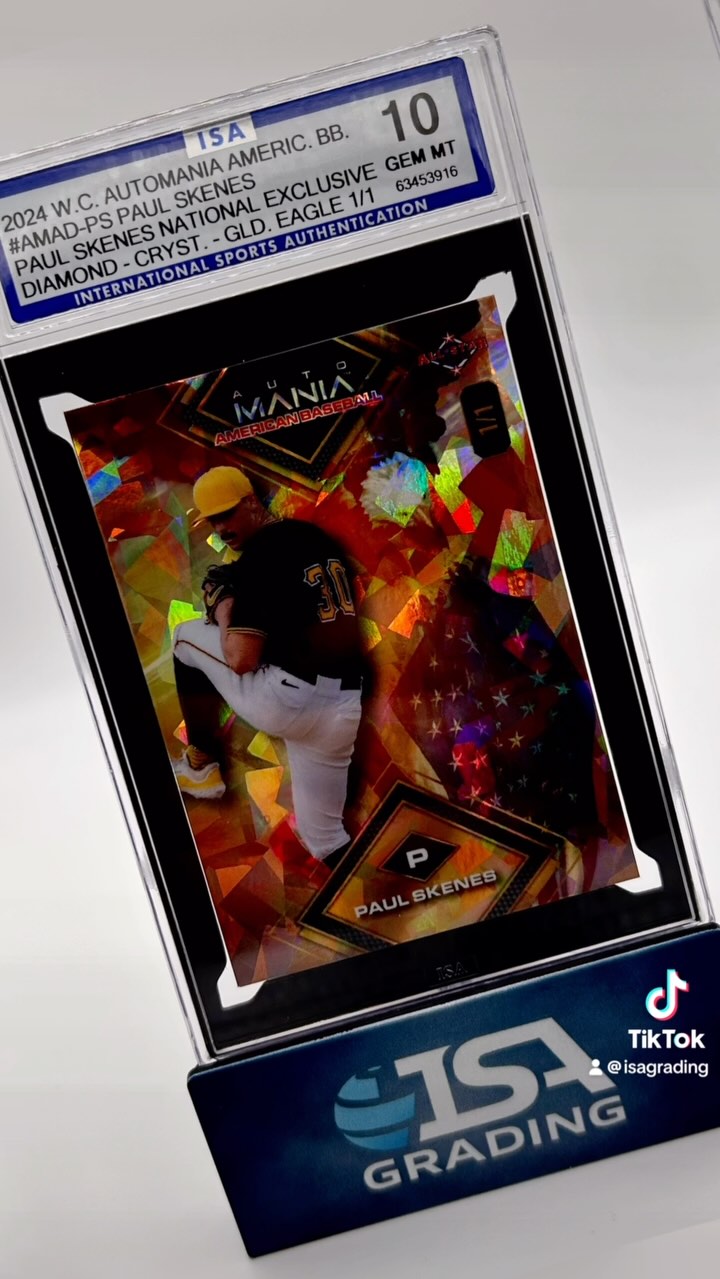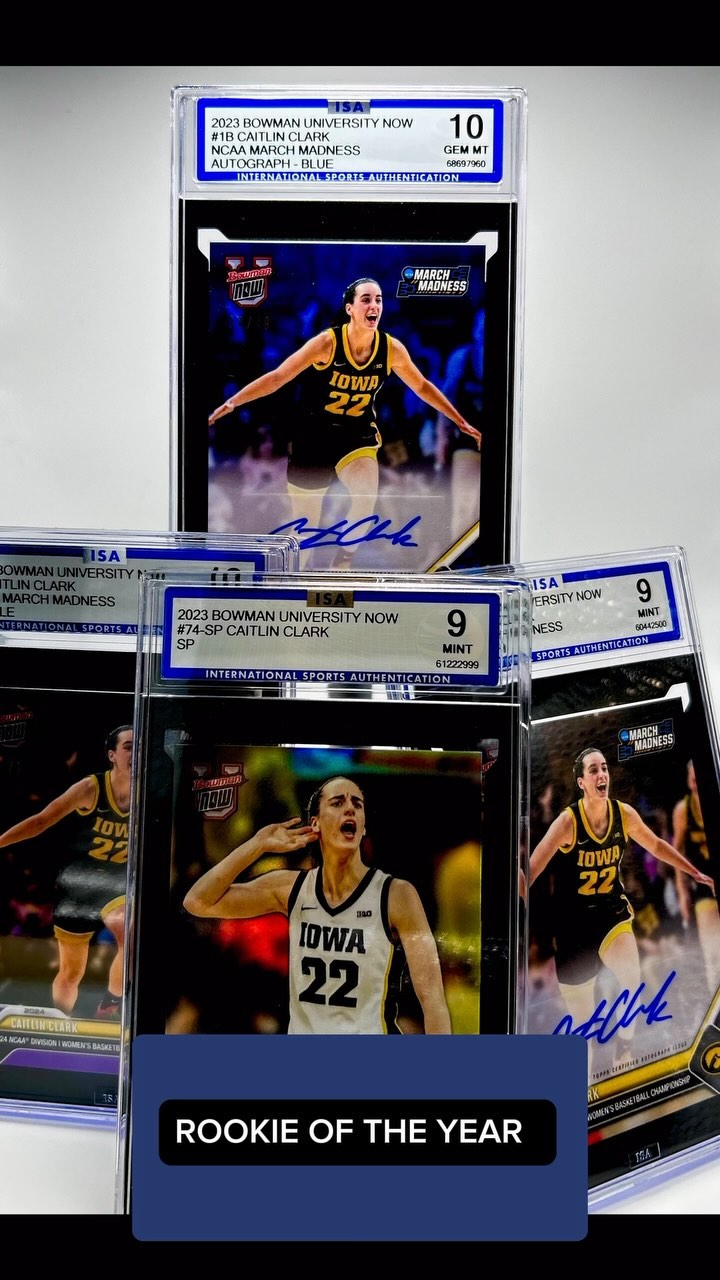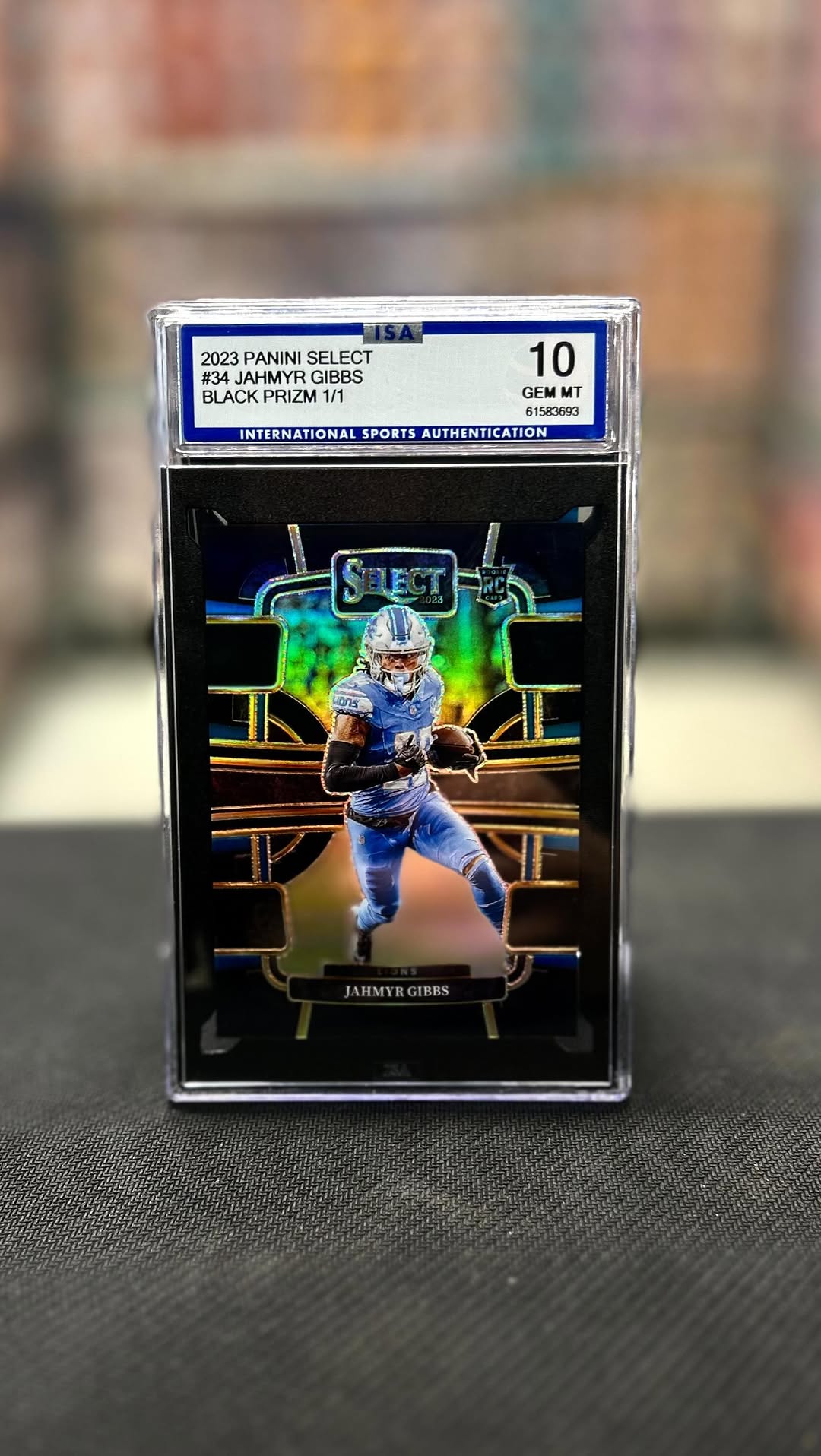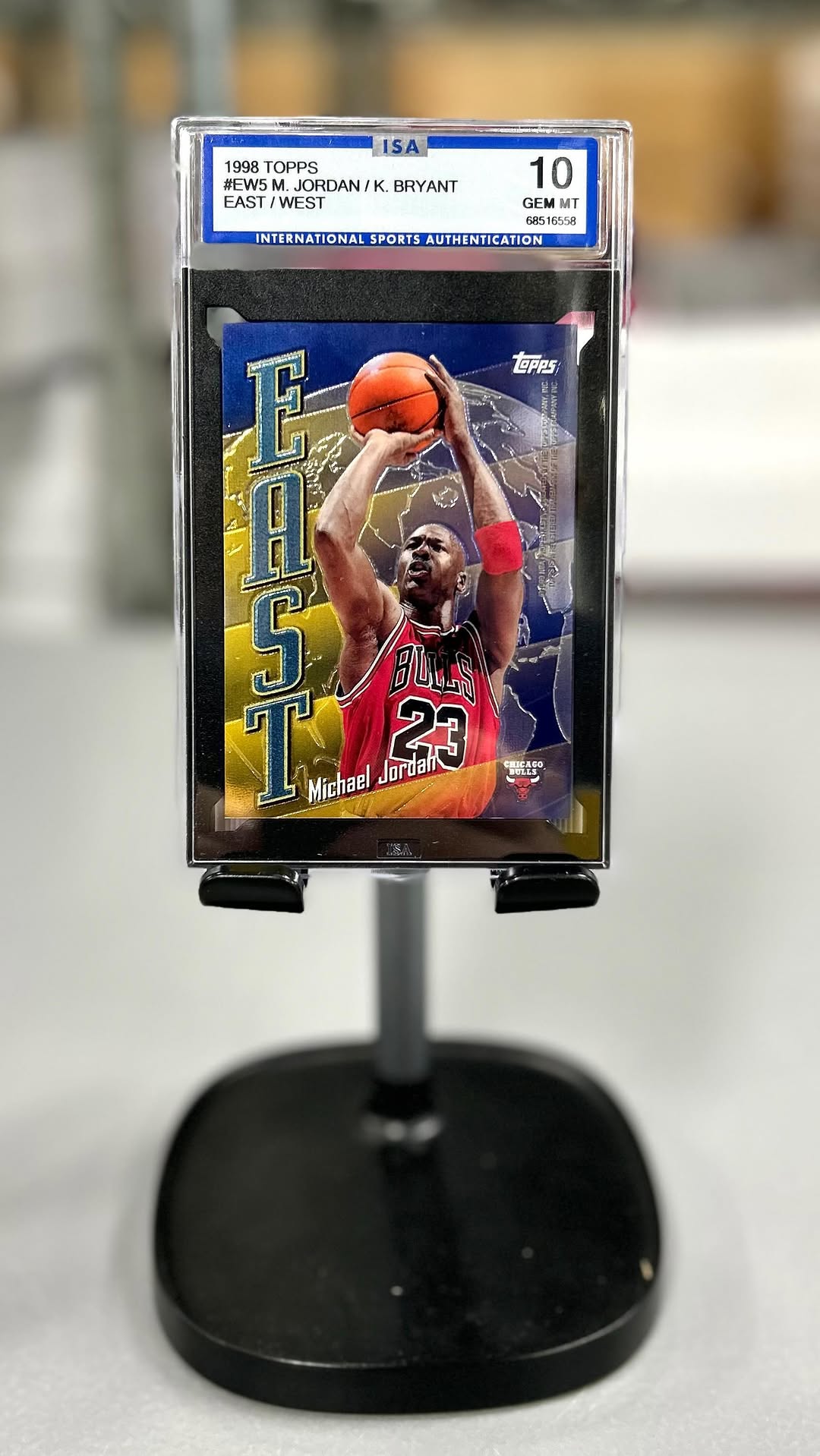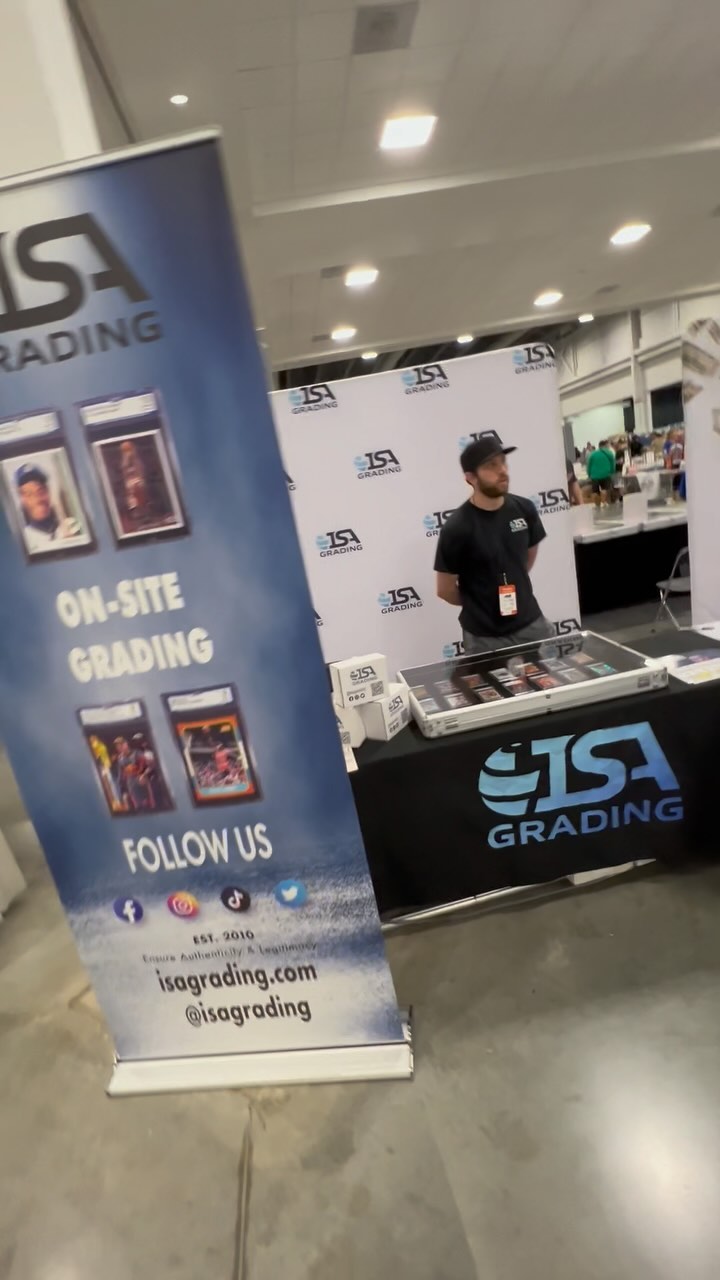

A stack of cards waiting for grading can become another unfinished project. Between work, family, card shows, and online sales, collectors need a process they can organize without repeatedly rebuilding their schedule. Dealers face a similar problem: cards away for grading are cards they cannot photograph, list, or bring to the next show.
ISA Grading, also known as International Sports Authentication, currently offers sports card grading and authentication at $15 per card, with a 14 day turnaround, a 10 card minimum, and no upcharges. Those terms give collectors a straightforward starting point for choosing a submission and planning its cost.
The useful question is not simply how quickly cards can return. It is how to prepare the right batch, understand the timing, protect the cards, and make good decisions once they are back.
What a 14 Day Turnaround Means for Your Schedule
Fast card grading is most helpful when it supports a specific goal. You might want a group of rookie cards ready for listings, a favorite player collection organized in slabs, or inventory prepared ahead of a regional show. A shorter grading window can make those projects easier to schedule.
However, a grading turnaround should not automatically be treated as the total time between packing your cards and receiving them back. Outbound shipping, delivery, intake, and return shipping may affect your calendar. Before submitting against a deadline, confirm how the stated 14 day turnaround is measured, including whether it uses calendar or business days and when the clock begins.
If you need cards for a particular event, ask about timing through the ISA contact page before shipping. Leave room for transit delays rather than scheduling a sale around the earliest possible delivery date.
For busy collectors, the practical benefit is having a defined service window to plan around, not assuming every part of the journey fits inside it.
Build Your Budget Around the Full Submission
Pricing clarity matters as much as speed. At ISA’s current rate, a submission meeting the 10 card minimum has a grading fee of $150 for 10 cards. A 15 card submission has a grading fee of $225, and 20 cards have a grading fee of $300.
Those calculations cover grading fees. Before mailing anything, check the submission terms for shipping, insurance, taxes, or other applicable costs. ISA’s no upcharges policy should not be confused with a promise that shipping or every incidental expense is included.
For collectors researching $15 card grading, a simple worksheet can prevent surprises:
- Multiply the number of cards by $15.
- Add your outbound packing and shipping expenses.
- Confirm return shipping and any insurance arrangements.
- Include marketplace fees if you intend to sell afterward.
A clear budget also helps you resist adding weak candidates just to fill a box. If you have fewer than 10 cards worth submitting, waiting may make more sense than paying to grade cards you do not particularly want.
Choose Cards With a Purpose, Not Just a Deadline
Before asking, “Where should I grade my cards?” decide what each card needs grading to accomplish. A personal collection has different priorities from a dealer’s inventory. Sentimental value, presentation, condition assessment, and potential resale all deserve consideration, but they are not interchangeable.
For baseball card grading, your shortlist might include a favorite player’s rookie, a vintage team card, or a parallel you plan to keep. For basketball card grading, you might focus on a player collection or cards buyers regularly ask to see graded.
Use recent completed sales of comparable cards when resale is the goal. Match the year, set, card number, variation, grading company, and grade as closely as possible. Asking prices alone do not establish what buyers will pay, and grading does not guarantee a profit.
If your research includes Pokemon card grading, confirm current acceptance and submission requirements before including those cards. Do not assume that every card category, size, or specialty format follows the same rules as standard sports cards.
Inspect the Details Before You Submit
A useful pregrading review does not require predicting an exact grade. Its purpose is to identify obvious condition issues and decide whether professional evaluation fits your goals. Review the ISA grading scale so your expectations reflect the company’s published descriptions rather than an assumption that every clean-looking card deserves the highest grade.
Card centering and borders
Check card centering on both the front and back. Compare opposite borders where borders exist, and use the printed design as a reference on borderless cards. A card can look sharp at first glance while having visibly uneven alignment. Keep the design of that particular issue in mind rather than applying one visual rule to every set.
Card corners and card edges
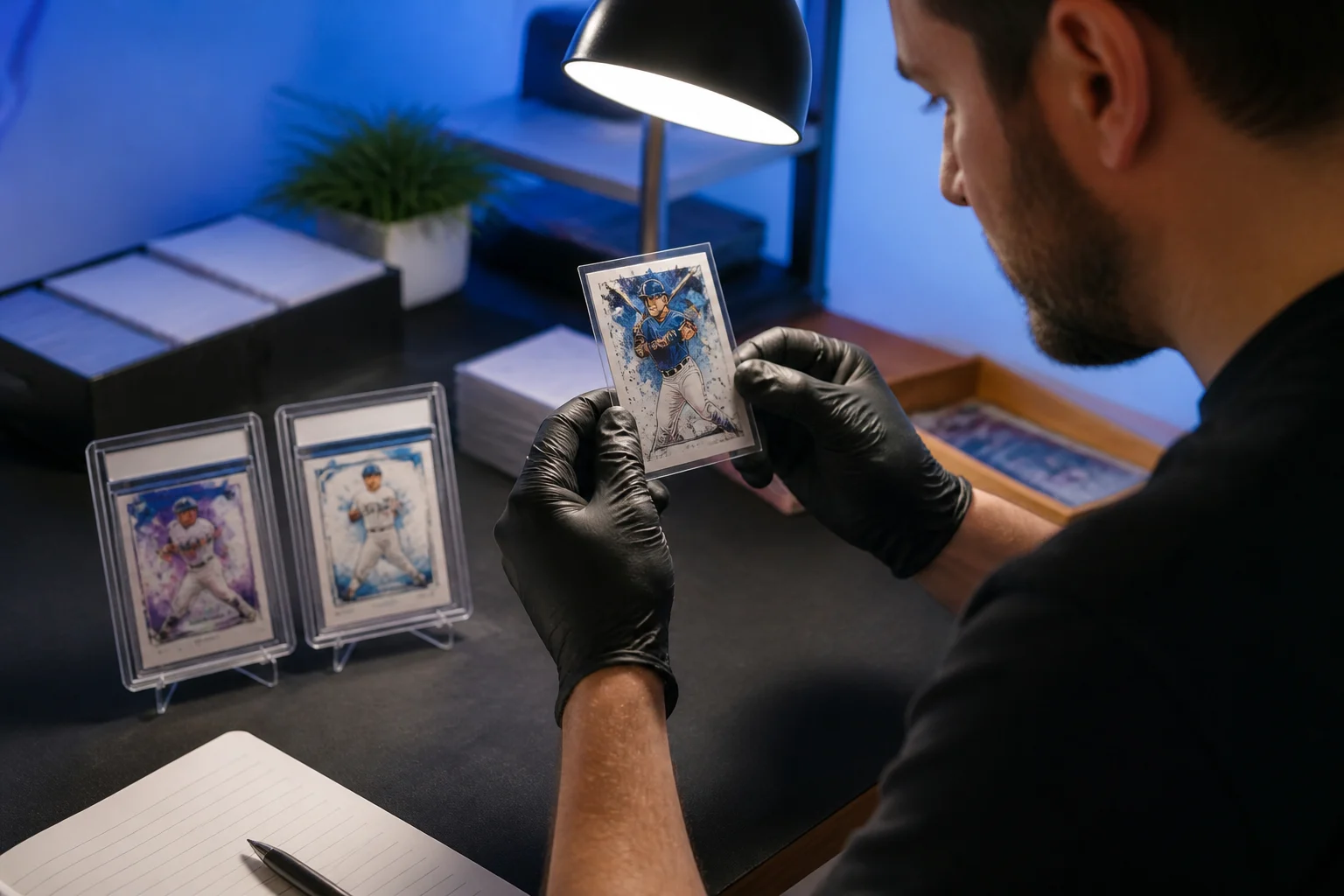
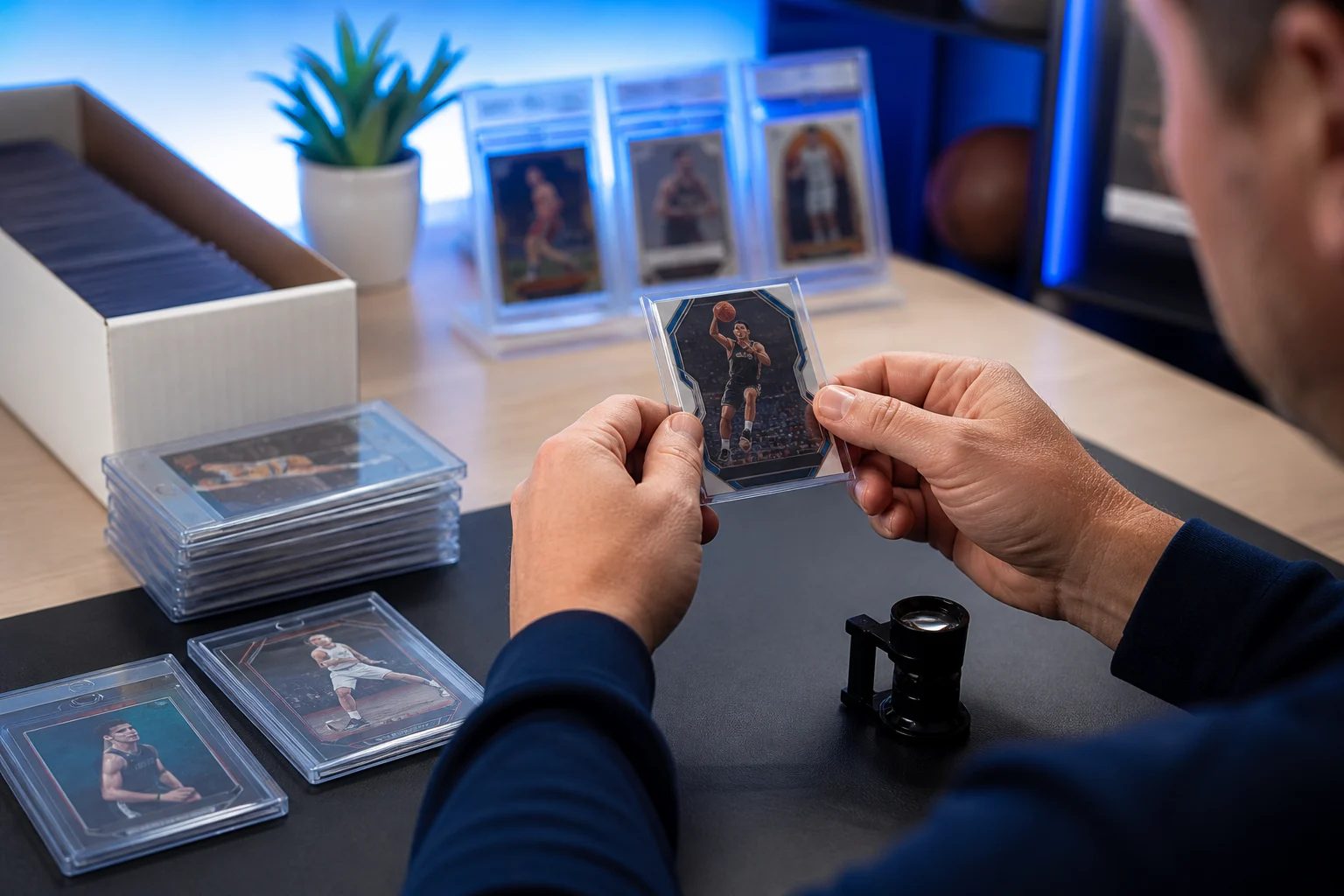
Examine all four card corners without bending or repeatedly handling the card. Look for soft tips, whitening, or small folds. Then inspect card edges for chips, rough areas, and visible wear. Dark borders can make certain defects easier to notice, while light borders may require closer inspection.
The card surface
Use steady, angled light to inspect the card surface for scratches, indentations, creases, print lines, and other visible irregularities. Check the back as carefully as the front. Avoid aggressive cleaning, polishing, pressing, or any treatment that could damage or alter the card.
Record what you see, but leave room for uncertainty. Professional examination may reveal details you missed. A realistic submission list is more useful than one built around an optimistic grade prediction.
Prepare One Organized Batch
A little preparation before packing can reduce confusion later. Create an inventory that identifies each card by year, manufacturer, set, player, card number, and any relevant variation or serial number. Follow ISA’s current instructions for submission order and documentation.
Photograph the fronts and backs for your own records. These images can help you check your inventory and remember which cards you sent. They are not a substitute for appropriate shipping coverage or a guarantee about how a carrier will handle a claim.
- Confirm that each card fits the current service requirements.
- Finish your inventory and submission paperwork before packing.
- Use the sleeves, holders, and packing method specified in the current instructions.
- Keep cards from moving inside the package without putting pressure on them.
- Save your submission details, shipment receipt, and tracking information.
For a broader look at protection before and after grading, read From Penny Sleeve to Slab: A Practical Card Protection Plan. Good handling habits matter throughout the process, not just while cards are in transit.
Understand Authentication, Grading, and Encapsulation
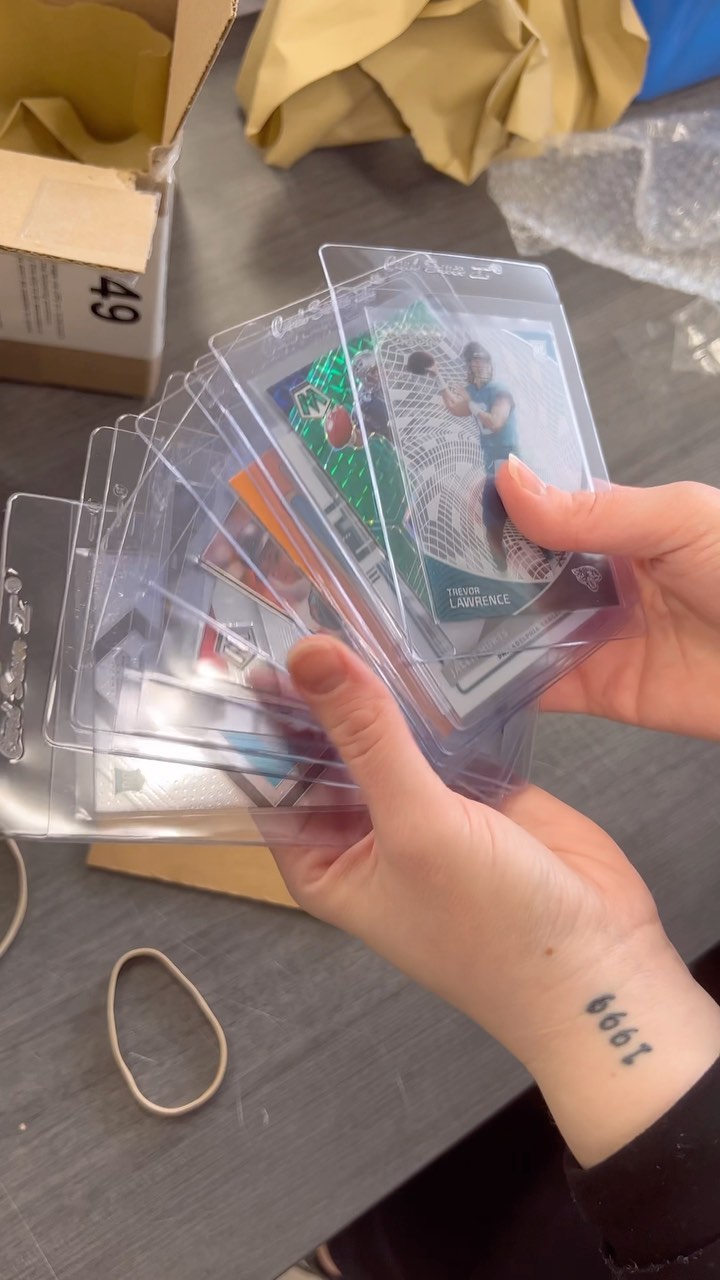
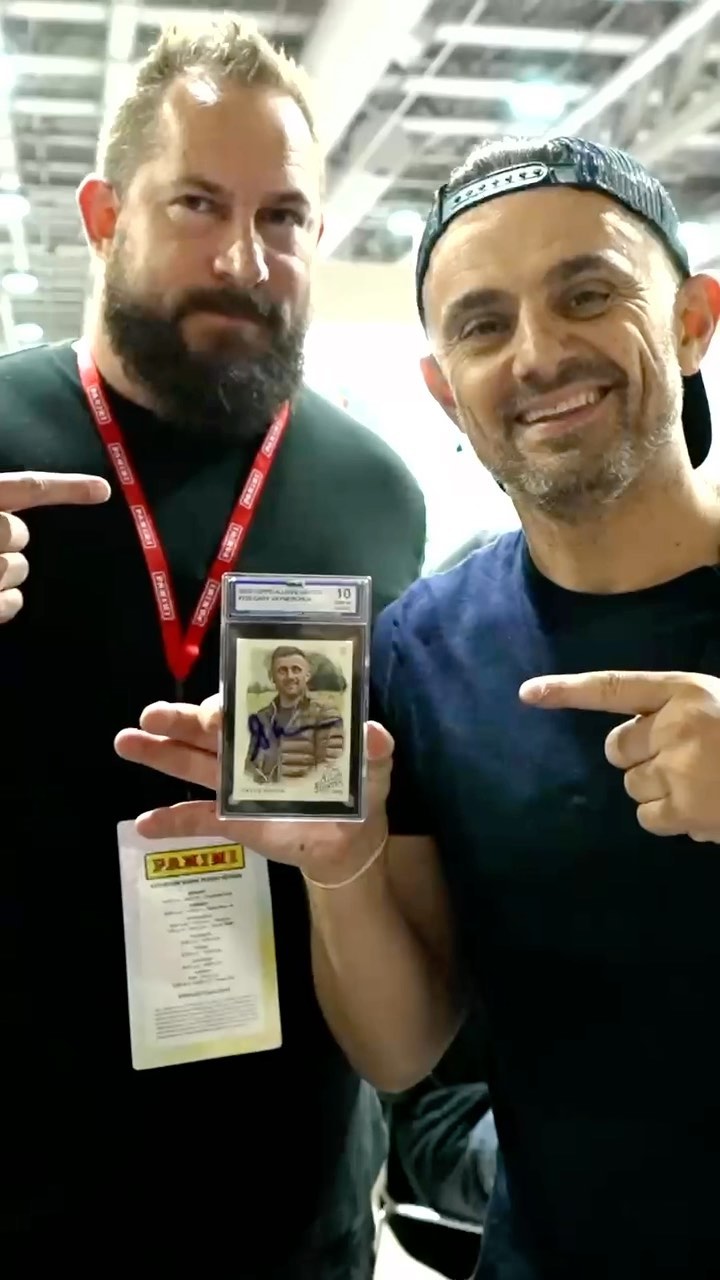
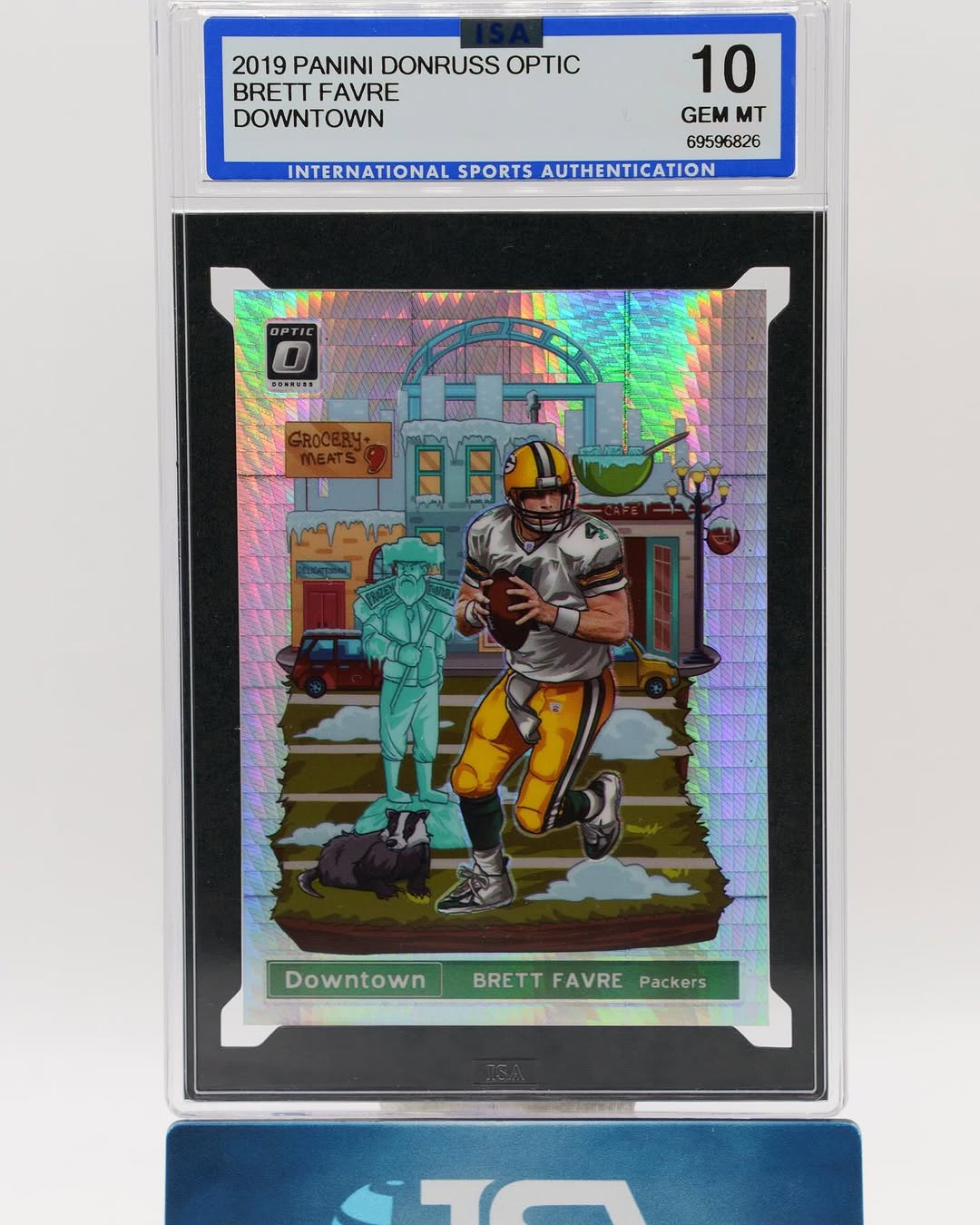
Collectors sometimes use these terms interchangeably, but they address different concerns. Card authentication evaluates whether a card is genuine. Grading assesses condition under the grading company’s standards. Card encapsulation places a card in a protective holder associated with its identification and grading information.
Sports card authentication is particularly relevant when a buyer is concerned about a card’s identity or authenticity. A condition grade answers a different question: how the card’s physical condition measures against the published scale. Neither should be treated as a guarantee of future market value.
Trading card slabs also make handling and presentation more consistent. An encapsulated card can be shown to buyers without repeatedly removing it from a sleeve or holder. Still, a slab is not permission to ignore storage conditions.
Keep encapsulated cards away from excessive heat, moisture, direct sunlight, and impacts. Store them securely, and protect the holders from abrasion. Scratched or damaged slabs can make cards harder to display and photograph even when the card itself is not visibly affected.
Use Certificate Verification to Support Buyer Confidence
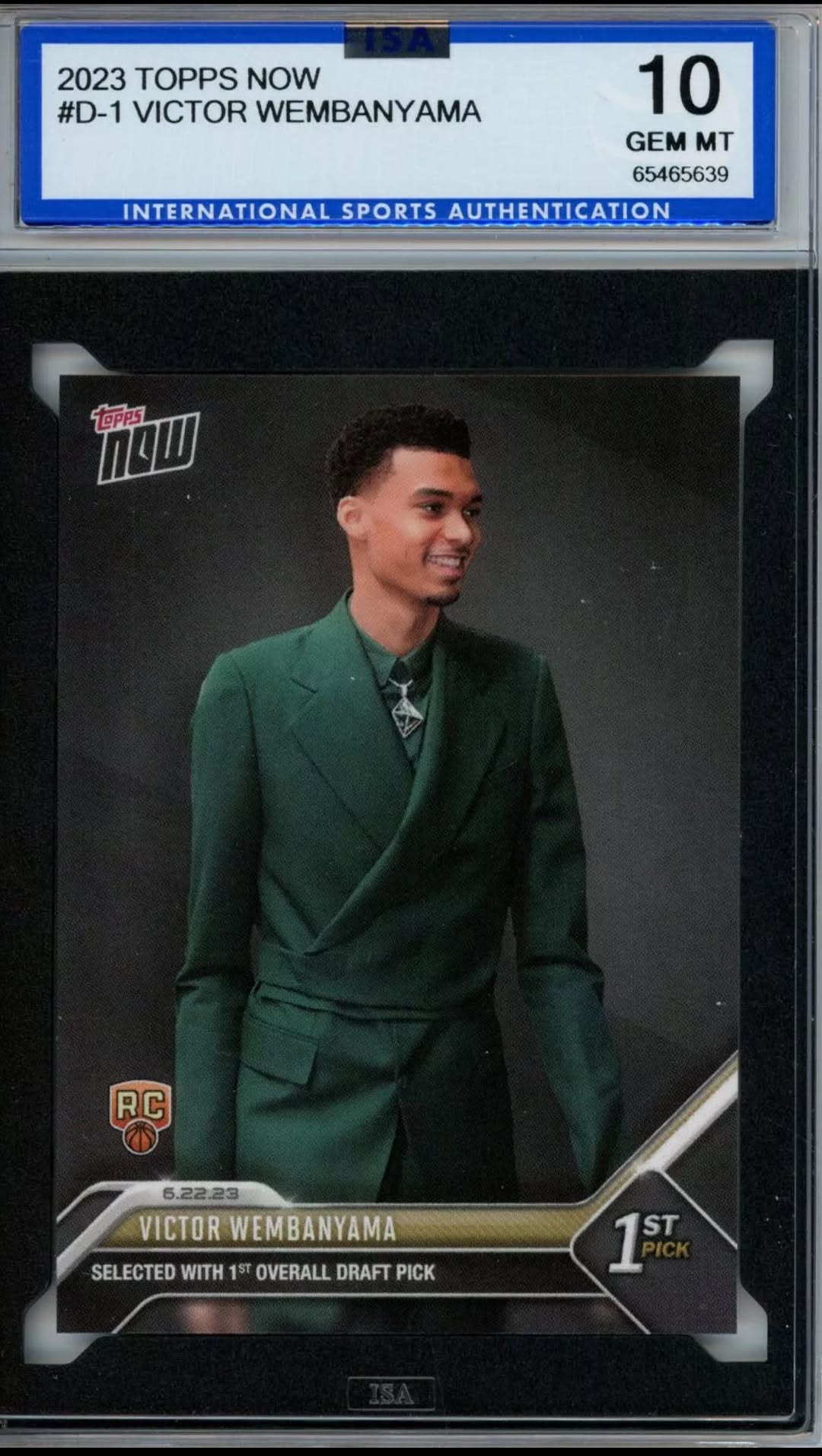
When cards return, compare them with your inventory and review the information on each label. For an ISA card, use the website’s certificate verification tool to check the certificate details against the card and holder in front of you.
Certificate verification gives collectors and prospective buyers a way to consult the grading record. It should be part of a broader review that includes clear photographs, matching identification details, and the condition of the holder. A valid certificate number alone should not replace those checks.
If information appears inconsistent, resolve the question before listing the card. Accurate identification is more valuable than rushing inventory online a few hours earlier.
Plan How You Will Sell Graded Cards
A quick return is useful only if you are ready for the next step. While your cards are away, prepare listing templates, research comparable completed sales, and decide whether each card belongs online, at a show, or in your personal collection.
Once the cards arrive, photograph the actual items rather than relying on stock images. Show the front, back, label, and any notable holder damage. Identify the grading company and grade accurately, and make certificate information available in a way that helps buyers review the item.
Calculate your likely net proceeds before setting a minimum acceptable price. Subtract the original card cost, grading fee, shipping expenses, selling fees, and any other relevant costs. A higher selling price does not necessarily mean a higher profit.
Keep expectations grounded. A 14 day turnaround does not freeze player demand or protect against market changes. Speed can help you manage inventory, but it cannot guarantee a particular grade, buyer, sale date, or return.
Choose the Service That Fits Your Actual Routine
A search for “card grading near me” may begin with convenience, but distance is only one consideration. Compare the current price, submission minimum, grading standards, verification options, and practical shipping requirements. A service should fit both your cards and the amount of administration you can realistically manage.
For some collectors, a monthly batch is easier than submitting whenever a new card arrives. Dealers may prefer grouping inventory by an upcoming selling window. Either approach benefits from a repeatable checklist and enough time to inspect cards carefully.
You can also read ISA customer reviews for individual perspectives. Treat those accounts as personal experiences rather than guarantees of your own outcome, and base your decision on current service terms.
Turn a Waiting Stack Into a Submission Plan
Start with your strongest candidates, inspect them honestly, and make sure you have at least 10 cards that justify the expense. Build a full budget, confirm the turnaround details, and prepare your packaging before choosing a shipping date.
ISA’s current sports card grading service combines a $15 per card rate, a 14 day turnaround, a 10 card minimum, and no upcharges. For collectors balancing a hobby with a crowded calendar, those are concrete terms around which to build a practical routine.
When your inventory and timing are ready, visit the ISA card submission page to review the current instructions and begin your submission. The goal is not simply to move cards through grading quickly. It is to get them evaluated with a clear purpose and a plan for what comes next.
Submit Cards to ISA Grading
Collectors ready to use ISA Grading can start on the submission page. The current active service is $15 per card with a 14 day turnaround, no upcharges, and a 10 card minimum.
Frequently Asked Questions
How much does ISA Grading currently charge per card?
ISA Grading’s current active service costs $15 per card with no upcharges. The 10 card minimum makes the minimum grading fee $150. Check current submission terms for shipping, insurance, taxes, and any other applicable expenses.
Does the 14 day turnaround include shipping?
Do not assume the stated turnaround includes outbound and return shipping. Confirm when the turnaround begins, whether it uses calendar or business days, and how transit time affects your schedule before submitting cards for a deadline.
What should I check before submitting cards for grading?
Inspect card centering, corners, edges, and the surface on both sides. Review ISA’s grading scale, identify each card accurately, and follow the current submission and packaging instructions. Avoid cleaning or treating cards in ways that could damage or alter them.
How can buyers verify an ISA graded card?
Buyers can use the certificate verification page on ISA’s website to check the certificate details. Compare the record with the card, label, and holder, and review clear photographs rather than relying on a certificate number alone.
Will grading make my cards more valuable?
Grading does not guarantee a higher value or a profit. Results depend on the card, assigned grade, buyer demand, selling costs, and other market factors. Research comparable completed sales and calculate your total expenses before submitting primarily for resale.