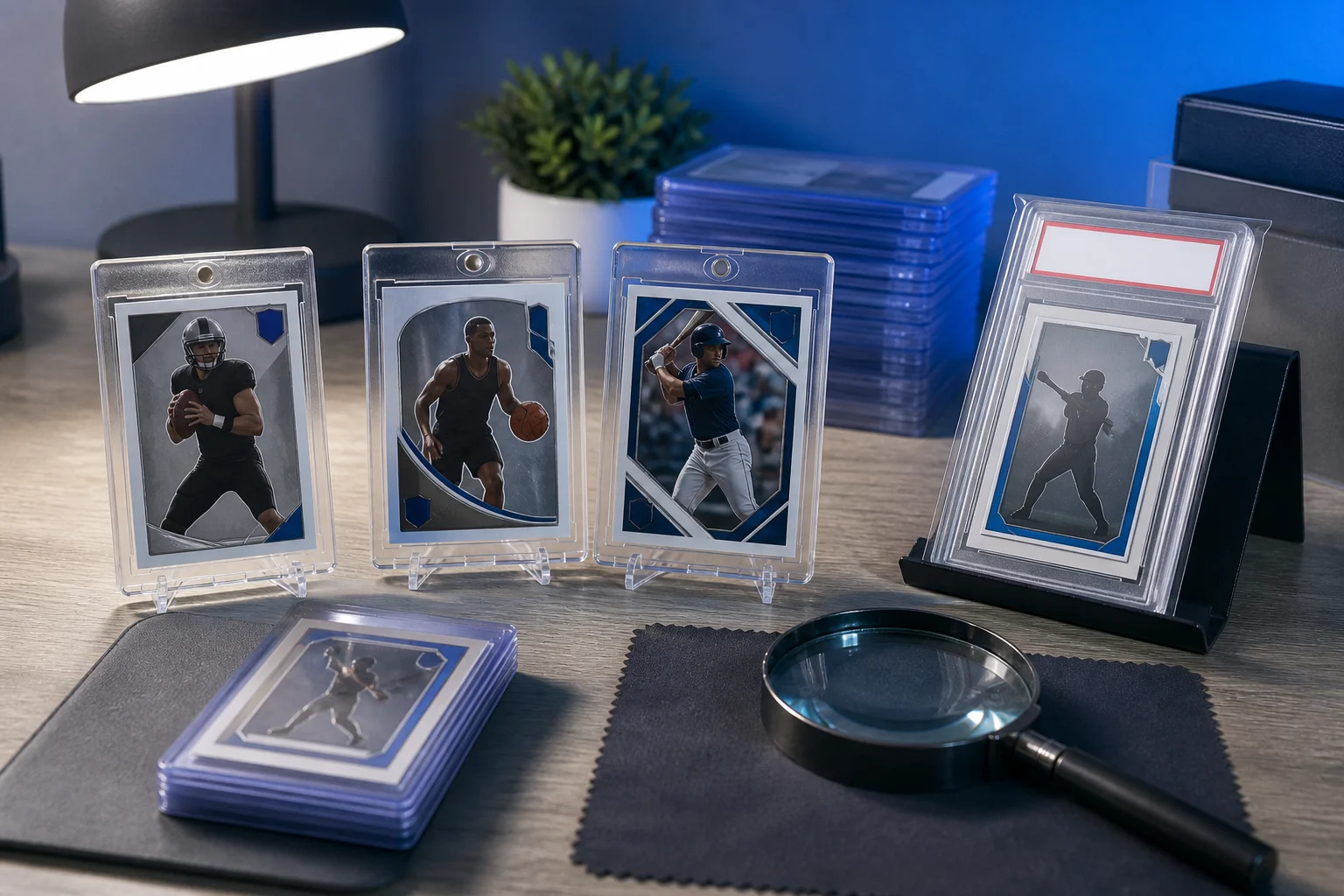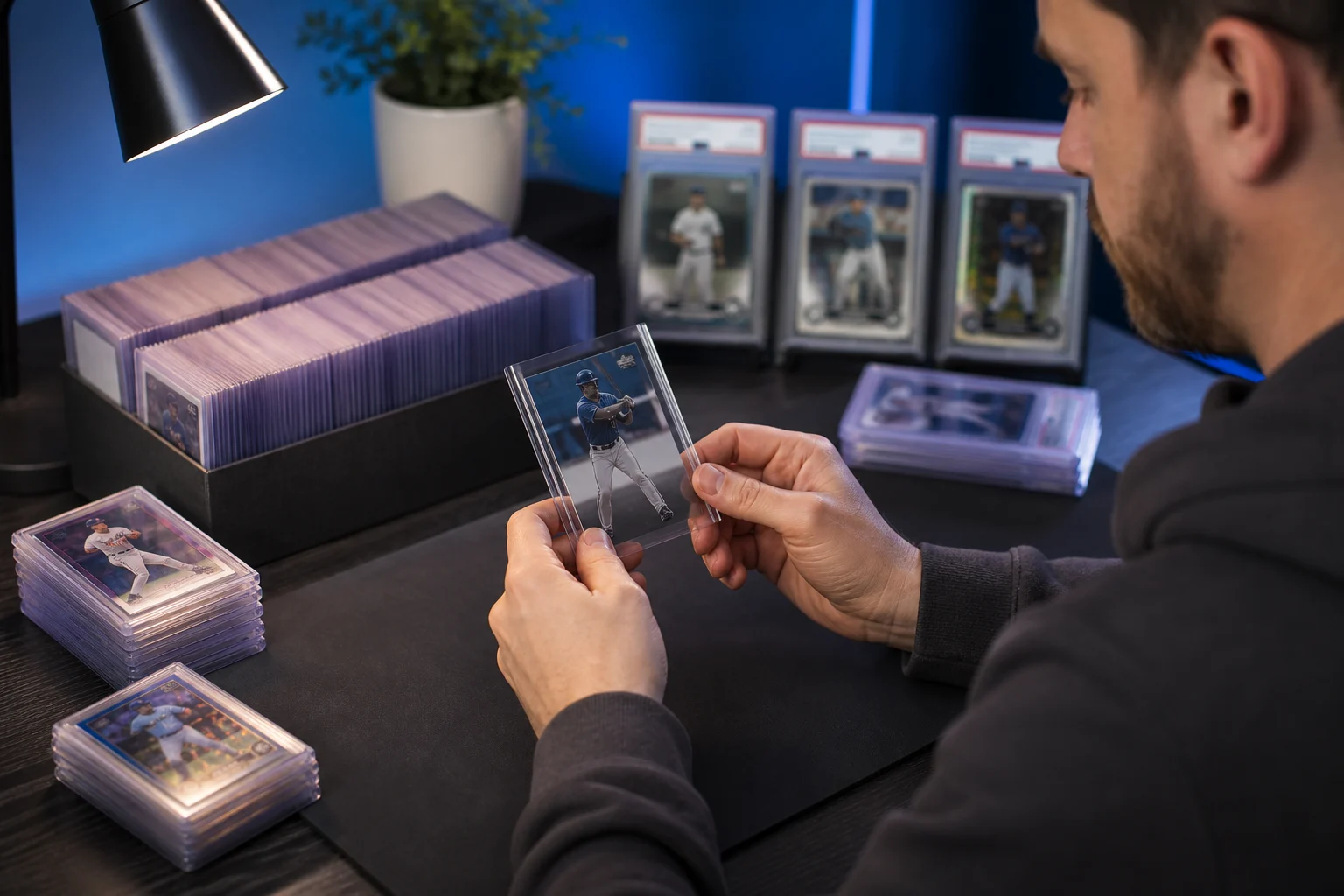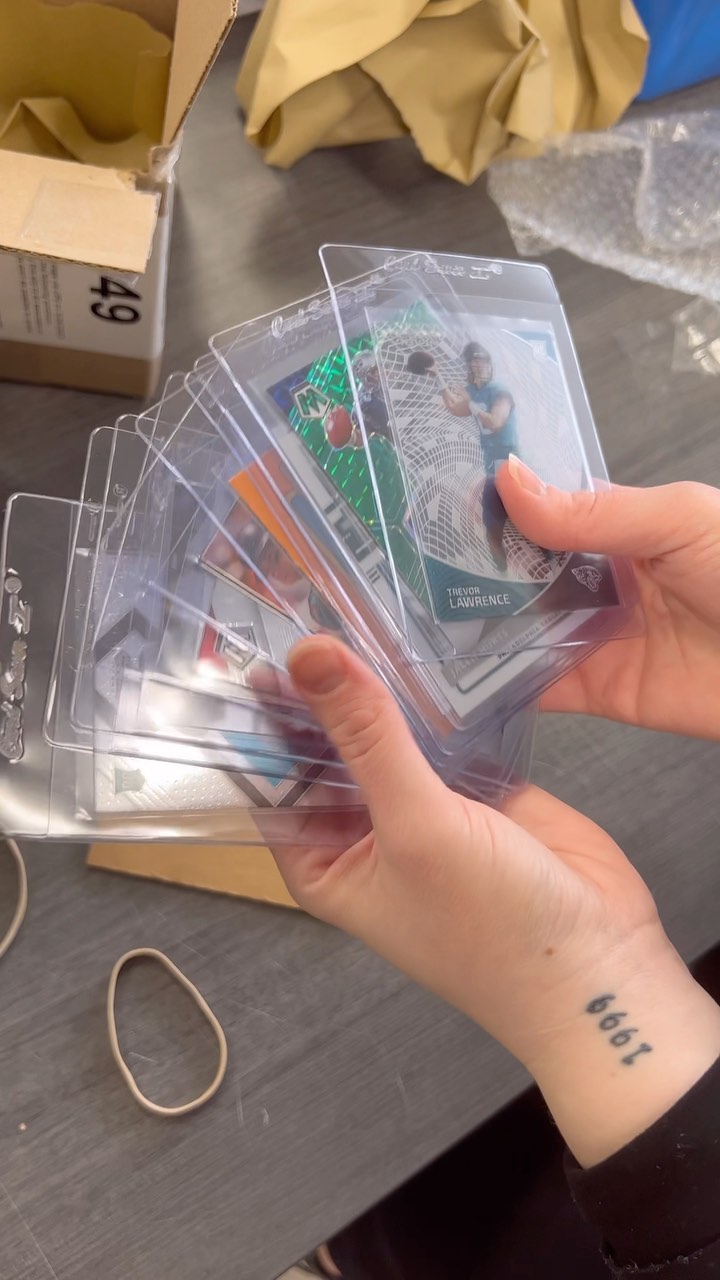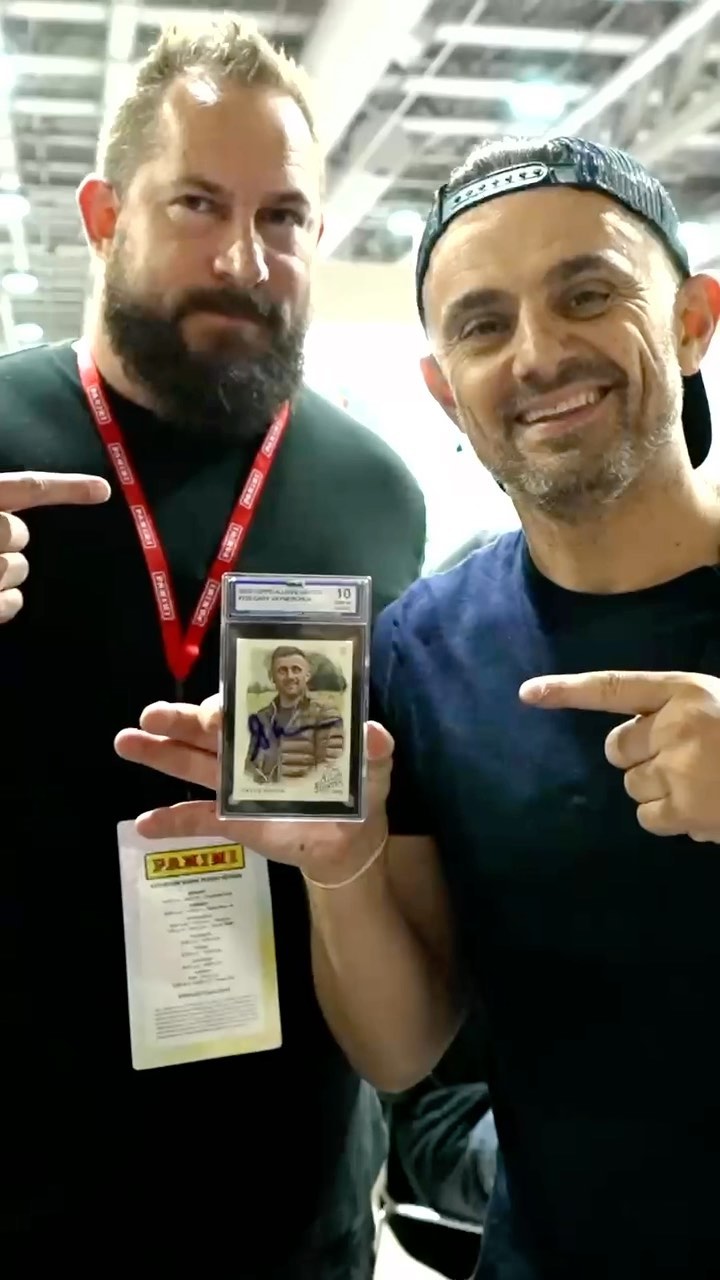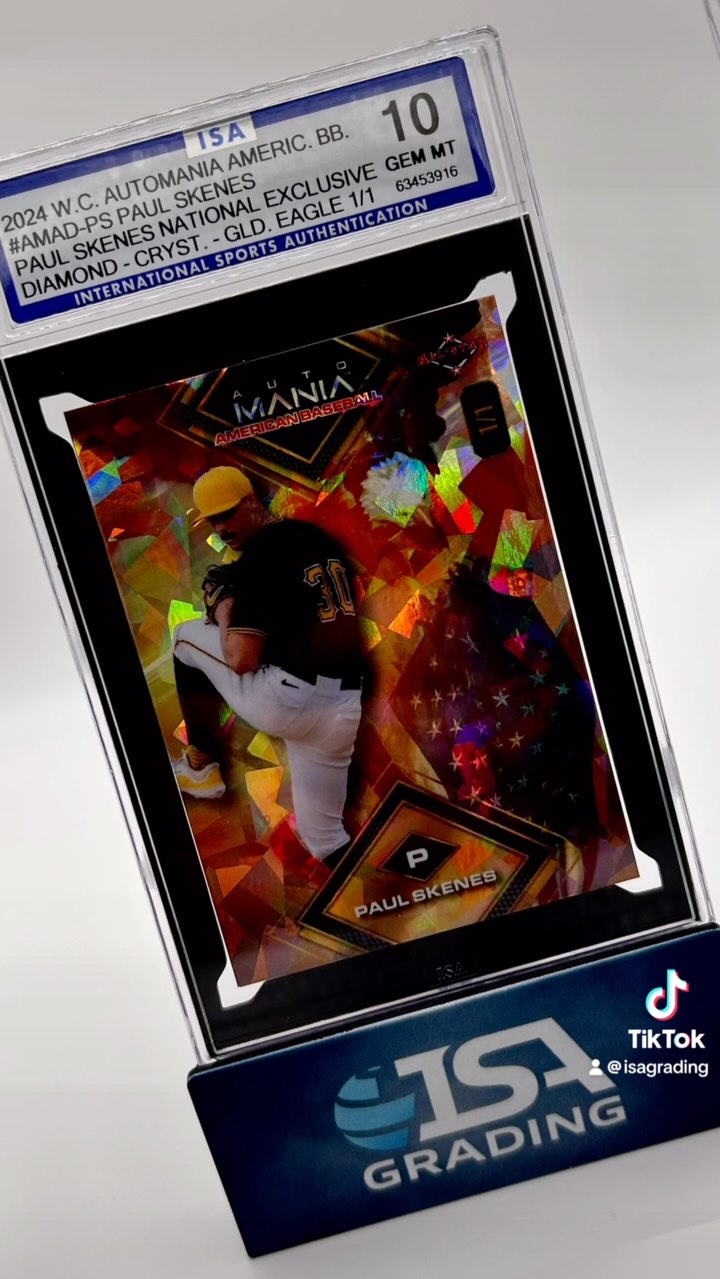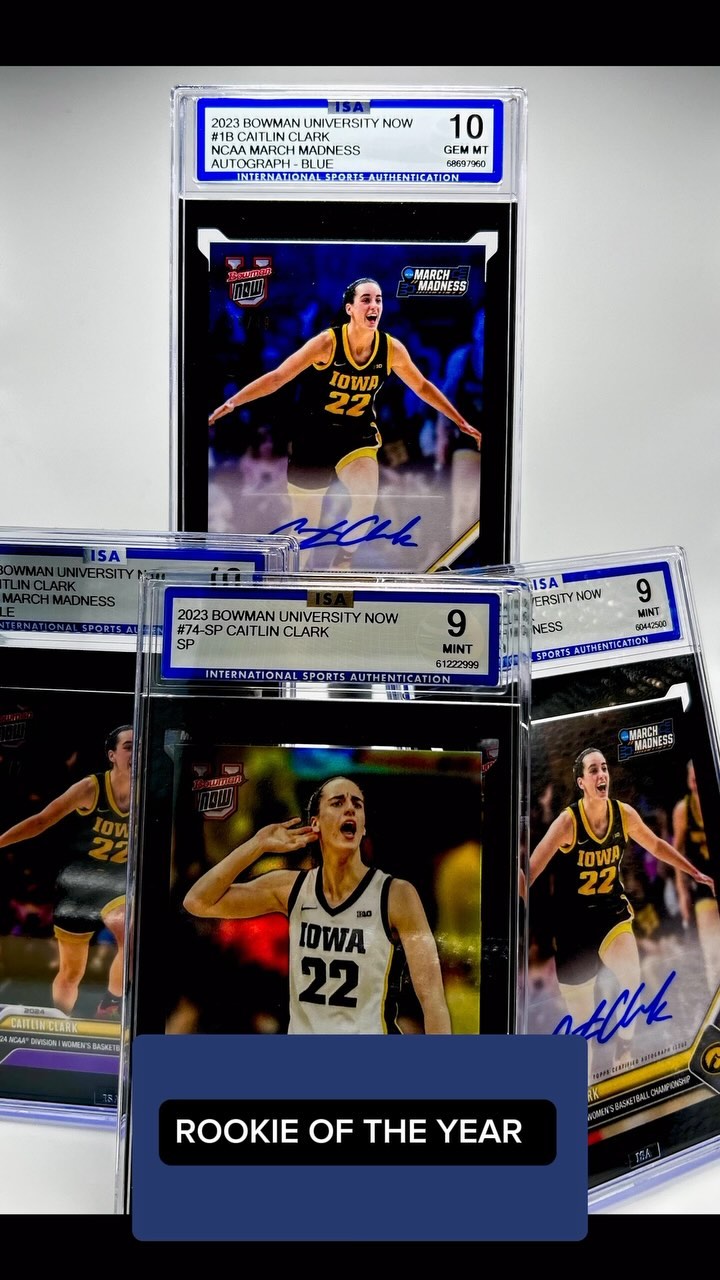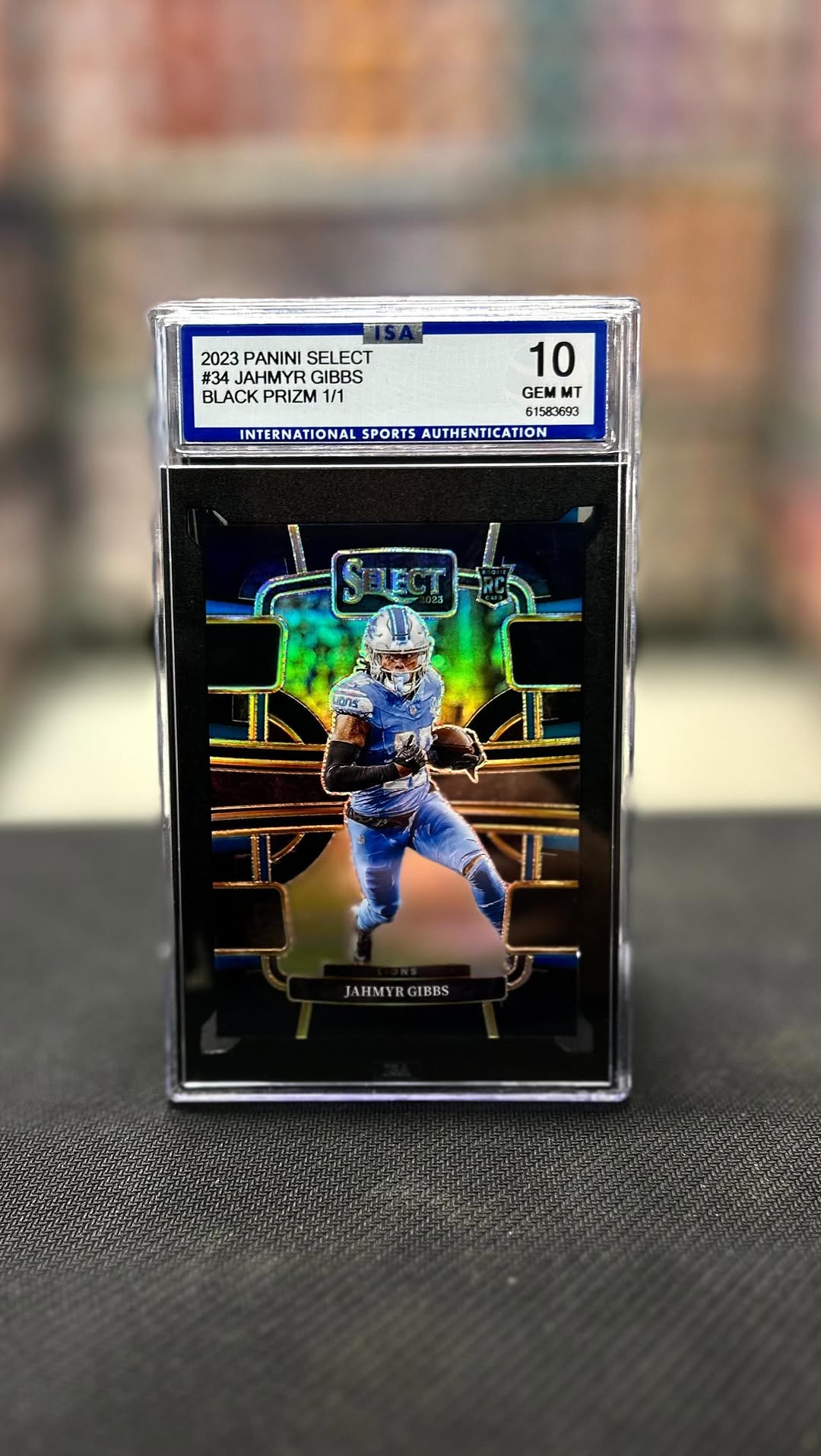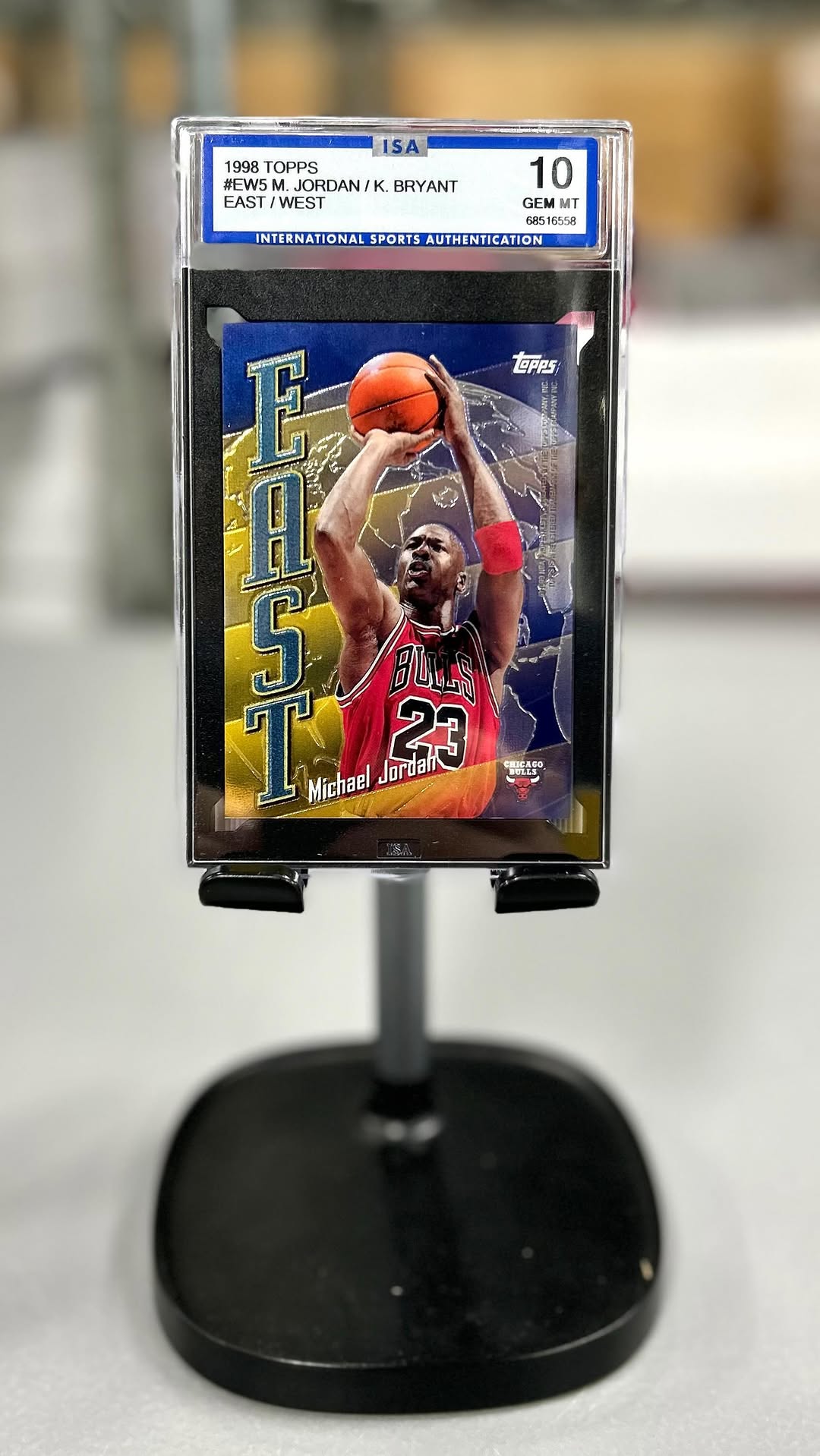
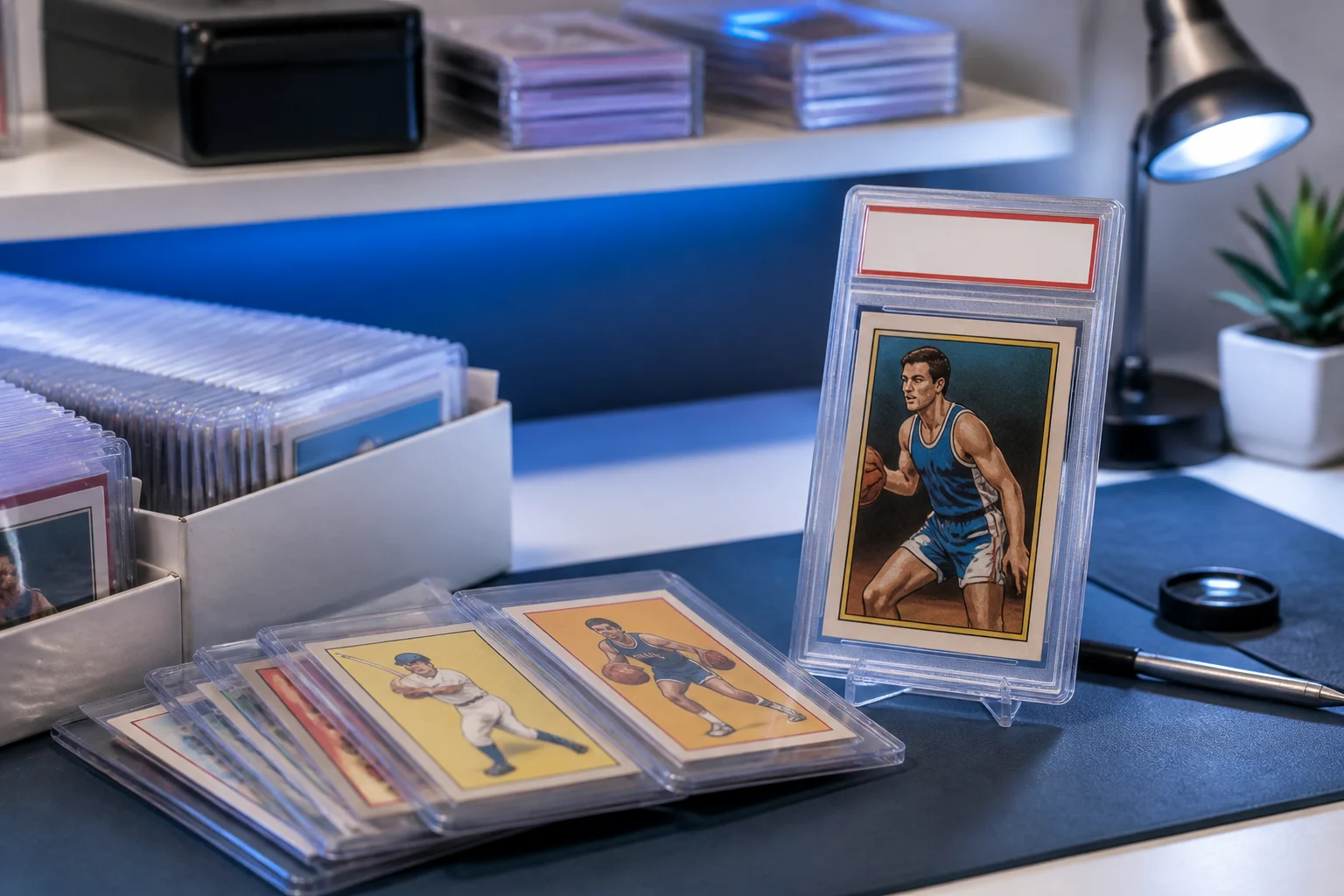
A vintage card can carry decades of hobby history without looking anything like a modern pack-fresh collectible. Soft corners, uneven borders, print defects, and evidence of handling are common concerns. For collectors and dealers, the challenge is deciding what grading can clarify and what it cannot change.
Vintage card grading works best when expectations are clear before submission. Understand the card's condition, the service cost, the turnaround, and your reason for grading. ISA Grading, also known as International Sports Authentication, offers sports card grading and authentication at $15 per card, with a 14 day turnaround, a 10 card minimum, and no upcharges.
Start With the Purpose, Not the Grade You Want
Before choosing cards, ask what a graded result would accomplish. You might want an independent condition assessment for a childhood collection, authentication for an unfamiliar purchase, or more consistent inventory descriptions for a dealer case. Those are different goals, even when the same card is involved.
A favorite vintage card does not need a high grade to deserve a place in your collection. Conversely, a low-value card does not automatically become a profitable sale because it receives a numerical grade. Separate sentimental value, historical interest, and resale potential before committing money.
For baseball card grading or basketball card grading, start by identifying the year, manufacturer, set, player, and card number. An incorrect identification can undermine your price research before you even assess condition.
What Vintage Condition Really Looks Like
Old cards often show several kinds of wear at once. A card may have strong color but a crease, sharp-looking corners but poor centering, or a clean front with paper loss on the back. Do not let one attractive feature distract you from the rest of the card.
Inspect both sides under good lighting and compare your observations with the ISA grading scale. This helps you understand condition criteria without assuming that a quick home inspection can predict the final grade. Online images and your own expectations are useful starting points, not substitutes for professional examination.
Card Centering and Original Printing
Card centering describes how evenly the printed design sits within the card's borders. Vintage production can produce uneven borders, tilted images, or inconsistent cuts. Where a design has no obvious border, identifying the intended layout becomes especially important.
Do not assume every factory issue is ignored during grading. A characteristic can be original to production and still affect a card's condition assessment. Compare examples from the same issue rather than judging every vintage design against a modern card layout.
Card Corners and Card Edges
Look at all four card corners on the front and back. Rounding, fraying, bends, and missing paper may be easier to see from one side. Along the card edges, check for chipping, notches, discoloration, and other damage.
Handle the card as little as possible during inspection. A magnifier can help, but pressing, scraping, or repeatedly removing the card from protection adds unnecessary risk. Never trim an edge or reshape a corner in an attempt to improve a grade.
Card Surface and Less Obvious Damage
The card surface can reveal creases, scratches, stains, writing, indentations, and paper loss. View the card at different angles under light. A crease that disappears in a straight-on photograph may become obvious when light crosses it from the side.
Check the back just as carefully as the front. Album residue, damaged printing, and small areas of missing paper can materially change your assessment. Avoid cleaning, polishing, or applying substances to the card. Attempts to improve appearance can cause damage or create alteration concerns.
Authentication and Grading Answer Different Questions
Card authentication concerns whether a card is genuine. Grading concerns its assessed condition. These questions are related, but a genuine card can still have substantial wear, and an attractive-looking card may still require careful examination for authenticity or alteration.
Sports card authentication is particularly relevant when a vintage card's origin is uncertain or its appearance raises questions. Research known reprints, compare identifying details with reliable references, and keep purchase records when available. A seller's confident description alone is not proof.
Do not assume that card authentication includes autograph authentication or every specialty collectible service. Confirm eligibility before submitting unusual issues. The same applies if you are researching Pokemon card grading alongside vintage sports cards: check acceptance rather than assuming all categories use the same submission options.
Build a Grading Budget You Can Explain
ISA's current service is $15 per card with a 10 card minimum and no upcharges. That makes the grading charge for a minimum submission $150. A 20-card submission has a $300 grading charge. These calculations cover grading, not any shipping, insurance, or other applicable expenses.
The value of $15 card grading is pricing clarity, not a promise that every submitted card will increase in value. Before sending a batch, review the current submission information and account for the complete cost of getting cards to and from the grading company.
Dealers should evaluate the batch and each individual card. A strong seller should not automatically justify grading several weak candidates. Collectors can reasonably value protection or documentation beyond resale, but those benefits should remain separate from a profit estimate.
Decide Which Cards Belong in Your Submission
A practical submission starts with a shortlist rather than an entire storage box. Compare recent completed sales for the exact card, paying attention to condition and whether the examples were raw or graded. Asking prices alone do not establish what buyers actually paid.
- Prioritize cards you can identify confidently.
- Record visible condition issues before estimating value.
- Consider authentication needs and personal collecting goals.
- Compare likely selling proceeds with your total costs.
- Keep uncertain candidates separate until you have researched them.
Rookie card grading deserves the same discipline. A popular player's name does not erase a crease or guarantee demand for every issue. Confirm the card's identity and recognized rookie designation before building a listing or making a submission decision.
Plan Around the 14 Day Turnaround
ISA currently offers a 14 day turnaround. For collectors, that provides a planning reference for when a collection may return to display or storage. For dealers, it can help organize photography, pricing, and inventory work around a submission.
A 14 day card grading turnaround should not be confused with total door-to-door time. Outbound shipping, return transit, and any administrative steps can affect your overall schedule. Confirm when the turnaround clock begins and how days are counted before making commitments tied to a show or buyer deadline.
If timing is central to your plan, read the practical guide to 14 day grading. Fast card grading is useful when expectations are accurate, not when a turnaround figure is treated as a guaranteed delivery date.
Prepare Cards Without Trying to Improve Them
Preparation should make your submission organized and safe to handle. It should not involve modifying the cards. Read ISA's current instructions before choosing submission holders, labeling materials, or packing methods. Different services can have different requirements.
- Create an inventory with each card's year, set, player, and card number.
- Note visible defects and any identification questions.
- Use the protective materials specified in the submission instructions.
- Arrange cards to match the order of your submission paperwork.
- Pack to limit movement and protect against bending.
- Keep photographs and a copy of your submission record.
Use the ISA submission page to review the current process. If a card is unusually sized, fragile, or already in another holder, resolve the handling requirements before shipping rather than improvising.
Protection Matters Before and After the Slab
Vintage cardboard can be vulnerable to careless handling and unsuitable storage. Before submission, keep cards away from moisture, direct sunlight, and unnecessary pressure. Avoid overcrowded boxes or holders that make insertion and removal difficult.
A slab provides a protective enclosure, but it should not be treated as waterproof, fireproof, or immune to impact. Store graded cards in a stable environment and protect the holders from scratches and heavy objects. Damage to a holder can also complicate presentation when selling.
For a broader handling routine, see this practical card protection plan. Protection is an ongoing habit, not a task that ends when the grading result arrives.
Use Certificate Verification as a Buyer Check
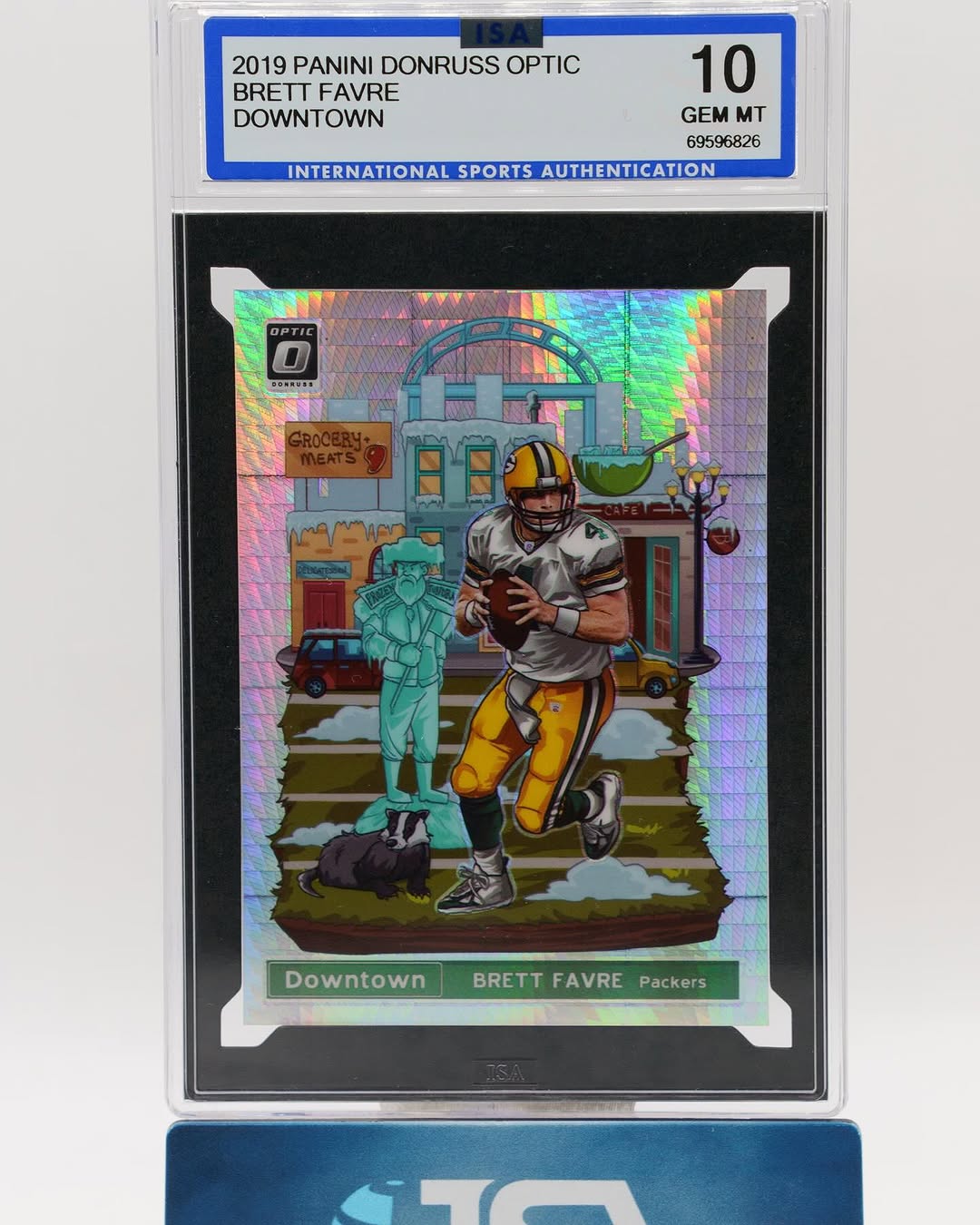
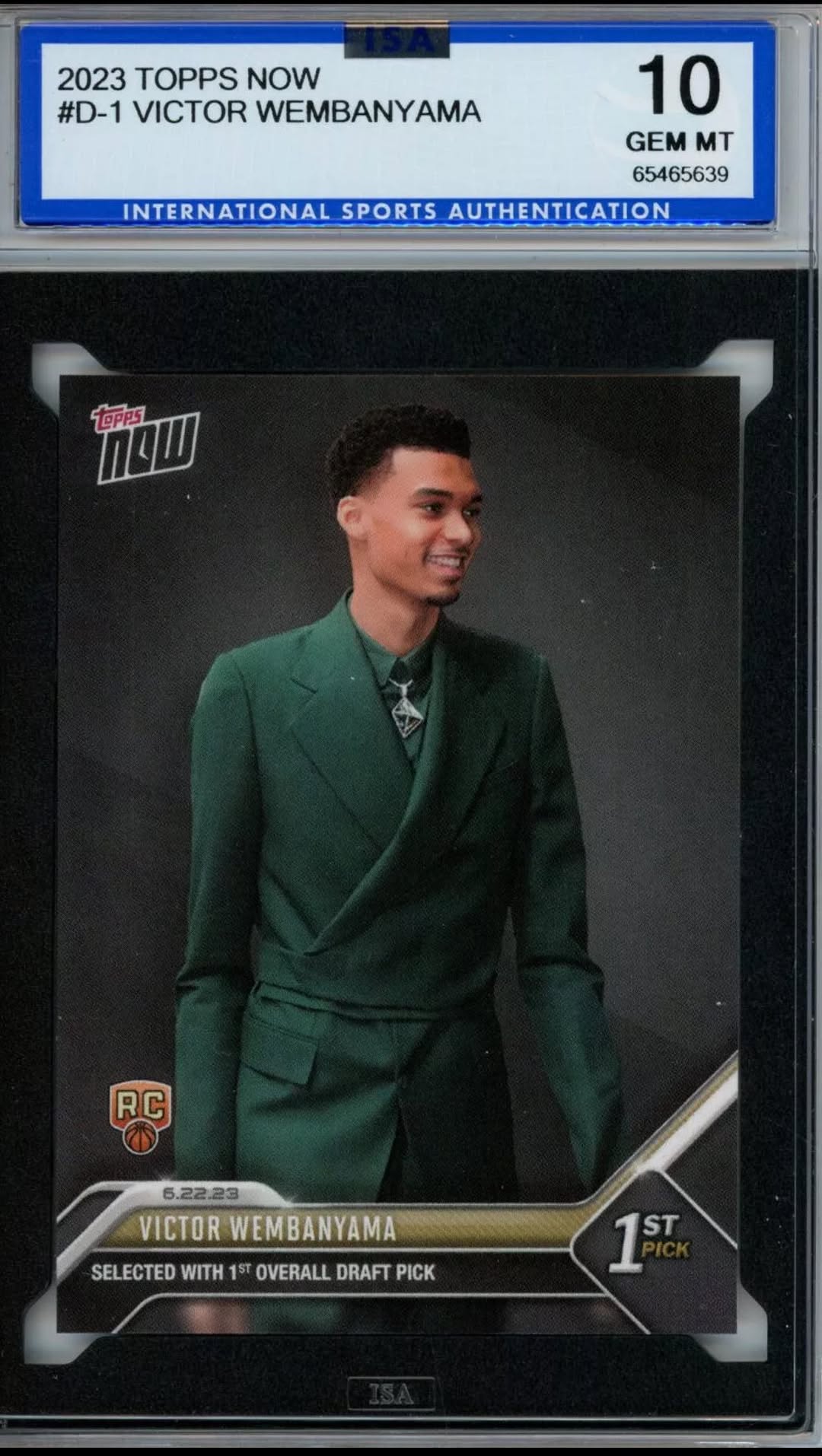
Certificate verification is available on ISA's website. A buyer can use the certificate verification page to check the certificate information associated with a graded card. Sellers can make that step easier by providing a readable certificate number and clear photographs.
Compare the available verification information with the label and card in the listing. If something does not match, ask questions before completing the purchase. A certificate lookup is useful, but it should not replace inspecting the photographed holder, reviewing seller history, or using appropriate transaction safeguards.
Buyer confidence comes from information that is easy to inspect. A clear label image, honest condition description, and accessible verification details work together more effectively than a vague claim that a card is valuable because it is slabbed.
Sell the Card You Have, Not the Grade You Imagined
When selling graded cards, photograph the front, back, label, and any visible holder damage. Identify the card accurately and state the grade as shown. Do not imply that grading removes defects or guarantees a particular selling price.
Use comparable completed sales carefully. Differences in grade, eye appeal, grading company, and market timing can affect prices. A card with attractive color may appeal to one buyer, while another prioritizes centering. Describe visible qualities without suggesting they override the assigned grade.
For dealers, record the grading charge, shipping allocation, acquisition cost, and selling fees. This makes inventory decisions more useful than tracking the final sale price alone. It also helps you recognize which types of vintage cards consistently fit your business.
Make Your Next Submission a Measured Decision
If your search began with card grading near me, evaluate the process as carefully as the location. Service eligibility, clear costs, submission requirements, and shipping arrangements matter more than proximity alone. Review the ISA FAQ for practical questions before preparing your package.
When you ask, "Should I grade my cards?" start with a manageable group you have inspected and researched. ISA's current $15 per card service, 14 day turnaround, 10 card minimum, and no upcharges provide concrete numbers for that decision. Pair those facts with realistic condition expectations and a clear purpose for each vintage card you submit.
Submit Cards to ISA Grading
Collectors ready to use ISA Grading can start on the submission page. The current active service is $15 per card with a 14 day turnaround, no upcharges, and a 10 card minimum.
Frequently Asked Questions
How much does vintage card grading cost at ISA?
ISA's current grading service costs $15 per card with a 10 card minimum and no upcharges. The grading charge for 10 cards is $150. Account separately for shipping, insurance, and any other applicable expenses when planning your total budget.
How long does vintage card grading take?
ISA currently offers a 14 day turnaround. Confirm when the turnaround starts and how days are counted before planning around a deadline. Outbound and return shipping can add time to the overall process.
Can a worn vintage card still be worth grading?
Yes, depending on your goals. A worn card may merit grading for authentication, collection documentation, or resale presentation. Examine its condition and compare relevant completed sales before assuming that grading will be financially worthwhile.
Should I clean a vintage card before submitting it?
Do not clean, polish, trim, or reshape a card to improve its appearance. These actions can damage the card or create alteration concerns. Preparation should focus on identification, recordkeeping, appropriate protective materials, and following submission instructions.
How can buyers verify an ISA graded card?
Buyers can use the certificate verification page on ISA's website to check available certificate information. Compare that information with the card and label shown in the listing, and review photographs and seller history before purchasing.