A card waiting in a drawer cannot answer a buyer's questions about its condition or authentication. For collectors and dealers with a sale to plan, an inventory backlog to sort, or a new pickup they want to protect, grading time matters. So does knowing the price before choosing which cards to send.
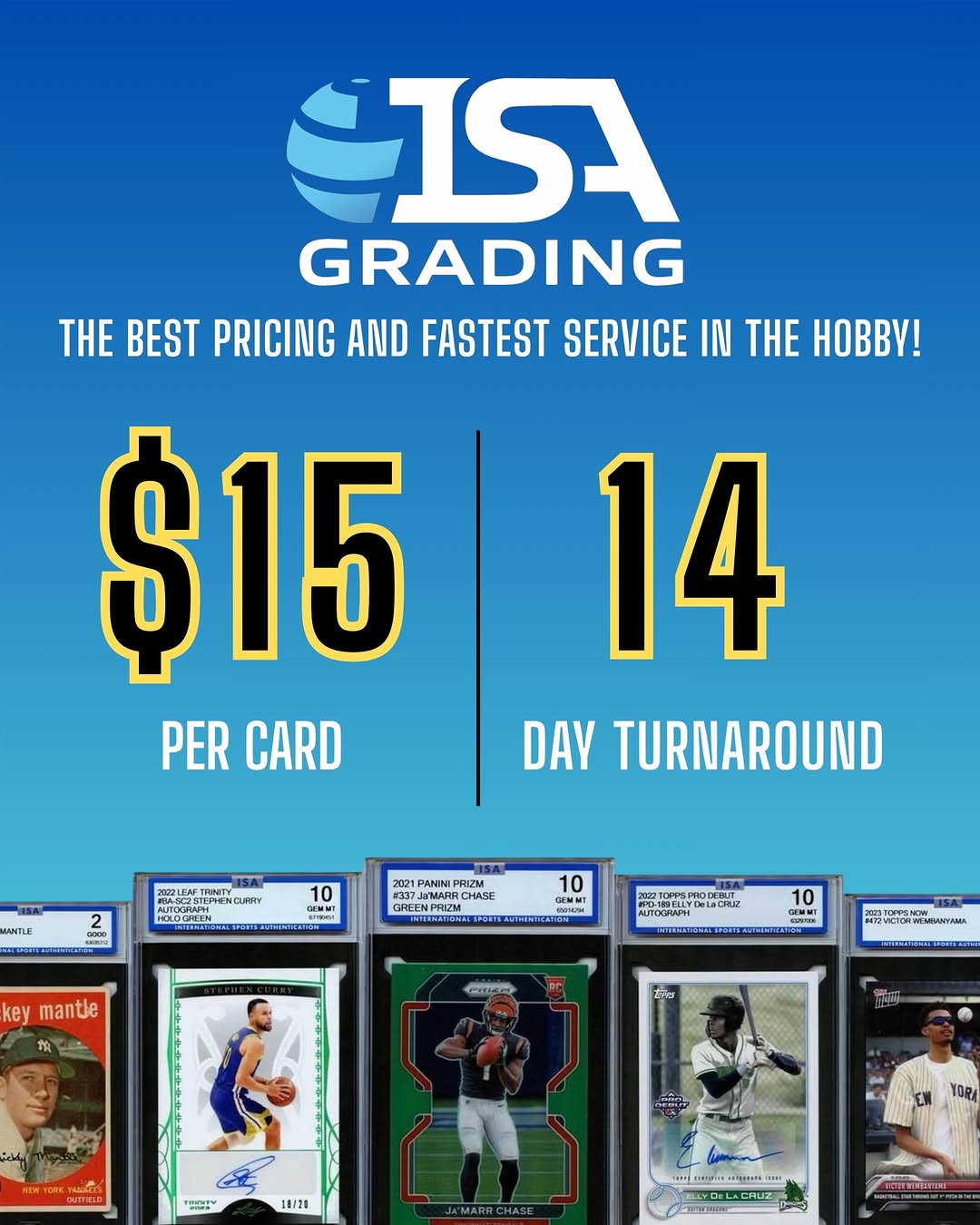
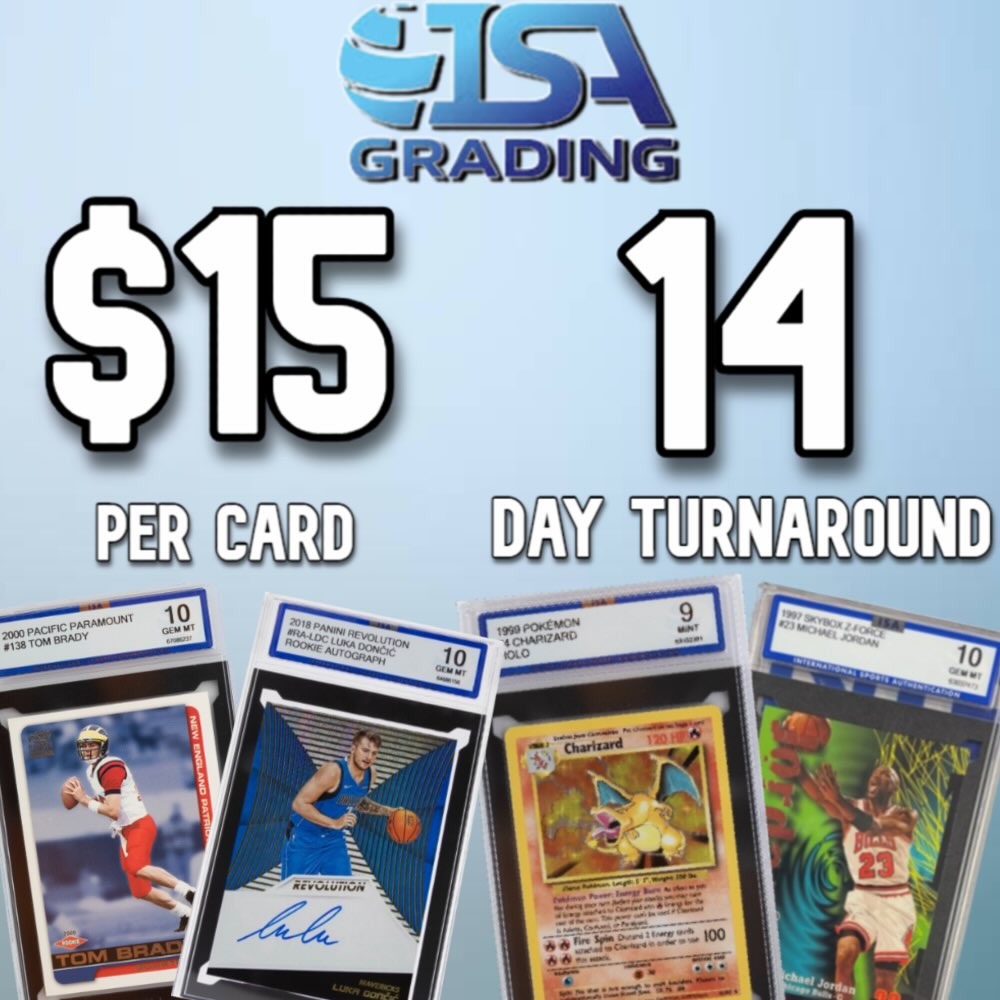
ISA Grading, also known as International Sports Authentication, currently offers sports card grading and authentication at $15 per card, with a 14 day turnaround, a 10 card minimum, and no upcharges. Those terms give busy collectors a starting point for planning. The most useful question is not simply, 'How fast can I grade my cards?' It is which cards are worth submitting now and what you can do to make the process smoother.
What a 14 day turnaround helps you plan
A 14 day card grading turnaround can help when you are preparing inventory for a card show, listing cards online, or deciding whether to keep a recent purchase. Instead of setting aside a submission without a working timeline, you can organize the cards, make your submission, and plan the next steps around ISA's current turnaround. Check the current service details when you submit, especially if a particular sale or event depends on the timing.
Turnaround is only one part of your calendar. You also need time to inspect and pack cards, send them to the grader, receive them back, photograph the slabs, and create accurate listings. If a buyer has asked about a card, avoid promising a delivery date based solely on the grading turnaround. Build room into your own schedule for shipping and the work you will do after the cards return.
That distinction matters for fast card grading. A service can have a useful turnaround without every step of your selling process happening in 14 days. Treat the stated turnaround as a planning tool, not a reason to rush card selection or packaging.
Start with the price, then choose the cards
ISA's current active service is $15 per card with a 10 card minimum and no upcharges. For a submission of exactly 10 cards, that is $150 in grading charges at the stated per card price. You should still account for the supplies and shipping involved in sending your cards. Clear grading charges make it easier to compare possible submissions without guessing which cards might trigger a higher grading price.
The 10 card minimum can be useful if you already have a small stack to evaluate. It should not push you to submit cards that do not fit your goals. Set out more than 10 candidates, then narrow the group. A card might earn a place because you want it authenticated, want it protected in a slab, plan to offer it for sale, or simply value it as part of your collection. Those reasons do not require every card to have the same estimated resale value.
For a dealer, $15 card grading and no upcharge card grading terms can make inventory planning more straightforward. You can separate cards intended for immediate listing from cards you may hold, then calculate the grading charges for each group. If you want a closer look at the pricing approach, read A Clearer Path to the Slab.
Choose cards for the job you want grading to do
Before you submit, ask what you want from each card. Is authentication the priority? Are you trying to document condition for a potential buyer? Do you want to protect a favorite card while keeping its identity and grade visible? The answer affects which cards belong in your first batch.
Baseball card grading might be a priority for an older card with an uncertain history. Basketball card grading could help you organize recent pulls before listing them. A football collector may want a favorite player represented in a slab even without plans to sell. The same decision applies to vintage card grading: condition, authenticity, personal significance, and possible buyer interest may all matter, but they will not carry equal weight for every owner.
Do not assume grading will increase a card's value or that a particular grade is assured. Market interest changes, and the eventual grade may differ from what you expect at home. Compare your reasons for submitting against the grading charge and your own plans for the card. That simple check can keep a timely service from becoming an impulsive purchase.
Inspect condition before you pack
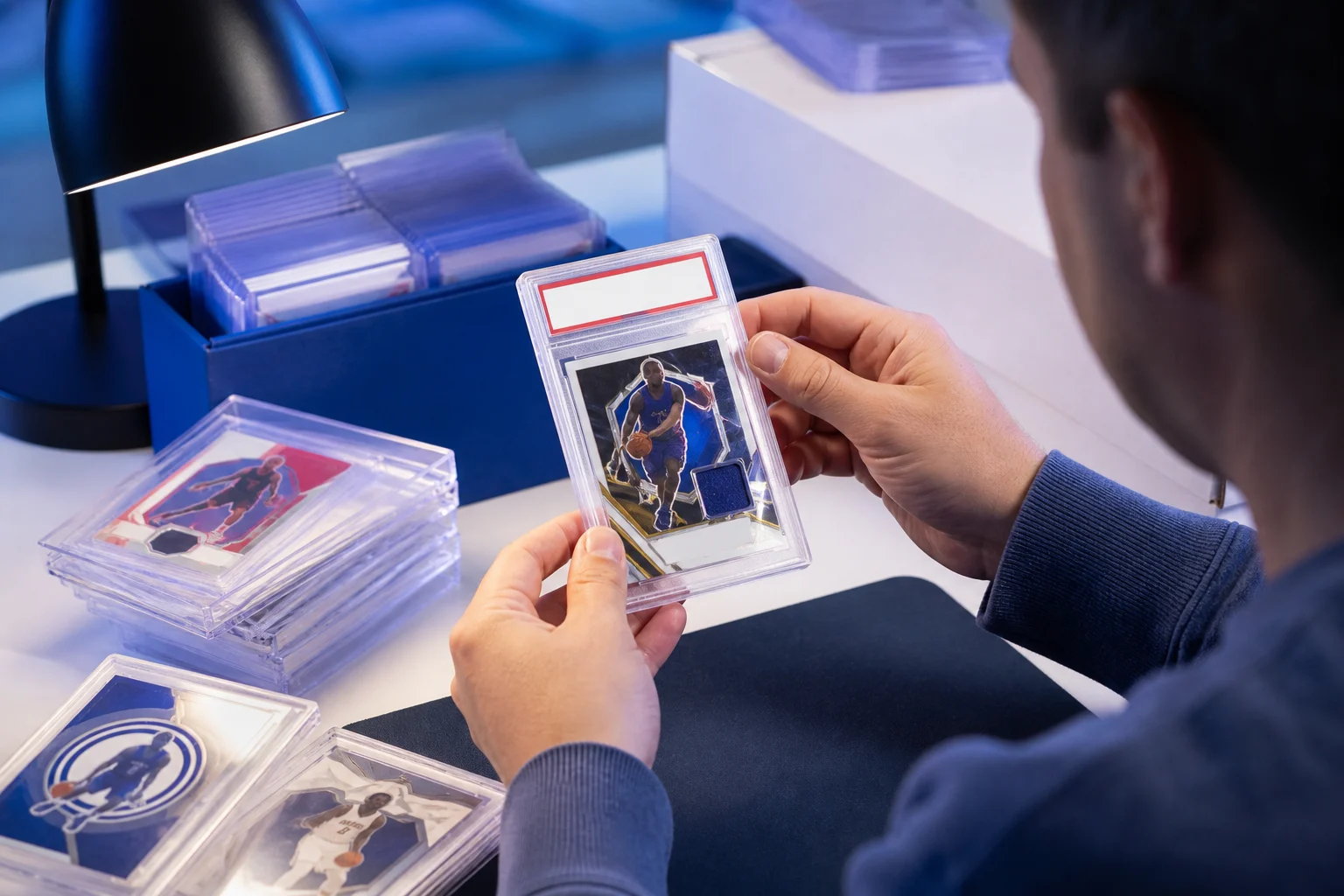
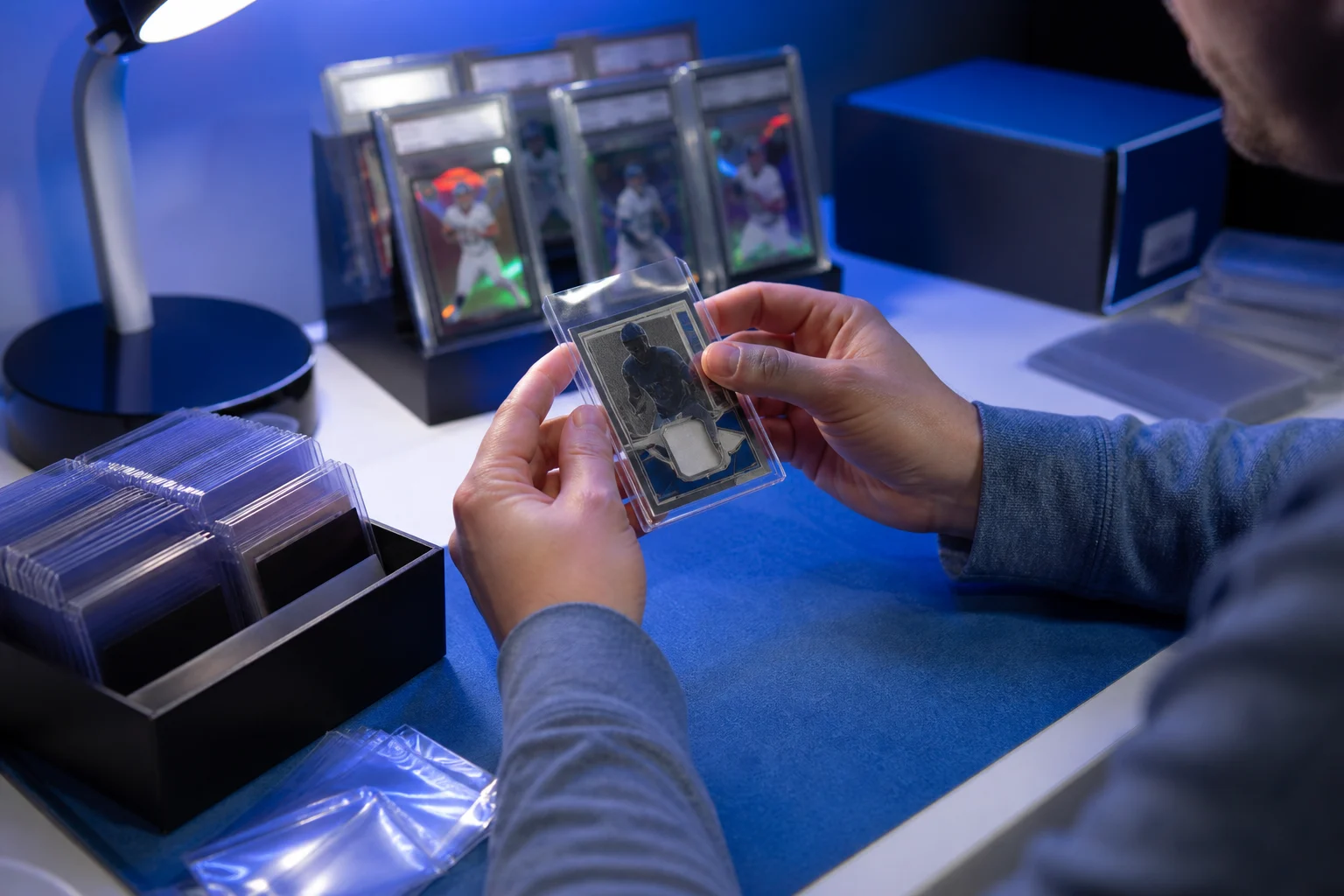
Good grading preparation begins with a careful look at the card you actually own, not the version you remember pulling. Under steady light, inspect the front and back for print issues, marks, and signs of handling. Look at the card surface from more than one angle. Scratches, indentations, or other flaws can be easy to miss when a card stays flat under an overhead lamp.
Check corners and card edges without rubbing them. Notice visible wear, unevenness, or whitening. Then look at centering on both sides of the card. You do not need to predict an exact grade to benefit from this inspection. Its purpose is to help you decide whether a card fits your goals and to avoid surprises caused by something you could have spotted before submission. ISA's grading scale is a useful reference as you review your candidates.
Handle cards by their edges with clean, dry hands and work on a clear surface. Avoid attempts to improve condition through cleaning, pressing, or other alterations. If a mark does not come away through ordinary, gentle handling, leave it alone. Protecting the card's present condition is more important than chasing a grade you cannot guarantee.
Pack for protection, not speed alone
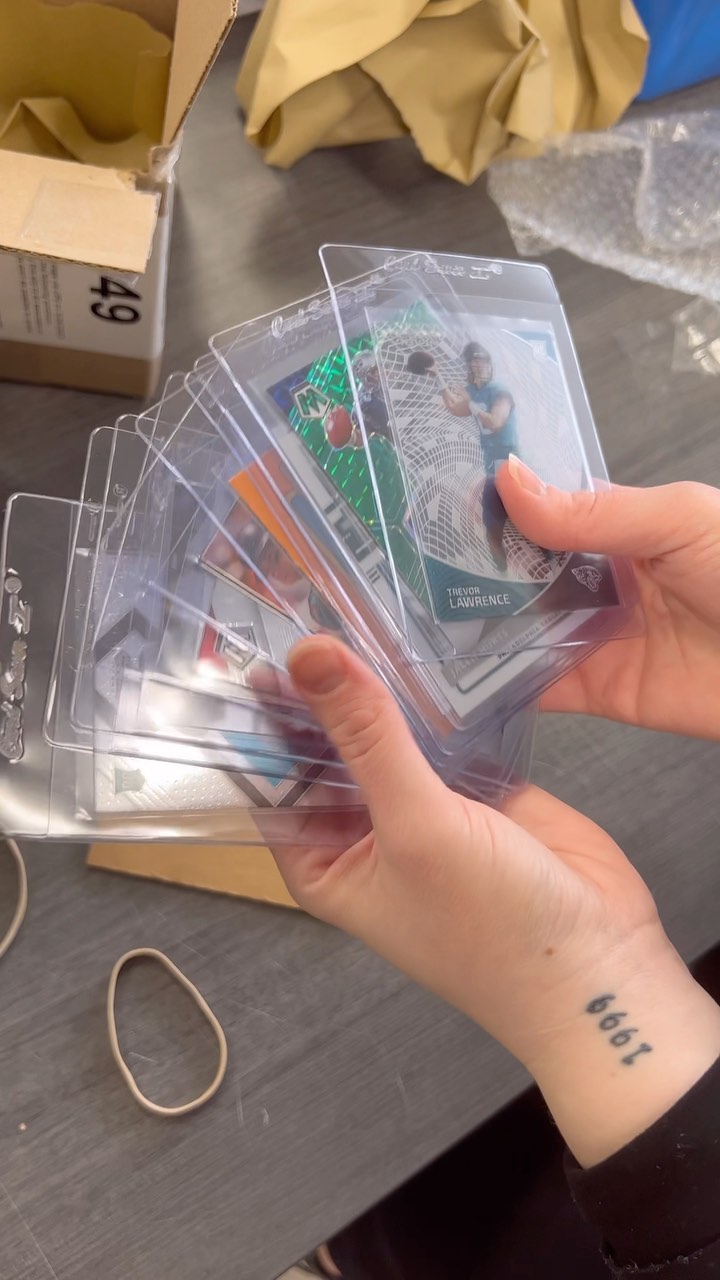
Even when the goal is a quick return, safe shipping deserves your attention. Place each card in appropriate protective materials and keep cards from shifting or bearing unnecessary pressure during transit. Use a sturdy outer package, and follow any current submission instructions for the materials and order of cards. A rushed package can create a problem that no turnaround estimate can fix.
Keep your own record of the cards you send. A simple list with player or character, set, year, card number, and any identifying details can help you check the submission against the returned order. Photographs of the front and back can also document what you packed. This is especially useful when several cards from the same set look similar or when a dealer is handling cards from more than one inventory group.
Review the current requirements on ISA's submission page before packing or paying. Confirm that your batch meets the 10 card minimum and that the cards you intend to submit fit the service you are selecting. A few minutes spent checking instructions is a practical part of a fast submission.
Understand what the slab does and does not do
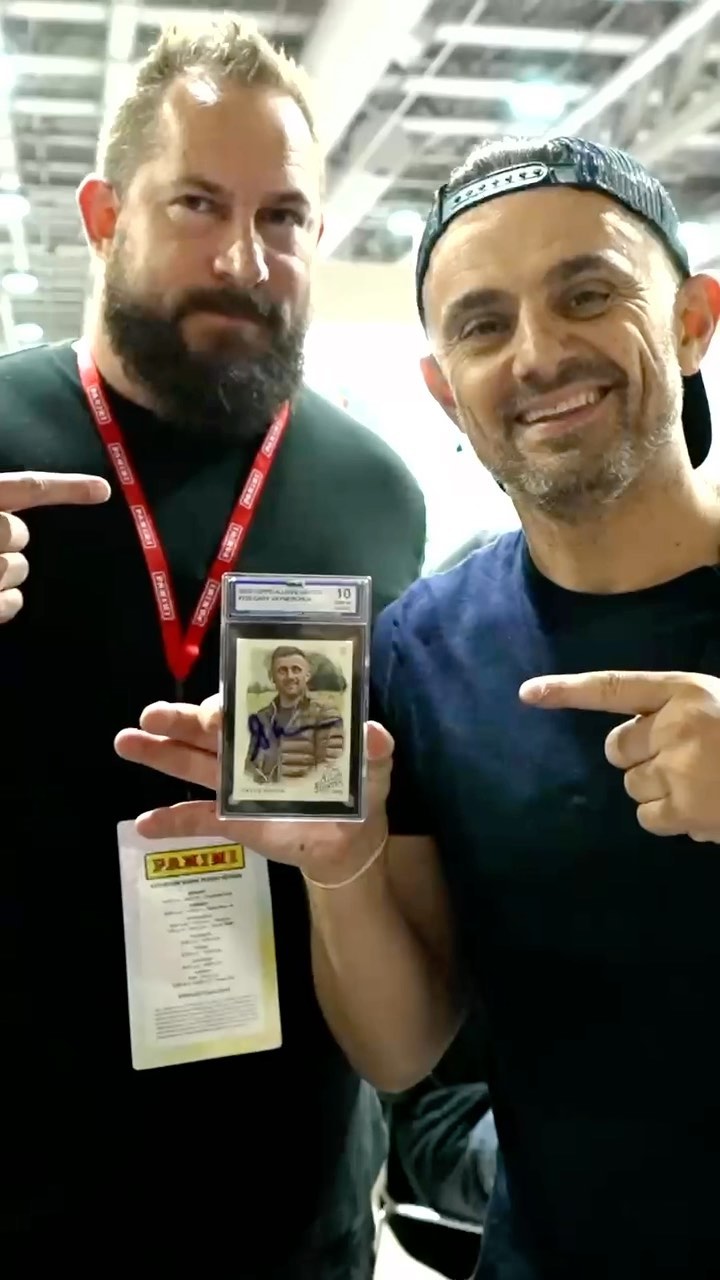
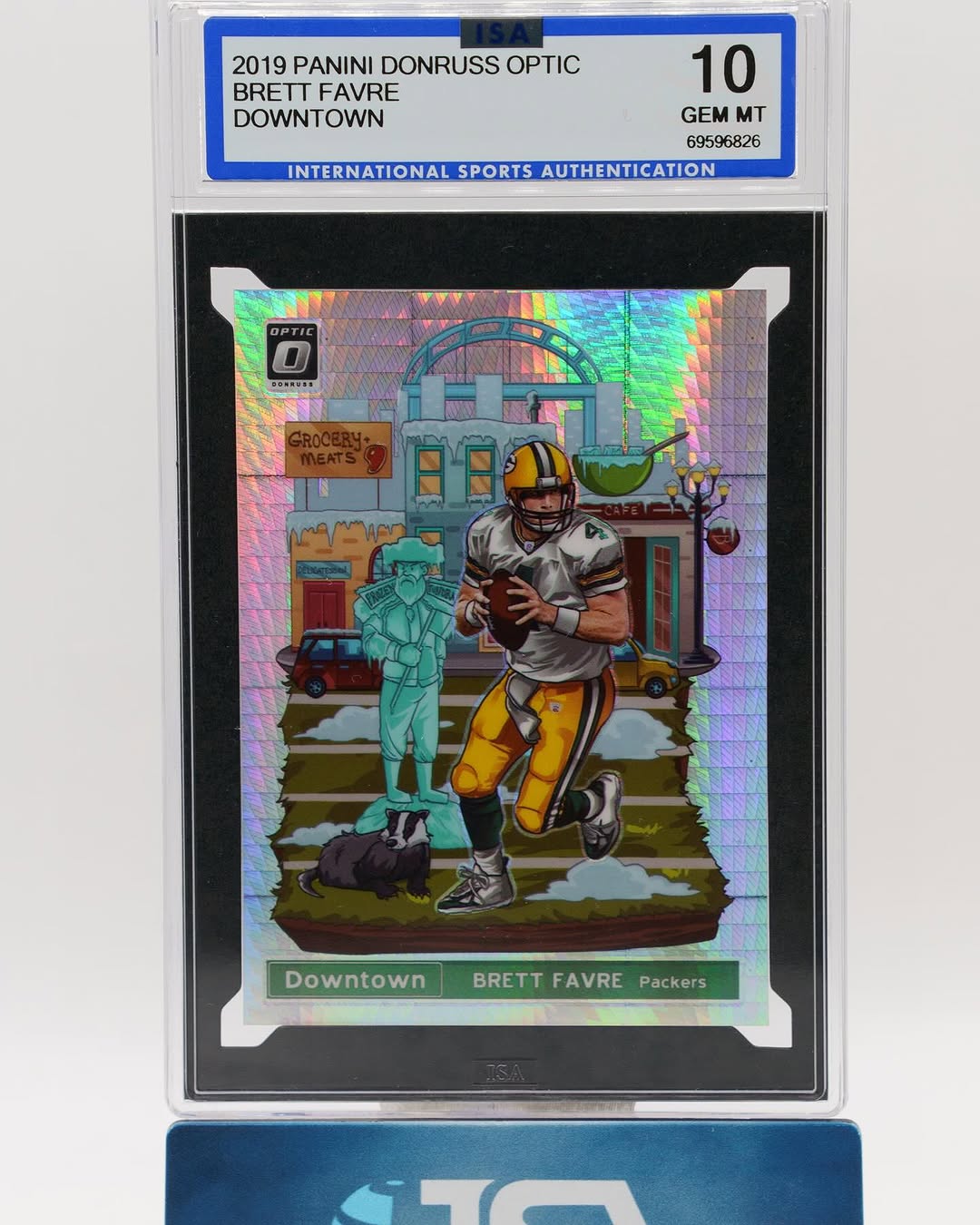
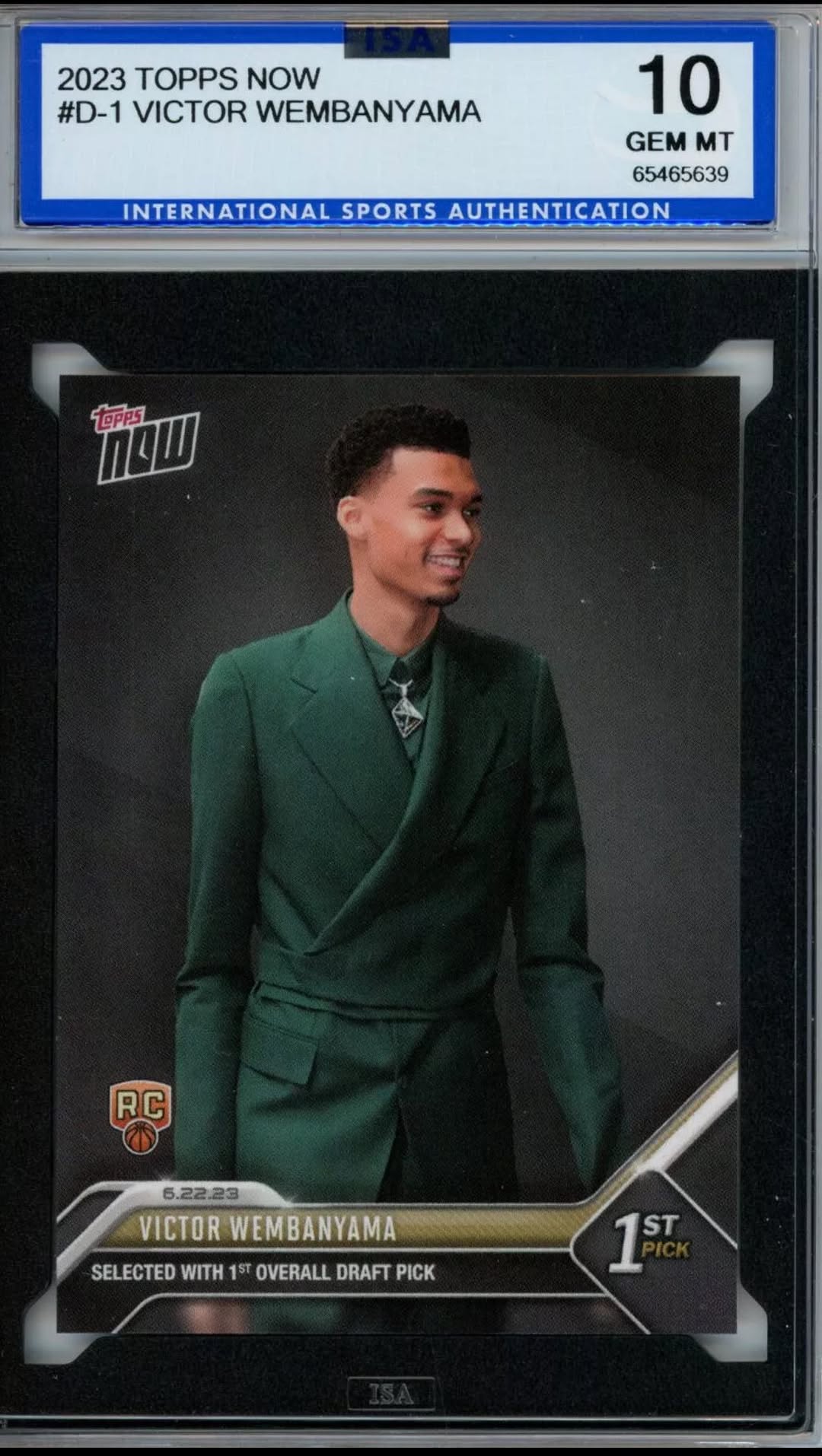
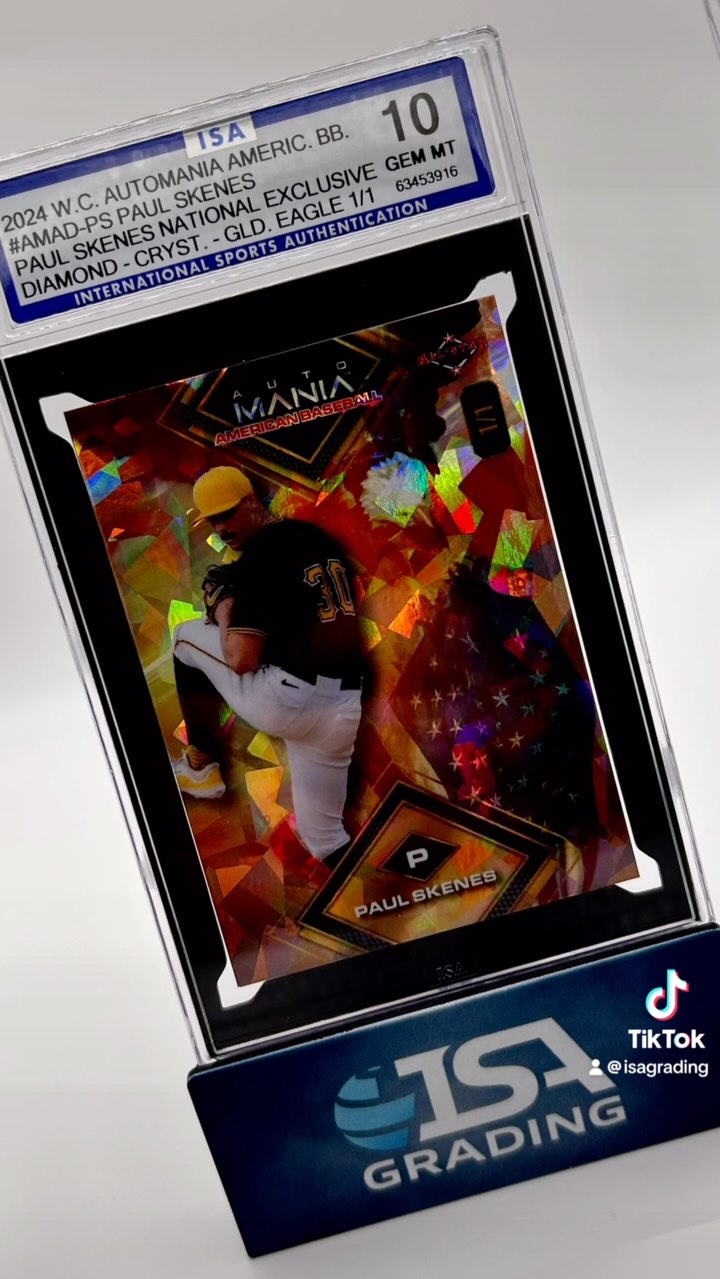
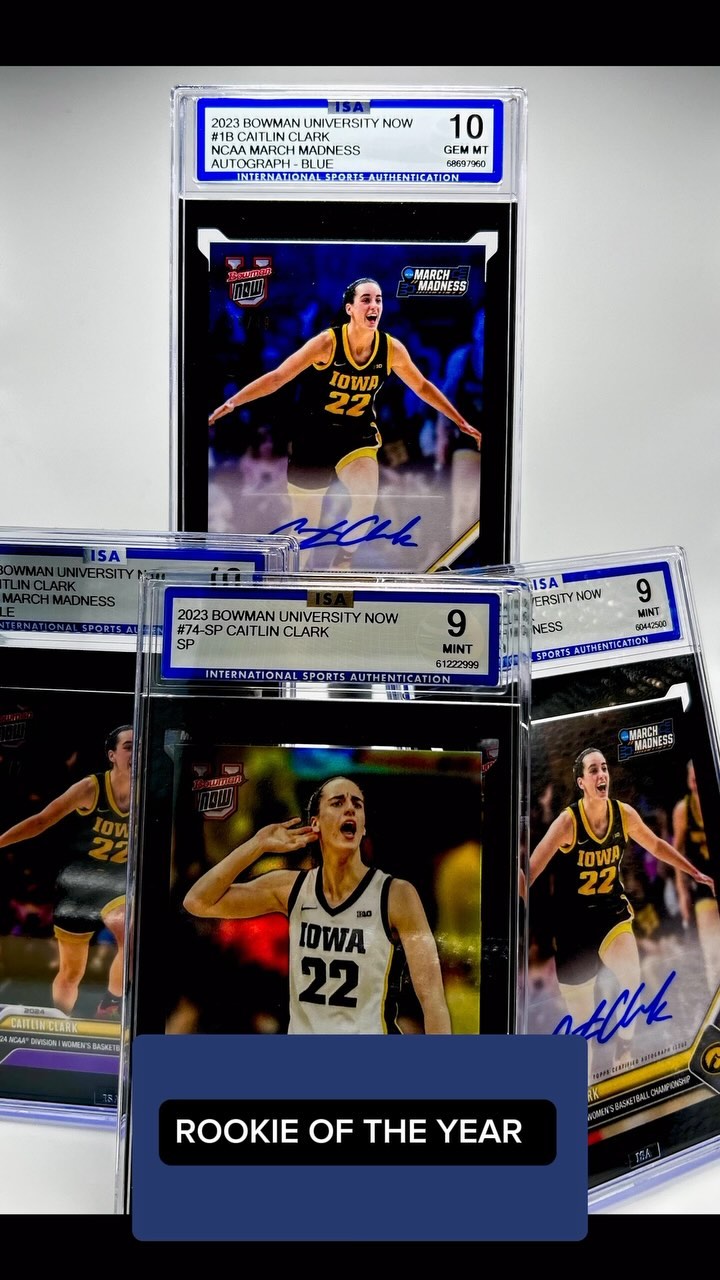
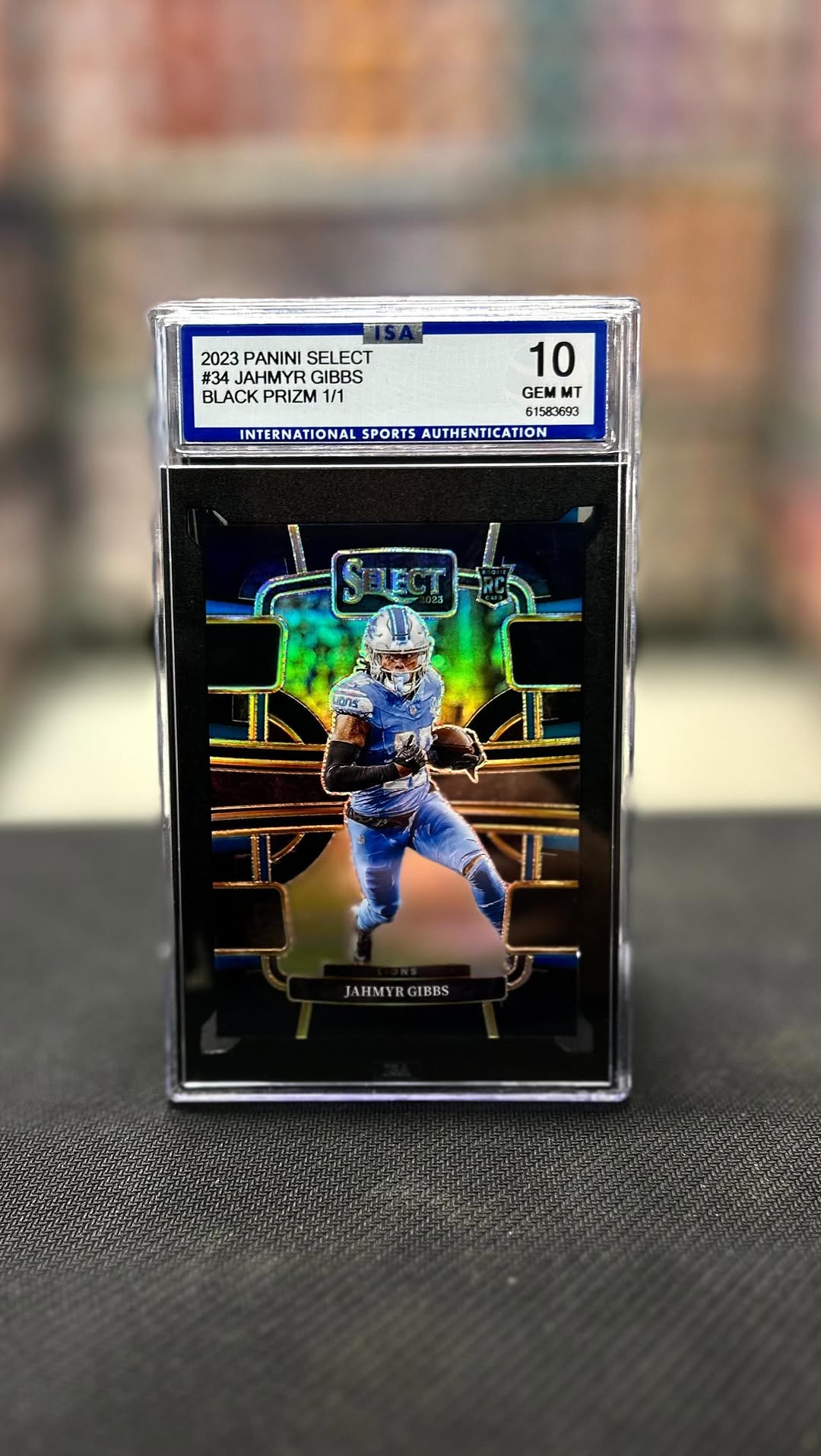
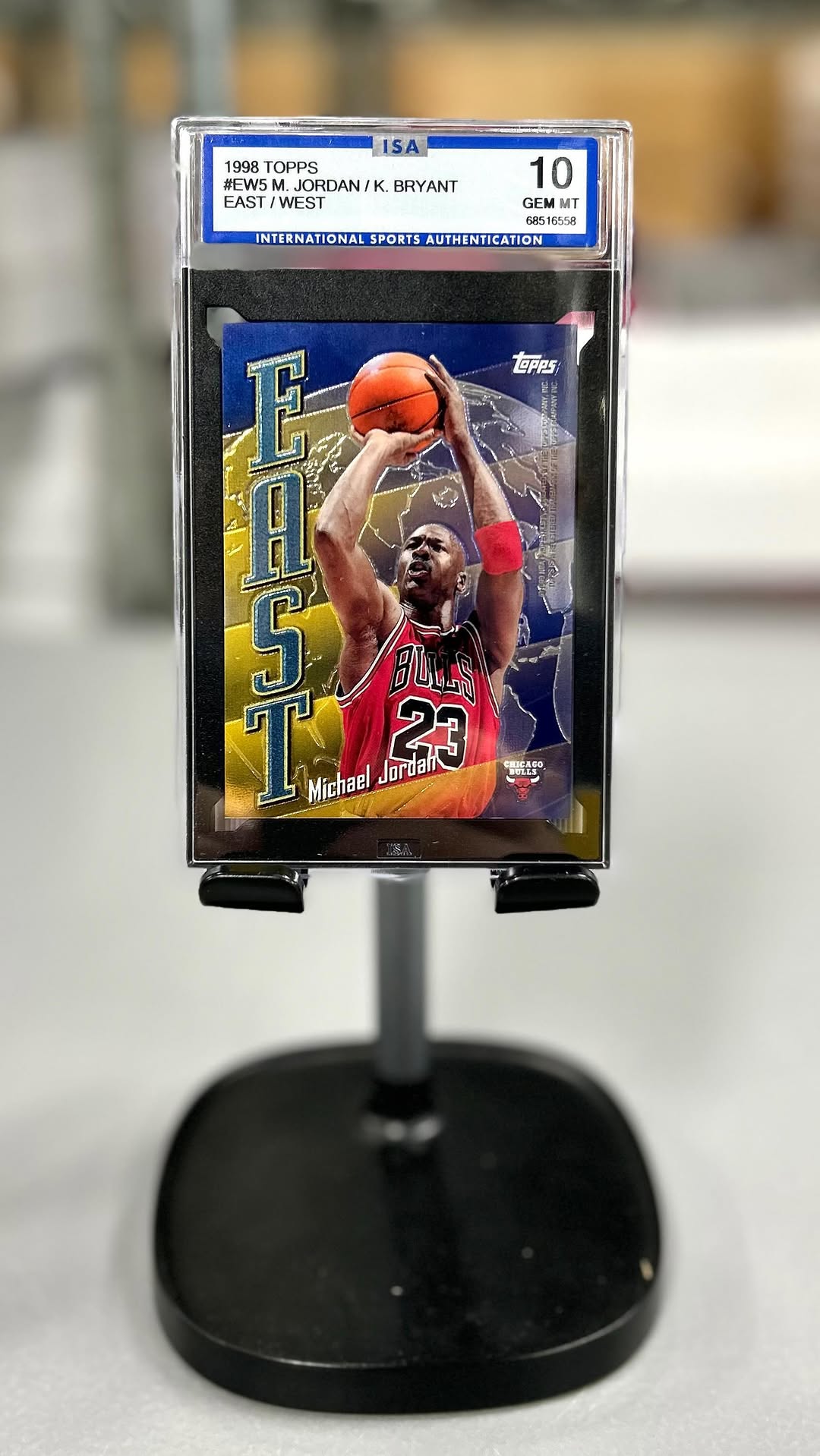
Trading card slabs give a graded card a protective holder and a visible way to present its assigned information. For collectors, that can make storage and display simpler. For sellers, a slab can make it easier to show a buyer which graded card is being offered and to communicate its grade without asking the buyer to rely only on a description.
A slab is not a reason to neglect storage. Keep graded cards away from conditions that could harm collectibles, including excessive moisture, heat, and direct sunlight. Handle the holder carefully and photograph both sides when selling, so buyers can inspect the card and its presentation. Clear photographs still matter when a card has been professionally graded.
Sports card authentication and grading address related but different buyer concerns. Authentication concerns whether the card is genuine; grading evaluates condition under the grader's standards. When writing a listing, describe what the holder and certificate actually say. Do not add claims about provenance, rarity, or future value that the grading result cannot establish.
Give buyers a way to check the certificate
Certificate verification is available on ISA's website. If you are evaluating or selling an ISA graded card, use the certificate verification page to check its certificate information. A buyer can do the same before making a decision. Verification is a helpful step alongside examining photographs, reading the listing, and checking the card and holder when possible.
For sellers, including a clear image of the slab label and accurately entering its details can reduce avoidable questions. Make sure the card pictured is the card described, particularly if you have several copies of the same player or card. For buyers, verification should be part of your review rather than a substitute for it. Look at the card, the holder, the seller's description, and the terms of the sale together.
Buyer confidence is built through specific, checkable information. A grade, a visible holder, certificate verification, and honest condition photographs are more useful than broad claims that a card is 'perfect' or certain to appreciate.
Turn returned cards into clear listings
When graded cards return, match each slab to your submission records before listing anything. Record the assigned grade and certificate details, then take fresh photos of the card in its holder. A listing should identify the player, set, year, card number, grading company, and grade where applicable. Show the front and back clearly, and mention any visible issue with the holder rather than leaving a buyer to discover it later.
Timing can affect how you organize your work, but it should not dictate a sale price on its own. Research relevant sales and current asking prices for comparable cards, keeping differences in grade and card variety in mind. If you are preparing stock for an event, leave time to price the slabs and answer questions. For more on connecting grading speed with a selling plan, see The Timing Edge.
You can also use a return as a learning opportunity. Compare the assigned grades with your inspection notes. Which card surface or edge issues did you notice, and which did you miss? Over several submissions, that habit can help you select cards more deliberately, whether your focus is personal collecting or recurring dealer inventory.
Build a submission around your real schedule
A busy collector does not need an elaborate grading system. Keep a short candidate list, inspect cards when you have good light, and group the ones with a clear reason to submit. Once you have at least 10 suitable cards, review the current service details and set aside time to pack them properly. If you are mixing personal cards with sale inventory, label your own records so you know which is which when the slabs return.
The approach works across sports without treating every card the same. Your stack might include baseball, basketball, and football cards, while another collector may also be exploring Pokemon card grading. Check current submission details for the cards you intend to send rather than assuming every category is handled identically. The point is to make a deliberate submission, not merely to reach the minimum with whatever happens to be nearby.
Collectors sometimes search for card grading near me because convenience matters. Yet location is only one part of convenience. Pricing you can calculate, a turnaround you can plan around, clear instructions, and online certificate verification can matter just as much. ISA's current $15 per card service, 14 day turnaround, 10 card minimum, and no upcharges offer concrete details to weigh against your schedule and goals.
If you are ready to grade, choose your candidates carefully and check the current submission instructions before sending them. If you still have questions about eligibility or the process, ISA's FAQ page is a sensible next stop. A well chosen, well protected batch gives your cards the best start you can control, while a clear plan helps you make use of them when they return.
Submit Cards to ISA Grading
Collectors ready to use ISA Grading can start on the submission page. The current active service is $15 per card with a 14 day turnaround, no upcharges, and a 10 card minimum.
Frequently Asked Questions
What is ISA Grading's current turnaround?
ISA Grading currently lists a 14 day turnaround. Allow separate time in your plans for preparing your cards, shipping, and any work you will do after they return.
How much does ISA charge, and is there a minimum?
ISA's current active service is $15 per card, with a 10 card minimum and no upcharges. Ten cards therefore total $150 in grading charges at that rate.
How should I prepare cards before submitting them?
Inspect the front and back, including the surface, corners, edges, and centering. Record which cards you are sending, protect them for shipping, and follow ISA's current submission instructions.
Can buyers verify an ISA graded card's certificate?
Yes. Certificate verification is available through ISA's website at /certificate-verification. Buyers should also review the card, holder, photographs, and listing details.
Does a 14 day turnaround guarantee my cards will be ready for a specific sale?
Do not base a sale deadline on grading turnaround alone. Plan for preparation, shipping, the stated turnaround, return shipping, and the time needed to photograph and list your cards.