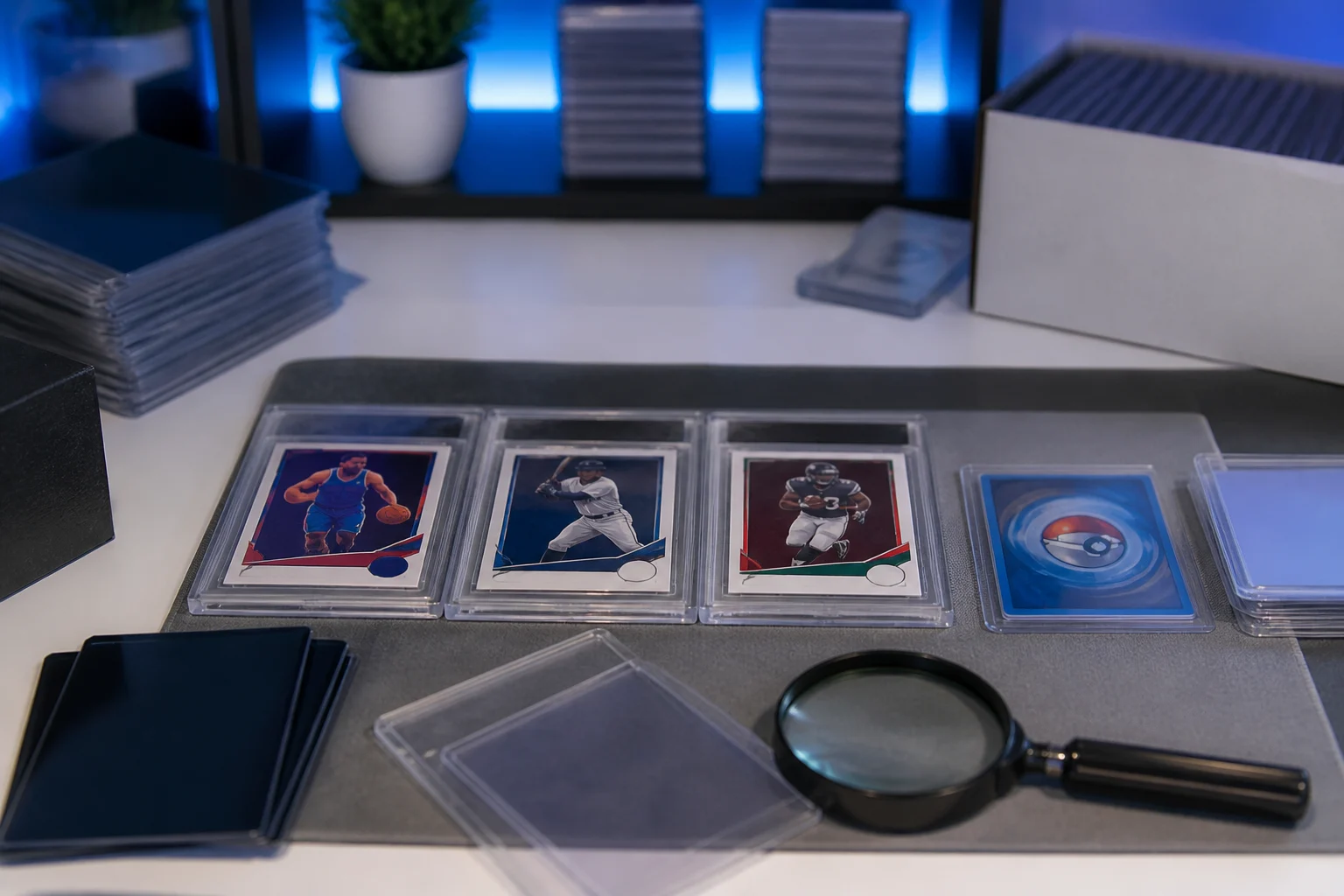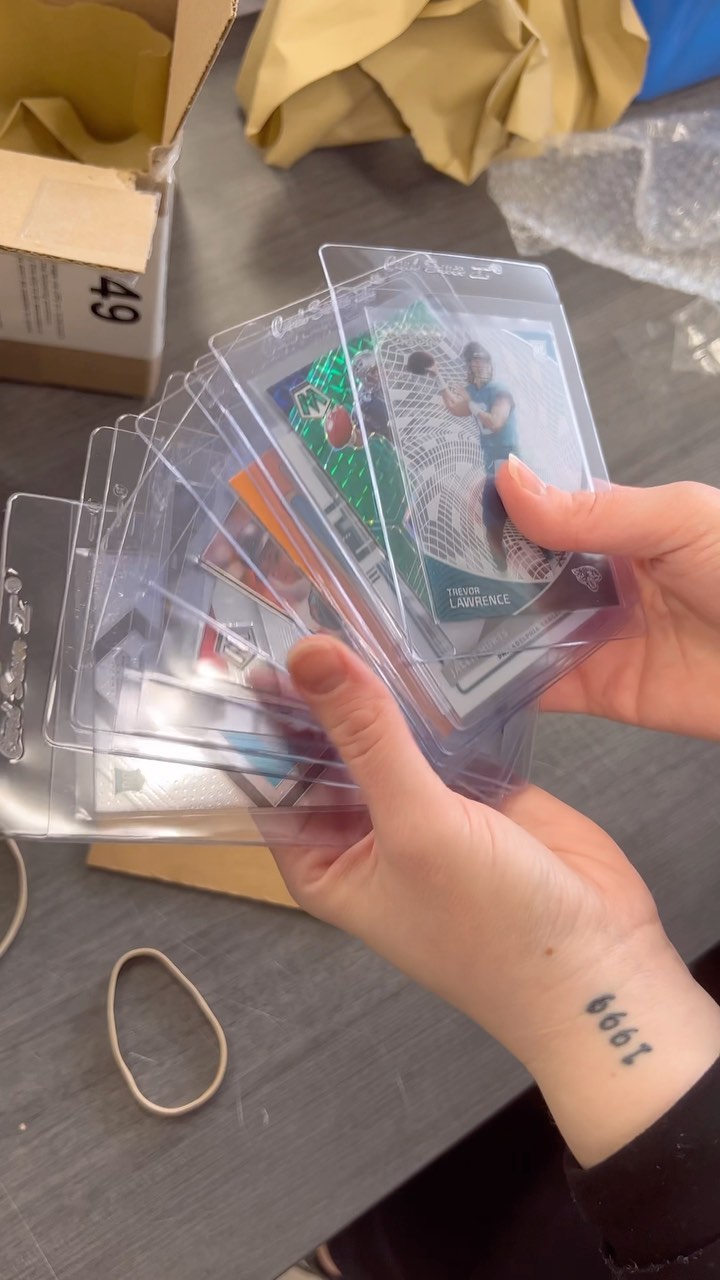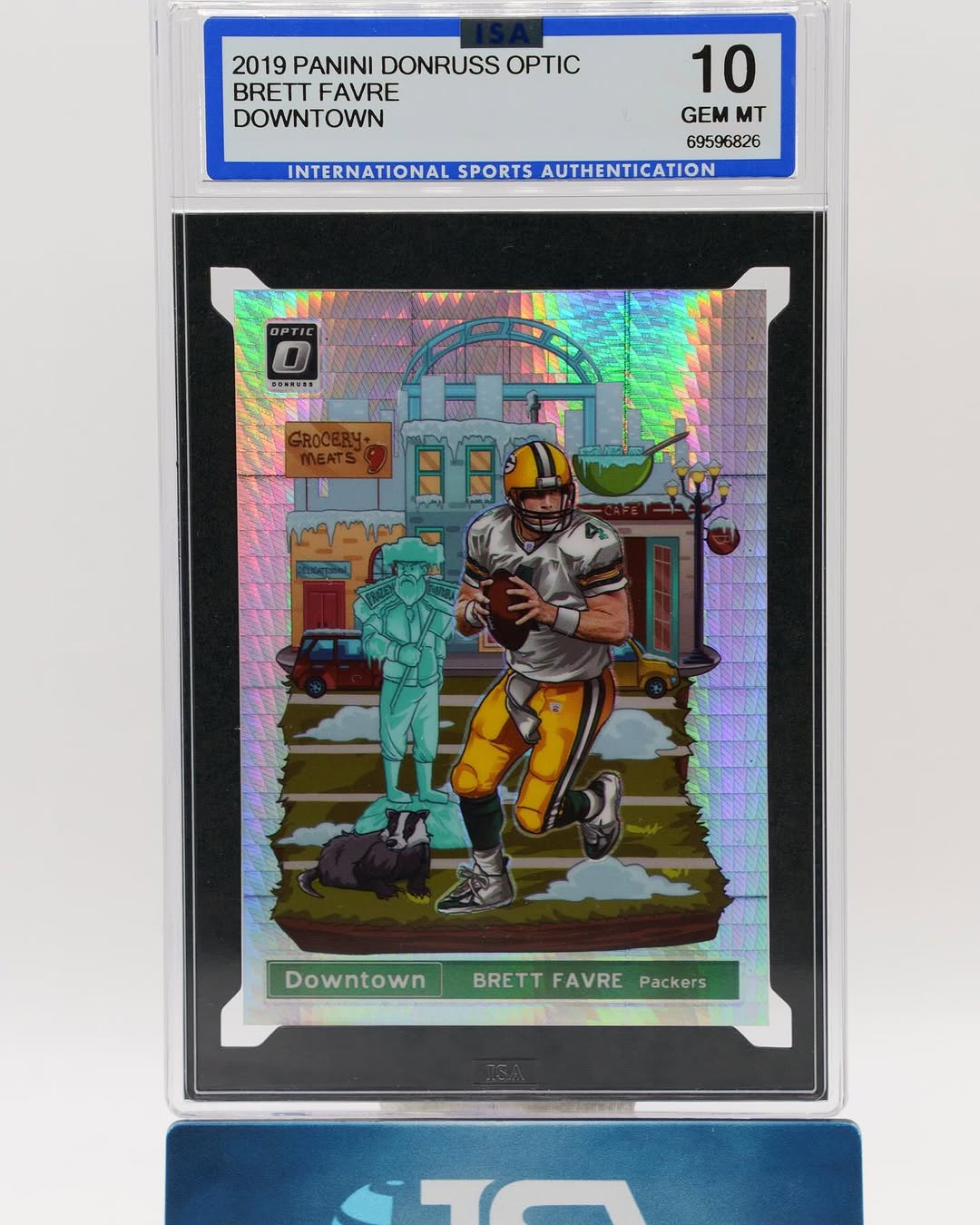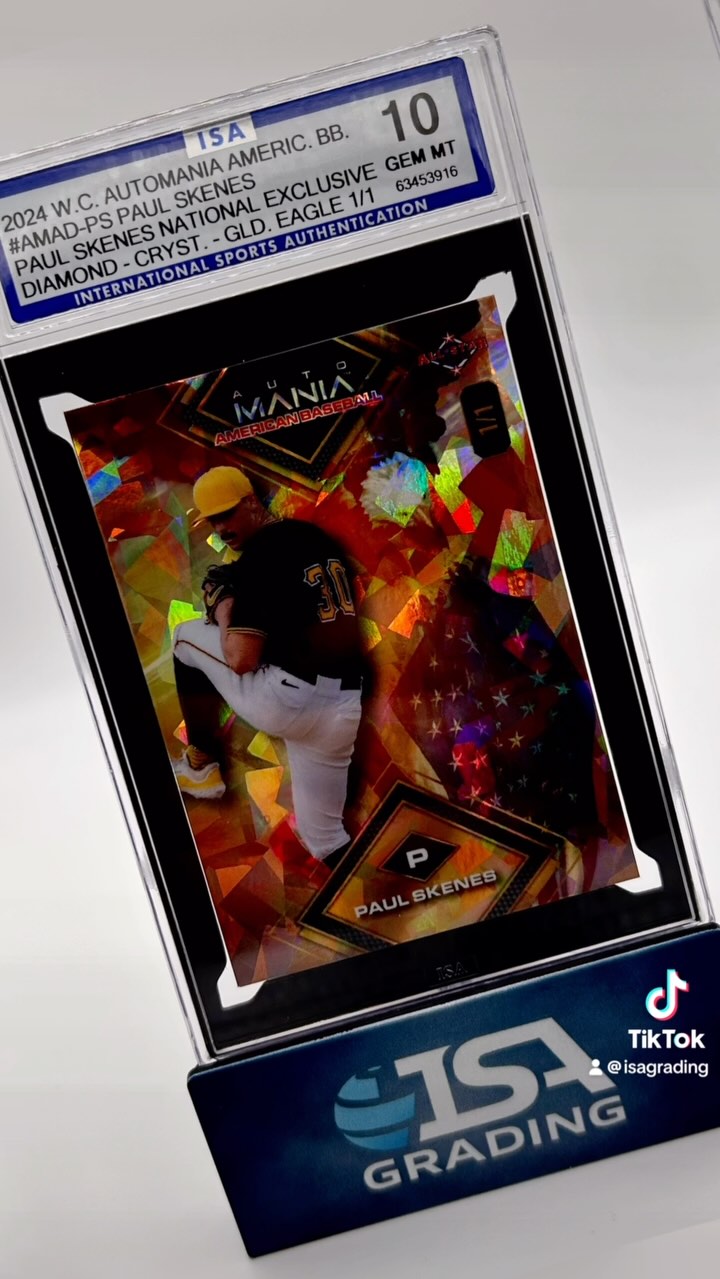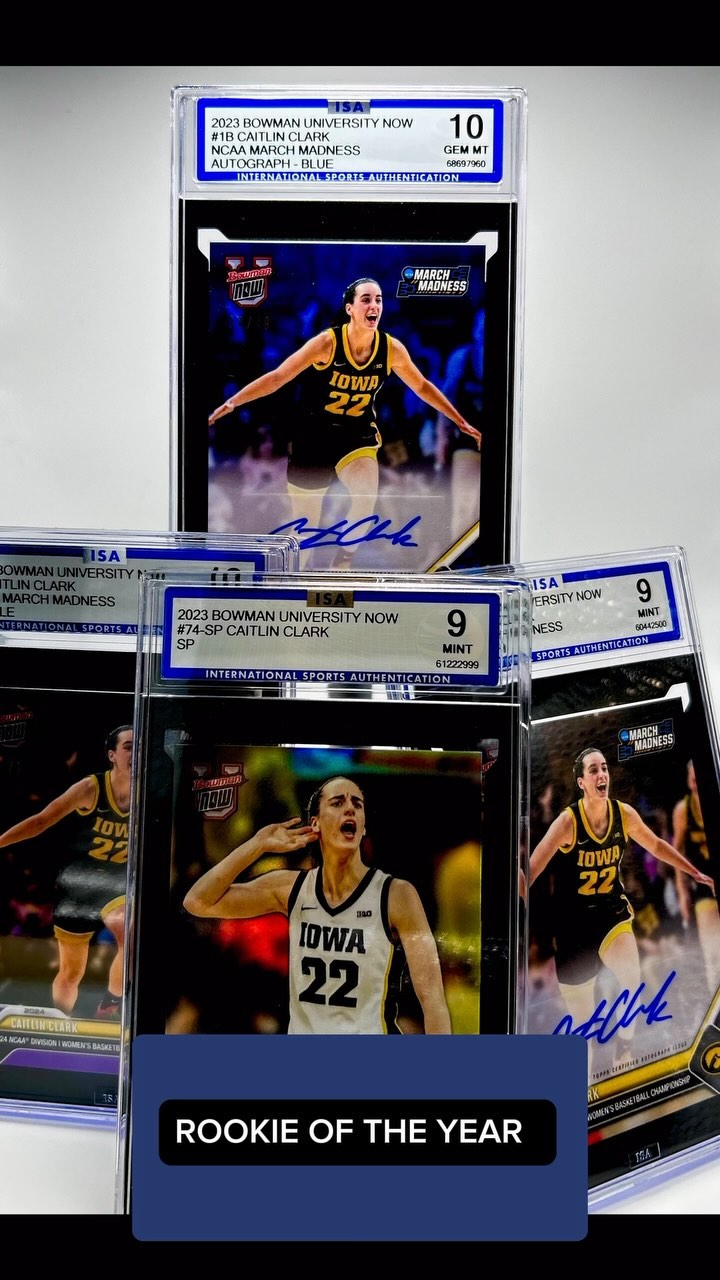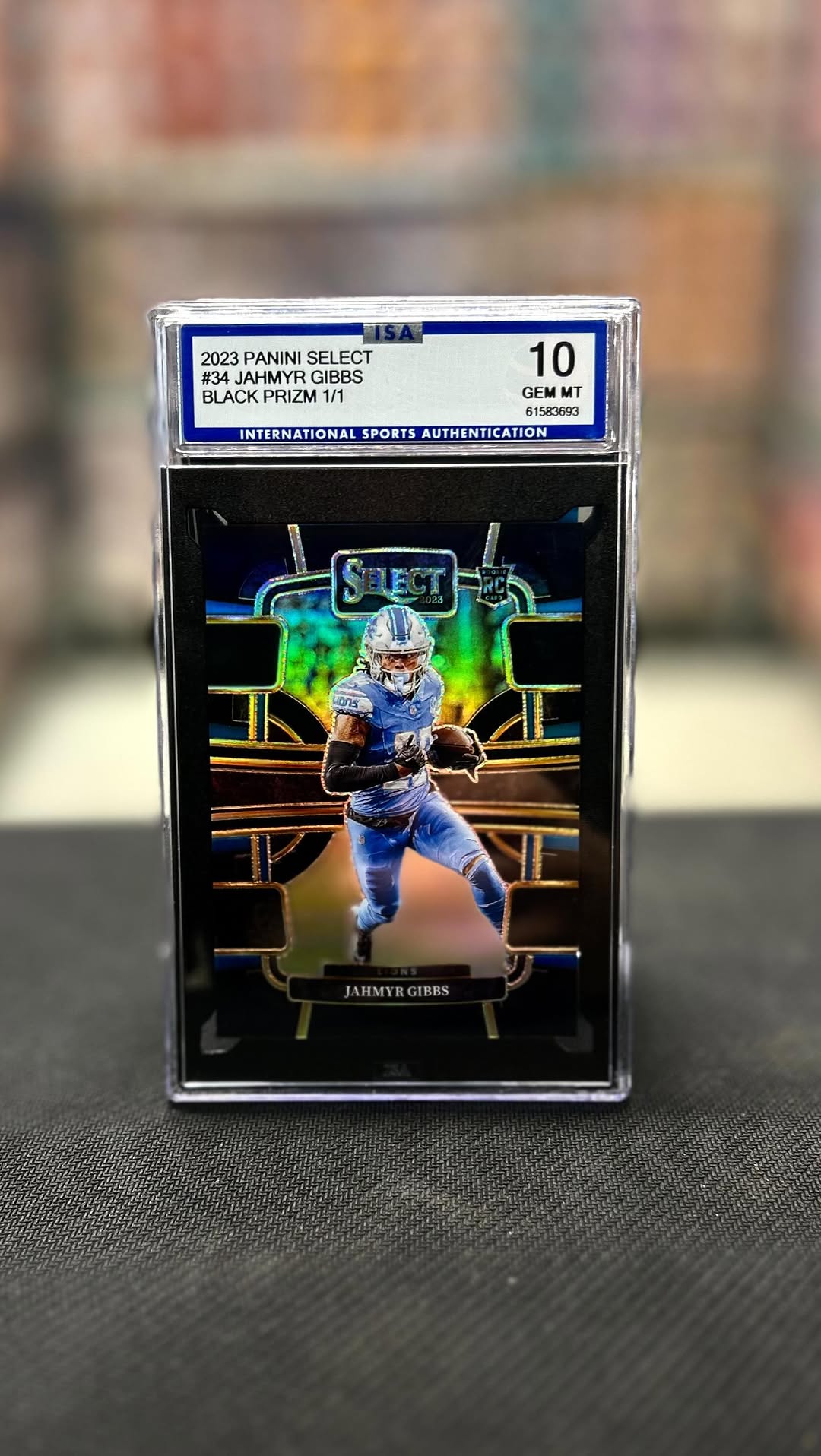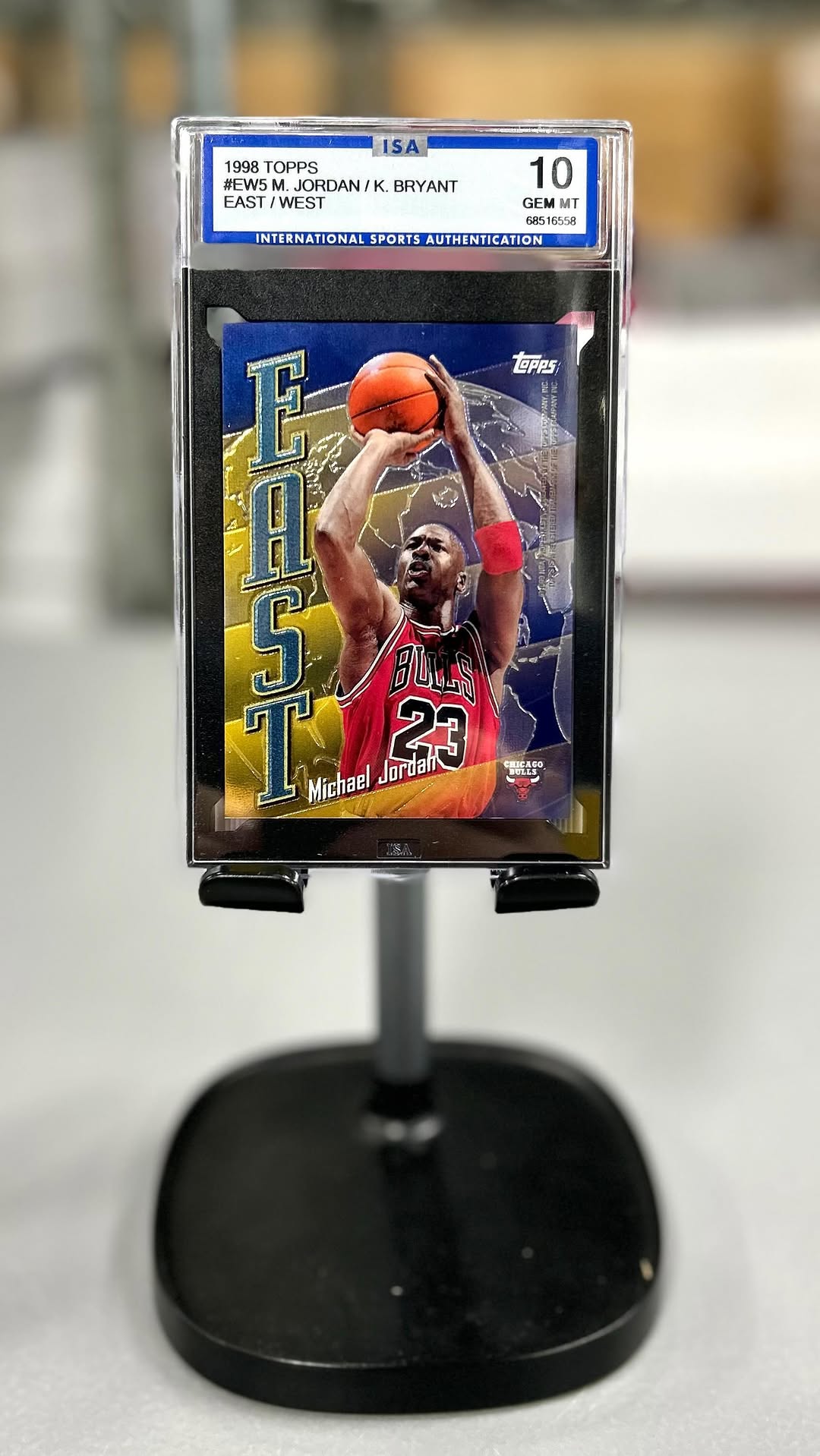

A card comes back with a lower grade than you expected. The disappointment is understandable, especially if you checked its corners and saw no obvious damage. But the more useful question is not simply whether the number feels right. It is whether the card was evaluated against clear standards applied consistently.
Grading consistency matters because collectors and dealers use grades to make decisions. They choose which cards to submit, compare asking prices, organize collections, and explain condition to buyers. A grade becomes more useful when it reflects a dependable assessment rather than an expectation of the highest possible result.
For ISA Grading, also known as International Sports Authentication, this conversation belongs alongside practical submission details: sports card grading and authentication, a current $15 per card service, a 14 day turnaround, a 10 card minimum, and no upcharges.
What grading consistency actually means
In trading card grading, consistency means applying the same condition standards to comparable characteristics. A corner defect should receive appropriate consideration regardless of whether it appears on a popular rookie, an established star, or a less expensive card.
Consistency does not mean every card with one similar flaw must receive the same final grade. Two cards can share a soft corner while differing in centering, surface wear, print defects, or edge damage. The complete condition assessment matters.
Start with the ISA grading scale to understand the standards behind the numbers. A published scale gives you a reference for evaluating results, although it cannot replace examining the individual card.
A grade is not a promise of market value
Condition and price are related, but they are not interchangeable. Player demand, scarcity, card design, sales timing, and buyer preferences also influence value. Consistent grading can support clearer condition comparisons without guaranteeing a particular selling price.
That distinction is especially important in rookie card grading. A highly anticipated rookie may attract more attention, but popularity does not erase a surface scratch or improve an uneven border.
Look beyond corners when assessing condition
Collectors often notice corners first because visible wear is easy to recognize. A useful pre-submission inspection goes further. Several condition characteristics can separate cards that otherwise look nearly identical.
- Centering: Compare the placement of borders and design elements on the front and back.
- Corners: Look for softness, bends, fraying, and small impacts.
- Card edges: Check for chipping, roughness, dents, and exposed material.
- Card surface: Inspect for scratches, indentations, staining, print lines, and other visible defects.
Lighting changes what you can see. A glossy card may look clean when viewed straight on but reveal scratches when tilted under a light. Dark borders may make edge wear more apparent, while textured or reflective designs can complicate inspection.
These differences help explain why two attractive cards can receive different grades. Consistency requires attention to their actual condition, not just their overall visual appeal in a sleeve or listing photograph.
Why collectors need dependable standards
A collector building a graded set needs a workable understanding of condition across multiple submissions. If similar defects receive broadly comparable treatment, planning becomes easier. You can decide which cards deserve grading fees and which might be better kept ungraded.
For dealers, the same principle affects inventory decisions. A repeatable inspection process helps separate likely submission candidates from cards with damage that could undermine the economics of grading. It also encourages more realistic expectations when explaining potential outcomes to customers.
Consistency is not a guarantee that you will predict every grade correctly. Some flaws are difficult to identify without close examination. Its value is that it gives you a meaningful framework for learning from results rather than treating every submission as a guessing game.
Prepare cards without trying to change their condition
When the question is, “Should I grade my cards?” begin with an organized inspection rather than a target grade. Write down what you can actually see, including flaws that might be easy to dismiss on a favorite card.
- Identify each card: Record the year, set, player, card number, and relevant variation.
- Inspect both sides: Use steady lighting and handle cards carefully by the edges.
- Record condition concerns: Note scratches, corner wear, print defects, and centering issues.
- Compare realistic outcomes: Consider more than one possible grade before committing to submission costs.
- Follow submission instructions: Use the requested protective materials, order details, and packaging.
Do not trim, recolor, press, or otherwise alter a card to chase a better result. Attempted cleaning can also damage finishes or leave residue. If you are uncertain about handling or preparation, ask for guidance before proceeding.
For a broader preparation checklist, read Before You Grade: A Collector’s Guide to Sports and Pokemon Cards. Preparation should help preserve and document existing condition, not disguise it.
Pricing clarity makes grading decisions more disciplined
A consistent grading process is easier to use when submission costs are understandable. Before sending cards, calculate the grading expense and compare it with your collecting goals, realistic resale expectations, and tolerance for a lower-than-expected result.
ISA Grading currently offers $15 per card grading with a 10 card minimum and no upcharges. A minimum submission therefore carries $150 in grading fees. Account separately for shipping, insurance, and any other applicable submission expenses when building your full budget.
For collectors seeking no upcharge card grading, that structure provides a clear per-card grading fee. It does not mean every card becomes a profitable submission. A modest-value card may still make sense for preservation or personal enjoyment, even when resale is not the primary goal.
The related article A Grading Budget That Holds Up When the Cards Come Back explores why conservative expectations matter. Budget around several plausible outcomes rather than relying entirely on the best one.
Turnaround matters, but it is not a substitute for standards
Waiting affects collectors and businesses differently. A collector may want cards returned before a show. A dealer may need inventory available for upcoming sales. In either case, turnaround time belongs in the submission decision alongside condition standards and total cost.
ISA currently lists a 14 day card grading turnaround. Before making a time-sensitive commitment, confirm how the turnaround is measured and account for transit time. Do not assume the listed service window represents the complete period from mailing your package to receiving it back.
Speed and grading consistency answer different questions. Turnaround tells you about the expected service timeline. Consistency concerns how condition is evaluated. A useful card grading service should be assessed on both, rather than treating a quick return as proof of grading quality.
Slabs protect cards, but handling still matters
Card encapsulation places a card inside a protective holder after evaluation. Trading card slabs can reduce direct handling and make storage, display, and identification more convenient. They do not make cards immune to every environmental or physical risk.
Keep encapsulated cards away from prolonged direct sunlight, excessive heat, moisture, and heavy pressure. Store slabs so they are not repeatedly rubbing against one another. When shipping, protect the holder and prevent movement inside the package.
Collectors should also separate holder appearance from card condition. Scratches on a slab may affect presentation without being scratches on the card itself. Conversely, a clean-looking holder does not mean the enclosed card has no condition defects. Clear photographs help buyers distinguish the two.
Certificate verification supports buyer confidence
Card authentication and condition grading serve related but different purposes. Authentication addresses whether a card is genuine, while grading evaluates its condition. Certificate verification lets a collector check the certification information associated with a graded card.
ISA provides certificate verification on its website. When reviewing a purchase, compare the available certificate record with the label and card shown in the seller’s photographs. Look carefully at identifying details rather than checking only the grade.
A matching record is useful, but a certificate lookup is not a substitute for inspecting the actual item. A copied certificate number or misleading photograph can complicate a transaction. If details do not match, request additional photographs and clarification before buying.
Selling graded cards requires more than quoting the grade
When selling graded cards, make it easy for a buyer to understand exactly what is offered. Show the front and back of the slab, provide readable label photographs, and describe noticeable holder damage. Identify the card accurately, including its set, year, and variation.
Use relevant completed sales to research pricing where available. Active asking prices show what sellers want, not necessarily what buyers have paid. Differences in grade, variation, holder, and sale date can make a comparison less useful than it first appears.
Buyer confidence develops from several signals working together: clear condition information, accurate identification, accessible certification details, and honest presentation. Grading consistency supports that process, but it cannot replace a seller’s responsibility to describe the item accurately.
Apply the same questions across card categories
Whether you are considering baseball card grading, basketball card grading, or football card grading, the core questions remain similar. What condition issues are present? What standards apply? What will submission cost? How will the finished card fit your collection or inventory?
Collectors researching Pokemon card grading or broader TCG card grading should ask those questions too, while confirming that the chosen provider accepts their specific cards. Eligibility, formats, and submission requirements should never be assumed from general grading terminology.
Vintage cards also deserve careful inspection. Age alone does not remove wear from the condition assessment, and an attractive front can coexist with back damage. Judge the complete card rather than relying on nostalgia or scarcity.
Choose a submission plan you can explain
Before selecting a provider, read its standards, review current service details, and look for useful customer experiences. ISA’s customer reviews can provide additional context, but individual experiences should not be treated as guarantees of future grades or timelines.
A sensible submission plan has a clear purpose: protecting a favorite card, documenting condition, organizing a collection, or preparing inventory for sale. It also leaves room for grades that differ from your estimates.
If ISA fits that plan, review the instructions and begin at submit a card. The current service is $15 per card, with a 14 day turnaround, a 10 card minimum, and no upcharges. Pair those practical details with careful preparation and realistic expectations. The most useful grade is one you can understand, not merely the one you hoped to receive.
Submit Cards to ISA Grading
Collectors ready to use ISA Grading can start on the submission page. The current active service is $15 per card with a 14 day turnaround, no upcharges, and a 10 card minimum.
Frequently Asked Questions
What does grading consistency mean for sports cards?
Grading consistency means applying the same condition standards to comparable card characteristics. It considers the complete card, including centering, corners, edges, and surface. Two cards with one similar defect may still receive different grades because their other condition characteristics differ.
How much does ISA Grading currently charge?
ISA Grading currently charges $15 per card, with a 10 card minimum and no upcharges. The minimum submission totals $150 in grading fees. Confirm shipping, insurance, and any other applicable expenses when calculating your complete submission budget.
What is ISA Grading’s current turnaround time?
ISA currently lists a 14 day turnaround. Before planning around a deadline, confirm how that service window is measured and allow separately for shipping transit time.
How do I verify an ISA graded card?
Use the certificate verification page on ISA’s website to check the certification information. Compare the available record with the card and holder label. A matching record is useful, but it does not replace inspecting the item and evaluating the seller.
Does a higher grade guarantee that my card will sell for more?
No grade guarantees a selling price or a profit. Condition can influence demand, but player popularity, scarcity, card variation, market timing, and buyer preferences also affect value. Research relevant completed sales and include submission expenses in your calculations.