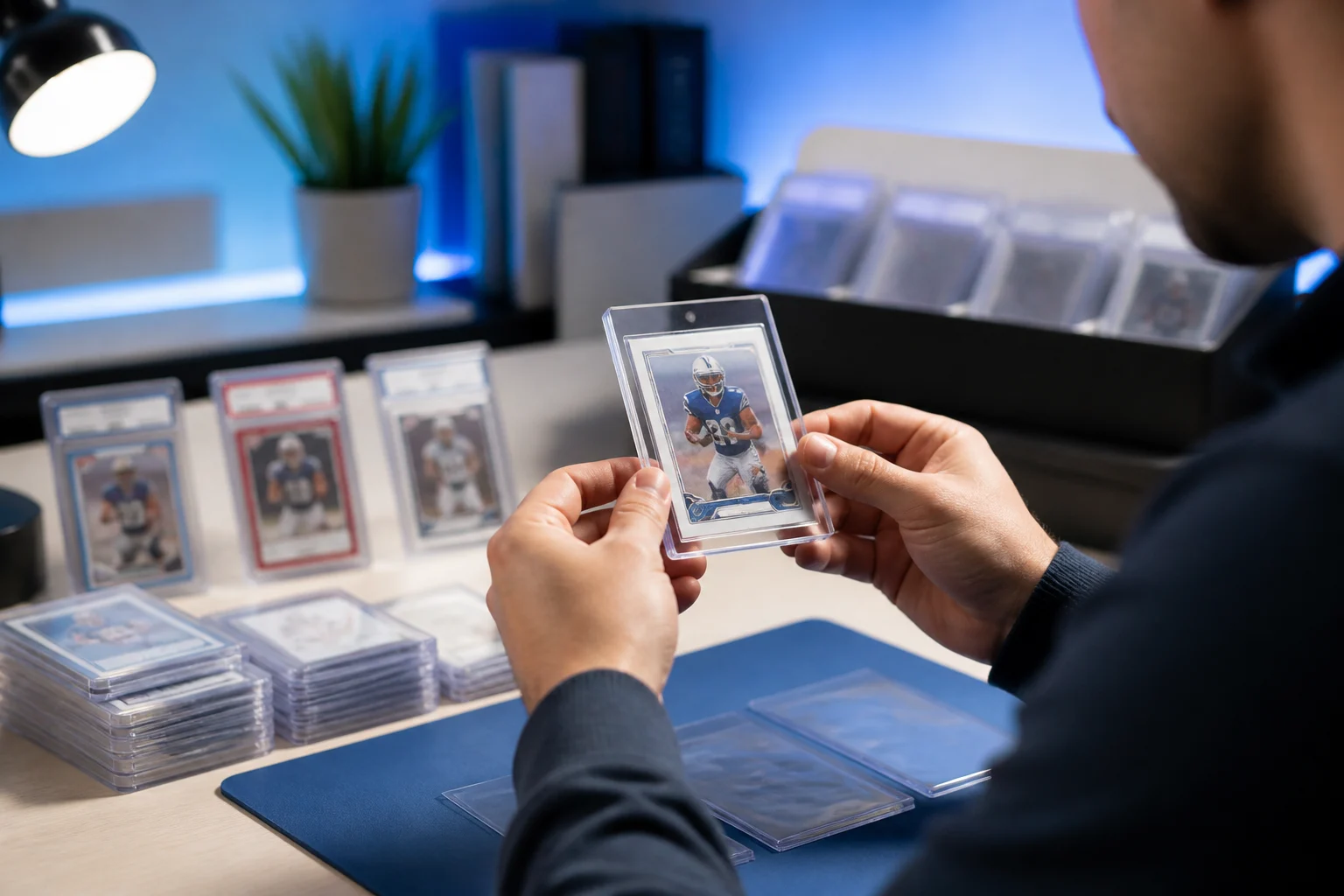
The easiest card grading mistakes often happen before a card reaches the grading room. A rushed condition check, an incomplete inventory, or a poorly protected shipment can complicate a submission that should have been straightforward.
Whether you collect for enjoyment, sell regularly, or manage dealer inventory, preparation helps you make more informed decisions. This guide covers the submission mistakes worth avoiding, from choosing cards and understanding costs to planning for slabs, certificate verification, and resale.
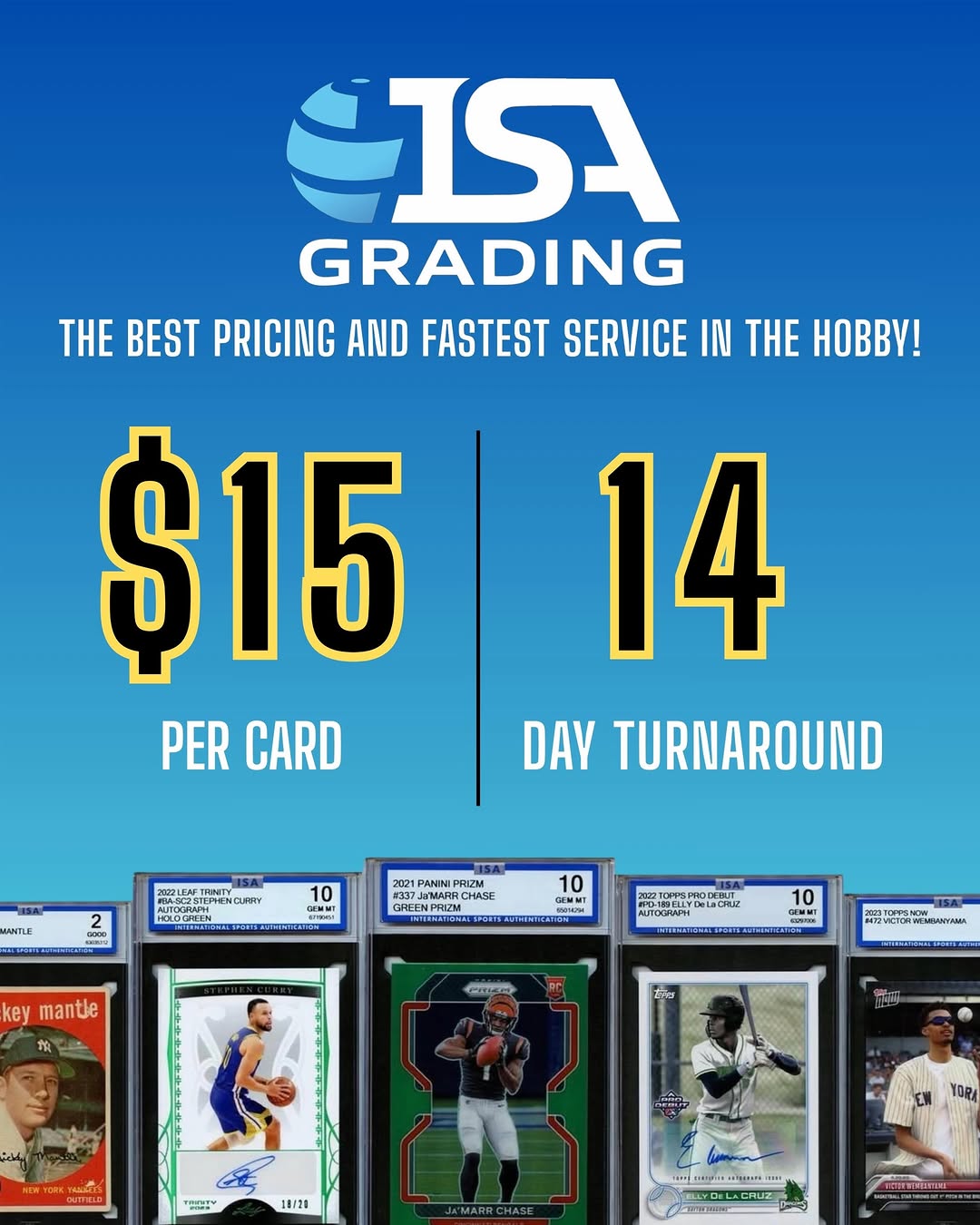
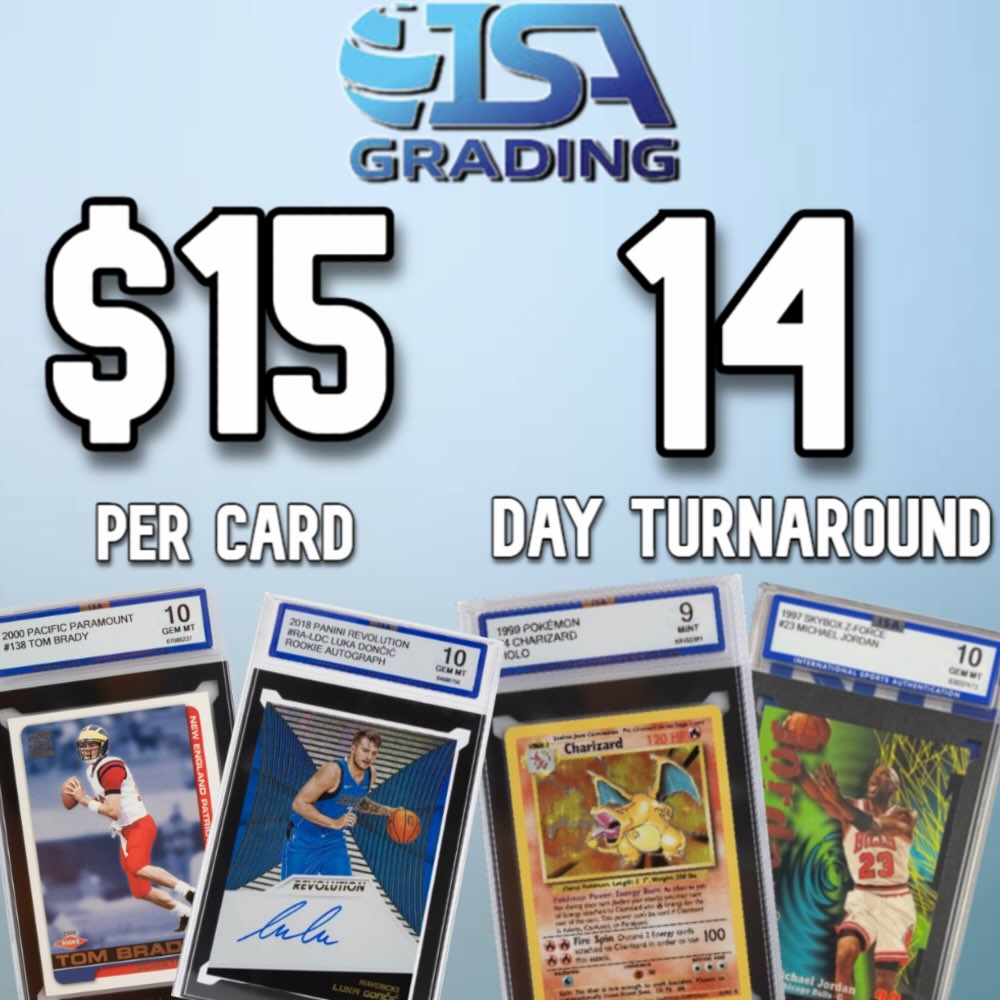
ISA Grading, also known as International Sports Authentication, provides sports card grading and authentication. Its current active service is $15 per card, with a 14 day turnaround, a 10 card minimum, and no upcharges. Those details give you a starting point, but a successful submission still begins at your own sorting table.
1. Submitting Without a Clear Goal
Before asking, Should I grade my cards?, decide what you want grading to accomplish. Protecting a childhood favorite is different from preparing inventory for a card show. A personal collection card does not need to meet the same resale calculation as a card purchased specifically to sell.
Common goals include documenting condition, obtaining card authentication, protecting a collectible through card encapsulation, and giving prospective buyers a standardized condition reference. None of those goals guarantees a higher selling price.
Sort potential submissions by purpose first. Keep sentimental selections separate from resale candidates so an emotional attachment does not quietly become a profit assumption.
2. Treating Every Valuable Card as a Good Grading Candidate
A popular player, scarce parallel, or impressive raw asking price does not automatically make grading financially sensible. Asking prices show what sellers want, not necessarily what buyers have paid.
Review recent completed sales for the exact card whenever possible. Match the year, set, card number, parallel, and relevant variation. For graded comparisons, also match the grading company and grade when suitable examples exist.
Compare several plausible outcomes rather than budgeting around the highest possible grade. For resale candidates, account for:
- The amount you paid for the card.
- Grading and transportation costs.
- Marketplace fees and possible return expenses.
- The likely selling range at realistic grades.
If comparable sales are limited, recognize that uncertainty instead of assigning the card an optimistic value.
3. Checking Centering but Missing Surface Damage
Centering is easy to notice, but it is only one part of card condition grading. A well-centered card can still have surface scratches, indentations, print defects, edge wear, or damaged corners.
Inspect both sides under good lighting. Tilt the card gently to change the reflection, keeping your fingers away from the surfaces. Look closely at card corners and card edges, where small defects may be less obvious inside a sleeve.
Use this basic inspection sequence:
- Review front and back centering.
- Inspect all four corners from both sides.
- Check each edge for chipping, whitening, or dents.
- Examine surfaces for scratches, creases, impressions, and residue.
- Record visible issues before selecting the card.
Read the ISA grading scale to understand the condition standards. Your inspection should set expectations, not promise a particular result.
4. Assuming Pack Fresh Means Flawless
A card can leave a sealed pack with manufacturing or handling defects already present. Cutting irregularities, print lines, surface marks, and centering problems do not disappear because the card was pulled moments ago.
This matters for modern football card grading, where reflective finishes and dark borders can make certain defects easier to see. Inspect freshly opened cards with the same care you would give a purchase from a display case.
For vintage card grading, adjust expectations to the actual card rather than its age or reputation. Creases, paper loss, staining, and other wear still matter. Age provides context, but it does not make condition issues irrelevant.
5. Trying to Improve Condition With Risky Cleaning
One of the most avoidable preparation mistakes is turning a minor issue into permanent damage. Scrubbing a surface, pressing a crease, recoloring an edge, or applying chemicals can change a card and affect its grading eligibility or outcome.
Do not assume a cleaning method is safe because someone demonstrates it online. Glossy, foil, textured, and older paper surfaces can respond differently to moisture and pressure.
Handle cards minimally with clean, dry hands, and avoid touching the front or back. If you are uncertain whether a preparation step is appropriate, ask the grading company before attempting it. Conservative handling is usually a better choice than experimenting on a collectible you care about.
6. Overlooking Eligibility and Submission Requirements
Not every grading company accepts every format, size, or collectible category. Before packaging unusual cards, confirm current acceptance rules, documentation requirements, and any restrictions that apply to your items.
This is especially important if your research includes Pokemon card grading alongside sports cards. Do not assume that guidance for one category confirms another company's acceptance policy. Check before combining different collectible types in a shipment.
Review ISA's frequently asked questions for available submission information. If an answer is unclear, resolve it before shipping. For a broader preparation framework, see Before You Grade: A Collector's Guide to Sports and Pokemon Cards.
7. Budgeting for the Grading Fee Alone
Pricing clarity matters whether you submit ten cards or a larger batch. ISA currently offers $15 card grading with a 10 card minimum and no upcharges. At that rate, ten cards have a grading subtotal of $150.
That subtotal should not be mistaken for a complete delivered cost. Confirm shipping, insurance, taxes, and any other applicable checkout charges before paying. No upcharge card grading means you do not need to budget for an additional grading upcharge, but transportation and other applicable expenses still deserve attention.
Record your expected cost per card with the batch total. Dealers and hobby sellers can then compare actual proceeds against their full investment rather than subtracting only the advertised grading fee.
8. Misreading the Turnaround Timeline
Turnaround time is important, but it is not necessarily the same as the time between mailing your package and receiving it back. Outbound transit, intake timing, return shipping, and unexpected carrier delays can affect your overall schedule.
ISA's current service has a 14 day turnaround. Before planning around a specific date, confirm how that period is measured and when it begins. Do not assume a stated turnaround includes transit or guarantees arrival before an auction, card show, or holiday.
If selling graded cards around a particular event is your goal, leave a practical buffer. The article The Timing Edge: How Faster Grading Can Support a Smarter Card Sale explores how timing fits into a selling plan without making price gains certain.
9. Skipping a Detailed Submission Inventory
A clear inventory helps you track what you sent and reconcile what comes back. Photograph each card before packing, including front and back images. Record identifying details carefully, especially when several cards look nearly identical.
Your working list should include:
- Player name, year, manufacturer, and set.
- Card number and exact parallel or variation.
- Serial numbering, when present.
- Visible condition concerns.
- Your purchase cost and reason for submitting.
Check the physical cards against the submission paperwork before sealing the package. An incorrect parallel description or transposed card number can create avoidable confusion. Keep a copy of the paperwork, your photographs, and the shipment tracking information together.
10. Using Packaging That Creates New Damage
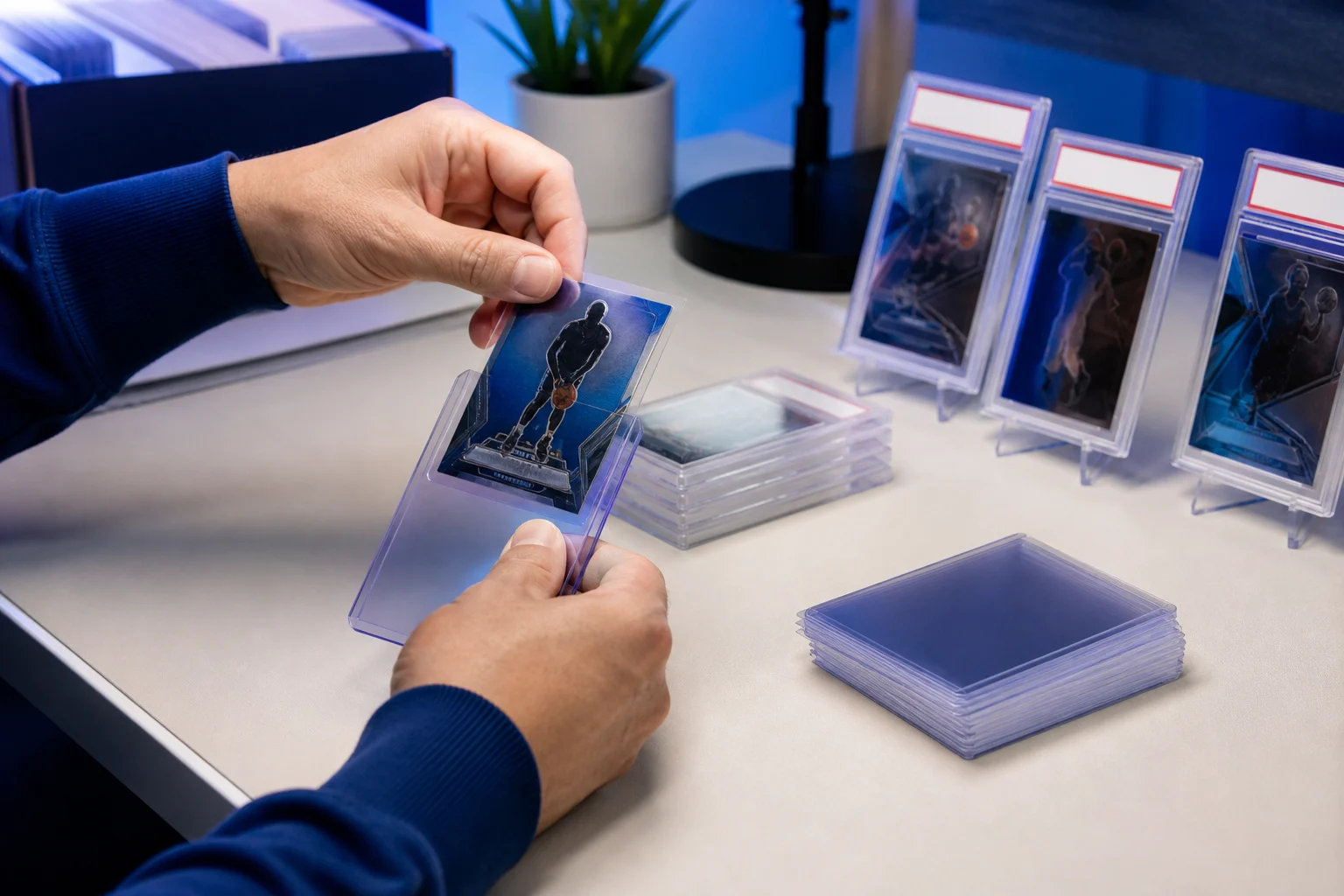
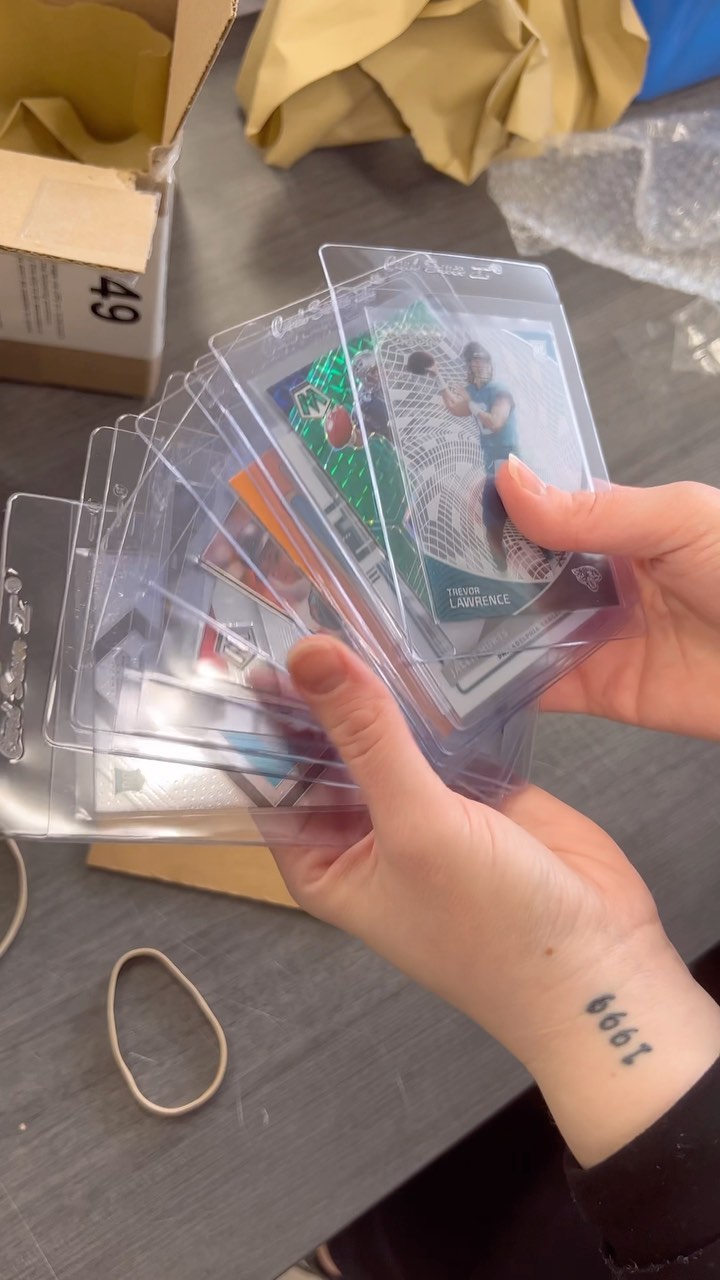
Good card protection needs to address movement, bending, moisture, and pressure. Follow the grading company's current instructions for sleeves, holders, card order, and package preparation rather than relying on an old hobby forum post.
Never force a card into a holder that is too tight. Avoid placing adhesive where it could contact the card, and do not assume a thin envelope offers sufficient protection for a grading submission.
Use an appropriately sized shipping box and suitable cushioning so the contents do not shift during ordinary handling. Keep paperwork organized without letting it press directly against exposed cards. Choose tracking and consider appropriate insurance after reviewing the carrier's coverage terms. Save your shipping receipt until the submission is complete.
11. Choosing a Grader Based Only on Proximity
Searching for card grading near me is a reasonable starting point, especially if you prefer local options. Distance alone, however, says little about grading standards, pricing transparency, submission requirements, or the usefulness of the finished product for your goals.
Evaluate the whole card grading service. Read its published scale, understand its current terms, and consider how its holders and records fit your collection or selling workflow.
Sports card authentication and condition assessment answer related but different questions: what the item is, and what condition it is in. Review how a company describes those services instead of assuming all trading card grading offerings work identically.
12. Assuming a Slab Eliminates Every Selling Question
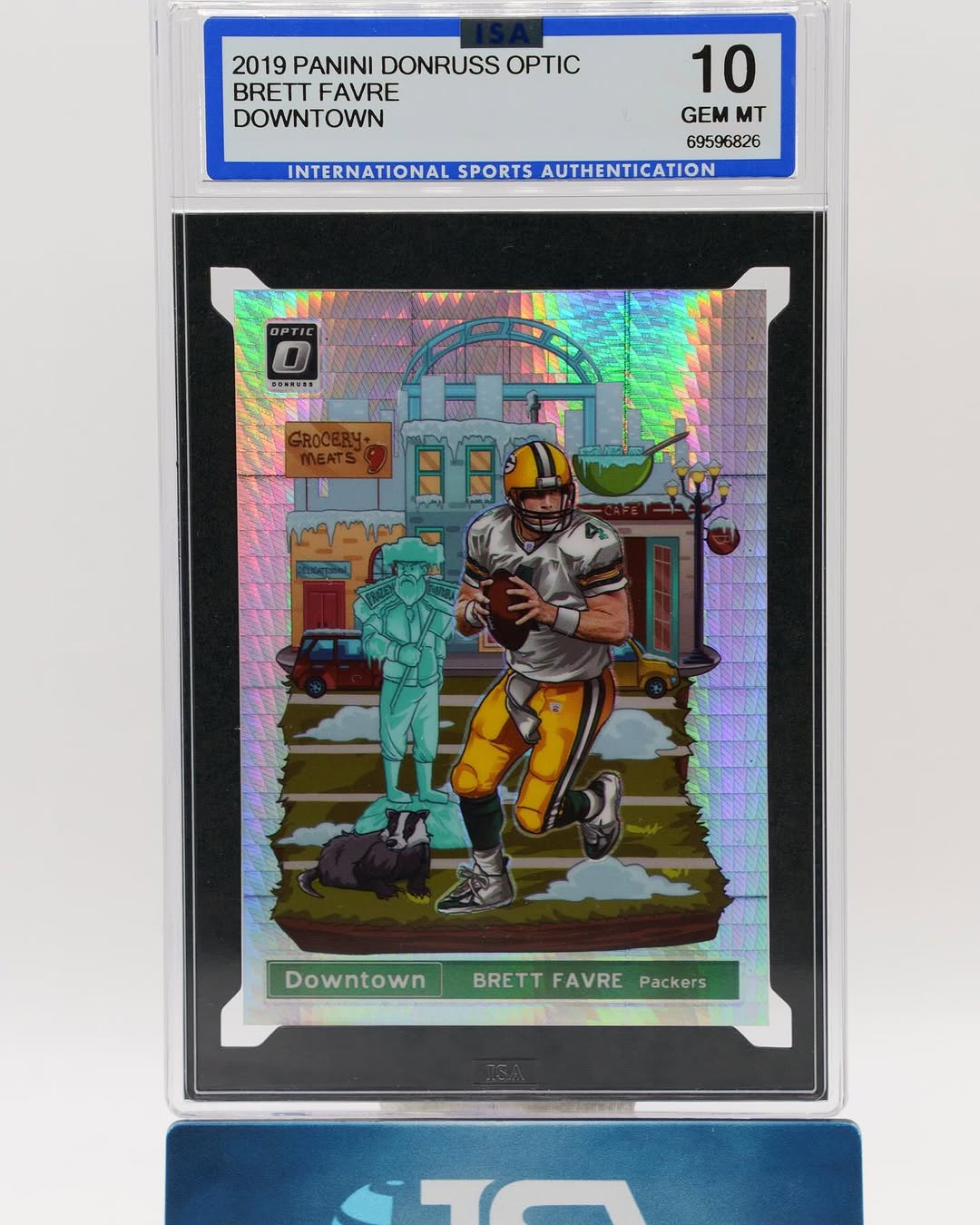
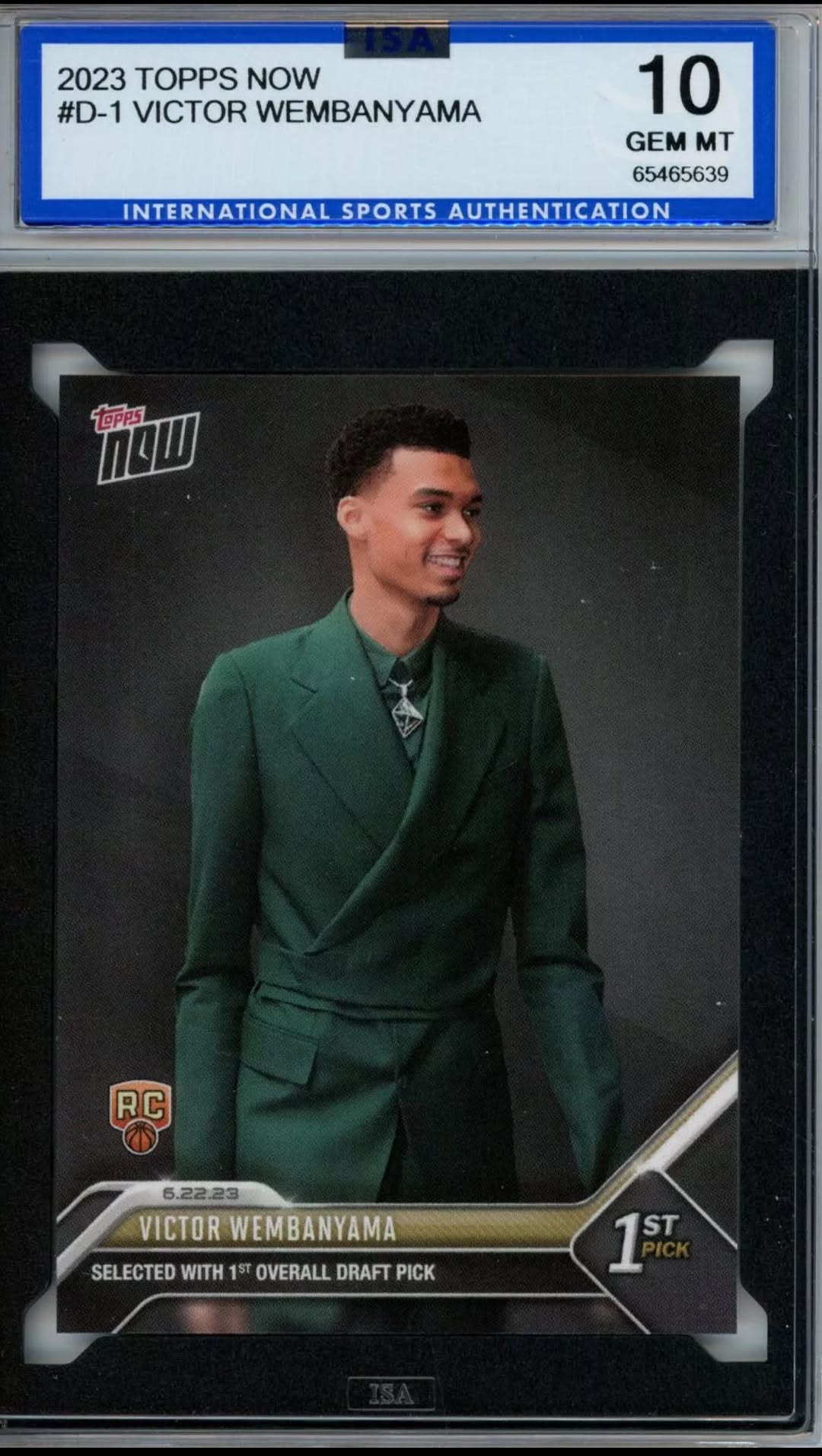
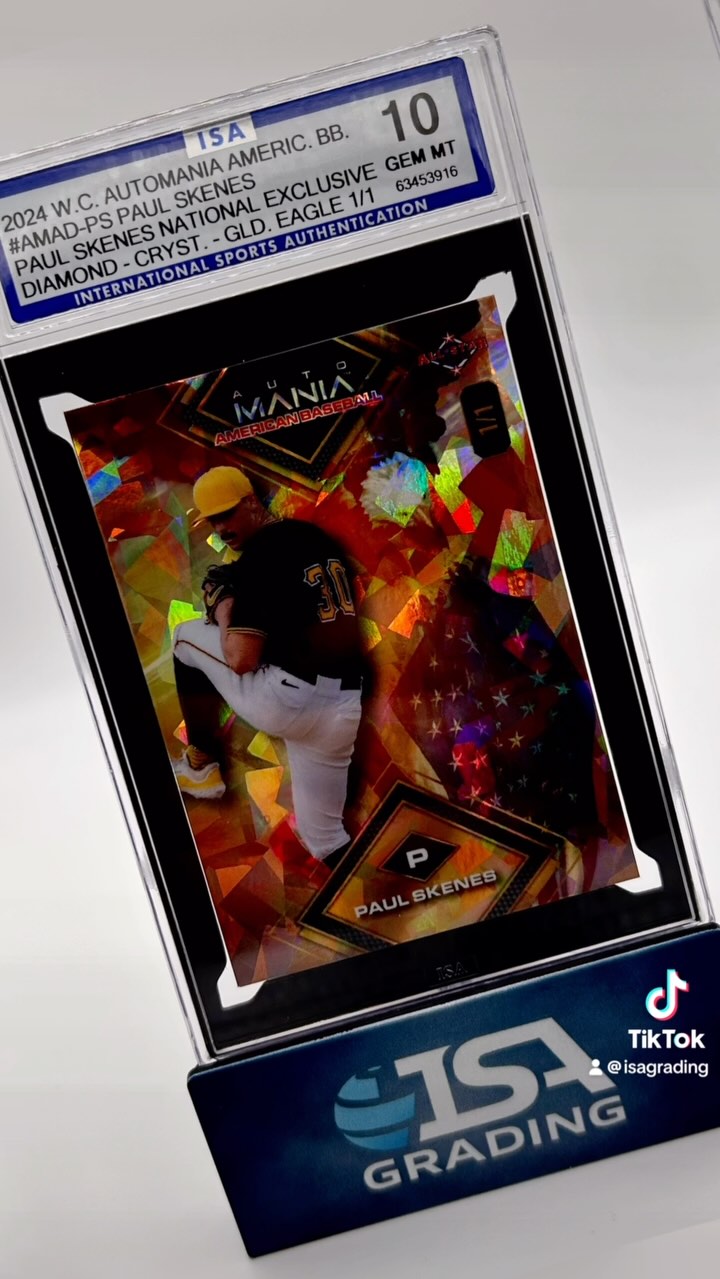
A graded holder gives buyers a labeled condition reference and protects the enclosed card during normal handling. Slabs are not a reason to ignore careful storage, shipping, or honest listings. Protect them from impacts, excessive heat, moisture, and surface scratching.
Before listing a returned card, inspect the holder and label. Make sure the identifying information matches the card and document any concern promptly.
ISA offers website certificate verification. Check the certificate record and compare its information with the item in hand. Verification is a useful research step, not a substitute for inspecting the card, holder, photographs, and seller information when evaluating a purchase.
13. Writing the Sales Listing Before Seeing the Result
Do not market a pending submission as though its grade is already known. Wait until the cards return, confirm the labels, and take clear photographs of the actual slabs.
When selling graded cards, identify the grading company, assigned grade, certificate details where appropriate, and exact card variation. Disclose visible holder damage and avoid describing a lower-grade card as effectively perfect.
Buyer confidence comes from accurate information and a consistent listing, not unsupported claims about future value. A useful description lets buyers evaluate the collectible without guessing what they will receive.
Build One Final Check Into Every Submission
Before sealing your shipment, compare the selected cards, paperwork, photographs, budget, and timeline one last time. Confirm that your holders and packaging follow current instructions and that you understand the service terms.
When your batch is ready, review ISA's current card submission page. Start with cards that fit your goals, submit them with realistic expectations, and keep records that remain useful when the graded cards return.
Submit Cards to ISA Grading
Collectors ready to use ISA Grading can start on the submission page. The current active service is $15 per card with a 14 day turnaround, no upcharges, and a 10 card minimum.
Frequently Asked Questions
How much does it cost to submit ten cards to ISA Grading?
ISA's current active service is $15 per card with a 10 card minimum and no upcharges. Ten cards therefore have a grading subtotal of $150. Confirm shipping, insurance, taxes, and any other applicable charges before paying.
Should I clean my cards before submitting them for grading?
Avoid chemicals, scrubbing, pressing, recoloring, or other attempts to alter a card's appearance. These actions can damage the card or affect its eligibility or grading outcome. Handle cards minimally and ask about any preparation method you are unsure about before using it.
Does ISA's 14 day turnaround include shipping?
ISA currently lists a 14 day turnaround. Confirm when that period begins, how days are counted, and whether any transit time is included before planning around a delivery date. Allow additional time for shipping unless the current terms explicitly state otherwise.
What should I check before choosing cards for grading?
Inspect centering, corners, edges, and both surfaces. Note scratches, creases, dents, whitening, and other visible defects. For resale candidates, compare recent completed sales and calculate your full costs using realistic grade outcomes rather than assuming the highest grade.
How can buyers verify an ISA graded card?
Use the certificate verification page on ISA's website and compare the available record with the card and holder. Certificate verification is one useful check, but buyers should also examine photographs, label details, holder condition, and seller information.