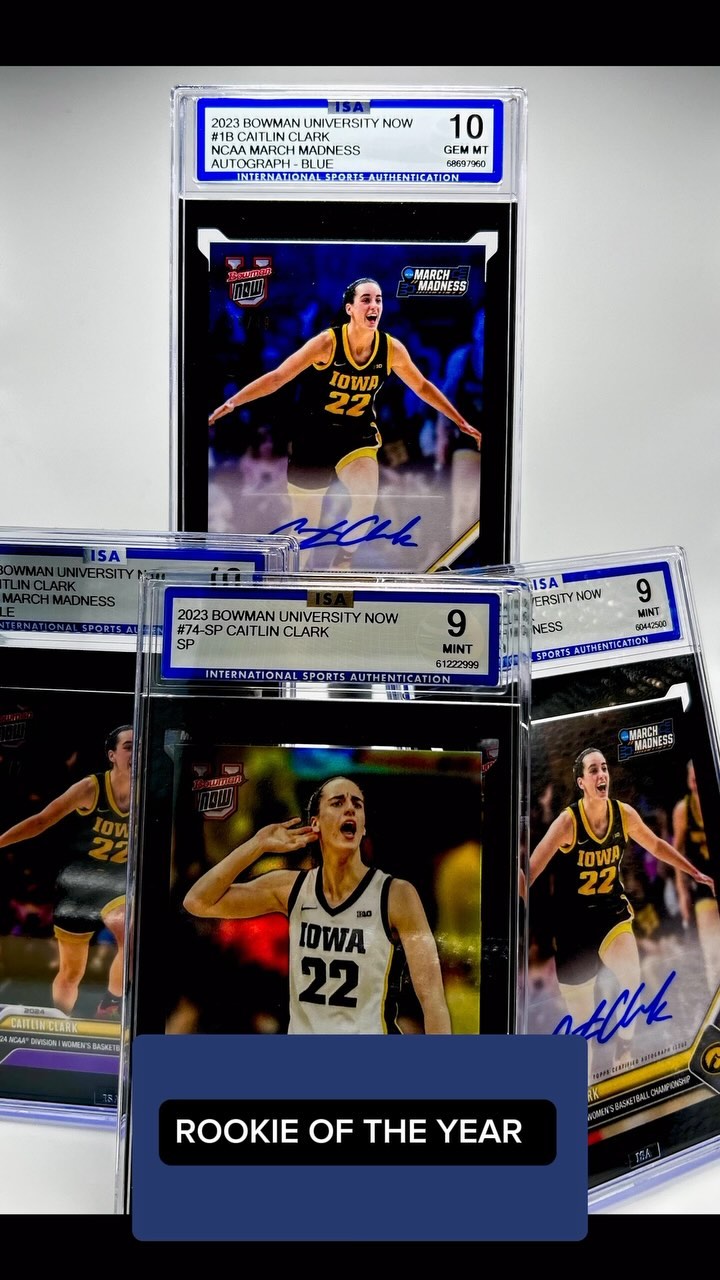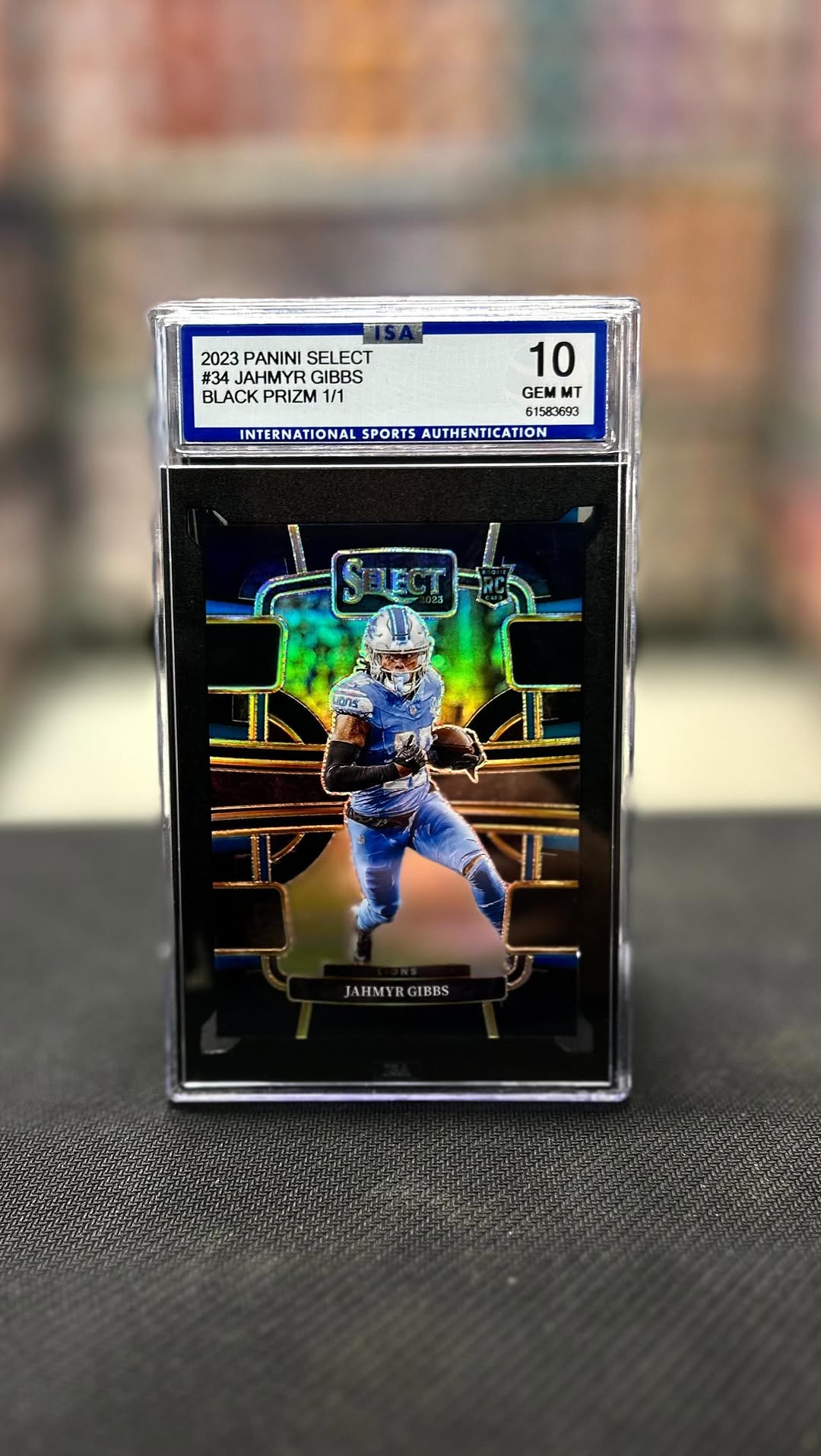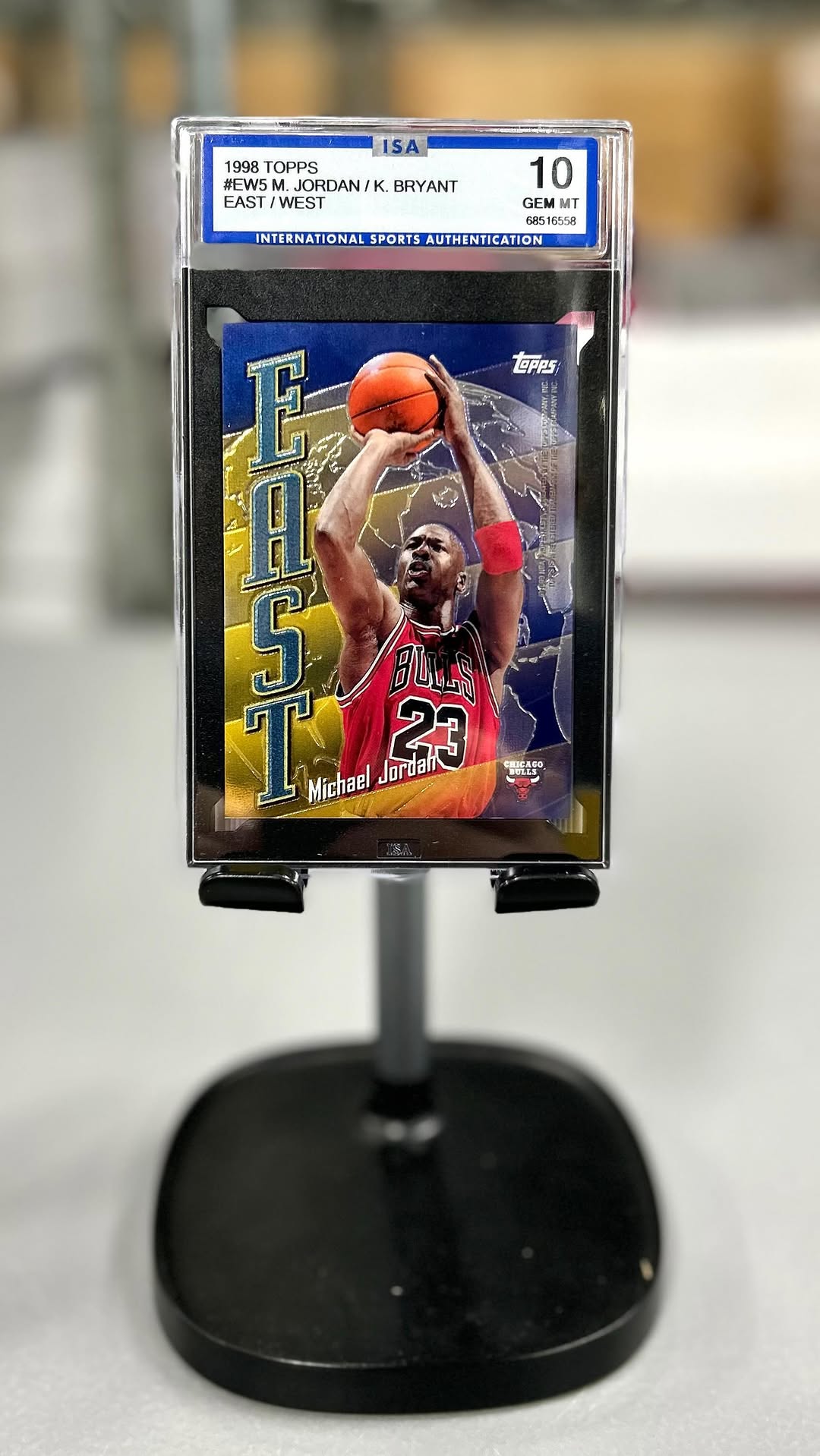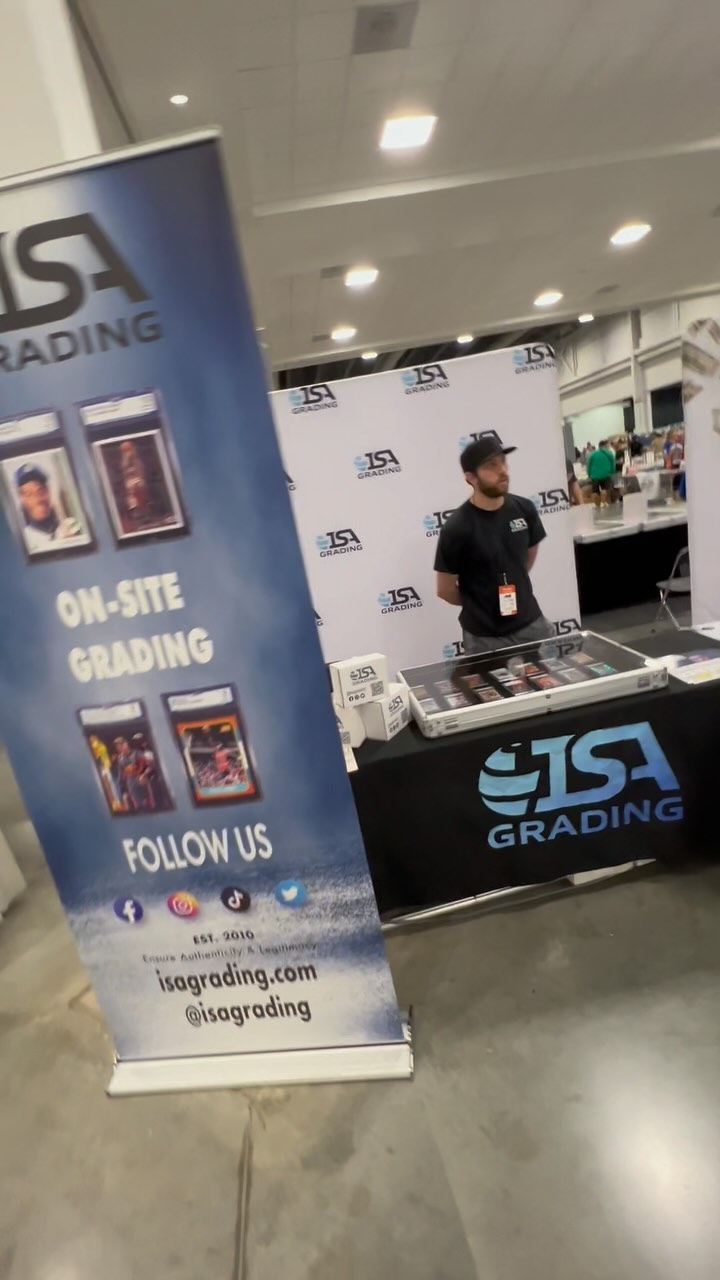

A card can look ready to sell, but grading adds a stretch of time between deciding to submit and having a graded card available to show a buyer. That interval matters whether you collect for the long term, sell a few cards each season, or manage inventory every week. Turnaround time affects when you can list a card, how long you must protect it before submission, and whether grading fits the sale you have in mind.
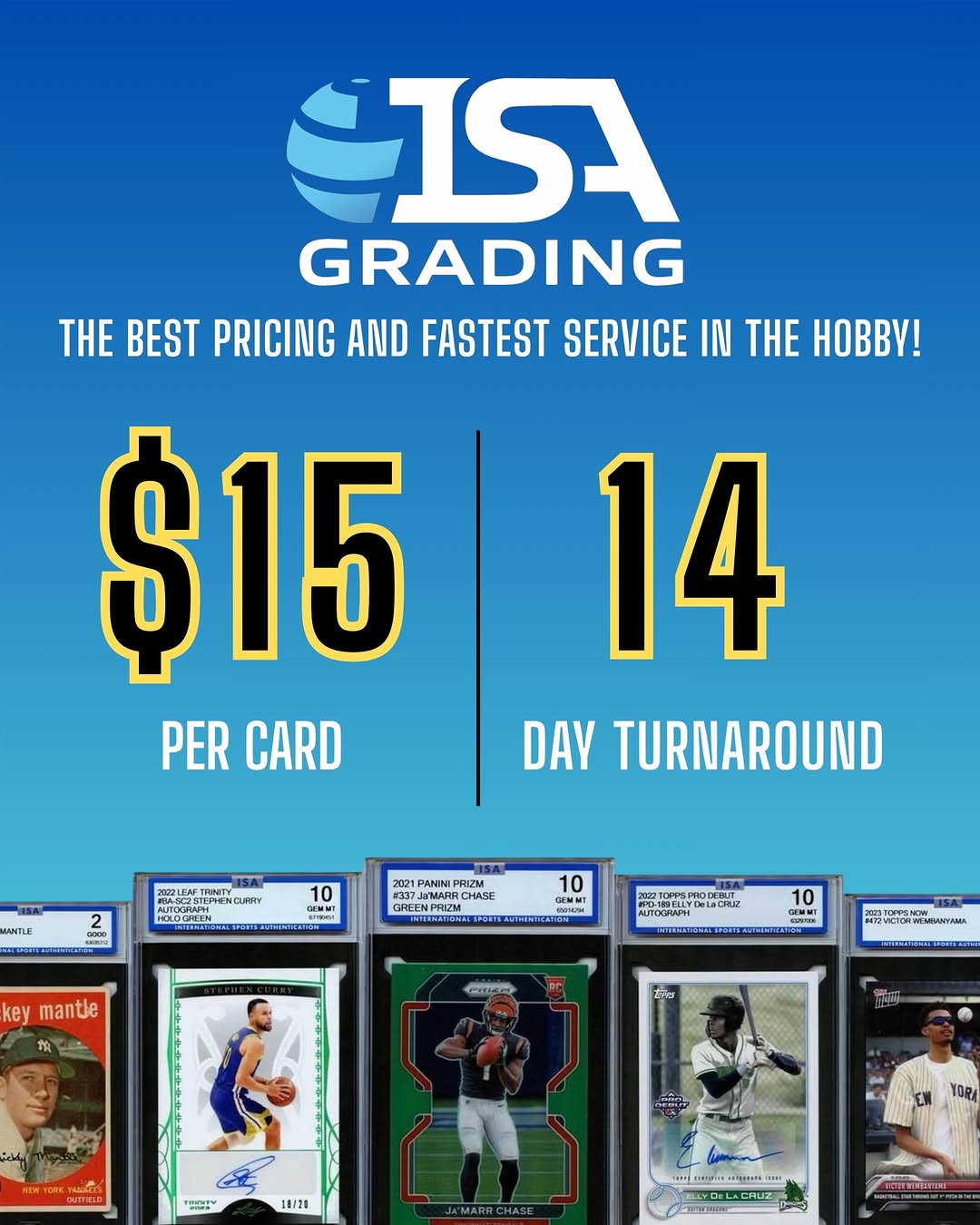
The best plan starts with more than a fast sounding number. You need to know the published turnaround, the grading fee, the submission minimum, and the work you must do before shipping. ISA Grading currently offers sports card grading and authentication at $15 per card, with a 14 day turnaround, a 10 card minimum, and no upcharges. Here is how to put those details to work without treating any turnaround estimate as a substitute for a realistic calendar.
Why turnaround time changes the decision to grade
Grading takes a raw card out of your available inventory while you prepare, ship, and wait for it. If you intend to keep the card, that may be easy to accommodate. If you hope to sell it around a season opener, a card show, or a player milestone, timing becomes part of the financial decision. A card that returns after your planned selling window may still be worth grading, but it no longer serves the same immediate purpose.
Fast card grading is most useful when you know what the speed enables. It might let a dealer prepare a show case, give a hobby seller time to photograph a slab before listing, or help a collector organize an incoming trade. Speed alone does not determine whether a card deserves grading. The card's condition, likely buyer interest, and your costs still matter.
A published 14 day turnaround is a planning input, not a reason to schedule a sale for a particular afternoon. Allow additional time for your own preparation, shipping in both directions, and any handling around the service period. If a deadline is important, confirm current submission details before mailing your cards.
Build a calendar backward from your goal
Start with the date when you want the graded card in hand, not the date when you want to send it. Work backward to leave room for receiving and inspecting the returned card, taking clear photographs, and writing a listing. Then account for shipping and the published grading turnaround. Finally, reserve time to review your cards, document them, and pack them correctly. This gives you a usable window rather than a single optimistic date.
For example, a dealer preparing for a weekend show needs inventory ready before travel and booth setup. A seller listing online may need less setup time, but still needs to verify the card and photograph the holder. If the card is already promised to someone, consider whether you should make that commitment before the graded card is back. You cannot know its final grade in advance.
For a closer look at sale timing, read how grading turnaround shapes every card sale. The practical lesson is to make the grading schedule fit the transaction, rather than forcing the transaction to depend on an assumed return date.
Know the full cost before choosing the cards
Pricing clarity makes turnaround planning easier because it helps you decide which cards can reasonably wait for grading. ISA Grading's current active service is $15 per card, with a 10 card submission minimum and no upcharges. At the minimum quantity, that is $150 in grading fees for 10 cards. Your overall submission budget should also allow for costs such as packing materials and shipping.
No upcharge card grading matters most when you are considering cards with uncertain market potential. It gives you a known per card grading fee rather than a fee that changes because a card receives a particular grade or attracts more buyer interest. A predictable fee does not guarantee a profitable sale. It does make it easier to compare grading with selling raw, keeping the card ungraded, or waiting to submit it with a larger group.
If you are building a batch, avoid adding weak candidates simply to reach the minimum. Compare each card's likely use after grading with its fee and your other costs. The article a clearer path to the slab at $15 per card offers more context for thinking through submission costs.
Prepare the batch before the clock matters
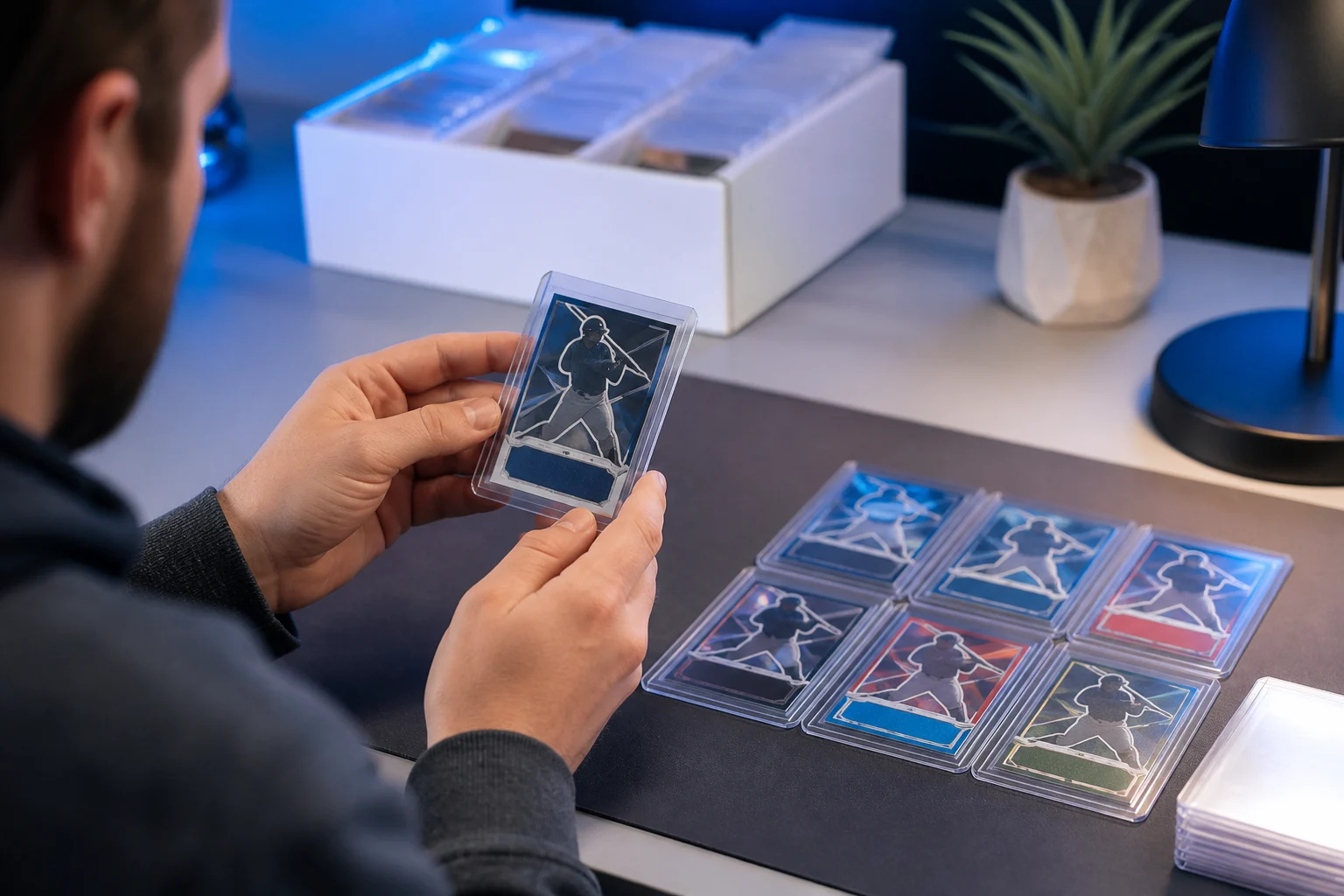
Good grading preparation can save time before the cards ever leave your desk. Make a list of the cards you intend to submit, including identifying details that distinguish similar issues or parallels. Check the applicable submission instructions, review your list against the physical cards, and retain clear records for yourself. If a card has an obvious issue that changes your decision, it is better to notice it now than after you have paid to submit it.
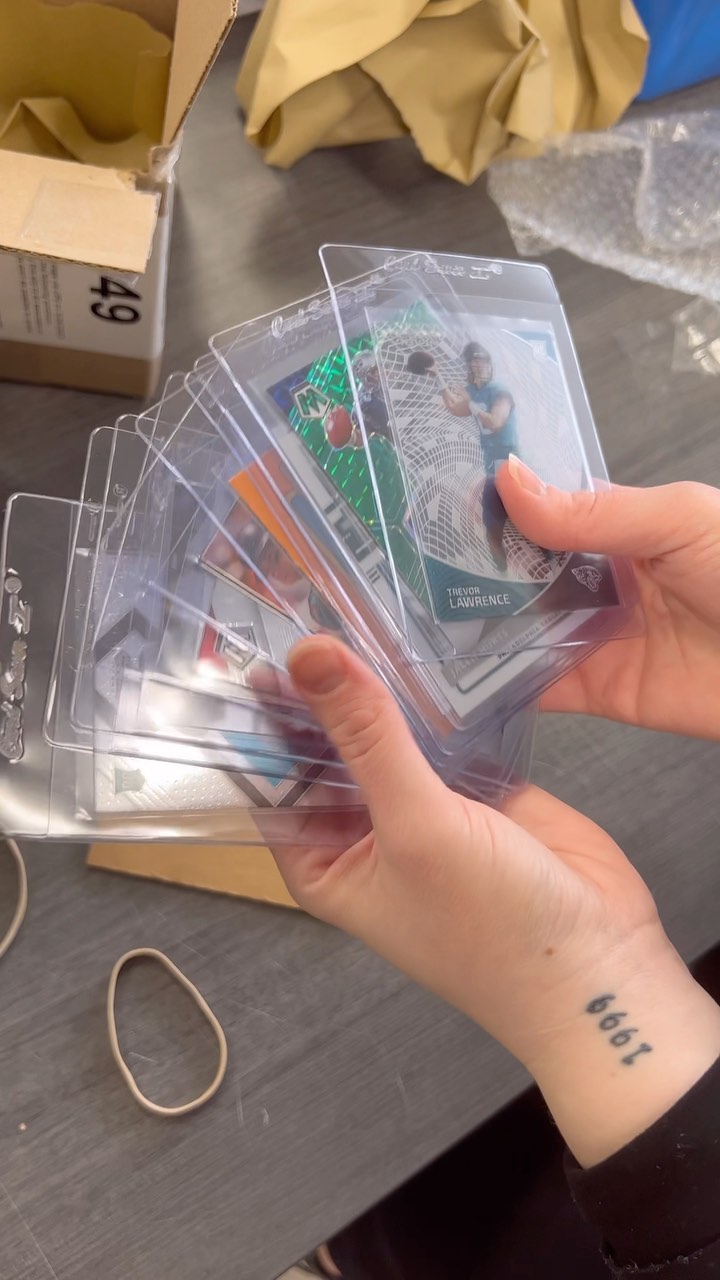
Handle cards with clean, dry hands and work on a clear surface. Avoid repeated removal from protective supplies just to take another look. Use appropriate sleeves and holders for shipping, and make sure the cards cannot move freely inside the package. Do not try to improve a card by cleaning, pressing, trimming, or otherwise altering it. When in doubt about safe handling, choose the less invasive option.
Submission instructions may address packaging and documentation, so check ISA's submission page before you seal a box. For a more detailed handling routine, see this practical card protection plan. A careful start supports card protection while reducing avoidable confusion during the submission process.
Review condition with realistic expectations
Card condition grading is a reason to submit, but the eventual grade is not something you can assign reliably from a quick glance. Before choosing a batch, inspect card centering, corners, edges, and card surface under good light. Look at both sides. Print defects, marks, wear, and handling damage may be easy to miss when a card is still in a crowded sorting box or behind a reflective sleeve.
Different cards call for different decisions. A modern rookie card grading candidate might have strong demand but also many competing copies. Vintage card grading often involves a different balance: visible wear can be common for the issue, while authenticity and clear condition information may be especially important to a buyer. For baseball card grading, basketball card grading, and football card grading alike, the useful question is not just, "Could this grade well?" It is, "Would grading help me meet my goal for this particular card?"
Review ISA's grading scale to understand how grades are described. It can help you assess your candidates, but a personal inspection is not a promise of the assigned grade. Keep your planning flexible until the cards return.
Think about protection before and after grading
Turnaround time is also time during which a card needs responsible handling. Before submission, sleeves and suitable holders help reduce unnecessary contact. During packing, the goal is to keep each card secure without putting pressure on its corners or surface. Once a card has been encapsulated, its slab provides a defined holder for storage, display, and handling. A slab is not a reason to ignore heat, moisture, drops, or poor storage conditions.
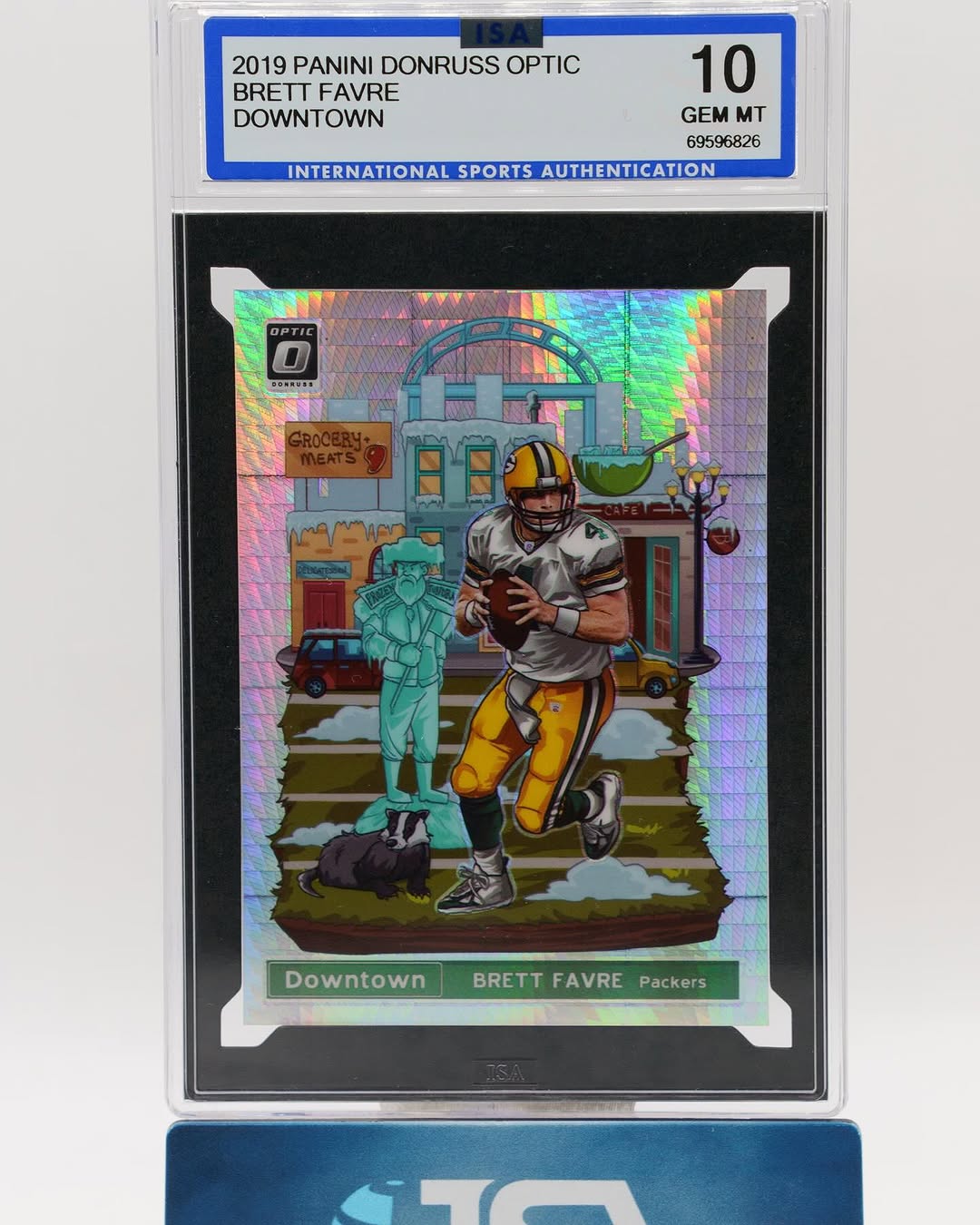
Trading card slabs can make an inventory easier to organize, particularly when several cards look similar at a glance. Record the card and its label details when it returns, then store it where you can find it without repeatedly moving other items. This is useful for a collector maintaining a personal archive and for a seller who needs to pull the correct card after a purchase.
Card encapsulation is one part of a protection plan, not a replacement for it. If you are submitting a valuable card, protect it consistently from the first inspection through shipment and again after it comes home.
Give buyers information they can check
When selling graded cards, buyer confidence depends on clear, accurate information. Show photographs of the front and back of the slab, disclose any visible holder damage, and write a listing that matches the label. Do not imply that a grade guarantees future value or that every buyer will agree on a price. Let the card, its assigned grade, and your photographs do the work.
ISA provides certificate verification on its website. Include the relevant certificate information in your records and give buyers what they need to check a card's details. Verification is especially useful when a card changes hands remotely and the buyer cannot inspect it in person before purchase. It is one practical part of evaluating a listing, alongside reviewing photographs and seller information.
Card authentication and sports card authentication are important to many buyers, but they should be described precisely. State what the grading label and available verification information show. Avoid turning a general claim of authenticity into an unsupported claim about a card's history, ownership, or investment potential.
Match the submission to your selling strategy
A short published turnaround can make grading more workable for a seller with rotating inventory, but not every card needs the same path. Group cards by purpose. One batch might contain cards you expect to list soon; another might contain long term collection pieces. Keep raw cards that do not justify the fee out of the submission simply because you have available space in a shipment.
For a dealer, predictable per card pricing helps establish a consistent process for selecting, submitting, and listing inventory. The 10 card minimum makes batching relevant: you need enough suitable cards, but you also need enough time to prepare them carefully. If you manage regular inventory, this guide to preparing dealer inventory offers a useful companion to your calendar.
If you are a collector searching for card grading near me, consider the complete submission experience rather than distance alone. Compare the published service terms with your schedule, read the instructions, and decide whether shipping and return timing work for you. A convenient plan is one you can carry out without rushing card selection or packaging.
A simple decision check before you submit
Before asking, "Should I grade my cards?" put each likely candidate through a short check. It will not predict a grade or sale price, but it can expose a mismatch between your goals and the time or money involved.
- Purpose: Are you grading for your collection, a planned sale, or organized dealer inventory?
- Condition: Have you inspected centering, corners, edges, and surface on both sides?
- Timing: Have you allowed for preparation and shipping in addition to the published 14 day turnaround?
- Budget: Does the $15 per card fee, 10 card minimum, and your shipping cost fit the batch?
- After grading: Will you have time to review the returned cards, check their certificate details, and photograph them before listing?
Use those answers to choose cards that fit your actual plan. A sound submission is not necessarily the biggest or fastest one. It is the batch you can prepare responsibly, pay for with a clear budget, and use when it returns.
Submit Cards to ISA Grading
Collectors ready to use ISA Grading can start on the submission page. The current active service is $15 per card with a 14 day turnaround, no upcharges, and a 10 card minimum.
Frequently Asked Questions
What is ISA Grading's current turnaround time?
ISA Grading currently lists a 14 day turnaround. Allow additional time for card preparation and shipping when planning a sale or event.
How much does it cost to submit cards to ISA Grading?
ISA's current active service is $15 per card, with a 10 card submission minimum and no upcharges. Ten cards therefore cost $150 in grading fees, before costs such as shipping and packing materials.
Which cards should I choose for a grading submission?
Start with your goal for each card, then inspect its centering, corners, edges, and surface. Consider the grading fee, your timing, and whether a graded card would be more useful to you than keeping or selling it raw.
Can buyers verify an ISA graded card?
Yes. Certificate verification is available on ISA Grading's website. Buyers should also review clear photographs, the label details, and the seller's description.
Does a 14 day turnaround mean my cards will be back in two weeks?
Not necessarily. Plan for preparation, shipping in both directions, and time to inspect the returned cards in addition to the published turnaround. Check current submission details before sending a time sensitive batch.