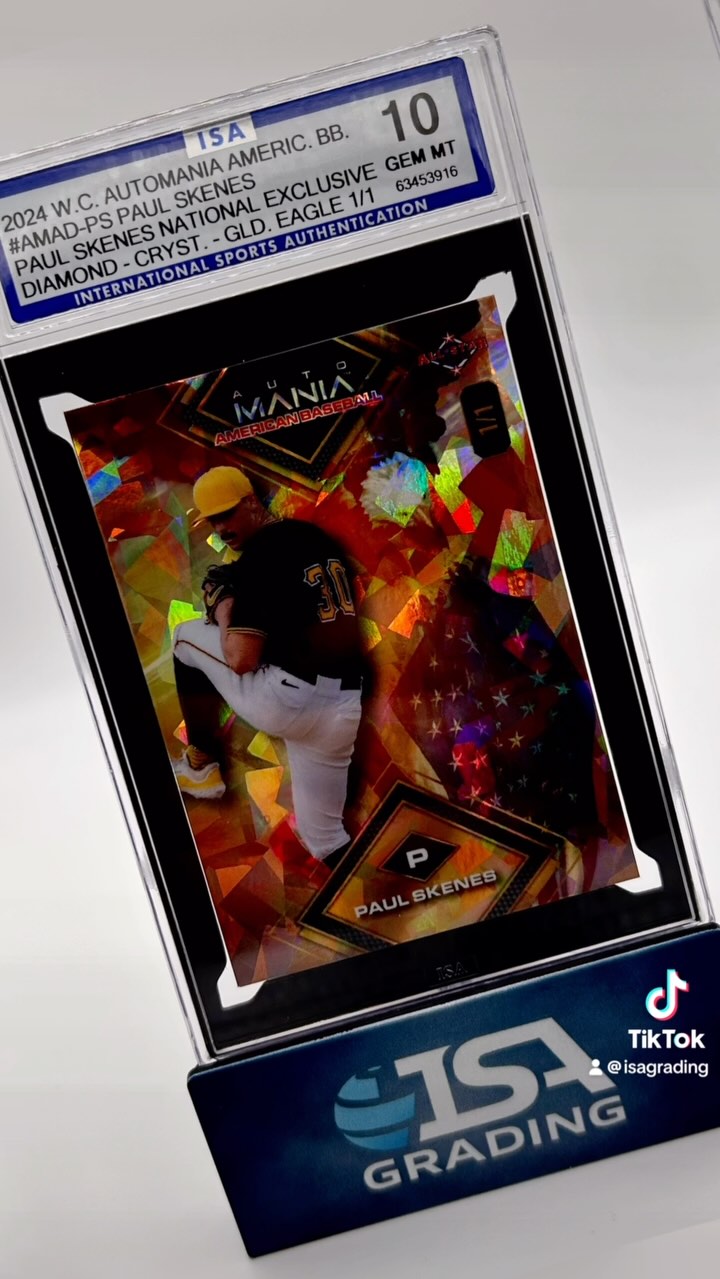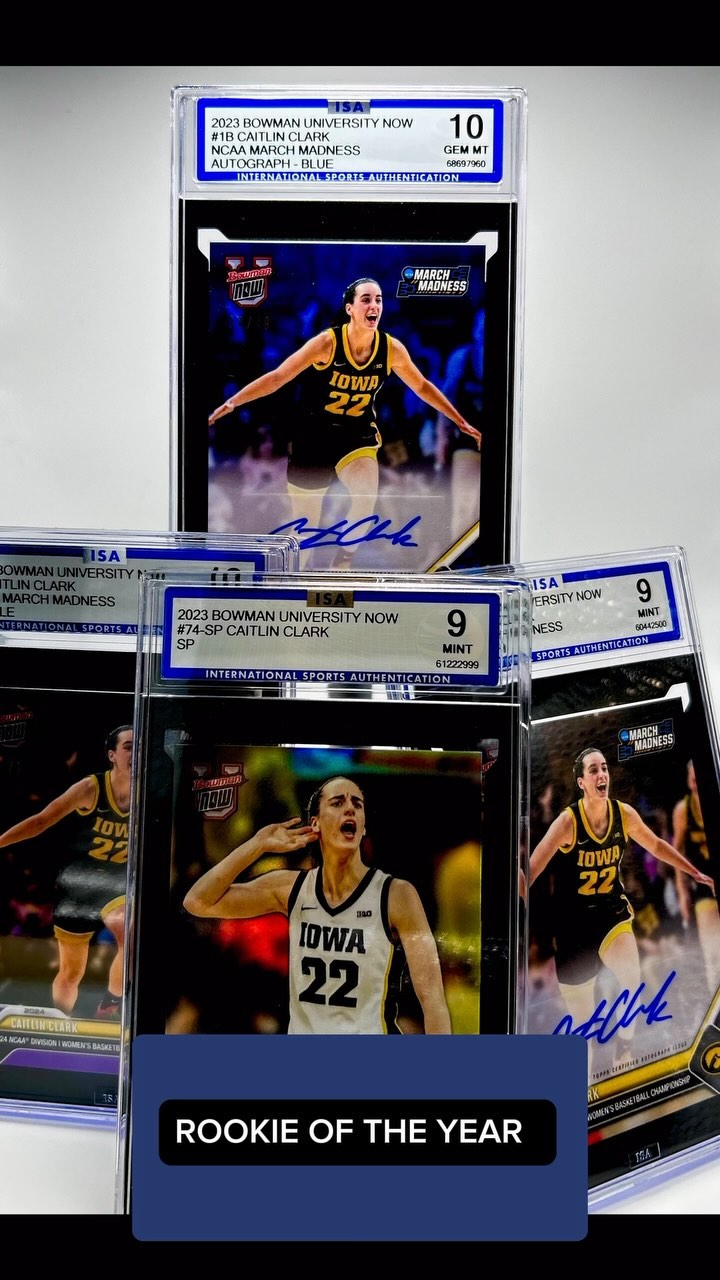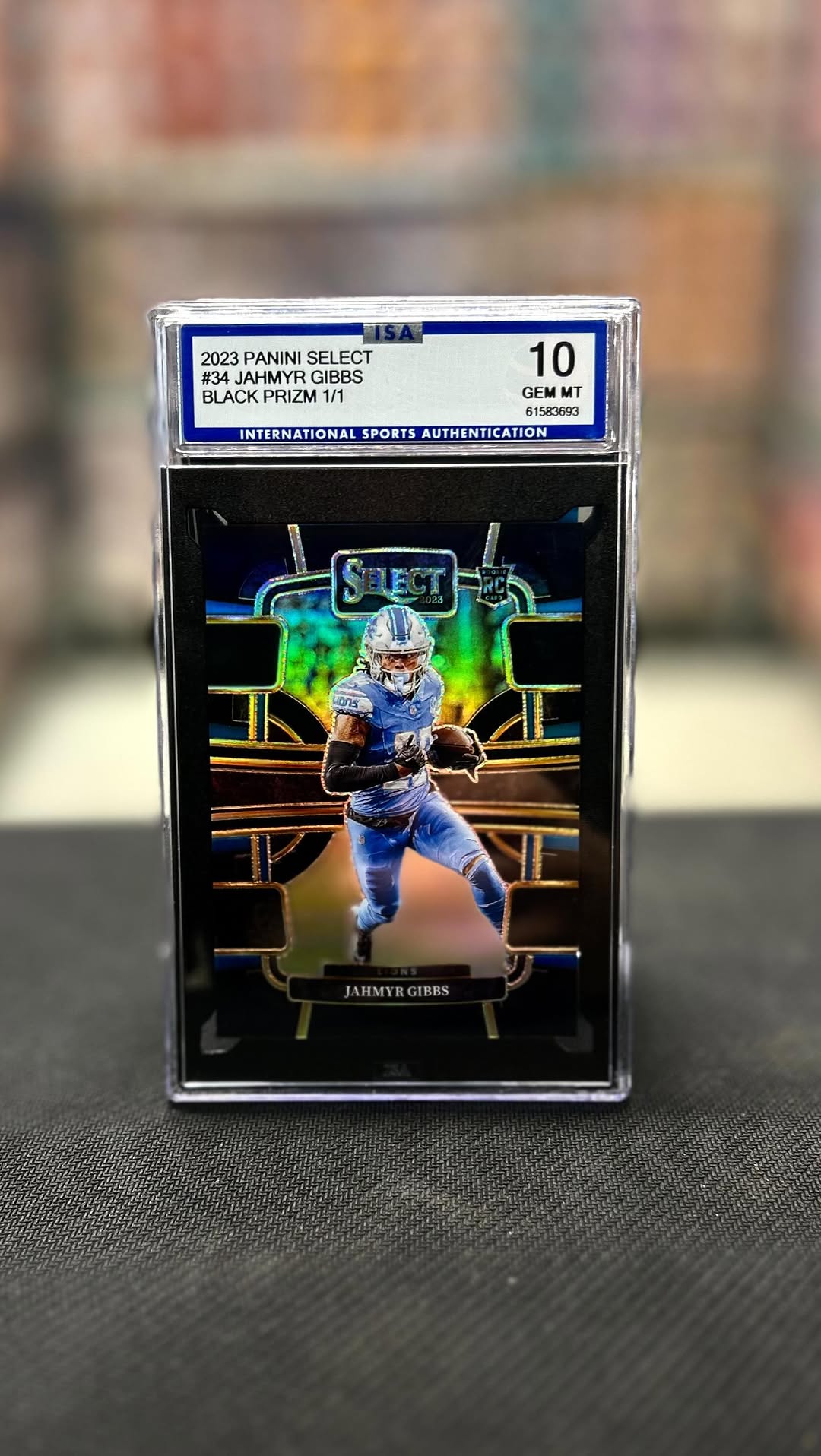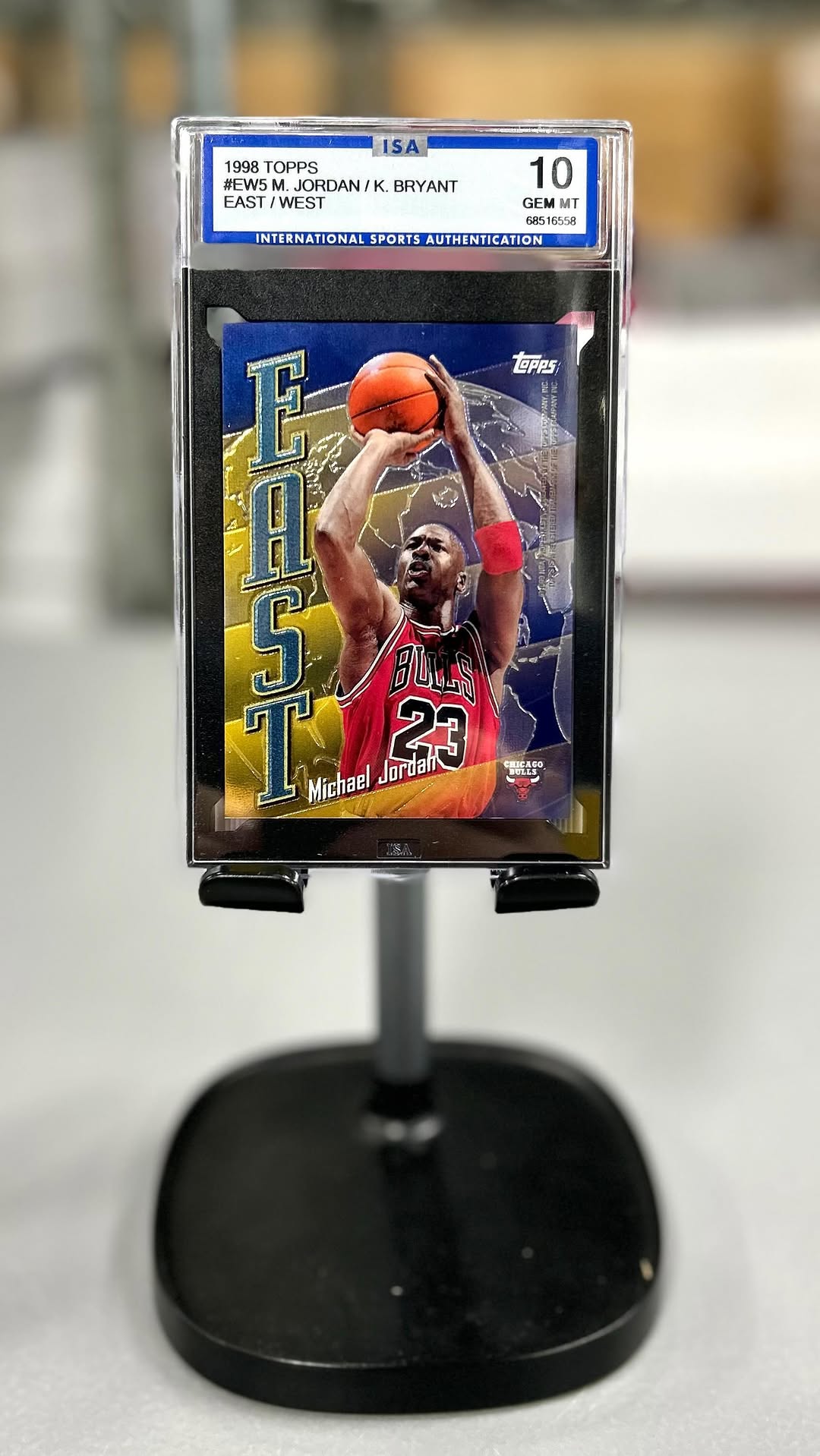
A search for a PSA alternative usually starts with a practical problem. You want cards back before a show, need a grading bill you can budget for, or want another option for protecting and presenting your collection. The right choice depends on what you own and what you expect grading to accomplish.
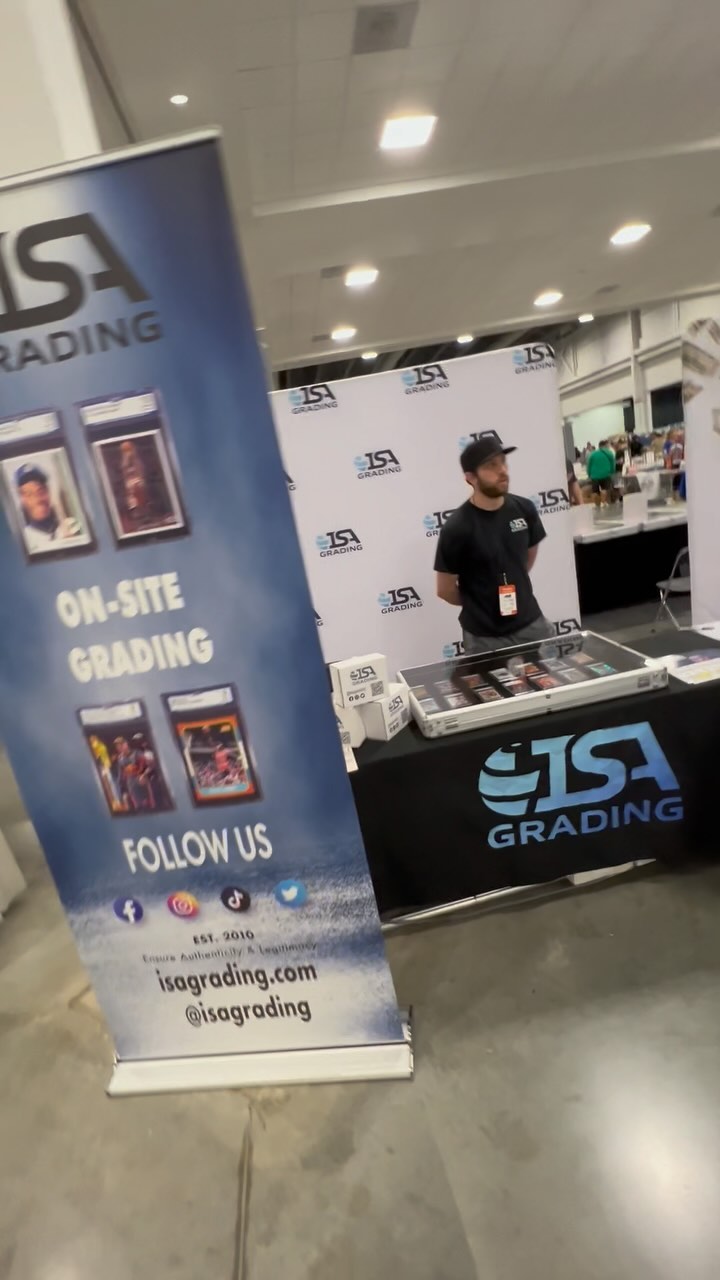
ISA Grading, also known as International Sports Authentication, provides sports card grading and authentication. Its current service is $15 per card, with a 14 day turnaround, a 10 card submission minimum, and no upcharges. Those details provide a starting point, but a useful comparison also considers grading standards, certificate verification, and your plans for the cards.
Start Your PSA Alternative Search With a Clear Goal
Before comparing companies, separate your cards by purpose. A childhood favorite headed for permanent display presents different questions from a rookie card you hope to sell next month. A dealer preparing inventory also has different needs from a collector grading a single important card.
Write down what matters most: predictable cost, turnaround time, protection, presentation, or resale acceptance. You may value all five, but ranking them makes tradeoffs easier to evaluate. It also helps you avoid choosing a card grading service based only on the lowest advertised price.
- Personal collection: Focus on condition assessment, readable labels, and protective holders.
- Show inventory: Consider scheduling, shipping time, and buyer familiarity with the grading company.
- Online resale: Research completed sales and plan clear photographs of the slab and certification details.
- Longer-term storage: Think about encapsulation, handling, and the environment where the cards will remain.
Separate PSA Rumors From Submission Planning
Searches such as “PSA shutting down” or “PSA submission pause” can reflect rumors, outdated information, questions about a particular service, or concern about temporary availability. A search phrase is not evidence that a company is permanently closing.
If you encounter a claim about PSA or another grading company, check that company's official announcements and current submission information. Look for a publication date and confirm which service the notice addresses. A temporary restriction on one service does not establish that every service is unavailable.
You do not need a competitor crisis to explore alternatives. Having a second grading option can be ordinary collection planning. Compare services based on confirmed terms and your own priorities rather than an unverified headline.
Compare the Full Cost, Not Just the Headline Fee
ISA's current $15 card grading service has a 10 card minimum. At that minimum, grading fees total $150 before any applicable shipping, insurance, taxes, or other submission expenses. No upcharges means you can plan around the stated per-card grading fee without building a possible grading upcharge into your estimate.
Still, the grading fee is only one part of the decision. Calculate what you spend getting cards to the service and receiving them back. For resale inventory, also account for acquisition costs, selling fees, and any shipping expense you absorb when the card sells.
A useful working calculation is: purchase price plus grading fee plus allocated shipping and insurance plus selling costs. Compare that total with realistic completed-sale evidence, not the highest active listing you can find.
For a closer look at predictable grading expenses, read A Grading Budget That Holds: Why No Upcharges Matter. Pricing clarity is especially helpful when you are deciding which ten or more cards belong in the same submission.
Put Turnaround Time Into Your Actual Calendar
Fast card grading is useful only when you understand how the timing fits your plans. ISA currently lists a 14 day turnaround. Before scheduling a sale around any service, confirm how turnaround is counted, when the clock begins, and whether a quoted period excludes shipping or intake time.
If you have a show deadline, work backward from the date you need the cards in hand. Allow room for outbound shipping, processing, the grading period, return shipping, and your own photography and listing work. Do not assume the advertised turnaround equals the entire door-to-door timeline.
Dealers should also consider what happens while inventory is away. A card tied to a playoff run or player milestone may have a different selling window from a long-established vintage collectible. Neither timeline makes one service universally better; it changes what you need from that submission.
Review ISA's submission FAQ for available process details before packing. Resolve any timing uncertainty before committing cards to a deadline-sensitive order.
Understand Condition Grading Before Predicting Results
Card condition grading turns a physical inspection into an assessment under a company's published standards. Familiarize yourself with those standards before estimating a grade. An attractive card can still have surface damage, edge wear, or a small crease that changes the result.
Start with card centering. Compare the borders and image placement on both sides, accounting for the card's actual design. Then inspect card corners, edges, and surfaces under good lighting. Tilting the card gently can reveal scratches, print lines, indentations, and other issues that a straight-on view misses.
Use ISA's grading scale as your reference rather than treating a hoped-for grade as a likely outcome. Your pre-submission assessment is a screening tool, not a guarantee of the final grade.
Vintage card grading deserves particular care because age alone does not determine condition or authenticity. Watch for creases, paper loss, staining, and signs of possible alteration. If something appears unusual, seek clarification instead of attempting to improve the card yourself.
Match the Service to the Cards You Own
A baseball card grading submission may mix older cardboard, modern foil, and glossy inserts. Basketball card grading can involve similarly varied finishes and designs. The inspection approach should account for the specific issue, including whether a mark is damage or part of the original printing.
Do not assume every service accepts every size, thickness, issue, or collectible category. Confirm eligibility for unusually thick cards, oversized cards, autographed items, and anything outside a standard sports card submission. Authentication services can have different scopes, so clarify exactly what will be evaluated.
The same caution applies if your search expands into TCG card grading or Pokemon card grading. Those are related collecting markets, but a sports card service description does not by itself establish acceptance of every trading card game. Check current eligibility before including those cards.
If you are unsure about a particular item, contact ISA Grading with the card's year, manufacturer, set, and identifying details. A clear eligibility answer is more useful than packing a questionable card and hoping it qualifies.
Prepare a Submission Without Creating New Damage
When the question changes from “Where should I grade my cards?” to “Which cards should I send?”, preparation becomes important. Make a preliminary list, inspect each card, and remove candidates whose likely benefits do not justify their total submission cost.
- Create an inventory. Record the player, year, set, card number, and any variation you can identify confidently.
- Inspect in a clean workspace. Use good light and handle cards by the edges with clean, dry hands.
- Avoid attempted repairs. Do not trim, press, recolor, or apply cleaning products to improve appearance.
- Follow current packing instructions. Use the requested protective materials and keep the card order consistent with your paperwork.
- Document the shipment. Keep submission records and consider suitable tracking and insurance for the value involved.
Do not add weak candidates merely to reach the minimum. If you have fewer than ten suitable cards, waiting until your collection supports a sensible submission may be better than paying to grade cards you do not actually want encapsulated.
Evaluate Slabs as Protection and Presentation
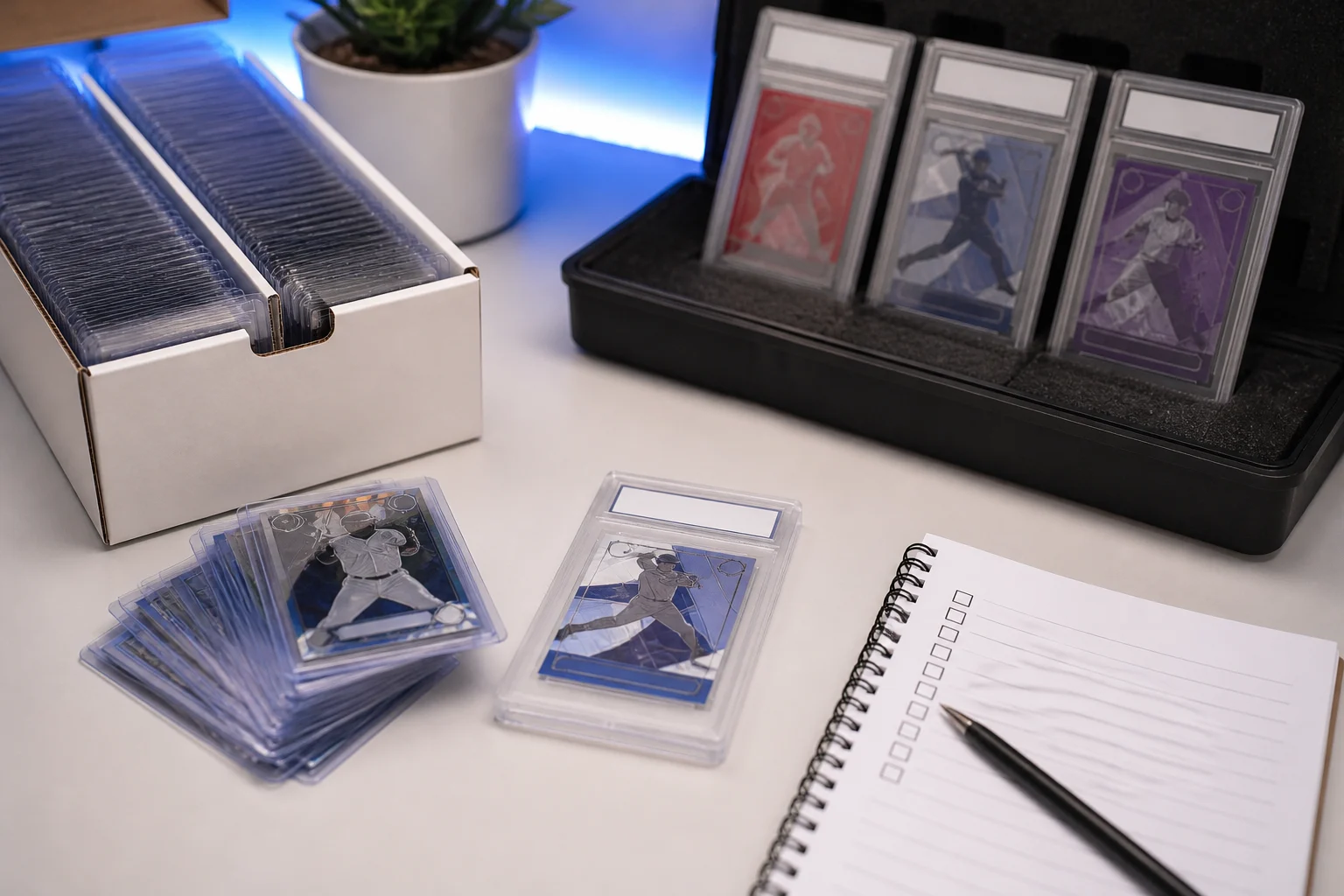
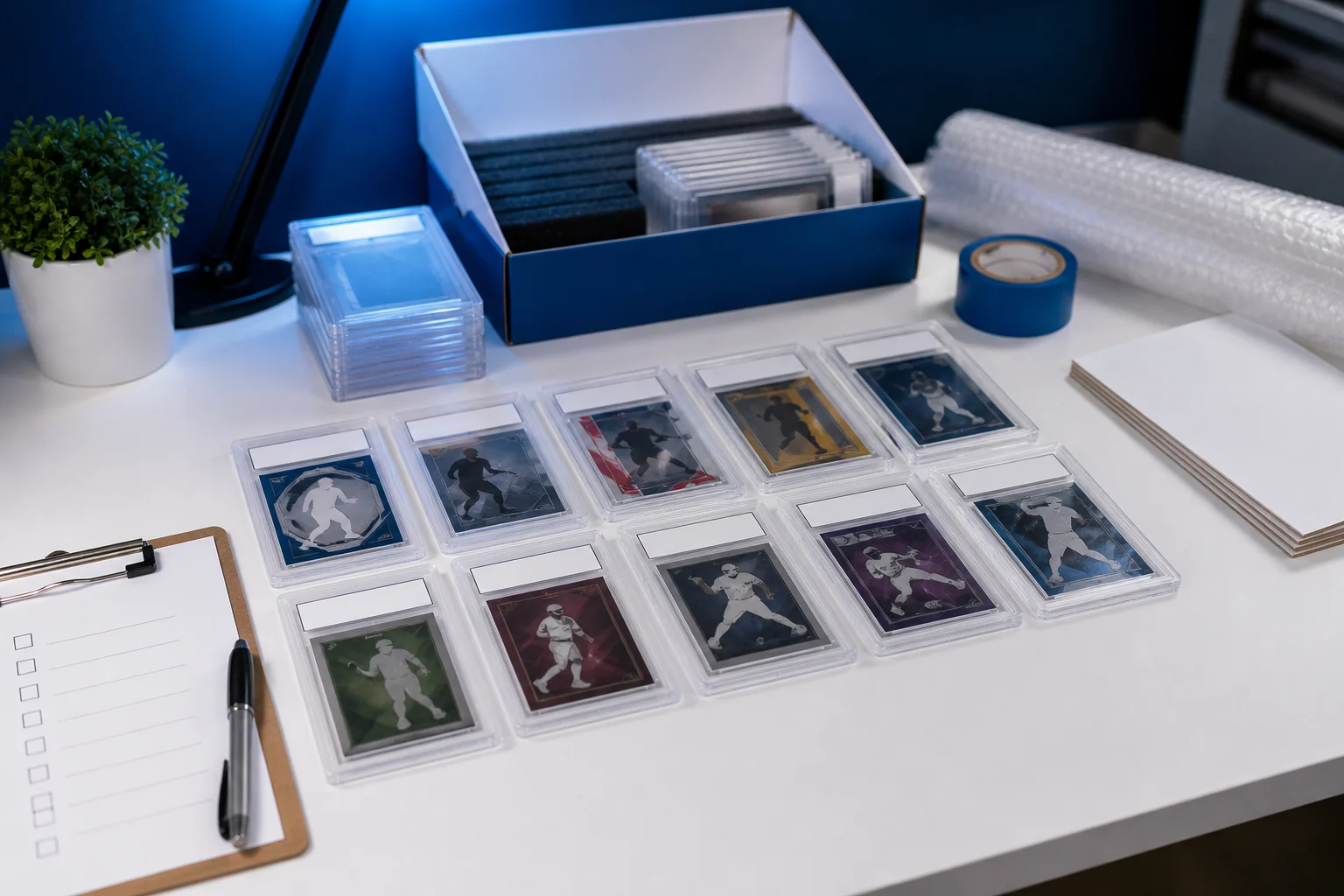
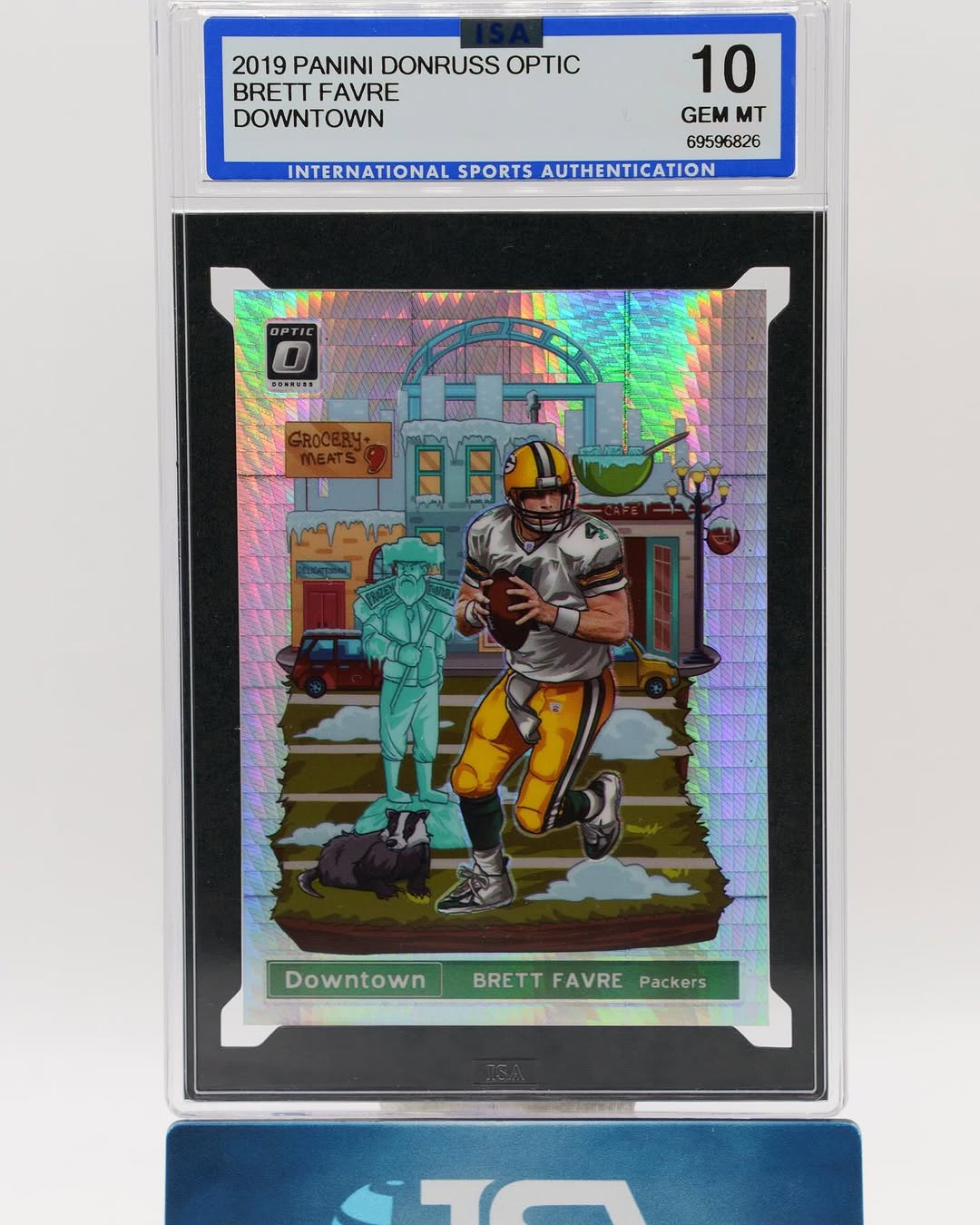
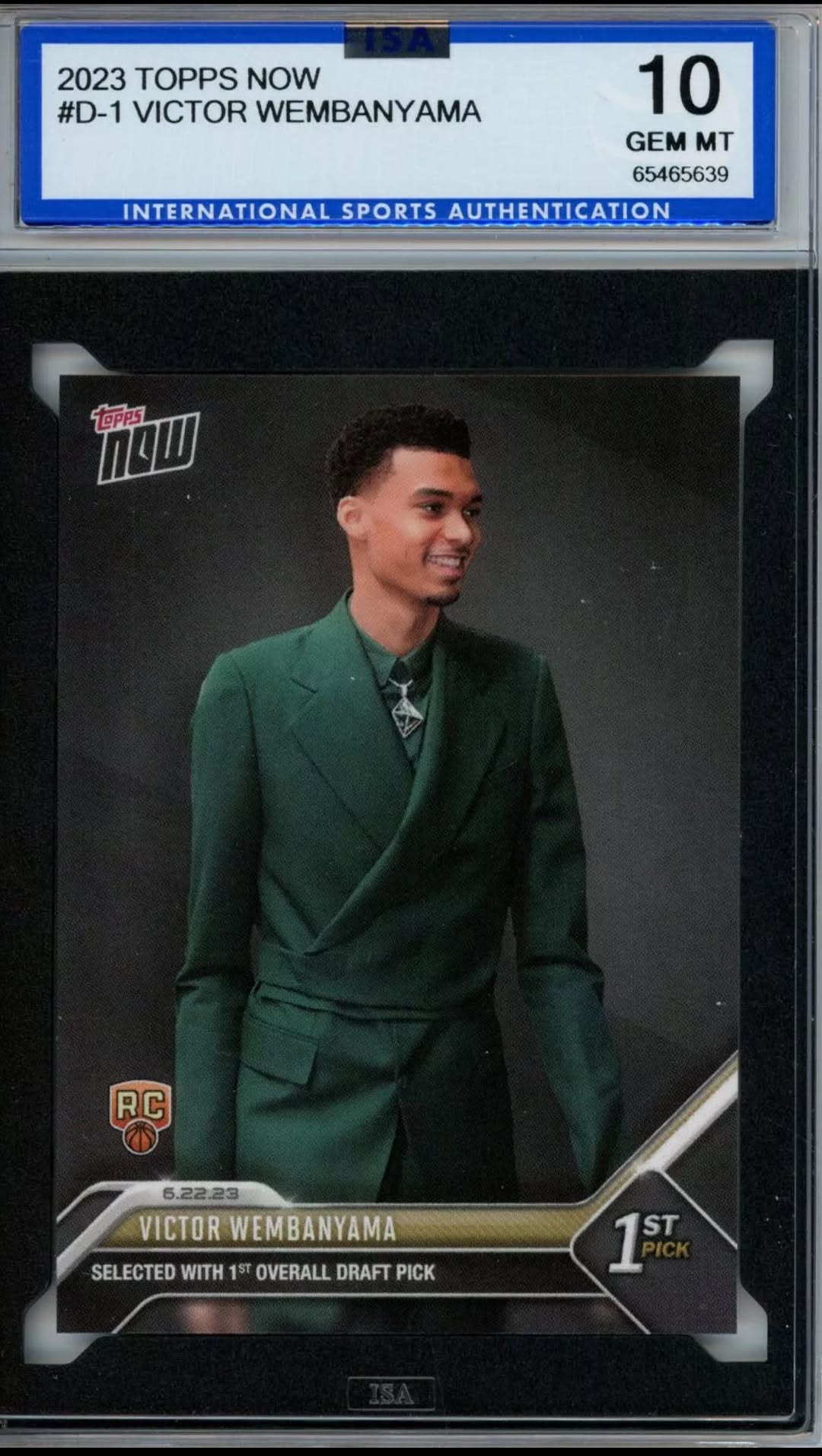
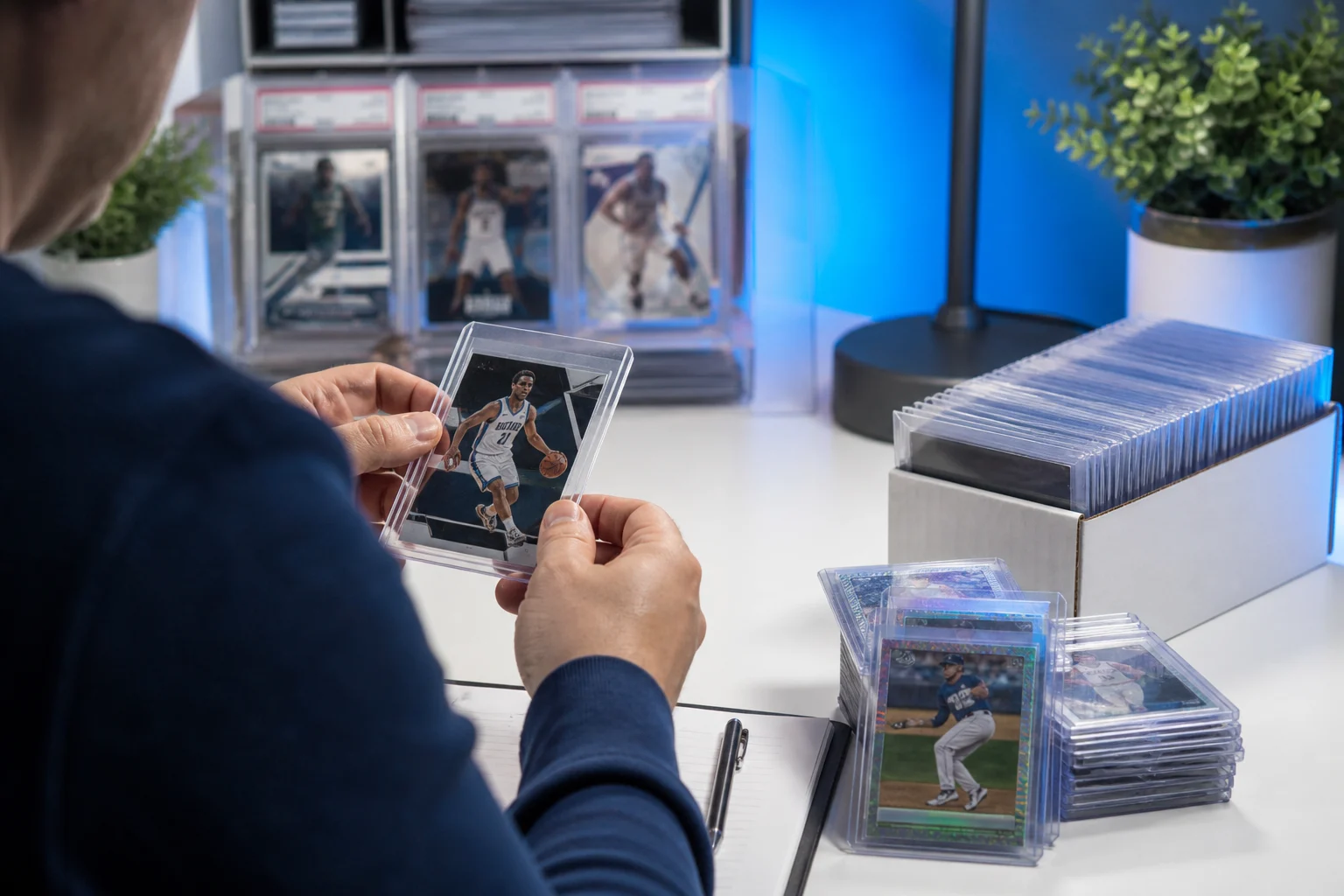
Trading card slabs make graded cards easier to handle and display without directly touching the card. Card encapsulation provides a protective holder, but it does not make a collectible immune to every storage risk.
Keep encapsulated cards away from prolonged direct sunlight, excessive heat, moisture, and pressure. A holder does not reverse existing deterioration or eliminate the need for careful storage. Protect the slab surface, too, since scratches can interfere with viewing and listing photographs.
When comparing holders, consider whether you can comfortably read the label and inspect the card. Check that identifying details are accurate when an order returns. If you notice a discrepancy, ask the grading company about its correction process before listing the card for sale.
Use Certificate Verification to Support Buyer Confidence
ISA offers website-based certificate verification. A buyer or seller can use that resource to check the available certificate information and compare it with the card and label being presented.
Verification is a useful part of due diligence, not a substitute for examining the actual item. Compare the certificate number, player, set, grade, and other displayed details where available. A matching number alone should not end your review if photographs or label information appear inconsistent.
Keep card authentication distinct from condition grading in your expectations. Authenticity and physical condition answer different questions. A genuine card can be heavily worn, while a sharp-looking card still requires proper evaluation before anyone should rely on its identity.
Plan How You Will Sell Graded Cards
Grading does not guarantee a price increase or a quick sale. Buyer preferences, the card's identity, its assigned grade, and market conditions all influence the result. Recognition of a grading company can also vary across venues and buyer groups.
Research completed sales for the same card, grading company, and grade whenever possible. If those comparisons are limited, acknowledge the uncertainty instead of treating a sale in another company's holder as a directly interchangeable value.
For listings, show clear front and back photographs, identify the grading company accurately, and include the grade and certificate number. Describe noticeable slab damage separately from the card's assigned condition. Avoid language that implies another company would necessarily assign the same grade.
If you search for “card grading near me,” remember that location is only one factor. Submission procedures, shipping costs, verification access, and the needs of your eventual buyers may matter more than physical proximity.
Choose the Submission That Fits Your Collection
A useful PSA alternative search ends with a workable plan: eligible cards, a clear budget, realistic timing, and a reason for grading each item. ISA's current offering is straightforward to evaluate: $15 per card, a 14 day turnaround, a 10 card minimum, and no upcharges.
Review your selected cards and confirm the current instructions on ISA's submission page. Send cards because authentication, condition assessment, protection, or presentation serves your goals, not because a rumor makes the decision feel urgent.
Submit Cards to ISA Grading
Collectors ready to use ISA Grading can start on the submission page. The current active service is $15 per card with a 14 day turnaround, no upcharges, and a 10 card minimum.
Frequently Asked Questions
What should I compare when searching for a PSA alternative?
Compare current grading fees, submission minimums, turnaround terms, grading standards, accepted card types, holder presentation, and certificate verification. If you plan to sell, research completed sales for the same card, grade, and grading company rather than assuming all holders command the same price.
How much does ISA Grading currently charge?
ISA Grading's current service is $15 per card with a 10 card submission minimum and no upcharges. A minimum submission has $150 in grading fees before any applicable shipping, insurance, taxes, or other submission expenses.
What is ISA Grading's current turnaround time?
ISA currently offers a 14 day turnaround. Before planning around a show or sale, confirm how the turnaround period is counted and allow additional time for shipping and any steps outside that period.
Does a PSA submission pause mean PSA is shutting down?
No. A submission pause or restriction affecting a particular service does not establish that a company is permanently closing. Check PSA's official announcements for current information, including the date and scope of any notice.
How can buyers verify an ISA graded card?
ISA provides certificate verification on its website at /certificate-verification. Compare the available certificate details with the card and slab label. Verification should support, rather than replace, inspection of the item and normal purchasing precautions.