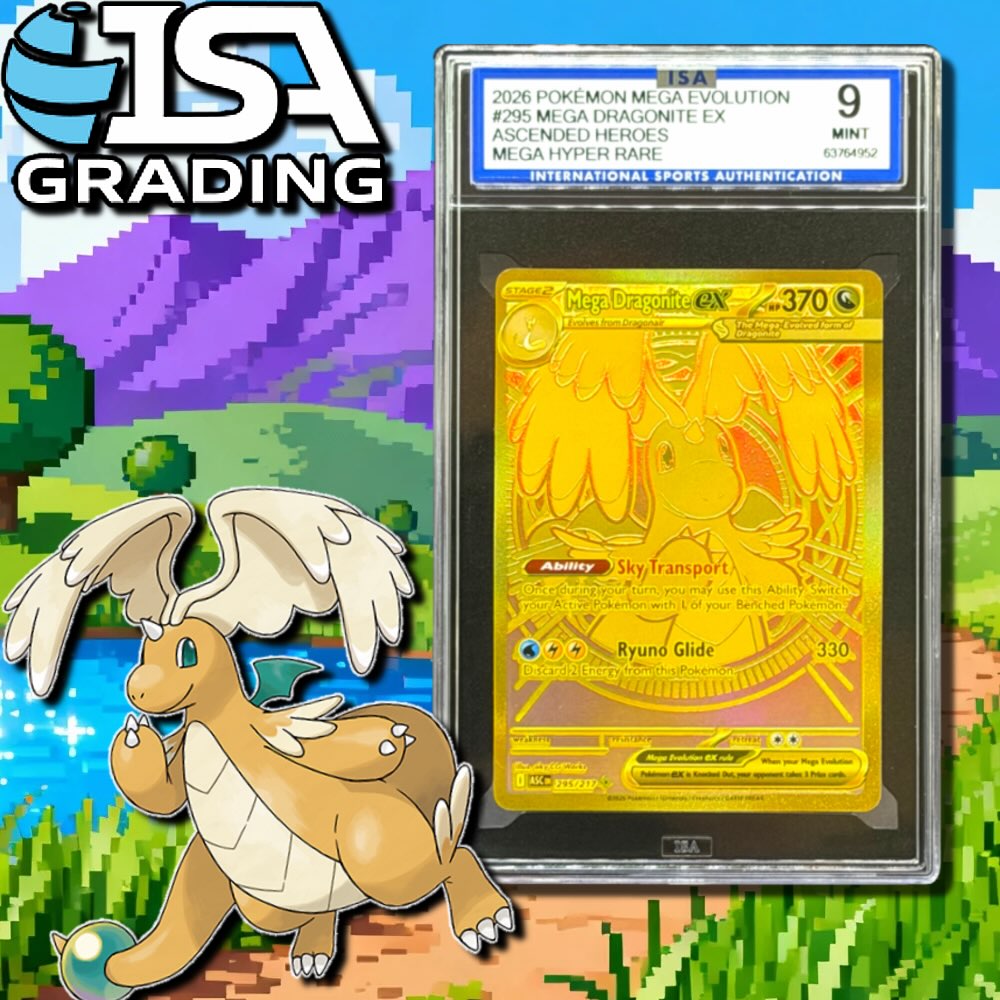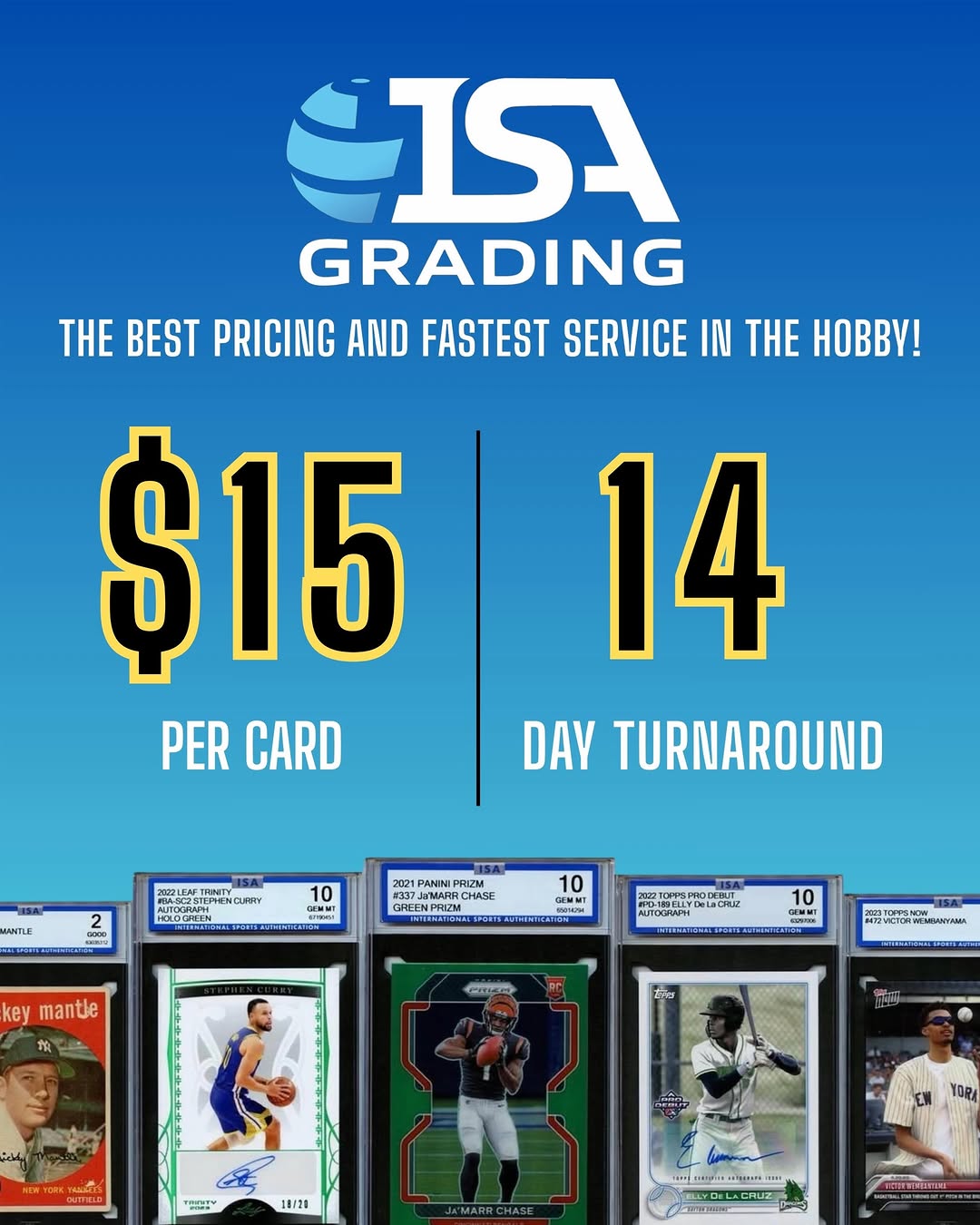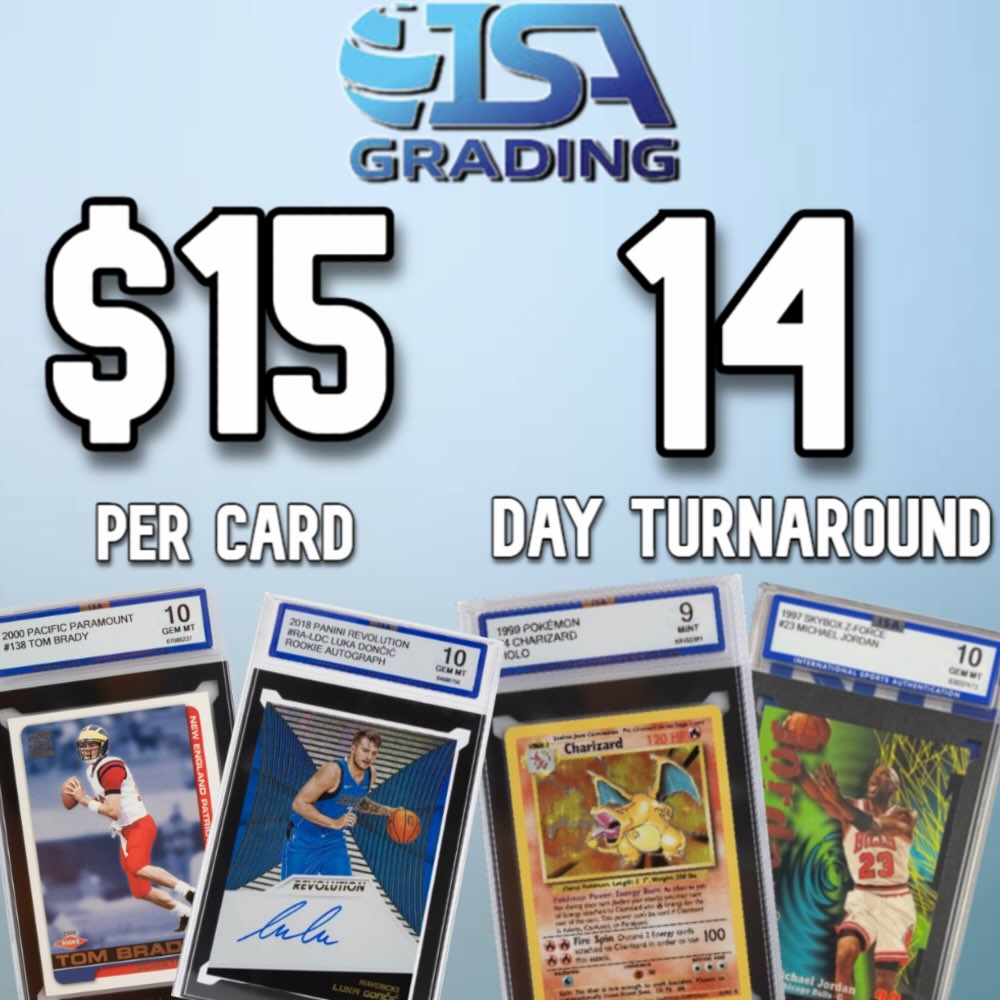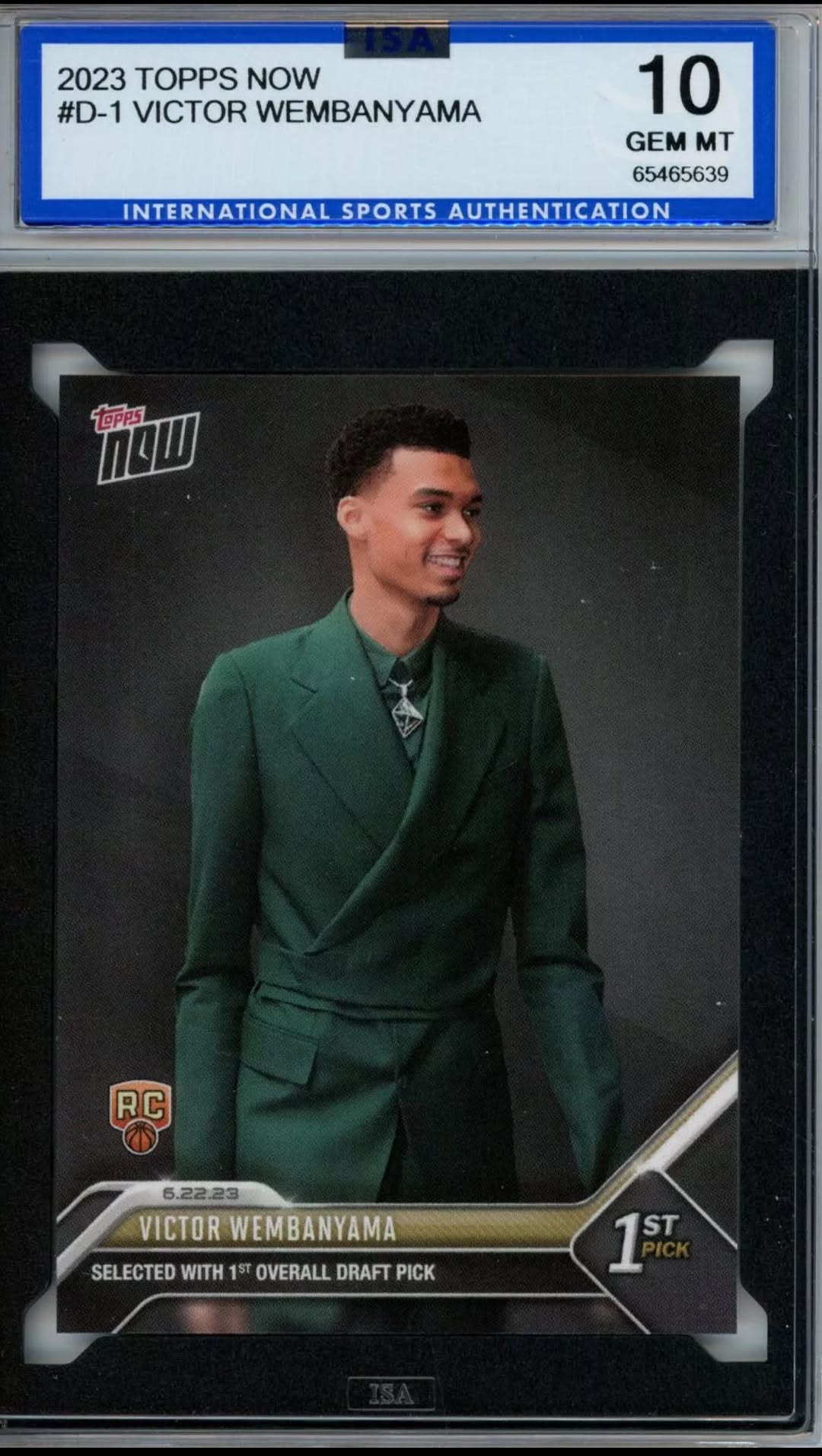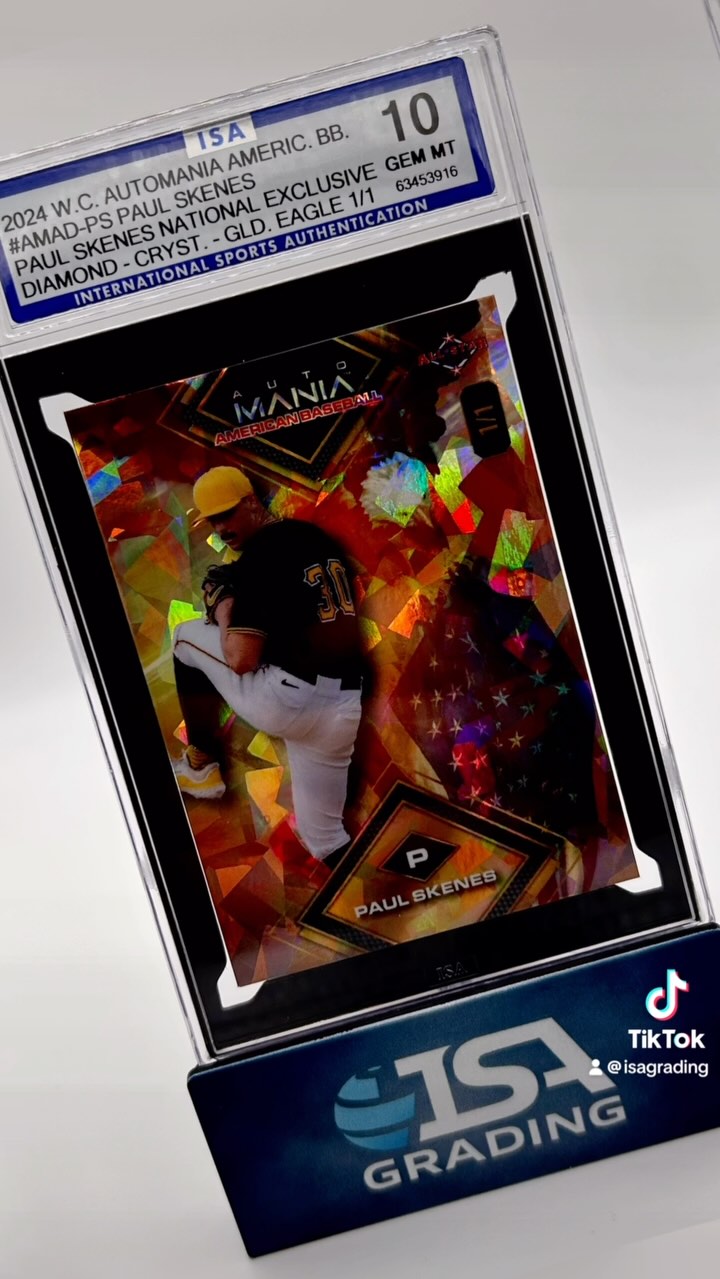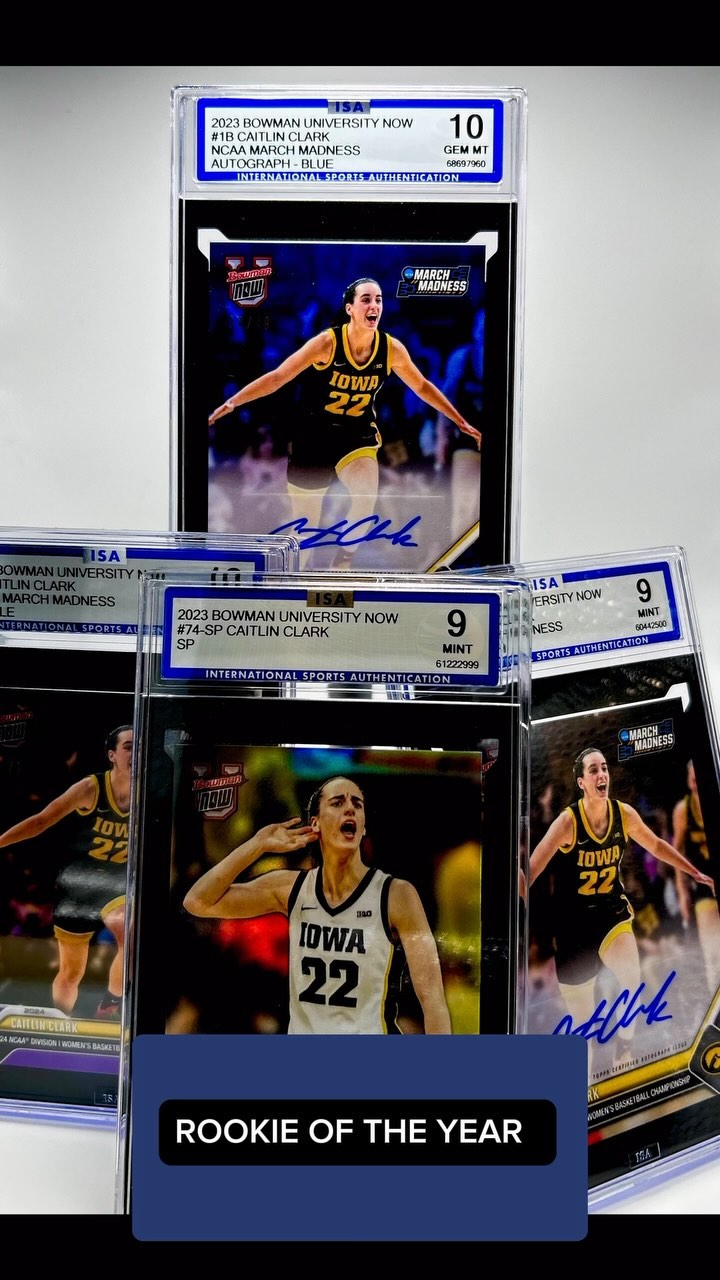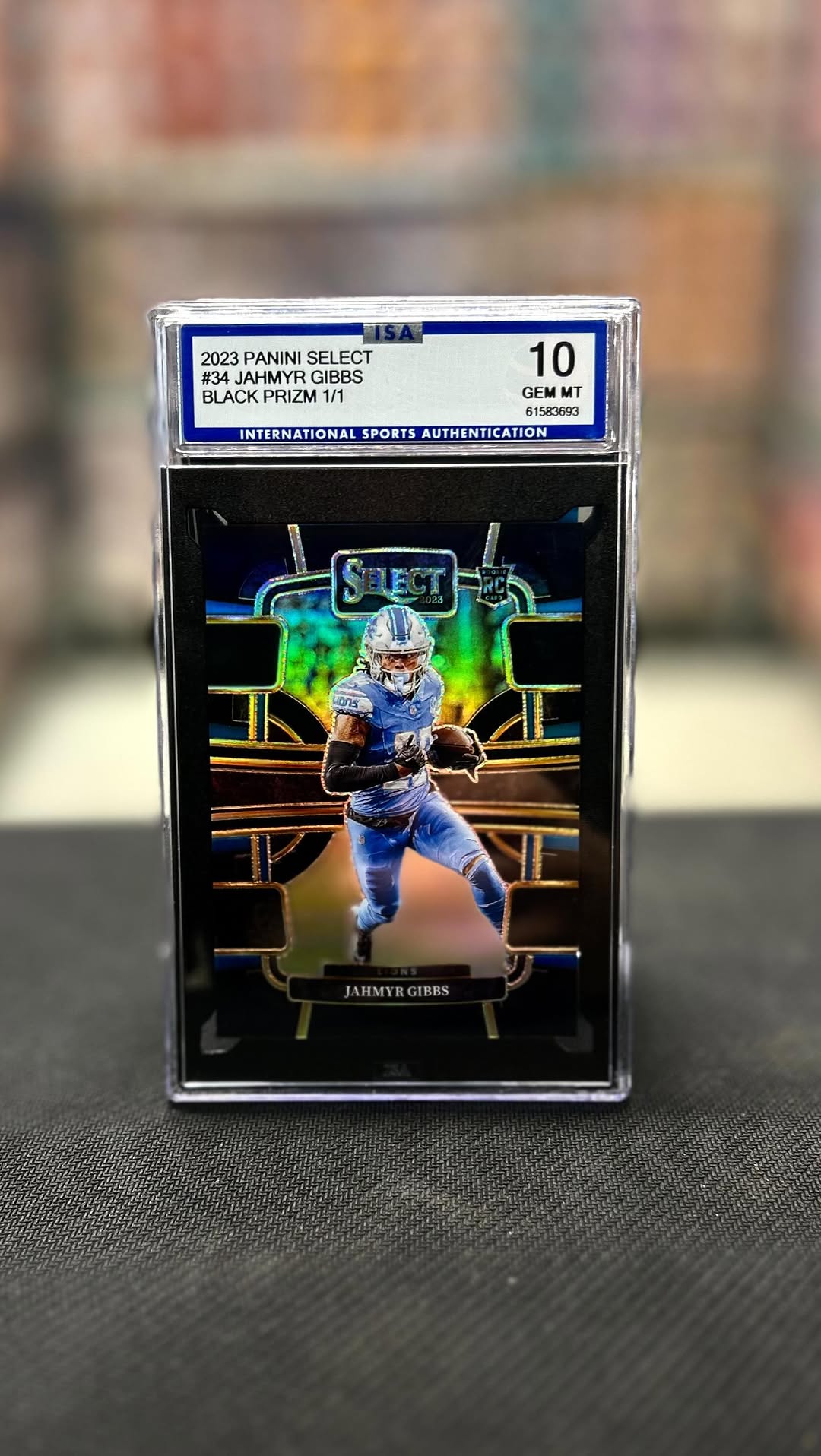
A 10 card minimum makes it possible to send a focused sports card grading submission without waiting to build a box of dozens. At ISA Grading, also known as International Sports Authentication, the current service is $15 per card with a 14 day turnaround and no upcharges. Ten cards cost $150 in grading fees. The decision is which ten are worth sending.
Start by deciding what you want the batch to do. A collector might want to protect favorite rookie cards, a dealer might want to restock a display case, and a hobby seller might want buyers to have more information about condition. Those goals can lead to different choices, even if everyone is sorting through the same stack.
What the 10 Card Minimum Means for Your Budget
ISA’s submission minimum is 10 cards, not a requirement to send in multiples of 10. At the current rate, 12 cards cost $180 in grading fees and 15 cost $225. The $15 card grading rate and no upcharges let you calculate the grading portion of your budget before choosing the final cards. Account for any applicable shipping costs separately, especially if you are trying to estimate what you need to net from a sale.
If you only have eight strong candidates, waiting can make more sense than paying to grade two cards you would rather keep raw. On the other hand, there is nothing wrong with giving the last two spots to personal favorites that are unlikely to pay for themselves. The important distinction is whether you are paying to protect and display a card or expecting the grading fee to improve your resale outcome.
When your list is ready, start on ISA’s sports card grading submission page. Use the current instructions there to check what you need to complete before packing the order.
Build a Submission Around the Cards You Actually Need Graded
Choose the purpose of each card
If your starting point is “I want to grade my cards,” sort the candidates into three groups: cards to keep, cards to sell, and cards you are unsure about. For the first group, think about the cards you handle often or want to display. For the second, look for evidence of buyer demand. Leave the third group out unless you can explain why a grade, authentication, or encapsulation would be useful.
Rookie card grading is a good example of why purpose matters. A favorite player’s rookie may deserve a spot in a collection submission even with visible wear. For a resale batch, first confirm that the card is the exact rookie issue or parallel buyers are looking for. A similar photograph or foil color does not make two versions interchangeable.
Compare the exact card, not just the player
For baseball card grading, check the year, set, and card number, especially if an original and a reprint share a design. In basketball card grading, look closely at parallel names and serial numbering before comparing prices. For football card grading, confirm whether sales are for the base rookie or a more limited version. Those details often matter more to the comparison than how recognizable the player is.
Vintage card grading calls for a different set of expectations. A visibly worn card can still be a good candidate when sports card authentication or a documented condition assessment matters more than a high grade. If you also collect outside sports and are researching TCG card grading or Pokemon card grading, check eligibility through ISA’s contact page before counting those cards toward your batch.
Inspect Card Centering, Edges, Surface, and Corners
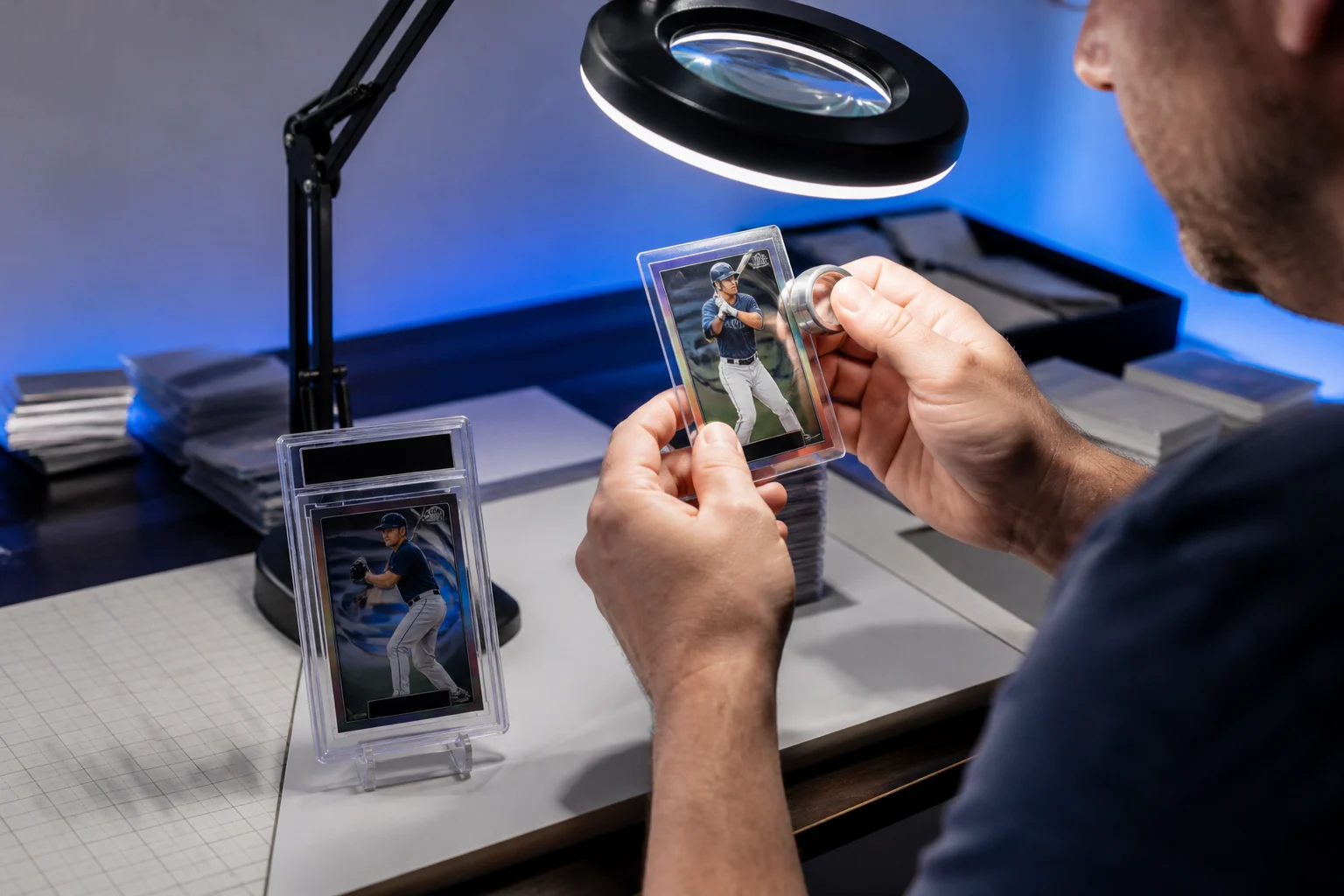
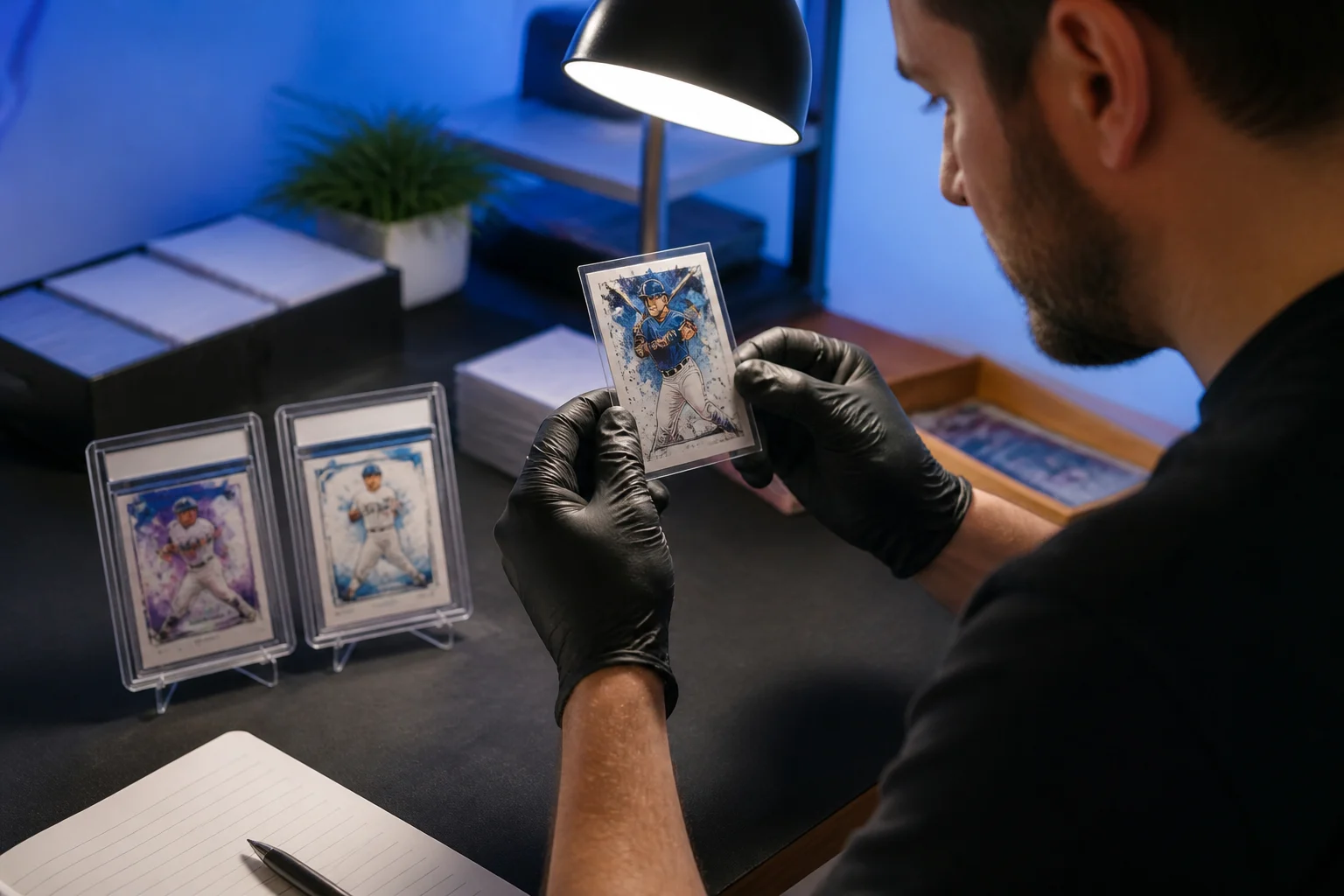
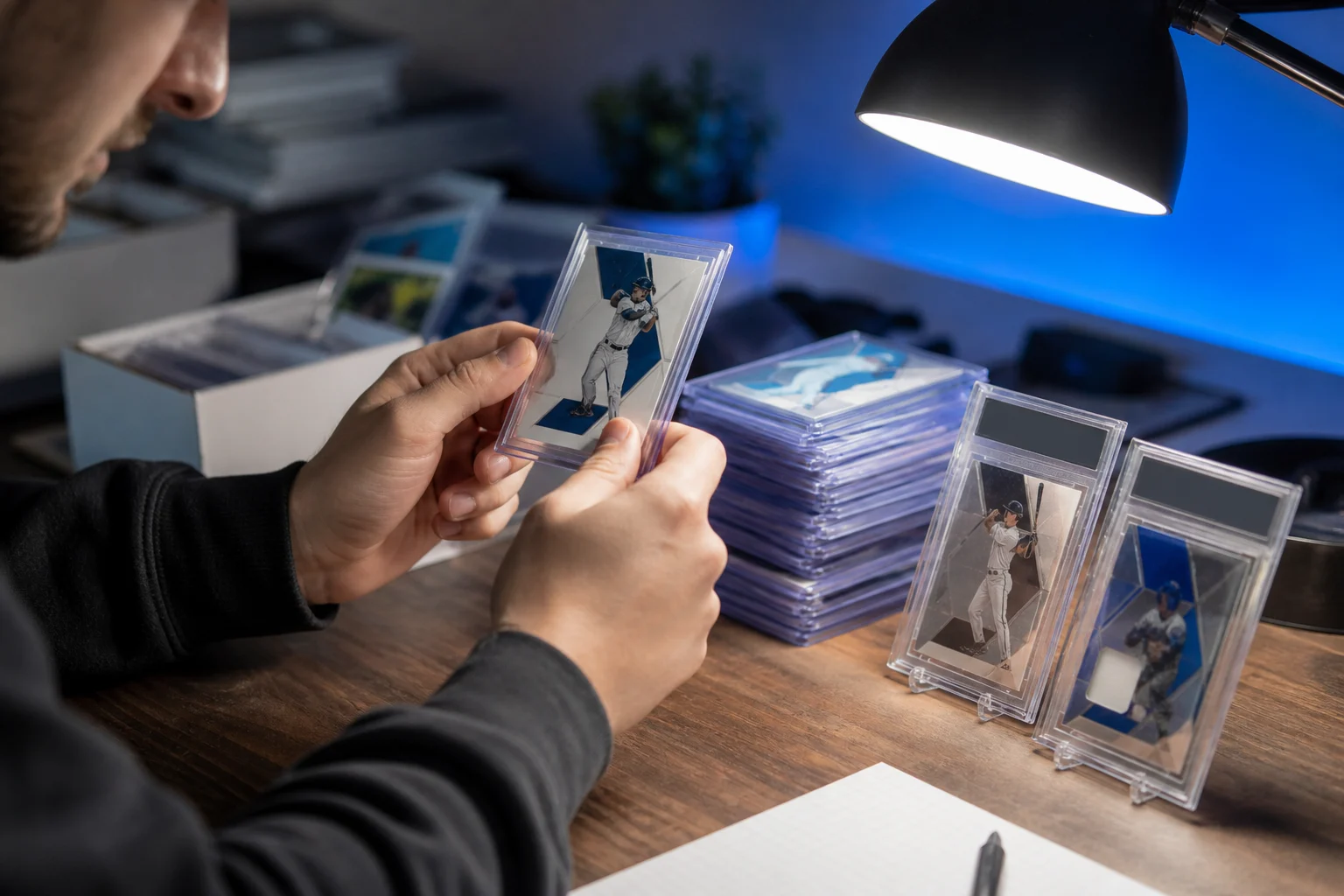
Set up a clean, dry work area with good light and handle each card by its edges. Look at the front and back, then tilt the card gently so light moves across it. This helps reveal marks that are easy to miss when you look straight down at a card. Review ISA’s grading scale to put what you see in context, but treat your inspection as a screening step rather than a prediction of the final grade.
- Card centering: Compare the left and right margins, then the top and bottom. On borderless designs, use consistent printed features as reference points rather than relying on a single corner.
- Card edges: Check all four sides on the front and back. Dark borders can make small areas of whitening easier to spot, while foil designs may show chipping along the edge.
- Card surface: Use angled light to look for scratches, dimples, print lines, dents, and indentations. Turn the card over and repeat the check. A clean front does not rule out damage on the back.
- Corners: Look for soft tips, bends, or tiny breaks in the finish. Compare the corners with one another so you are less likely to overlook a single worn spot.
A flaw does not automatically take a card out of the batch. Ask whether you would still be glad you submitted it with that flaw reflected in the grade. For a card you plan to sell, also check recent sales at more than one grade. If the numbers only work at the highest grade you can find, that card may be a better raw sale.
Prepare Your Cards for Submission Without Adding Wear
Match your final stack to your submission details before packing. Double check any easily confused variants, including the card number and serial number where applicable. For a dealer submitting several copies of one card, keep an inventory record so you know which copies you sent and can reconcile them when they come back.
Follow ISA’s current holder and packing instructions rather than improvising with whatever is closest to your desk. Avoid forcing a card into a tight holder or letting cards move freely in the shipping box. Do not try to press out a dent, polish the surface, or trim an edge. The goal is to send the cards in the condition you evaluated, not to change that condition while preparing the order.
Keep a copy of your submission details and any shipment tracking information. If you have a question about packaging or how the process works, check the ISA Grading FAQ before mailing. It is easier to resolve a packing question with the cards in front of you than after they have left your hands.
Plan Around the 14 Day Turnaround
Fast card grading is most useful when you work backward from a real deadline. If you have a show, auction, or planned listing date, allow time for packing, shipping, and any steps you need to complete after the cards return. ISA lists a 14 day turnaround for the current service, but do not treat that figure as the total time from dropping off a package to having a photographed card ready for sale.
Dealers can use the time while cards are out to draft listings, review comparable sales, and decide which cards are headed to a display case. If you are working toward a specific event, ISA’s guide to grading cards for your next show offers a useful way to think through the steps between submission and sale. For a first batch, leaving some room in the schedule is more practical than tying every card to one deadline.
Use the Slab and Certificate to Give Buyers Better Information
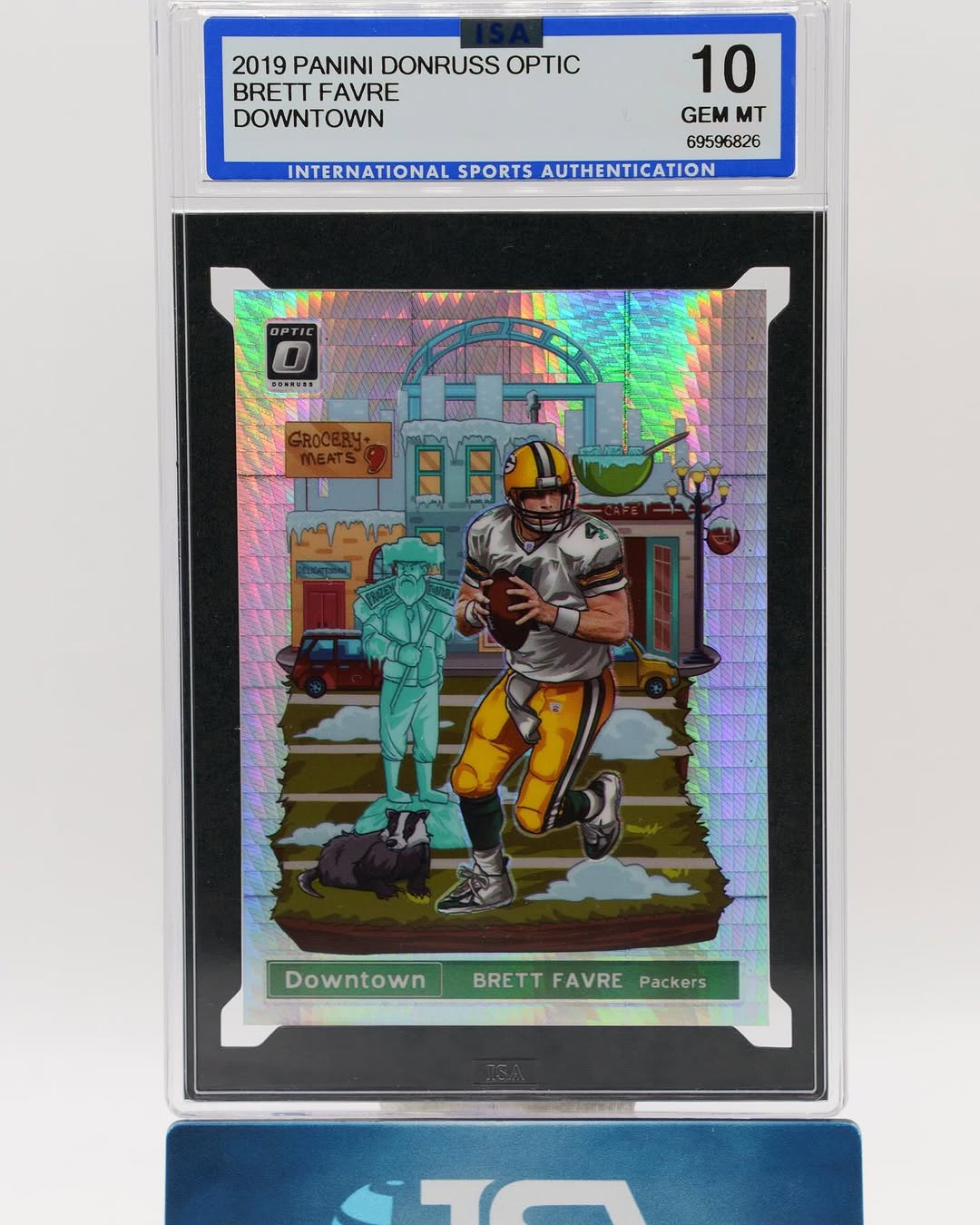
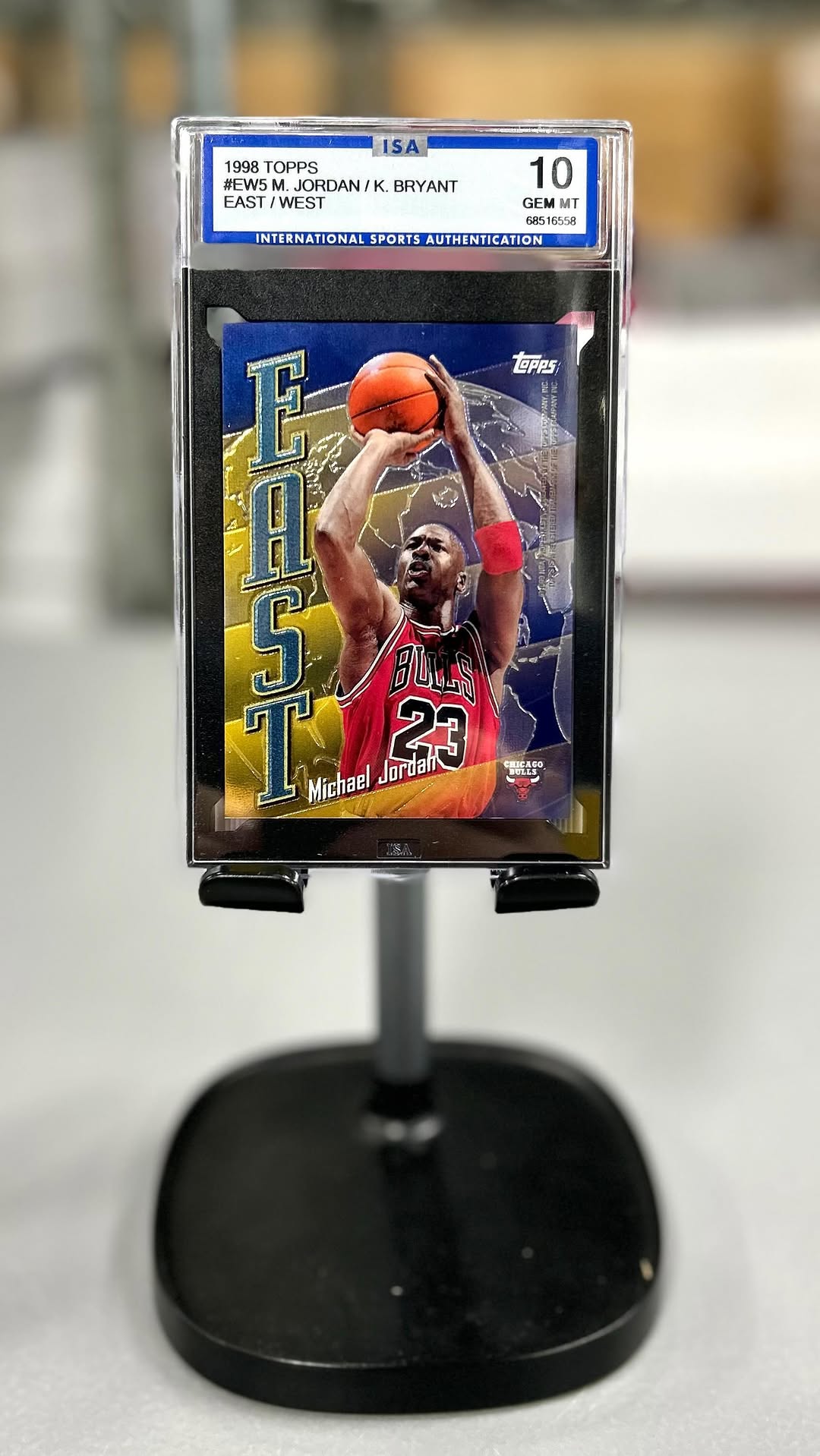
Card encapsulation puts a graded card in a protective holder, commonly called a slab. Trading card slabs let collectors handle and display cards without touching the card itself. They still need sensible storage. Keep slabs away from direct sunlight and avoid tossing them together loosely if you want to limit scratching on the holders.
For a sale, make the grade and card identity easy to read. Take clear photos of the front and back of the slab, including the label. If the holder has a noticeable scratch, show it and describe it rather than relying on a photograph where it disappears in glare. A buyer should be able to tell what is on the holder and what is on the card.
ISA offers online certificate verification. Buyers can use the certificate number to check the grading record and compare it with the listing and slab label. This gives them another point of reference before purchasing. It does not replace clear photos, and a certificate lookup on its own does not establish that a seller physically possesses the card shown.
Decide What to List, What to Keep, and What to Send Next
When the order comes back, match each slab to your inventory and confirm the label details before listing. Look up recent completed sales for the exact issue and grade where possible. Pay attention to the grading company in those comparisons, since a sale of a similar card in a different holder may not be a direct price reference. If comparable sales are scarce, be cautious about treating a single asking price as market value.
For cards you intend to sell, look at what you expect to keep after platform fees, packing, and shipping, then factor in grading and the cost of acquiring the card. For personal collection cards, the test is simpler: are you glad to have them authenticated, graded, and protected? Using the same financial test for both groups can make a good collection choice look like a bad business decision.
Keep a short record of what you noticed during inspection, the grade each card received, and what sold. If several cards had surface marks you overlooked, change how you inspect the next stack. If one kind of card sold faster than the rest, use that information when choosing more inventory. ISA’s guide to what $15 card grading looks like is a useful reference as you set the budget for your next order. Give each of the ten cards a reason to be there before you pack the box.
Submit Cards to ISA Grading
Collectors ready to use ISA Grading can start on the submission page. The current active service is $15 per card with a 14 day turnaround, no upcharges, and a 10 card minimum.
Frequently Asked Questions
What is the minimum number of cards I can submit to ISA Grading?
ISA Grading currently requires a minimum of 10 cards per submission. You can send more than 10 without submitting in multiples of 10.
How much does it cost to grade 10 cards with ISA?
At the current rate of $15 per card, grading 10 cards costs $150 in grading fees. ISA does not apply upcharges. Account for any applicable shipping costs separately.
What is ISA Grading’s current turnaround time?
ISA lists a 14 day turnaround for its current service. When planning for a show or sale, leave extra time for shipping and any work you need to do once the cards return.
How should I choose the last few cards for a 10 card submission?
Choose cards you want to protect or authenticate, or cards with resale potential at a realistic grade. If the remaining cards do not serve either purpose, wait until you have stronger candidates instead of paying to fill the batch.
Can a buyer verify an ISA graded card online?
Yes. Buyers can enter the certificate number on ISA Grading’s certificate verification page and compare the grading record with the details shown on the slab and in the listing.