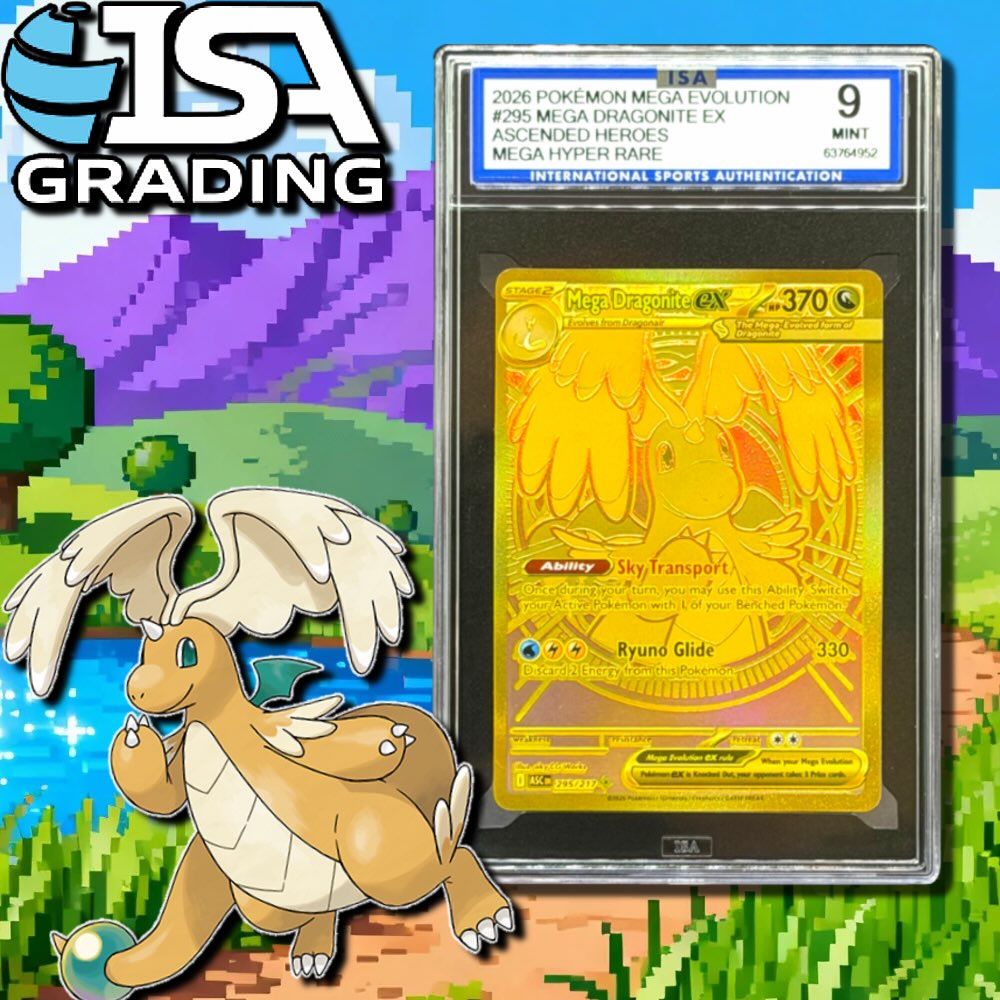
TCG card grading starts with a question that is more practical than glamorous: what will it cost to turn a raw card into a graded collectible? For collectors of trading card games, a clear answer helps separate worthwhile submissions from cards better kept in a binder, played in a deck, or sold raw.
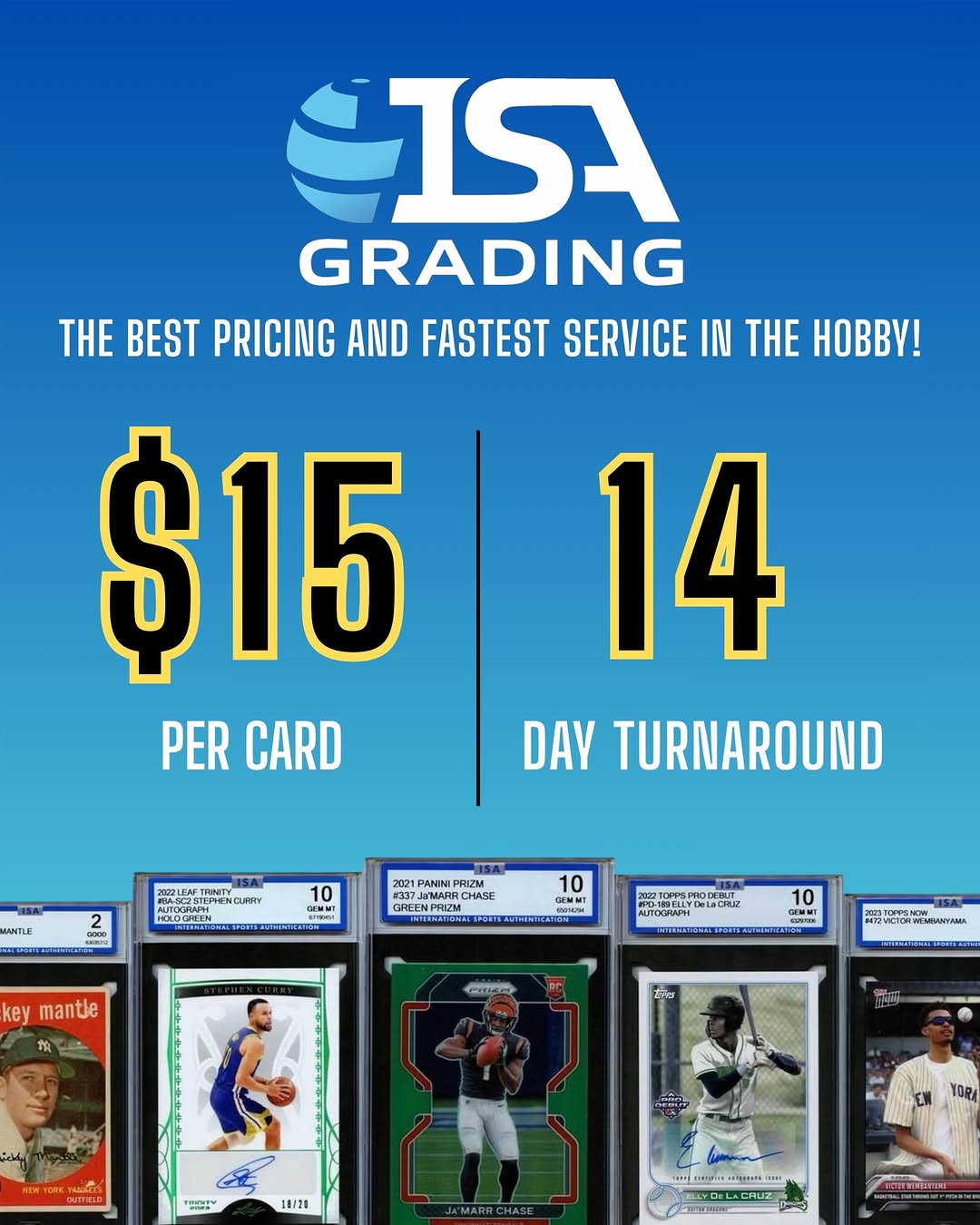
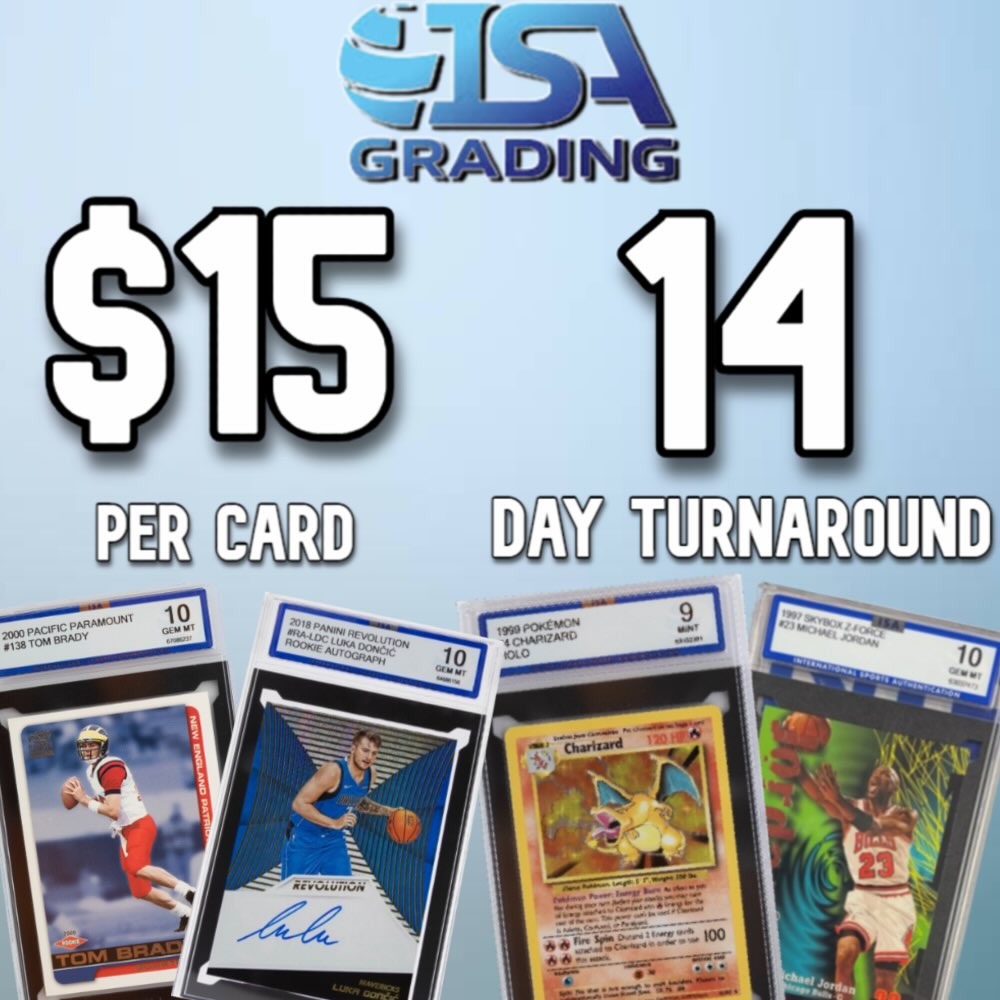
Predictable pricing also matters to sports card collectors, dealers, and hobby sellers managing several submissions at once. ISA Grading, also known as International Sports Authentication, currently offers sports card grading and authentication at $15 per card, with a 14 day turnaround, a 10 card minimum, and no upcharges. If you are considering TCG cards specifically, confirm acceptance of your game and card type with ISA before preparing a shipment. The sports card service facts alone do not establish TCG eligibility.
What collectors actually want from predictable grading pricing
A useful grading budget covers more than the advertised fee. It includes the number of cards, packing materials, shipping, any applicable insurance, and the money tied up while the cards are away. Knowing the service fee in advance makes those other expenses easier to evaluate.
ISA's current $15 card grading service provides a straightforward starting point for eligible submissions. Ten cards at $15 each produce a $150 grading subtotal. That calculation is not an all-inclusive delivered price. Check submission instructions for shipping arrangements, applicable charges, and payment details before committing your budget.
No upcharge card grading removes one specific source of uncertainty: an additional grading upcharge. It does not mean every expense connected with submitting, transporting, or later selling a card disappears. Keeping those distinctions clear is especially helpful when deciding whether a moderately priced card deserves grading.
Confirm TCG eligibility before planning the submission
TCG cards can differ substantially from sports cards in size, finish, language, release format, and identification requirements. Promotional issues, oversized cards, and unusual variants deserve particular attention. A company offering sports card grading should not automatically be assumed to accept every trading card game.
Before sending cards, use ISA's contact page to confirm whether your specific TCG cards are accepted and whether the advertised service terms apply. Identify the game, set, card name, language, and any unusual format. Clear details make the eligibility question easier to answer.
If you collect both categories, separate your TCG questions from your sports submission planning. Baseball card grading, basketball card grading, and football card grading belong within ISA's stated sports card service. Specific card eligibility and submission requirements still deserve a check before shipping.
Choose cards for a purpose, not just a possible high grade
The best submission candidates are not necessarily the most expensive cards in your collection. Start with your reason for grading. A personal collection card might be worth submitting for presentation and easier condition reference. A resale candidate needs a more careful comparison between costs and realistic market outcomes.
For TCG collectors, rarity alone does not settle the decision. Play demand, artwork, printing, language, condition, and collector interest can all affect how buyers evaluate a card. A scarce card with visible damage may still be collectible, but grading does not erase that damage.
Sports collectors face similar choices with rookie card grading. A popular player's rookie card may have several versions, and buyers may value those versions differently. Match the exact issue rather than assuming that every rookie card shares the same market.
- Personal collection: Decide whether the presentation and condition record justify the cost to you.
- Resale: Compare recent completed sales for the same card and grading company where available.
- Dealer inventory: Consider grading costs, expected selling fees, and time before the inventory can return to sale.
- Uncertain identification: Resolve the set, variant, or authenticity question before building a resale estimate.
Build a realistic budget around the 10 card minimum
A 10 card minimum encourages planning a batch rather than sending one card impulsively. It can work well for collectors with several suitable cards ready, but it should not become a reason to add weak candidates merely to reach the required count.
For ISA's current service, a 12-card submission has a $180 grading subtotal, while 20 cards have a $300 grading subtotal. Add your other submission expenses separately. If several people contribute cards to one shipment, agree beforehand on ownership, cost allocation, return handling, and responsibility for completing the submission.
Dealers should also budget for cards that receive lower grades than hoped. A realistic plan should remain workable without assuming every card earns the highest available grade. Predictable fees support that planning, but they cannot make an uncertain resale outcome certain.
What a 14 day turnaround means for your schedule
ISA currently lists a 14 day card grading turnaround. That gives collectors a useful service benchmark, particularly when compared with an open-ended wait. However, a grading turnaround and the total time away from your collection are not necessarily the same thing.
Outbound shipping, intake, return shipping, and delivery can affect your overall schedule. Before relying on a specific return date, confirm when the turnaround clock begins, how days are counted, and whether any exceptions apply. Do not assume the advertised period includes every stage unless the submission terms say so.
Fast card grading can help sellers plan inventory more efficiently, but speed does not guarantee a profitable sale. Demand may change while a card is away, and buyers still assess the card, grade, price, and grading company. For more on scheduling a sale, read how faster grading can support a smarter card sale.
Inspect surfaces, corners, centering, and card edges
Preparation starts with observation, not attempts to improve the card. Work on a clean surface with good lighting and handle cards gently. Inspect the front and back for scratches, print defects, indentations, staining, and other visible issues.
Pay particular attention to card edges and corners. Whitening, chipping, or small bends can be easy to overlook when the artwork draws your eye. Glossy and foil surfaces may reveal scratches only when viewed from different angles. A card that looks clean inside a sleeve can still have condition problems.
Centering deserves its own review. Compare borders and design placement without assuming that an attractive front means an equally balanced back. Grading standards vary, so consult ISA's grading scale rather than assigning a grade based solely on your own impressions.
Avoid trimming, pressing, recoloring, or other alteration attempts. Do not apply liquids or aggressive cleaning methods. These actions can damage a card or affect how it is evaluated. When uncertain, preserve the card as it is and ask about appropriate handling.
Authentication and condition grading answer different questions
Card authentication concerns whether a card is genuine. Condition grading evaluates its physical state under the grader's standards. Both matter, but they should not be treated as interchangeable guarantees.
Sports card authentication can be particularly relevant when a valuable issue, unfamiliar variation, or suspicious printing raises questions. TCG collectors can encounter similar concerns with counterfeit cards and altered surfaces. A photograph or seller description alone may not resolve those concerns.
Also distinguish card authentication from autograph authentication. Do not assume that authentication of the underlying card includes a separate opinion on a signature. Ask about the scope of the service before submitting signed cards or cards with unusual markings.
Pack for protection and keep a submission record
The trip to the grader is part of the process. Use the receiving company's approved packing method and holder instructions. A protective holder that works for storage may not be the preferred format for submission.
Prepare an inventory before sealing the package. Record each card's identifying details and photograph its front and back. These records help you track the submission and compare returned cards with your original list. They are useful documentation, not a substitute for appropriate shipping coverage.
- Confirm that each card is eligible for the selected service.
- Record the card name, year or set, number, and relevant variant.
- Place cards in the recommended protective materials without forcing them.
- Secure the contents so holders do not shift freely in the package.
- Include the required paperwork and retain your shipping information.
Check ISA's submission FAQs for available guidance, and ask about anything the instructions do not resolve. Careful packing protects the cards you selected and reduces avoidable confusion during submission.
Understand what trading card slabs can and cannot do
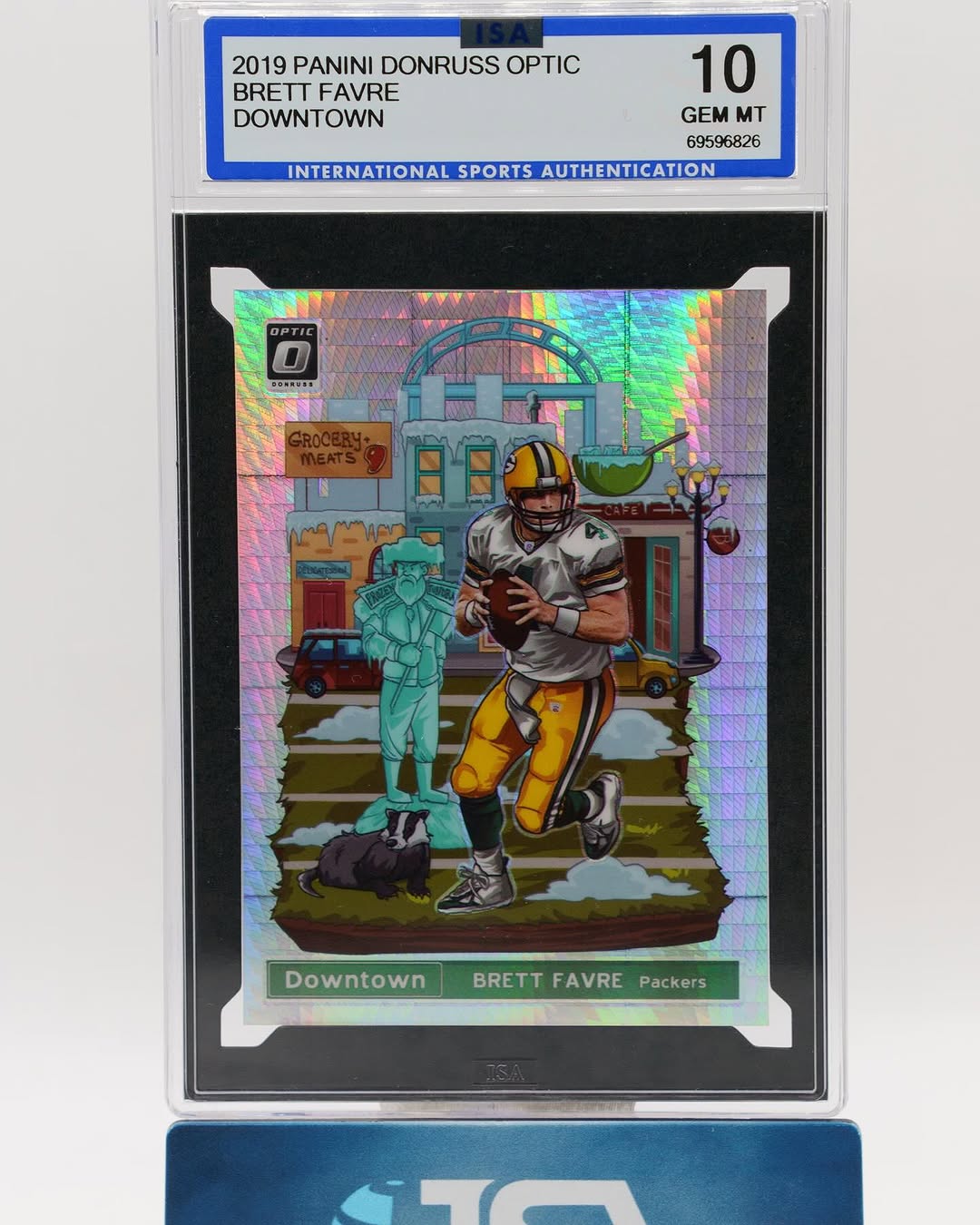
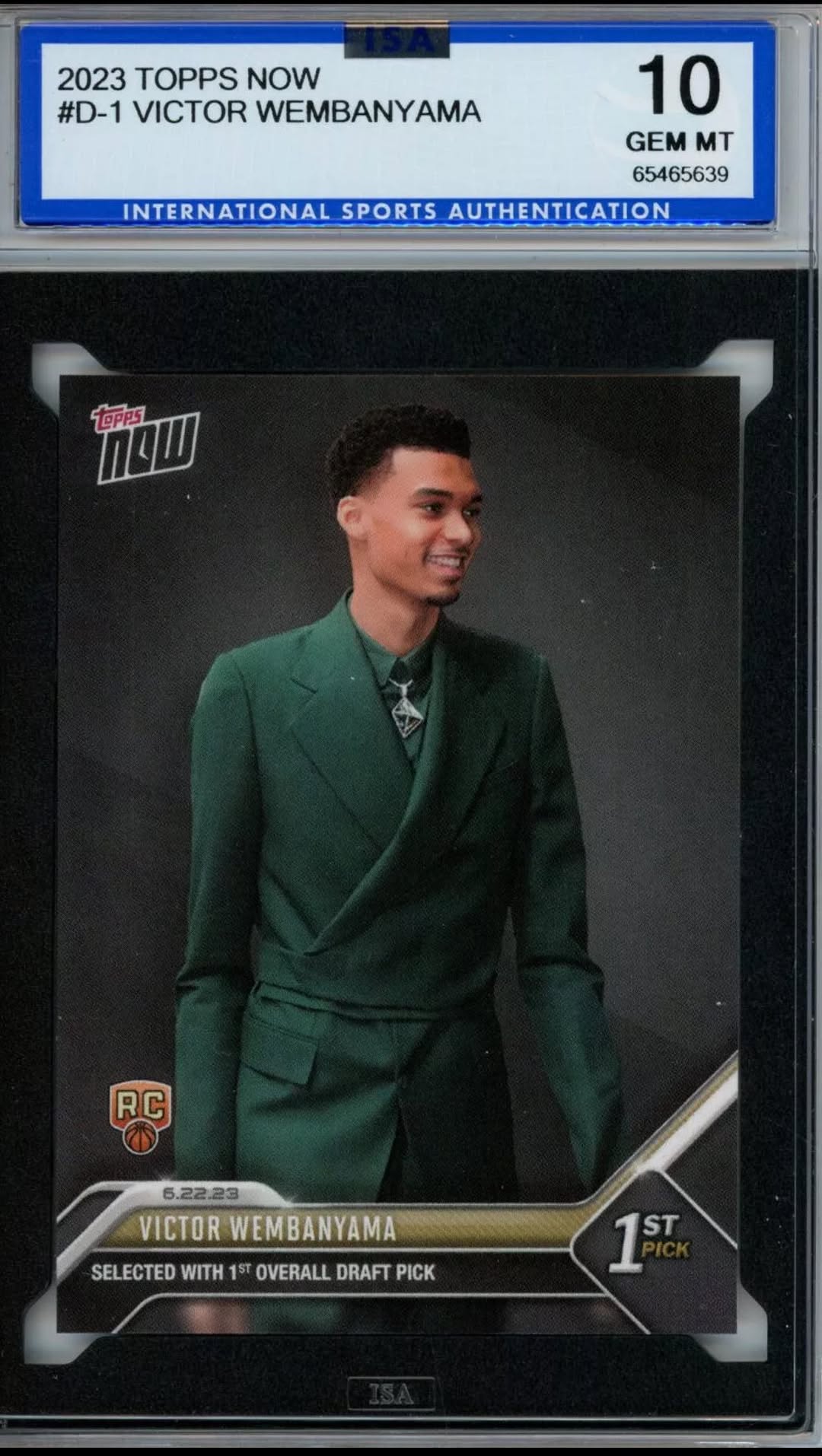
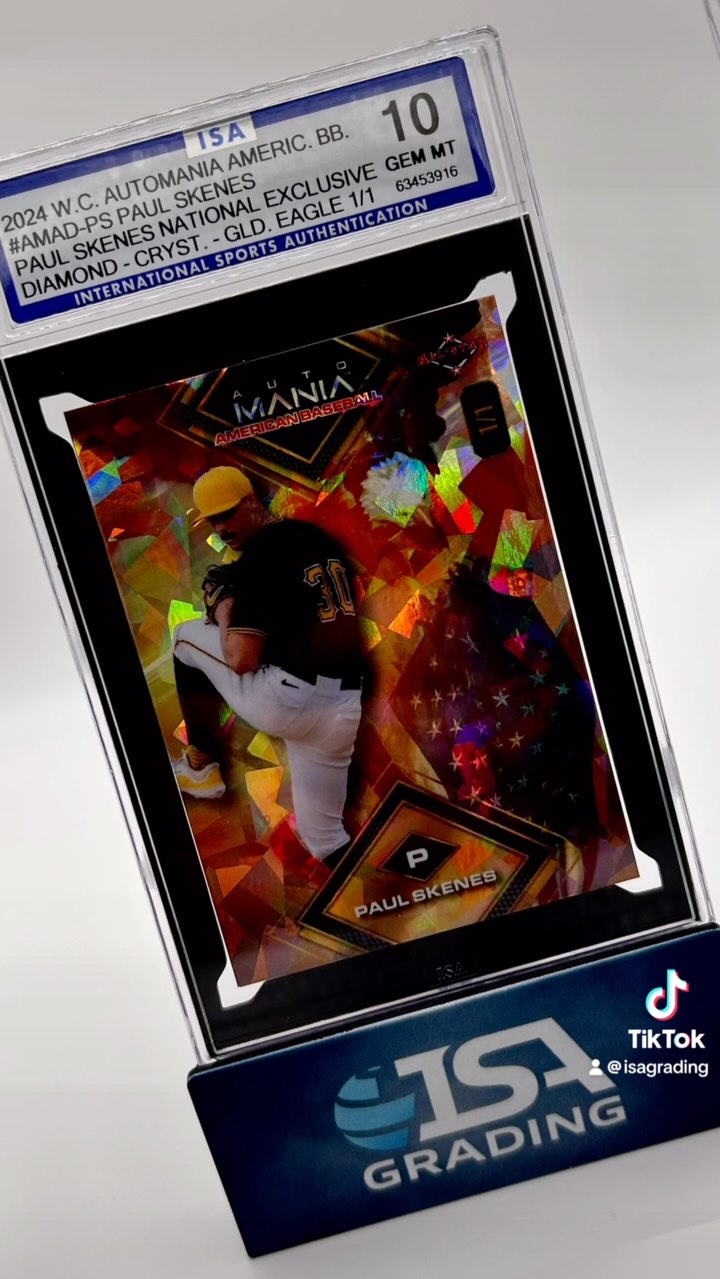
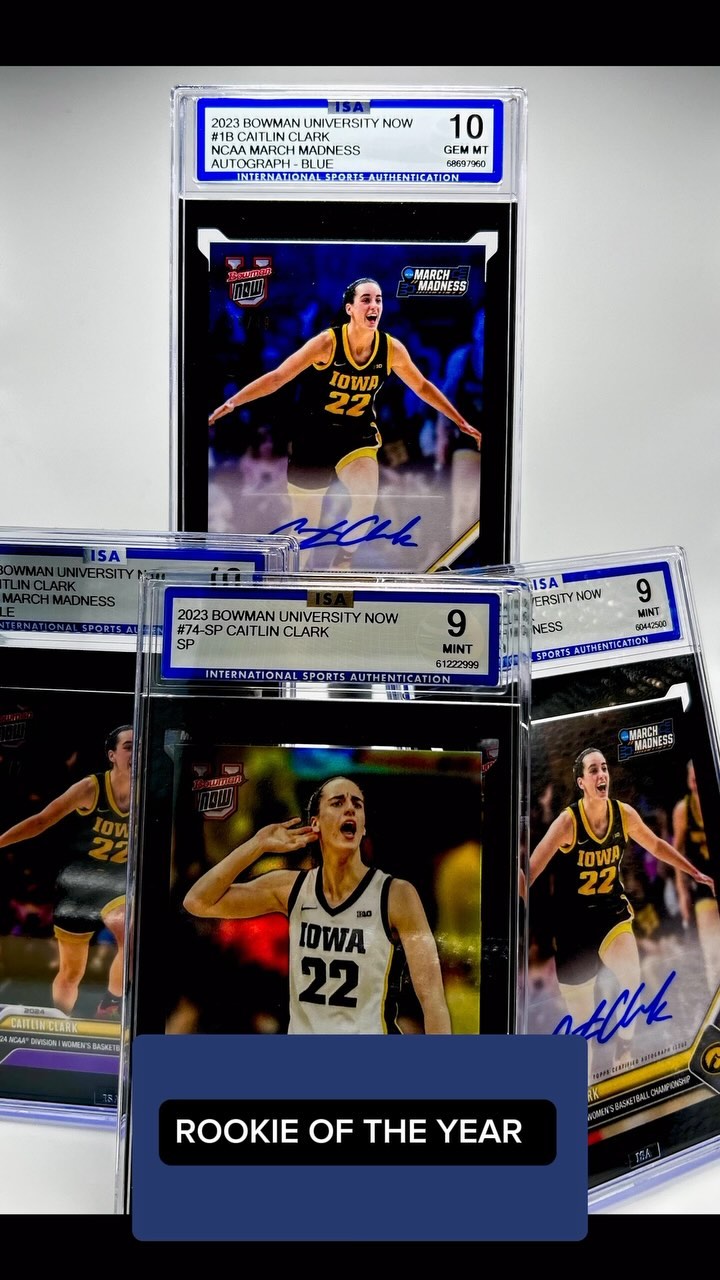
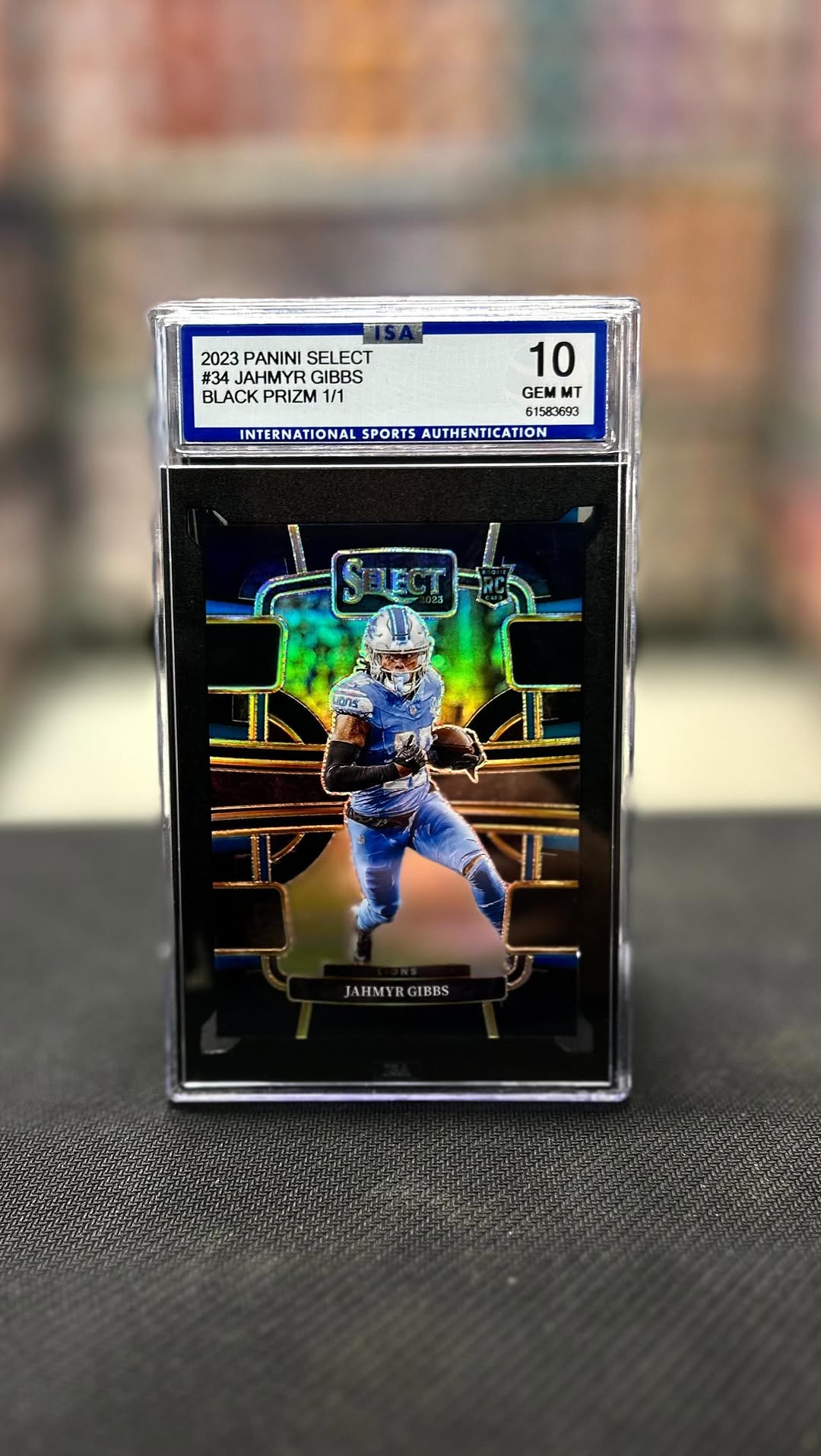
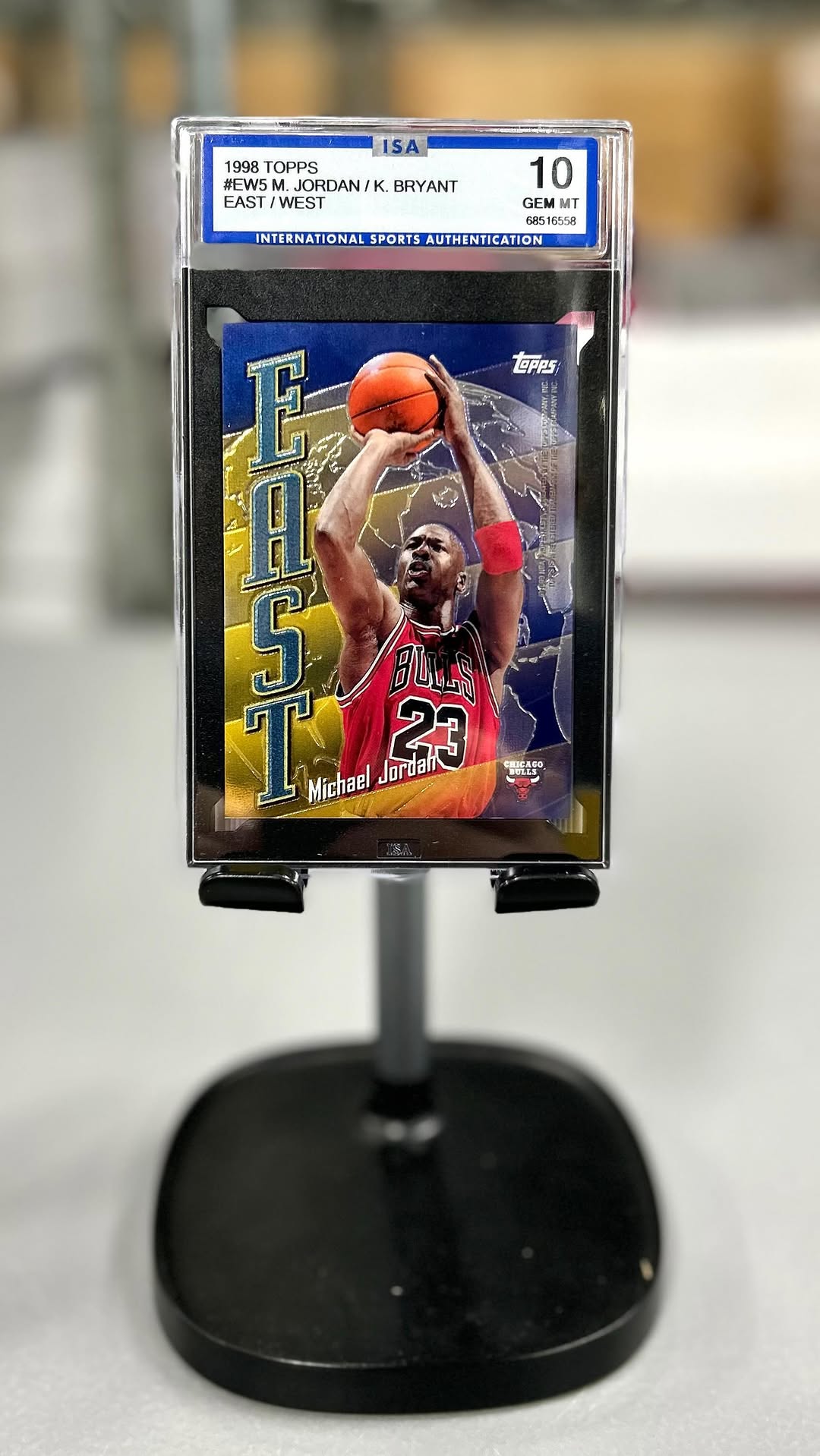
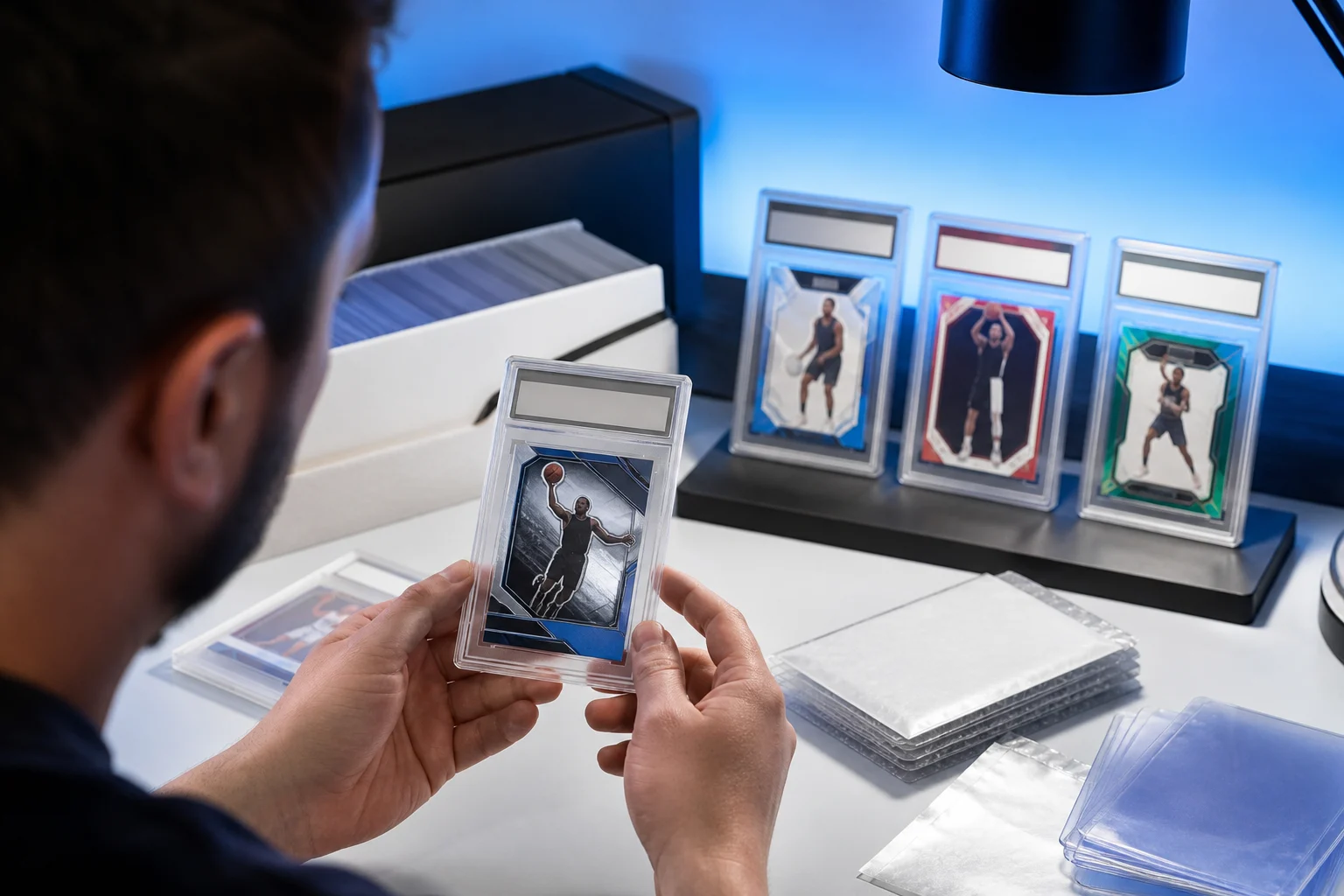
Trading card slabs provide a rigid presentation format for graded cards. Card encapsulation can reduce routine handling of the card itself and make the grading information easier to display. Collectors should still treat encapsulated cards as valuables that need sensible storage.
A slab is not permission to expose a card to heat, direct sunlight, moisture, or rough handling. Store graded cards securely and avoid pressure or impacts that could damage the holder. If a holder appears cracked or compromised, seek guidance rather than assuming the card remains unaffected.
For buyers, a slab's label offers an organized condition reference. It does not replace examining the card, considering the seller's reputation, or checking the certificate information. Presentation supports the buying process, but careful inspection remains important.
Use certificate verification to support buyer confidence
ISA offers certificate verification on its website. When buying or selling an ISA-graded card, use the certificate verification page to check the certificate information and compare the available record with the holder and card being offered.
Check identifying details carefully, including the card issue and grade where shown. If something does not match, pause and ask for clarification. Verification is a useful reference, but it should not be treated as a complete guarantee of a seller's identity or a transaction's legitimacy.
Sellers can help buyers by providing readable label photographs and accurate card descriptions. Do not suggest that a certificate lookup guarantees future value. Buyer confidence is better served by information that is clear, consistent, and easy to check.
Selling graded cards without overstating their value
Before pricing a graded card, research completed sales rather than relying only on asking prices. Match the card, variation, grade, and grading company as closely as possible. If comparable sales are limited, acknowledge the uncertainty instead of borrowing a price from a materially different card.
Calculate expected proceeds after marketplace fees, shipping, and your acquisition and grading costs. A higher sale price does not necessarily produce a higher net return. Include clear photographs of both sides, the label, and any relevant holder wear.
If you started with a search for card grading near me, consider the full submission process rather than distance alone. Service clarity, eligible card types, shipping logistics, and verification access may matter more than proximity.
Make the next submission deliberate
When the question is “should I grade my cards?”, start with eligibility, purpose, and a complete budget. Then inspect the cards, confirm the turnaround terms, and prepare the shipment carefully. That sequence works better than choosing cards solely because a high grade would be exciting.
ISA's current sports card service offers a clear baseline: $15 per card, a 14 day turnaround, a 10 card minimum, and no upcharges. Confirm TCG acceptance separately, then review the card submission page for current instructions before sending an eligible batch.
Submit Cards to ISA Grading
Collectors ready to use ISA Grading can start on the submission page. The current active service is $15 per card with a 14 day turnaround, no upcharges, and a 10 card minimum.
Frequently Asked Questions
Does ISA Grading accept TCG cards?
ISA's stated service is sports card grading and authentication. Before submitting TCG cards, contact ISA to confirm acceptance of your specific game, set, language, and card format, and whether the advertised service terms apply.
How much does ISA card grading cost?
ISA's current active service costs $15 per card, with a 10 card minimum and no upcharges. A minimum submission therefore has a $150 grading subtotal. Confirm shipping arrangements and any other applicable costs before submitting.
Does the 14 day turnaround include shipping?
ISA currently lists a 14 day turnaround. Confirm when that period begins, how days are counted, and whether shipping or intake time is included before planning around a specific return date.
How can I verify an ISA-graded card?
Use ISA's website certificate verification page and compare the available certificate information with the card and holder. Investigate any mismatch before buying. Certificate verification supports your checks but does not replace seller due diligence.
Will grading make my TCG or sports card worth more?
Grading does not guarantee a higher value or a profitable sale. Results depend on the card, condition, assigned grade, buyer demand, and grading company. Compare relevant completed sales and account for grading, shipping, and selling costs.