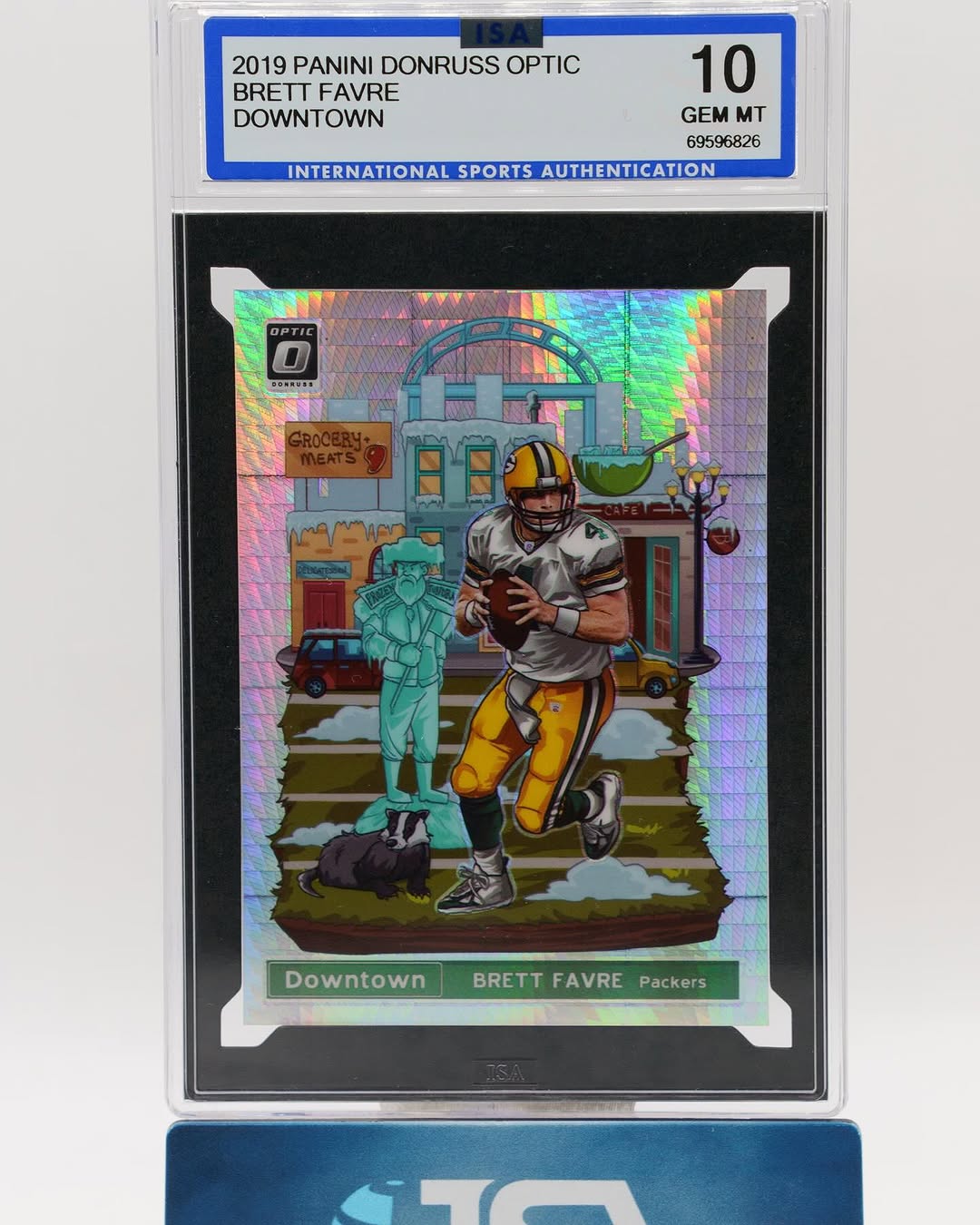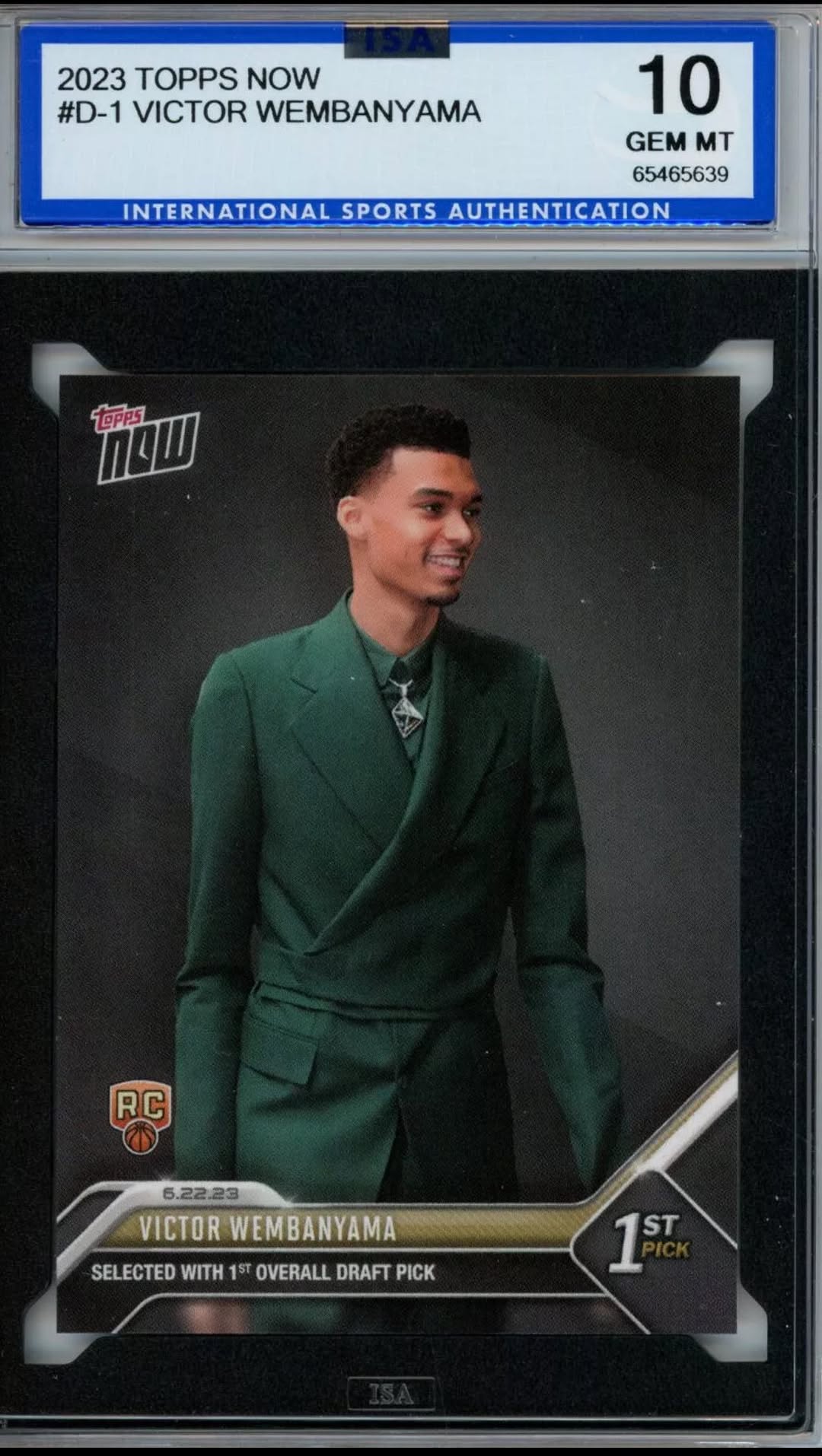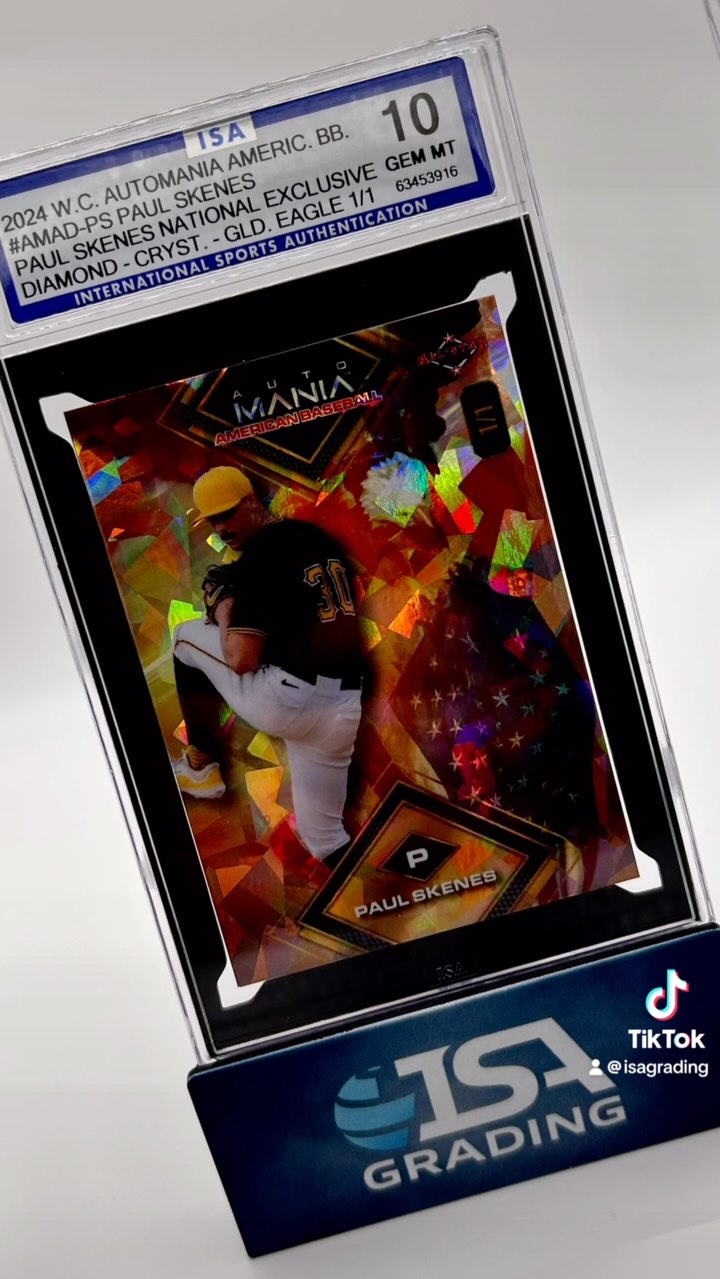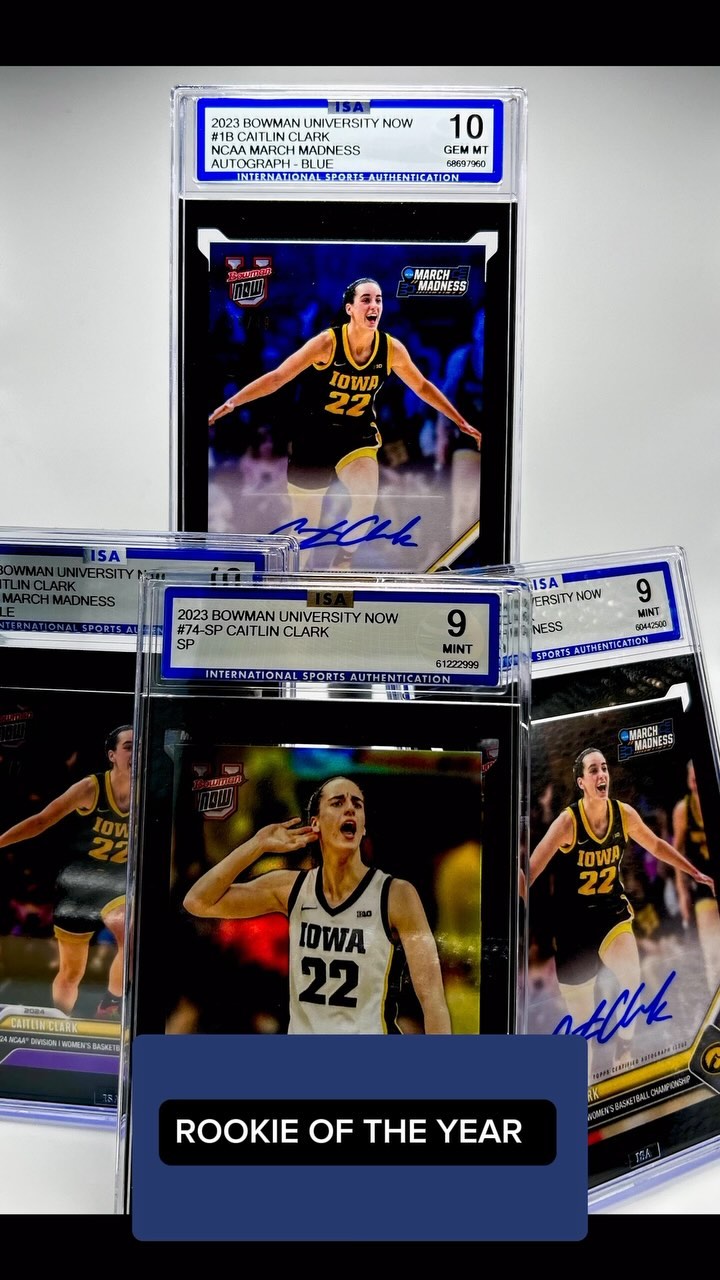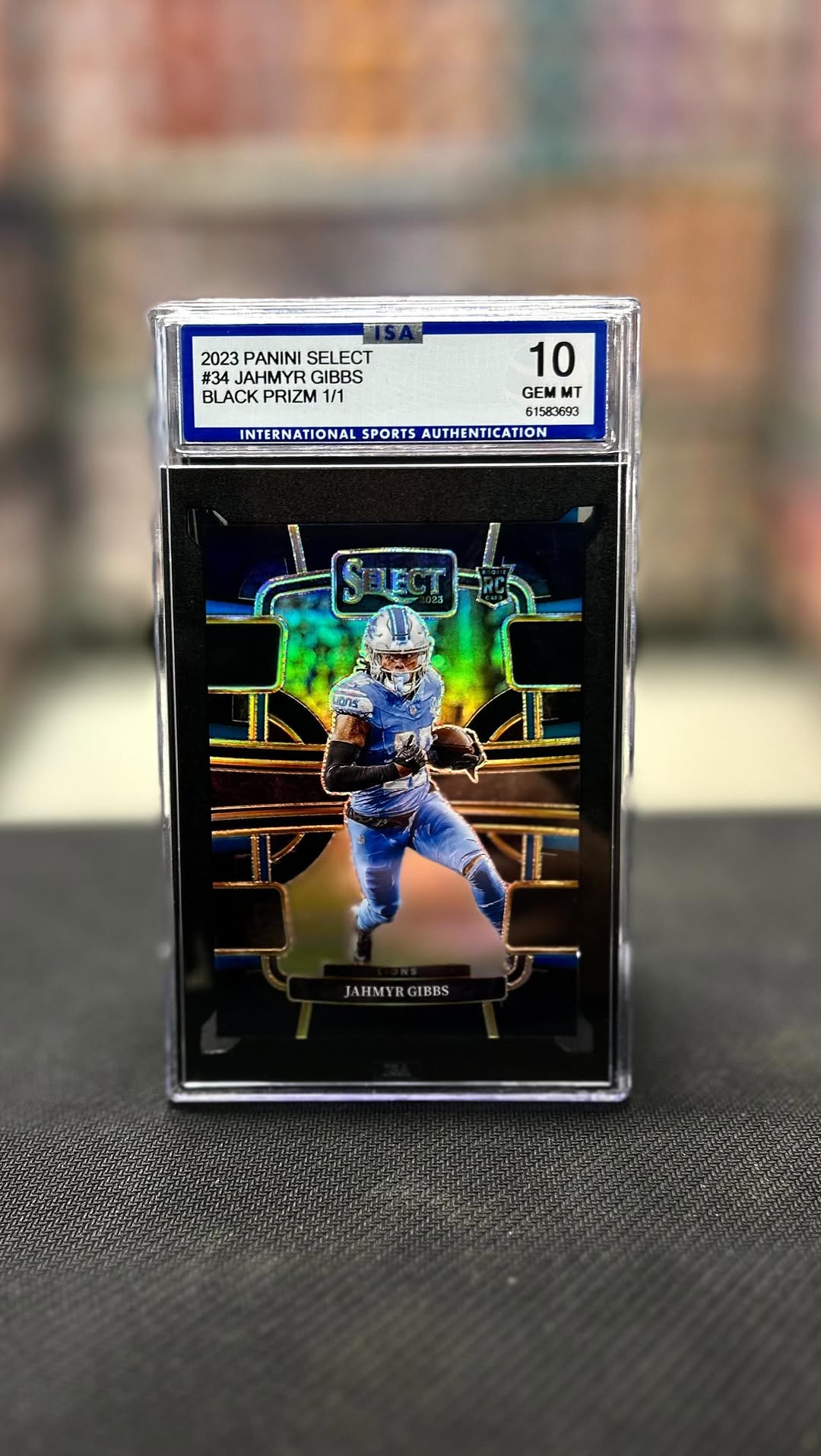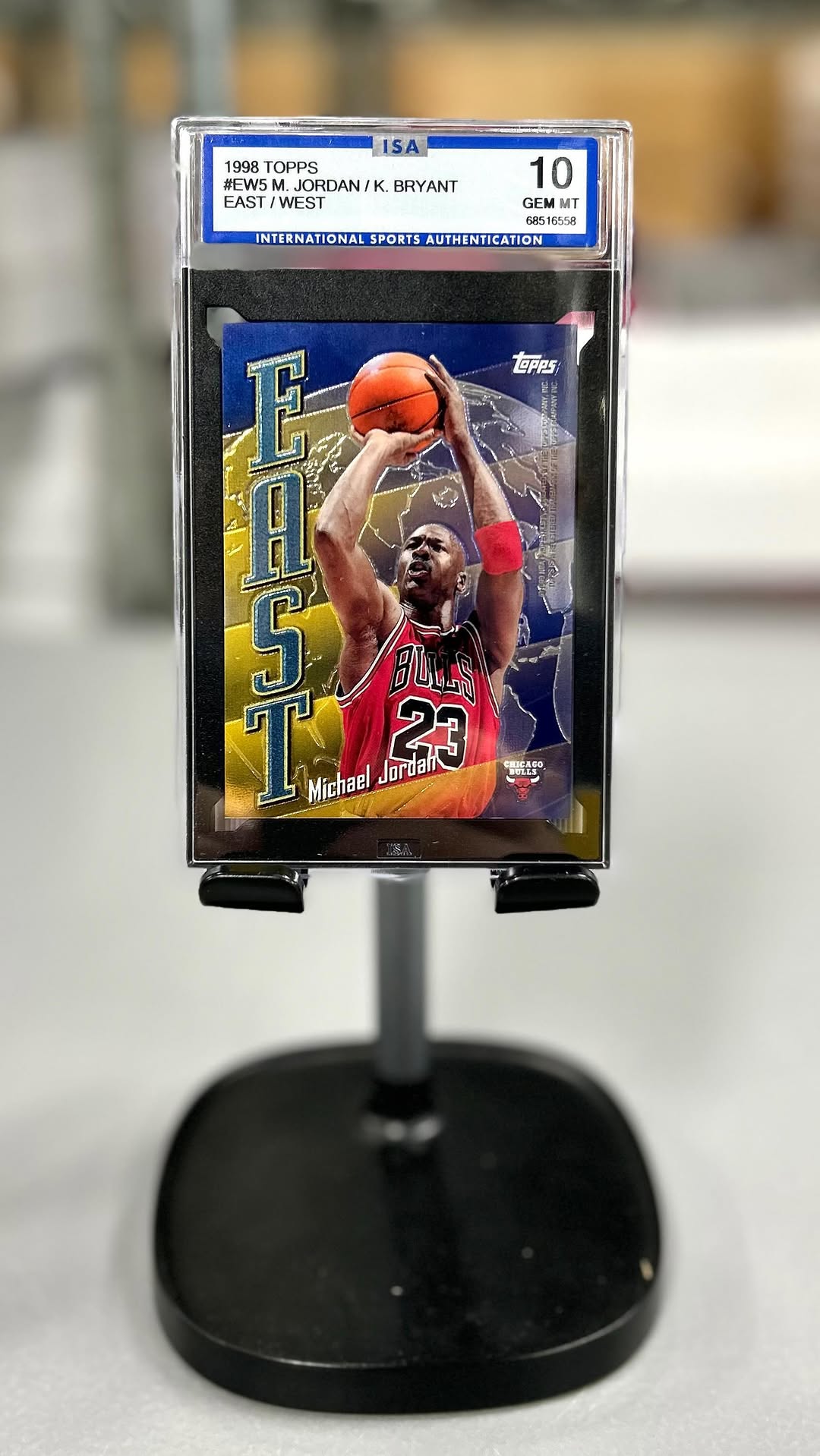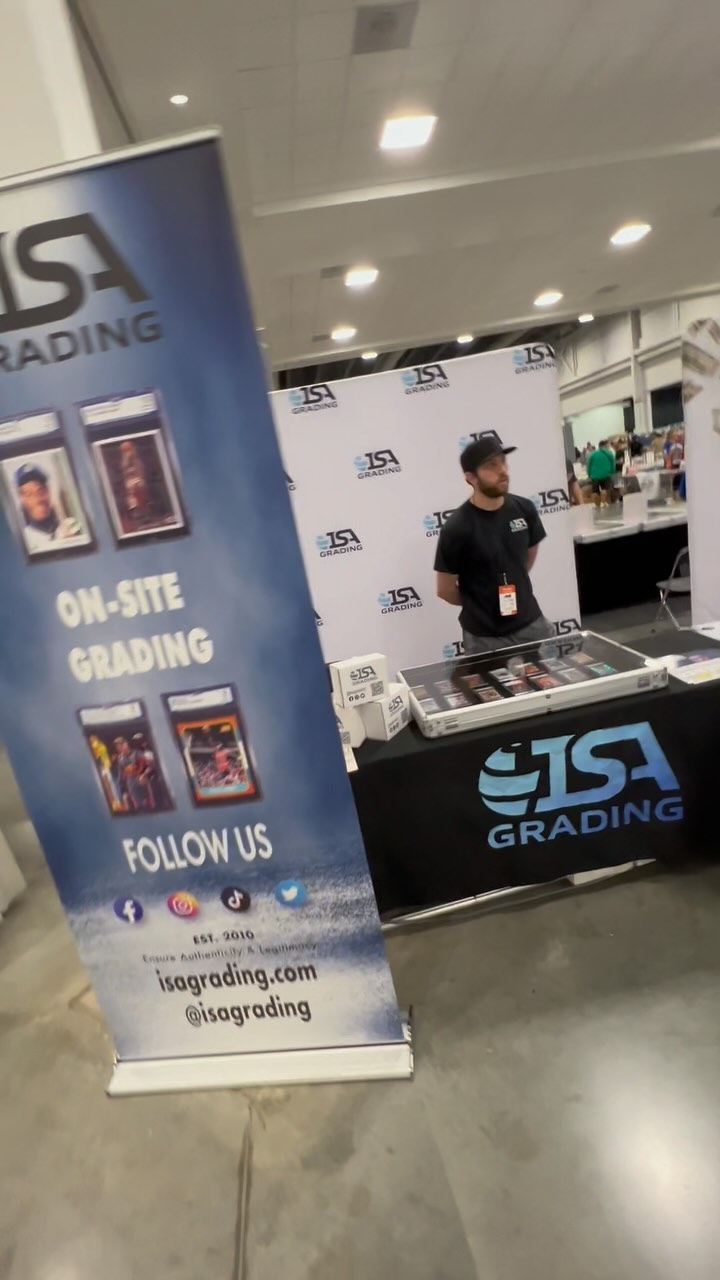
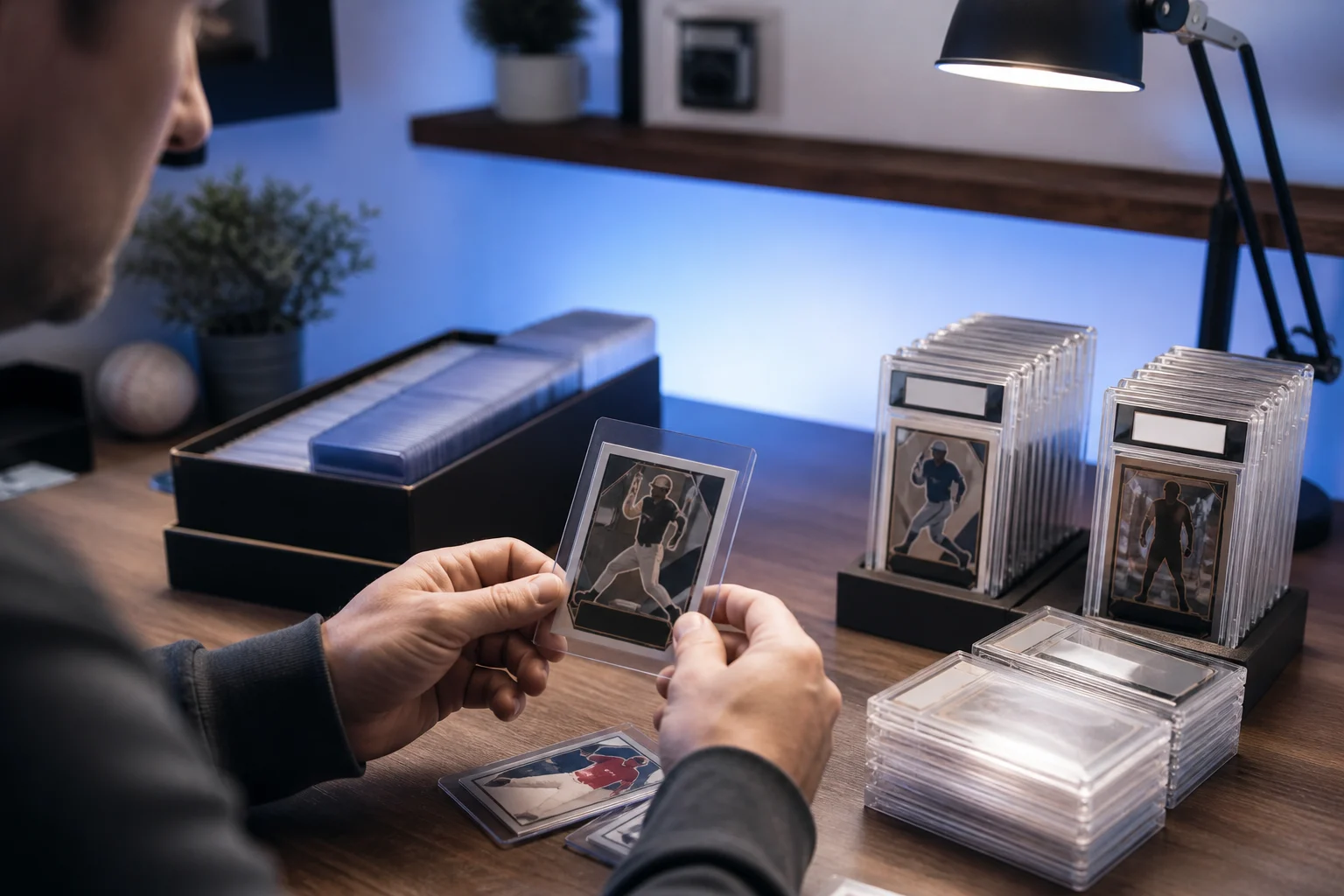
Grading can add structure, protection, and market context to a sports card collection, but unpredictable costs can make a submission difficult to plan. No upcharge card grading gives collectors and dealers a clearer view of what they will spend before sending cards away.
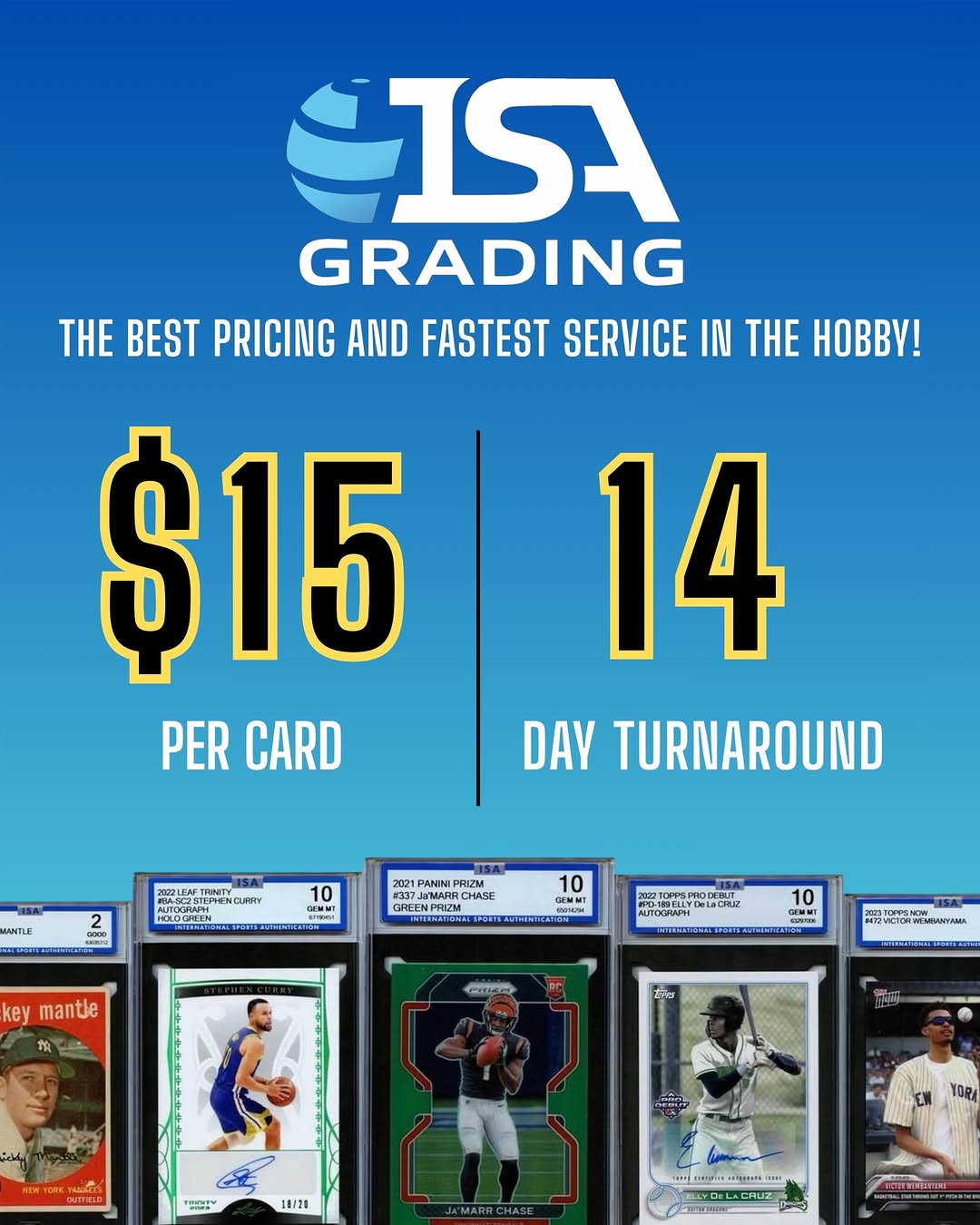
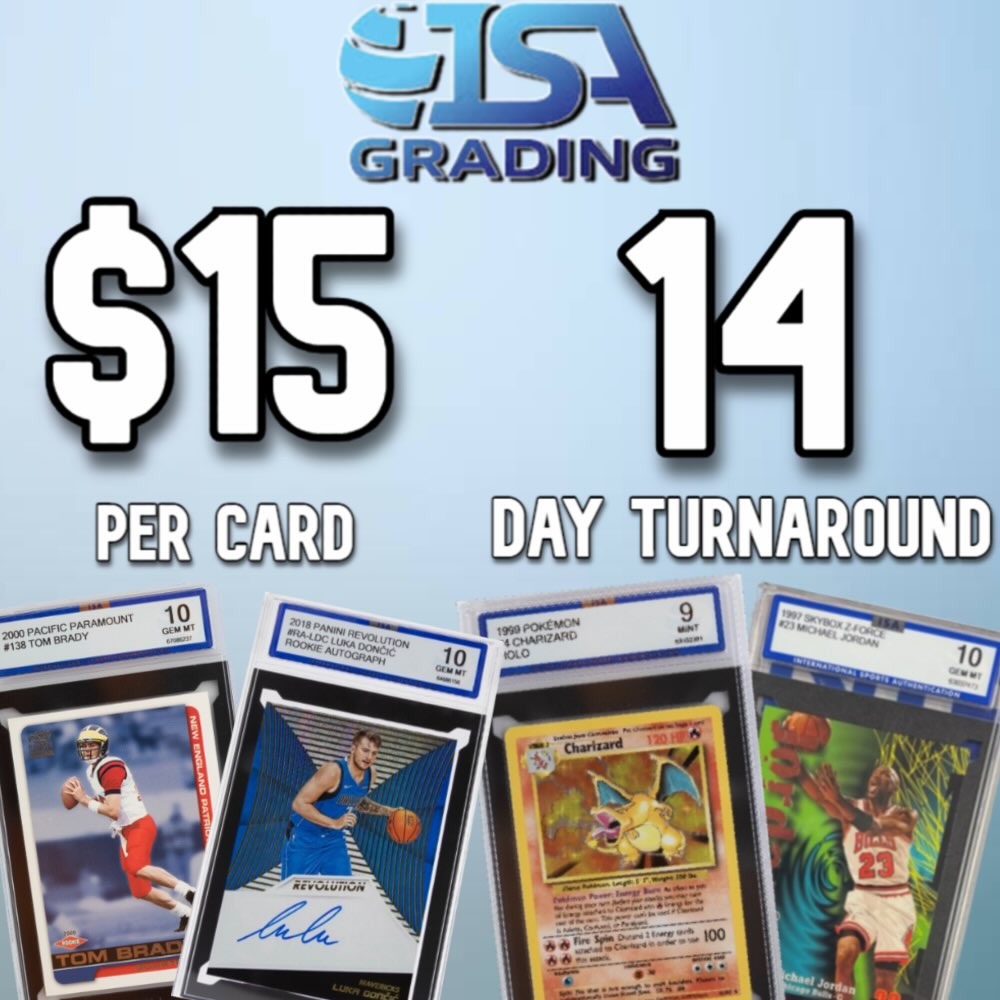
ISA Grading, also known as International Sports Authentication, currently offers sports card grading and authentication for $15 per card, with a 14 day turnaround and a 10 card submission minimum. ISA does not add upcharges, allowing submitters to build an order around a straightforward grading price.
What no upcharges means for card grading
An upcharge is an additional grading fee that may be applied under certain pricing models after a card has been submitted. For a collector working with limited funds or a dealer processing inventory, the possibility of a later fee can complicate the decision to grade.
ISA's no upcharge policy means the current $15 per card grading service does not become more expensive simply because an accepted card receives a strong grade or is considered more valuable. Submitters should still review the current service information on the ISA card submission page before placing an order, including the 10 card minimum and submission instructions.
No upcharges should not be confused with a guaranteed grade, guaranteed selling price, or guaranteed increase in value. Every card is evaluated according to its physical condition and the applicable grading standards. The benefit is pricing clarity, not a promise about the result.
Why predictable grading costs matter
A clear per card rate lets collectors calculate the core grading cost before committing to a submission. At the current service rate, a qualifying 10 card order has a grading cost of $150. This makes it easier to compare the grading expense with the condition, importance, and likely purpose of each card.
Predictable pricing is especially useful when a submission contains a mix of modern stars, rookie cards, vintage issues, and lower value cards. A collector does not have to know the exact future market price of every card to estimate the grading charge. That can be helpful during rookie card grading, when recent performance and collector demand may cause prices to change quickly.
Dealers and hobby sellers also benefit from knowing their grading cost per item. They can calculate inventory expenses, set realistic asking prices, and decide which cards should be sold raw rather than graded. For a deeper budgeting discussion, read how no upcharge grading supports collector budgeting.
Turnaround time is part of the cost calculation
Price is only one part of a card grading service. The time a card remains unavailable can affect collection planning, show inventory, and online listings. ISA currently offers a 14 day card grading turnaround, which gives submitters a defined service timeframe for planning purposes.
A dealer preparing for an upcoming show may need graded inventory back in time to label, photograph, and price it. An online seller may want to schedule listings around a product release, a player milestone, or the beginning of a sports season. Collectors may simply prefer not to have important cards away from their possession for an open ended period.
Before submitting, confirm the current service details and allow additional time for shipping to and from ISA. A grading turnaround describes the active grading service, while carrier transit is a separate part of the overall timeline. The article about why turnaround time matters in sports card grading offers more planning considerations.
Choosing cards for a 10 card submission
Because the current submission minimum is 10 cards, it helps to review a larger group and select the strongest candidates. The most expensive raw card is not automatically the best grading candidate. Condition, authenticity, personal importance, set goals, and intended use should all influence the choice.
Inspect the main condition areas
- Card corners: Look for whitening, soft tips, bends, and compression. Check all four corners on the front and back under good lighting.
- Card edges: Examine the border for chipping, rough cuts, peeling, dents, and visible wear. Dark colored designs can make edge wear easier to see.
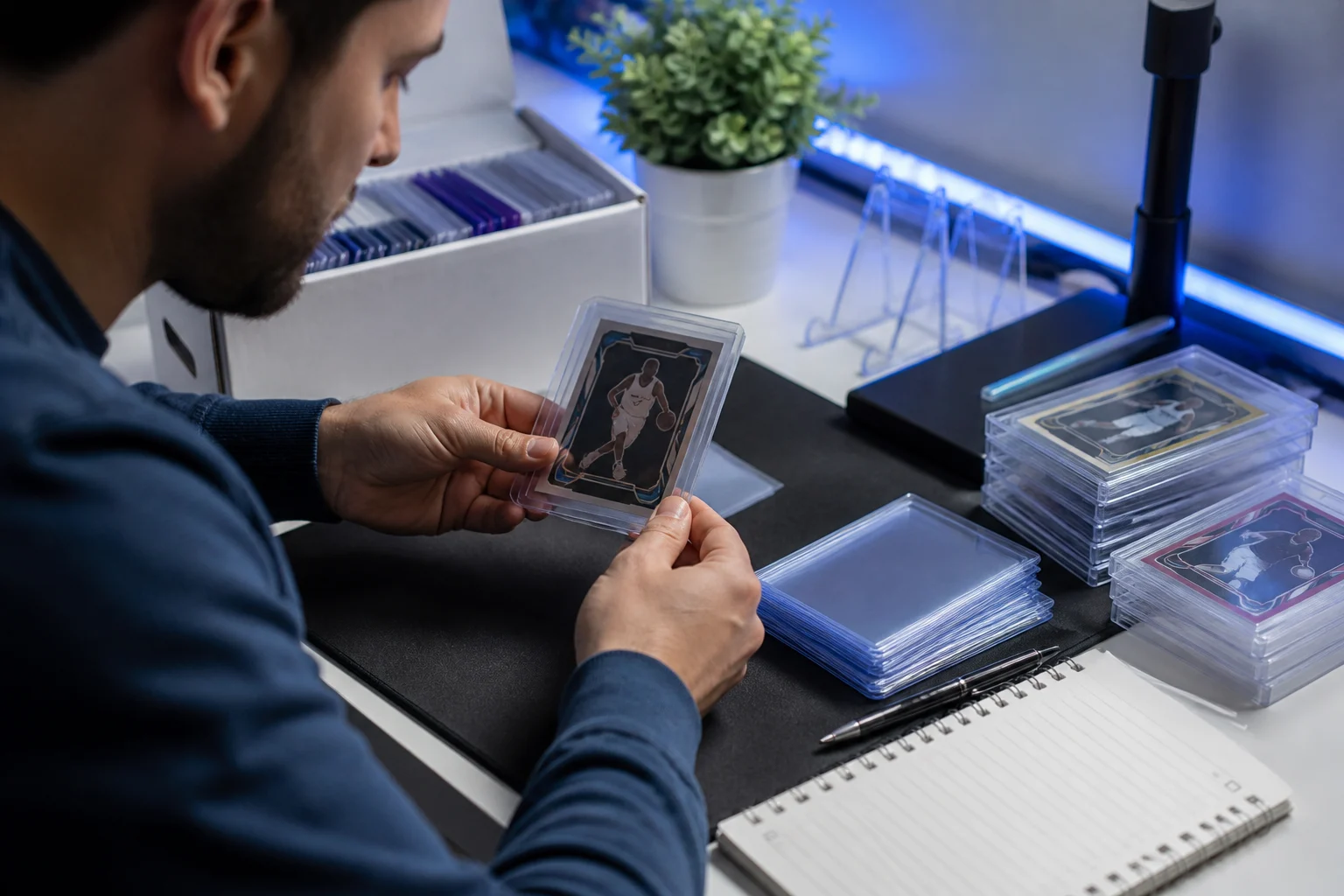
- Card surface: Tilt the card under a diffused light to look for scratches, print lines, dimples, stains, creases, and loss of gloss. Avoid touching the surface.
- Centering: Compare the visible borders and design placement from side to side and top to bottom. Review the back as well as the front.
These checks apply across baseball card grading, football card grading, and basketball card grading. Vintage card grading may require additional judgment because older production methods and decades of storage can create condition patterns that differ from modern cards.
Collectors considering TCG card grading or other types of trading card grading should confirm current card eligibility with ISA before including those items. Questions about an unusual issue, size, or release can be directed to the company before shipment.
Build a balanced submission
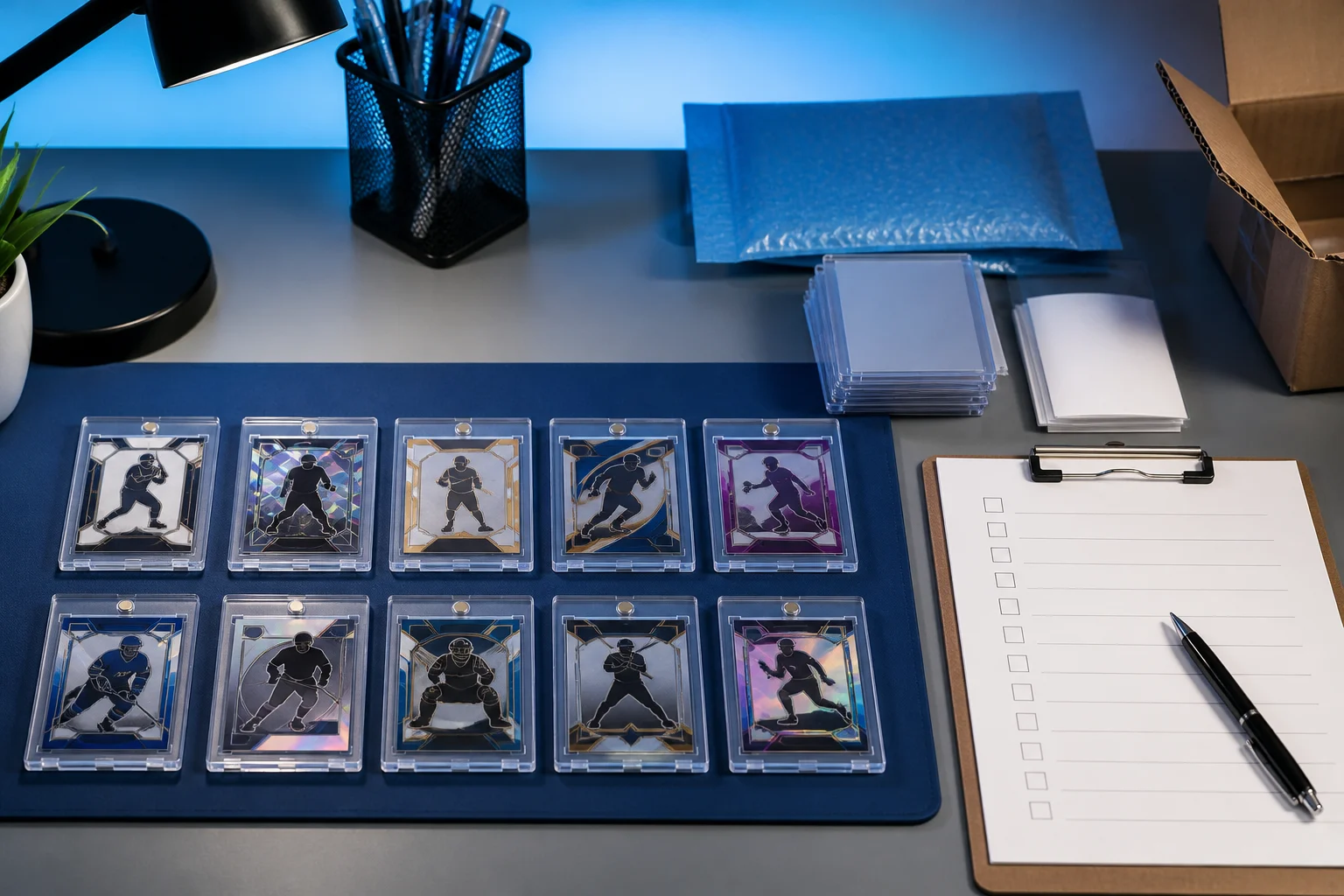
A practical 10 card group might include cards intended for a personal collection, cards being prepared for sale, and cards that need sports card authentication. A balanced order reduces the temptation to add a weak candidate simply to reach the minimum.
Start with more than 10 possibilities, inspect each one, and rank the cards. Remove examples with obvious creases, alterations, heavy surface damage, or other issues that conflict with your collecting or resale goals. For a step by step checklist, see how to prepare a 10 card submission for ISA Grading.
Card protection before and after grading
Careful handling before submission helps prevent avoidable damage. Work on a clean, dry surface and keep food, drinks, adhesives, and sharp objects away from the cards. Hold cards by their edges whenever possible. Do not attempt aggressive cleaning, trimming, recoloring, pressing, or other alterations.
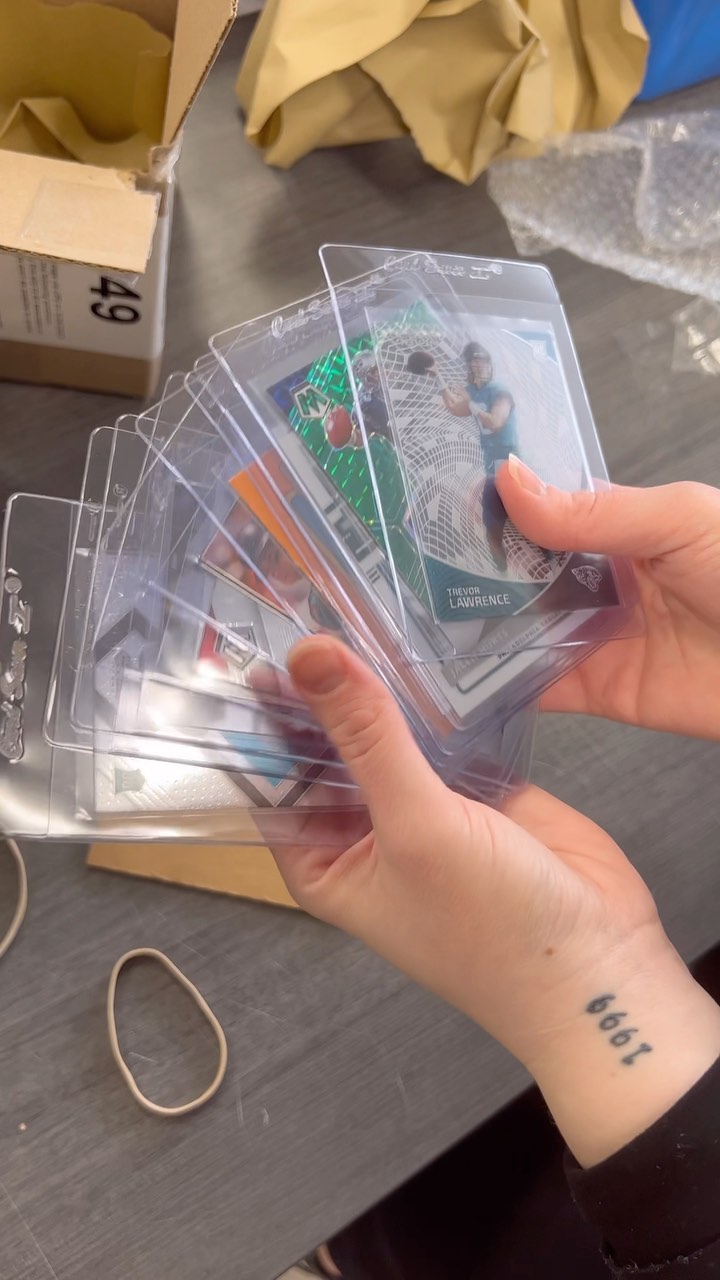
Use appropriate card protection and follow ISA's current packing and submission directions. A protective holder can reduce movement and contact during handling, but no shipping method can eliminate every risk. Package the full order securely and use a shipping option that fits the value and importance of the contents.
After grading, trading card slabs provide a consistent presentation and a protective barrier against routine handling. Slabs are still physical objects, so they should be stored away from excessive heat, direct sunlight, moisture, and impact. Avoid stacking them where they can fall or placing heavy objects on top of them.
How the grading scale supports informed decisions
Understanding how condition is evaluated can improve both card selection and buyer communication. Before submitting, review the ISA grading scale to become familiar with the available grades and condition descriptions.
A grade summarizes an expert evaluation, but collectors should still look at the specific card inside the holder. Two cards with the same numeric grade can have different visual characteristics. One buyer may care deeply about centering, while another may prioritize a clean card surface or sharp card corners.
The grading scale can also help sellers avoid vague descriptions. Instead of relying only on terms such as mint looking or very clean, a seller can identify the assigned grade and provide clear images of the slab, label, card front, and card back.
Certificate verification and buyer confidence
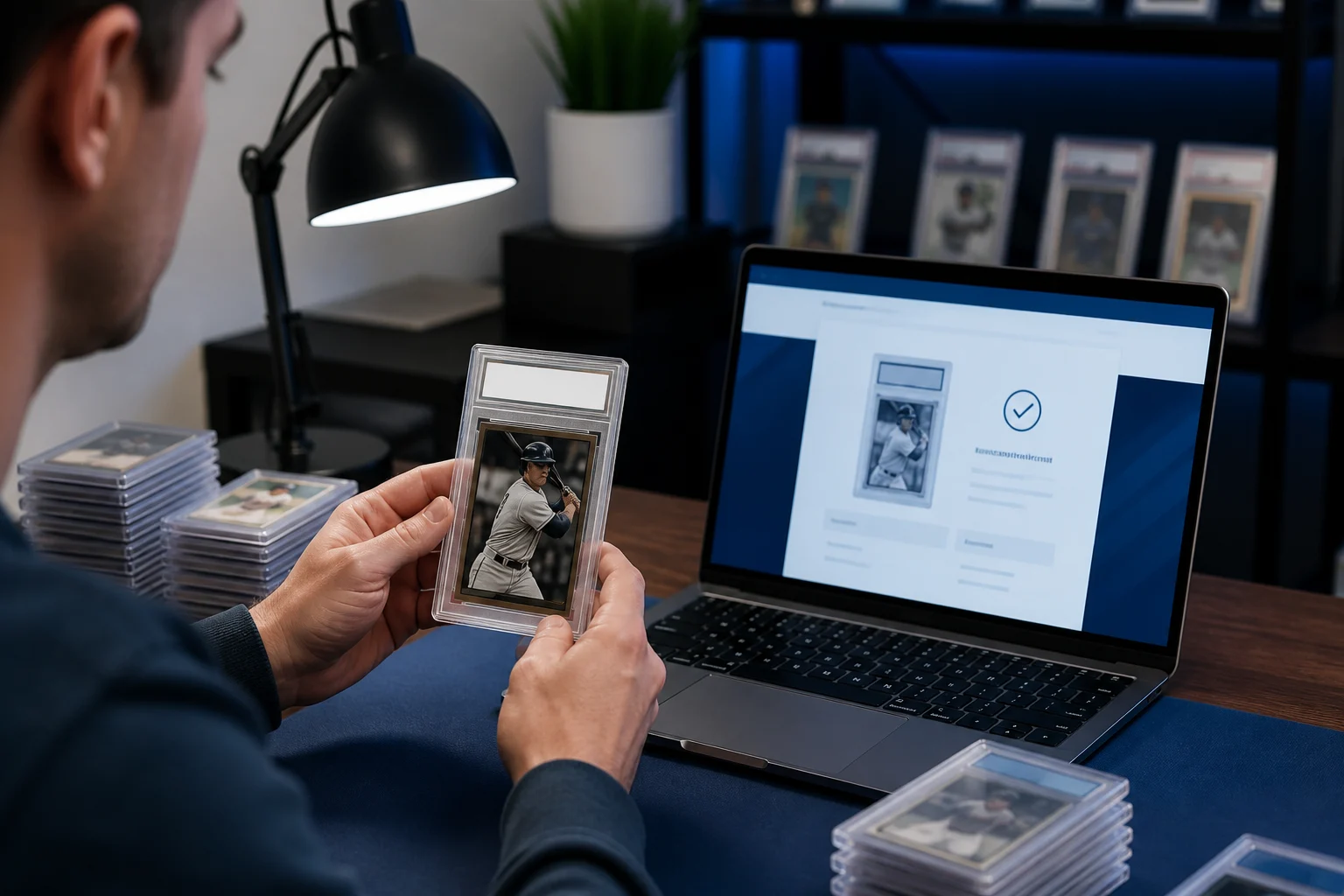
Each graded card should be presented with enough information for a prospective buyer to review it. ISA provides online certificate verification, allowing collectors and buyers to enter the certification information shown on the label and check the corresponding record.
Certificate verification is useful during private transactions, online purchases, and card show negotiations. It gives the buyer an additional step for checking a graded card before completing a purchase. Sellers can support this process by posting readable label photographs and accurately entering the certification number in a listing.
Verification does not replace careful buying practices. Buyers should compare the physical holder and label with the available record, inspect listing images, review the seller's terms, and ask questions when details are unclear. A verified certificate can strengthen buyer confidence, but it should be one part of a complete evaluation.
Selling cards graded without upcharges
For sellers, no upcharges can make per card accounting more consistent. If the grading fee is known before submission, it is easier to calculate the amount invested in each item and establish a price that reflects the card, assigned grade, grading expense, and current market conditions.
Accurate listings matter more than promotional language. Include the player, year, manufacturer, set, card number, parallel or variation when applicable, assigned grade, and certification number. Use original photographs rather than generic images. Show the entire slab and provide close views if the holder or card has a feature buyers may want to inspect.
Market value can change, and grading does not guarantee a profit. Review recent sales of the same card in the same grade when available. If exact comparisons are limited, use closely related cards carefully and explain any meaningful differences. Collectors planning show or online inventory can find more ideas in the guide to selling ISA graded cards at shows and online.
Comparing grading services on more than price
A search for card grading near me may produce local options, mail in services, and businesses with different pricing structures. Location can matter, but it should not be the only factor in the decision.
Compare the stated grading charge, minimum order size, current turnaround, submission process, grading scale, holder presentation, authentication practices, and certificate tools. Also consider how the service fits the cards you collect and the buyers you typically serve.
ISA's current offer is specific and easy to calculate: $15 per card, a 14 day turnaround, a 10 card minimum, and no upcharges. Those terms can be particularly useful for collectors who want a defined grading budget and dealers who need consistent inventory costs.
A practical plan for your next submission
- Gather at least 15 possible cards so you have room to remove weaker candidates.
- Inspect card corners, card edges, centering, and the card surface under suitable light.
- Confirm that each card fits your collecting, authentication, or selling goals.
- Review ISA's grading scale and current submission requirements.
- Calculate the grading cost using the current $15 per card rate and account for shipping separately.
- Document the cards before packing them and retain your shipment information.
- When the graded cards return, review the labels and use certificate verification before listing cards for sale.
No upcharge card grading removes one source of uncertainty from the process. Combined with ISA's current 14 day turnaround and 10 card minimum, it gives collectors, dealers, and hobby sellers clear service terms they can use to build a thoughtful submission rather than guessing what grading may cost later.
Submit Cards to ISA Grading
Collectors ready to use ISA Grading can start on the submission page. The current active service is $15 per card with a 14 day turnaround, no upcharges, and a 10 card minimum.
Frequently Asked Questions
What does no upcharge card grading mean at ISA Grading?
ISA Grading does not increase the grading fee because an accepted card receives a high grade or is considered more valuable. The current active service is $15 per card, subject to the current submission terms.
What is ISA Grading's current turnaround time?
ISA Grading currently lists a 14 day turnaround. Collectors should also allow time for shipping to and from ISA and review the submission page for current service details.
How many cards are required for an ISA submission?
The current submission minimum is 10 cards. Preparing more than 10 candidates before inspection can help you choose the strongest cards for the final order.
Does no upcharge grading guarantee that a card will increase in value?
No. A no upcharge policy provides pricing clarity, but it does not guarantee a particular grade, selling price, or increase in market value.
Can buyers verify an ISA graded card online?
Yes. Certificate verification is available on the ISA Grading website. Buyers and sellers can use the certification information on the slab label to check the corresponding record.