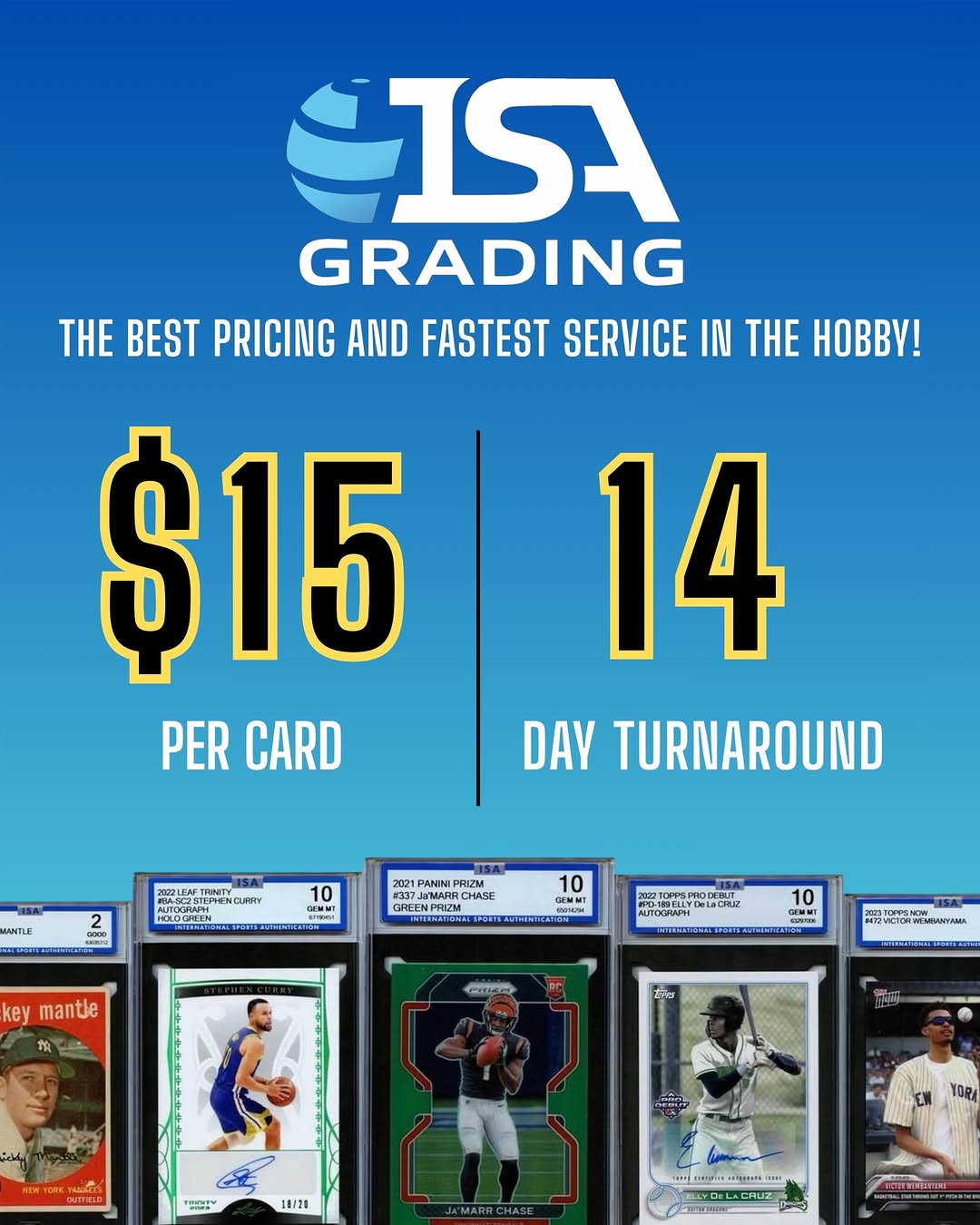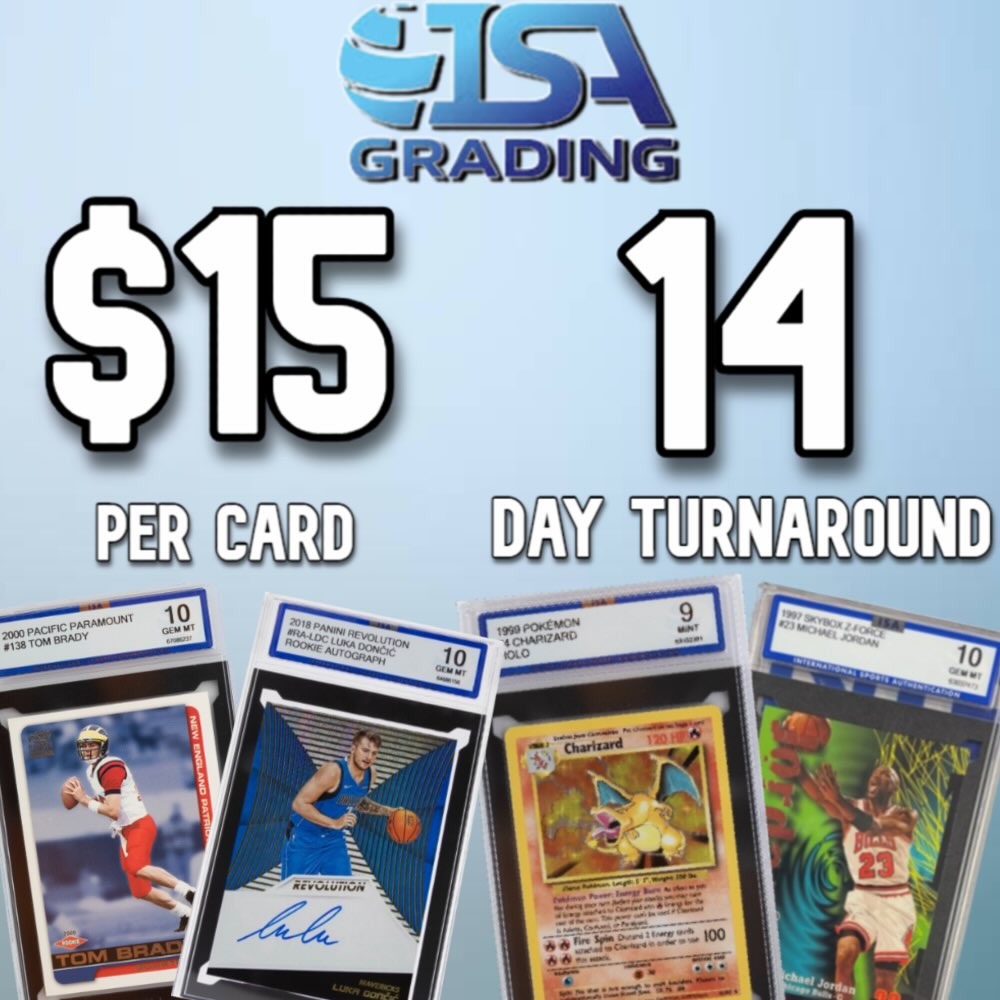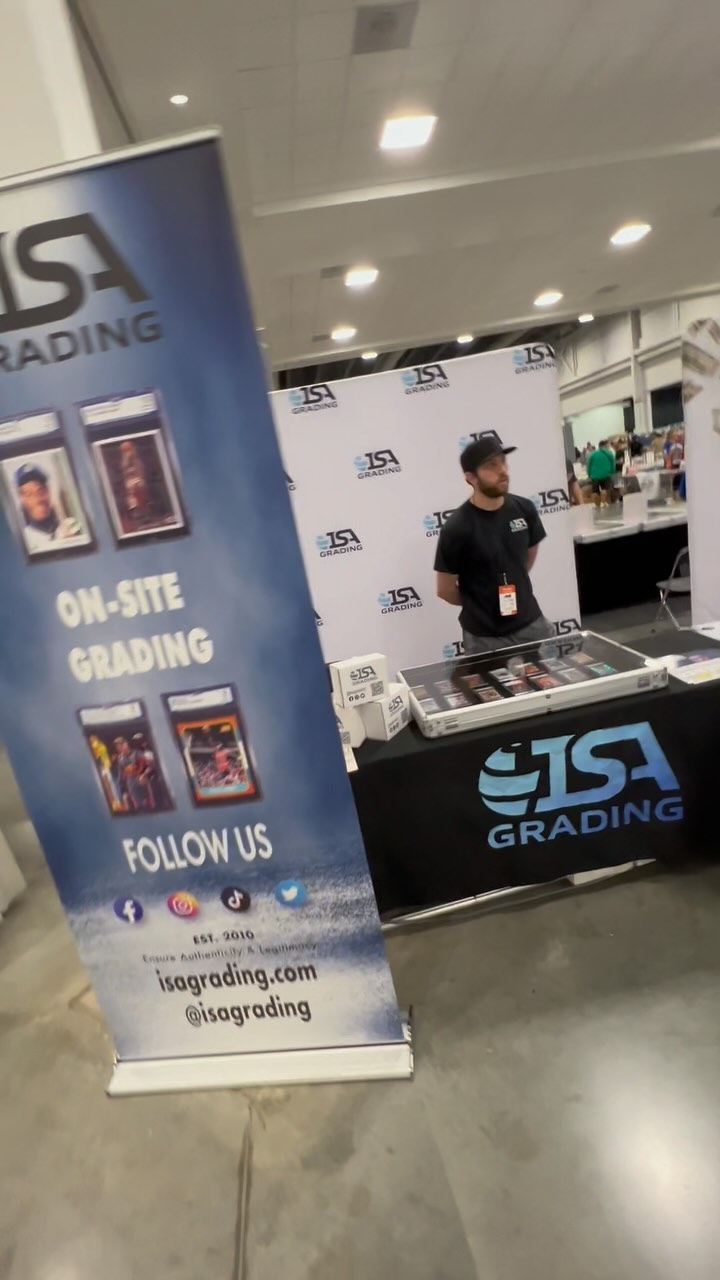
Grading costs are easier to manage when the price is known before a submission leaves your hands. ISA Grading currently offers sports card grading and authentication for a flat $15 per card, with no upcharges, a 14 day turnaround, and a 10 card minimum. For collectors, dealers, and hobby sellers, that structure turns grading from a moving target into a cost that can be calculated in advance.
Clear pricing does not decide which cards deserve grading, but it makes the decision more practical. You can evaluate condition, likely demand, preparation expenses, shipping, and possible resale value without wondering whether the grading fee will change after the cards arrive.
Why flat pricing matters to a grading budget
A grading budget includes more than the service fee. Collectors may also need card sleeves, semi rigid holders, packing materials, postage, insurance, and return shipping. Those costs vary by submission, but a flat grading charge provides a reliable starting point.
With ISA's current $15 card grading service and 10 card minimum, the grading fees for the smallest qualifying submission total $150 before shipping and other possible submission expenses. A 20 card order has $300 in grading fees. A 50 card order has $750 in grading fees. The calculation remains straightforward because ISA states that there are no upcharges.
This can be particularly useful for dealers working with inventory, sellers preparing for a card show, and collectors who set a monthly hobby budget. It also helps when several people combine cards in one submission. Each participant can calculate the grading portion of the order by multiplying the number of submitted cards by $15.
Collectors who want more detail about the pricing model can read A Clearer Path to the Slab. Current service details should always be reviewed before sending cards.
No upcharges make card selection more predictable
Some collectors hesitate to submit valuable cards because they are unsure whether a higher declared value, a strong grade, or another service rule could increase the grading charge. ISA's current no upcharge policy removes that particular variable. The listed service fee remains $15 per card.
That does not mean every card is automatically a good grading candidate. A collector still needs to compare the card's raw value, condition, collector demand, and likely selling costs. The benefit is that the grading fee can be included in that analysis with confidence.
For example, suppose a hobby seller has ten modern basketball cards. At $15 each, the grading portion is $150. The seller can then add estimated shipping and supply costs and compare the total against realistic market prices for similar raw and graded examples. The same process works for baseball card grading, football card grading, rookie card grading, and Pokemon card grading.
Use a simple cost worksheet
Before submitting, list the following expenses for the entire order:
- Grading fees: Number of cards multiplied by $15.
- Preparation supplies: Soft sleeves, semi rigid holders, team bags, and packing materials.
- Outbound shipping: Postage, tracking, and any insurance selected by the sender.
- Return shipping: The applicable return delivery charge for the order.
- Selling costs: Marketplace fees, payment processing, postage, and packaging if the cards will be sold.
Dividing the full submission expense by the number of cards produces a more useful cost per card than looking at the grading fee alone. This calculation can prevent a seller from overestimating the potential margin on inexpensive cards.
How the 10 card minimum affects planning
ISA currently has a 10 card minimum. That requirement encourages batch planning rather than sending one card at a time. A focused batch can contain cards from one sport, cards intended for an upcoming show, or a mix of personal collection pieces and resale inventory.
If you have fewer than ten suitable cards, avoid filling the order with weak candidates simply to reach the minimum. Instead, continue evaluating your collection, purchase only cards that fit your normal collecting strategy, or coordinate a submission with a trusted friend. Keep ownership records clear if multiple collectors are involved.
A 10 card minimum can also make preparation more efficient. You can inspect all cards under the same lighting, organize them in submission order, and package them as a single group. When you are ready, the ISA submission page provides the current path for starting an order.
Turnaround time is part of the financial plan
ISA's current service includes a 14 day turnaround. A stated 14 day card grading turnaround can help collectors plan inventory, although shipping time should also be considered when estimating when cards will be back in hand.
Turnaround matters because cards sent for grading are temporarily unavailable for display, trade, or sale. A dealer may want inventory returned before a convention. A seller may be preparing cards for the start of a sports season. A collector may simply prefer not to have an important card away for an extended and uncertain period.
Fast card grading is most useful when it is paired with realistic scheduling. Build in time for delivery in both directions, order processing, and your own listing or display work after the cards return. If timing is important, avoid making a sale commitment until the graded card is physically back and its certification details can be checked.
Collectors comparing timelines may also find this practical article about grading backlogs and alternatives helpful.
Condition review protects the grading budget
Flat pricing tells you what grading will cost, but careful screening helps determine where that money is best spent. Card condition grading generally considers visible characteristics such as centering, corners, edges, and surface quality. Manufacturing defects, print issues, scratches, stains, creases, and handling damage may also affect how a card presents.
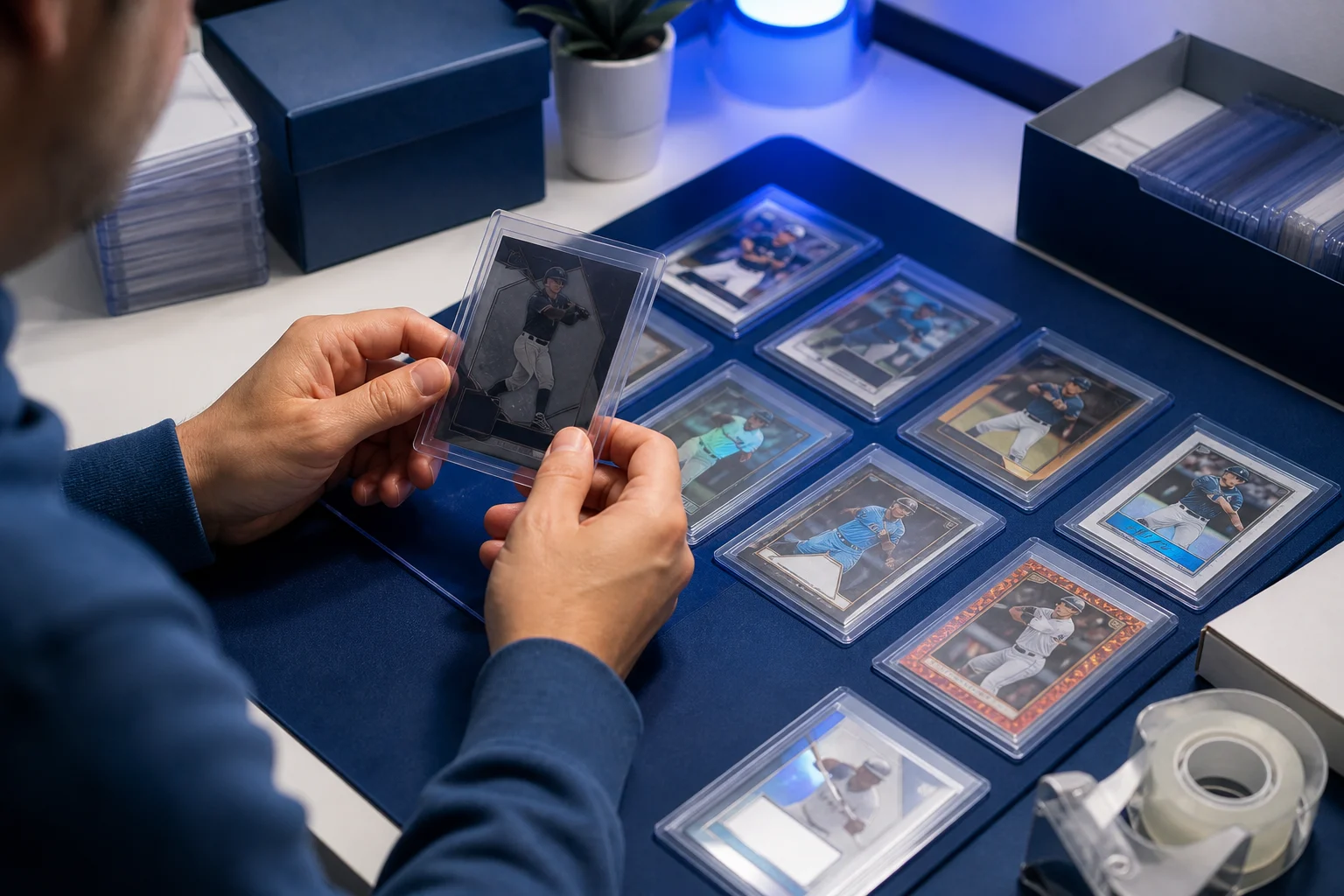
Review every card under bright, neutral lighting. Tilt the card carefully to reveal surface scratches or indentations. Look at all four card corners from the front and back. Examine the edges for chipping, especially on designs with dark borders. Compare border widths to evaluate centering without assuming that a card is perfectly centered.
ISA publishes its grading scale so submitters can understand the grade levels before preparing an order. A personal inspection is not a guarantee of the final grade, but it can help remove cards with obvious damage that does not fit the submission goal.
A practical preparation routine
- Work on a clean, dry surface with adequate lighting.
- Handle cards by the edges and avoid touching the front or back surfaces.
- Do not use household cleaners, chemicals, or abrasive materials on a card.
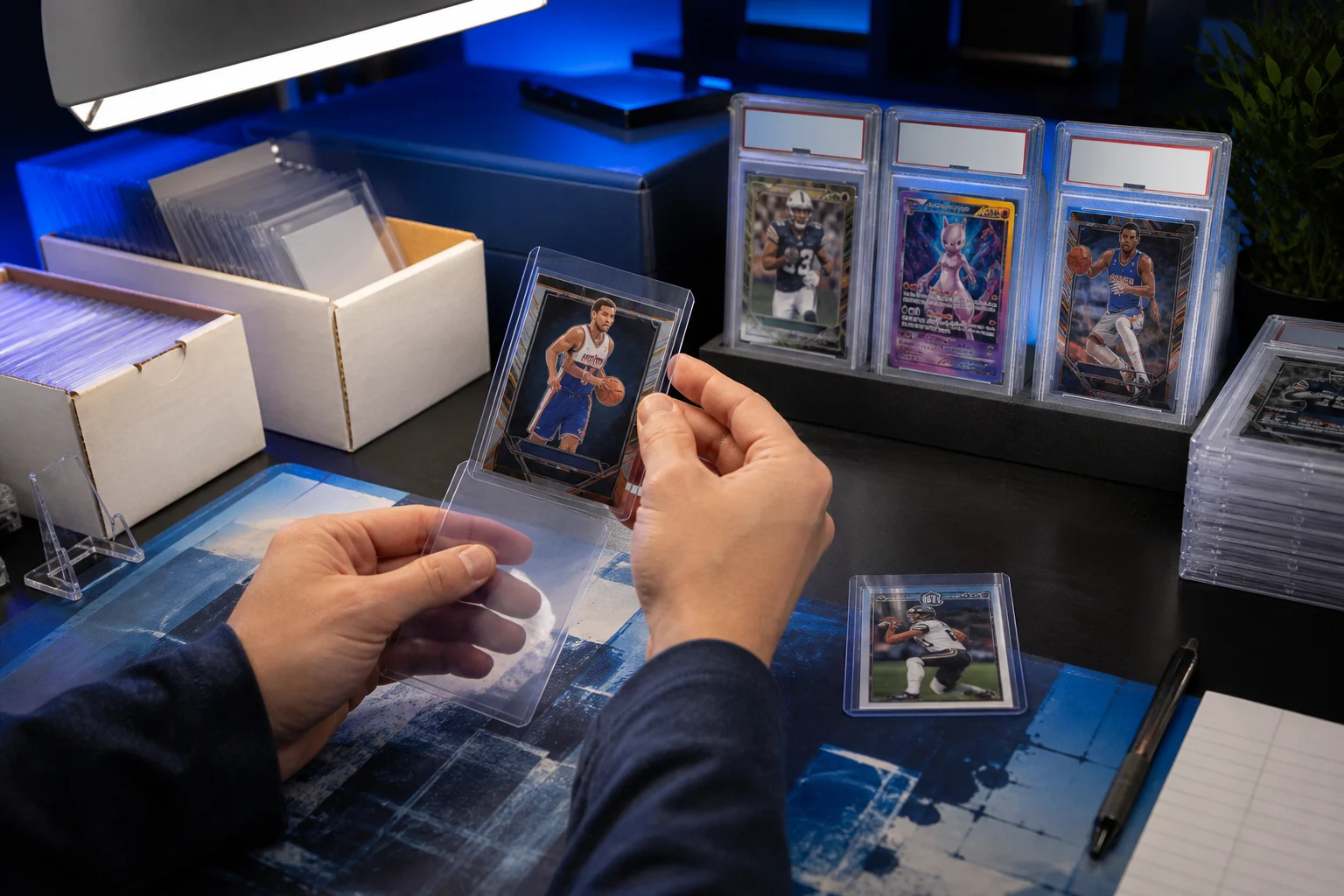
- Place each card in an appropriate soft sleeve and protective holder.
- Arrange cards in the same order used in the submission paperwork.
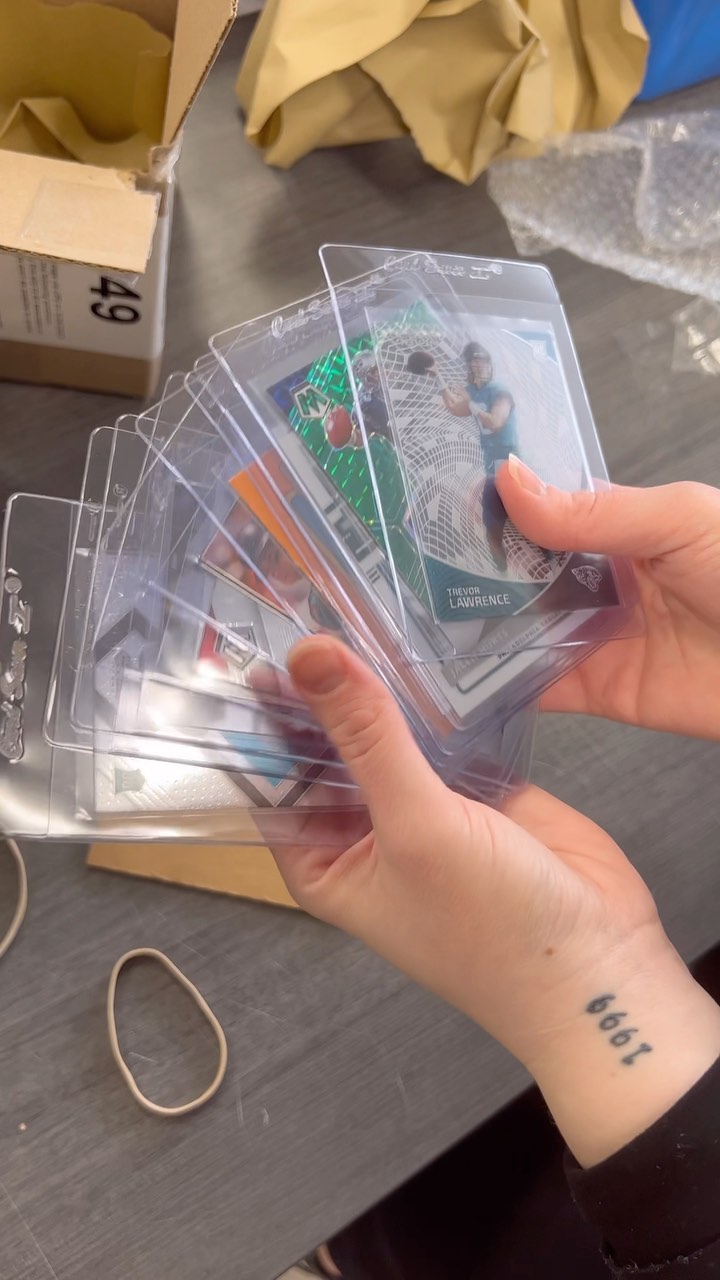
- Use sturdy packaging that limits movement during transit.
- Follow the current submission instructions rather than relying on an old checklist.
Good grading preparation is primarily about safe handling and accurate organization. It should not involve altering a card. Trimming, recoloring, pressing out damage, or making other undisclosed changes can create authentication concerns and may permanently harm the collectible.
Slabs provide protection, identification, and presentation
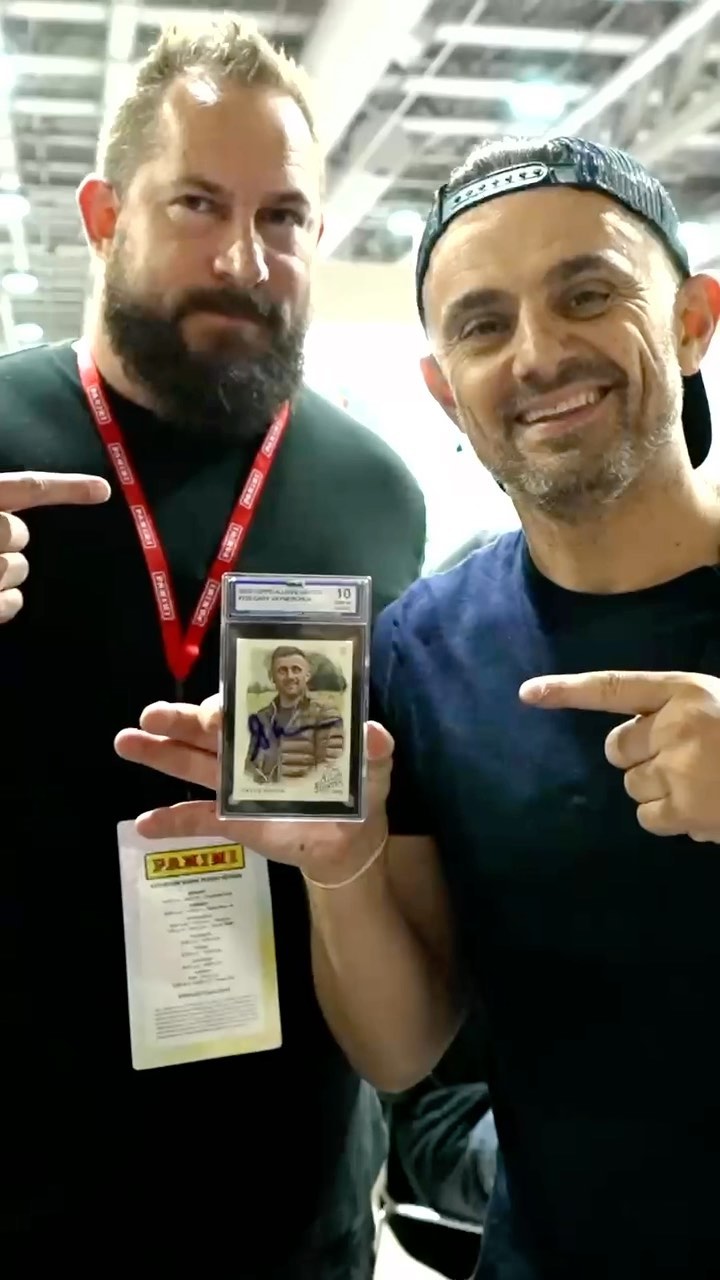
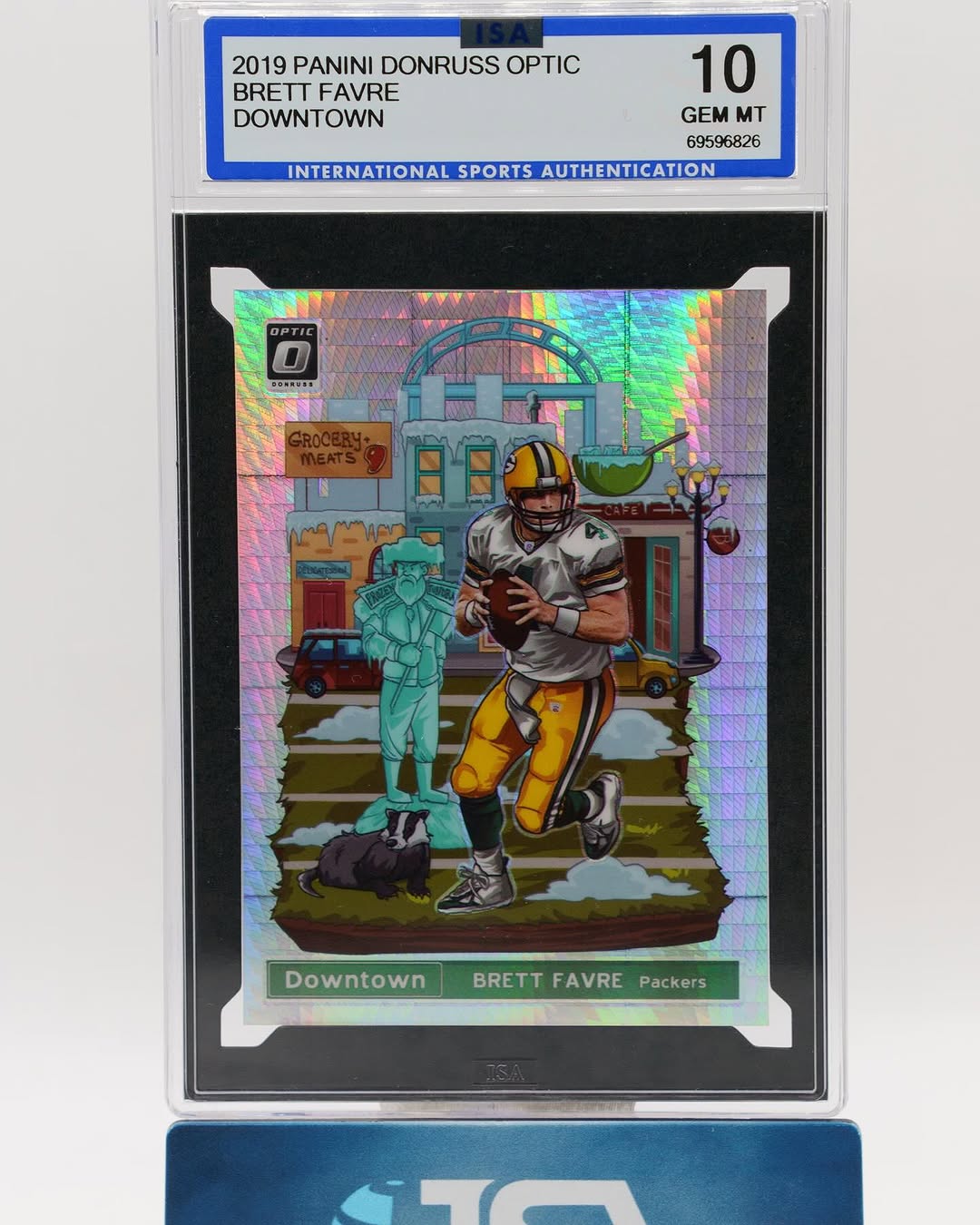
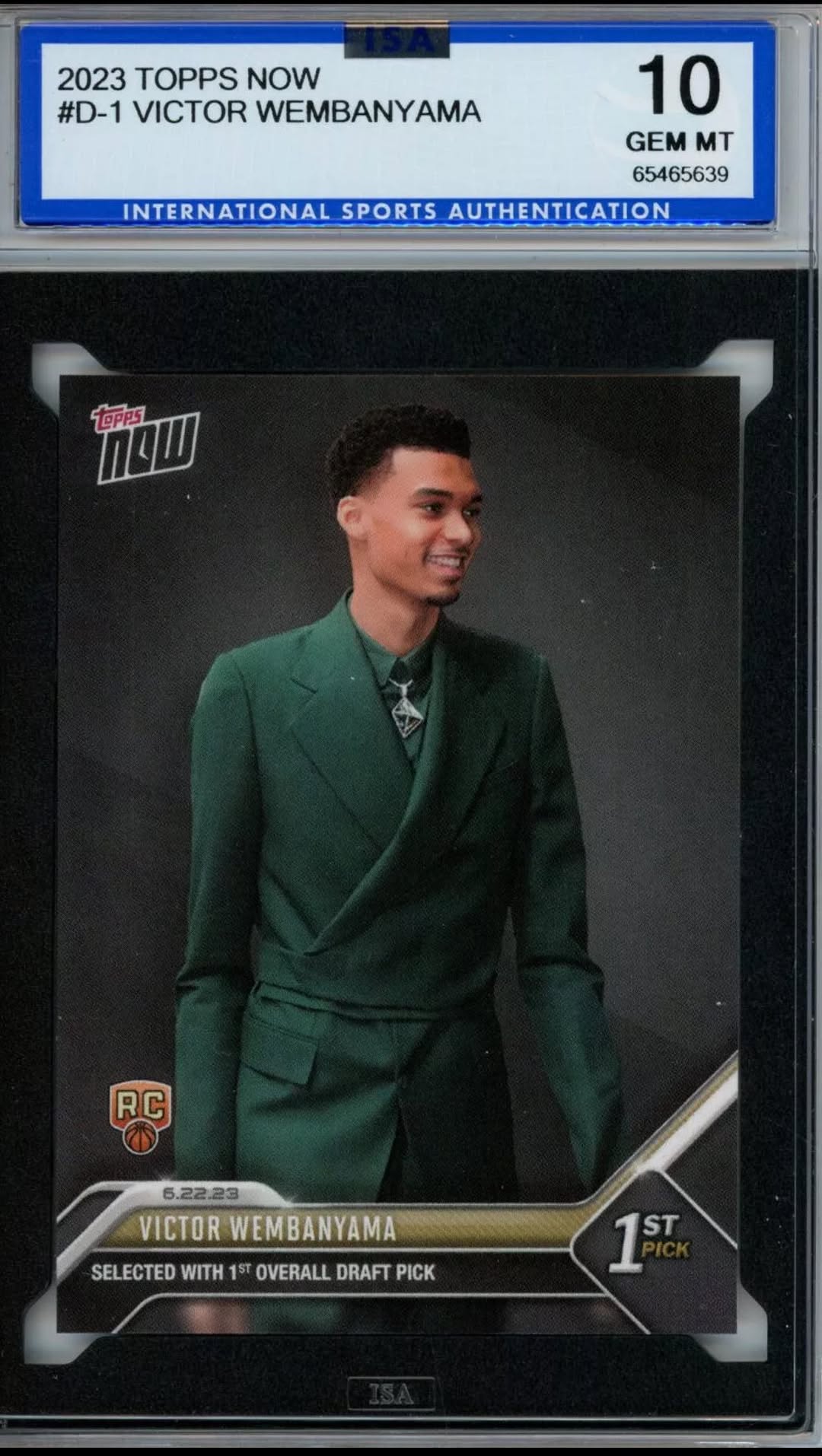
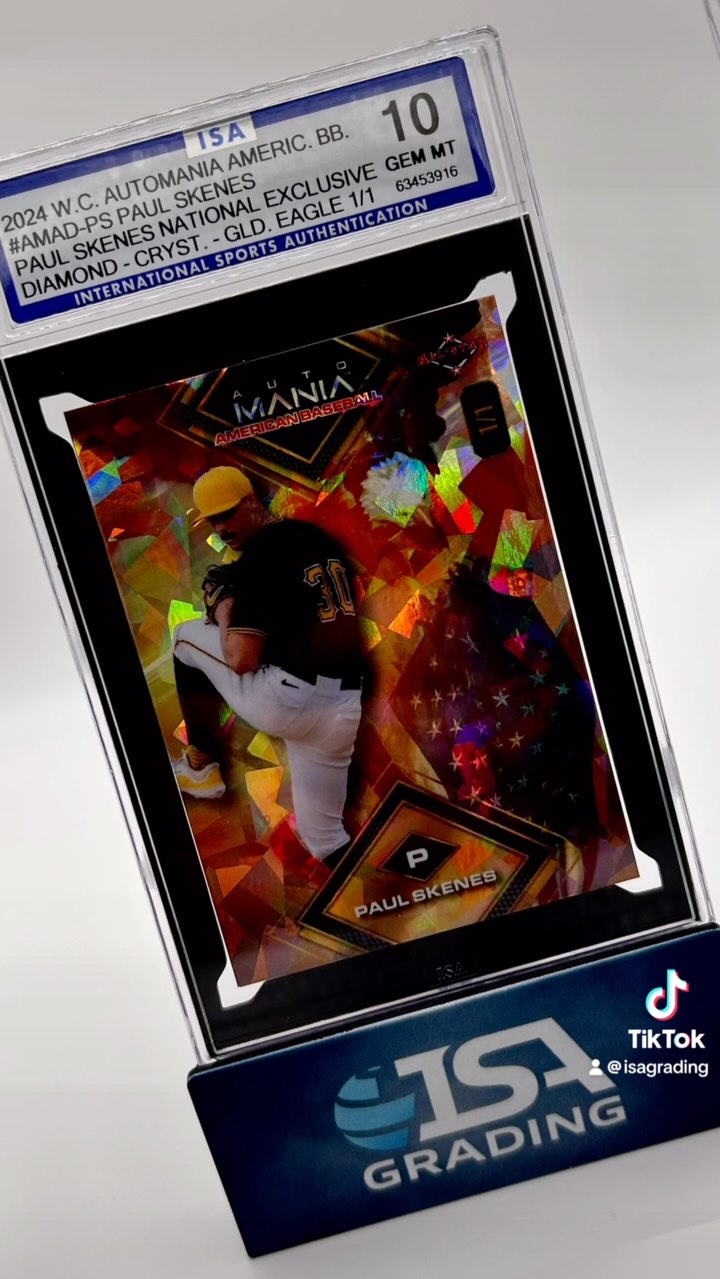
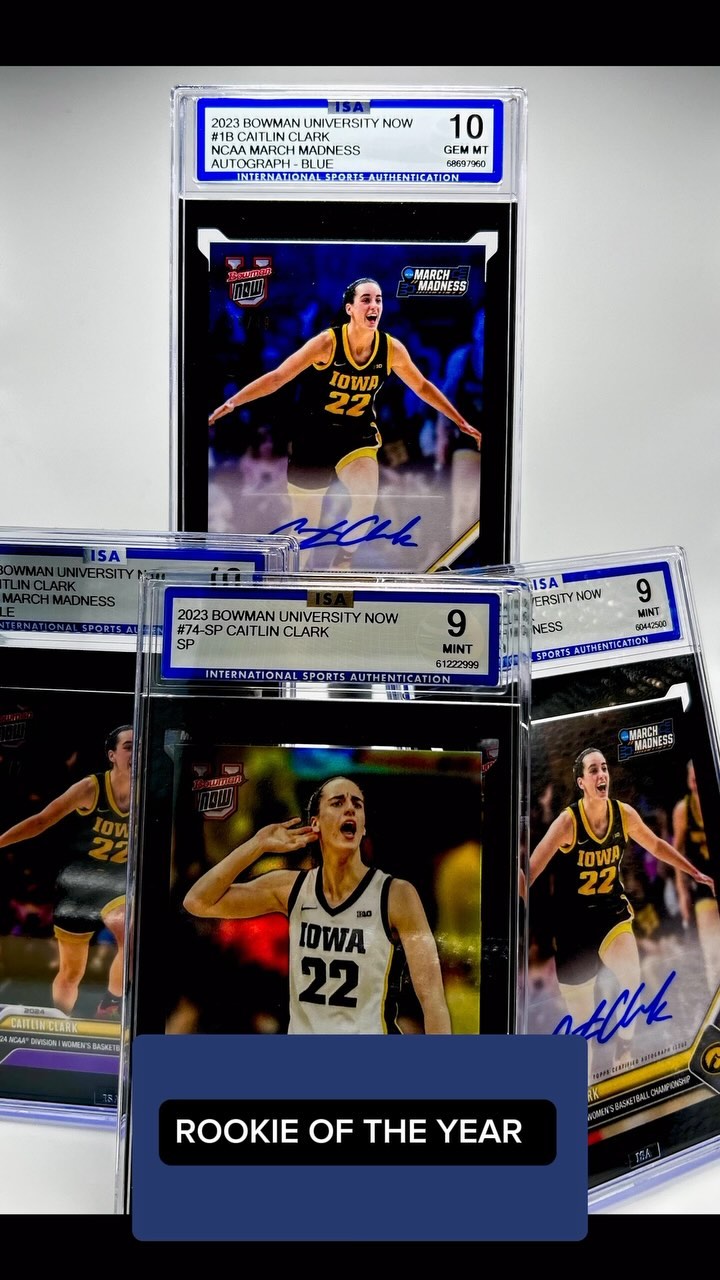
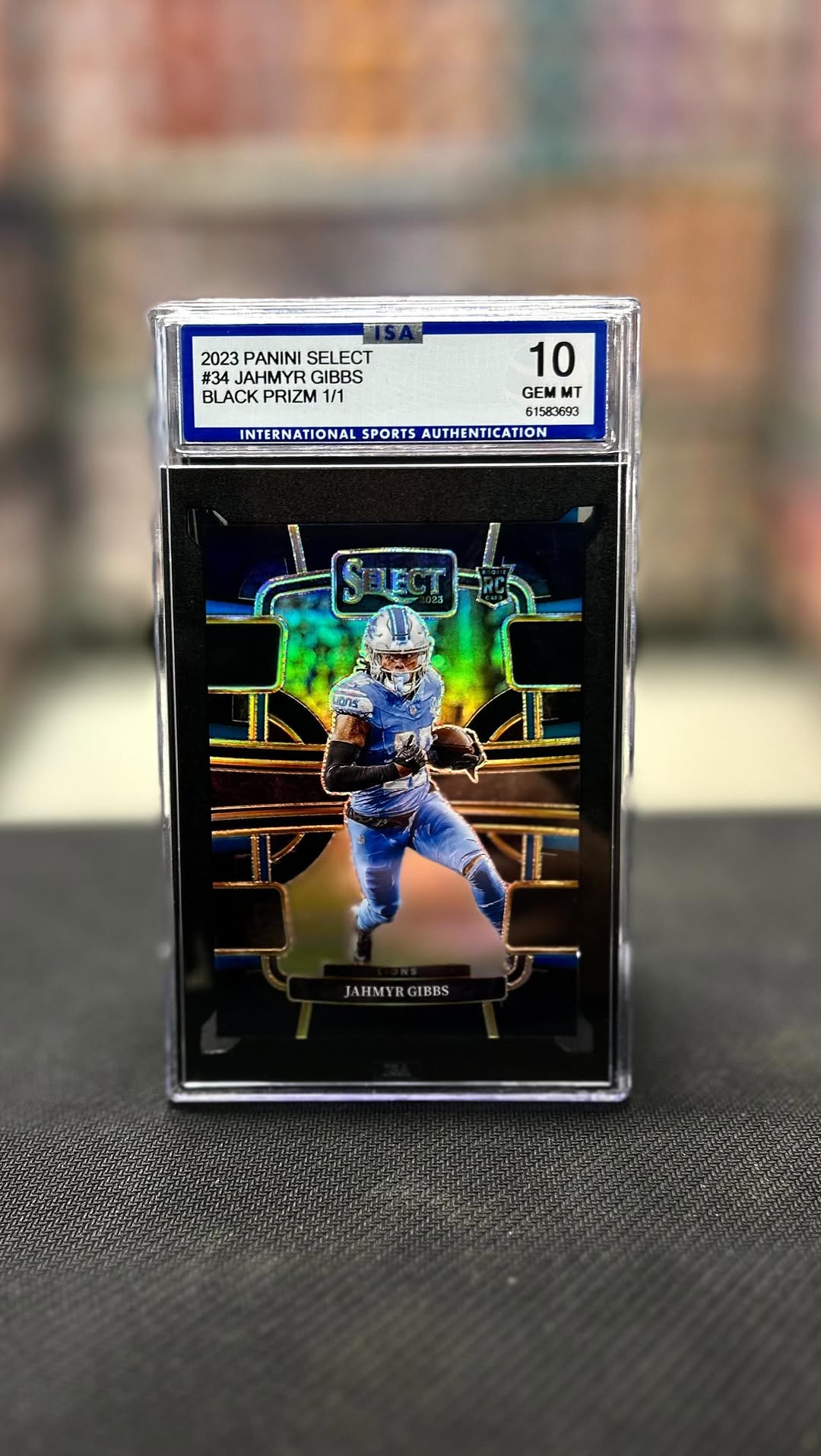
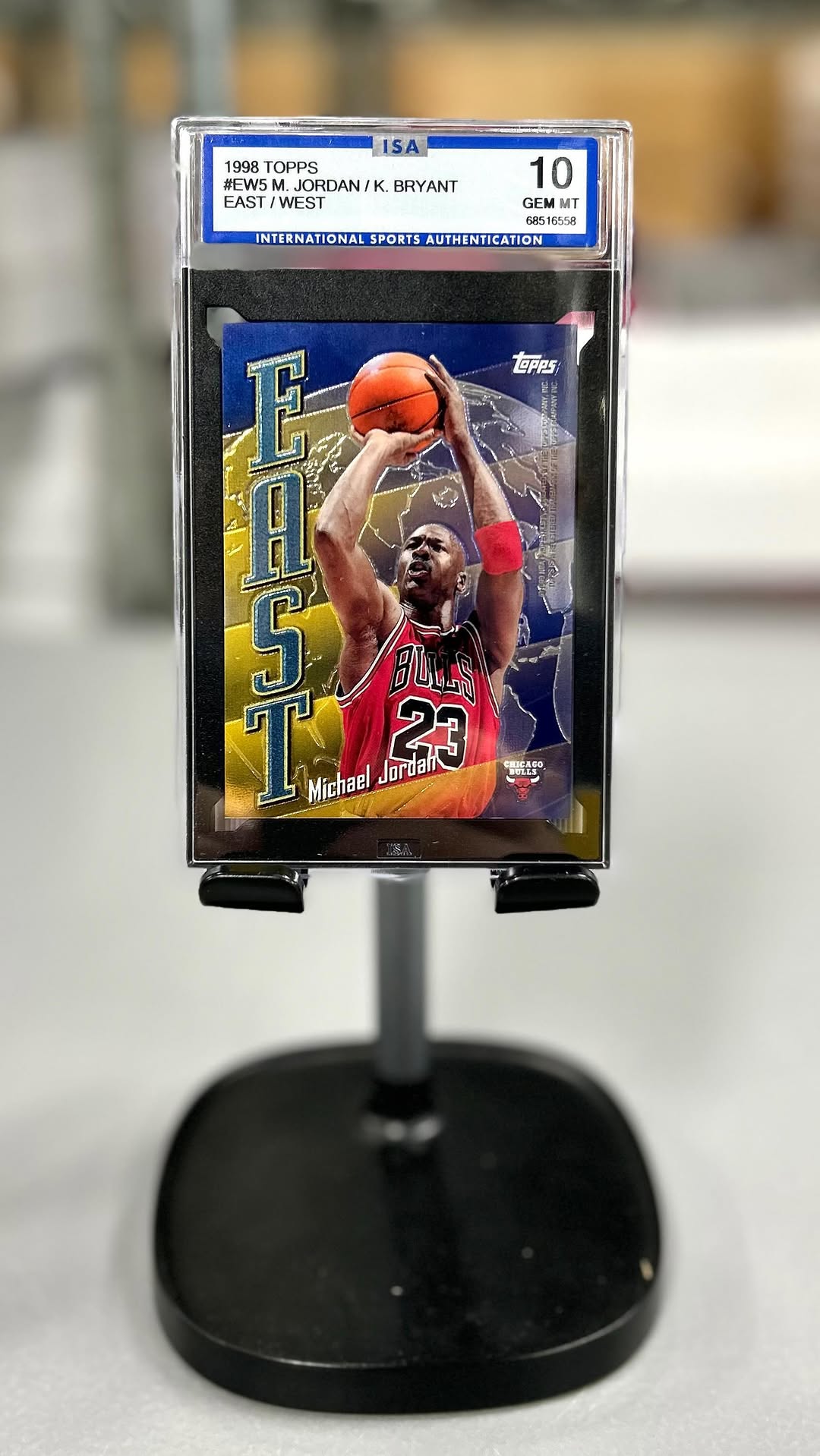
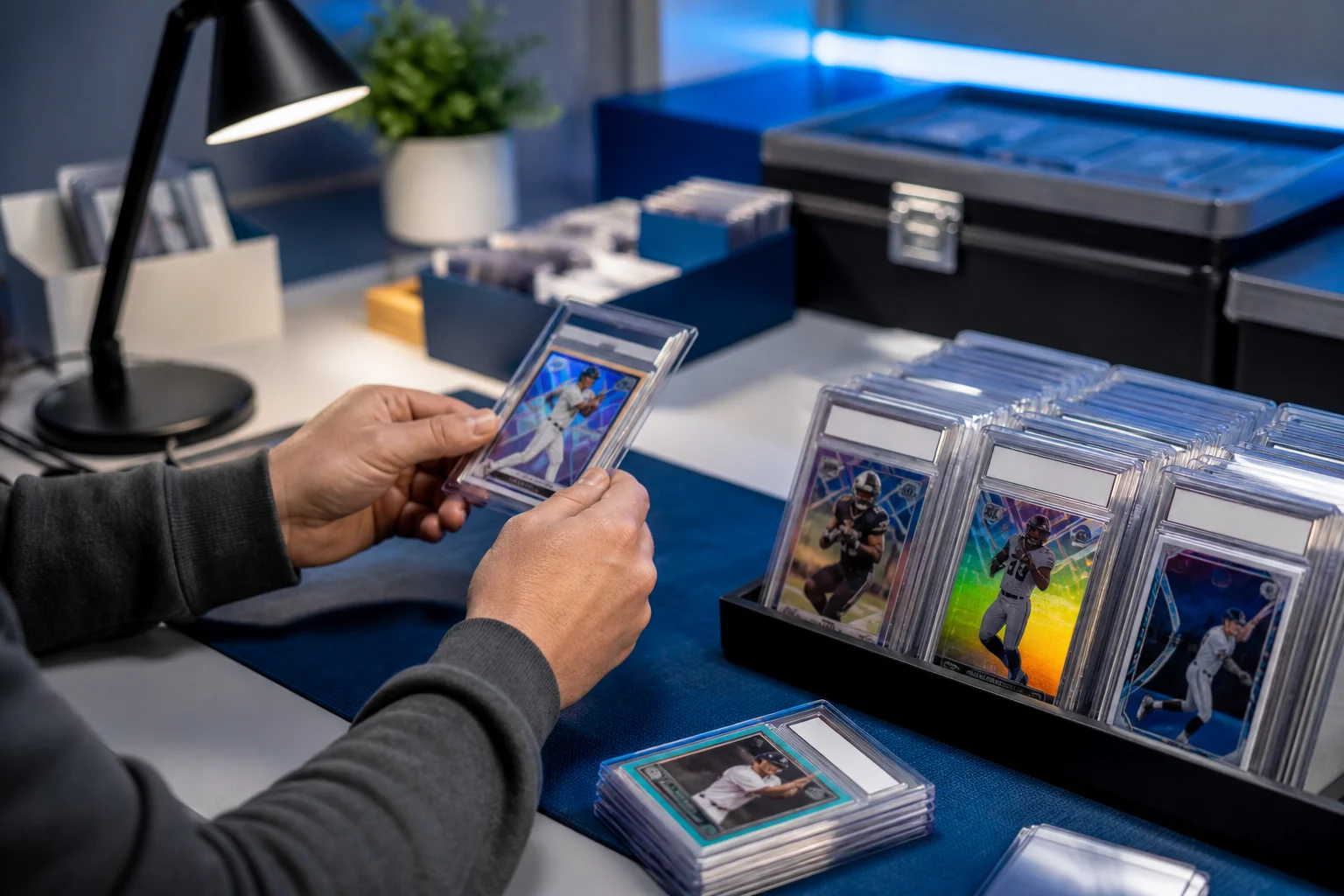
After grading and authentication, accepted cards are placed in protective trading card slabs with identifying label information. Card encapsulation helps shield a card from routine handling, fingerprints, and direct contact. It also creates a consistent format for storage, display, and sales photography.
A slab does not make a card indestructible. Graded cards should still be protected from drops, heavy pressure, moisture, direct sunlight, and extreme temperatures. Store slabs upright in a suitable box or case, and use padding when transporting them to a show or shipping them to a buyer.
The presentation can be useful for personal collections as well as sales inventory. A clearly labeled holder allows collectors to organize by player, set, year, grade, or sport without repeatedly handling the card itself.
Certificate verification can support buyer confidence
Every buying decision depends on the buyer's own research, but accessible certification information provides another point to review. ISA offers online certificate verification through its certificate verification page. A buyer can use the certification number associated with an ISA graded card to check the available record.
Sports card authentication and certificate verification serve related but different purposes. Authentication evaluates whether the submitted item is genuine, while online verification allows someone to check the certification information made available for the encapsulated card. Buyers should also compare the card, label, holder, listing photos, and seller description before completing a purchase.
When listing a graded card, use clear photographs of the front and back of the slab. Make sure the label and certification number are readable. Describe flaws in the holder, if any, and avoid language that guarantees future value. For a closer look at this process, read The Number Behind the Slab.
Budgeting for different kinds of cards
The same flat fee can support different submission strategies. A collector using basketball card grading may focus on star rookies, limited parallels, and condition sensitive inserts. Someone preparing a baseball card grading order might combine vintage cards with modern prospects. Football card grading submissions may be timed around the season, while Pokemon card grading often involves set completion, popular characters, and promotional cards.
The category does not change the basic budgeting calculation. Ten cards cost $150 in grading fees under the current service. What changes is the collector's reason for grading and the market evidence used to select cards.
If your thought process begins with “Should I grade my cards?” ask a more specific set of questions:
- Is the card authentic and eligible for the service?
- Does its visible condition support the purpose of the submission?
- Is it being graded for protection, display, organization, or resale?
- What have comparable cards actually sold for in similar grades?
- Will the likely benefit justify grading, shipping, supplies, and selling costs?
- Can I meet the 10 card minimum without adding poor candidates?
Selling graded cards without overestimating the result
A grade can make a card easier to describe because the holder identifies the card and displays an assigned condition grade. Card authentication and an online certification record may also help a prospective buyer evaluate the listing. Neither factor guarantees a sale, a specific price, or an increase in value.
Before pricing a card, study recent completed sales for the same card, grade, grading company, and relevant variation. Active asking prices are less useful because they show what sellers hope to receive, not necessarily what buyers have paid. Account for platform fees, shipping, insurance, returns, and taxes that may apply to the transaction.
Accurate listings build more trust than exaggerated claims. Identify the year, set, player, card number, parallel, and grade. Show the entire slab and disclose visible holder wear. Buyers who want to learn about other customer experiences can also visit the ISA reviews page.
When predictable pricing is most useful
Flat pricing is especially helpful when a collector submits regularly, manages inventory, shares an order, or works within a fixed hobby allowance. The $15 fee allows the grading line of a budget to be completed before cards are shipped. The 14 day turnaround adds a current scheduling reference, and the no upcharge policy reduces uncertainty about the service charge.
That clarity still works best with disciplined card selection. Inspect condition, research comparable sales, define the purpose of each submission, and include every related expense. Flat $15 card grading makes the arithmetic easier, while thoughtful preparation helps make the budget more useful.
Service terms can change, so confirm current instructions, accepted items, packaging requirements, and turnaround information before each order. Additional common submission questions are addressed on the ISA FAQ page.
Submit Cards to ISA Grading
Collectors ready to use ISA Grading can start on the submission page. The current active service is $15 per card with a 14 day turnaround, no upcharges, and a 10 card minimum.
Frequently Asked Questions
How much does ISA Grading charge per card?
ISA Grading currently charges a flat $15 per card with no upcharges. The current submission minimum is 10 cards, so the grading fees for a minimum order total $150 before shipping, supplies, and other possible submission expenses.
What is ISA's current grading turnaround?
ISA currently lists a 14 day turnaround. Collectors should also allow time for shipping to ISA, return delivery, and any preparation needed after the graded cards arrive.
Can I submit fewer than 10 cards to ISA?
ISA's current service has a 10 card minimum. If you have fewer than ten suitable cards, consider waiting until you have a stronger batch or coordinating with a trusted collector while keeping ownership records organized.
Does ISA add an upcharge when a card is valuable?
ISA's current $15 per card service has no upcharges. Collectors should still review current submission terms before mailing an order and include shipping and supply costs in the total budget.
How can a buyer verify an ISA graded card?
A buyer can enter the card's certification number on ISA's online certificate verification page. The buyer should also compare the verification record with the slab, label, card, listing photographs, and seller description.