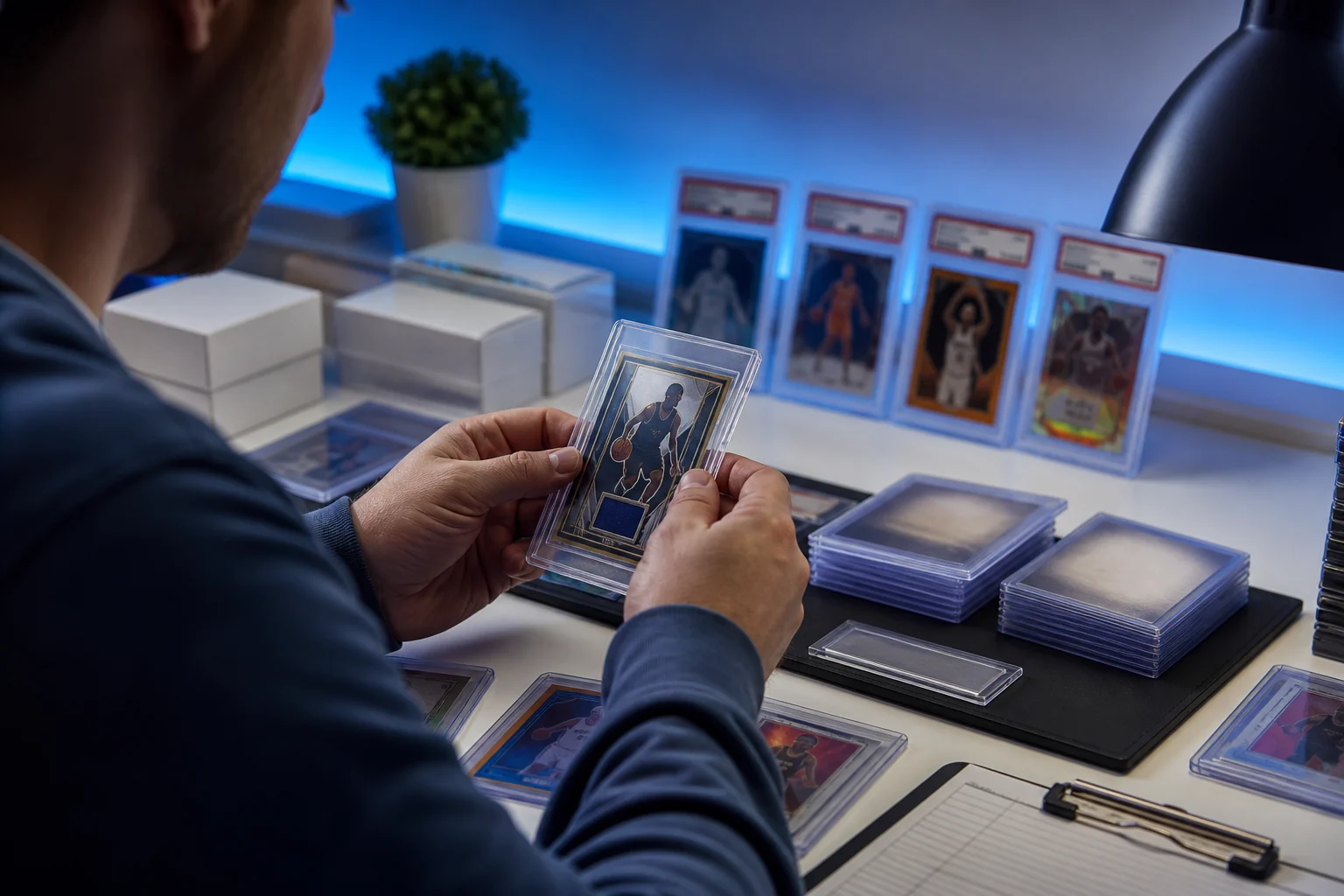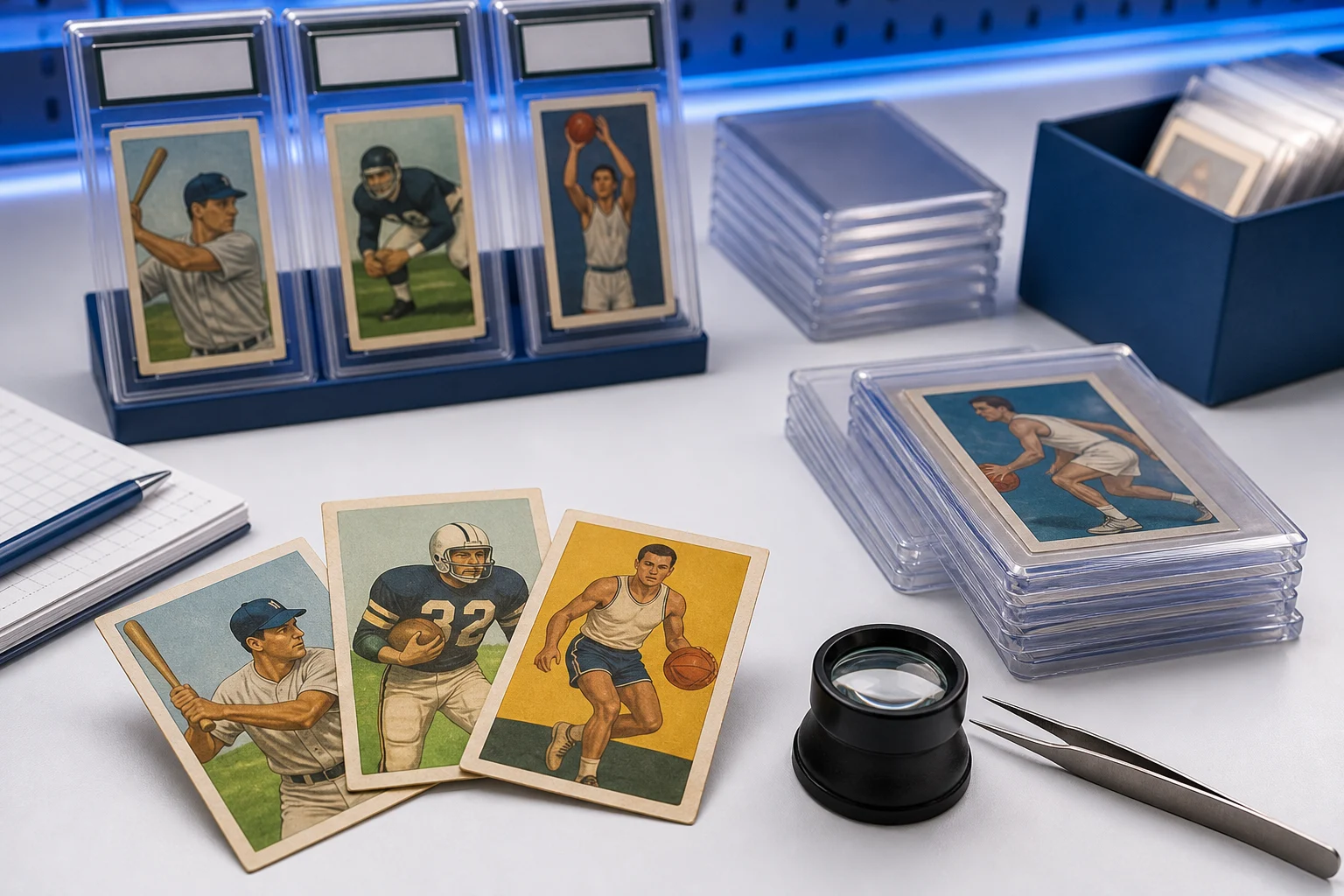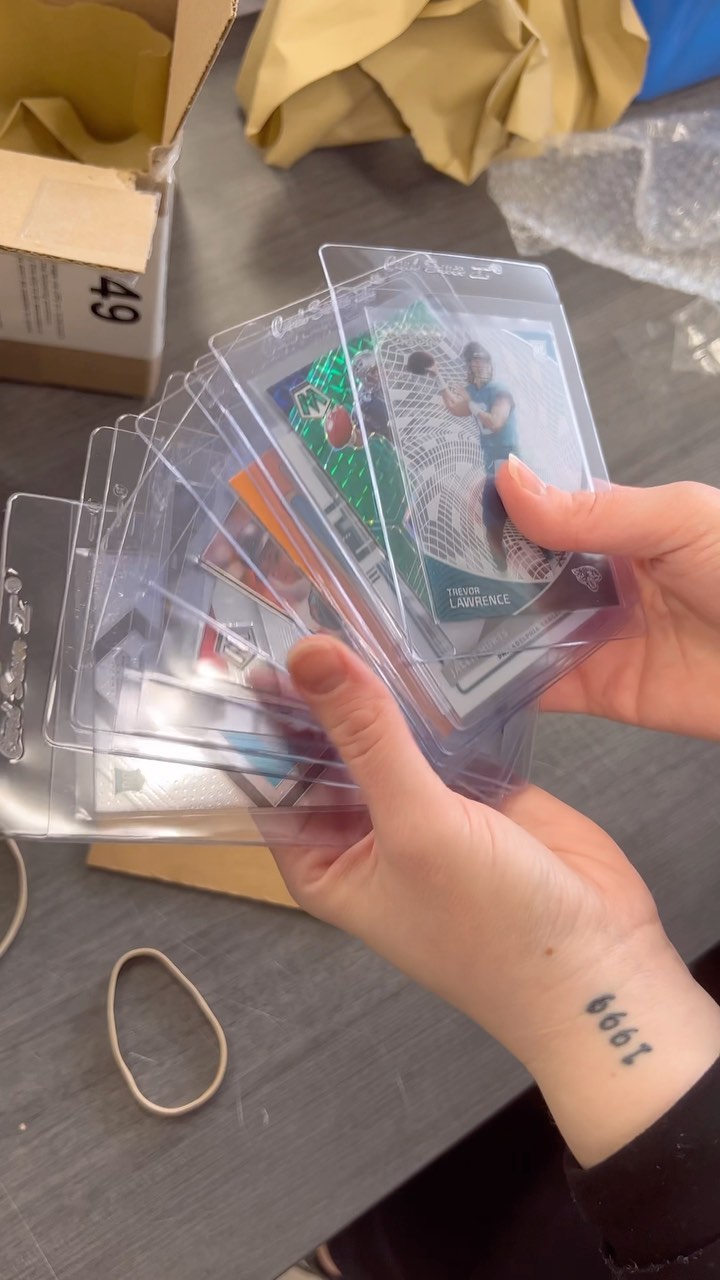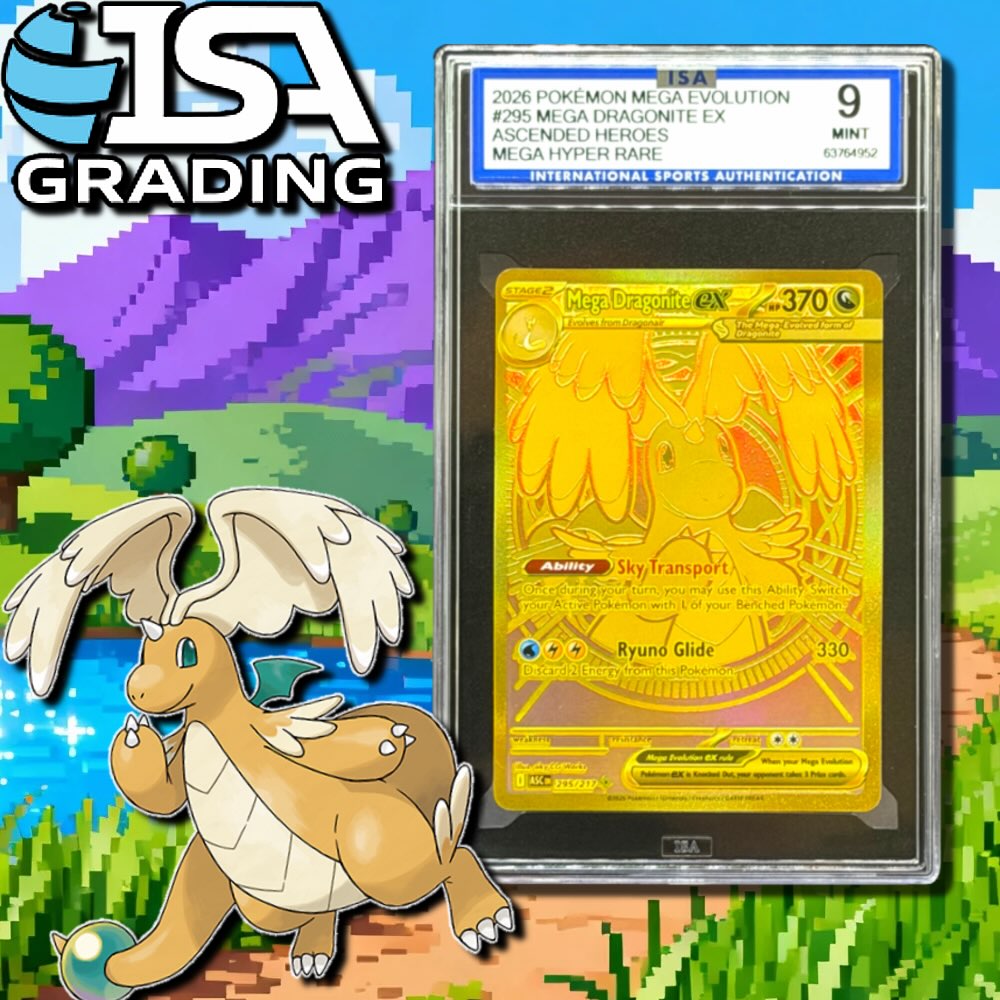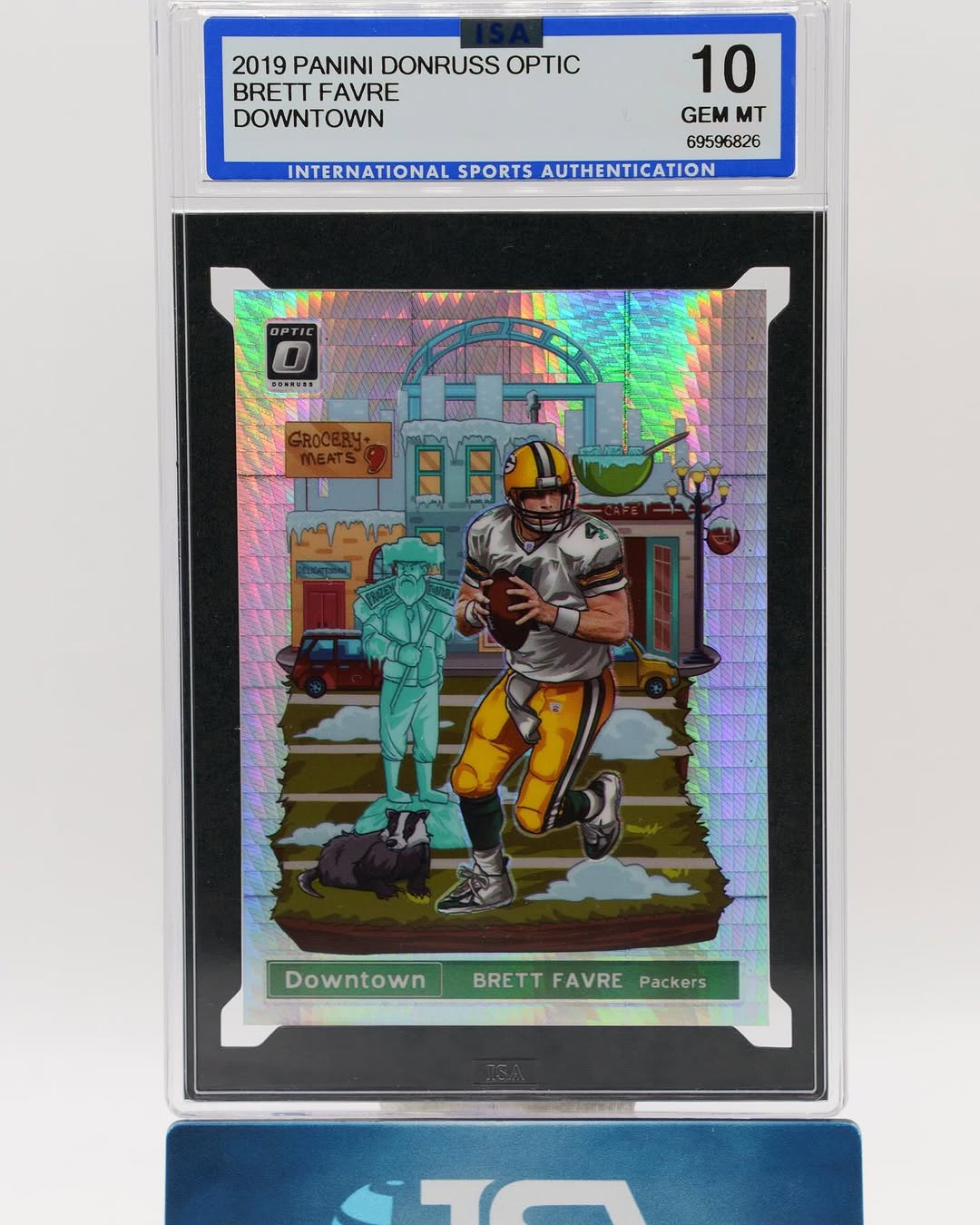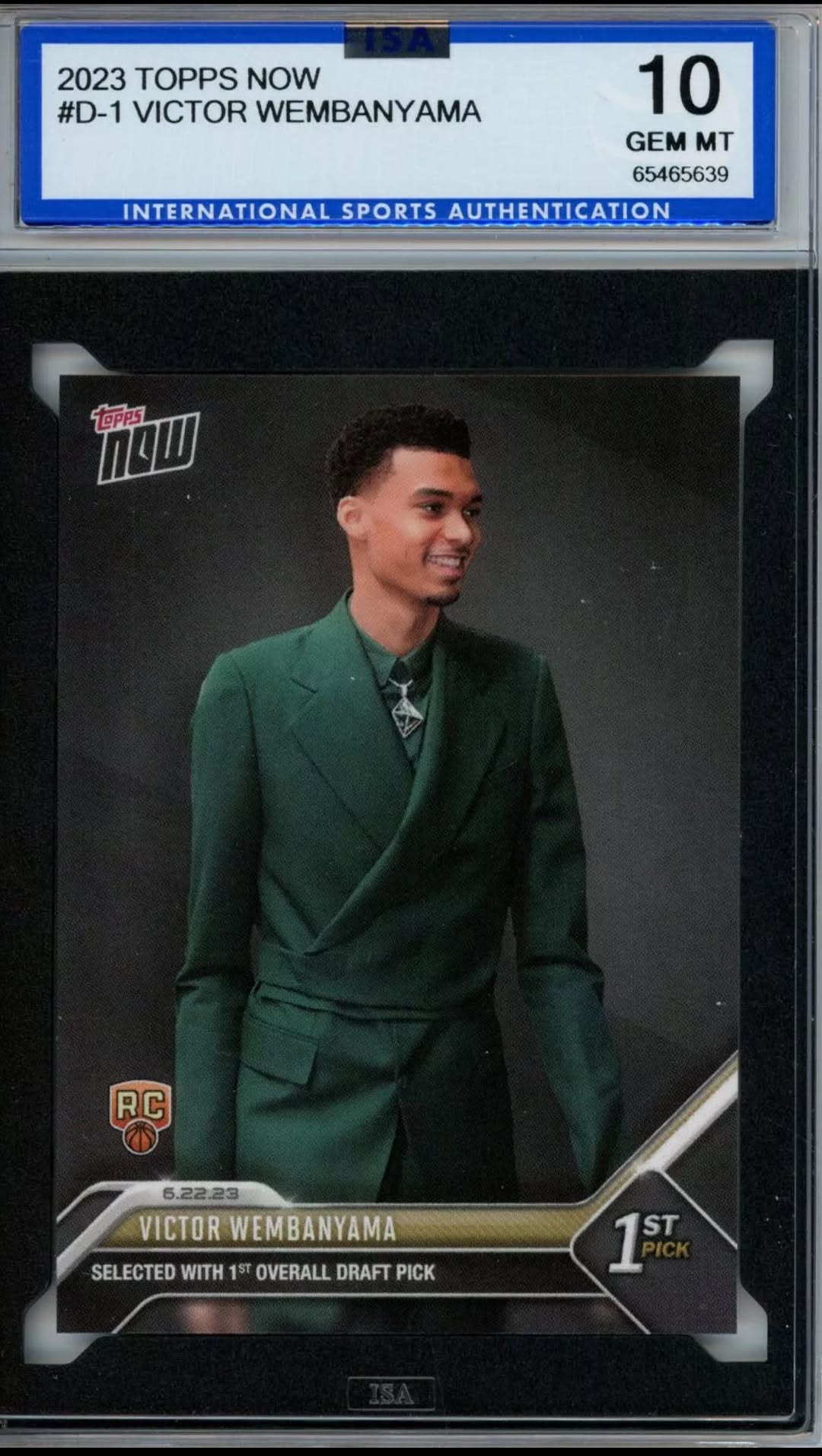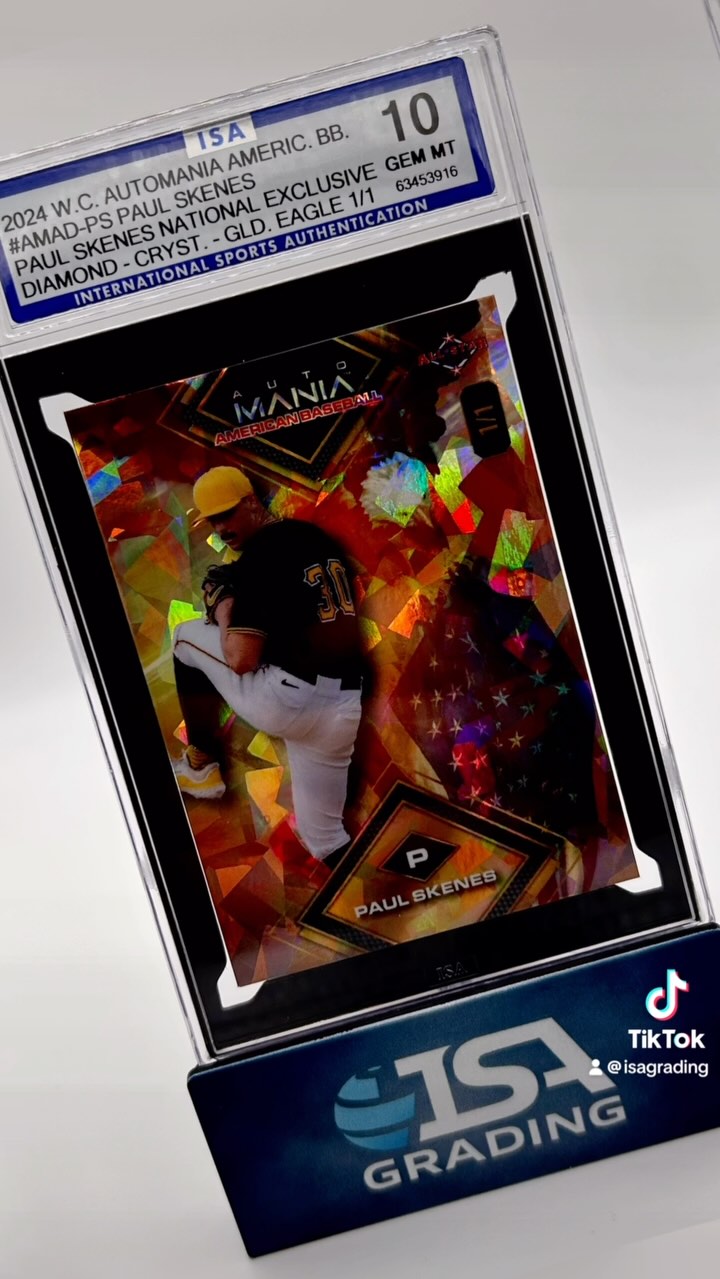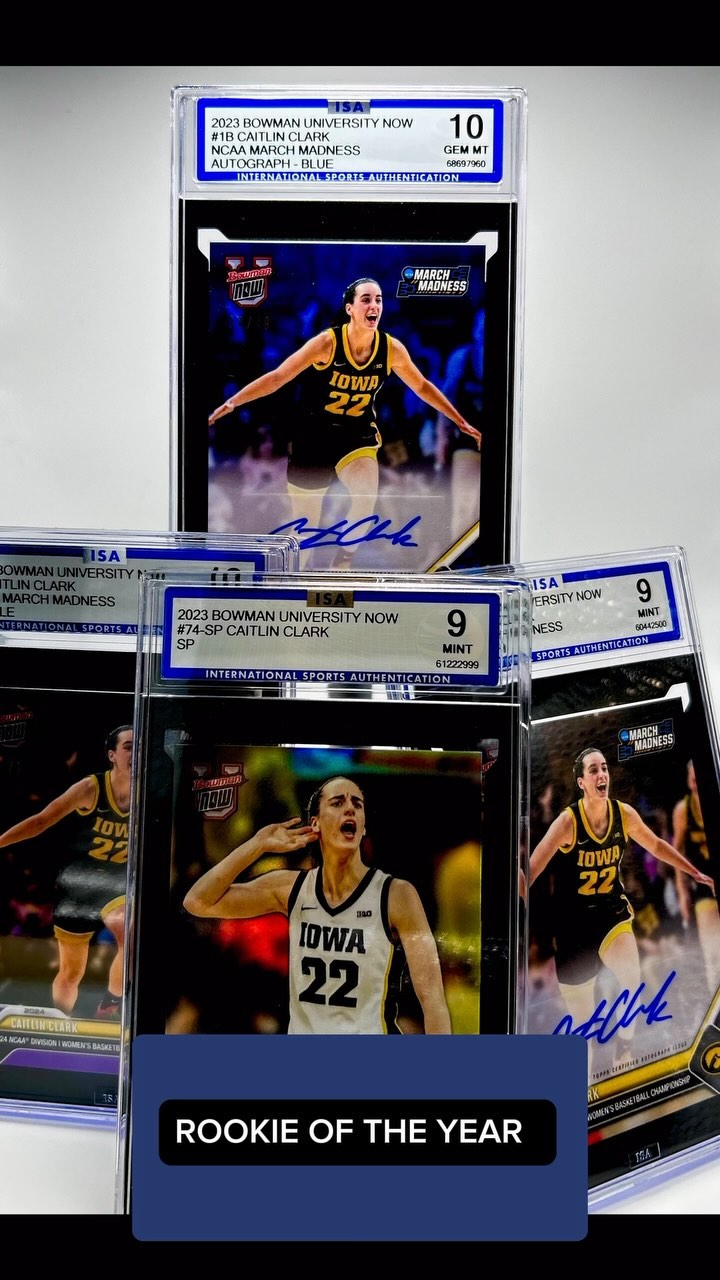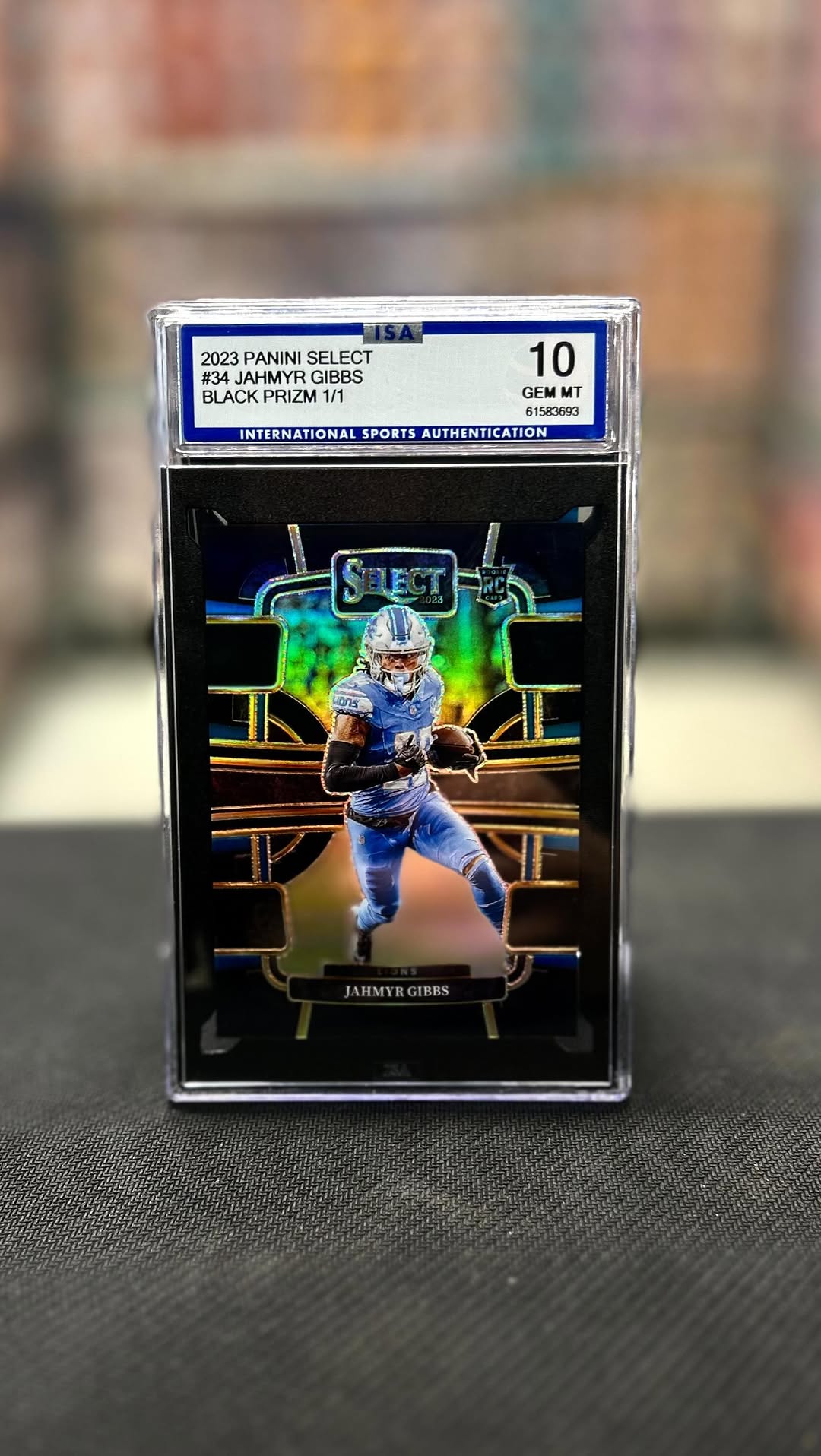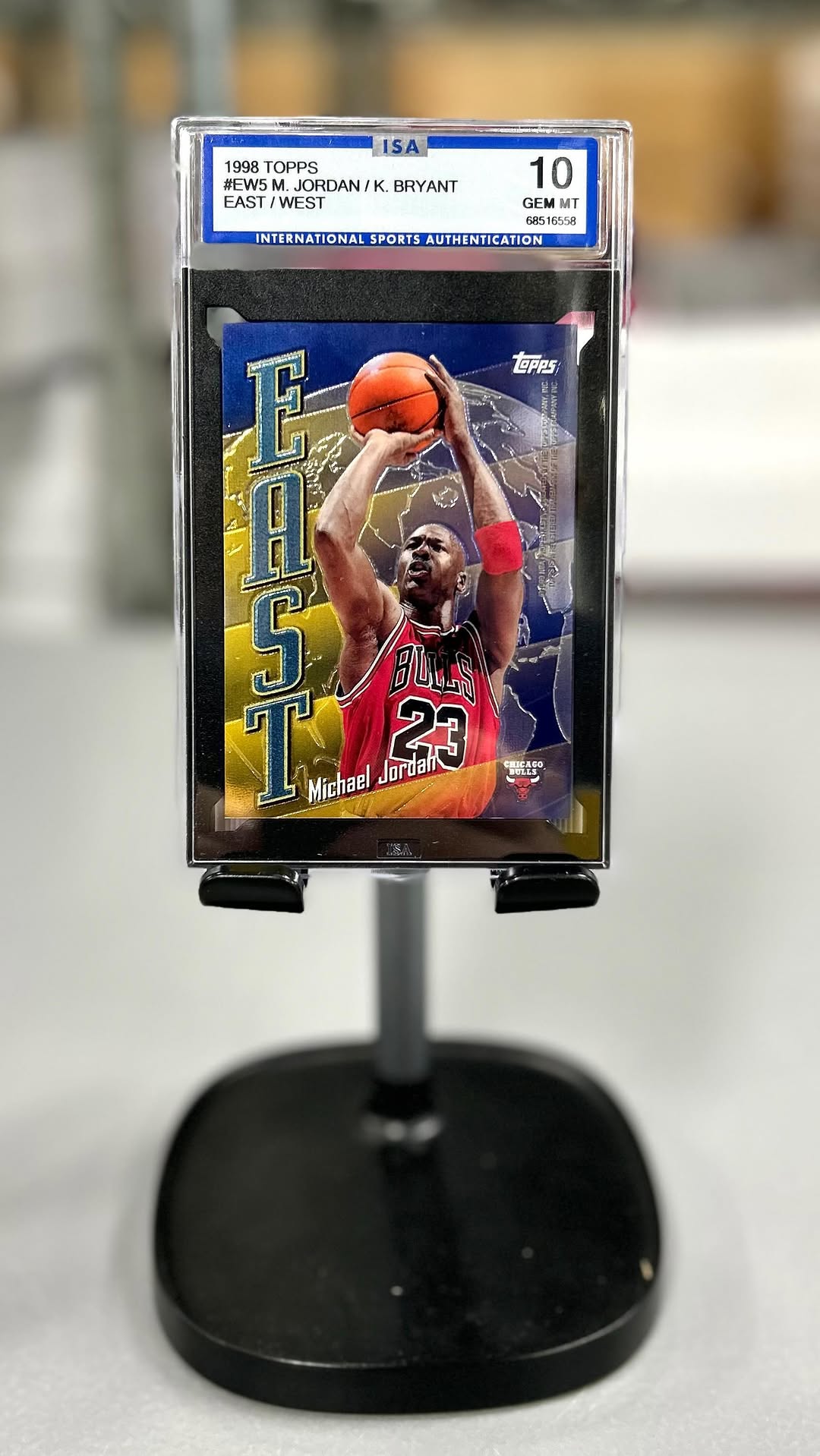
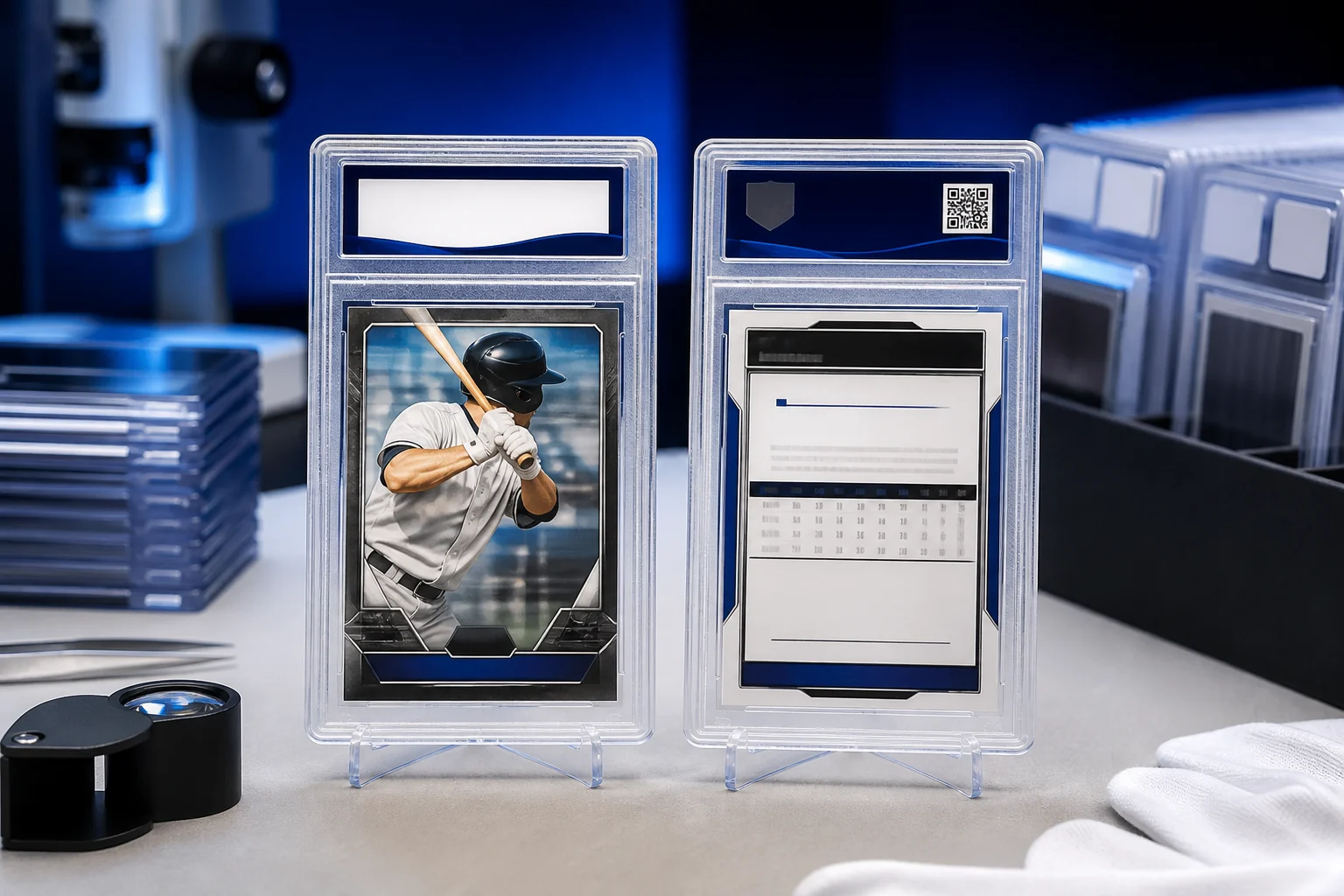
A graded card brings together three things: a condition assessment, a protective holder, and an identifying label. Each serves a different purpose. Understanding those differences helps collectors make better buying decisions, prepare submissions, and describe graded cards accurately when selling.
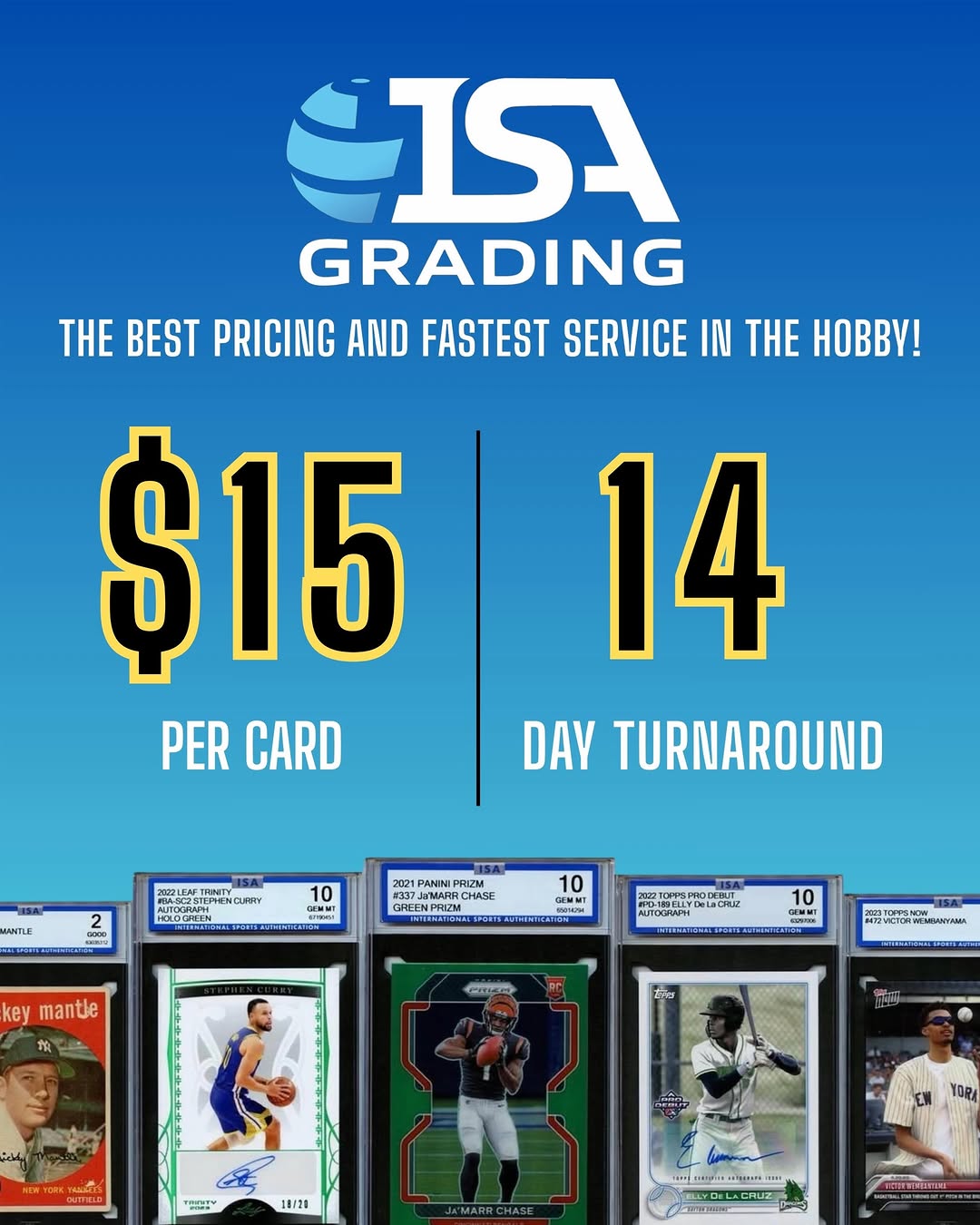
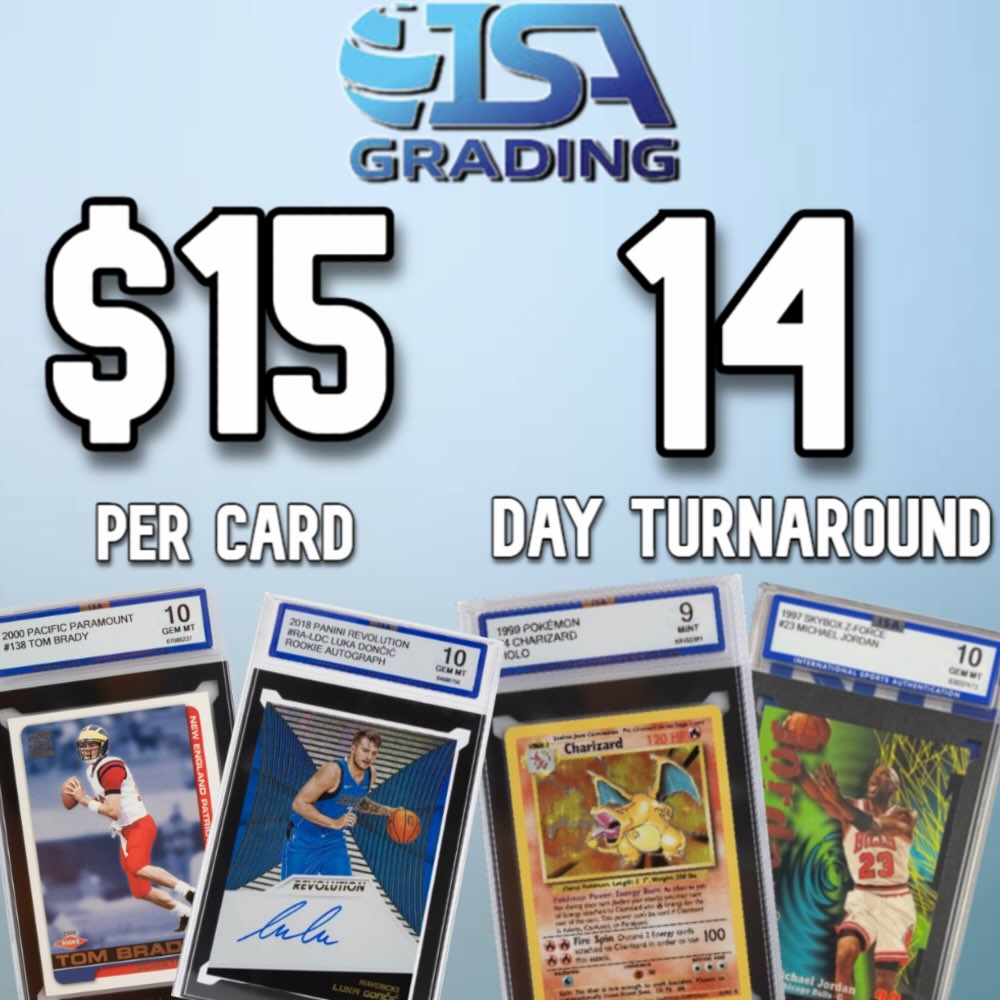
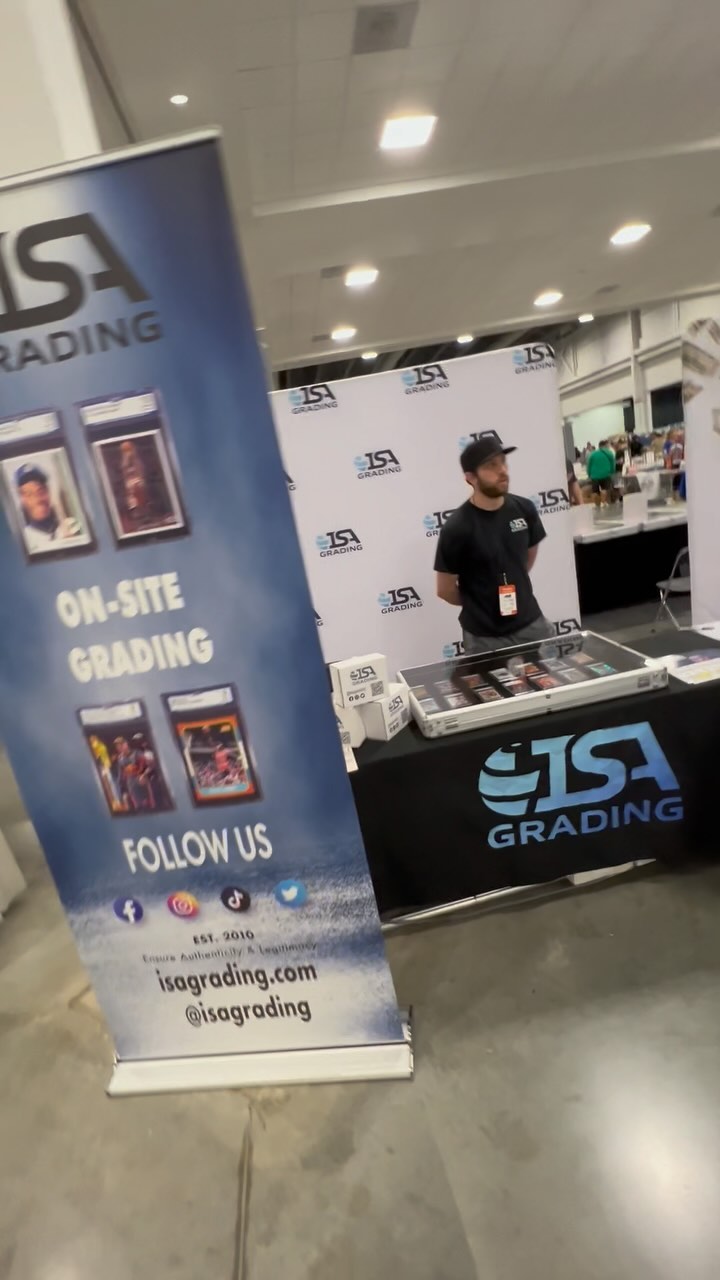
ISA Grading, also known as International Sports Authentication, provides sports card grading and authentication. Its current service is $15 per card with a 14 day turnaround, a 10 card minimum, and no upcharges. Certificate verification is available on the ISA website. Here is how to use those services thoughtfully while keeping protection, condition, and buyer confidence in perspective.
What a Card Slab Does for Your Collection
A slab is a rigid holder used to house a graded card and its identifying label. Card encapsulation helps reduce direct handling, which can expose a card to fingerprints, bent corners, and accidental contact with rough surfaces. It also gives collectors a practical format for organizing, displaying, and presenting cards for sale.
Trading card slabs are not a substitute for careful storage. A holder does not repair existing damage, make a card waterproof, or guarantee protection against every impact. Avoid assuming that any slab blocks ultraviolet light unless the manufacturer explicitly documents that feature.
Protect the Holder as Well as the Card
Store slabs somewhere clean, dry, and away from direct sunlight and temperature extremes. Keep them from sliding against each other, and use suitable protective sleeves or storage compartments when practical. Scratches on the outside can make a card harder to photograph or inspect, even when the card itself has not changed.
Before buying a slabbed card, examine the holder for cracks, unusual gaps, damaged seams, or signs of alteration. Those observations do not automatically establish wrongdoing, but they are reasons to pause and ask questions before completing a purchase.
Read the Label Before You Focus on the Grade
The number on a grading label draws attention, but the card identification matters just as much. A label should be reviewed alongside the card, not treated as a replacement for looking at it.
- Player and set: Check that the visible card matches the identified player, year, manufacturer, and set.
- Card number: Compare the listed number with the card when it is visible.
- Variation or parallel: Look for distinctions that could affect identification, such as a different design, finish, or printed serial number.
- Grade: Understand what the assigned grade represents within the grading company's scale.
- Certificate number: Use the identifier to look up the associated record.
When shopping online, request clear photographs of the front, back, label, and holder edges. A tightly cropped image can leave important details out. If a seller's title conflicts with the label or visible card, resolve the discrepancy rather than assuming the listing is correct.
How to Use Certificate Verification
Certificate verification provides a way to compare a slab's identifying information with the grading company's record. For an ISA card, start with the ISA certificate verification page and follow the lookup instructions provided there.
- Read the certificate number directly from the slab label.
- Enter the number carefully, checking for transposed digits or similar-looking characters.
- Compare the returned information with the label and the physical card.
- Review any available identifying details rather than stopping at a matching number.
- If information is missing or inconsistent, seek clarification before buying, selling, or shipping the card.
A successful lookup is useful, but it is not a complete physical inspection. A genuine certificate number can be copied into a misleading listing or placed on a counterfeit label. Verification works best alongside clear images, examination of the holder, and sensible transaction precautions.
If a lookup does not return the expected result, recheck your entry first. Do not immediately conclude that a card or seller is fraudulent. An unresolved mismatch deserves investigation, and ISA's contact page is the appropriate place to ask for help with an ISA certificate question.
Understand the Condition Behind the Number
Card condition grading evaluates physical characteristics that may be easy to miss in ordinary listing photos. A card can have strong visual appeal while still showing wear or manufacturing issues under closer inspection.
Card Corners and Card Edges
Card corners can show rounding, bends, fraying, or small touches of wear. Card edges may reveal chipping, roughness, or damage that blends into the design. Dark borders can make light-colored wear more obvious, while busy artwork can make some defects harder to spot.
Card Surface and Centering
The card surface may contain scratches, indentations, print defects, residue, or creases. Check both sides under good lighting without repeatedly handling the card. Centering also deserves attention, although some designs require more careful comparison because their borders are not symmetrical.
Review the ISA grading scale before choosing cards for submission. It provides a reference for understanding assigned grades and setting expectations. No preparation method can guarantee a particular result, and an apparently clean card may still have an issue that affects its assessment.
Prepare Cards Without Creating New Problems
Good grading preparation is mostly about organization and safe handling. Start with a clean workspace and sort cards before moving them into submission holders. Handle cards gently by their edges, and avoid unnecessary transfers between sleeves.
- Confirm the card's identity, including any variation or parallel you intend to describe.
- Inspect the front and back for visible wear, creases, scratches, and printing issues.
- Keep an accurate inventory of the cards you plan to send.
- Follow ISA's current instructions for submission holders, packaging, and paperwork.
- Pack cards so they cannot shift freely or press against exposed surfaces in transit.
Do not trim, recolor, polish, or apply chemicals to a card in an attempt to improve its grade. Alterations can affect authentication and grading outcomes. If you are uncertain about a card's history or a particular defect, ask before submitting rather than experimenting.
Pricing Clarity Matters as Much as Speed
ISA's current $15 per card service makes the grading charge straightforward to calculate. At the 10 card minimum, the grading charge is $150. Confirm any shipping or other applicable order costs before sending your submission rather than assuming the grading charge is the entire transaction cost.
No upcharge card grading means ISA does not add grading upcharges. Collectors should still review current submission terms so they understand the order as a whole. Clear pricing helps dealers assess inventory costs and helps collectors decide which cards justify professional grading.
Not every card needs a slab. Compare the grading expense with your goals, the card's likely condition range, and realistic market demand. A card with modest resale value may still be worth grading for personal reasons, but encapsulation does not promise a financial return.
Plan Around the 14 Day Turnaround
A 14 day card grading turnaround can help collectors and dealers plan around inventory needs. ISA currently lists a 14 day turnaround, but anyone working toward a show, gift date, or scheduled sale should confirm how the service timeline is counted and allow separately for shipping.
Fast card grading is useful when the rest of your process is organized. Finish your inventory, packaging, and submission details before sending cards. Avoid promising a buyer a delivery date based only on a grading turnaround, since transit and your own listing preparation also take time.
If your main question is, 'Where should I grade my cards?', weigh pricing clarity, standards, certificate access, and service timing together. Speed is one consideration, not a replacement for understanding the service you are purchasing.
Different Cards Need Different Expectations
The basic inspection habits apply to baseball card grading, basketball card grading, and football card grading alike. Look beyond the player name and examine the actual example in front of you. Cards from the same set can have different wear, centering, and surface characteristics.
Vintage card grading often calls for especially measured expectations. Age does not erase condition issues, and strong collector appeal does not necessarily mean a high numerical grade. For more preparation context, read Vintage Card Grading Starts With Clear Expectations.
If you also collect gaming cards and are considering TCG card grading, confirm current eligibility and submission requirements directly before sending them. Do not assume that every card category, size, or format follows identical acceptance rules. The same caution applies to unusual sports card formats.
Selling Graded Cards With Better Documentation
A slab can make a card easier to present, but a useful listing still needs accurate information and clear photographs. Buyers should be able to understand what is being offered without guessing from a title or a single distant image.
- Identify the card, grading company, and assigned grade accurately.
- Photograph the card's front and back with the label readable.
- Show noticeable holder scratches, cracks, or other external condition issues.
- Provide the certificate number so buyers can perform their own verification.
- Use completed sales of genuinely comparable cards when researching an asking price.
Buyer confidence comes from consistent evidence, not unsupported claims. Avoid describing a graded card as guaranteed to increase in value or suggesting that the grade eliminates every purchasing risk. For higher-value transactions, consider the marketplace's buyer protections, shipping requirements, and insurance options.
Build a Submission Around Your Actual Goals
Before submitting, decide whether you are preserving favorites, organizing an inherited collection, or preparing inventory for sale. That purpose helps you choose cards thoughtfully instead of treating trading card grading as an automatic next step for everything you own.
Check each candidate's condition, record its identity, and calculate the grading charges for your batch. Review ISA's current service details and prepare your order through the card submission page. With $15 per card pricing, a 14 day turnaround, a 10 card minimum, and no upcharges, you can plan around clearly stated service terms while keeping realistic expectations about grades and resale value.
Once the cards return, inspect the holders and labels, verify their certificates, and store them carefully. A slab is most useful when it is supported by accurate records and responsible handling throughout the card's time in your collection.
Submit Cards to ISA Grading
Collectors ready to use ISA Grading can start on the submission page. The current active service is $15 per card with a 14 day turnaround, no upcharges, and a 10 card minimum.
Frequently Asked Questions
What does a card slab protect against?
A rigid slab helps reduce direct handling and accidental contact that could damage a card. It does not repair existing damage or guarantee protection against water, severe impacts, heat, or sunlight. Store slabbed cards in a clean, dry place away from direct sunlight and temperature extremes.
How do I verify an ISA graded card certificate?
Visit /certificate-verification, follow the lookup instructions, and compare the returned information with the slab label and card. Check the certificate number carefully. If the information does not match, recheck your entry and contact ISA for clarification.
Does a matching certificate number guarantee that a slab is authentic?
No. A matching record is useful evidence, but a genuine certificate number can be copied. Compare the record with the actual card and label, inspect the holder, and request clear photographs before buying. Investigate any unresolved discrepancies.
How much does ISA Grading currently charge?
ISA's current service is $15 per card with a 10 card minimum and no upcharges. A minimum submission has $150 in grading charges. Confirm shipping and any other applicable order costs before submitting.
What is ISA Grading's current turnaround time?
ISA currently offers a 14 day turnaround. Before planning around a specific deadline, confirm how the turnaround is counted and allow separately for shipping and your own preparation time.