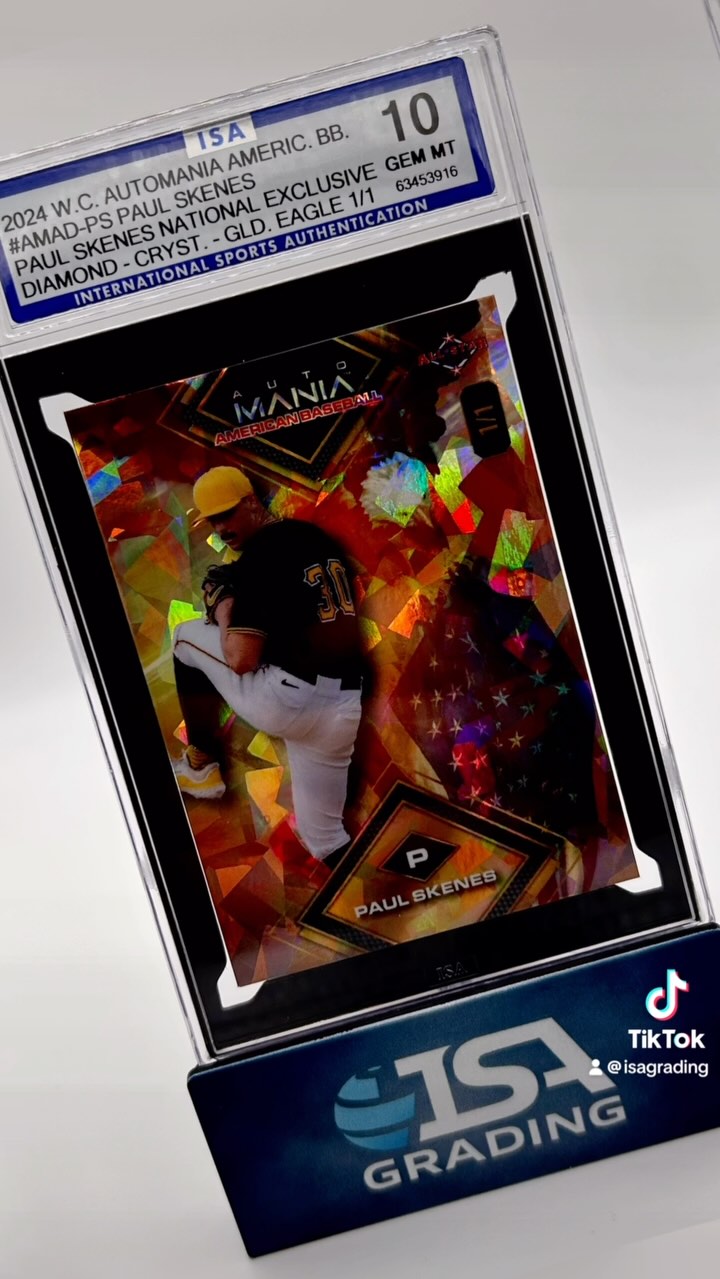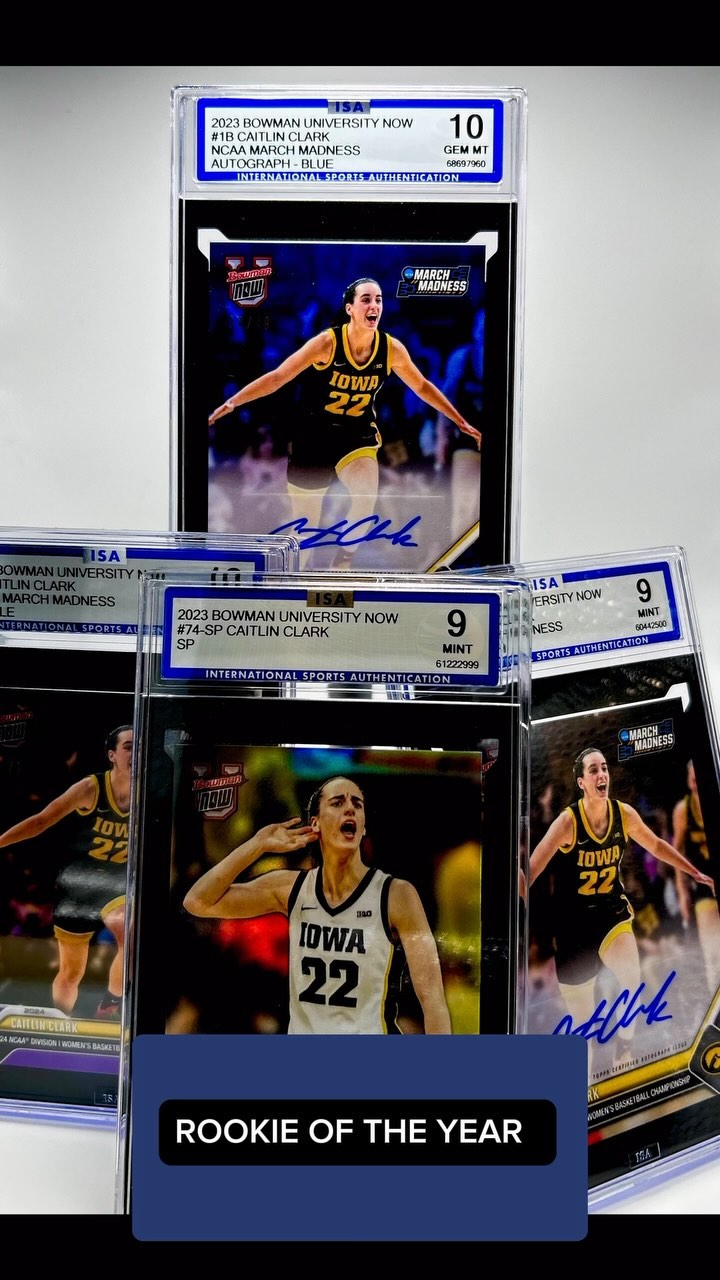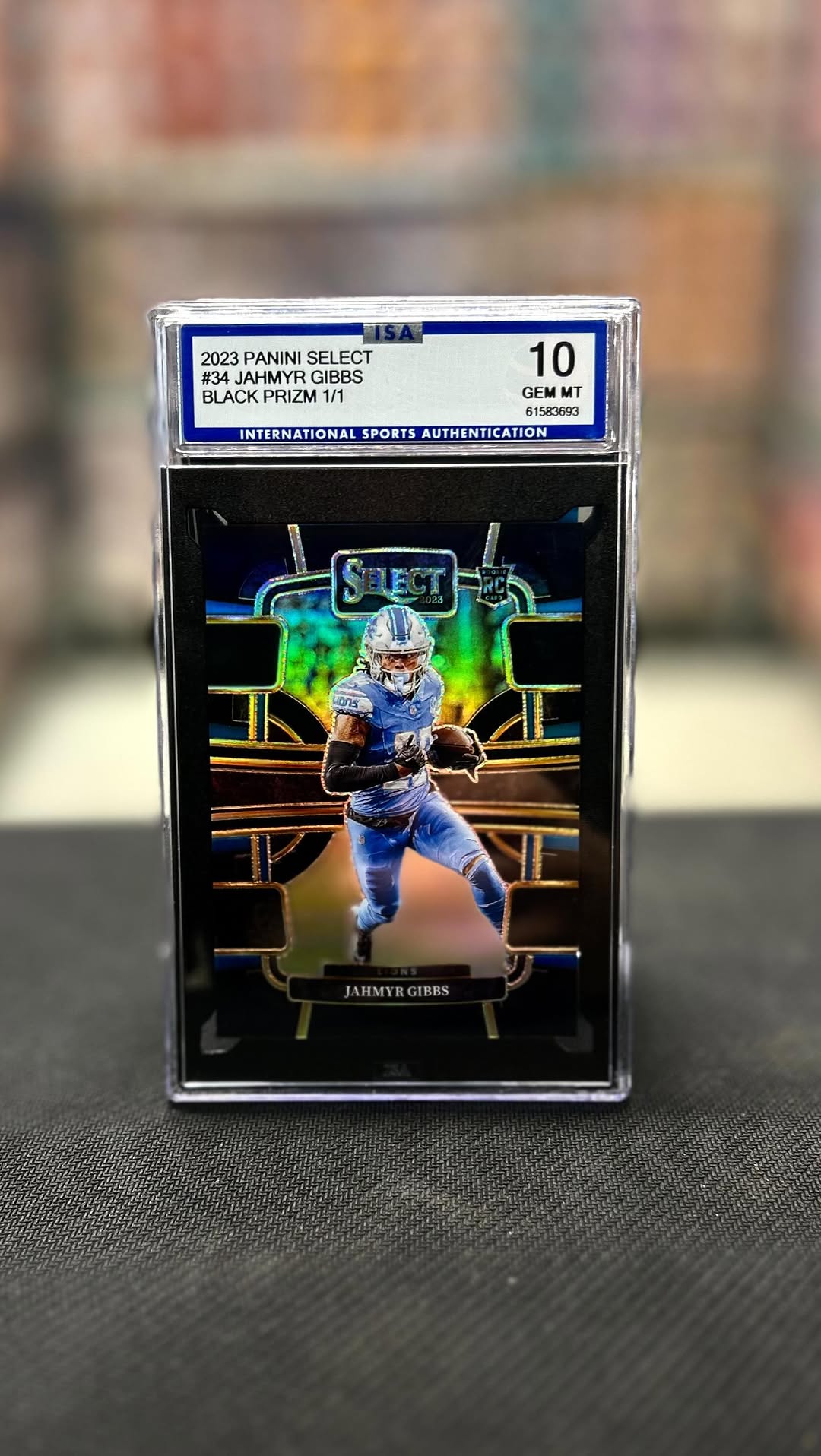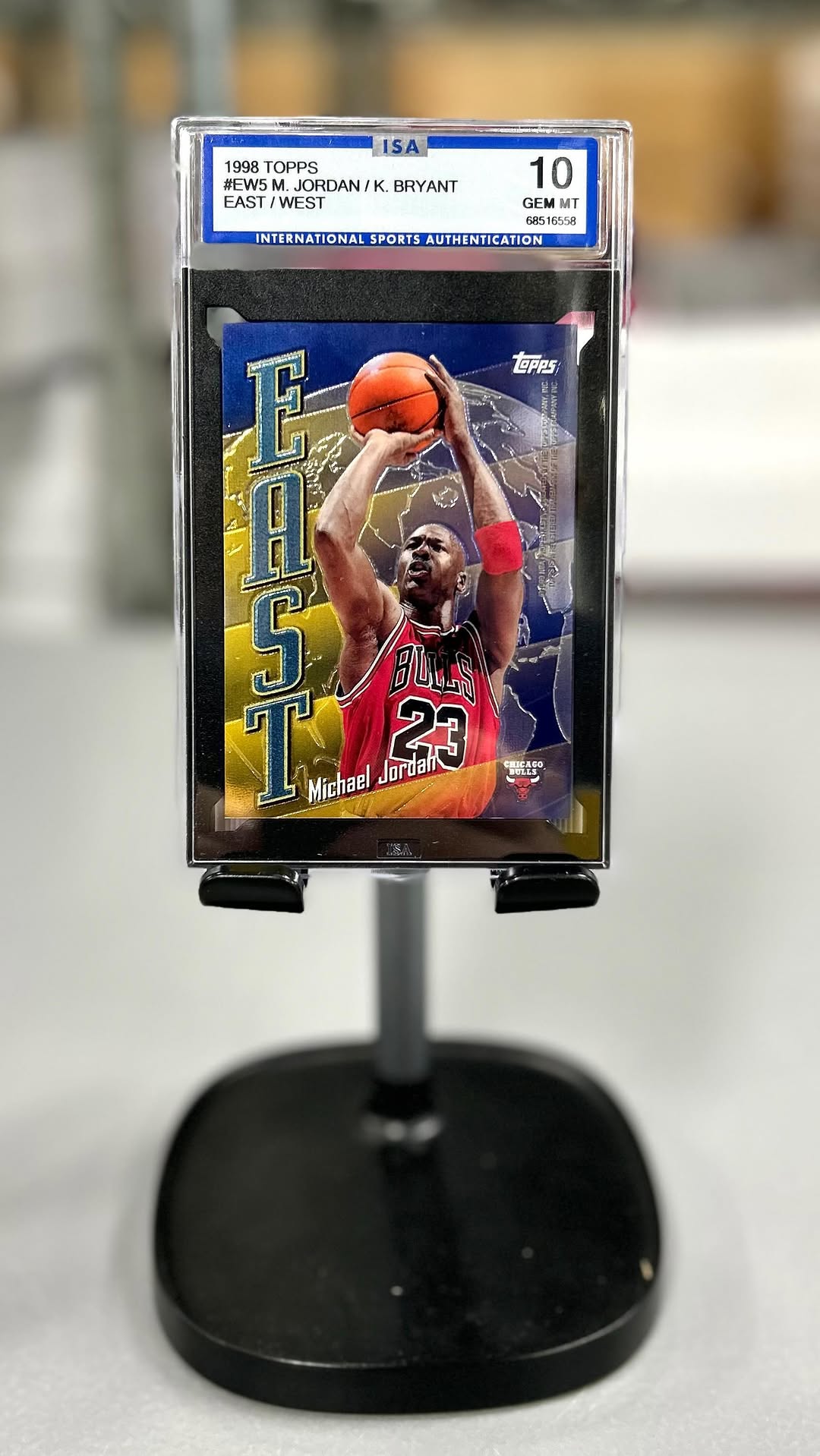
The easiest grading mistakes often happen before a card reaches an evaluator. A rushed inspection, an incomplete inventory, or a package that allows cards to move can undermine an otherwise thoughtful submission. For collectors and dealers, preparation also means knowing what grading costs and how the timeline fits your plans.
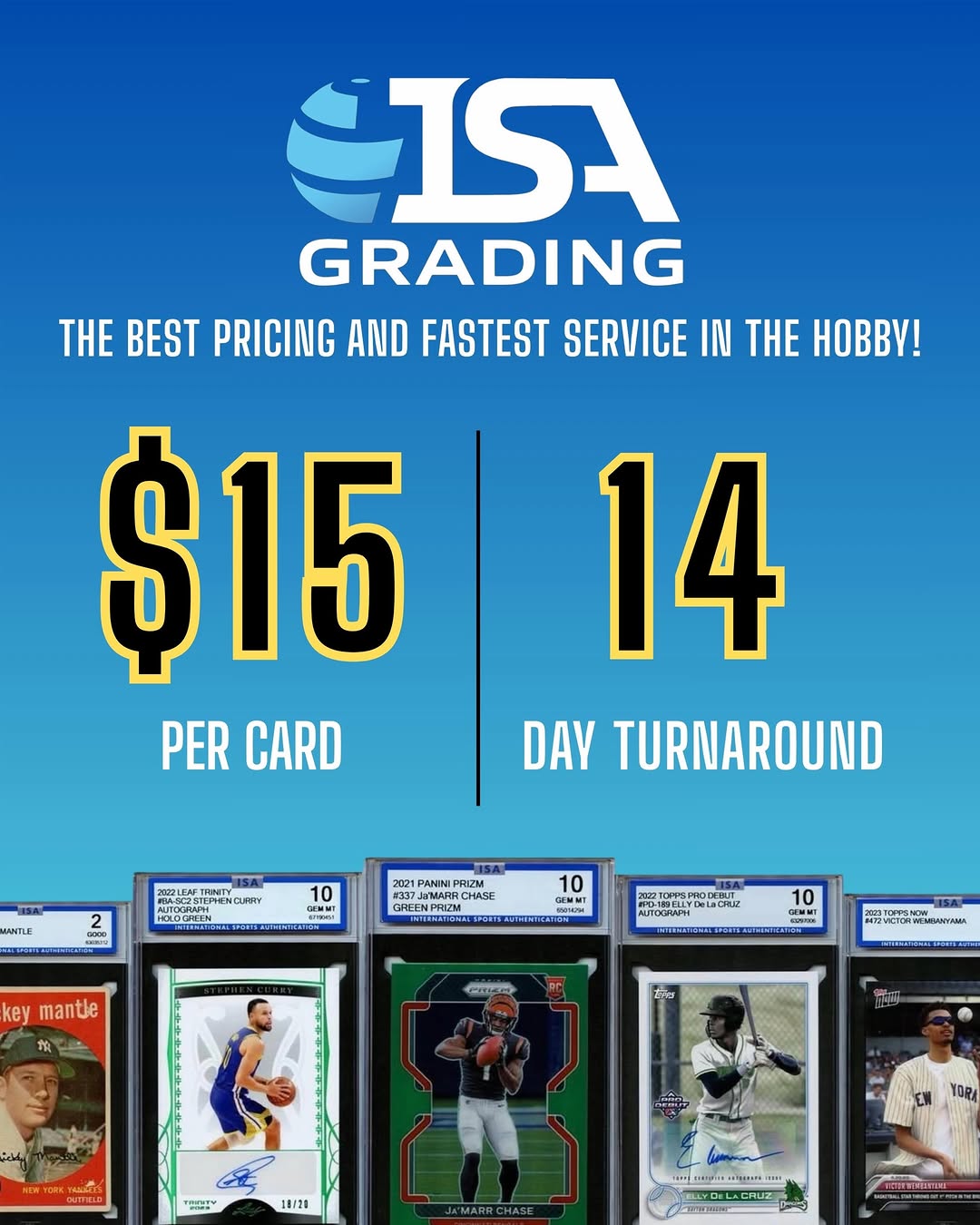
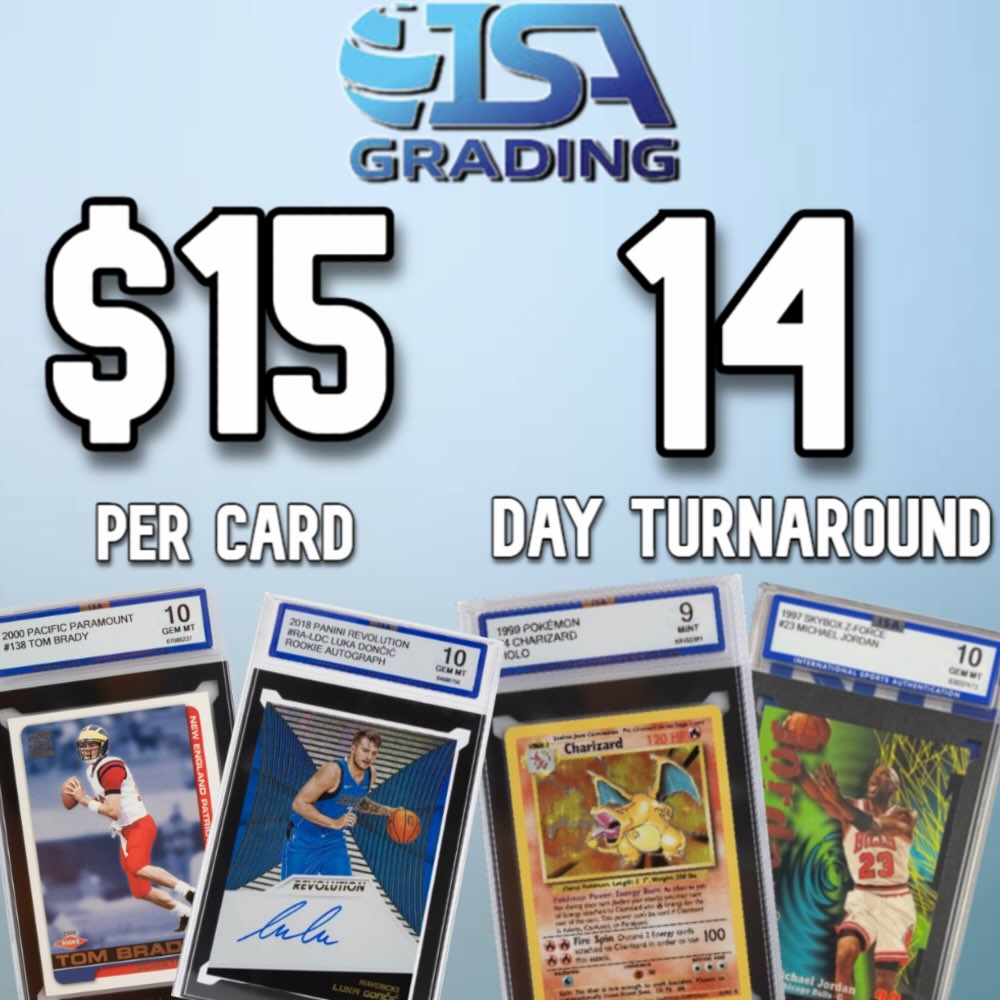
ISA Grading, also known as International Sports Authentication, provides sports card grading and authentication. Its current active service is $15 per card with a 14 day turnaround, a 10 card minimum, and no upcharges. Those details give you a starting point, but choosing and preparing the right cards still matters. Here are the mistakes worth avoiding before you ship.
1. Choosing cards based only on their best possible grade
A card that looks profitable at the highest grade may be a poor submission candidate at a more realistic result. Before sending anything, compare recent completed sales for the same card in raw condition and at several grades. Match the year, set, player, card number, parallel, and autograph or serial-number details.
Asking, Should I grade my cards? is really asking two questions: what do you want from the submission, and what outcomes can you accept? A personal collection card does not need the same financial case as dealer inventory intended for resale.
- Personal collection: Consider presentation, protection, and your interest in documenting condition.
- Resale inventory: Compare realistic sale proceeds with your full cost.
- Sentimental cards: Decide whether the service is worthwhile regardless of the assigned grade.
Do not let one unusually high sale set your expectations. Review multiple comparable transactions and account for selling fees.
2. Inspecting the front while ignoring everything else
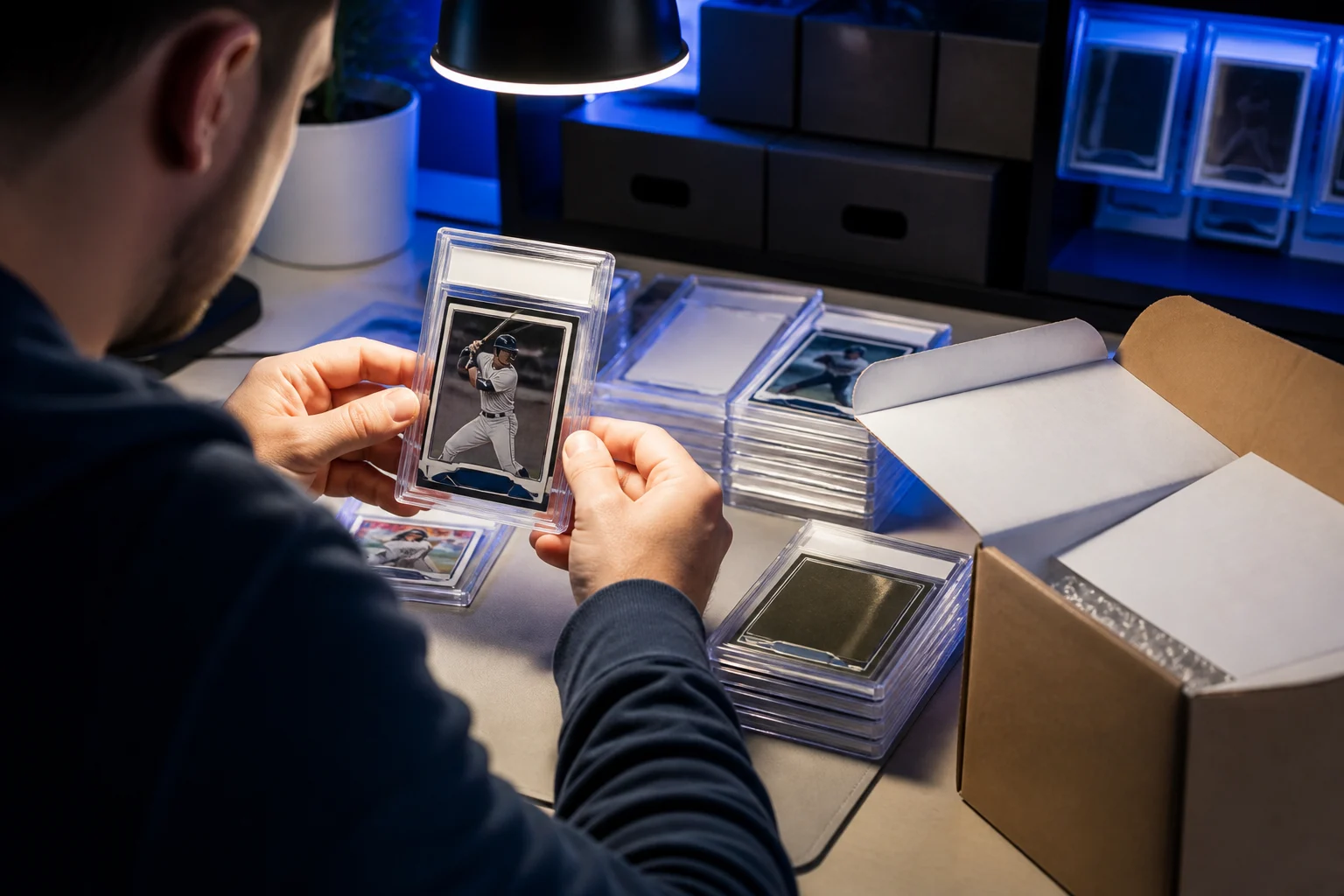
A sharp image and a recognizable player can distract from condition problems. Card condition grading requires looking beyond overall eye appeal. Inspect the front and back under consistent lighting, then change the angle to look for issues that disappear when viewed straight on.
Check centering, corners, edges, and surfaces
Card centering: Compare opposing borders where the design allows it. For borderless cards, use design elements as reference points, while recognizing that an informal visual check is not a precise measurement.
Card corners: Look for softness, bends, layering, or small touches of wear. A corner can appear sharp from the front while showing damage on the reverse.
Card edges: Examine all four sides for chips, whitening, rough cuts, or other irregularities. Dark borders can make some wear especially noticeable.
Card surface: Tilt the card carefully to look for scratches, dimples, print lines, indentations, residue, and creases. Inspect the back with the same attention as the front.
Use ISA's grading scale to understand its published standards rather than treating your own inspection as a promised result.
3. Assuming pack-fresh means top condition
A card can leave a pack with production or handling issues already present. Freshly opened does not mean perfectly centered, free of print defects, or untouched by surface damage. This is particularly important when rookie card grading decisions are driven by excitement around a new release.
For baseball card grading, basketball card grading, and football card grading, apply the same inspection discipline even when the product is new. Glossy finishes, foil, dark borders, and thicker construction can make different issues easier or harder to see.
Keep personal observations separate from assumptions about value. Writing down a visible print line before submission is more useful than repeatedly checking the price of a top-grade example. For more preparation context, read Before the Slab: A Collector's Guide to Grading Modern Rookie Cards.
4. Trying to improve condition with risky treatments
Preparation should protect the card, not change it. Avoid trimming, recoloring, pressing, chemical treatments, or attempts to repair corners and edges. Such interventions can alter a card and affect its eligibility or grading outcome.
Even seemingly minor cleaning can cause damage. Rubbing a glossy surface may leave fine scratches. Moisture or solvents may affect ink, coatings, or paper. Do not assume a technique that appeared harmless on one inexpensive card is safe for another finish or era.
Handle cards with clean, dry hands, avoid touching the faces, and work over a clean surface. If a card has visible residue, an unknown substance, or possible prior alteration, ask questions before doing anything irreversible. Careful handling is useful preparation; an attempted restoration is a different matter.
5. Budgeting only for the per-card price
Pricing clarity starts with the service fee, but your submission budget should include the entire process. ISA's current $15 per card service means a minimum submission of 10 cards has $150 in grading fees. Shipping, packing materials, insurance, and eventual selling fees should be considered separately where applicable.
ISA offers no upcharges. For collectors researching no upcharge card grading, that is a useful distinction, but it should not be confused with a statement that every other expense is included. Review current instructions and applicable charges before sending cards.
A simple worksheet can help: acquisition cost, grading fee, allocated shipping and supplies, expected selling expenses, and a conservative sale estimate. If the numbers only work at the highest possible grade, reconsider the submission. A clear budget is especially important when sending multiple batches over a season.
6. Adding weak candidates just to reach the minimum
A 10 card minimum should shape your planning, not push you into grading cards you would otherwise leave raw. Adding low-priority cards simply to complete a batch increases your total spend without necessarily improving your collection or inventory.
Build a candidate list before preparing the package. Record why each card belongs: personal significance, condition documentation, a credible resale opportunity, or another specific purpose. If you only have six strong candidates, waiting may be more sensible than filling four spaces impulsively.
For dealers, consider whether those extra cards will tie up money that could be used elsewhere. For collectors, decide whether you actually want the cards in slabs. Grading every card in a group is not automatically better than selecting carefully.
7. Planning around a turnaround you have not confirmed
ISA currently lists a 14 day turnaround. Use that service information when planning, but do not treat it as a guaranteed door-to-door delivery date. Outbound transit, return shipping, and any submission questions can affect when cards are back in your hands.
Before scheduling a show, auction, or customer delivery, confirm how the stated turnaround is measured. Review the ISA FAQ for available guidance and leave room for shipping uncertainty.
Fast card grading can support inventory planning, but speed alone should not determine your submission. A deadline is not a reason to skip inspection or packing checks. If you are building a selling calendar, avoid committing to a specific delivery date before you understand the full process.
8. Guessing at submission information
Similar-looking cards can belong to different sets, inserts, parallels, or variations. An incorrect year or card number creates avoidable uncertainty. Check the card back, any serial numbering, and reliable checklist information before completing your records.
Create an inventory that matches the cards you are sending. Include player, year, manufacturer or set, card number, and distinguishing details. Photograph fronts and backs so you have a useful reference for your own records.
Start with the current ISA submission instructions, not a remembered process from an older order or a different card grading service. Follow the requested format and check every entry before sealing the box. Accurate records also make it easier to match returned cards to your original list.
9. Packing for appearance instead of protection
A neat stack is not necessarily a safe shipment. Cards need protection against bending, abrasion, and movement without being compressed or forced into unsuitable holders. Follow ISA's current packaging instructions, including any guidance on acceptable individual protection.
- Use clean, appropriate protection for each card.
- Do not force thick cards into holders that are too tight.
- Keep adhesive away from cards and exposed openings.
- Use a sturdy outer package with cushioning that limits movement.
- Keep required paperwork readable and separated from direct card contact.
Before shipping, check that nothing shifts freely inside the closed package. Consider tracking and appropriate coverage, and review the carrier's terms rather than assuming every loss or damage scenario is covered. Keep your inventory, photographs, and shipment receipt together.
10. Expecting a slab to guarantee a sale or a premium
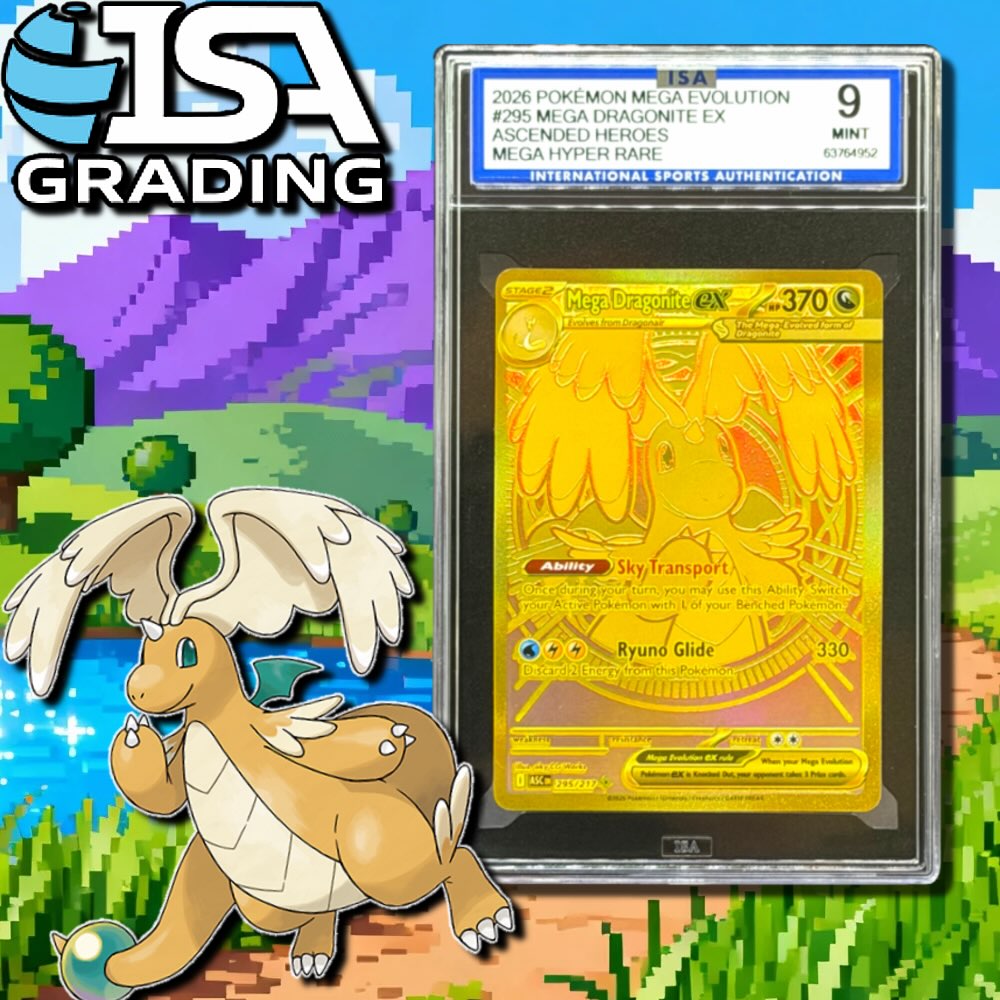
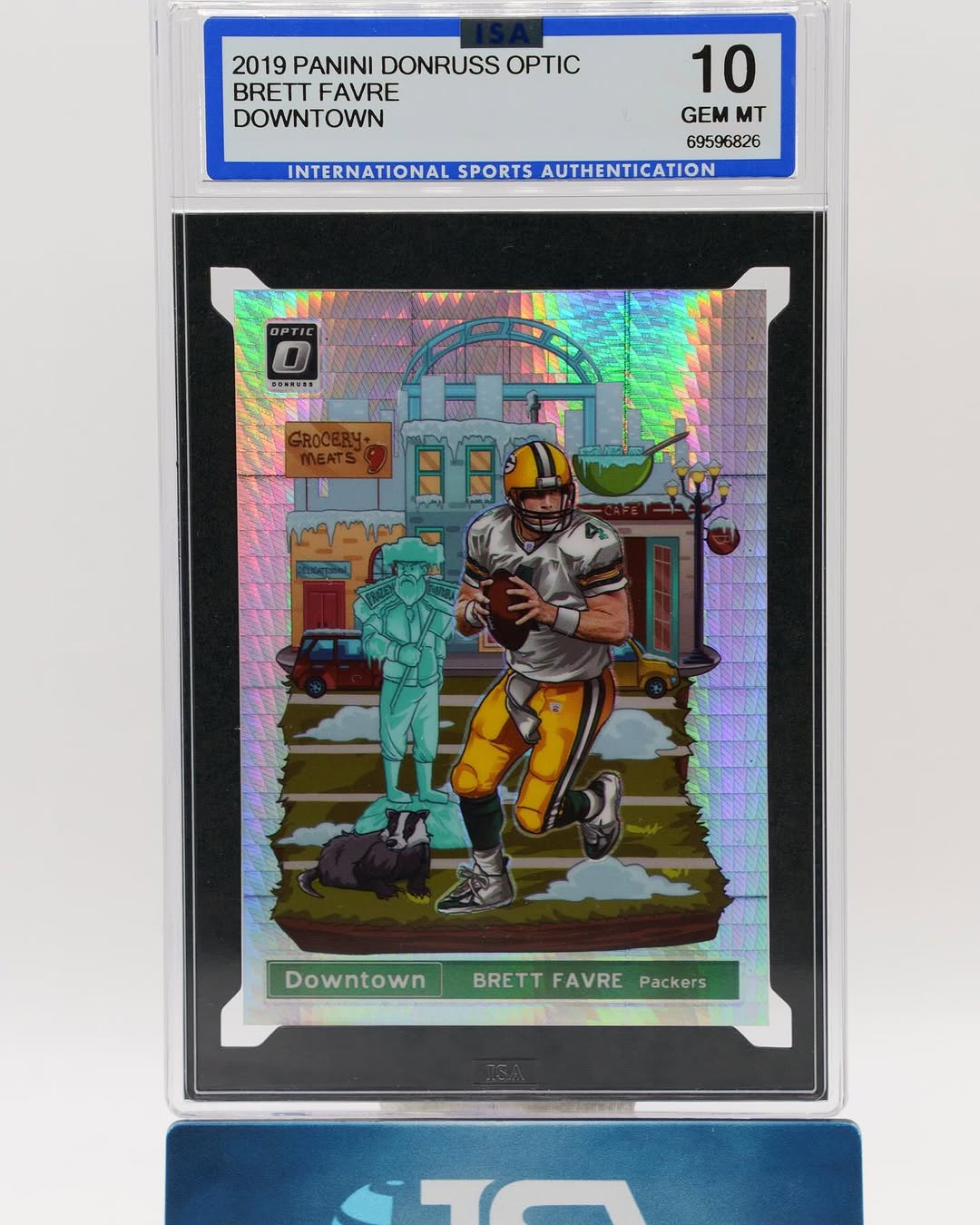
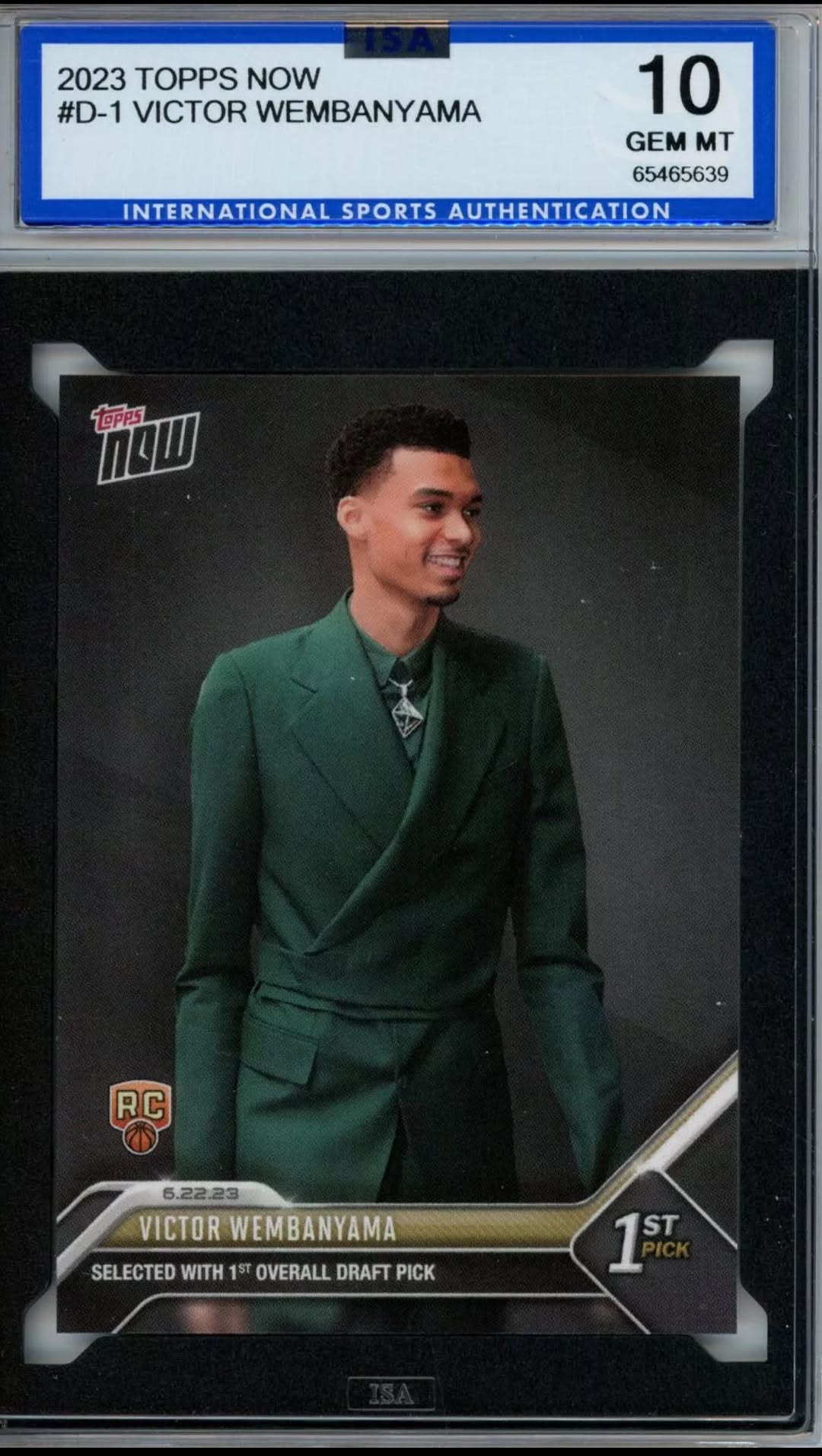
Slabs provide an encapsulated presentation with grading information, but a graded card still needs a buyer. Demand, scarcity, player interest, card condition, and the asking price all influence a sale. Grading does not guarantee appreciation, liquidity, or a specific return.
When selling graded cards, photograph the front and back of the holder clearly. Show the label and any relevant card details. Describe the assigned grade accurately rather than replacing it with unsupported claims such as flawless or investment-grade.
Account for selling fees and shipping materials before setting a price. If resale is your main goal, From Submission Box to Sales Table offers a useful next step for connecting submission decisions with a selling plan.
11. Overlooking certificate verification
Buyer confidence depends partly on information that can be checked. ISA offers certificate verification on its website. After your cards return, review the labels against your inventory and use the available verification tool to check certificate information.
When listing a card, make the certificate details readable so buyers can conduct their own checks. Verification is a useful part of due diligence, not a substitute for reviewing the actual card, slab, seller, and listing photographs.
If information appears inconsistent, seek clarification before offering the card for sale. Catching an issue while organizing returned cards is simpler than trying to resolve confusion during a transaction.
A final check before the box leaves
Whether you found ISA through a recommendation or a search for card grading near me, preparation matters more than rushing a package out the door. Trading card grading works best as a deliberate decision, with realistic expectations and a clear record of what you sent.
- Confirm that each card has a reason to be graded.
- Inspect both sides and note visible condition concerns.
- Budget using realistic grades and total costs.
- Verify submission details and current packing requirements.
- Allow time for transit as well as grading.
- Keep an inventory for checking the returned slabs.
With ISA's current $15 per card service, 14 day turnaround, 10 card minimum, and no upcharges in mind, you can plan a submission around your actual collecting or selling goals rather than a hoped-for perfect result.
Submit Cards to ISA Grading
Collectors ready to use ISA Grading can start on the submission page. The current active service is $15 per card with a 14 day turnaround, no upcharges, and a 10 card minimum.
Frequently Asked Questions
What should I check before submitting sports cards for grading?
Inspect the front and back for centering, corner wear, edge damage, scratches, print lines, indentations, and creases. Confirm each card's identity, create an inventory, and review current submission and packaging instructions before shipping.
How much does it cost to submit cards to ISA Grading?
ISA's current active service is $15 per card with a 10 card minimum and no upcharges. A minimum submission therefore has $150 in grading fees. Budget separately for shipping, supplies, insurance, and any other applicable expenses.
What is ISA Grading's current turnaround time?
ISA currently lists a 14 day turnaround. Confirm how that period is measured before planning a sale or event, and allow additional time for outbound and return shipping rather than treating it as a door-to-door delivery promise.
Should I clean my cards before submitting them?
Avoid aggressive cleaning, rubbing, chemicals, pressing, or attempted repairs. These actions can damage or alter a card. Handle cards carefully and seek guidance if you are unsure how to address residue or another condition concern.
How can buyers verify an ISA graded card?
Buyers can use the certificate verification page on ISA's website to check available certificate information. They should also review clear photographs of the card, slab, and label, along with the seller's description and transaction terms.