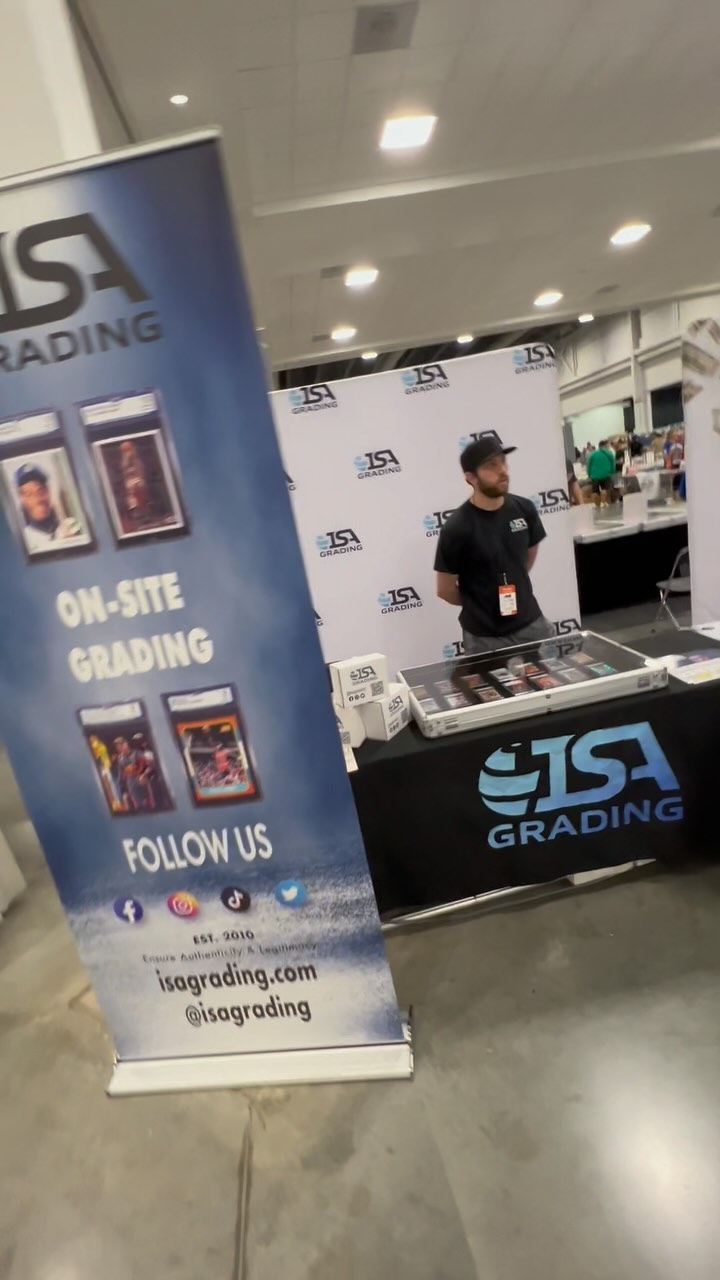

A grade can influence how a collector stores, values, trades, or sells a card. That makes grading consistency one of the most important considerations when choosing a card grading service. Collectors want confidence that published standards are being applied carefully across different submissions, card types, and condition levels.
Consistency does not mean every card receives a high grade, nor does it mean two different cards with similar eye appeal must receive the same result. It means the grading process follows a defined scale, considers the relevant condition factors, and produces results that collectors can understand. For sports card grading, TCG card grading, and card authentication, that clarity supports better decisions before and after submission.
What Grading Consistency Really Means
Card condition grading evaluates multiple physical characteristics rather than relying on one general impression. A visually attractive card may still have a soft corner, surface indentation, print defect, or centering issue that affects its grade. Another card may look less vibrant but have stronger structural condition.
A consistent process considers the same core factors for each eligible card. Collectors can review the ISA grading scale to understand how condition levels are described before building a submission. Published standards give submitters a useful reference point, especially when they are deciding which cards justify grading costs.
Consistency should not be confused with a guarantee that collectors will always agree with a grade. Condition assessment includes professional judgment, and tiny differences can matter. The practical question is whether the grading scale is applied in a repeatable, understandable manner. That is what helps a grade function as useful information rather than simply a number on a label.
Why Consistency Builds Buyer Confidence
Buyers cannot always inspect a card in person. Online listings may contain high quality images, but glare, resolution, camera angle, and slab reflections can conceal small flaws. A graded card gives the buyer an independent condition assessment along with identifying information that can be checked.
This is particularly important when selling graded cards through marketplaces, social media, card shows, or dealer inventory. A clear grade can reduce uncertainty about card corners, card edges, surface quality, and card centering. It does not determine the sale price by itself, but it gives both parties a shared condition reference.
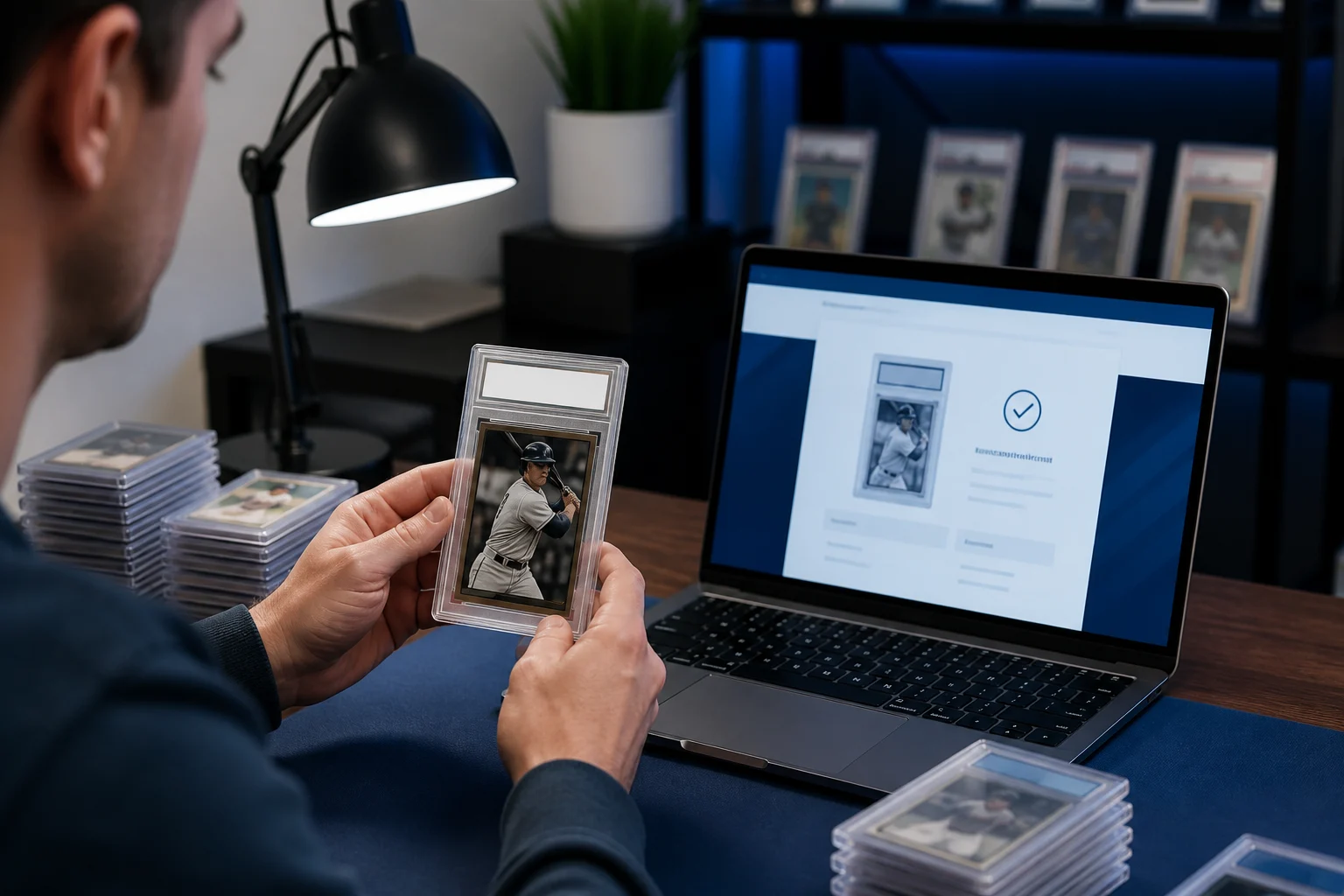
Consistent grading also helps repeat buyers understand what they are considering. If collectors can review a grading scale and verify a certificate, they have more information available before purchasing. ISA provides online certificate verification, allowing collectors to enter certificate information and review the associated record.
Consistency Is Not the Same as Identical Grades
Two copies of the same card can appear almost identical at first glance and still receive different grades. One may have a faint scratch visible under direct lighting. The other may have stronger surfaces but slightly weaker centering. Even cards pulled from the same pack can have differences caused by printing, cutting, packaging, handling, or storage.
Different card categories can also present different production characteristics. Vintage sports cards may have rough cuts, print marks, or fragile stock. Modern chrome cards may show fine scratches or dimples. Pokemon card grading and other trading card grading submissions can involve foil wear, whitening, edge chipping, and surface impressions. Consistency means evaluating these cards according to the applicable grading standards, not ignoring defects that are common for a particular release.
Collectors should therefore avoid using one visible feature as a complete predictor. Strong card centering does not erase damaged card corners. Clean card edges do not cancel a crease. Accurate preparation begins with examining the entire card.
Turnaround and Pricing Are Part of a Consistent Service Experience
Grading consistency primarily concerns condition assessment, but the overall submission experience matters too. Collectors and dealers need clear information about price, turnaround, and minimum quantity so they can plan inventory and cash flow.
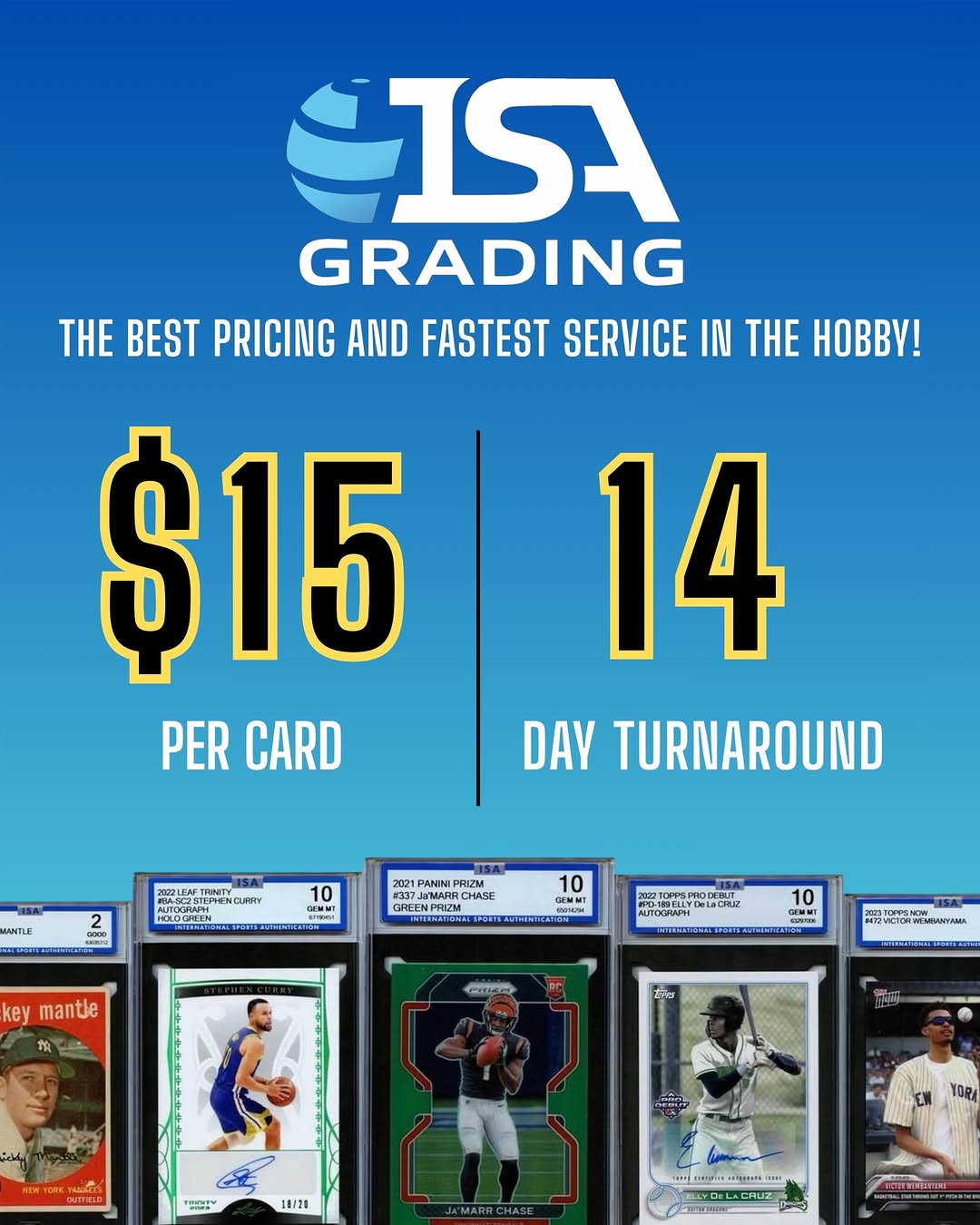
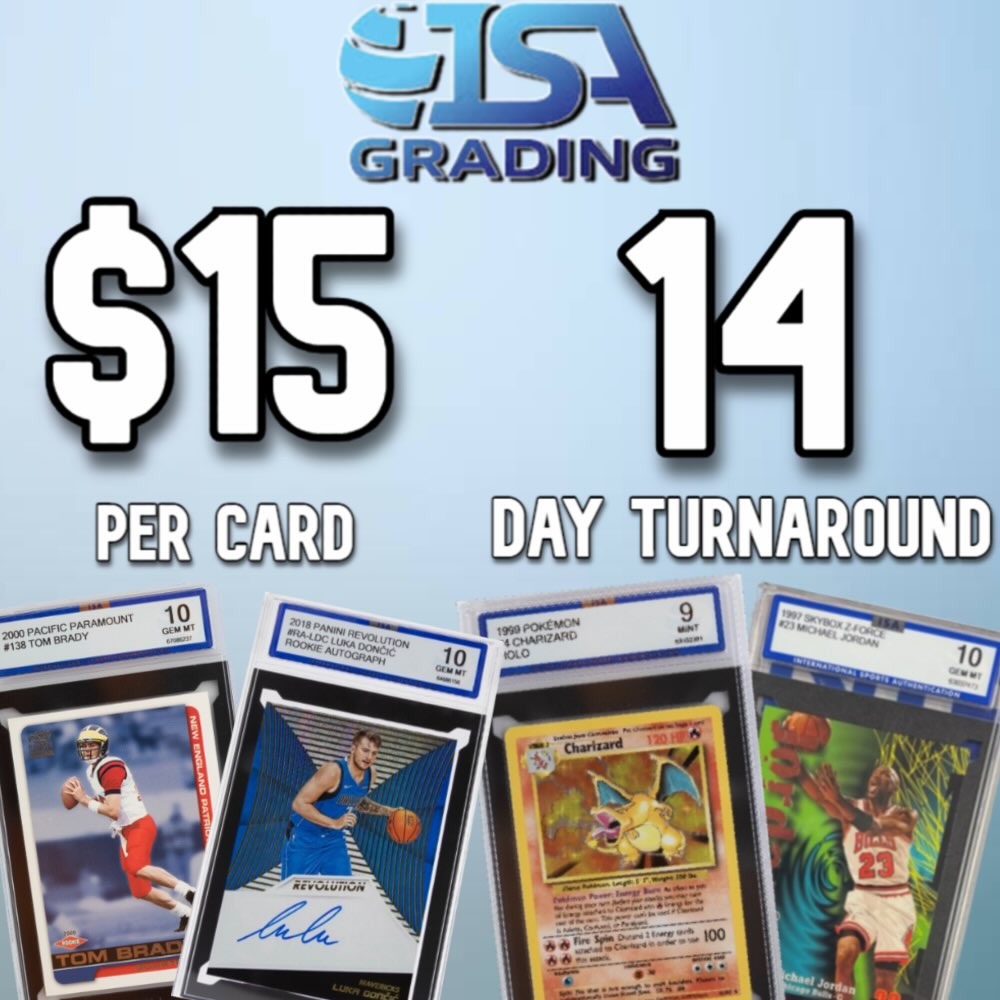
ISA Grading currently offers $15 card grading with a 14 day card grading turnaround, a 10 card minimum, and no upcharges. No upcharge card grading makes the service cost easier to calculate because a card is not moved into a higher pricing tier based on its declared or final value. A 10 card submission at the current service price has a grading fee of $150 before shipping or other applicable submission expenses.
Clear pricing is useful for hobby sellers who need to estimate their total cost before listing graded inventory. It also helps collectors compare the likely grading expense with the card's potential value, personal significance, and long term place in a collection. For a closer look at this budgeting approach, read how no upcharge grading supports collectors.
How to Prepare Cards for a More Informed Submission
Preparation cannot change a card's underlying condition, but it can help collectors choose submissions more carefully and package cards safely. If you are asking, should I grade my cards, start with a structured inspection rather than an optimistic glance.
- Confirm the card identity. Check the player or character, year, set, card number, variation, and any parallel or serial numbering. Similar designs can represent different versions.
- Inspect the front and back. Use clean hands, a clear workspace, and bright indirect light. Tilt the card carefully to look for scratches, dents, stains, print lines, and surface impressions.
- Review card centering. Compare the visible borders on opposite sides. Remember that the front and back can have different centering.
- Examine card corners and card edges. Look for whitening, fraying, chipping, bends, and compression. Avoid running a finger along an edge because handling can create additional wear.
- Avoid risky cleaning. Aggressive wiping, chemicals, trimming, recoloring, or other alterations can damage a card and may affect authentication or grading eligibility.
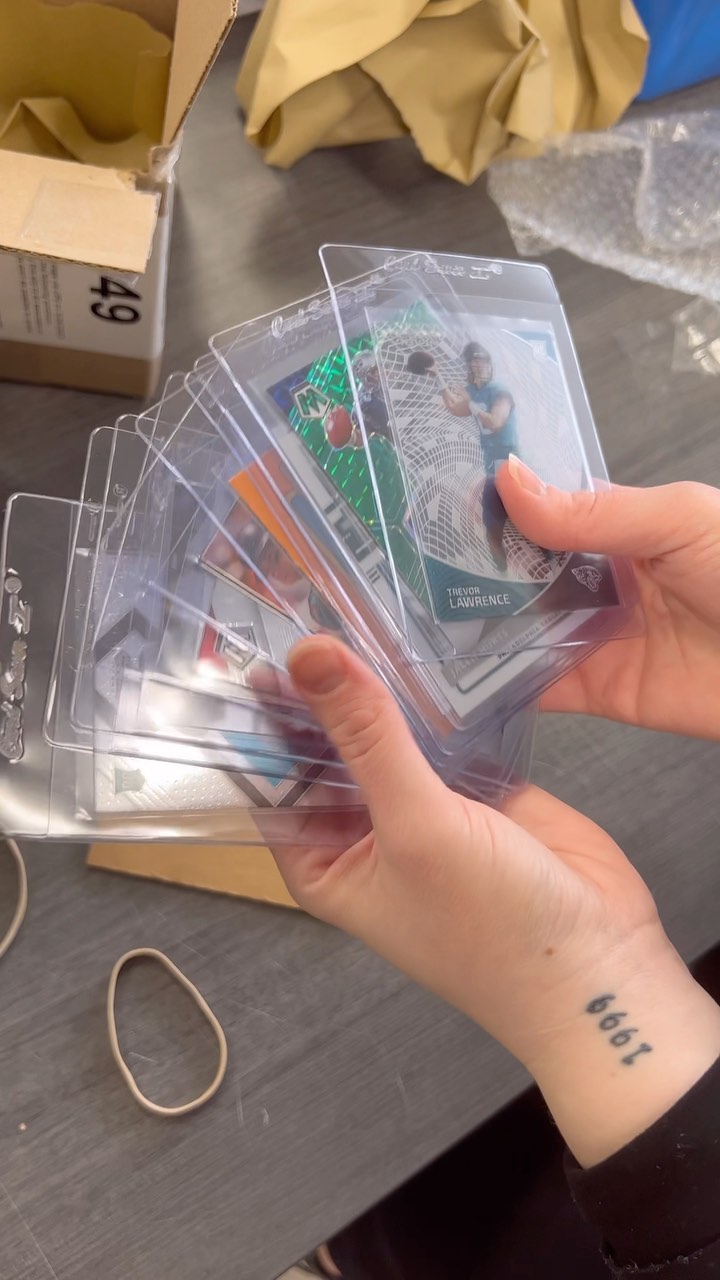
- Protect each card for shipment. Follow the submission instructions for appropriate sleeves, holders, packing materials, and box placement. The goal is to limit movement, pressure, and moisture exposure in transit.
Collectors preparing modern prospects or first year cards can also review this guide to modern rookie card grading. Careful screening is particularly valuable when submitting multiple copies because it encourages comparison across the entire group.
Slabs Support Protection, Identification, and Presentation
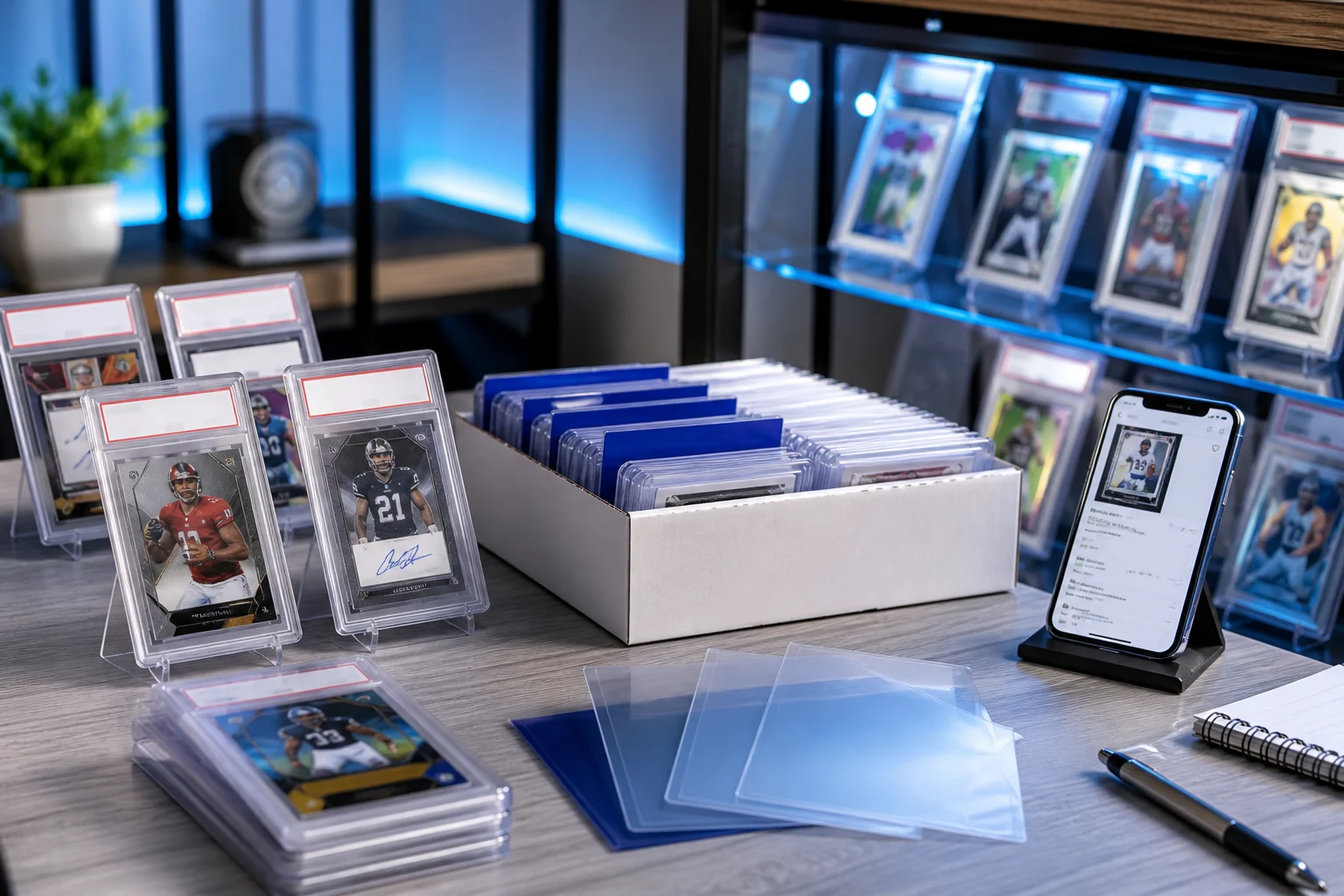
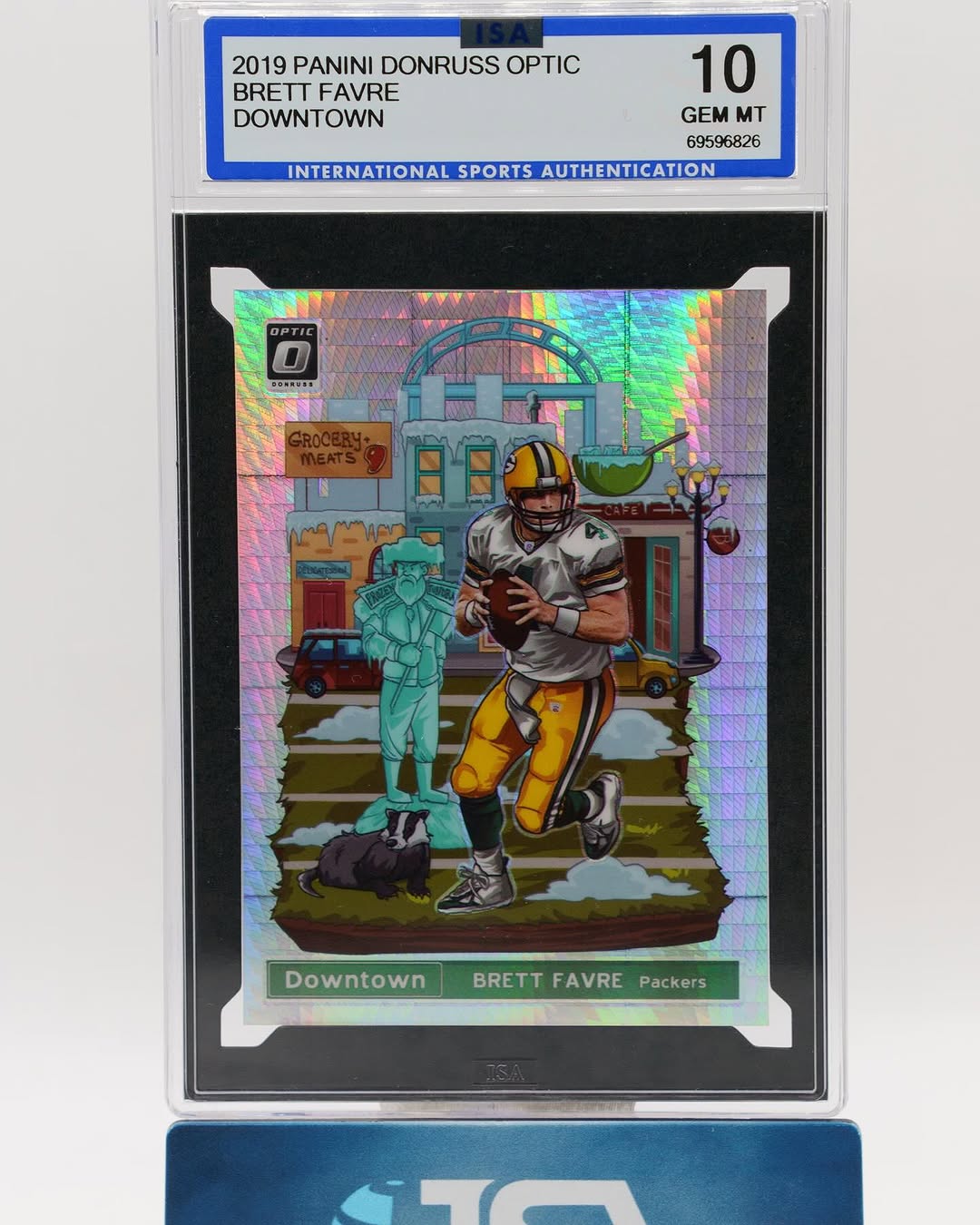
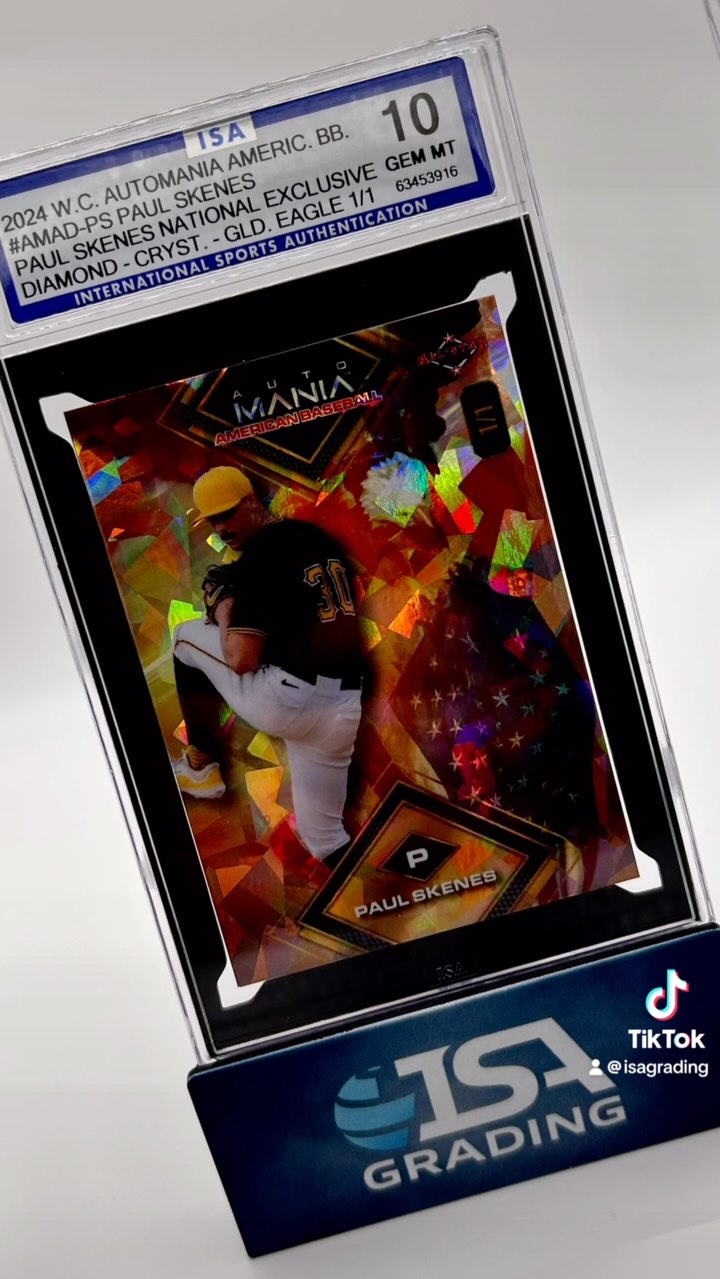
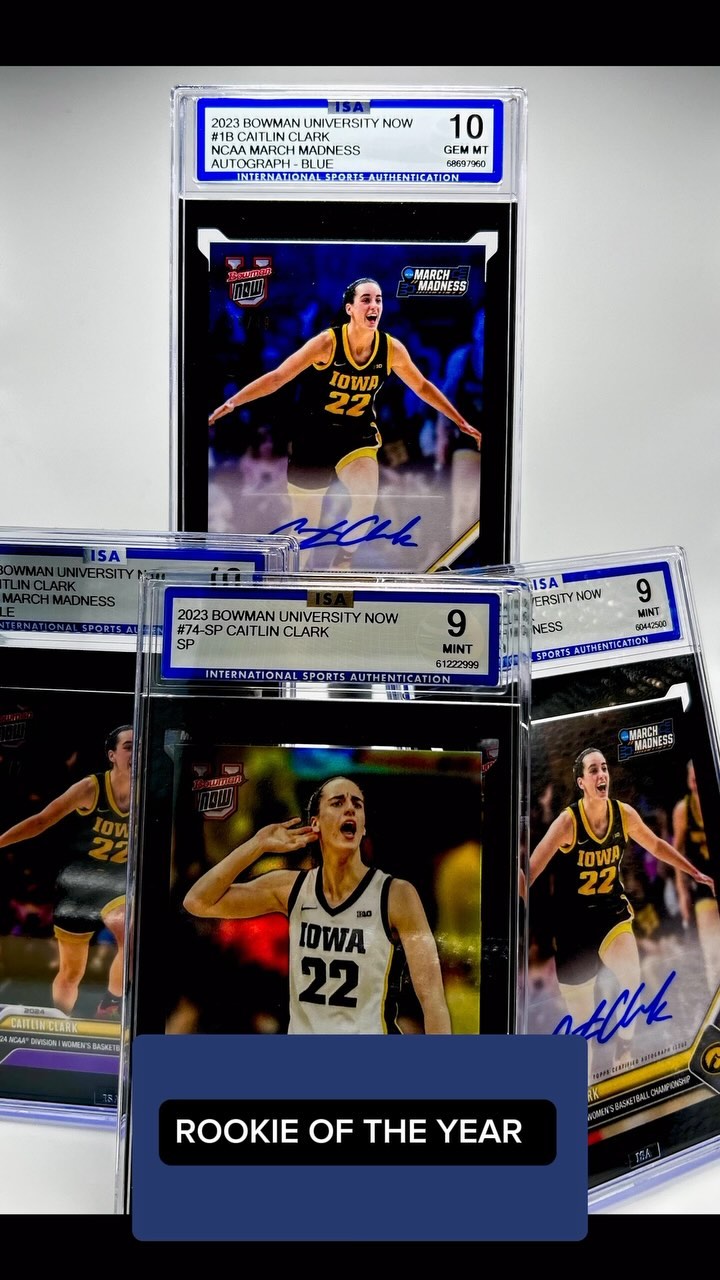
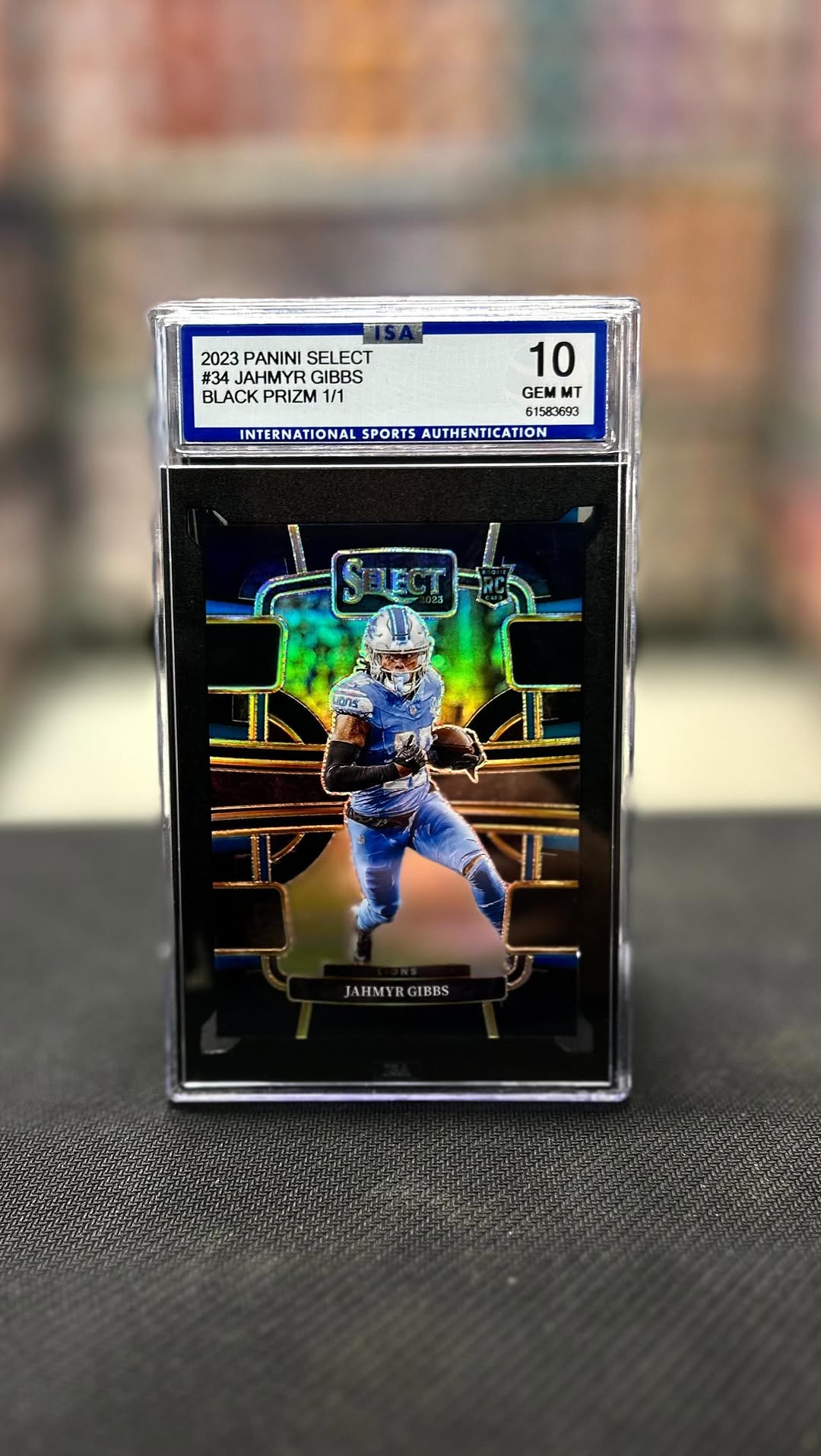
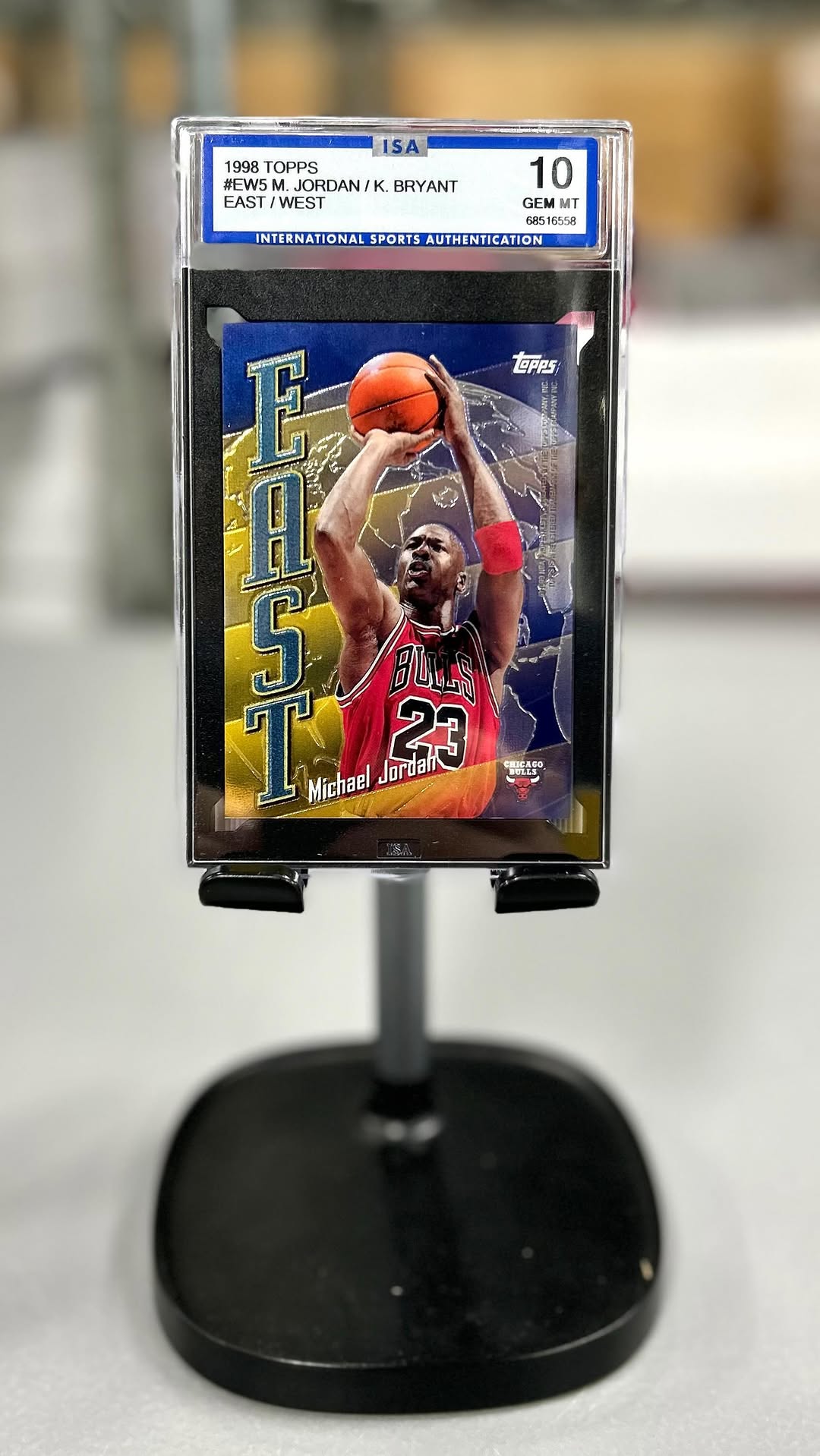
After grading and card authentication, encapsulation gives the card a structured holder for storage and display. Trading card slabs can help protect against routine handling, fingerprints, and direct contact. They also keep the grade label and identifying details with the card.
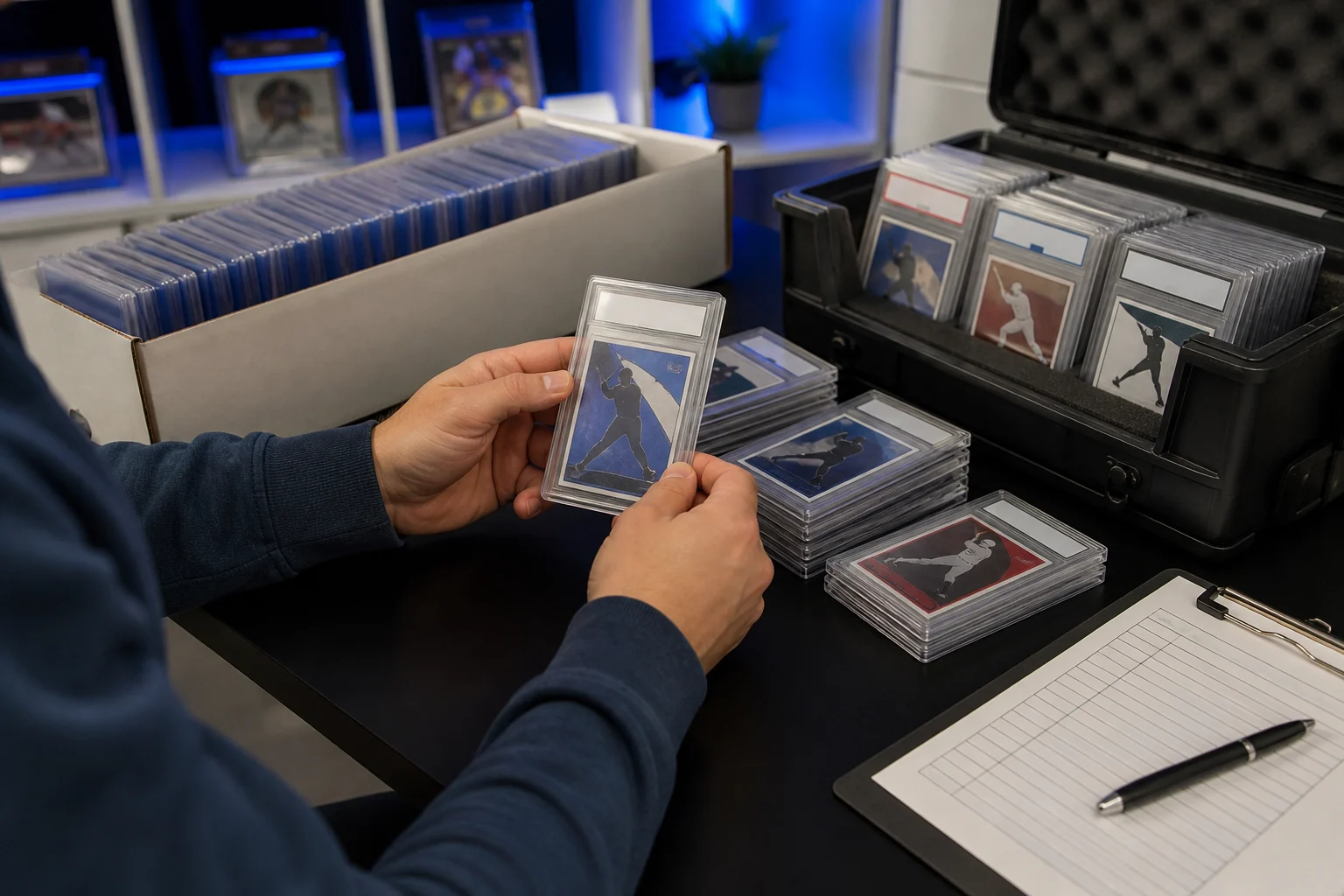
A slab should still be handled and stored responsibly. Encapsulation does not make a card immune to crushing, extreme temperatures, prolonged sunlight, fire, flooding, or every form of impact. Store graded cards in a stable environment and use appropriately sized boxes or cases. Avoid placing heavy objects on slabs, and inspect storage areas for moisture risks.
The label and certificate number also help collectors organize inventory. When a prospective buyer wants more information, certificate verification provides another useful reference. Sellers can include clear photographs of the front, back, label, and slab while directing buyers to the verification tool. They should still describe any visible holder wear accurately.
How Consistent Grading Helps Sellers Price Cards
A grade is an important pricing input, but it is not a guaranteed market value. Actual prices can vary according to player demand, set popularity, scarcity, timing, card design, autograph or memorabilia content, recent comparable sales, and overall market conditions.
For sellers, the benefit of consistent grading is a clearer starting point. Instead of describing a raw card with subjective phrases alone, the listing can identify the grading company, assigned grade, certificate number, and relevant card details. Buyers can then compare it with recent sales involving the same card and grade.
Good listings should remain precise. Include the year, manufacturer, set, subject, card number, parallel, serial number when applicable, and grade. Use original photographs rather than stock images. If the slab has scratches or scuffs, disclose them so buyers do not mistake holder wear for card damage.
Dealers can apply the same process across larger inventories. Consistent labels, certificate records, and listing formats make cards easier to sort and present. Collectors can also read verified customer feedback on the ISA reviews page when researching the service experience.
What to Look for in a Card Grading Service
A search for sports card grading near me may produce several options, but location is only one factor. Before submitting, collectors should review the complete service structure and ask practical questions.
- Is the grading scale publicly available and understandable?
- Are current prices, turnaround expectations, and submission minimums stated clearly?
- Can certificate information be verified online?
- Does the service explain how cards should be prepared and packaged?
- Are there upcharges tied to card value?
- Can the company grade the card category being submitted?
- Is customer support information easy to find?
Collectors should also consider their goal. A personal collection may prioritize protection and presentation. A dealer may focus on predictable costs and inventory timing. A set builder may want uniform slabs, while a seller may prioritize buyer confidence and certificate access. The most suitable choice depends on the cards and the purpose of the submission.
Using Consistency to Make Better Grading Decisions
Grading should begin with a plan. Separate cards into groups such as personal collection pieces, potential resale inventory, modern rookies, vintage cards, and trading cards. Inspect each group using the same routine, then estimate grading fees and shipping costs before submitting.
For ISA's current active service, collectors can plan around the $15 per card price, 14 day turnaround, 10 card minimum, and no upcharges. Those terms provide a clear framework for deciding whether a group of cards fits the collector's budget and timing needs.
When ready, review the instructions and submit cards to ISA Grading. The companion guide on how to submit cards for grading and authentication can help collectors organize the process. Thoughtful preparation, published standards, protective slabs, and accessible certificate records all contribute to a grading experience built around useful, verifiable information.
Submit Cards to ISA Grading
Collectors ready to use ISA Grading can start on the submission page. The current active service is $15 per card with a 14 day turnaround, no upcharges, and a 10 card minimum.
Frequently Asked Questions
What does grading consistency mean for sports cards?
Grading consistency means applying a published condition scale carefully across submissions while evaluating factors such as centering, corners, edges, and surfaces. It does not mean every similar looking card will receive the same grade.
What is ISA Grading's current price and turnaround?
ISA Grading currently offers grading for $15 per card with a 14 day turnaround, a 10 card minimum, and no upcharges.
How can I verify an ISA graded card?
Use the certificate verification tool at /certificate-verification. Enter the certificate information from the ISA label to review the available card record.
Can grading consistency help when selling graded cards?
Yes. A consistently applied grade gives buyers and sellers a shared condition reference. Sellers should also provide original photographs, accurate card details, the certificate number, and disclosure of any visible slab wear.
How should I prepare cards before submitting them?
Confirm each card's identity, inspect the front and back under good lighting, review centering, corners, edges, and surfaces, and avoid risky cleaning or alterations. Follow ISA's current submission and packaging instructions before shipping.