Sending cards to a professional grading service can protect important collectibles, document their condition, and make them easier for prospective buyers to evaluate. Preparation matters, whether you collect modern rookies, vintage stars, basketball inserts, football cards, baseball cards, or trading card games.
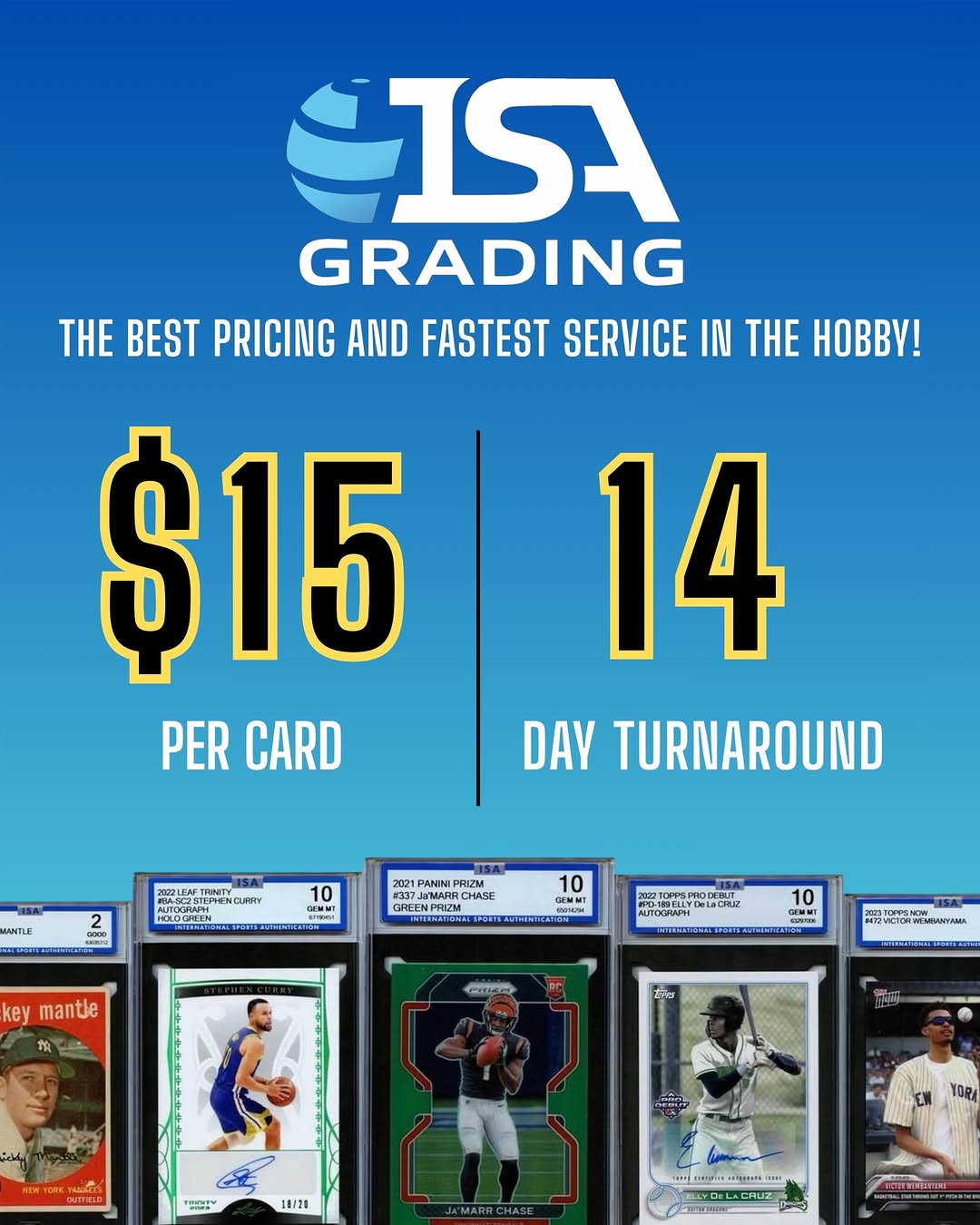
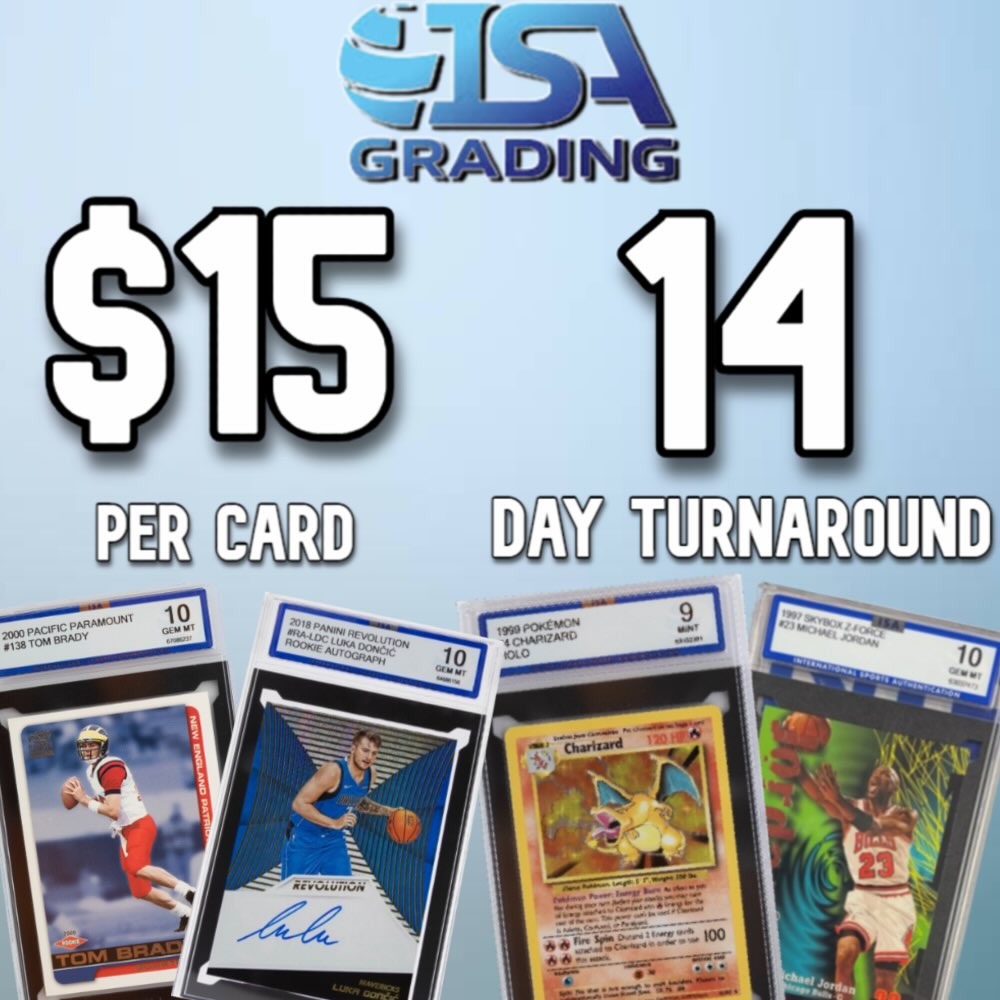
Before submitting to ISA Grading, also known as International Sports Authentication, collectors should understand the difference between authentication and grading, inspect each card carefully, choose suitable submission candidates, and package the order securely. ISA currently offers $15 card grading with a 14 day turnaround, a 10 card minimum, and no upcharges. Here is what to know before your cards leave your hands.
Understand authentication, grading, and encapsulation
Card authentication and card condition grading are related, but they answer different questions. Authentication evaluates whether a card is genuine. Grading assesses its physical condition according to an established scale. The assigned grade reflects characteristics such as centering, corners, card edges, and the card surface.
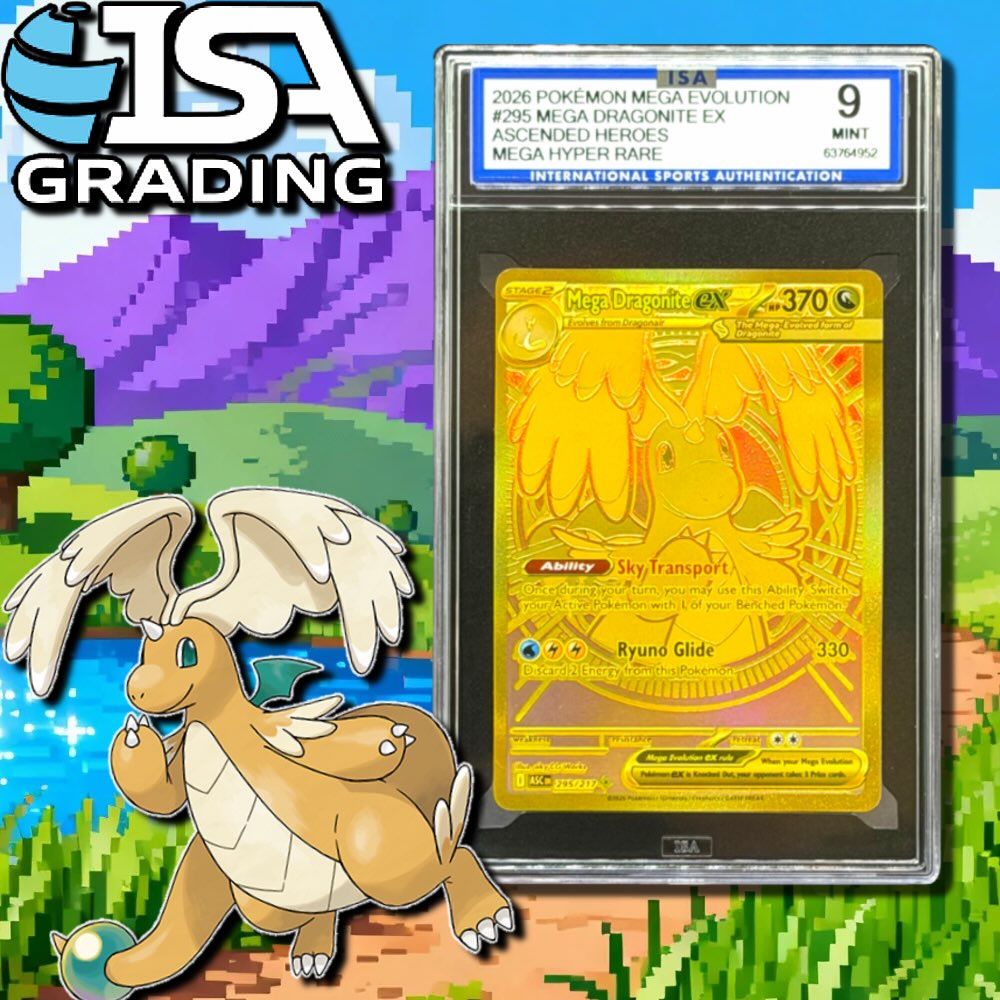
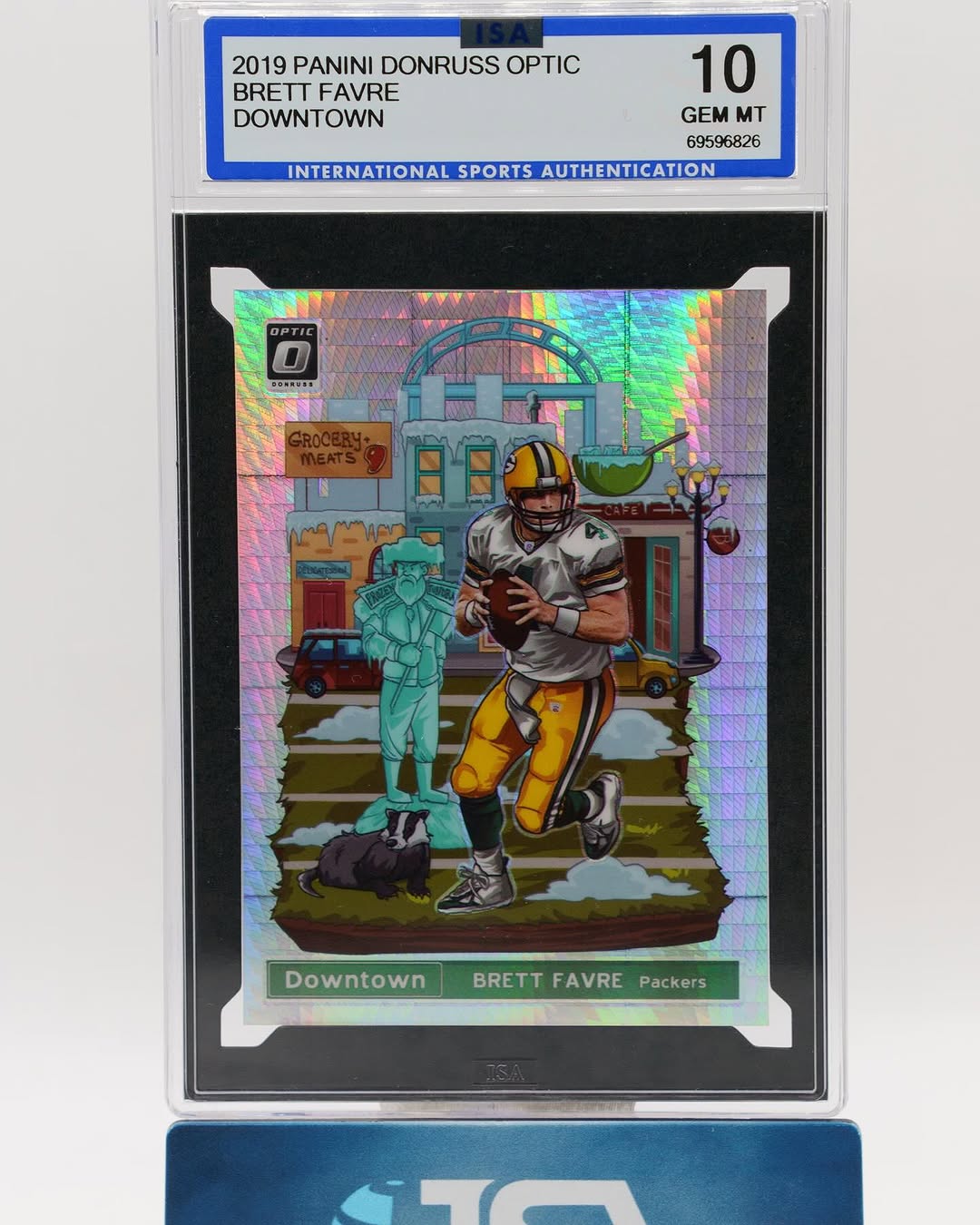
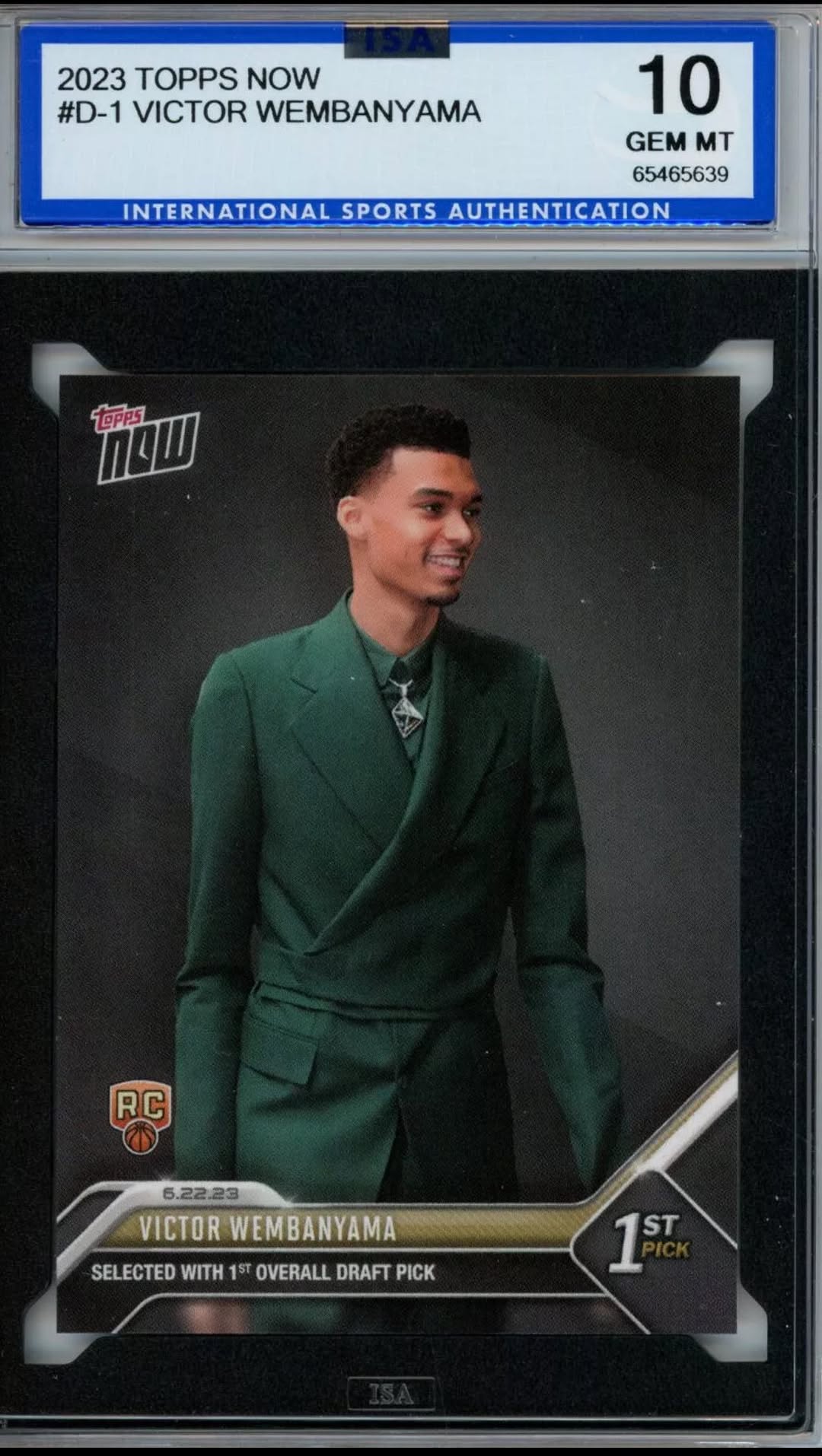
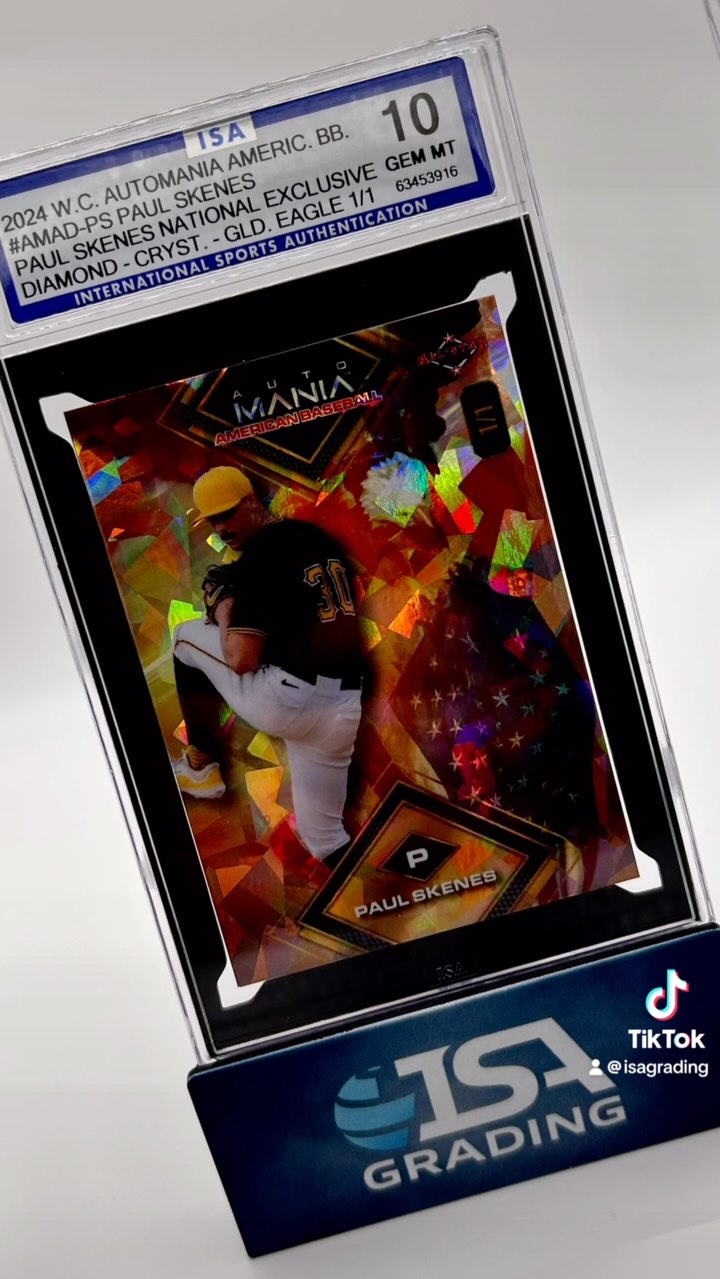
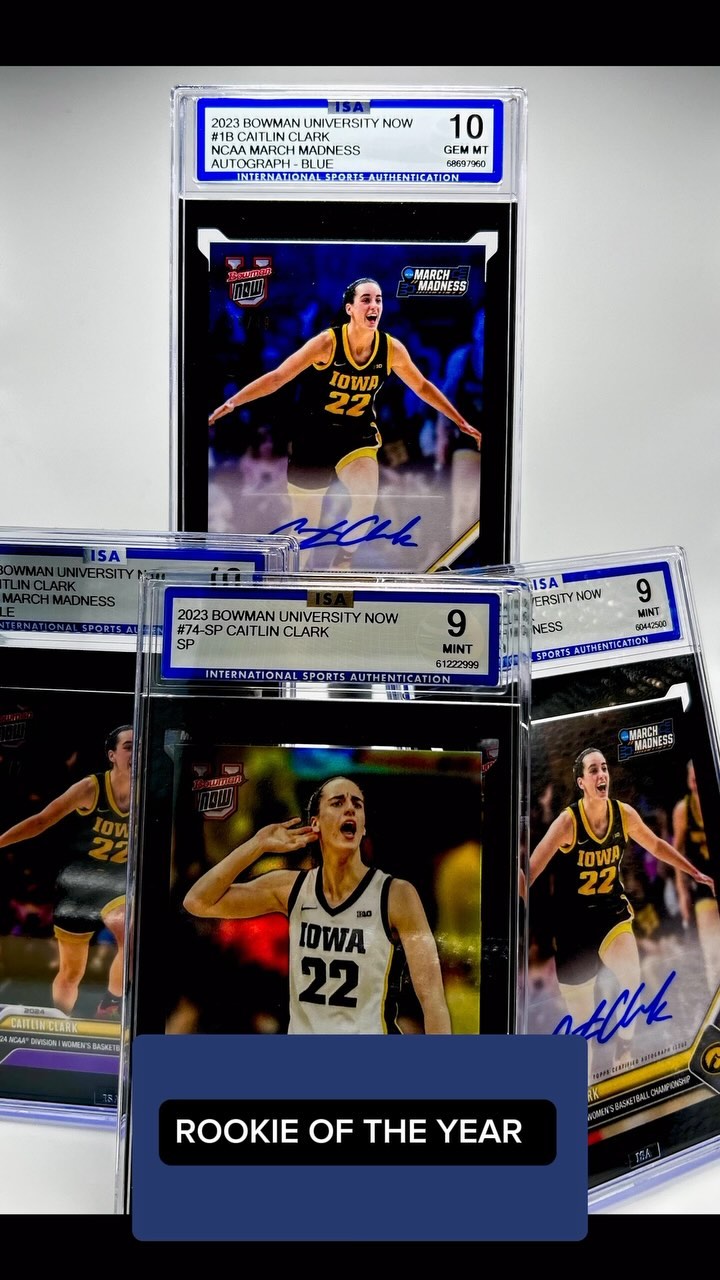
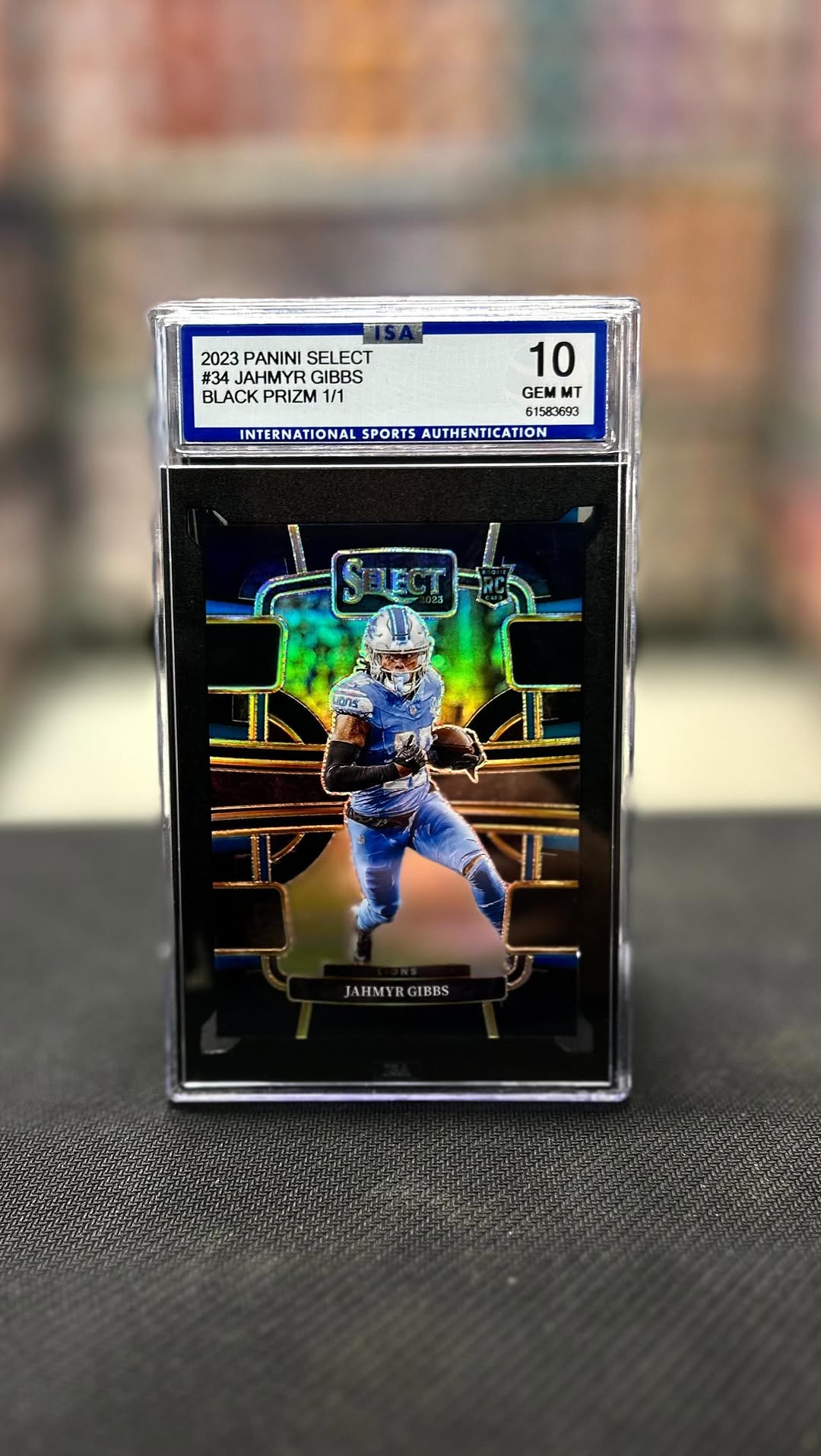
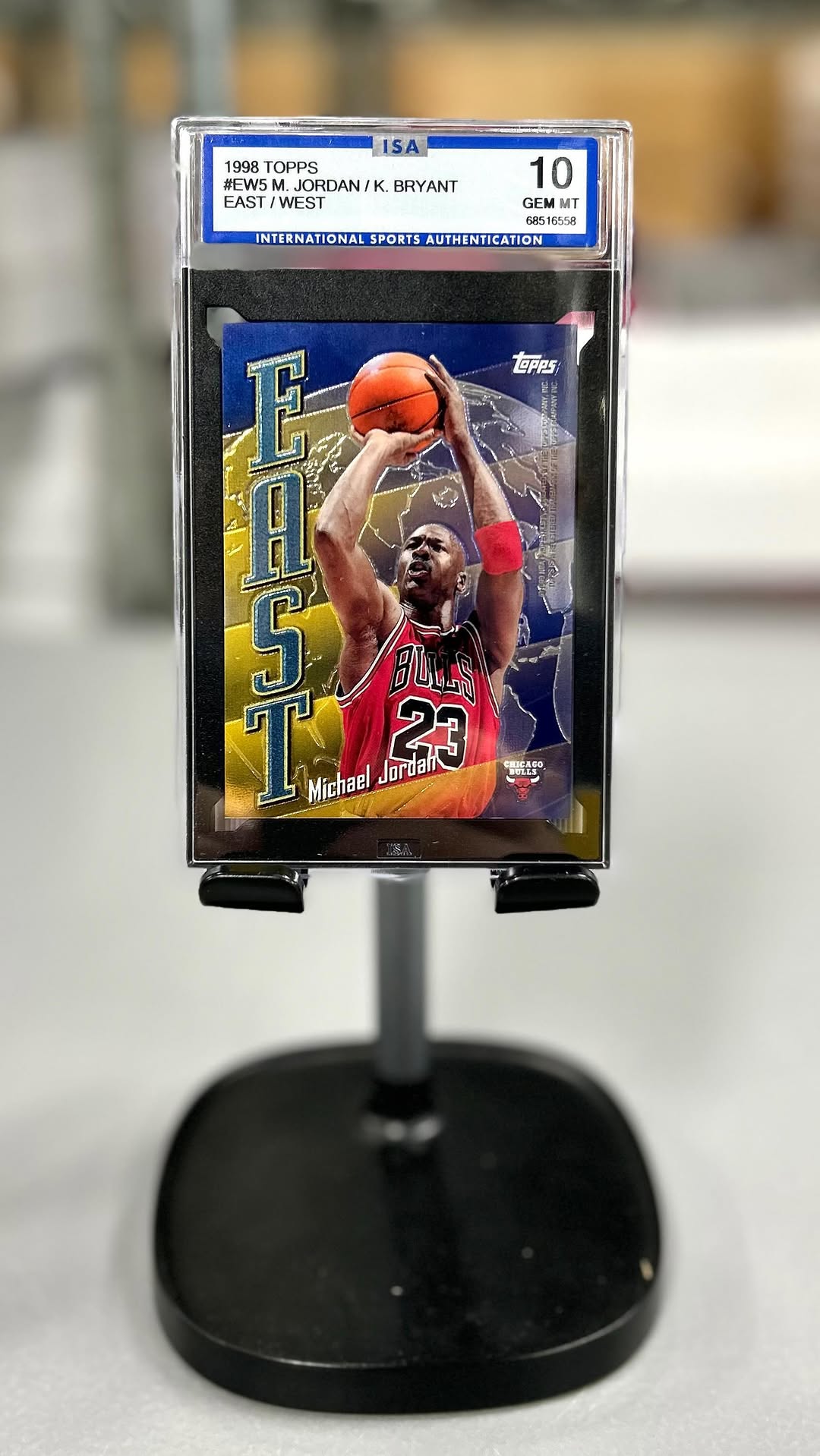
After evaluation, qualifying cards are placed in protective slabs through card encapsulation. A slab helps protect a card from direct handling and provides an organized presentation for a collection, display, inventory, or sale. It does not make a card immune to impact, heat, moisture, or environmental damage, so careful storage remains important.
Collectors should review the ISA grading scale before submitting. Understanding the standards can help set realistic expectations, especially when small flaws are difficult to see without close inspection. Authentication does not guarantee a particular numerical grade, and a card's age, popularity, or market value does not determine its condition.
Confirm that each card fits your collecting goal
Start by deciding why you want each card graded. A sentimental card may be worth encapsulating even if it is unlikely to receive a high grade. A dealer may prioritize cards with sufficient resale demand. A set collector might want consistent slabs, while a hobby seller may focus on cards that buyers frequently seek in authenticated form.
Submission goals often vary by category. Baseball card grading may involve vintage stars, modern prospects, or condition sensitive sets. Basketball card grading and football card grading can include rookie cards, parallels, autographs, and short print issues. Vintage card grading often requires particularly careful attention to wear, print characteristics, and signs of alteration.
Collectors interested in Pokemon card grading or broader TCG card grading should confirm that their specific card type, size, and issue are eligible before shipping. The same applies to unusual releases, oversized cards, hand cut items, or cards with nonstandard materials. When eligibility is uncertain, use the ISA FAQ page or contact the company before building the order.
Inspect condition under good lighting
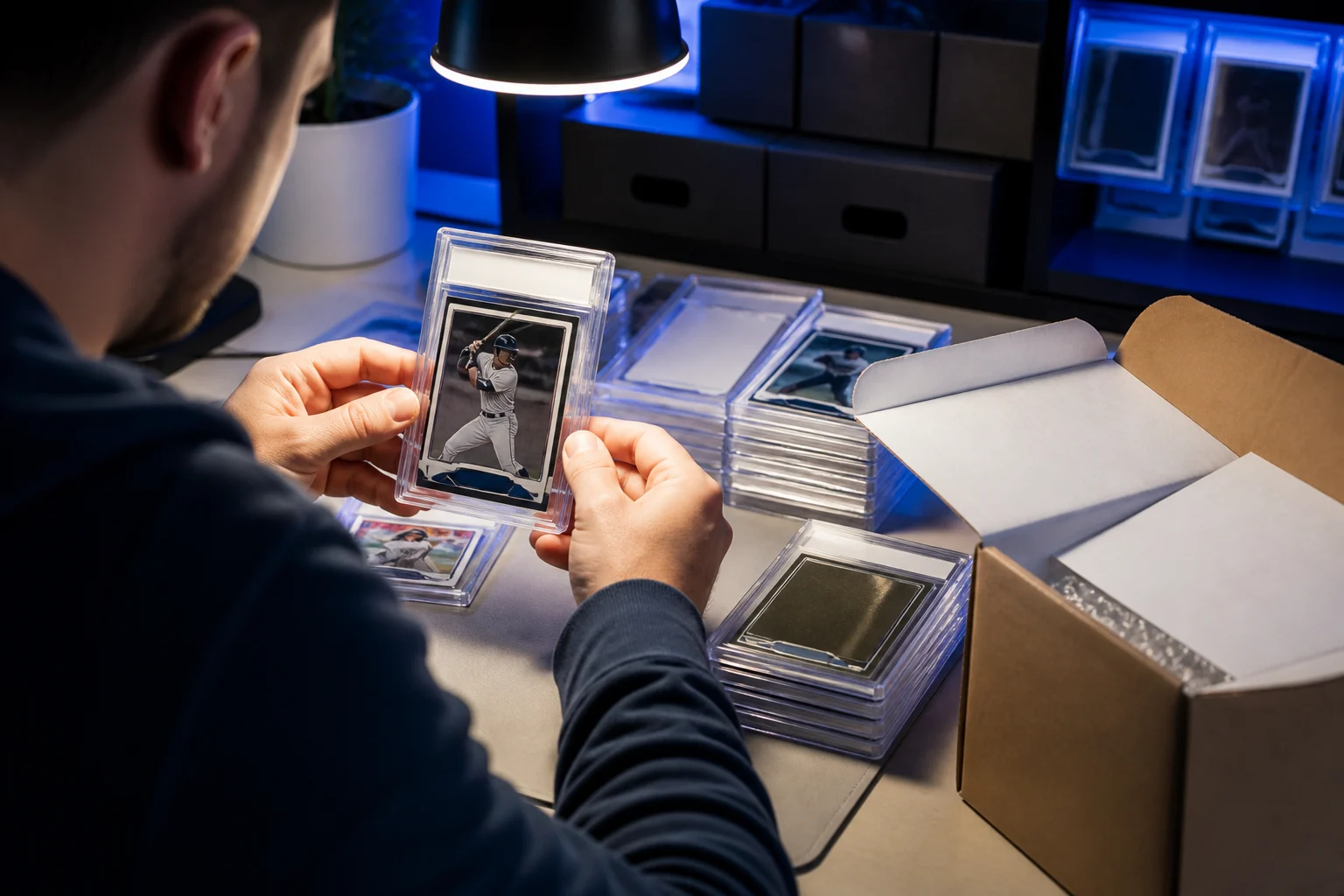
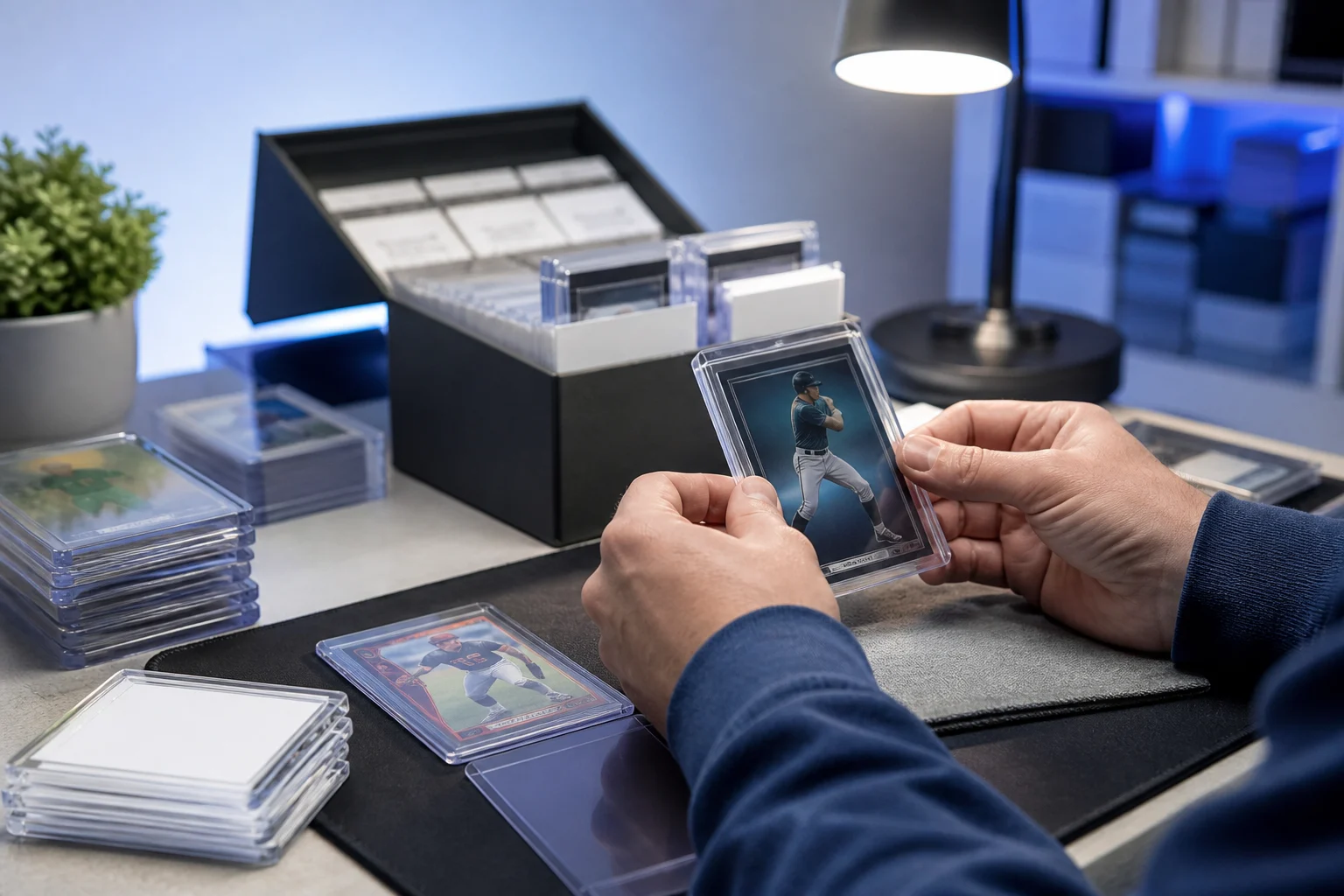
A careful inspection helps you choose cards more intentionally. Use bright, indirect lighting and examine both the front and back. Tilt the card gently to reveal scratches, dents, print lines, fingerprints, surface indentations, or gloss problems that may disappear when viewed straight on.
Centering
Compare the visible borders on the left and right, then the top and bottom. Remember to inspect the back as well as the front. Some designs make centering difficult to judge because they lack defined borders, so use printed design elements rather than guessing from the card's outer edge alone.
Corners and edges
Look at all four corners for whitening, rounding, bends, compression, or separation. Inspect card edges for chipping, rough cuts, peeling, and color loss. Dark bordered cards commonly make edge wear easier to notice, while light designs can conceal small flaws.
Surface
The card surface deserves more than a quick glance. Watch for scratches, creases, stains, wax, residue, indentations, print defects, and loss of gloss. On chrome or foil cards, changing the viewing angle can reveal fine scratches or dimples. Avoid pressing on a suspected dent because additional handling can make damage worse.
Your inspection is only a personal estimate. Professional grading may identify flaws that were not visible through a sleeve or under ordinary room lighting. For a clearer understanding of how condition is evaluated, compare your observations with the published grading scale rather than relying only on online photographs of other graded cards.
Do not alter a card in pursuit of a better grade
Remove loose dust only when it can be done safely and without rubbing the surface. Do not trim edges, recolor corners, press creases, rebuild missing material, apply chemicals, or use aggressive cleaning methods. These actions can permanently damage a card and may affect authentication.
If a card has residue, staining, an unusual edge, or another questionable characteristic, the safest approach is usually to leave it alone. Handle cards with clean, dry hands, hold them by the edges, and work over a clean surface. Gloves can reduce dexterity and may cause a card to slip, so careful handling is more important than adding unnecessary equipment.
Build a thoughtful 10 card submission
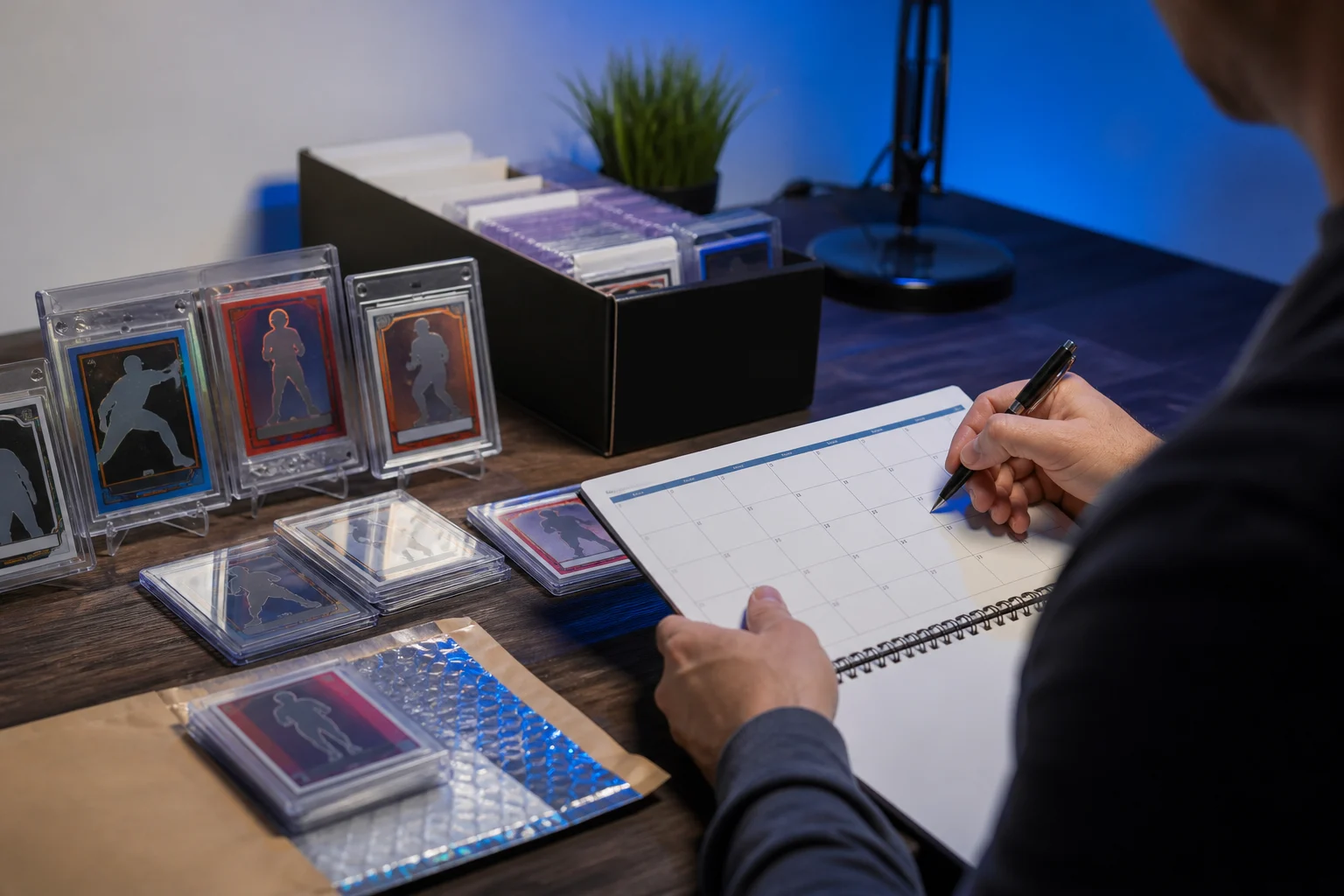
ISA's current service has a 10 card minimum. Instead of adding random cards just to reach the requirement, create a candidate group and compare each card's condition, importance, and purpose. A simple worksheet can include the player or character, year, set, card number, variation, estimated value, and reason for submission.
Collectors asking where to “grade my cards” or searching for “card grading near me” may initially focus on geography. Service terms, preparation requirements, grading standards, turnaround, pricing clarity, and certificate verification are also important considerations. A mail submission can be practical when the process and costs are clearly understood.
For a step by step approach to selecting and organizing the required quantity, read How to Prepare a 10 Card Submission for ISA Grading Service. Keeping the order in the same sequence as the submission paperwork can reduce confusion when checking your records.
Plan the price and turnaround before shipping
ISA's current active service is $15 per card, with no upcharges. At the 10 card minimum, the grading portion of an order begins at $150. Collectors should also budget for shipping, packaging materials, and any carrier services they choose. Review the complete order details on the submission page before sending cards.
The current 14 day card grading turnaround gives collectors and dealers a defined service timeline for planning. Shipping transit to and from ISA should be considered separately when estimating when cards will be back in hand. Seasonal carrier volume, weather, and delivery exceptions can also affect transit, even when the grading turnaround remains the same.
Pricing clarity is especially useful for dealers submitting cards across different values because no upcharges means the grading fee does not increase simply because a card is more valuable. Additional context about the service structure is available in A Clearer Path to the Slab.
Protect cards for transit
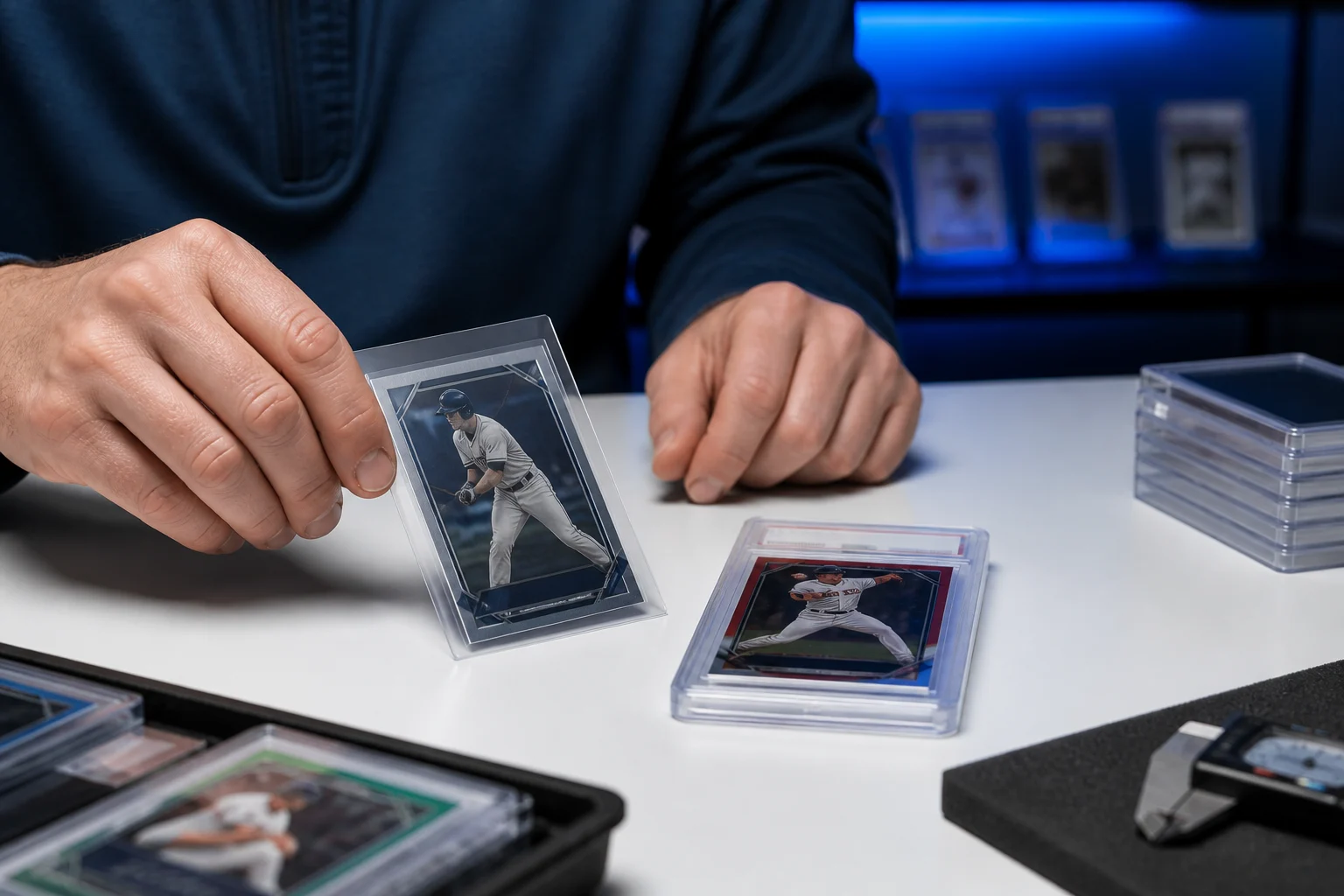
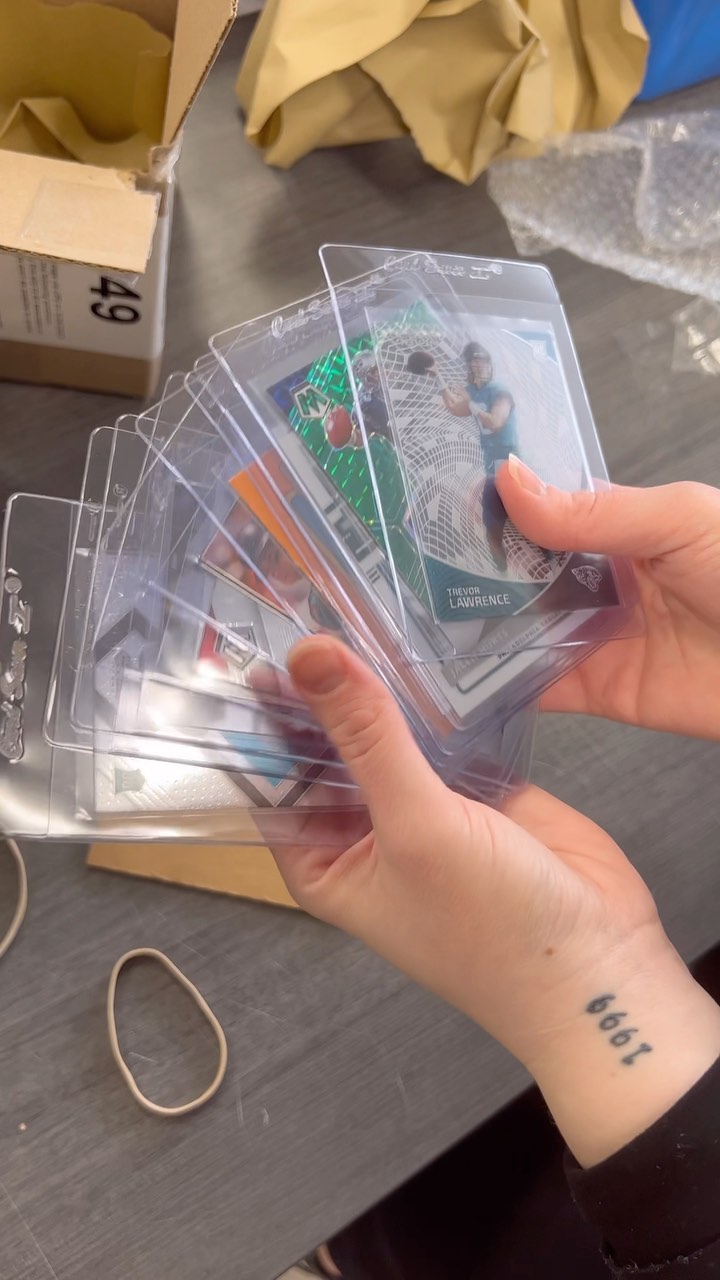
Good packaging limits movement, pressure, moisture exposure, and accidental contact during shipping. Check the current submission instructions first because packaging requirements can change. In general, each card should be placed in a clean inner sleeve and an appropriate semi rigid or protective card holder that allows safe removal without forcing the card.
Avoid holders that are cracked, dirty, too tight, or held together with adhesive near the card. Do not put tape directly on a card, sleeve, or opening where adhesive could touch the card during removal. If a pull tab or other aid is permitted by current instructions, make sure it does not place pressure on the card surface.
Keep the cards in the same order as the submission form. Place the organized group between sturdy protective material without overtightening it. The cards should not slide freely, but excessive compression can damage corners or create surface indentations. Use a strong outer box with enough cushioning to prevent the protected group from moving inside.
Protect the paperwork from moisture and retain a copy for your records. Seal the package securely, use a complete return address, and choose tracking and insurance based on your own assessment of the shipment's value and risk. Photographing the cards and completed package before shipment can provide a useful inventory record.
Record identifying details before sending
Create a basic record of every submitted card. Photograph the front and back, and note the year, brand, set, player or character, card number, parallel, serial number, and visible distinguishing features. For autographed, vintage, or uncommon cards, accurate identification is especially important.
Records help collectors reconcile the returned order and maintain useful collection data. Dealers can also connect acquisition cost, grading expense, and final selling price to the correct item. Do not rely on memory when several cards from the same set look similar.
Use the slab and certificate number to support buyer confidence
Once a card has been authenticated, graded, and encapsulated, inspect the slab and label when it returns. Confirm that the identifying details match the card, then store the slab away from direct sunlight, high humidity, extreme temperatures, and impact hazards.
ISA certificate verification is available through the website. A collector or prospective buyer can enter the certificate number on the certificate verification page to check the record associated with an ISA graded card. Verification gives buyers a direct way to review certification information instead of relying only on a seller's written description or a photograph of the label.
Certificate verification does not replace careful purchasing practices. Buyers should still review clear images of the card and slab, examine the seller's terms, and confirm that the certificate details correspond with the item offered. Learn more in How ISA Certificate Verification Strengthens Buyer Confidence.
Prepare graded cards for sale responsibly
Selling graded cards still requires accurate listings. Include the full card identity, assigned grade, grading company, and certificate number when appropriate. Use sharp photographs of the slab's front and back, and disclose visible scratches, chips, or cracks in the holder. The grade describes the card's assessed condition, not the cosmetic condition of a holder after later use.
A graded card does not have one guaranteed market price. Sale prices can vary with player demand, set popularity, scarcity, timing, eye appeal, and recent comparable transactions. Sellers should research completed sales for the same card, variation, and grade rather than comparing an unnumbered base card with a scarce parallel.
For shipping a sold slab, protect it from scratching and movement, then place it in a sturdy box with cushioning. Slabs provide meaningful protection, but they can still be damaged by a severe impact. More detail is available in Understanding Card Slabs, Protection, and Certificate Verification.
A practical checklist before submission
- Confirm that every card type is eligible for the service.
- Review the grading scale and set realistic condition expectations.
- Inspect centering, corners, edges, and surfaces under good lighting.
- Do not clean aggressively, trim, recolor, press, or otherwise alter cards.
- Select at least 10 purposeful submission candidates.
- Record and photograph the front and back of every card.
- Protect each card according to the current submission instructions.
- Match the physical card order to the submission paperwork.
- Budget for the $15 per card grading fee and shipping expenses.
- Retain tracking information and a copy of the completed submission.
Thoughtful preparation cannot guarantee a particular grade, but it can prevent avoidable handling mistakes and make the submission easier to track. By understanding sports card authentication, condition standards, packaging, current service terms, slabs, and certificate verification before shipping, collectors can approach the grading process with clearer expectations.
Submit Cards to ISA Grading
Collectors ready to use ISA Grading can start on the submission page. The current active service is $15 per card with a 14 day turnaround, no upcharges, and a 10 card minimum.
Frequently Asked Questions
What is the minimum number of cards for an ISA submission?
ISA Grading currently has a 10 card minimum. Collectors should choose ten or more purposeful candidates and keep them in the same order as the submission paperwork.
How much does ISA card grading cost?
ISA's current active service is $15 per card with no upcharges. Shipping and any optional carrier services should be budgeted separately.
How long does ISA grading take?
ISA currently offers a 14 day turnaround. Shipping transit to ISA and return delivery time should be considered separately when planning the full timeline.
Should I clean my cards before authentication and grading?
Avoid aggressive cleaning, chemicals, pressing, trimming, recoloring, or other alterations. Handle cards by their edges with clean, dry hands, and remove only loose dust when it can be done without rubbing or risking damage.
How can buyers verify an ISA graded card?
Buyers and collectors can enter the card's certificate number on ISA's certificate verification page. The resulting record should be compared with the card, label, and seller's photographs.