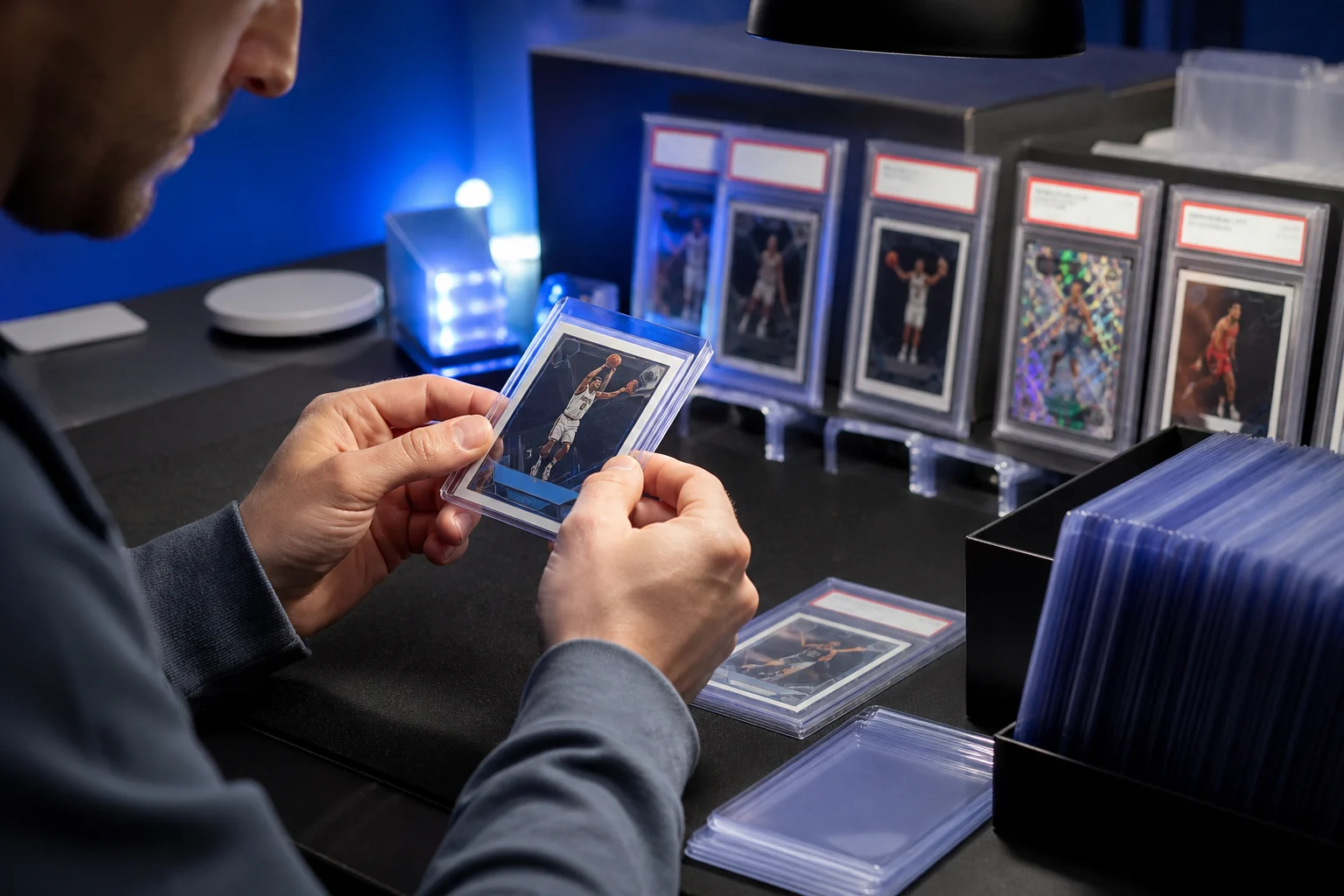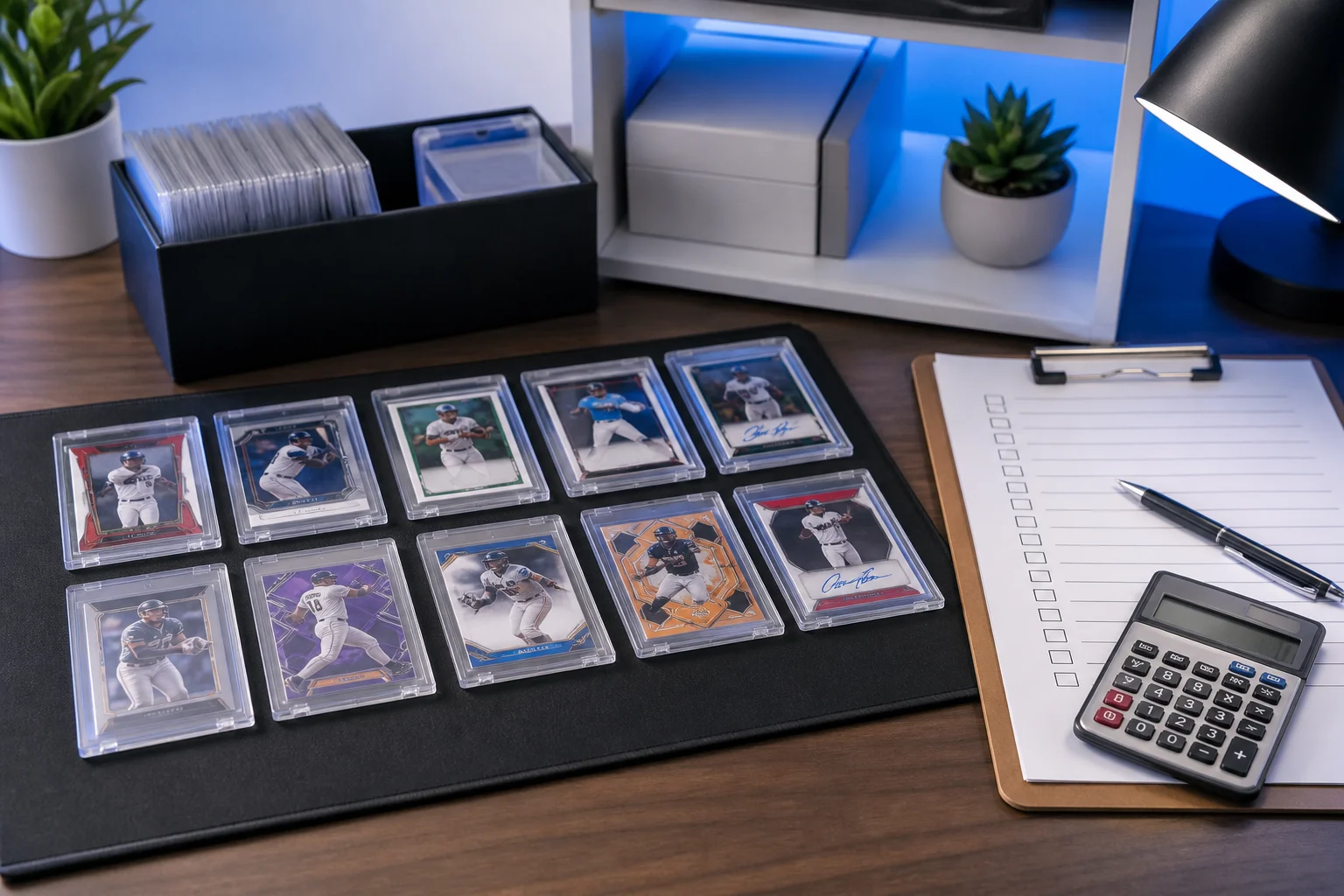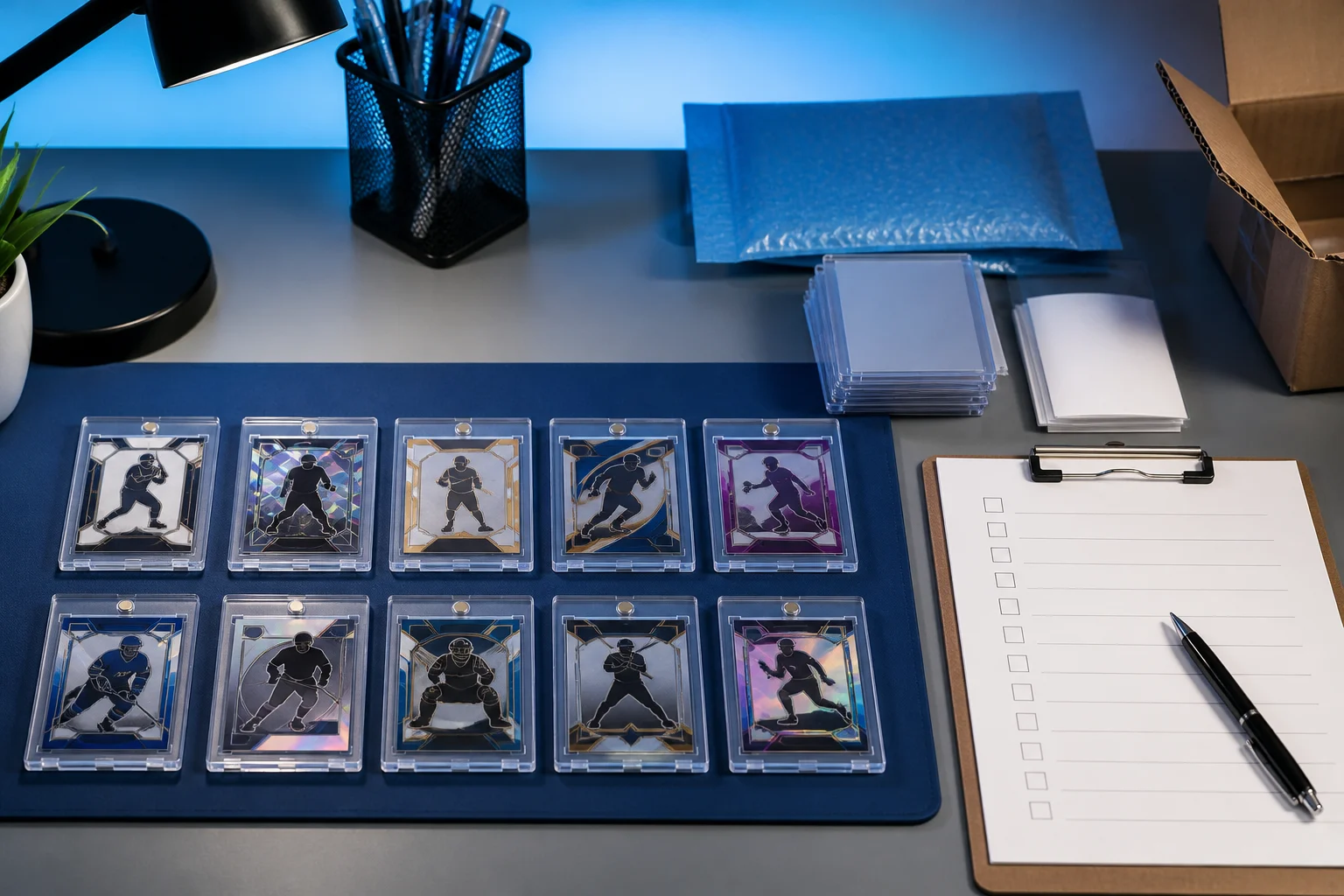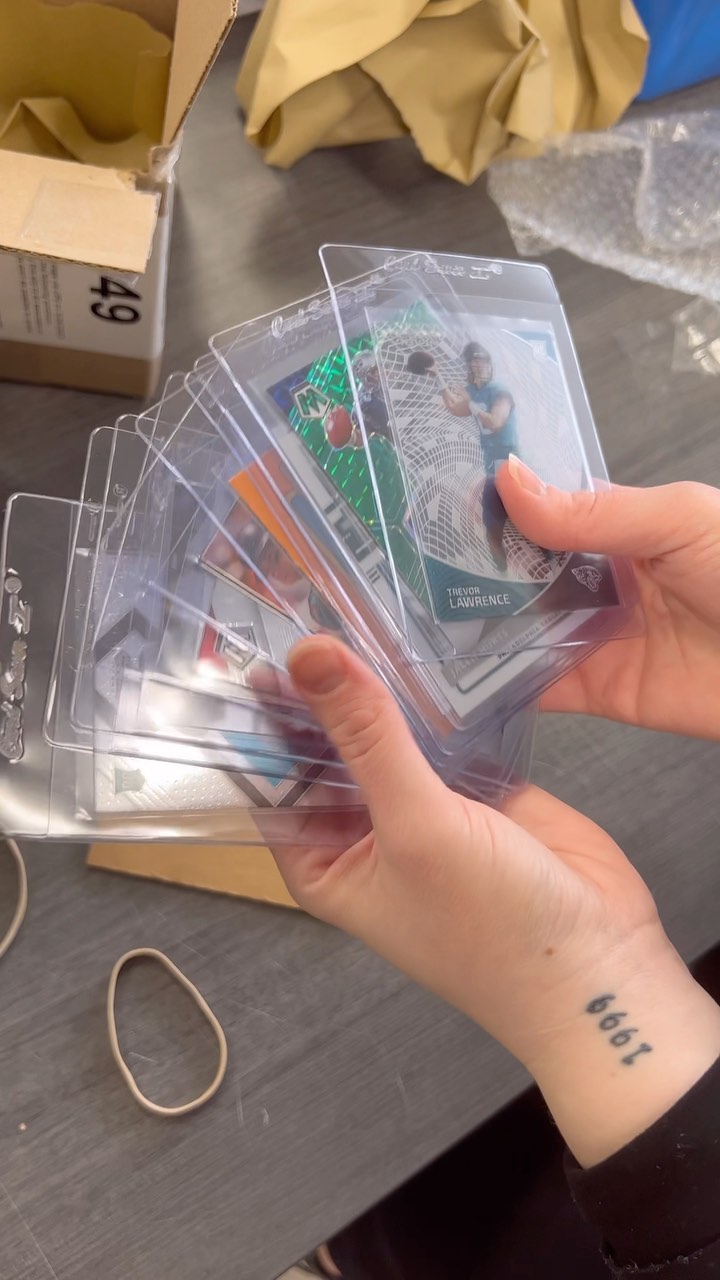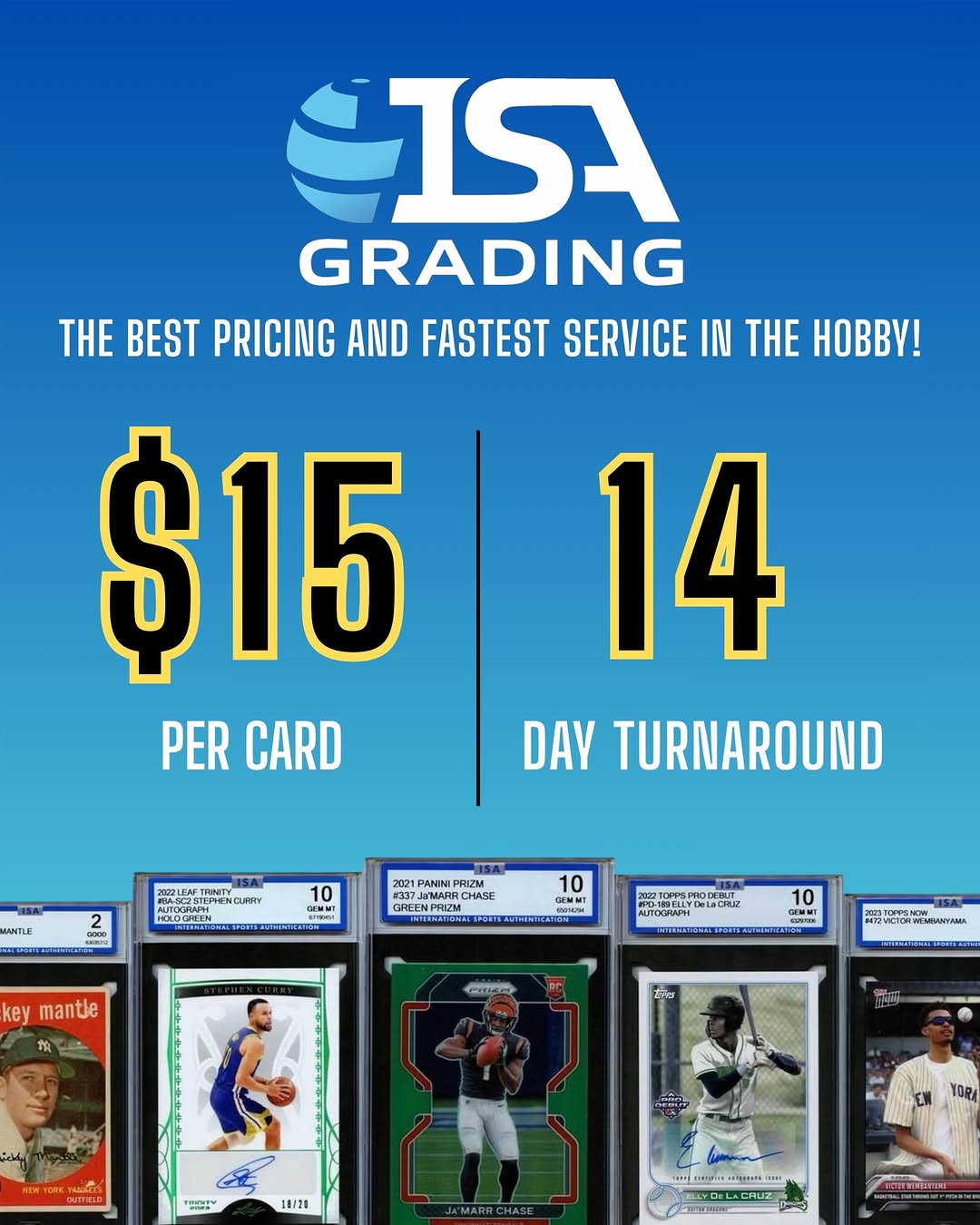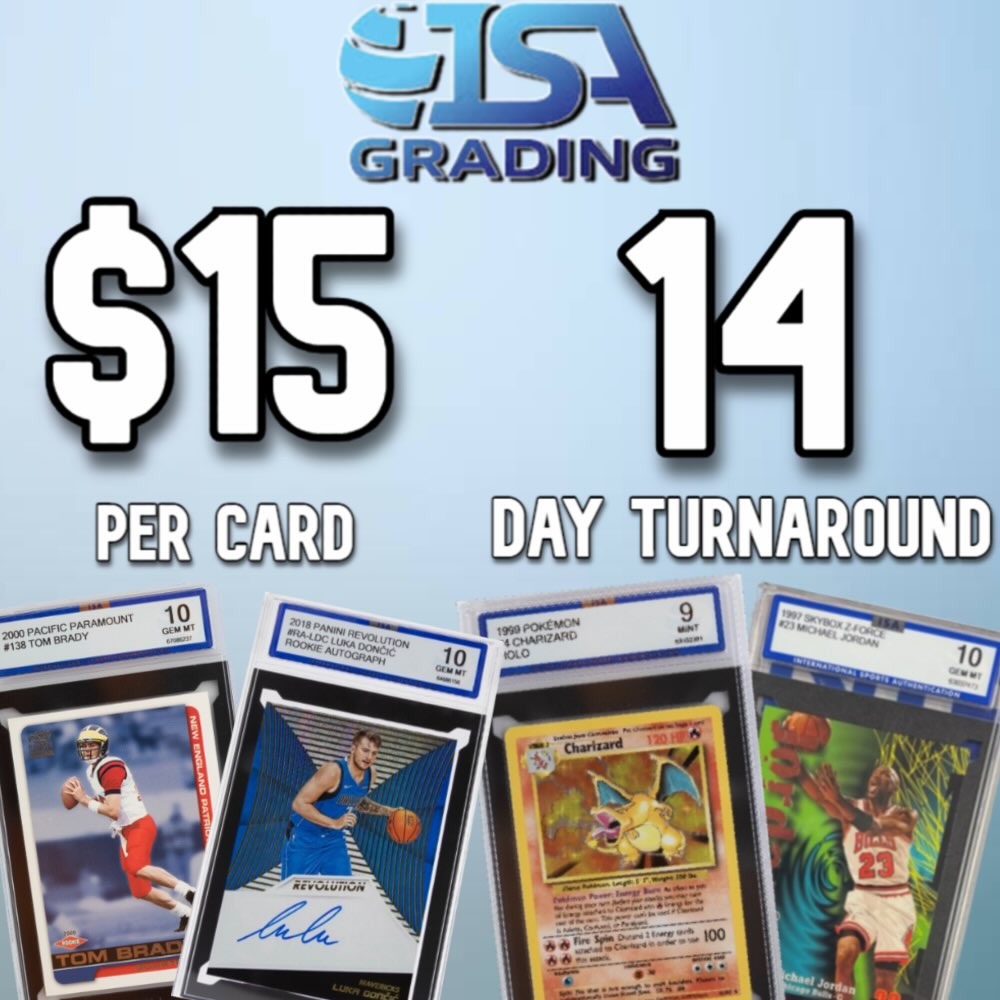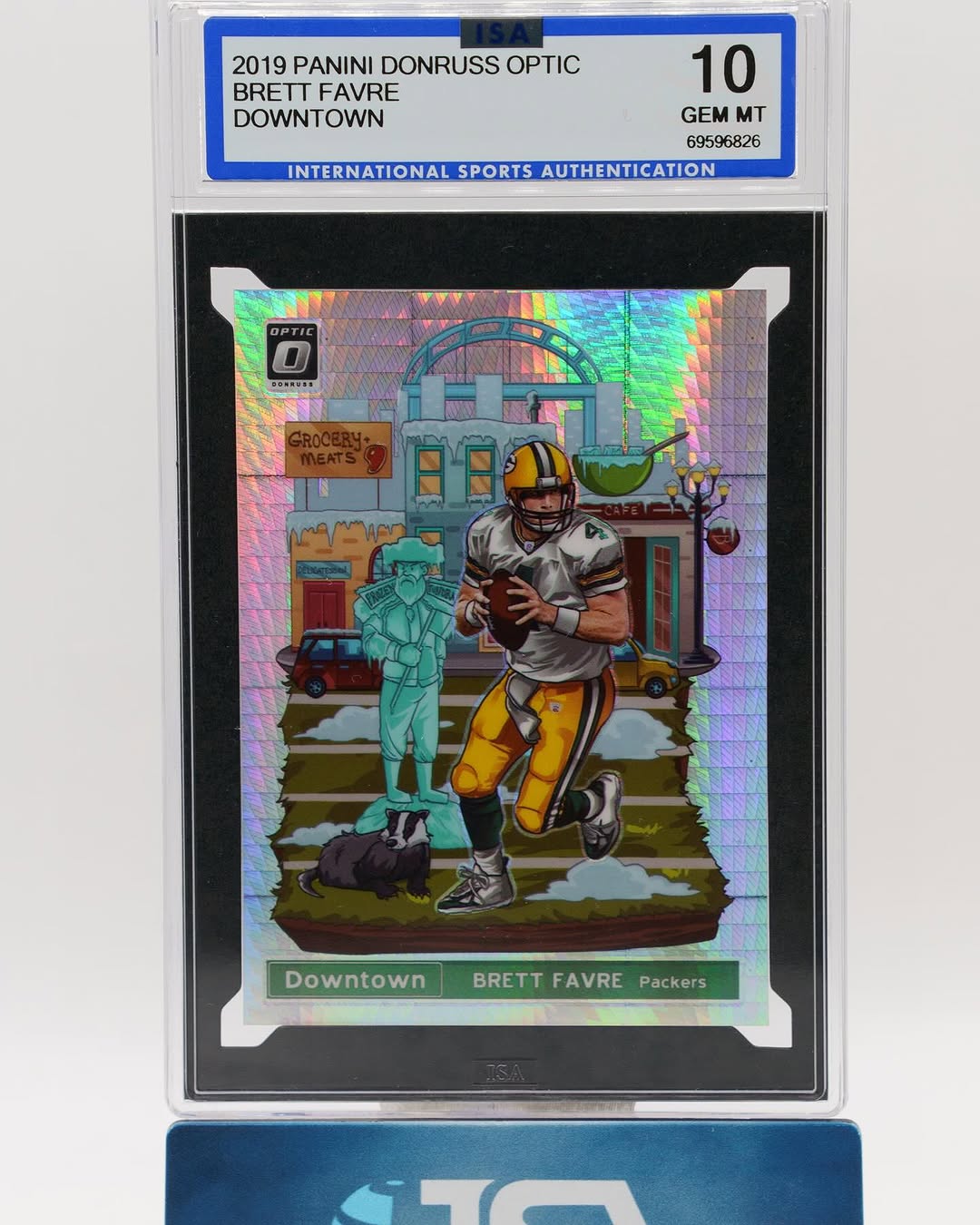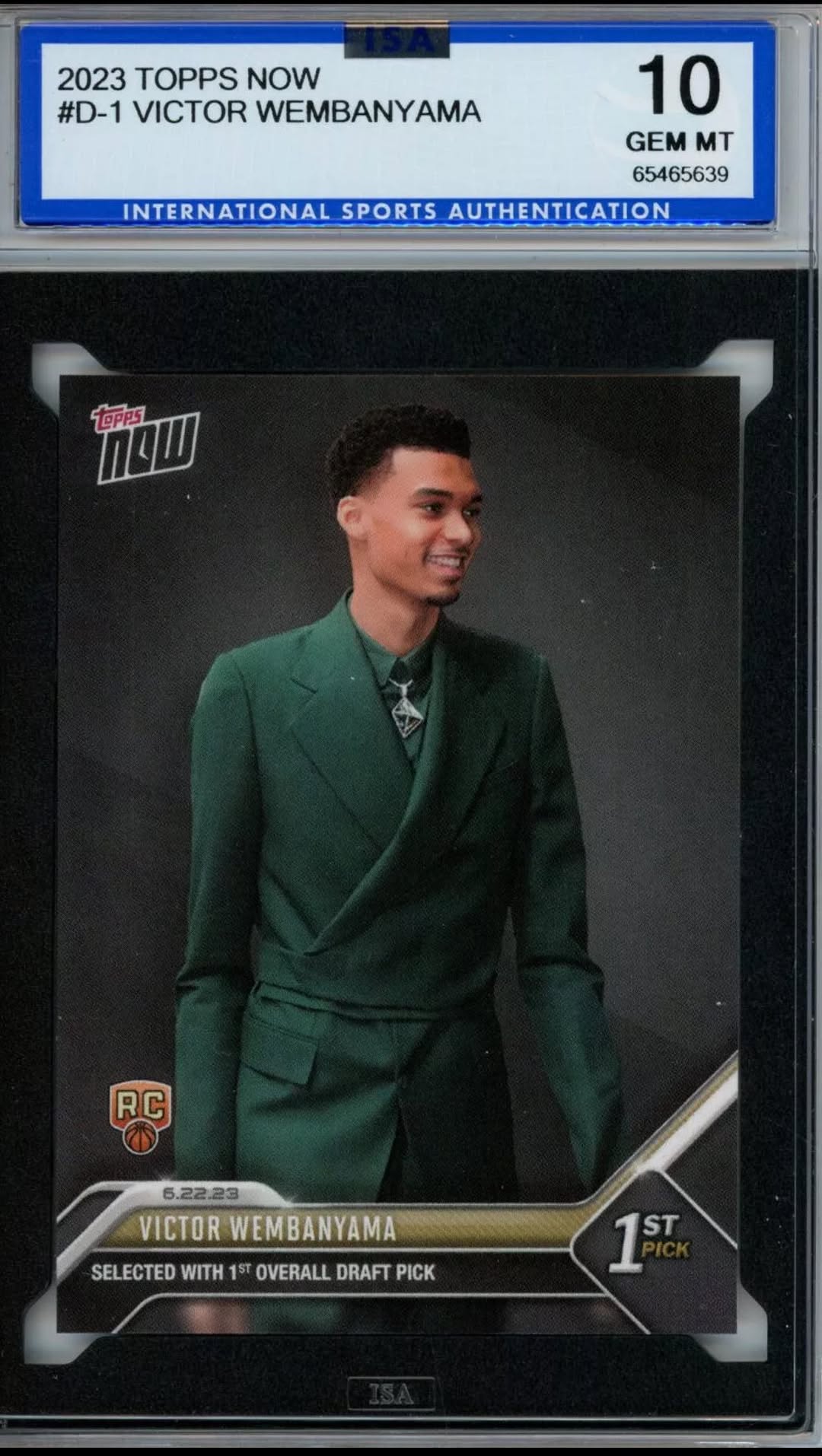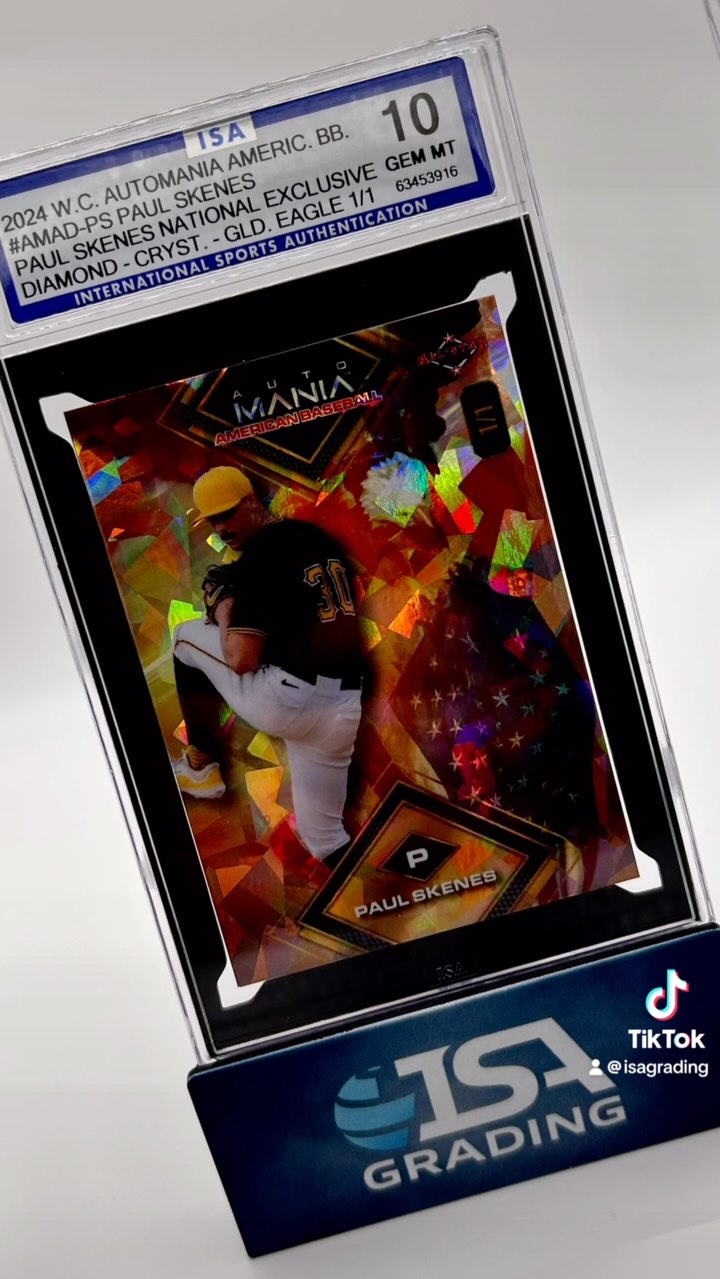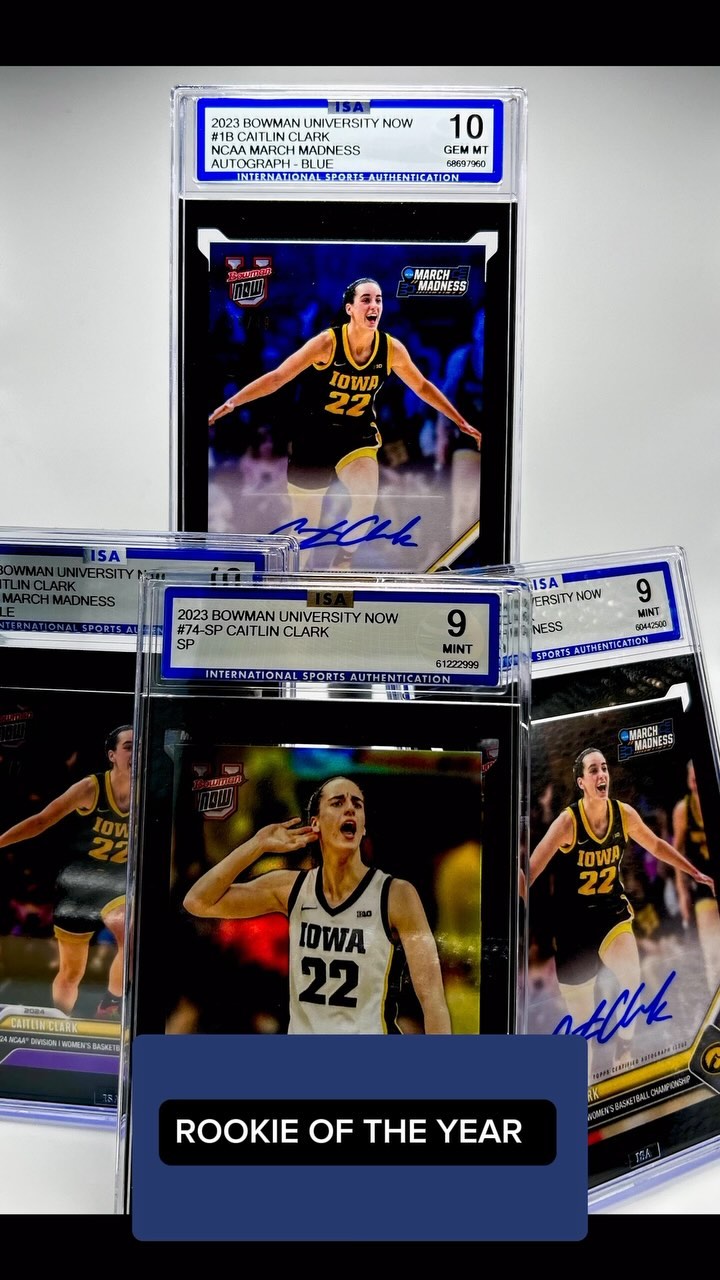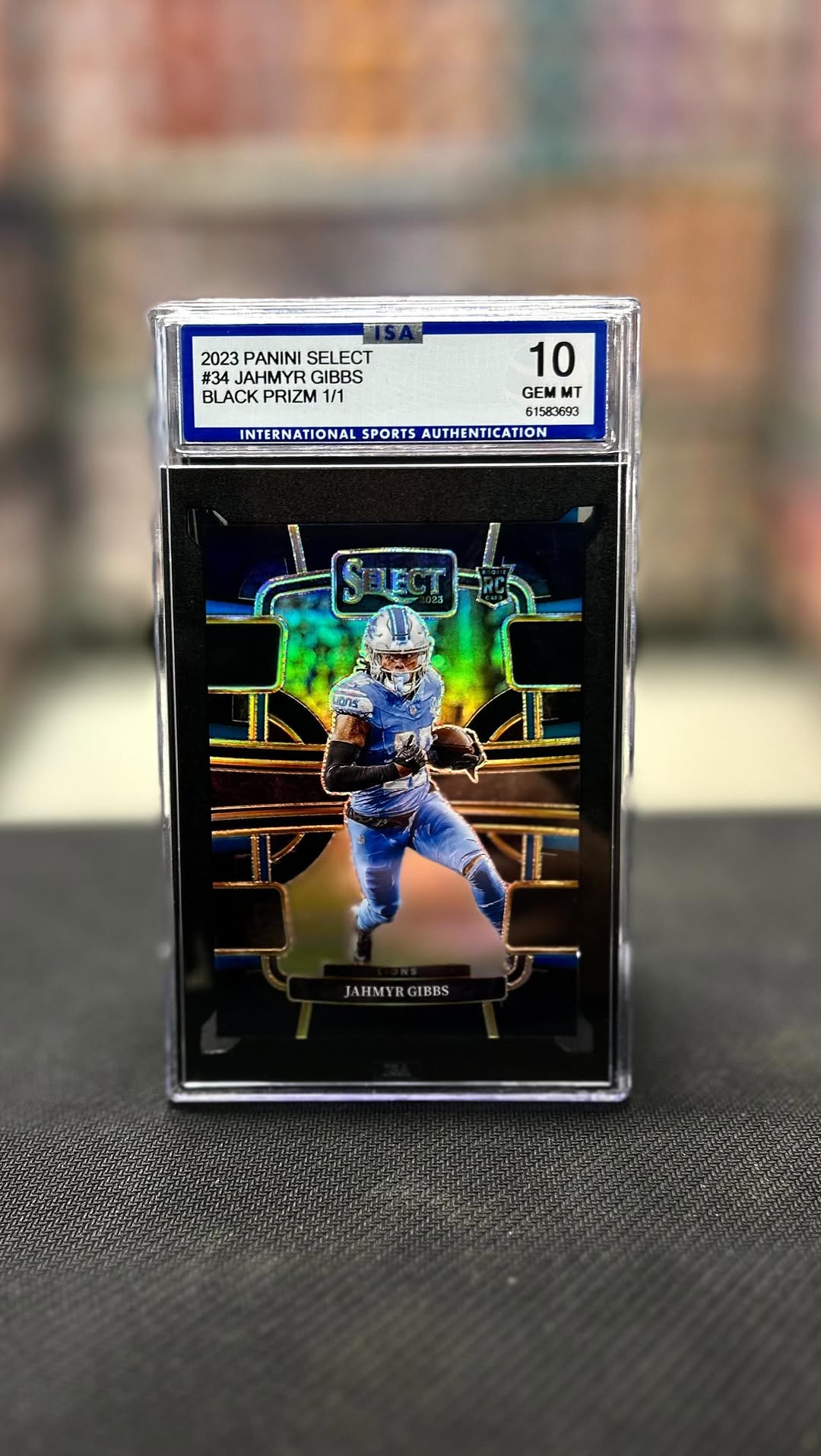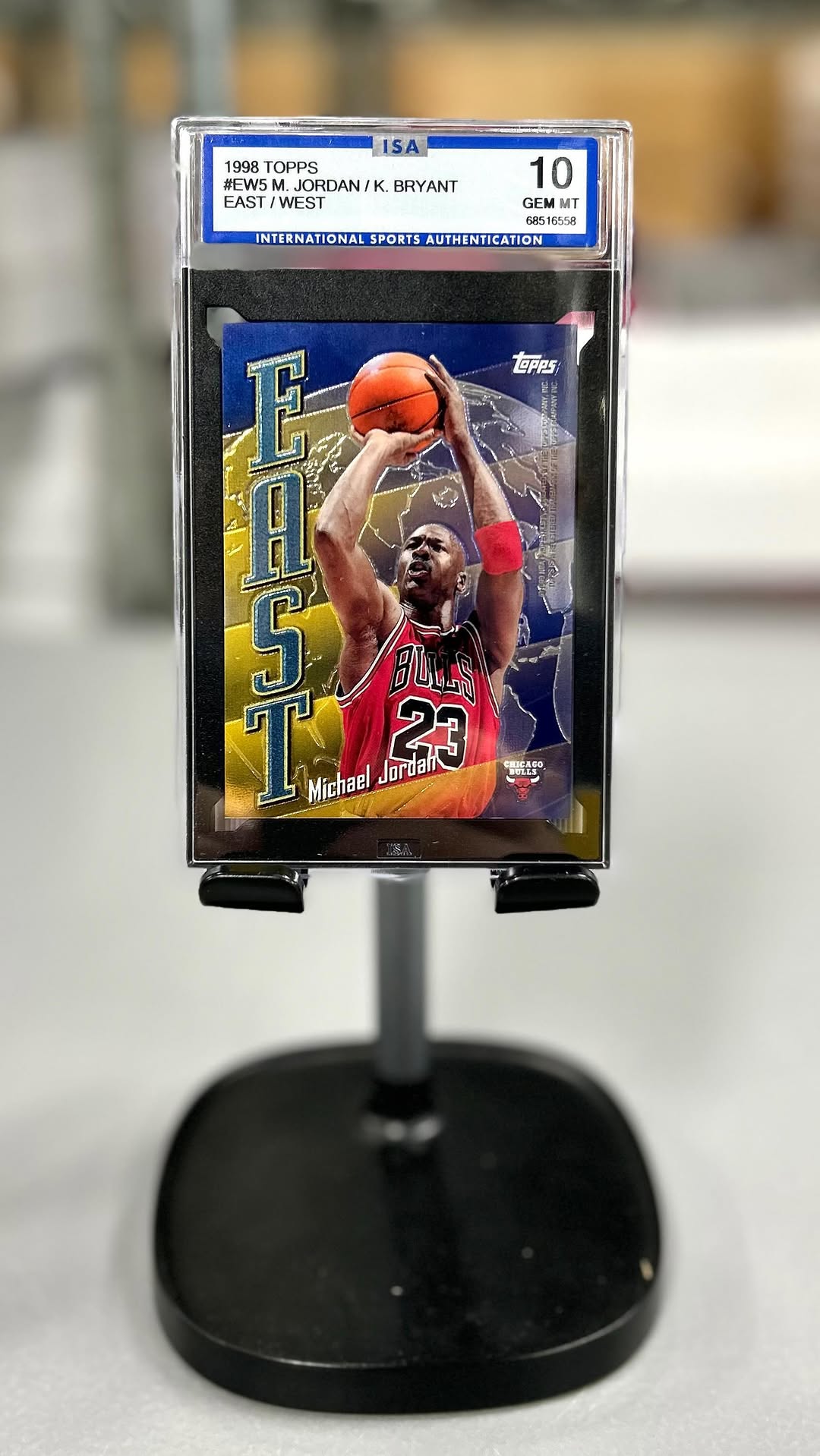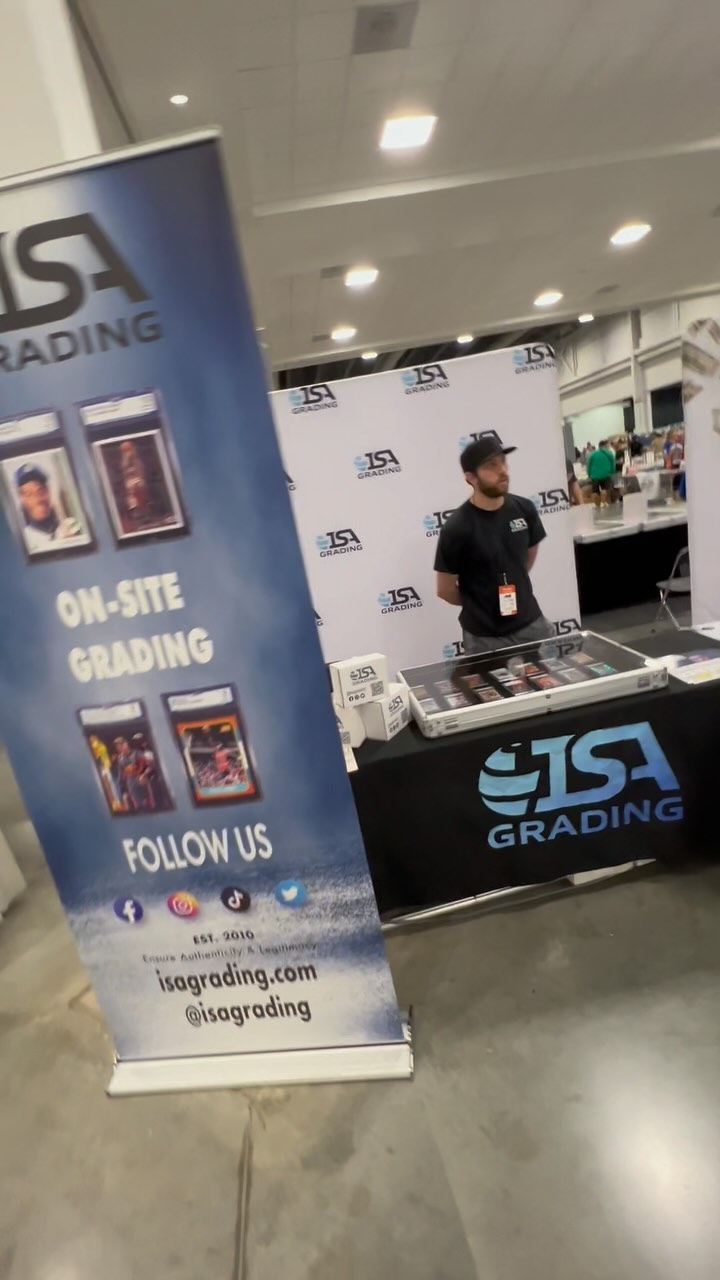
A 10 card minimum can make professional grading more practical for collectors who want to submit a focused group instead of waiting to build a large bulk order. ISA Grading, also known as International Sports Authentication, currently offers sports card grading and authentication for $15 per card, with a 14 day turnaround, no upcharges, and a minimum submission of 10 cards.
That structure gives collectors, dealers, and hobby sellers a clear starting point. A qualifying 10 card submission has a grading charge of $150. Before sending anything, however, it is worth selecting the right cards, checking their condition, preparing them carefully, and deciding what role each graded card will have in a collection or sales inventory.
What the 10 Card Minimum Means
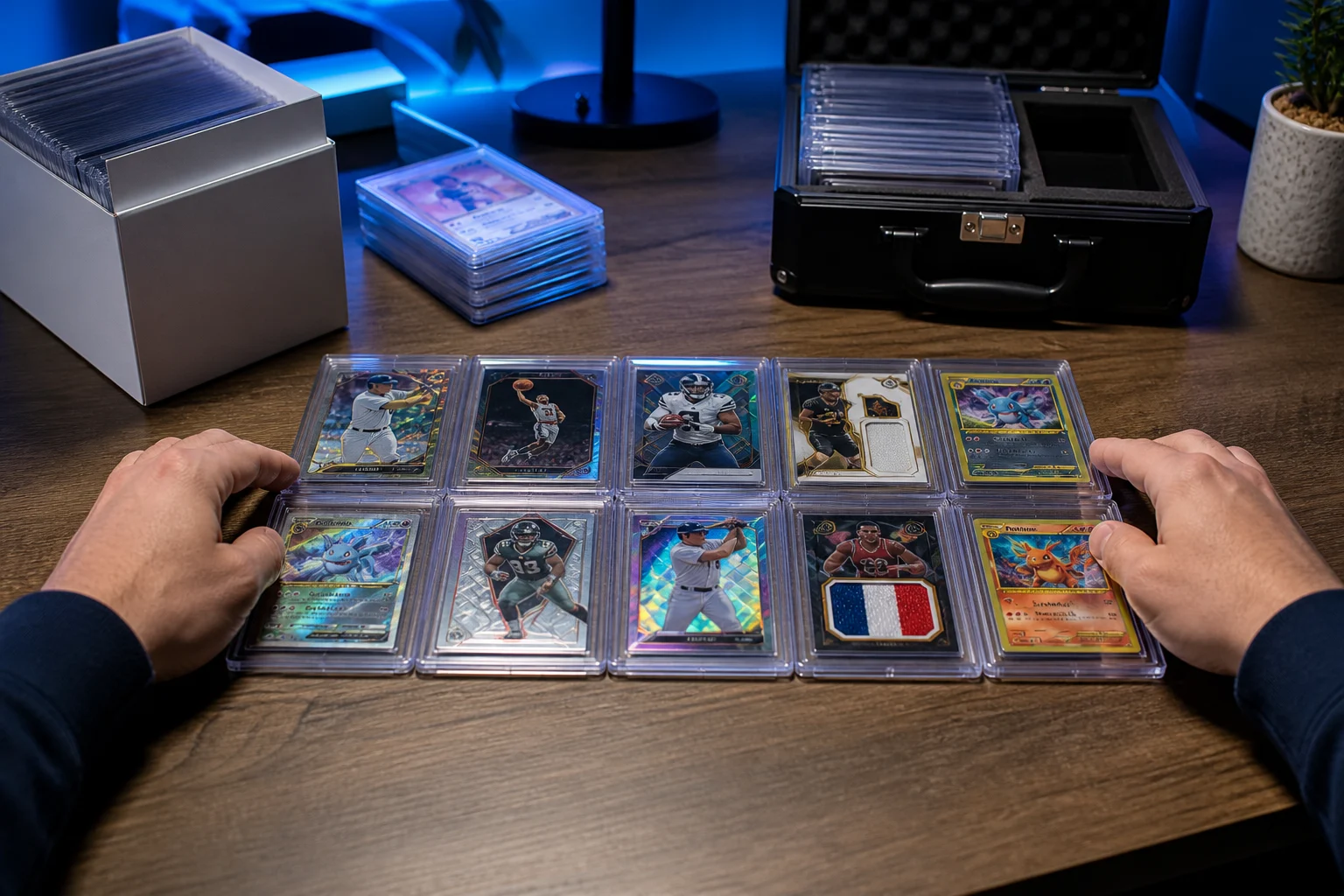
A 10 card minimum means that an order must contain at least 10 eligible cards. The cards do not all need to come from the same sport, set, year, or player. A collector might combine baseball rookies, modern basketball inserts, football stars, and Pokemon cards in one submission, provided the cards fit ISA's current submission requirements.
This flexibility is useful for collectors who have several smaller groups waiting to be graded. Instead of treating basketball card grading, baseball card grading, and TCG card grading as entirely separate projects, a collector can organize a mixed submission that reaches the required quantity.
The minimum also encourages more deliberate card selection. Ten cards are enough to create a meaningful order while remaining manageable for condition screening, documentation, packing, and budgeting. When ready, collectors can review the current instructions and begin through the ISA card submission page.
Understanding the $15 Per Card Price
ISA's active service is currently $15 per card. At the 10 card minimum, the grading charge is $150. Collectors should still review the submission page for complete order and shipping details before sending their cards.
ISA also states that there are no upcharges. This pricing clarity matters when collectors are deciding whether the likely benefit of grading fits the cost of the order. For collectors comparing no upcharge card grading services, a stated per card rate can make budgeting easier because the grading fee is not increased after submission based on the card receiving a particular grade or having a higher market value.
The value of $15 card grading is not simply about choosing the lowest number. Collectors should consider the complete service, including card authentication, card condition grading, card encapsulation, turnaround time, and access to online certificate verification. For more detail about the current rate, read A Clearer Path to the Slab: How ISA Keeps Grading at $15 Per Card.
How to Choose the Right Ten Cards
The best submission is not necessarily the ten most expensive raw cards in a collection. It is the group that best matches the collector's goals. Someone planning to sell graded cards may prioritize recognizable rookies, popular players, scarce parallels, or cards with strong demand. A personal collector might grade sentimental cards, complete a registry style set, or protect favorites regardless of resale value.
Start with authenticity and identification
Confirm the card's player or character, year, manufacturer, set, card number, and variation when possible. Modern products can include base cards, refractors, parallels, short prints, and other versions that look similar. Accurate identification helps prevent mistakes in personal records and future marketplace listings. Sports card authentication also gives buyers a professional reference point when evaluating a graded card.
Screen the visible condition
Examine centering, corners, edges, and the card surface under bright, indirect light. Look at both the front and back. Common concerns include soft corners, edge chipping, scratches, print lines, stains, dents, creases, and surface indentations. Foil and chrome finishes can make minor scratches difficult to see until the card is tilted under light.
Card surface quality is especially important for modern sports cards and Pokemon card grading because glossy, textured, or holographic finishes can reveal defects from certain angles. Vintage cards may present different concerns, including rough cuts, print marks, toning, and wear consistent with age. Grading does not make a card flawless. It provides a professional assessment of the card as submitted.
Match the card to the purpose
Rookie card grading can be useful when a collector wants long term protection, easier inventory organization, or a clearer condition reference for buyers. Dealers may favor cards with enough demand to justify the grading cost and selling effort. Personal collectors may care more about preservation and presentation.
If you are asking, “Which cards should I grade from my collection?” compare the likely grading cost with the card's condition, demand, personal importance, and intended use. Additional preparation guidance for basketball, baseball, football, and Pokemon cards is available in ISA's card grading tips for major sports and Pokemon.
Preparing Cards Without Causing Damage
Careful preparation helps protect cards during handling and transit. Before packing, wash and dry your hands and work on a clean, stable surface. Keep food, drinks, adhesive materials, and loose debris away from the cards. Handle each card by its edges whenever possible.
Do not attempt aggressive cleaning, polishing, recoloring, trimming, pressing, or other alterations. These actions can damage a card and may affect authentication or grading. A soft air blower can sometimes move loose dust without direct contact, but collectors should avoid experiments that could scratch a surface or leave residue.
Use clean card protection that fits correctly and follow the current submission instructions. Avoid forcing a thick card into a holder designed for standard stock. Pressure on corners or edges can create damage before the card reaches the card grading service. Cards should be organized in the same order as the submission paperwork so that the order can be checked efficiently.
Before sealing the package, create a personal inventory. Record the year, set, player or character, card number, and variation for every card. Clear front and back photographs provide an additional reference for your records. Package the cards so they cannot move freely, bend, or come into direct contact with packing tape.
Planning Around a 14 Day Turnaround
ISA's current service lists a 14 day turnaround. This can be helpful for collectors seeking fast card grading without committing to a very large order. Collectors should plan separately for the time required for their package to travel to and from the grading company.
A clear timeline matters when cards are intended for a show, auction, online listing, or seasonal sales period. Avoid setting a sale date before the completed cards are back in hand. Carrier transit, weather, and other shipping circumstances can affect the total time between mailing an order and receiving it back.
Collectors should also confirm that their contact and return shipping information is accurate before submitting. Keeping copies of the order details and shipment tracking information makes it easier to monitor the submission from departure through return.
Grading, Slabs, and Card Protection
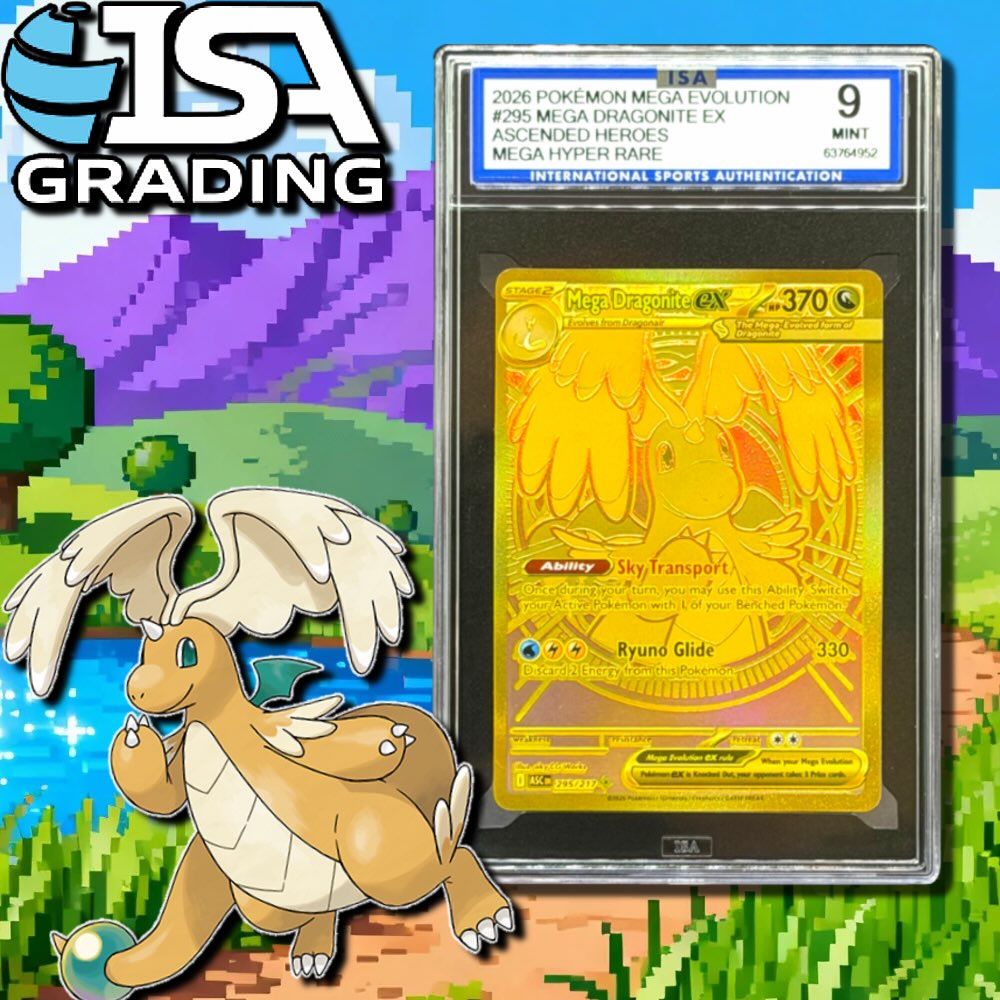
After assessment, graded cards are placed in protective holders commonly called slabs. Card encapsulation helps limit direct handling and provides a consistent way to store, display, and identify a card. A slab can also help protect the card from routine contact, fingerprints, and accidental corner wear.
A slab is protective, but it does not make a collectible immune to every environmental risk. Graded cards should still be stored away from prolonged sunlight, high humidity, extreme temperatures, and locations where they could fall or be crushed. Collectors can learn more in Understanding Card Slabs, Protection, and Certificate Verification with ISA Grading.
The assigned grade should be interpreted through ISA's published standards. Reviewing the ISA grading scale before submitting can help collectors understand how condition levels are described. A grade is a professional opinion based on the card's condition and the applicable grading criteria. It is not a promise of a specific resale price.
How Certificate Verification Supports Buyer Confidence
Each graded card should be represented accurately when it is displayed or offered for sale. ISA provides online certificate verification, allowing collectors and prospective buyers to check the certification information associated with an ISA graded card.
This is useful because a buyer can compare the certificate information with the label and the card shown in a listing. Verification adds a practical reference point, especially when the buyer cannot inspect the slab in person. It does not establish current ownership, guarantee market value, or replace careful review of listing photographs.
Sellers should provide a clear image of the front and back of the slab, state the grade exactly as shown, and include the certification number where appropriate. They should also disclose visible holder scratches, chips, or other relevant issues. Accurate presentation supports buyer confidence more effectively than exaggerated condition claims.
Selling ISA Graded Cards
Graded cards can be sold through online marketplaces, card shows, hobby shops, social platforms, dealer networks, and direct collector transactions. The best venue depends on the card, expected audience, selling fees, payment protections, and the seller's experience.
Research recent sales of the same card in the same grade when reliable comparisons are available. Make sure the comparison matches the year, set, variation, parallel, and certification company. Asking prices alone do not establish market value, and the sale price of a different variation may not be relevant.
A strong listing should include the exact card name, year, set, card number, grade, grading company, and certification details. Use sharp photographs rather than relying only on stock images. Buyers should be able to inspect centering, the card surface, the label, and the slab's visible condition.
Professional grading can improve presentation and provide a standardized condition opinion, but it cannot guarantee that a card will sell or increase in value. Player performance, collector interest, scarcity, set popularity, timing, and overall market conditions can all affect demand. Sellers who want to understand other collectors' experiences can visit the ISA Grading reviews page.
A Practical Checklist for Your Submission
- Choose at least 10 cards that fit your collecting or selling goals.
- Confirm each card's year, set, subject, number, and variation.
- Inspect centering, corners, edges, and surfaces under good lighting.
- Remove cards with damage that does not fit your grading expectations.
- Photograph and inventory the front and back of every card.
- Use properly fitting card protection and avoid harmful cleaning methods.
- Arrange cards in the same order as the submission information.
- Review the current $15 per card service, 14 day turnaround, and submission instructions.
- Pack the cards securely and retain shipment records.
- After grading, use certificate verification when organizing, displaying, or selling the cards.
A well planned 10 card minimum submission can balance cost, speed, protection, and convenience. By selecting cards carefully and understanding the process before mailing, collectors can use ISA's trading card grading service with clearer expectations and better records.
Submit Cards to ISA Grading
Collectors ready to use ISA Grading can start on the submission page. The current active service is $15 per card with a 14 day turnaround, no upcharges, and a 10 card minimum.
Frequently Asked Questions
How much does it cost to submit the 10 card minimum to ISA Grading?
ISA's current service is $15 per card, so the grading charge for a 10 card submission is $150. Review the submission page for complete order and shipping details.
Can I mix sports cards and Pokemon cards in one submission?
A 10 card submission can include a mix of eligible cards, such as baseball, basketball, football, and Pokemon cards. Check the current submission requirements before mailing the order.
What is ISA Grading's current turnaround time?
ISA currently lists a 14 day turnaround. Collectors should also plan for carrier transit time when estimating how long the complete mailing and return process may take.
Does ISA Grading charge upcharges?
ISA states that its current $15 per card service has no upcharges. This provides a clear grading rate when planning a qualifying submission.
How can buyers verify an ISA graded card?
Buyers and collectors can use the certificate verification tool on the ISA website. The certification information can be compared with the card, label, and slab shown in a sales listing.
Related ISA Grading Articles
- A Clearer Path to the Slab: How ISA Keeps Grading at $15 Per Card
- Essential Tips for Basketball, Baseball, Football, and Pokemon Card Grading with ISA Grading
- How ISA Certificate Verification Strengthens Buyer Confidence in Sports Card Grading
- Understanding Card Slabs, Protection, and Certificate Verification with ISA Grading