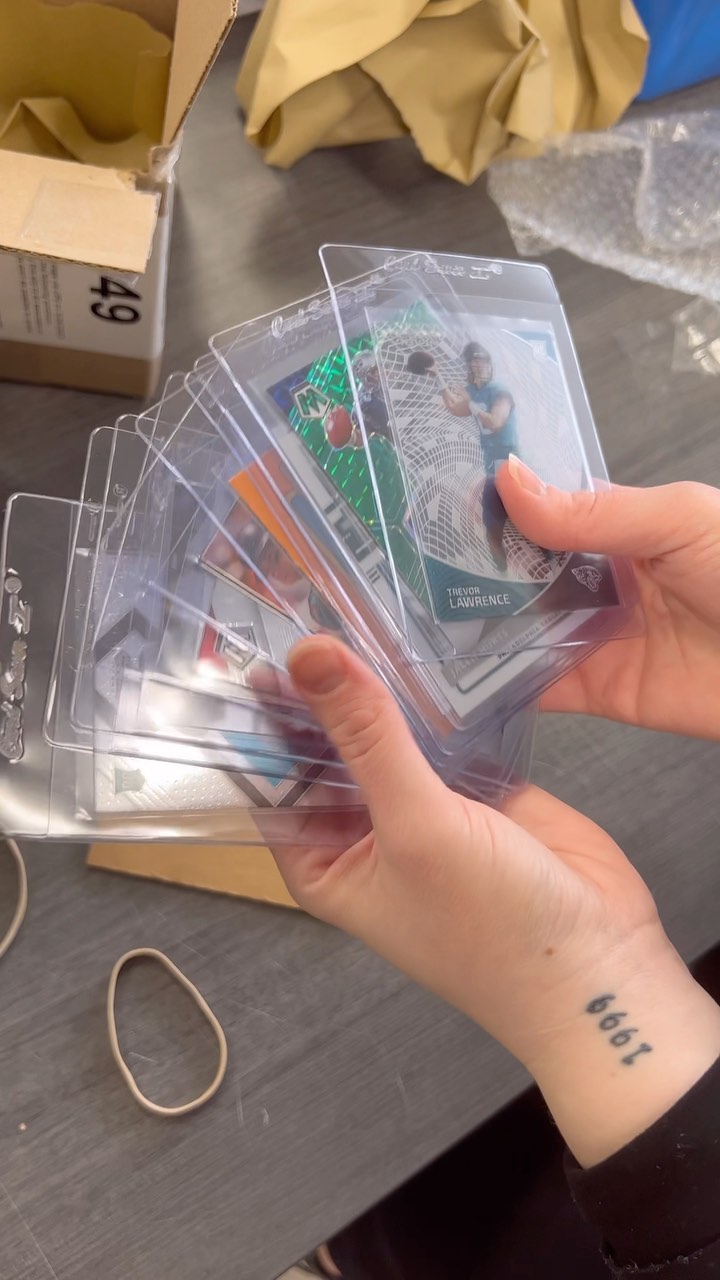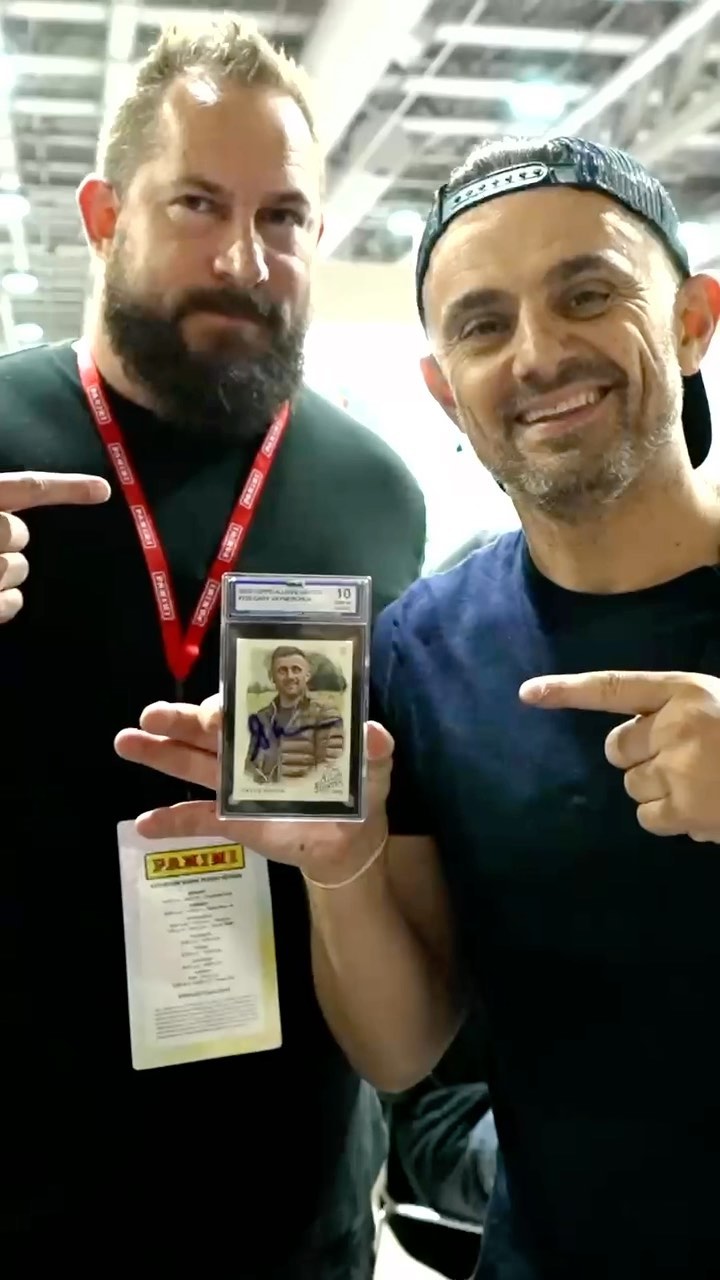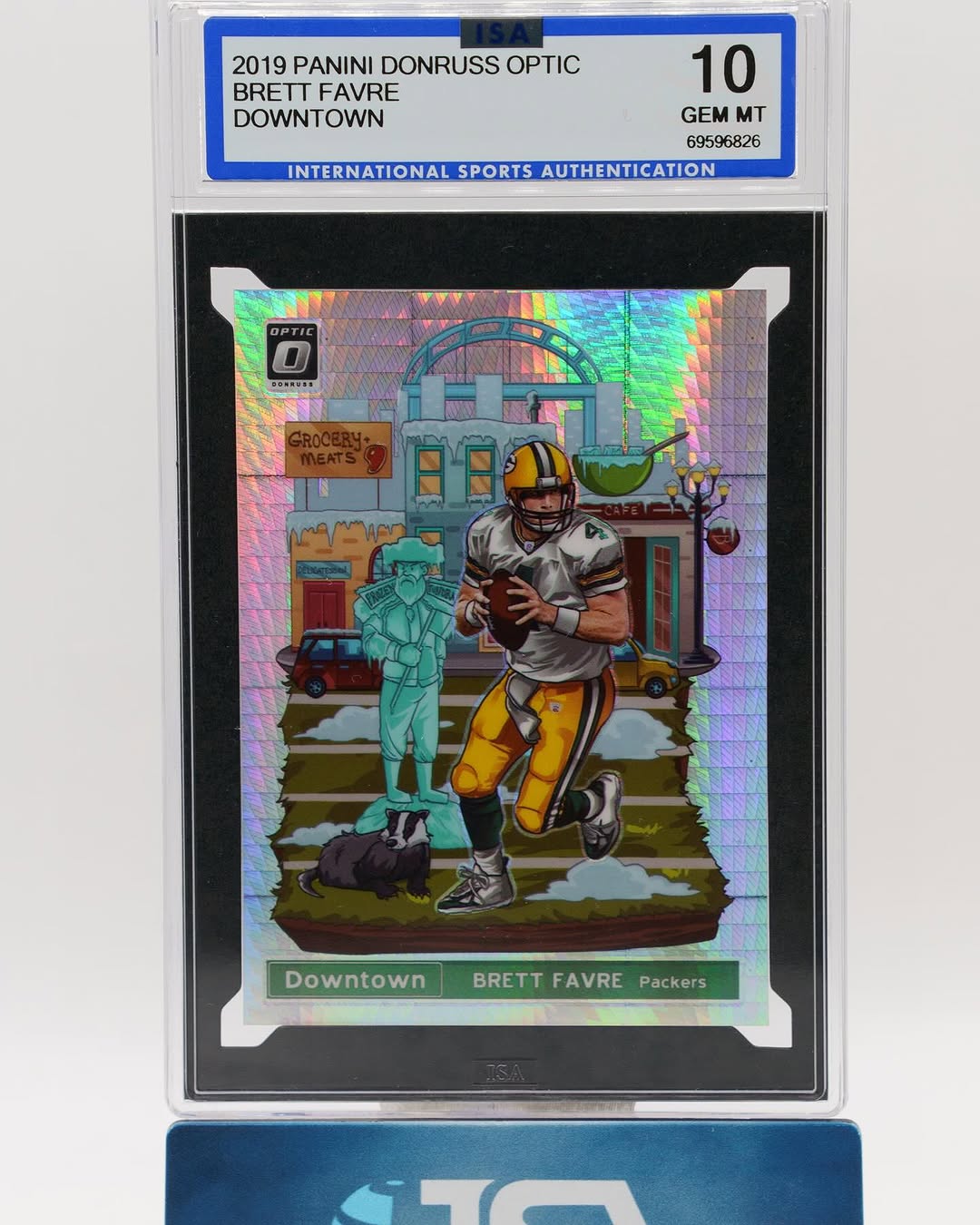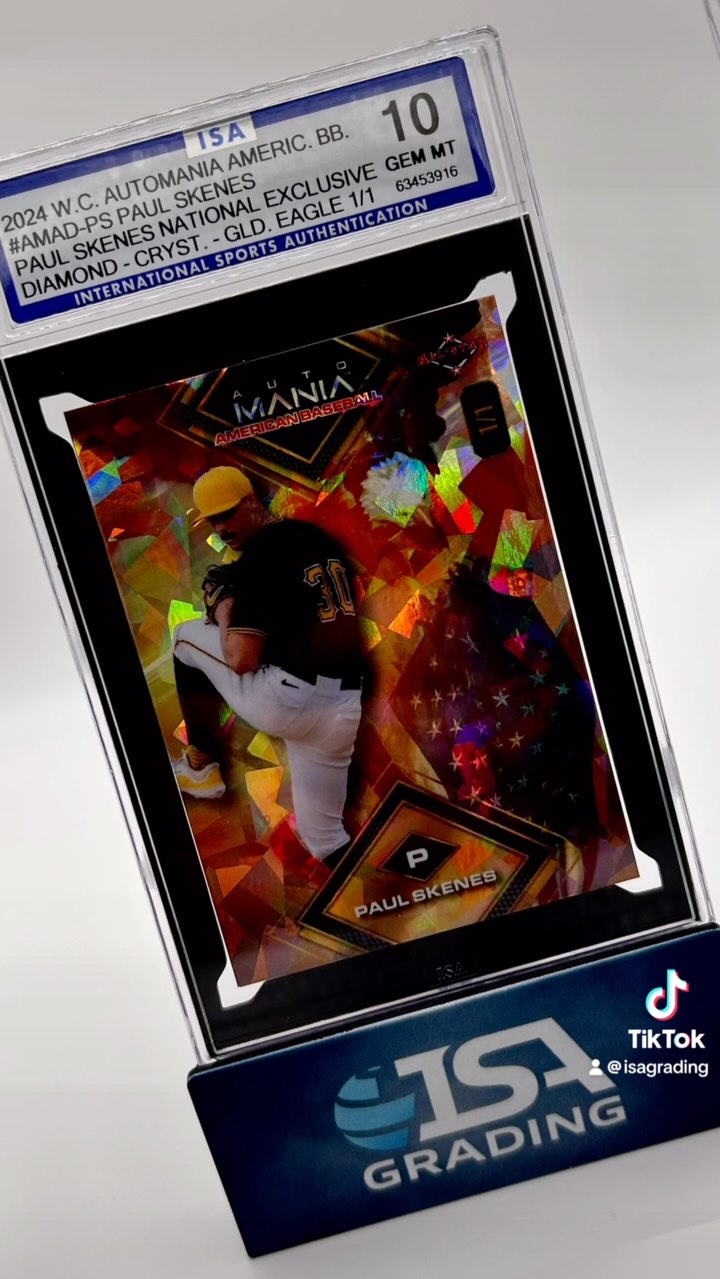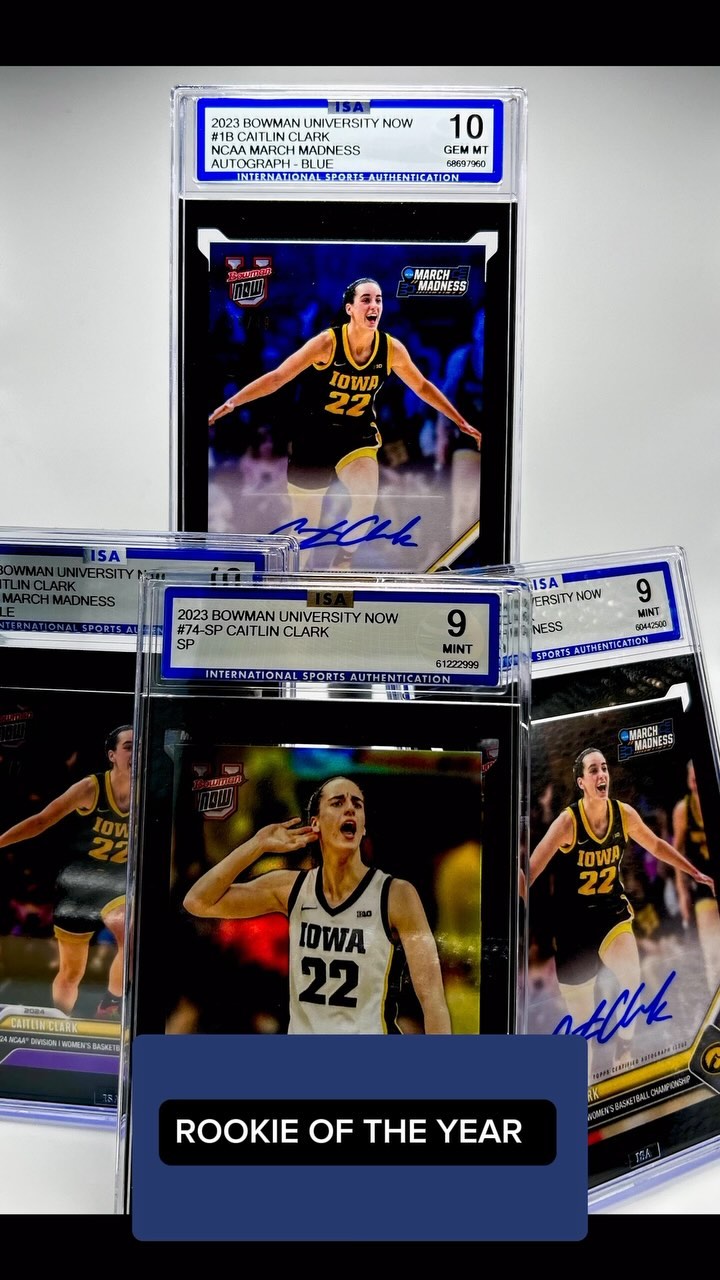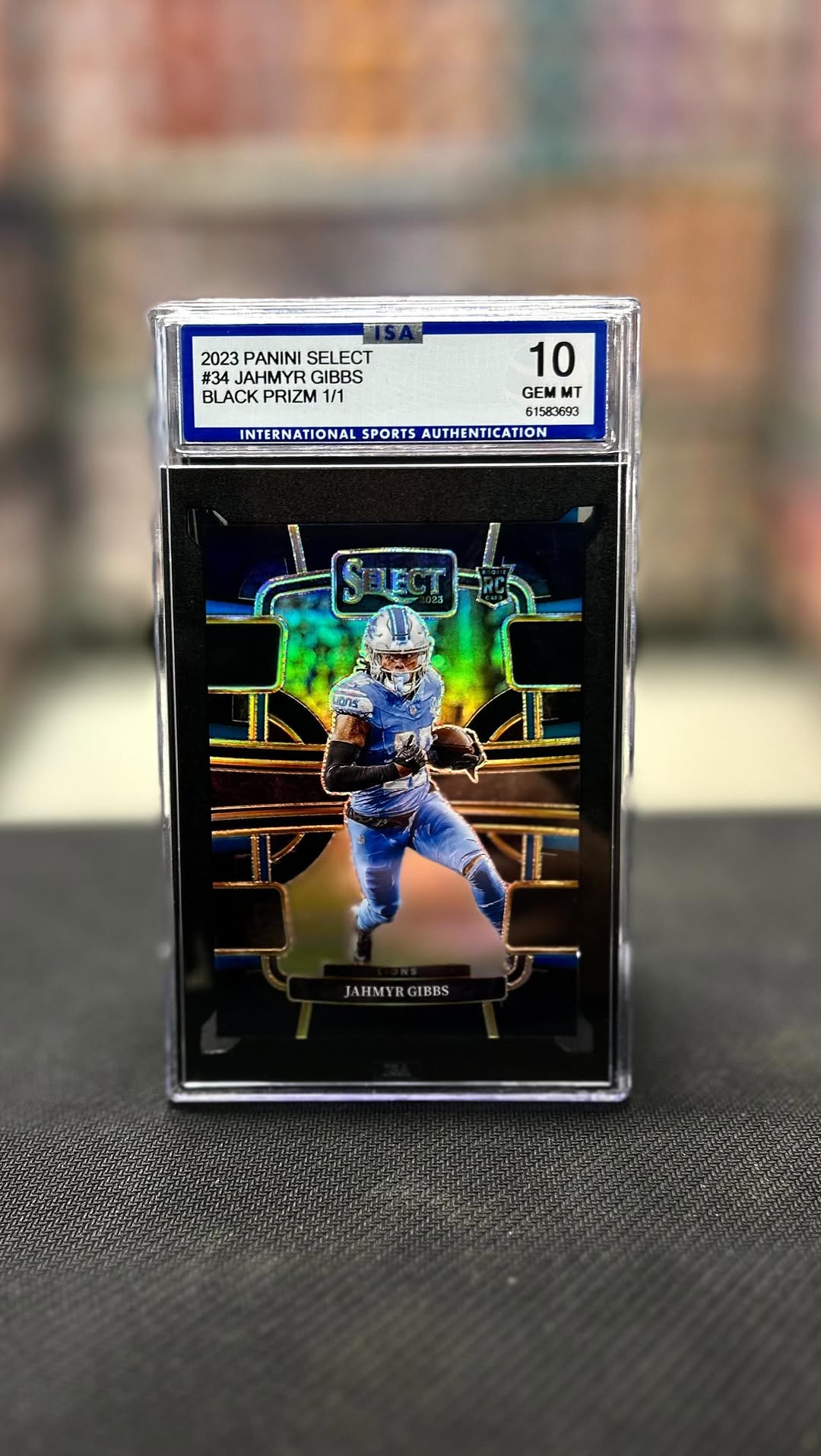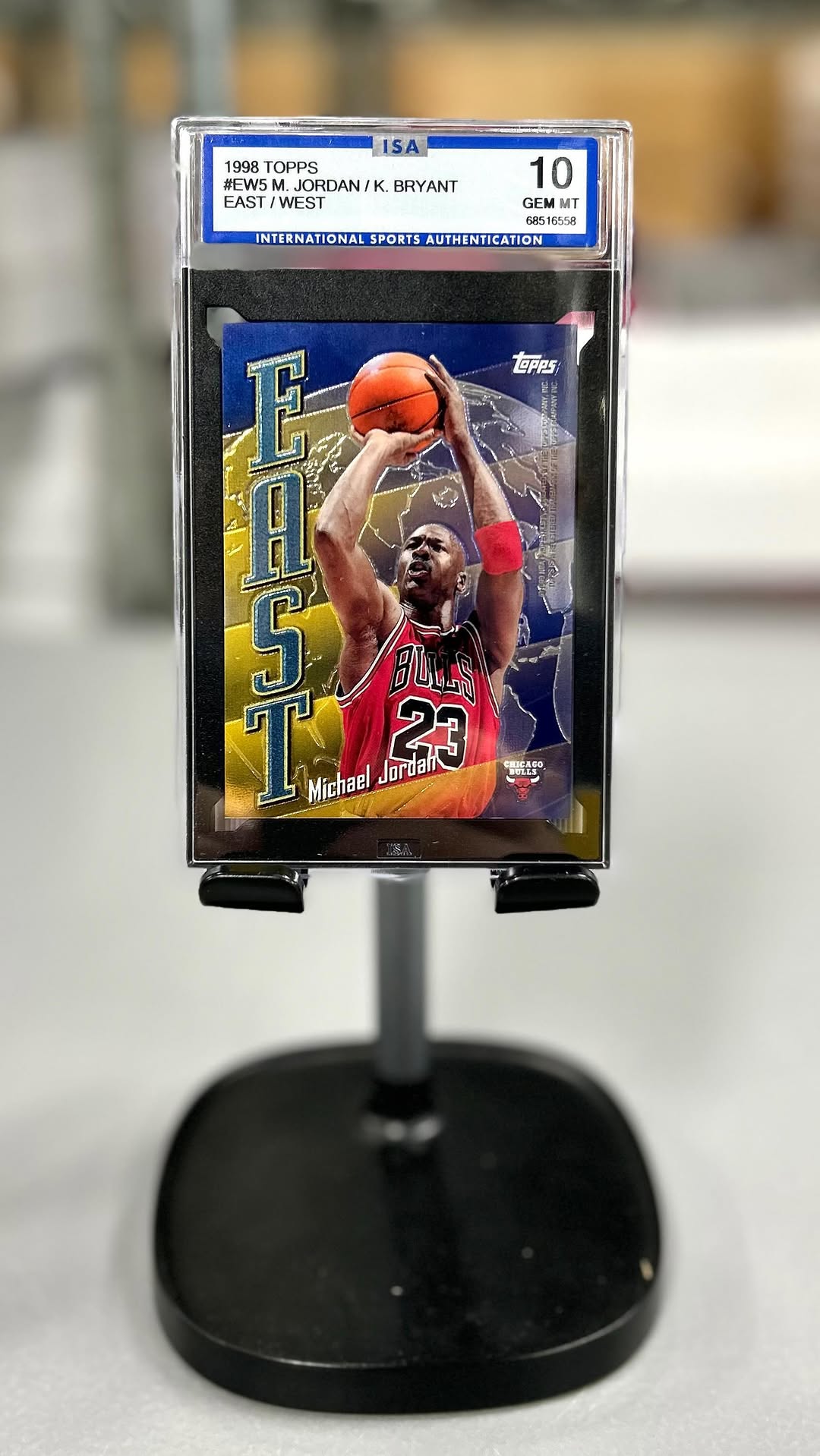
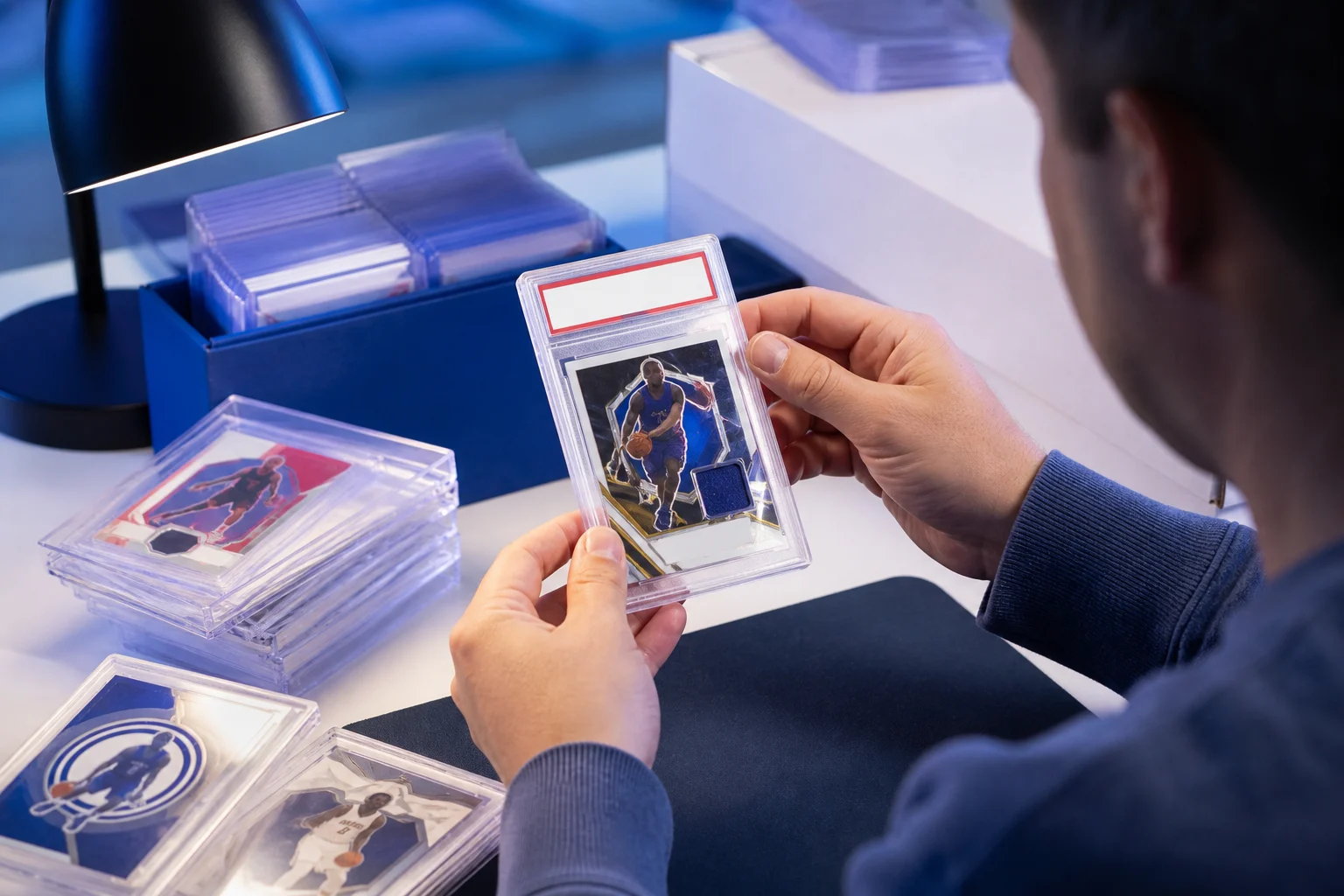
Two cards can look nearly identical in a listing photo and still differ under closer inspection. One may have a faint surface mark, a soft corner, or an edge flaw that changes how a collector understands its condition. That is why grading consistency matters. Collectors want the stated grade to reflect a recognizable approach to evaluating cards, not simply a number on a label.
Consistency also has a practical side. A grading decision is easier to use when the submission process, price, turnaround, and certificate details are clear. Whether you are preserving a favorite rookie, organizing inventory, or preparing cards for sale, understanding what a grading service does helps you make better decisions before you ship.
What grading consistency means in practice
In sports card grading, consistency means applying the same published standards to cards with comparable characteristics. Condition is assessed through features such as centering, corners, edges, and the card surface. A grade should communicate an overall assessment of the physical card under those standards. For collectors, the useful question is not whether every card they like receives a particular number. It is whether they can understand the criteria behind the number and apply those criteria when deciding what to submit.
Consistency does not mean that every observer will agree on every borderline card. A tiny flaw may be difficult to see in a photograph, and two cards with the same overall grade may have different combinations of strengths and weaknesses. One may have excellent centering but visible surface wear. Another may have a cleaner surface and less precise centering. The grade is a summary, not a substitute for looking at the card.
For that reason, it helps to read a service's published standards before making assumptions about an outcome. ISA Grading provides a grading scale that collectors can consult while reviewing possible submissions. Treat that scale as a guide for preparation and interpretation, not as a promise that a card will receive the grade you estimate at home.
Why the difference matters for collecting and selling
A personal collection is full of decisions that do not start with resale value. You may want to document the condition of a card pulled with a family member, protect a favorite player, or make a set easier to catalog. In each case, a grade is more useful when its meaning is reasonably clear. It gives you a reference point as you compare cards in your own collection and decide which raw cards need a closer look.
Dealers and hobby sellers face another concern: communicating condition to someone who has never held the card. A buyer considering a graded card can examine the label, review listing images, and decide whether the card's appearance meets their preferences. That process supports buyer confidence because the seller is not relying solely on phrases such as “looks mint.” It does not remove the need for accurate photos or careful descriptions. A visible print line, for example, may still matter to a buyer even when a card has an assigned grade.
Consistency can also help sellers organize inventory. If you group cards by player, set, grade, and visual appeal, you can create listings that make meaningful differences easier to see. This is particularly helpful with rookie card grading, where buyers may compare several copies of the same card. A clear grade gives them context, while front and back images let them make their own judgment about eye appeal.
Start with the card, not the grade you hope to receive
Grading preparation begins before you choose a service. Examine each card in good light, including the front, back, corners, and edges. Tilt it gently to look for scratches, dents, print marks, or other issues on the card surface. Check centering without assuming that one strong feature will cancel out all other wear. If a flaw is visible to you during preparation, it may also affect the condition assessment.
Handle cards carefully and avoid trying to alter their condition. A clean workspace and appropriate card holders can help limit preventable handling damage while you sort and package a submission. Follow the service's current packing and submission instructions rather than improvising with materials that could put pressure on corners or edges. Card condition grading evaluates the card as received, so protecting it on the way to the grader is part of the collector's job.
It is worth separating a card's emotional importance from its likely grade. A well-loved vintage card may be worth protecting even if years of handling are obvious. Vintage card grading can help document its current condition, but age alone does not erase flaws. Likewise, a newly opened card is not automatically flawless. Reviewing each card on its own terms makes the decision to submit more deliberate.
Consistency includes the experience around the grade
Collectors often think about consistency only as a matter of examining cards. The service surrounding that examination matters too. If you cannot estimate your cost or plan when your cards will return, even a carefully considered submission can become frustrating. Clear terms help you decide which cards belong in a batch and whether grading fits your timeline.
ISA Grading's current active service is $15 per card, with a 14 day turnaround, a 10 card minimum, and no upcharges. Those details give collectors a starting point for planning a submission. For ten cards, the stated per-card grading charge totals $150; review the submission information for any other applicable costs or instructions before sending cards. If you are weighing $15 card grading against keeping cards raw, consider why you want each card graded rather than submitting simply to fill the minimum.
No upcharge card grading is especially relevant when budgeting a mixed batch. You can evaluate the stated grading cost without building your plan around a possible increase tied to an assigned grade or value. For more context on that pricing structure, read how ISA keeps grading at $15 per card. Pricing clarity does not determine a card's eventual selling price, but it does make the upfront decision easier to calculate.
Turnaround matters for a different reason. A 14 day card grading turnaround can be useful if you are preparing inventory for a planned listing schedule or want your collection organized sooner. Still, avoid treating a stated turnaround as a guaranteed sale date. Shipping, your own preparation, and the time it takes to photograph and list returned cards all belong in the plan. ISA's article on timing a card sale around grading explores why those steps matter.
How slabs and verification support confidence
After grading, card encapsulation places the card in a holder commonly called a slab. Trading card slabs make graded cards easier to handle and display without repeatedly touching the card itself. That protection is useful, but a slab is not a reason to ignore storage conditions. Keep graded cards away from avoidable heat, moisture, prolonged direct sunlight, and situations where the holder could be cracked or scratched.
The label is also part of the card's story. Buyers may use it to identify the card and its assigned grade, then compare those details with the card in the holder. ISA makes certificate verification available through its certificate verification page. When you receive a graded card, check the certificate information and retain clear photos of the front and back for your records. When buying, compare the available verification details with the slab and the seller's images rather than relying on a single listing claim.
Card authentication and condition grading answer related but different questions. Authentication concerns whether a card is what it purports to be; grading concerns its assessed condition. A certificate lookup can help a buyer review the associated record, but it should be used alongside an inspection of the actual card, holder, and transaction details. For a closer look at handling and verification, see ISA's guide to slabs, protection, and certificate verification.
Match your submission to your collecting goals
There is no single batch that makes sense for every collector. Football card grading may appeal to someone building a quarterback collection, while basketball card grading may help a seller organize multiple copies of a popular rookie. In either case, begin with the cards' condition, your reason for grading, and the cost of the submission. A card you intend to keep does not need to meet the same financial test as inventory purchased specifically for resale.
Be equally careful with categories outside the stated service. ISA's service information describes sports card grading and authentication. If you also collect other types of trading cards and are searching for Pokemon card grading, confirm eligibility with ISA before placing those cards in a submission. Checking first is better than assuming that every card type follows the same process.
A practical sorting method is to divide your cards into three groups: cards you want to preserve, cards you may sell, and cards that need more research. For potential sales, review recent comparable transactions and consider the card's condition, your total costs, and the work of creating a trustworthy listing. For personal cards, ask whether having a documented grade and a protective holder would improve how you enjoy or organize the collection. These questions help you choose a card grading service for your actual needs, not just a hoped-for number.
Make graded cards easier for buyers to evaluate
When selling graded cards, show the full slab in clear front and back photos. Add close views where useful, especially if the holder has a noticeable scuff or the card has a visible feature buyers may care about. Transcribe the card identification and grade accurately, and avoid implying that a grade guarantees a particular price. Buyers often care about eye appeal within a grade, so let them see the card instead of asking them to rely entirely on the label.
Include the certificate information buyers need to use the verification page, while making sure it matches the item pictured. Describe the holder's condition separately from the card's assigned grade. A scratch on the outside of a slab is not the same thing as a scratch on the card surface, and your listing should not blur that distinction. Clear presentation supports buyer confidence and can reduce avoidable questions.
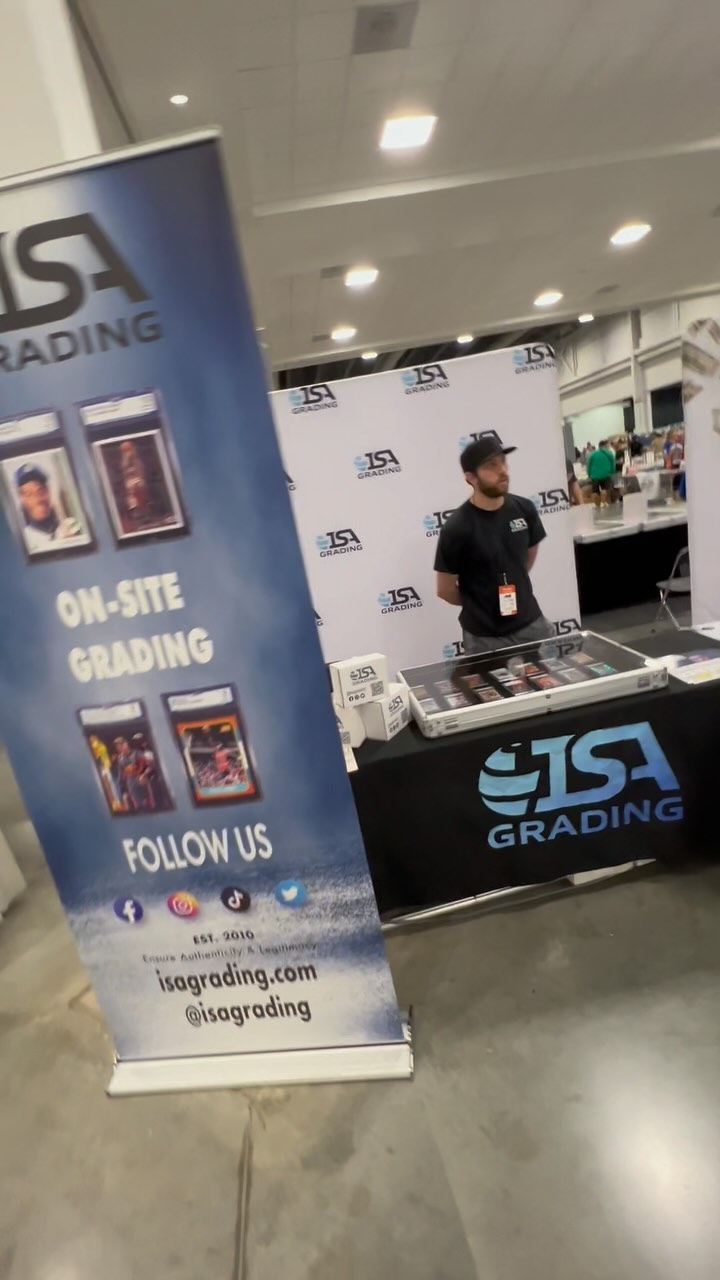
If you searched for “card grading near me” because you want a straightforward process, focus on the questions that remain relevant wherever you submit: What cards are accepted? What is the current price and turnaround? How are cards protected after grading? Can a buyer verify the certificate? ISA lists its current service terms and provides a submission page to help you take the next step. Start there, review the requirements, and choose the cards whose grading purpose is clearest to you.
Submit Cards to ISA Grading
Collectors ready to use ISA Grading can start on the submission page. The current active service is $15 per card with a 14 day turnaround, no upcharges, and a 10 card minimum.
Frequently Asked Questions
What does grading consistency mean for a collector?
It means comparable card characteristics are evaluated using the same grading standards. A grade should offer useful condition context, though collectors should still inspect the card and its images because cards with the same grade can look different.
Does a graded card's slab guarantee it will keep its value?
No. A slab helps protect a card from routine handling, and a grade documents an assessment of condition, but neither guarantees a future selling price. Store slabs carefully and consider current market demand when buying or selling.
What are ISA Grading's current service terms?
ISA Grading's current active service is $15 per card with a 14 day turnaround, a 10 card minimum, and no upcharges. Review the submission page for current instructions and any other applicable costs before sending cards.
How can I check an ISA graded card's certificate?
Use ISA's certificate verification page to review the available certificate information. Compare it with the slab, the card, and any listing photos rather than relying on a certificate number alone.
What should I check before submitting a card for grading?
Inspect its centering, corners, edges, front, back, and surface in good light. Read the grading scale and submission instructions, confirm the card type is accepted, and package cards to limit handling and shipping damage.