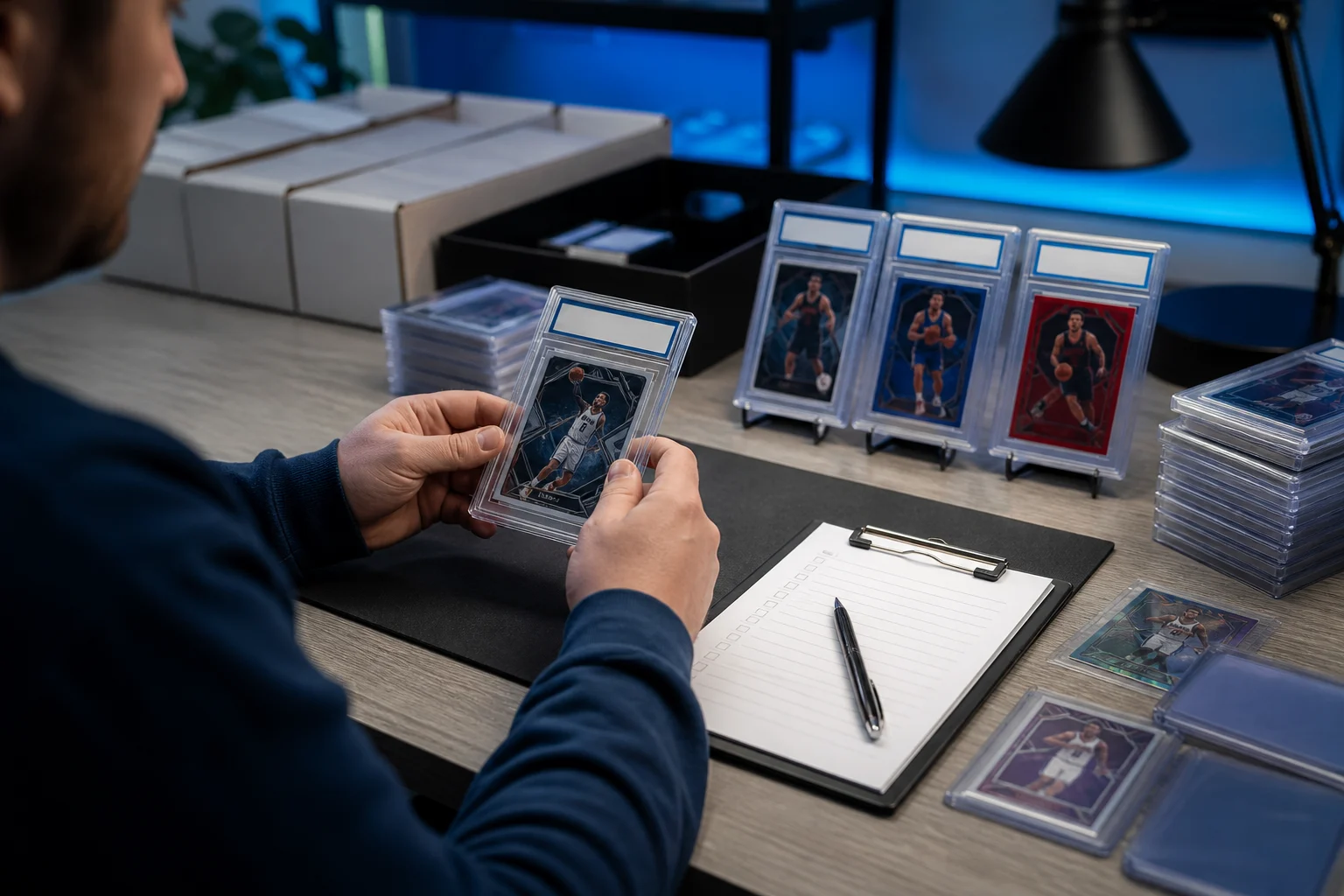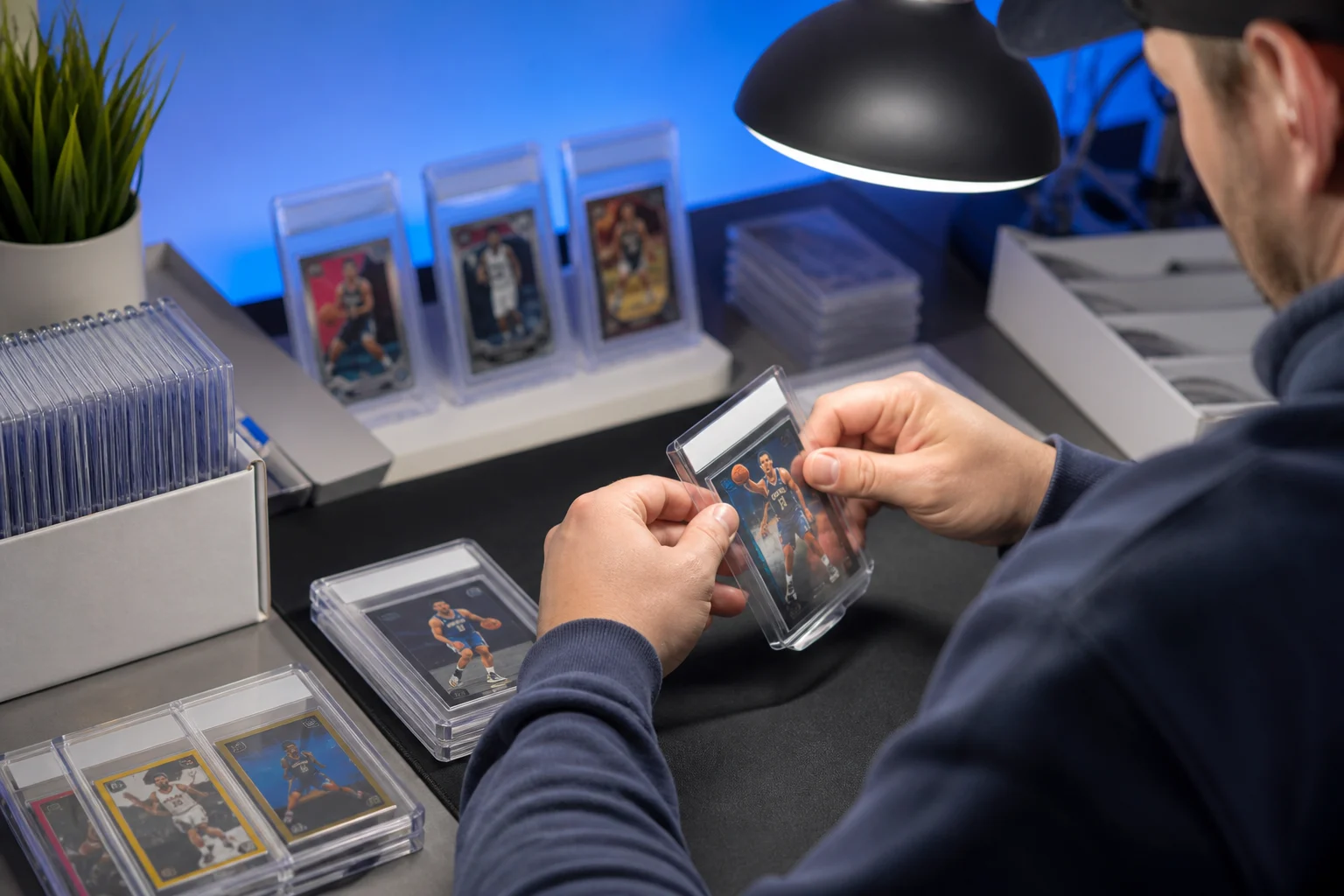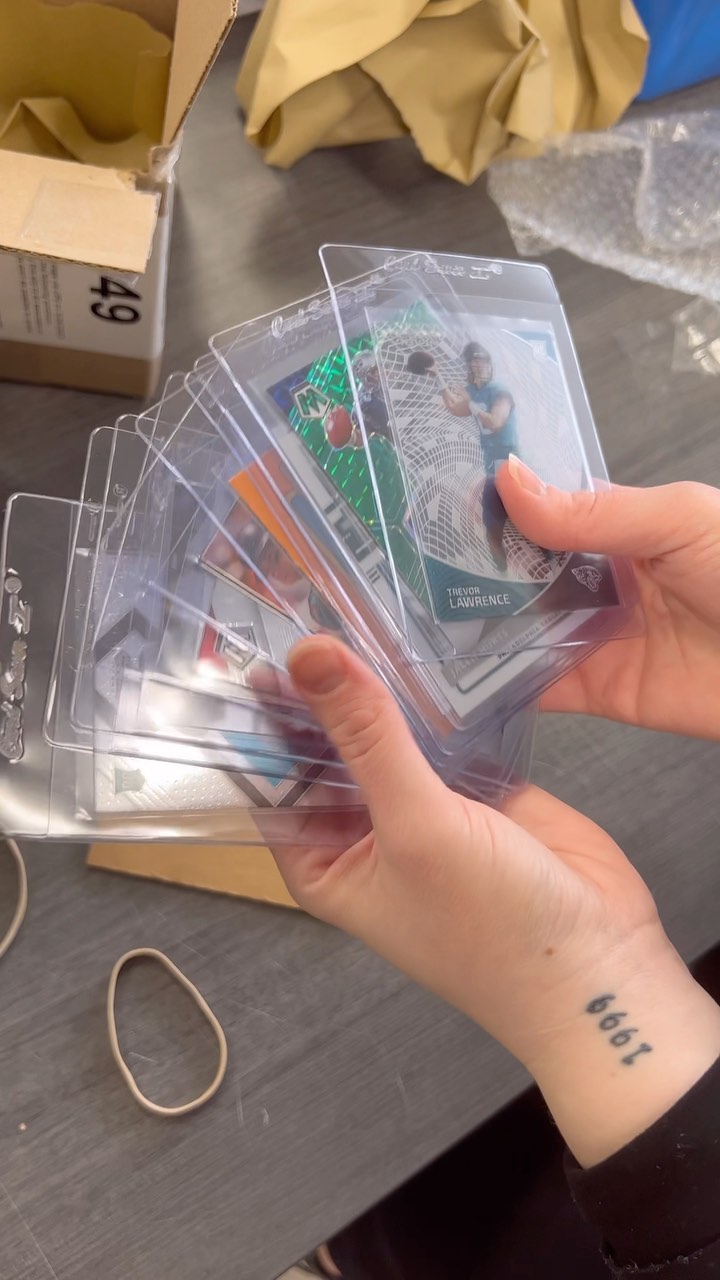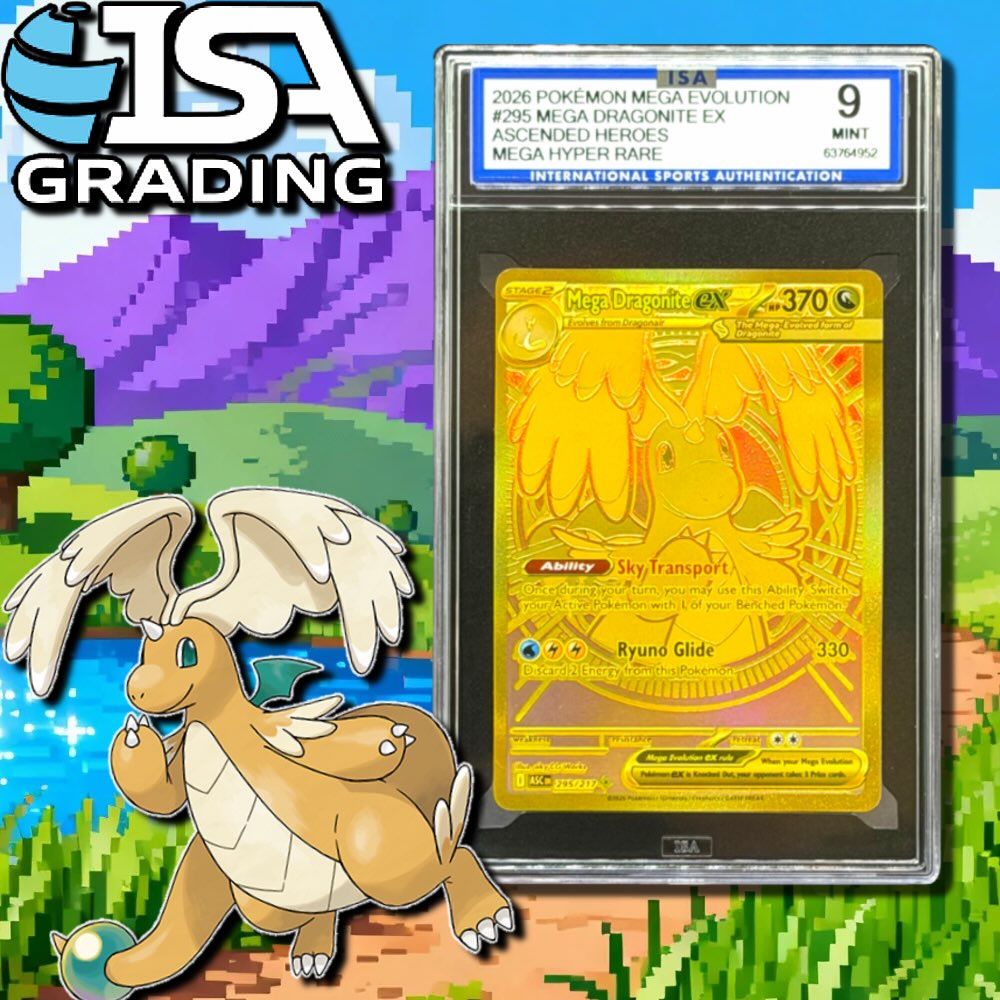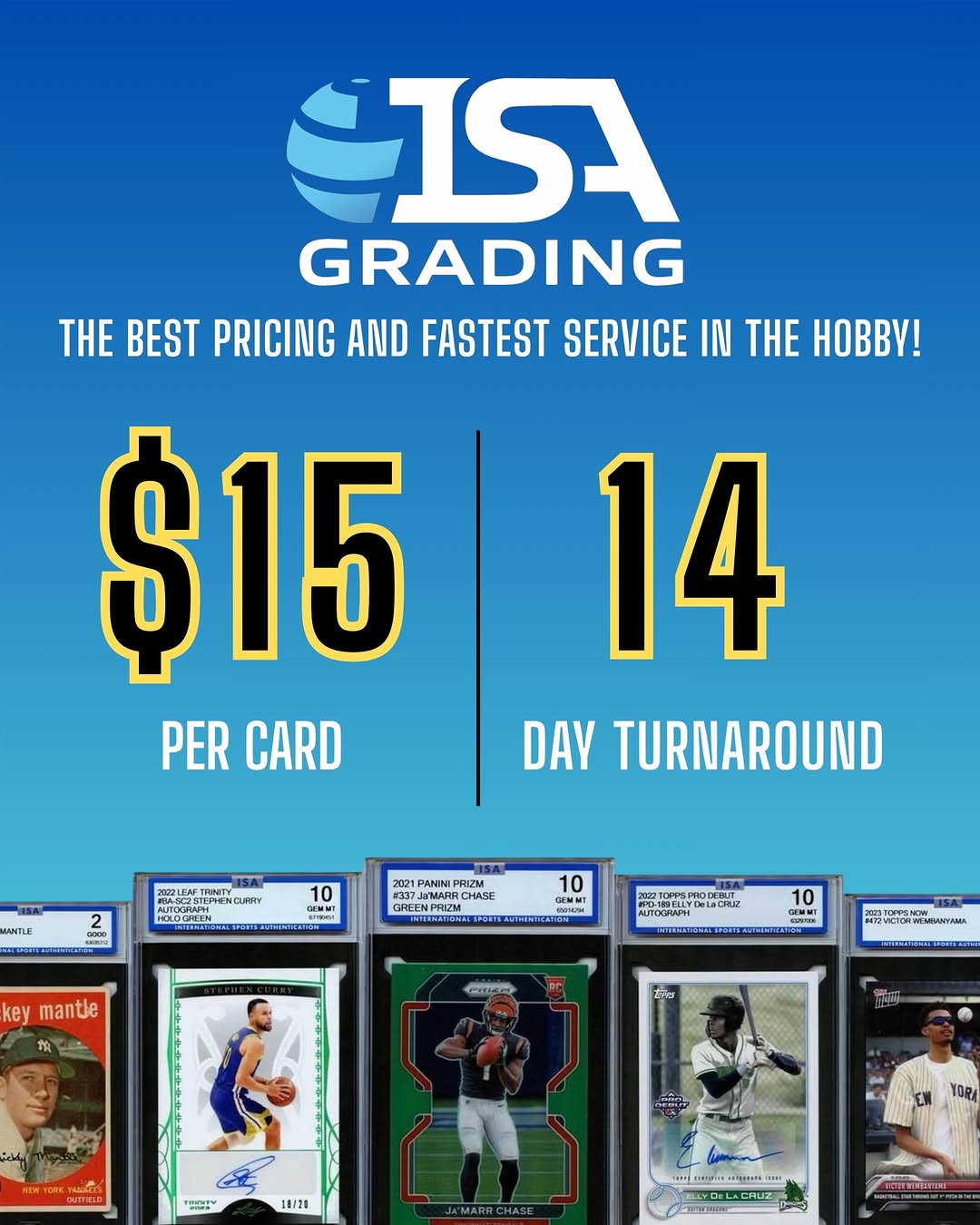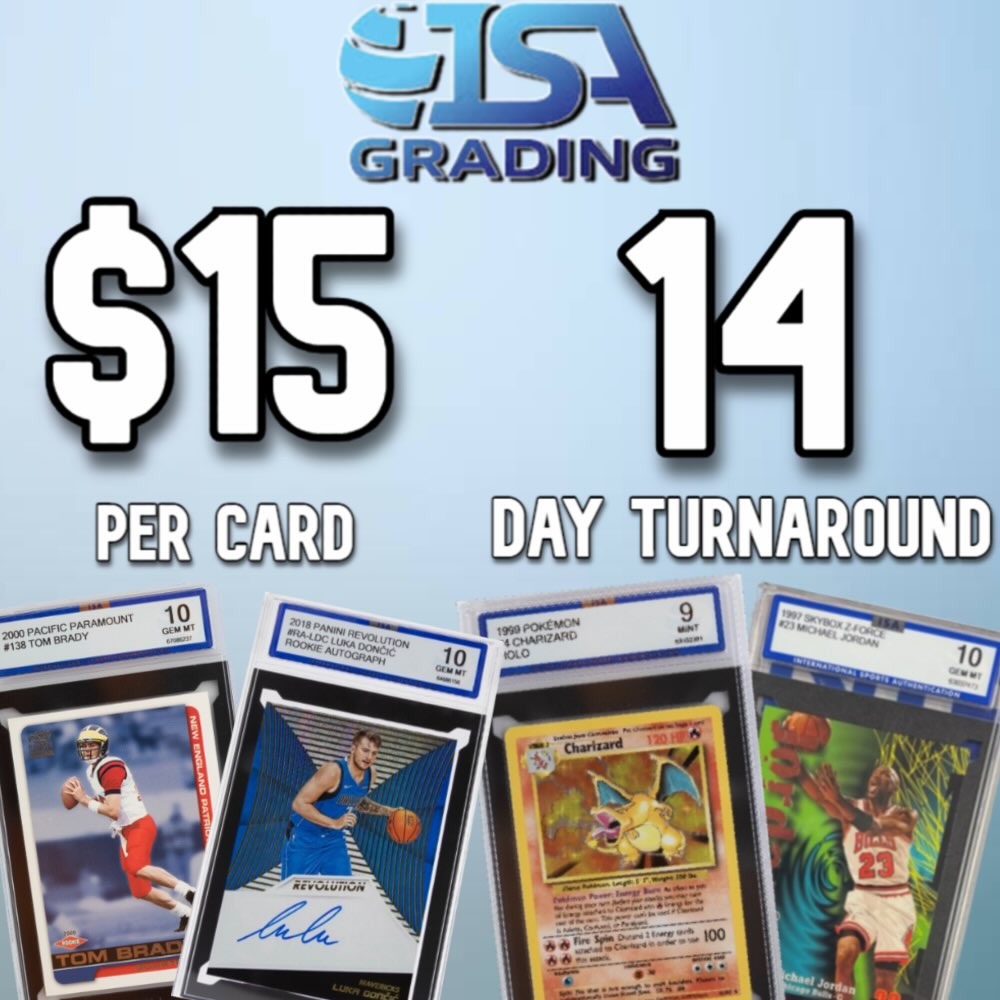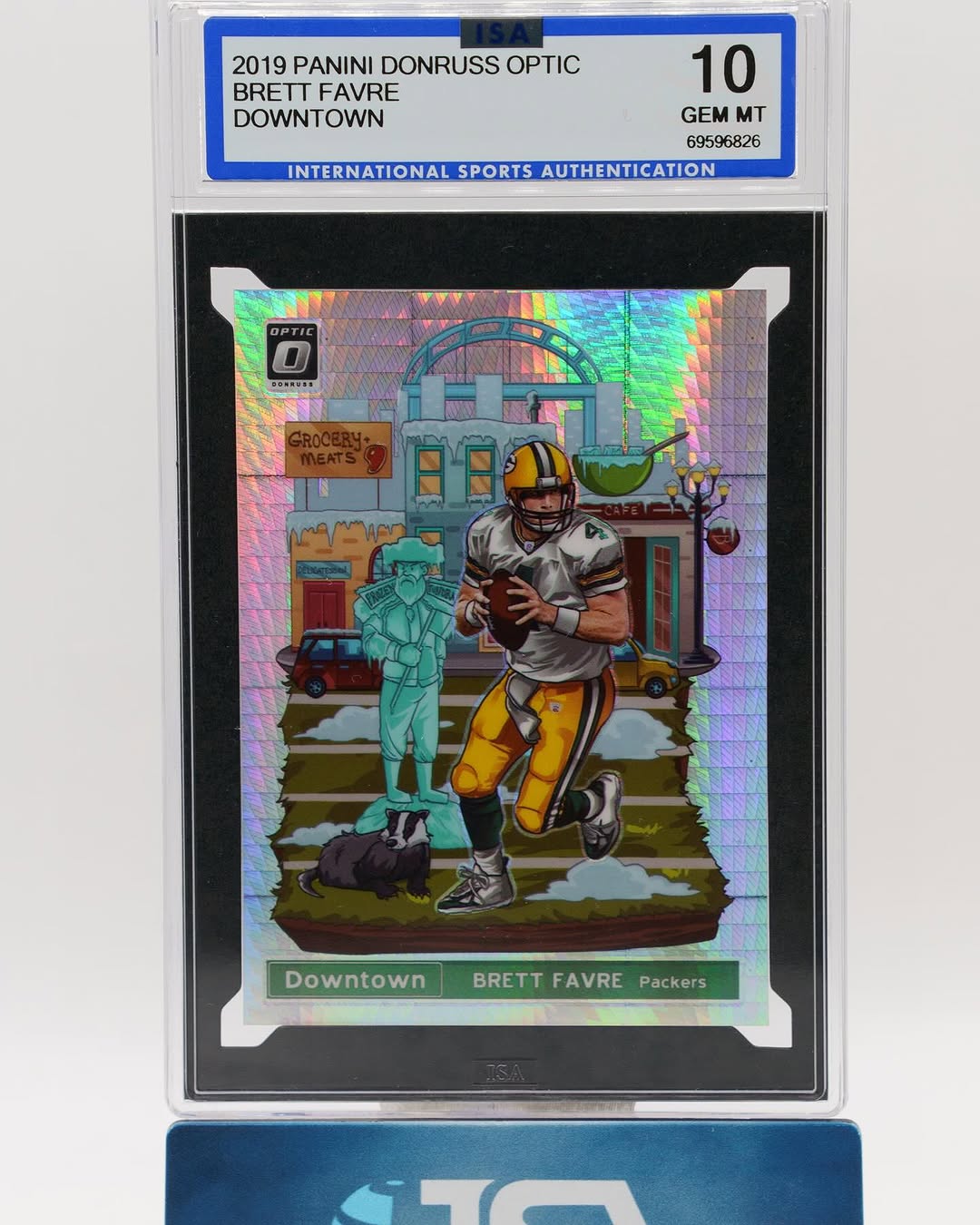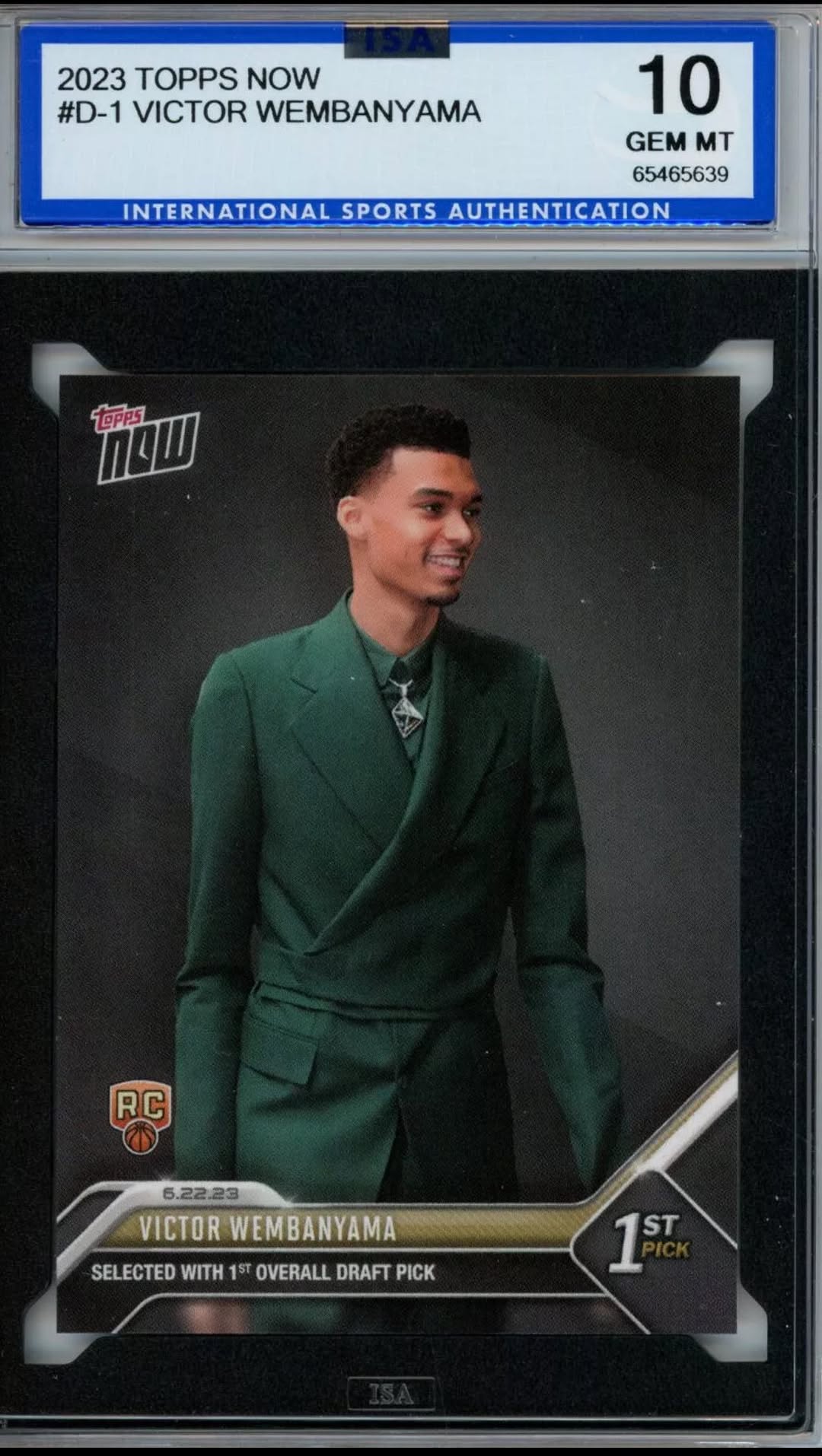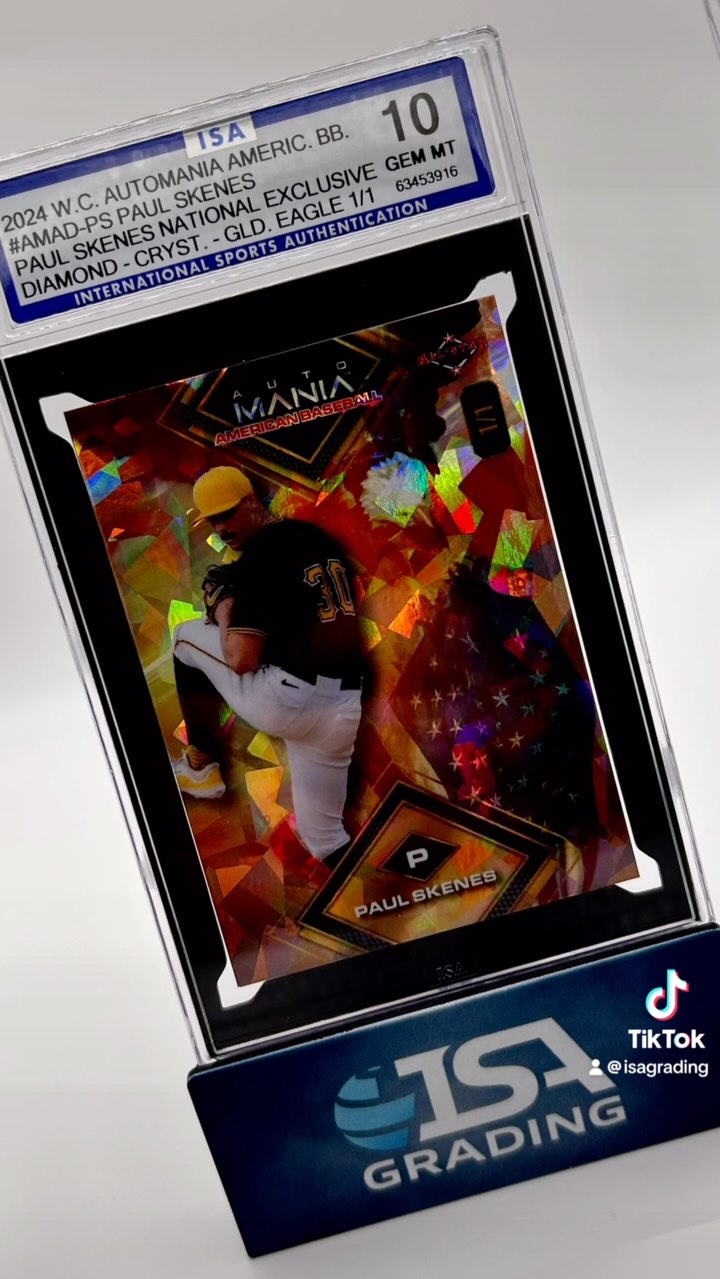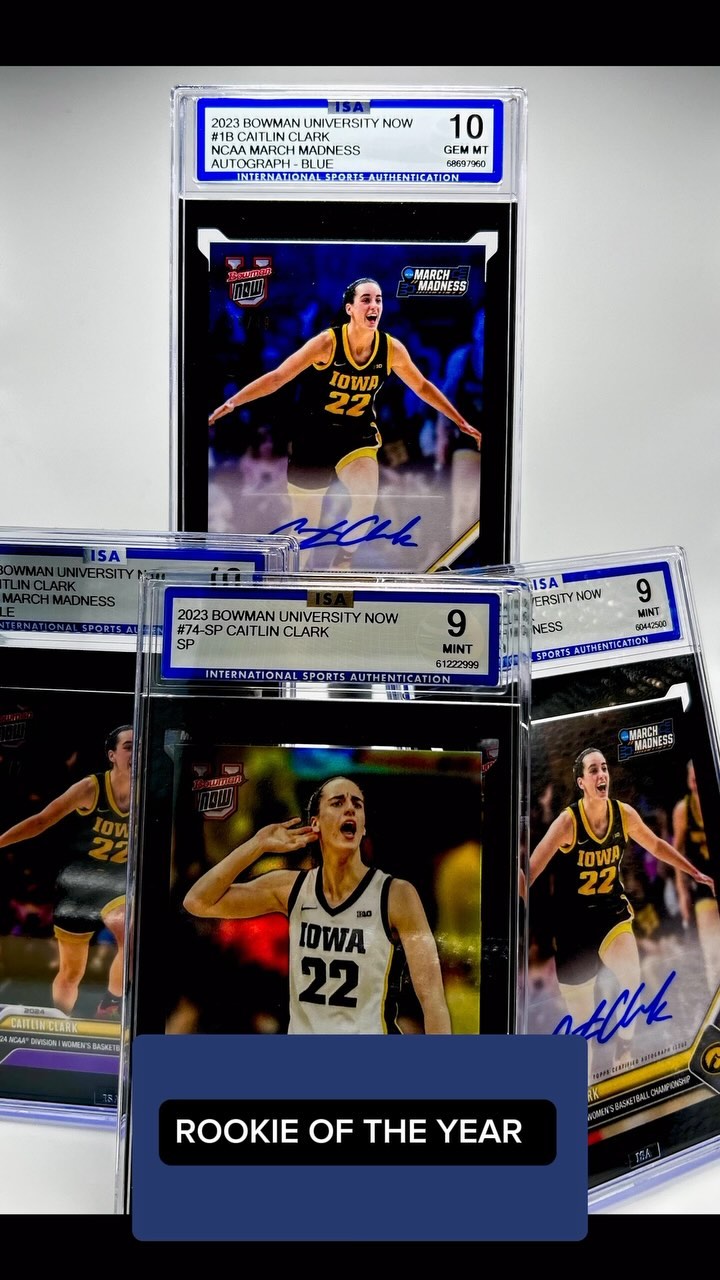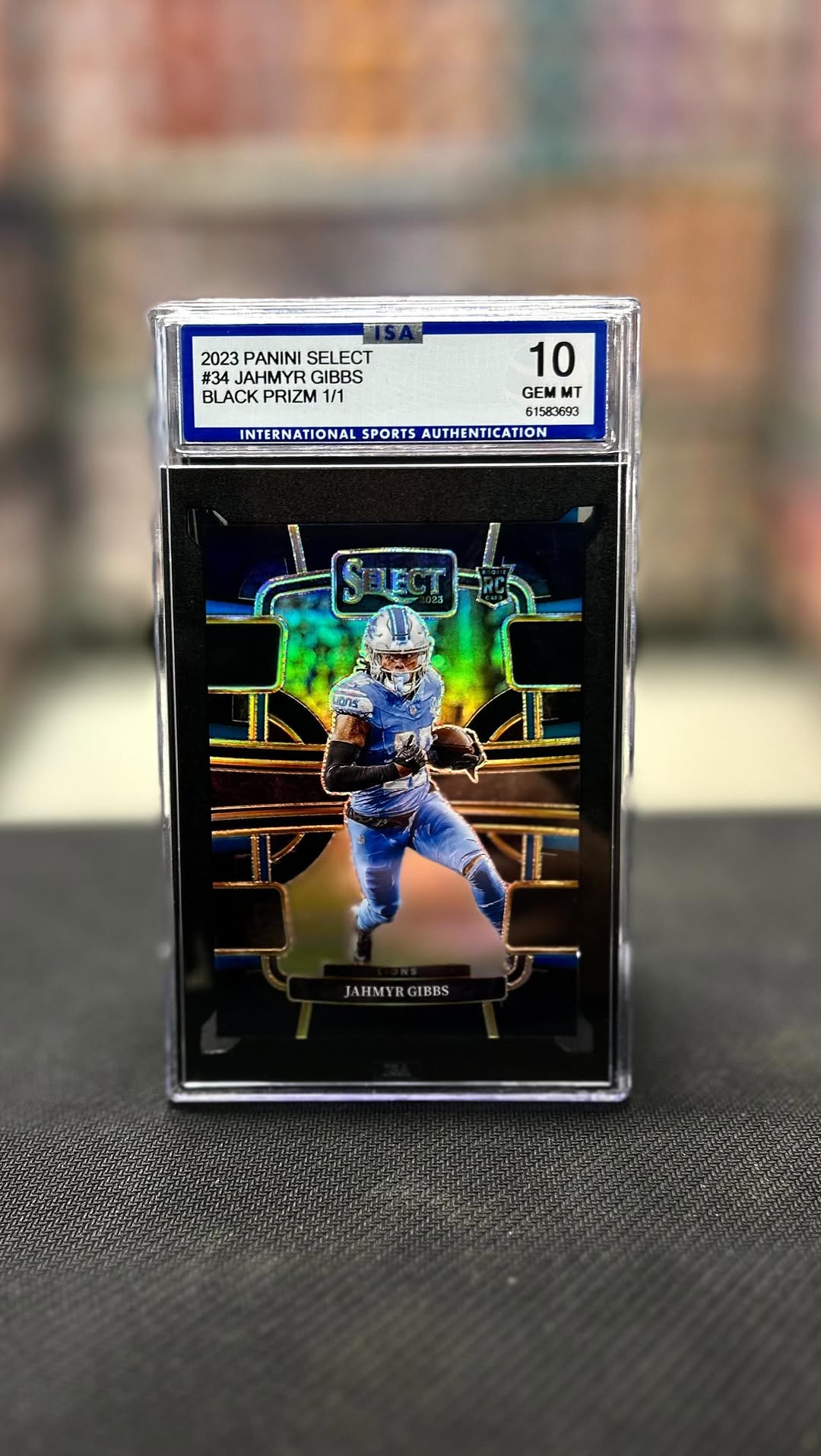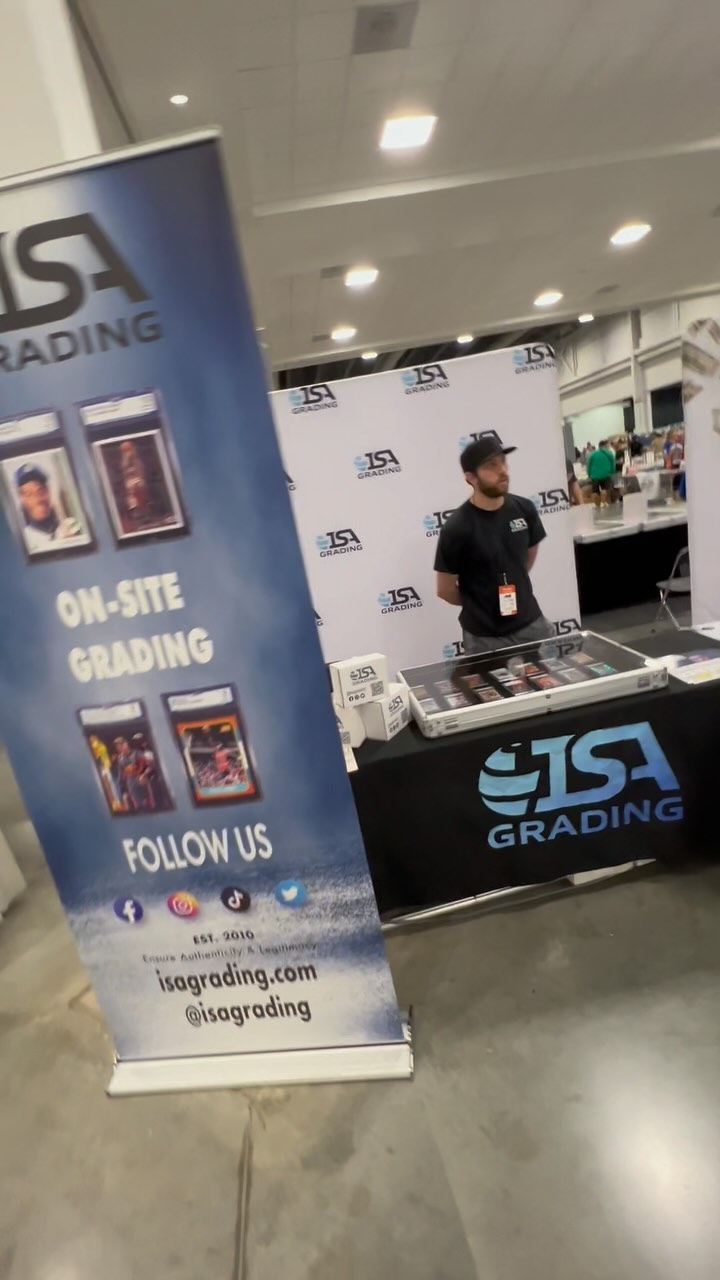

Submitting trading cards for grading should not require guessing what the final invoice will be. Collectors want to know the cost, submission minimum, expected turnaround, and steps involved before sending valuable cards through the mail. ISA Grading, also known as International Sports Authentication, currently offers grading at $15 per card with a 14 day turnaround, a 10 card minimum, and no upcharges.
That clear structure can help TCG collectors plan a submission around a budget. It is equally useful for dealers managing inventory, hobby sellers preparing cards for market, and collectors who want their favorite cards authenticated, graded, and placed in protective slabs.
Why predictable pricing matters in TCG card grading
The value of a trading card can vary widely based on the character, set, rarity, print run, demand, and condition. A submission may contain an inexpensive personal favorite beside a scarce chase card. If grading fees change according to the estimated value of each card, planning a mixed submission can become more complicated.
ISA currently uses a straightforward service structure: $15 per card, a 10 card minimum, a 14 day card grading turnaround, and no upcharges. A qualifying 10 card submission therefore has a grading cost of $150 before shipping or other submission related expenses. Collectors can calculate that amount before deciding which cards to include.
No upcharges means ISA does not increase the grading fee because a submitted card receives a particular grade or is determined to have a higher market value. This does not guarantee a grade, card value, or sale price. It simply makes the grading charge easier to understand. Collectors can read more about this approach in A Clearer Path to the Slab.
What grading can add to a TCG collection
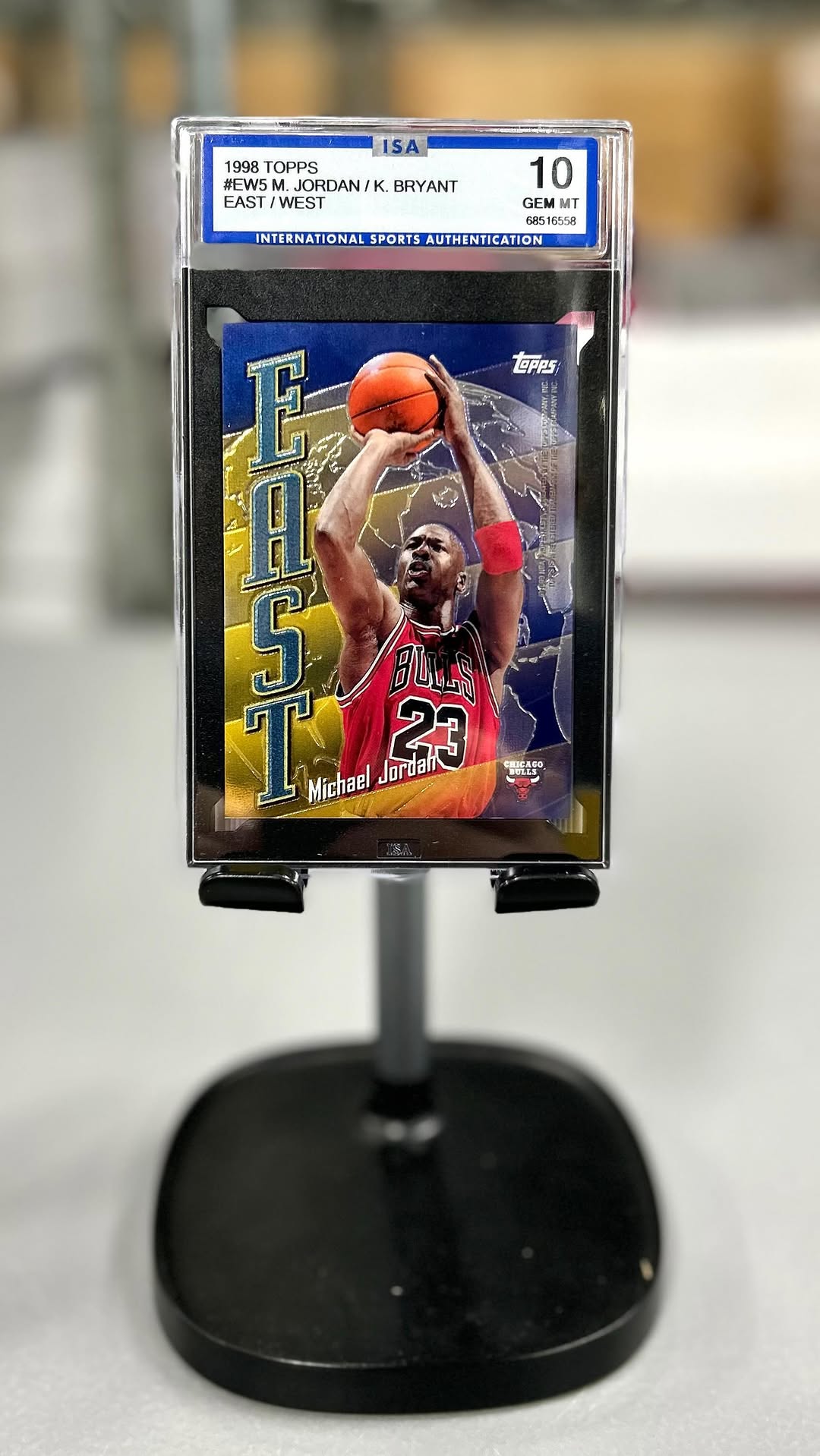
Professional TCG card grading evaluates a card using established condition standards and places the result on a label inside a slab. Grading can provide several practical benefits:
- A documented condition opinion: Buyers and sellers can refer to an assigned grade instead of relying only on broad descriptions such as near mint or lightly played.
- Card authentication: Authentication helps establish that the submitted item is genuine before it is encapsulated as a graded card.
- Physical protection: A slab helps protect the card from routine handling, fingerprints, bending, and direct contact with surfaces.
- Easier identification: The grading label presents important card and grade information in a consistent format.
- Certificate verification: The certification details can be checked through ISA's website.
A slab cannot prevent every possible form of damage. Graded cards should still be stored away from excessive heat, humidity, direct sunlight, and physical pressure. For a closer look at encapsulation and verification, read Understanding Card Slabs, Protection, and Certificate Verification with ISA Grading.
How to decide which TCG cards to grade
Not every card needs to be graded. A useful submission starts with a clear goal. Some collectors grade for long term protection and display. Others want to improve buyer confidence before selling. Dealers may choose cards with steady demand, while set builders may encapsulate key pieces from a favorite release.
Consider the following questions before selecting your cards:
- Why are you grading the card? Personal significance can justify grading even when the card is not especially expensive. For resale inventory, compare likely demand with all grading and shipping costs.
- Is the card authentic and complete? Look for signs of trimming, recoloring, surface alteration, or other modifications. Do not attempt to repair a card before submission.
- What condition issues are visible? Examine the corners, edges, card centering, and card surface under good lighting.
- Does the card fit your submission plan? ISA's current 10 card minimum makes it helpful to build a focused group rather than sending cards individually.
- Would encapsulation serve a practical purpose? Protection, organized storage, display, collection documentation, and resale presentation are all reasonable goals.
Pokemon card grading often focuses attention on popular characters, rare variants, first appearances, promotional releases, and cards with strong artwork. The same selection principles apply to other games. Scarcity and popularity matter, but condition remains essential. A sought after card can still show factory print lines, edge wear, poor centering, or scratches straight from a pack.
Inspect card condition before submitting
A careful review will not let you predict a professional grade with certainty. It can, however, help you remove cards with obvious issues that do not fit your goals. Card condition grading involves more than checking whether the front looks clean.
Card centering
Compare the visible borders on the left and right, then the top and bottom. Also inspect the back. Some TCG designs make centering easier to judge than others, so use printed frames, text boxes, and other repeated design elements as visual references. Avoid assuming that a freshly opened card is well centered.
Corners and edges
Inspect all four corners on the front and back. Look for whitening, soft tips, bends, chips, and separation of the card layers. Along the edges, check for rough cuts, flaking, dents, and wear. Dark borders can make small areas of whitening especially visible.
Card surface
Move the card carefully under a soft light to reveal scratches, print lines, indentations, stains, scuffs, and coating problems. Holographic areas can hide fine scratches when viewed from only one angle. The back surface also matters and should receive the same attention as the front.
Do not use cleaners, solvents, polish, moisture, markers, or pressing methods in an attempt to improve a card. These actions may damage or alter it. If you want to understand the standards used in evaluation, review the ISA grading scale before submitting.
Preparing cards for safe shipment
Good grading preparation is mainly about protecting the card and keeping the submission organized. Handle cards with clean, dry hands and hold them by the edges whenever possible. Avoid wiping the surface, especially if the card has a delicate foil finish.
- Place each card in a clean, properly sized soft sleeve.
- Insert the sleeved card into a suitable semi rigid holder without forcing it.
- Arrange cards in the same order shown on the submission paperwork.
- Use protective packing material so the holders cannot move freely inside the box.
- Choose a sturdy shipping box and seal it securely.
- Use a shipping method with tracking and retain the receipt.
Collectors should follow the current instructions on the ISA submission page when preparing an order. The page is the appropriate place to confirm service details and submission procedures before shipping. A little organization can also reduce the risk of mixing up similar cards, parallel versions, or duplicate copies.
Turnaround time and realistic planning
ISA's current service lists a 14 day turnaround. For collectors searching for fast card grading, a clearly stated turnaround can make inventory and collection planning easier. Remember that a grading turnaround generally should not be treated as the total number of calendar days from the moment a package leaves your home until it returns. Shipping to ISA and return transit are separate parts of the process.
Build extra time into your plan if you hope to sell cards before a convention, holiday, set release, or other scheduled event. Sellers should also avoid listing a card as graded before the completed card and assigned grade are actually available. No presubmission inspection can guarantee the result.
People searching for a card grading service or even typing card grading near me may initially focus on physical distance. Price clarity, submission requirements, turnaround, authentication, and online verification are also important comparison points. A mail based submission with documented steps may be practical even when the grading company is not located nearby.
Slabs and certificate verification
Once a card has been graded and encapsulated, the slab becomes part of how it is stored, displayed, and presented for sale. Keep the slab clean and inspect it before photographing the card. Scratches, dust, and glare on the holder can make online images harder to evaluate even when the card itself is clearly visible in person.
Each ISA graded card can be checked using the online certificate verification tool. Verification gives collectors and prospective buyers a direct way to review certification information associated with the card. It should be used together with clear photographs and a careful review of the physical slab and label.
When selling remotely, include a readable image of the front label and provide the certification number in the listing when appropriate. Buyers can then perform their own check rather than relying solely on a screenshot. Learn more in How ISA Certificate Verification Strengthens Buyer Confidence.
Selling graded TCG cards responsibly
A professional grade can make condition easier to communicate, but it does not establish a fixed market price. Selling prices still depend on the specific card, grade, set, rarity, current demand, recent comparable sales, and selling venue. Buyers may also value grading companies differently.
Create listings that identify the game, set, card name, card number, variant, language, grade, and certification number accurately. Use photographs of the actual graded card rather than stock images. Show the front, back, label, and slab edges, and disclose visible holder damage or other relevant issues.
Review recent completed sales when possible instead of relying only on active asking prices. An unsold listing shows what a seller hopes to receive, not necessarily what buyers are currently paying. Account for marketplace fees, shipping supplies, insurance, and the original grading expense when calculating your target return.
Buyer confidence grows when the listing is specific and verifiable. A slab and certification number support that process, but accurate descriptions and responsive communication remain important.
One grading plan can cover several collecting categories
The same budgeting principles are useful beyond TCG submissions. Collectors may build mixed inventories that include Pokemon card grading, rookie card grading, baseball card grading, basketball card grading, or football card grading. The condition checkpoints remain familiar: centering, corners, edges, surface, authenticity, and overall presentation.
Vintage card grading can require additional attention because older cards may have printing variations, rough factory cuts, toning, staining, paper loss, or evidence of alteration. Age alone does not determine a grade, and older cards should not be cleaned or repaired. Collectors working with older material may find Vintage Cards, Clear Standards useful before building a submission.
Building a predictable 10 card submission
Because ISA currently has a 10 card minimum, start with a larger group of candidates and narrow it after inspection. For example, select 15 to 20 possible cards, examine each one carefully, and choose the 10 that best match your collecting or selling goals.
Create a simple inventory with the card name, set, number, variant, language, and reason for grading. Photograph each raw card before packing it and retain the shipment tracking information. This record helps you stay organized without implying what grade any card will receive.
With ISA's current $15 per card pricing, the grading charge for 10 cards is easy to calculate. The 14 day turnaround and no upcharges add further clarity. Collectors can then focus on card selection, safe preparation, and realistic resale research rather than trying to predict a changing grading invoice. For questions not addressed in the submission instructions, consult the ISA FAQ page.
Submit Cards to ISA Grading
Collectors ready to use ISA Grading can start on the submission page. The current active service is $15 per card with a 14 day turnaround, no upcharges, and a 10 card minimum.
Frequently Asked Questions
How much does ISA charge for TCG card grading?
ISA Grading currently charges $15 per card with no upcharges. The current submission minimum is 10 cards, so the grading charge for a qualifying 10 card submission is $150 before shipping or other submission related expenses.
What is ISA's current turnaround for graded cards?
ISA currently lists a 14 day turnaround. Collectors should also allow time for shipping to ISA and return delivery when planning around a sale, show, holiday, or other scheduled event.
How should I prepare TCG cards for grading?
Inspect each card under good lighting, then place it in a clean soft sleeve and a suitable semi rigid holder. Keep the cards in submission order, package them securely in a sturdy box, and follow the current instructions on ISA's submission page.
Can buyers verify an ISA graded card online?
Yes. Certificate verification is available through the ISA website. Buyers and sellers can use the certification number to review the information associated with an ISA graded card.
Does grading guarantee that a TCG card will sell for more?
No. Grading provides a professional condition opinion, authentication, encapsulation, and certification information, but it does not guarantee market value or a sale. Demand, rarity, the assigned grade, recent comparable sales, and selling costs all affect price.