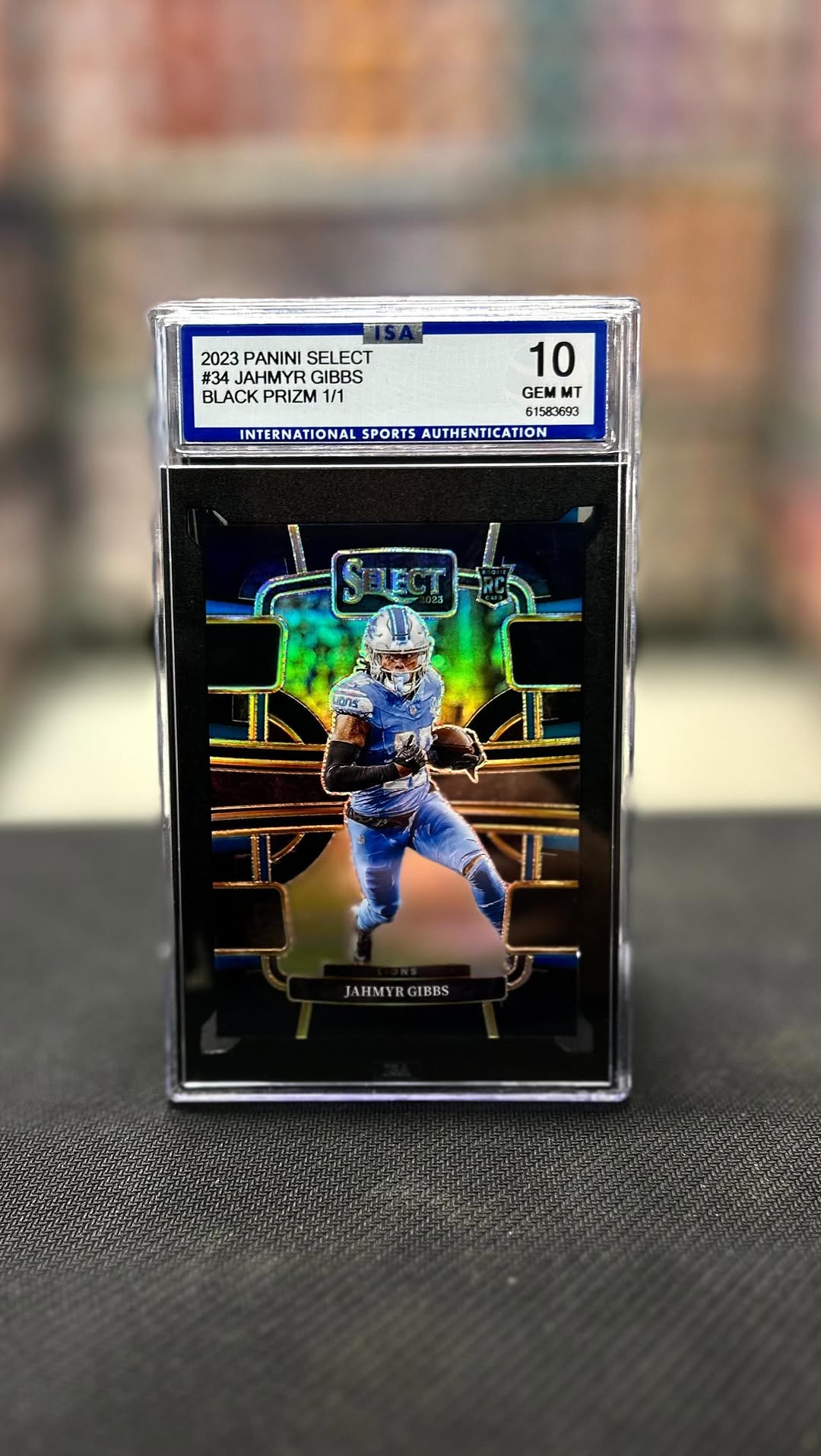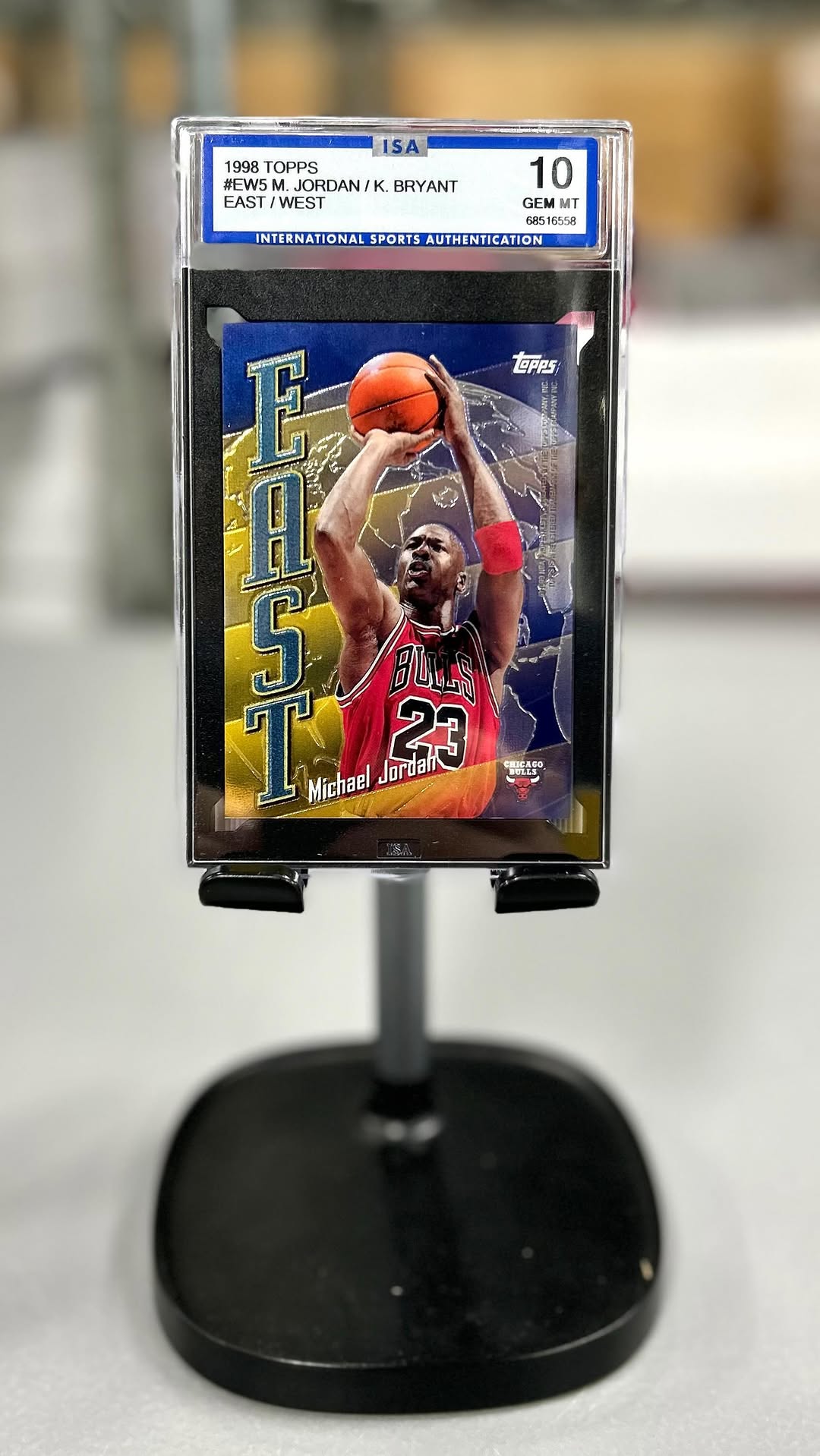
Modern rookie cards can move quickly from new release excitement to active buying and selling. That pace makes grading decisions important. A collector must decide which cards deserve closer inspection, whether the likely grade supports the grading cost, and how long the card may be unavailable during the process.
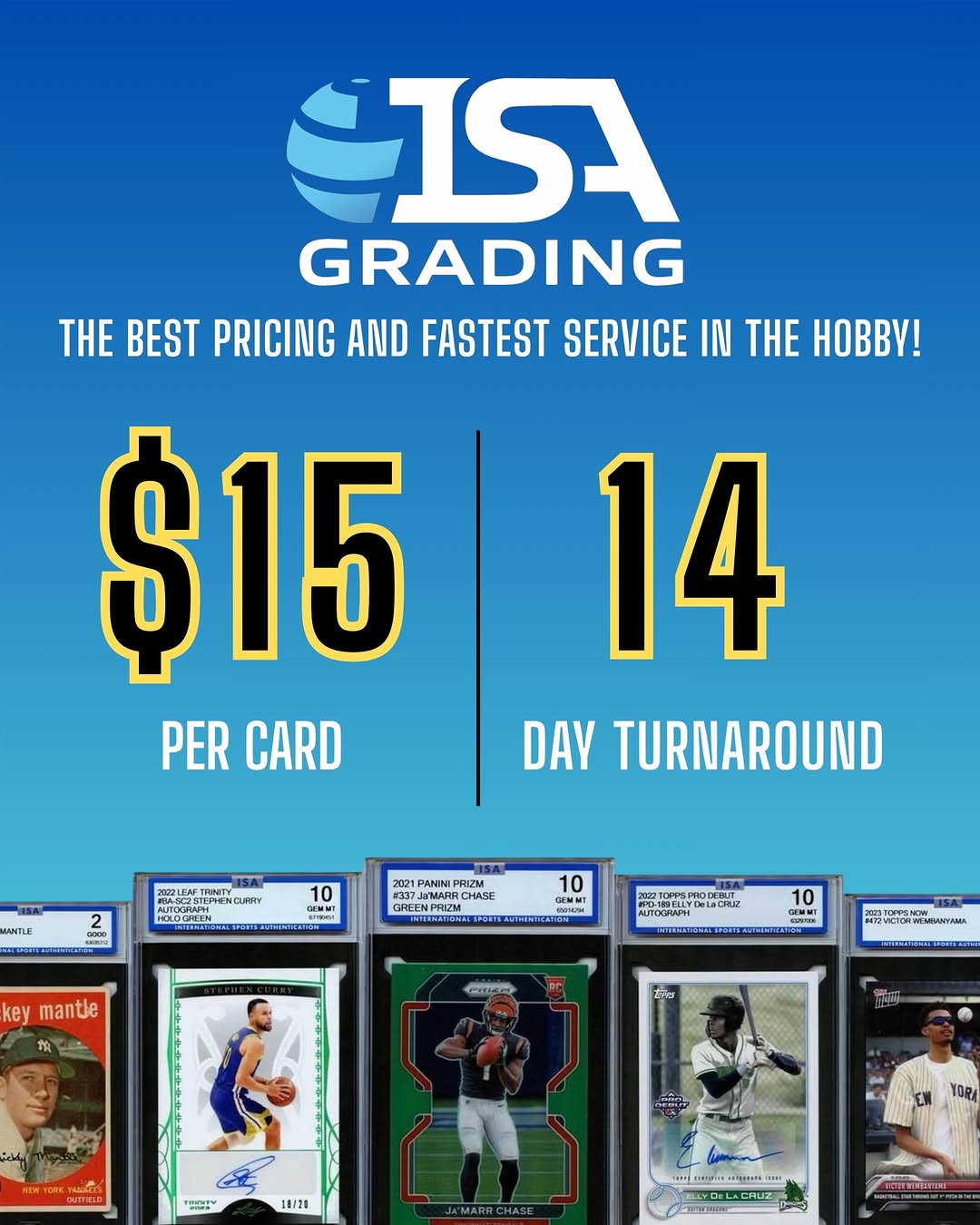
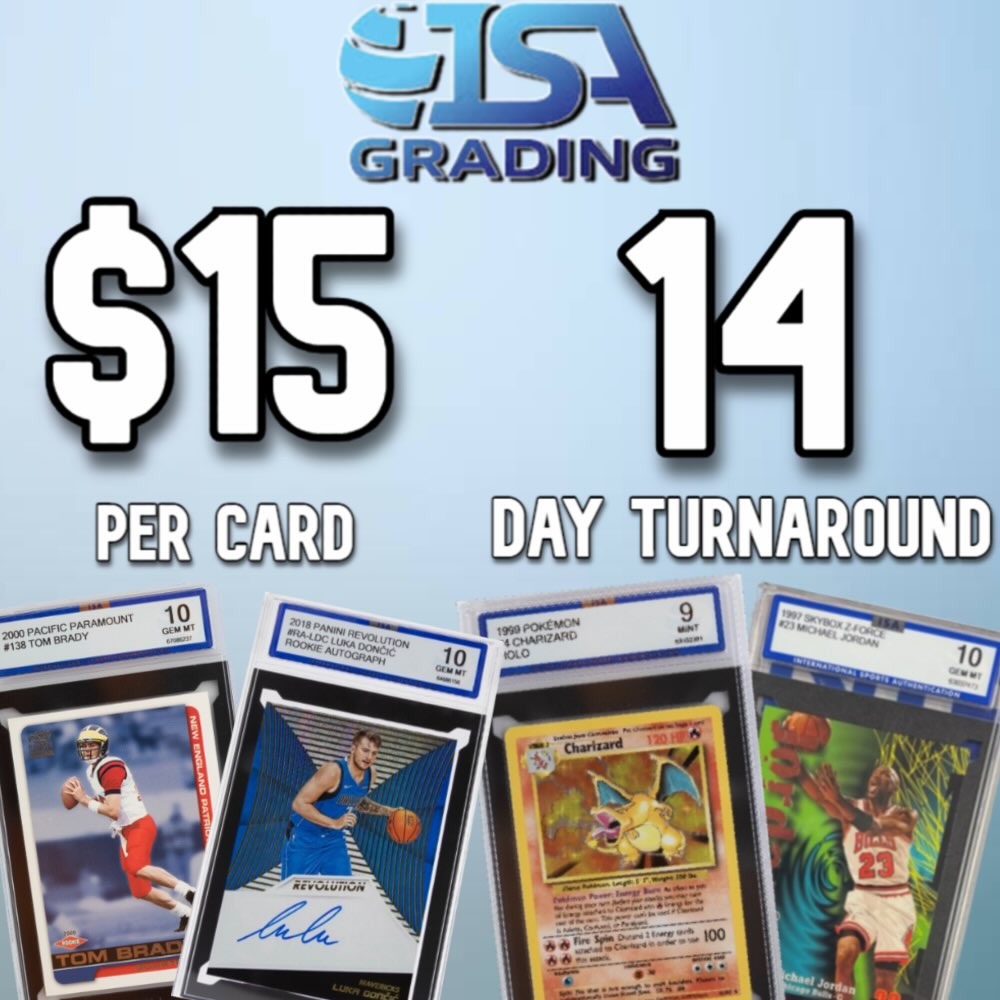
Effective rookie card grading starts before a card enters a submission. Careful selection, realistic expectations, safe preparation, and a clear selling plan can help collectors make better use of sports card grading. ISA Grading, also known as International Sports Authentication, currently offers grading and authentication for $15 per card, a 14 day turnaround, a 10 card minimum, and no upcharges.
Why modern rookie cards are commonly graded
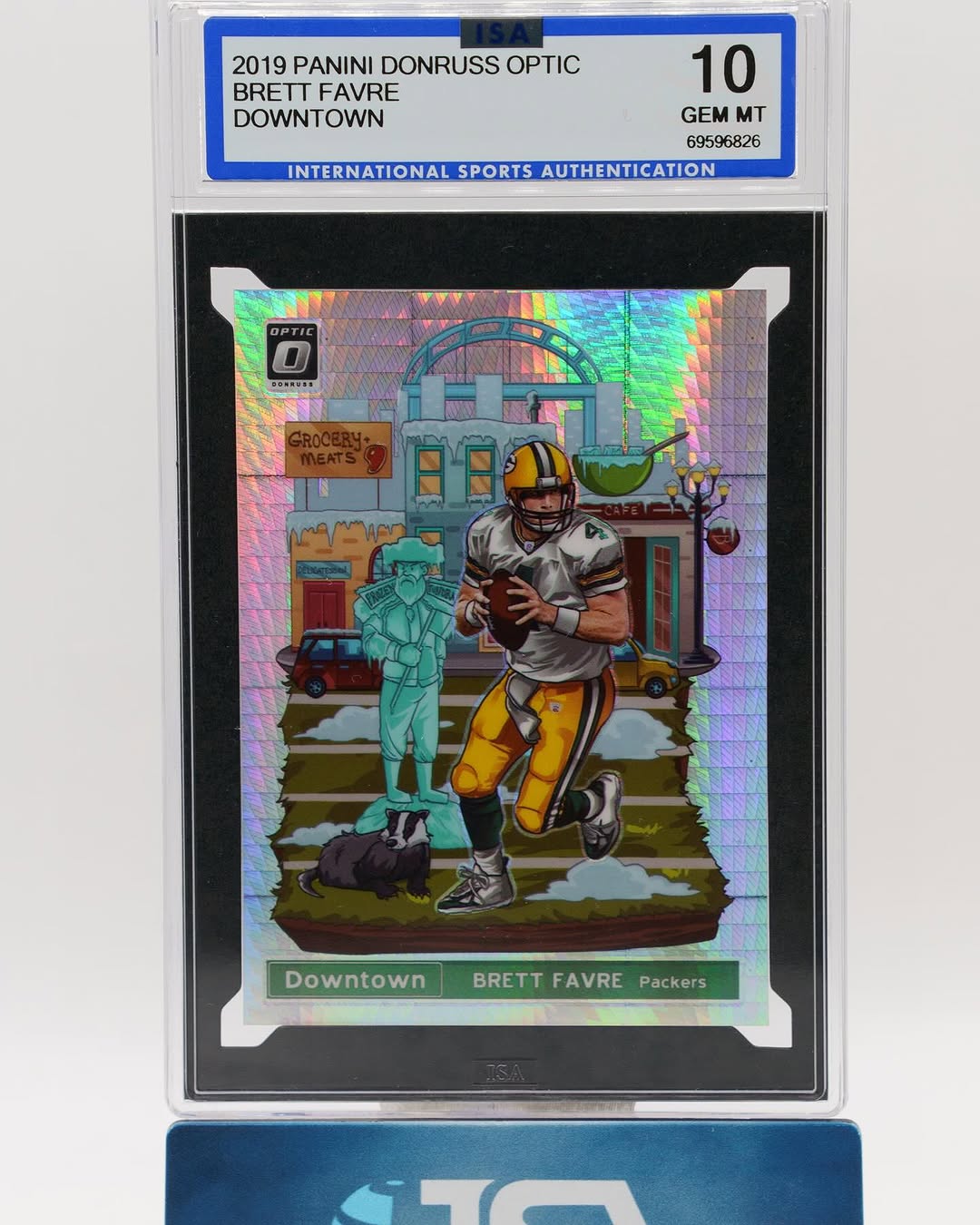
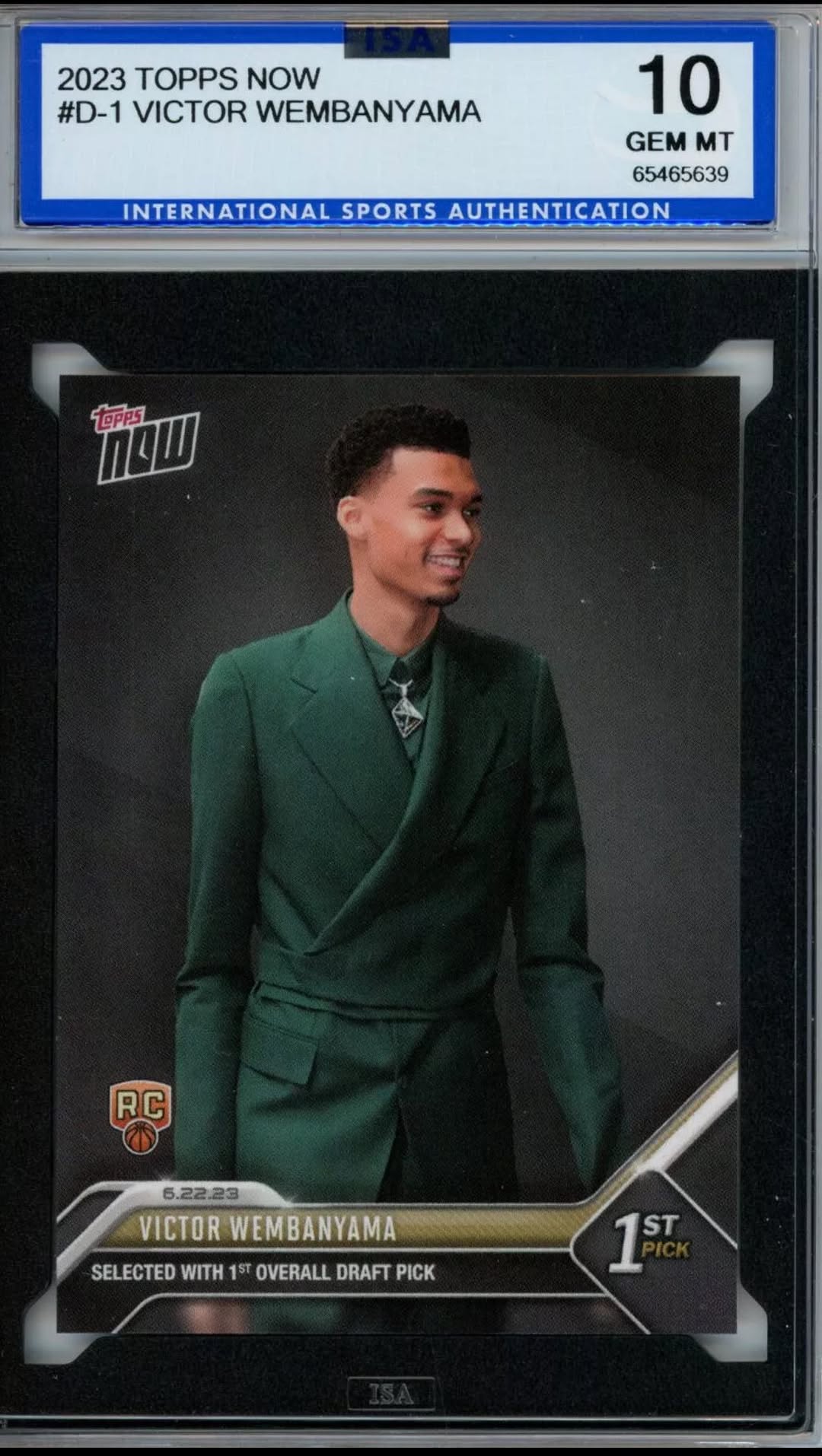
A rookie card often represents the first widely recognized card of an athlete in a professional uniform or a designated rookie release. Collectors may grade these cards to document condition, protect them in trading card slabs, support buyer confidence, or create a more consistent inventory for resale.
Grading can be particularly useful when two raw copies look similar in online photographs. A professional evaluation gives buyers a condition opinion based on established criteria. The slab also reduces direct handling of the card. Grading does not guarantee demand, a specific selling price, or future appreciation, but it can make condition easier to communicate.
Authentication is another part of the process. Card authentication evaluates whether a submitted card is genuine, while grading assesses its condition. Together, sports card authentication and grading provide information that may help buyers evaluate a card without relying only on a seller supplied description.
Choose rookie cards with a purpose
Not every modern rookie card needs to be graded. Large base card print runs, weak player demand, visible damage, and low recent sale prices can make grading less practical. Before submitting, consider the card, the athlete, the set, the variation, and the likely reason for grading.
Cards that may deserve a closer look
- Key base rookies: Flagship rookie cards of established stars or promising players may have broad collector recognition.
- Numbered parallels: Limited serial numbered versions can attract buyers who follow rarity and set structure.
- Short prints and variations: Image variations, color variations, and limited inserts may be more difficult to replace.
- Autographed rookies: Signed cards can combine player demand with autograph appeal, although condition still matters.
- Personal collection cards: A favorite pull or meaningful rookie can be graded for protection and presentation even when resale is not the main goal.
Compare the likely graded value with the complete cost of submission, shipping, insurance, and selling. Use recent completed sales when available rather than active asking prices alone. A high asking price does not establish what buyers have actually paid.
Collectors should also confirm the exact card identity. Check the year, set, card number, parallel name, serial number, and variation. Similar designs can have meaningful differences, especially in modern products with many color and retail exclusives.
Inspect condition before building a submission
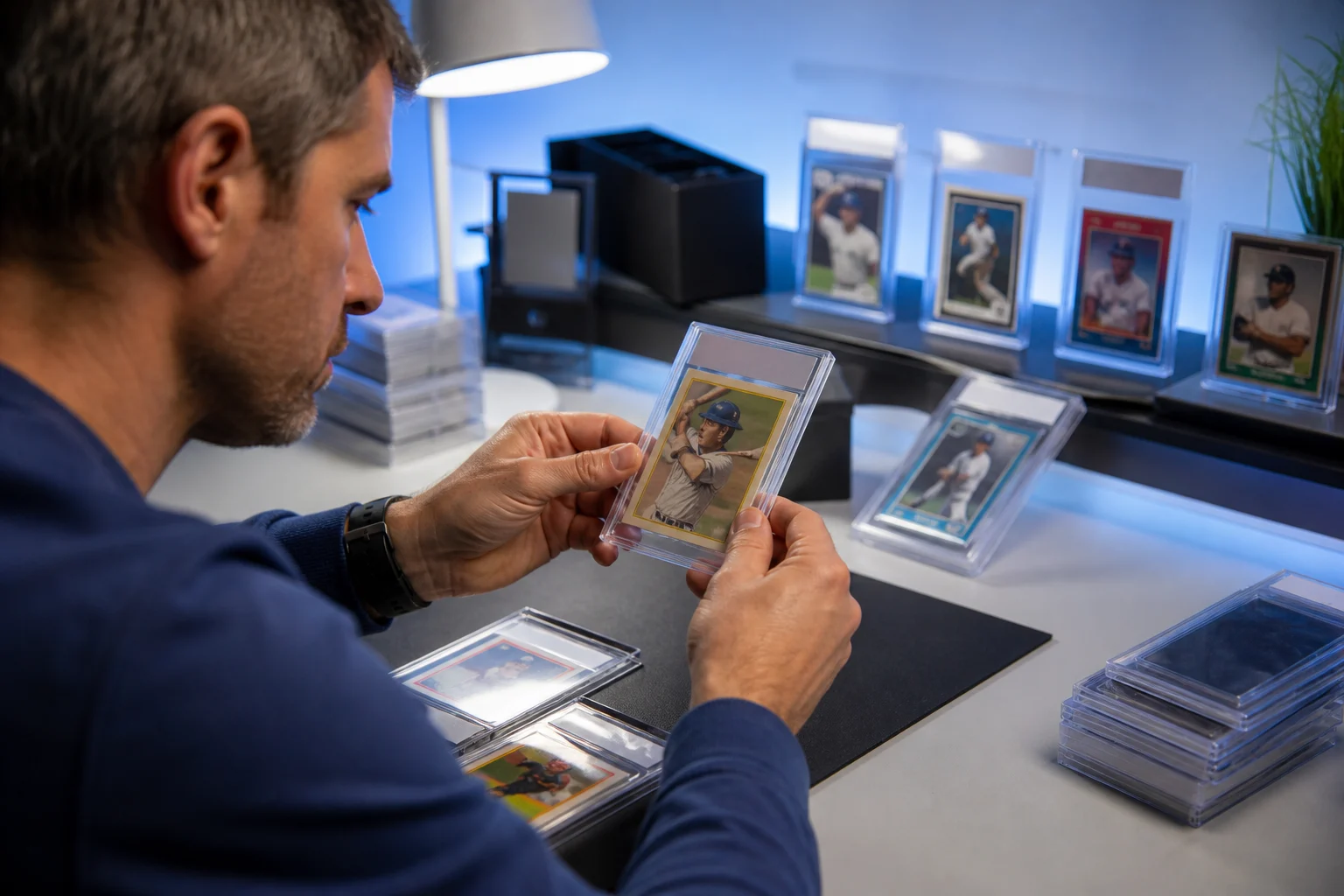
A disciplined inspection process is one of the most useful habits in rookie card grading. Review each candidate under bright, even light. Wash and dry your hands first, hold the card by its edges, and avoid touching the front or back surface.
ISA publishes its evaluation standards on the grading scale page. Reading the scale before submitting can help align expectations with the characteristics graders review.
Card centering
Card centering describes how evenly the design is positioned within the borders. Compare the left border with the right and the top border with the bottom. Borderless designs can be harder to judge, so use repeated design elements, names, logos, or image placement as visual references.
Check the back independently. A card that appears centered on the front may be noticeably shifted on the reverse. Do not assume that pack fresh means perfectly centered, since manufacturing alignment can vary.
Card corners and edges
Examine all four card corners from the front and back. Look for whitening, soft tips, bends, compression, or small touches of wear. Magnification can reveal flaws, but ordinary lighting and multiple viewing angles are also useful.
Inspect the edges for chipping, rough cuts, flaking, dents, and color loss. Dark borders and foil finishes can make small edge issues more visible. Thick stock cards may also show compression or wear along the side.
Card surface
The card surface can contain print lines, scratches, dimples, indentations, stains, roller marks, missing gloss, or foil defects. Tilt the card slowly beneath a light instead of looking from only one angle. Review both sides because reverse surface issues can affect the final evaluation.
Chrome style cards often show fine scratches or print lines under angled light. Paper cards may have small indentations or coating problems. Avoid wiping aggressively. Attempting to remove a mark can create new scratches, alter the finish, or push debris across the surface.
Prepare cards without creating new damage
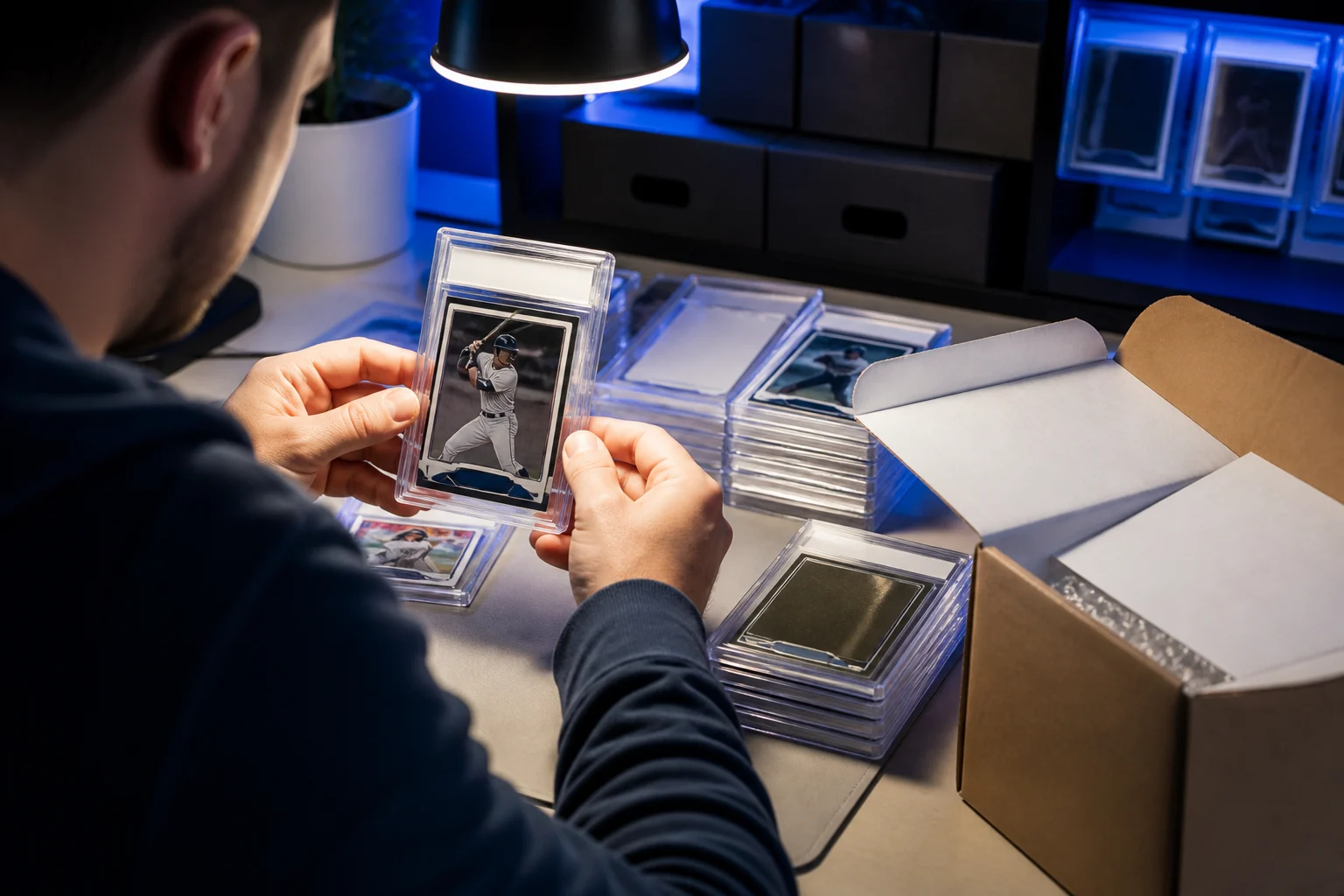
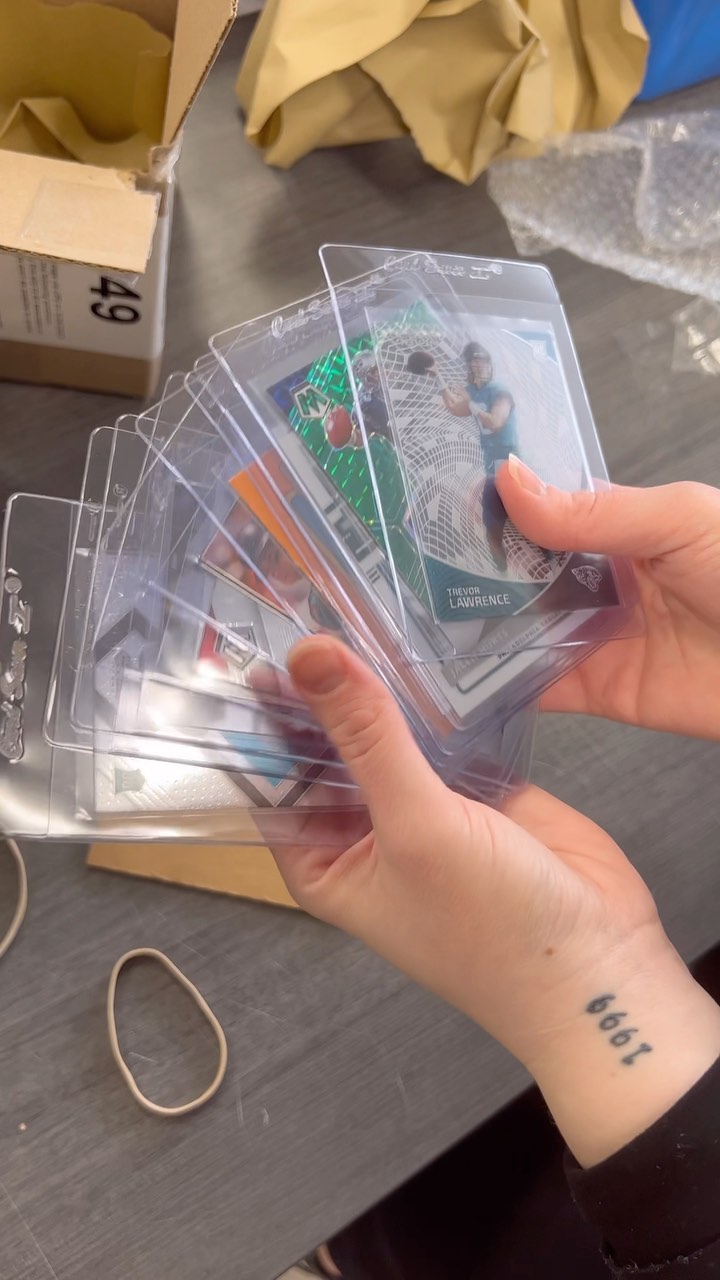
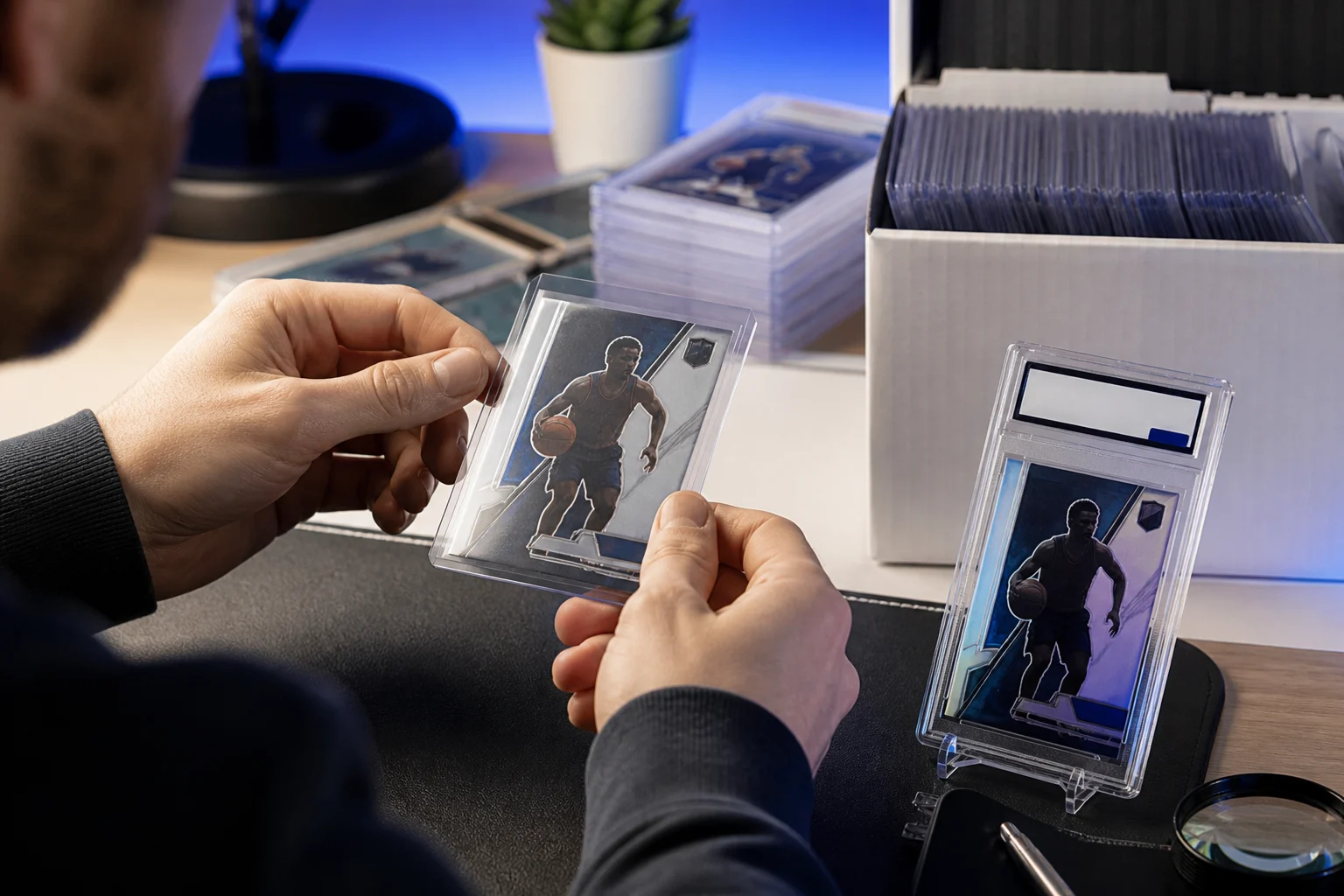
Once a card passes inspection, place it carefully into an appropriate soft sleeve and protective card holder. The sleeve helps reduce direct contact, while the holder supports the card during packing. Make sure the card fits comfortably and is not forced into a holder that is too tight.
Keep the submission in a clean, dry area away from food, drinks, direct sunlight, and loose debris. Organize cards in the same order as the submission paperwork. This reduces confusion and makes it easier to confirm that every listed card is included.
For a detailed packing and organization workflow, read How to Prepare a 10 Card Submission for ISA Grading Service. ISA currently has a 10 card minimum, so collectors can build a focused group of their strongest candidates rather than submitting every rookie they own.
A simple preparation checklist
- Confirm the card year, brand, set, player, card number, and variation.
- Inspect centering, corners, edges, and surface under good lighting.
- Photograph valuable cards before packing for your records.
- Place each card in a clean sleeve and suitable protective holder.
- Match the card order to the submission details.
- Use a sturdy shipping box with interior protection that limits movement.
- Choose shipping and insurance based on the contents and your risk tolerance.
Understand grading price and turnaround
Pricing clarity matters because grading costs affect the break even point of every card. ISA Grading currently provides $15 card grading with no upcharges. The active service includes a 14 day turnaround and requires a 10 card minimum. Collectors can begin through the card submission page.
No upcharges means the service price does not increase because a card receives a particular grade or has a higher declared market value. Shipping and any costs outside the grading service should still be considered when planning a submission.
Collectors researching the pricing model can read A Clearer Path to the Slab: How ISA Keeps Grading at $15 Per Card. Clear per card pricing makes it easier to estimate the grading cost for a group of rookies before sending them.
Turnaround is also a business consideration. A card being graded cannot be displayed at a show, listed as available inventory, or sold as a graded card during that period. A 14 day card grading turnaround can help collectors plan around card shows, product release cycles, player milestones, and selling schedules. Those exploring the relationship between timing and inventory can review The Hidden Cost of Waiting.
Fast card grading is most useful when it is paired with careful card selection. Speed alone does not make an unsuitable card worth grading. Build the submission around cards that fit your collecting goals, inventory needs, and budget.
How slabs and verification support buyer confidence
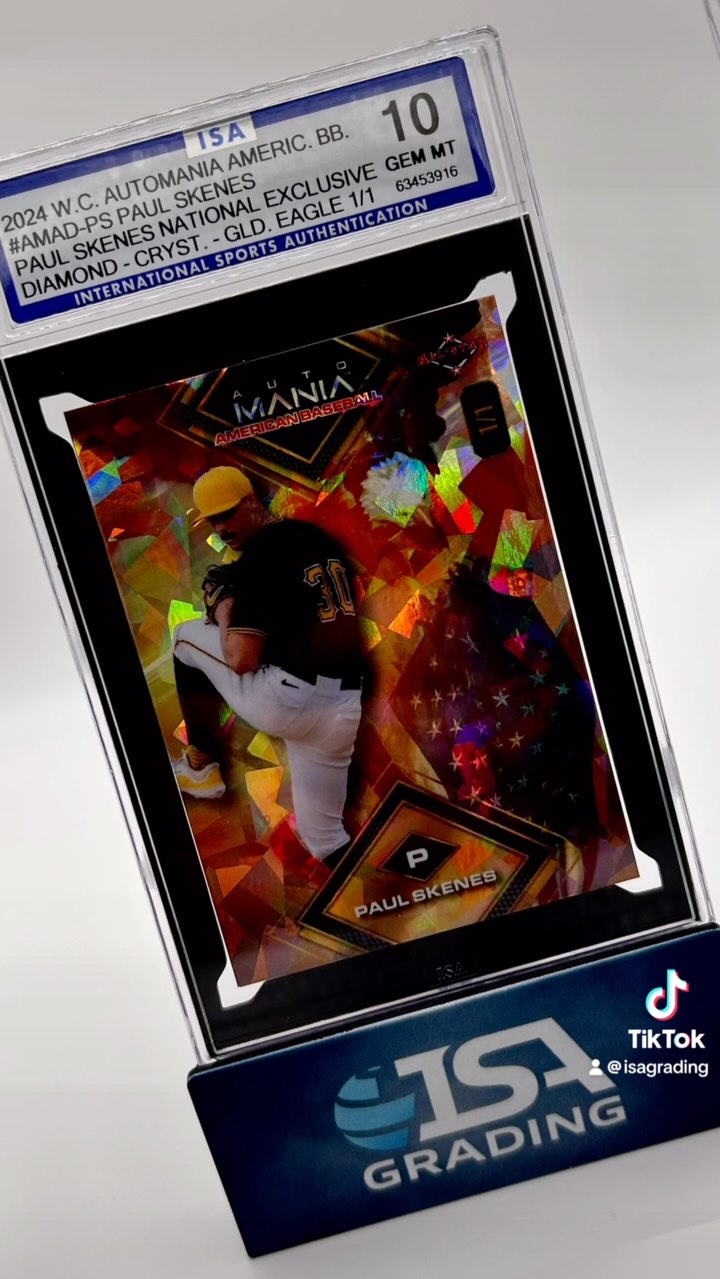
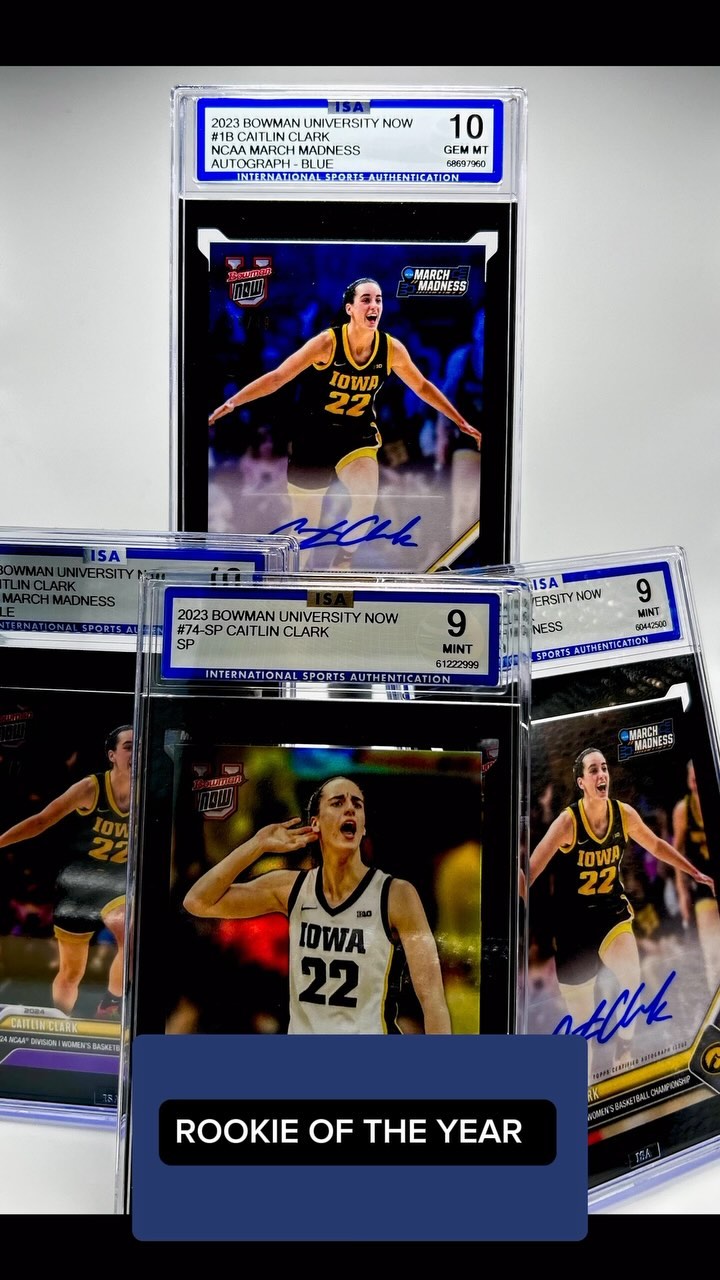
After grading, the encapsulated holder gives the card a stable presentation format and reduces the need for direct handling. Trading card slabs are easier to sort, display, photograph, and transport than unprotected raw cards, but they should still be stored carefully.
Keep slabs away from prolonged sunlight, excessive heat, moisture, and abrasive contact. Use fitted sleeves or dividers to reduce scratching on the holder. When transporting graded cards to a show, pack them so they cannot shift heavily or strike one another.
ISA also provides online certificate verification. A buyer can use the certification information associated with a slab to check its record on the website. Sellers should photograph the front and back of the slab clearly so the label, grade, card details, and certification number can be reviewed.
Verification is useful, but buyers should still inspect listing images and compare the physical slab with the online record. Sellers should describe any scratches or damage to the holder separately from the condition grade assigned to the enclosed card.
Selling modern graded rookie cards
A strong listing helps buyers understand exactly what is being offered. Include the athlete, year, set, card number, parallel, serial number when applicable, assigned grade, grading company, and certification details. Avoid vague titles that leave out the card variation.
Use clear photographs of the slab against an uncluttered background. Capture the front, back, label, corners of the holder, and certification number. Angled photographs can disclose glare, surface visibility, or scratches on the slab. Do not digitally hide defects or edit images in a way that changes how the card appears.
Set pricing with recent comparable sales when possible. The most relevant comparison is usually the same card, parallel, grade, and grading company. If an exact comparison is unavailable, explain how you reached the price rather than presenting a rough estimate as an established market value.
Player performance and hobby attention can change quickly. Basketball card grading may be influenced by season schedules, playoffs, awards, and rookie development. Football card grading can be especially sensitive to depth chart changes, injuries, and short regular seasons. Those factors can affect demand, but no performance outcome or future price is certain.
Dealers should track grading fees, shipping costs, platform fees, card acquisition cost, and the final sale amount. This reveals which types of rookie cards are producing workable margins and which are better sold raw. Collectors can also browse customer experiences on the ISA reviews page when evaluating the service.
Apply the same discipline across card categories
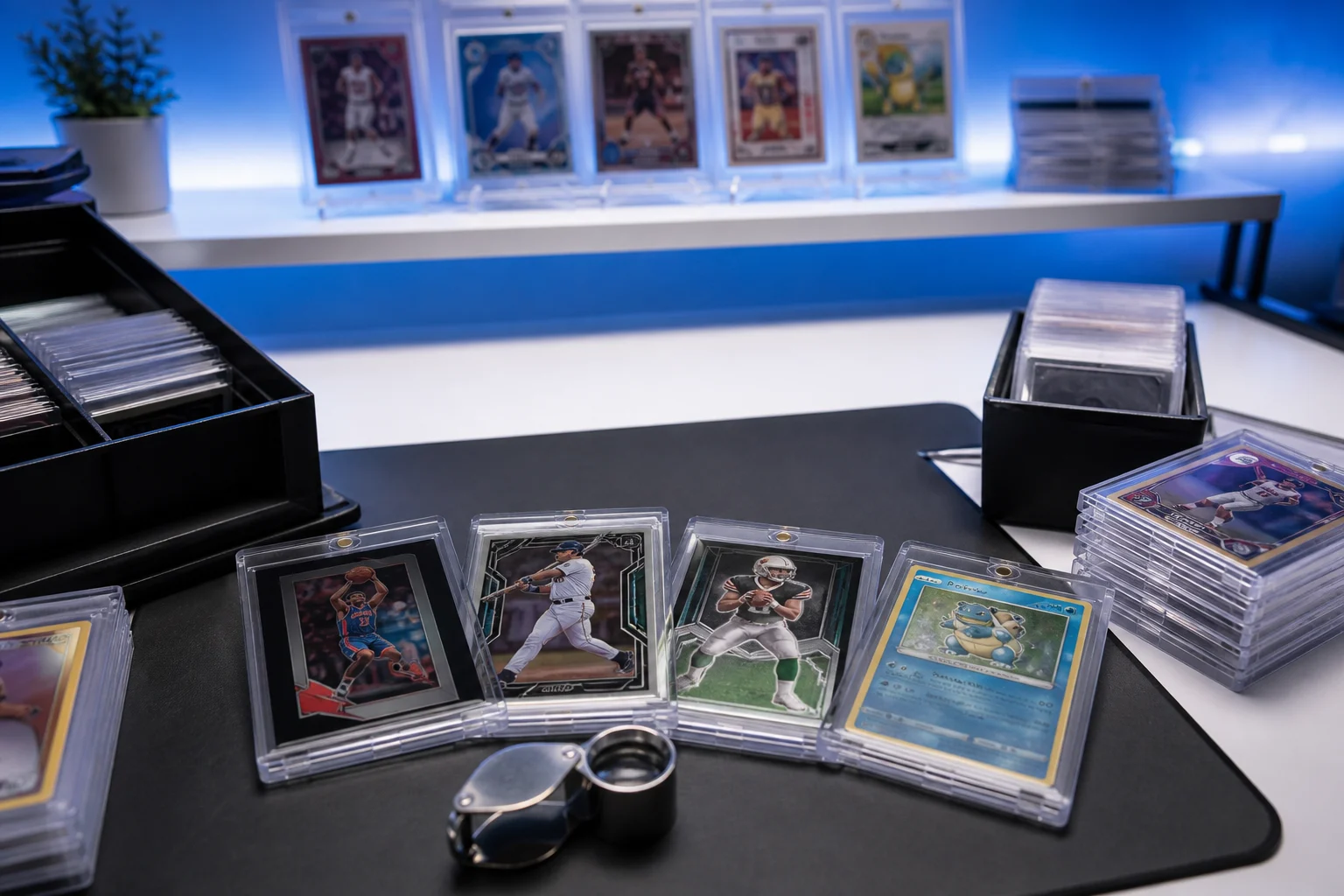
The basic inspection process works across many collectible categories. Modern baseball, basketball, hockey, and football rookies all require attention to card centering, card corners, edges, and card surface. Pokemon card grading also benefits from careful checks of foil areas, print lines, whitening, and reverse centering.
Modern grading decisions differ from vintage card grading because older cards may involve age related wear, different production standards, scarcity, and greater emphasis on authentication. A modern card is often compared with many high condition examples, while a scarce vintage card may remain desirable at a lower grade.
Whatever the category, submit with a clear reason. Protection, authentication, display, collection organization, and resale are all valid goals. The right group for a card grading service is the one that fits your budget and purpose rather than simply the largest stack available.
Build a repeatable rookie grading process
Successful submissions are usually the result of consistent habits. Identify exact card variations, screen condition carefully, estimate costs, prepare cards safely, and document what you send. After the cards return, verify certificates, protect the slabs, and record the assigned grades.
Reviewing results can sharpen future selection. If surface flaws or centering repeatedly lower expectations, adjust the inspection process before the next submission. With ISA's current $15 per card service, 14 day turnaround, 10 card minimum, and no upcharges, collectors and sellers can plan a rookie card grading submission around known service terms rather than uncertain grading fees.
Submit Cards to ISA Grading
Collectors ready to use ISA Grading can start on the submission page. The current active service is $15 per card with a 14 day turnaround, no upcharges, and a 10 card minimum.
Frequently Asked Questions
How much does ISA charge to grade a modern rookie card?
ISA Grading currently charges $15 per card with no upcharges. The active service has a 10 card minimum and a 14 day turnaround.
What should I inspect before submitting a rookie card?
Inspect the front and back for centering, corner wear, edge chipping, scratches, print lines, dimples, indentations, stains, and other surface issues. Confirm the exact set, card number, parallel, and variation before submission.
Does grading guarantee that a rookie card will become more valuable?
No. Grading documents an opinion of condition and can improve protection and presentation, but it does not guarantee demand, a selling price, or future appreciation.
How can buyers verify an ISA graded rookie card?
Buyers can use ISA's online certificate verification page to check the certification information associated with the slab. They should also compare the online record with clear photographs of the physical card and holder.
How should modern rookie cards be packed for grading?
Place each card in a clean soft sleeve and an appropriate protective holder, organize the cards in submission order, and use a sturdy shipping box with interior protection that limits movement. Select tracking and insurance based on the contents and your risk tolerance.