When collectors search for “PSA shutting down,” the question behind the search is often practical: What happens to my cards, my grading budget, and my plans to sell? A rumor, a temporary interruption, and a permanent closure are very different situations. This article is a planning guide, not a report that PSA has closed or stopped accepting submissions.
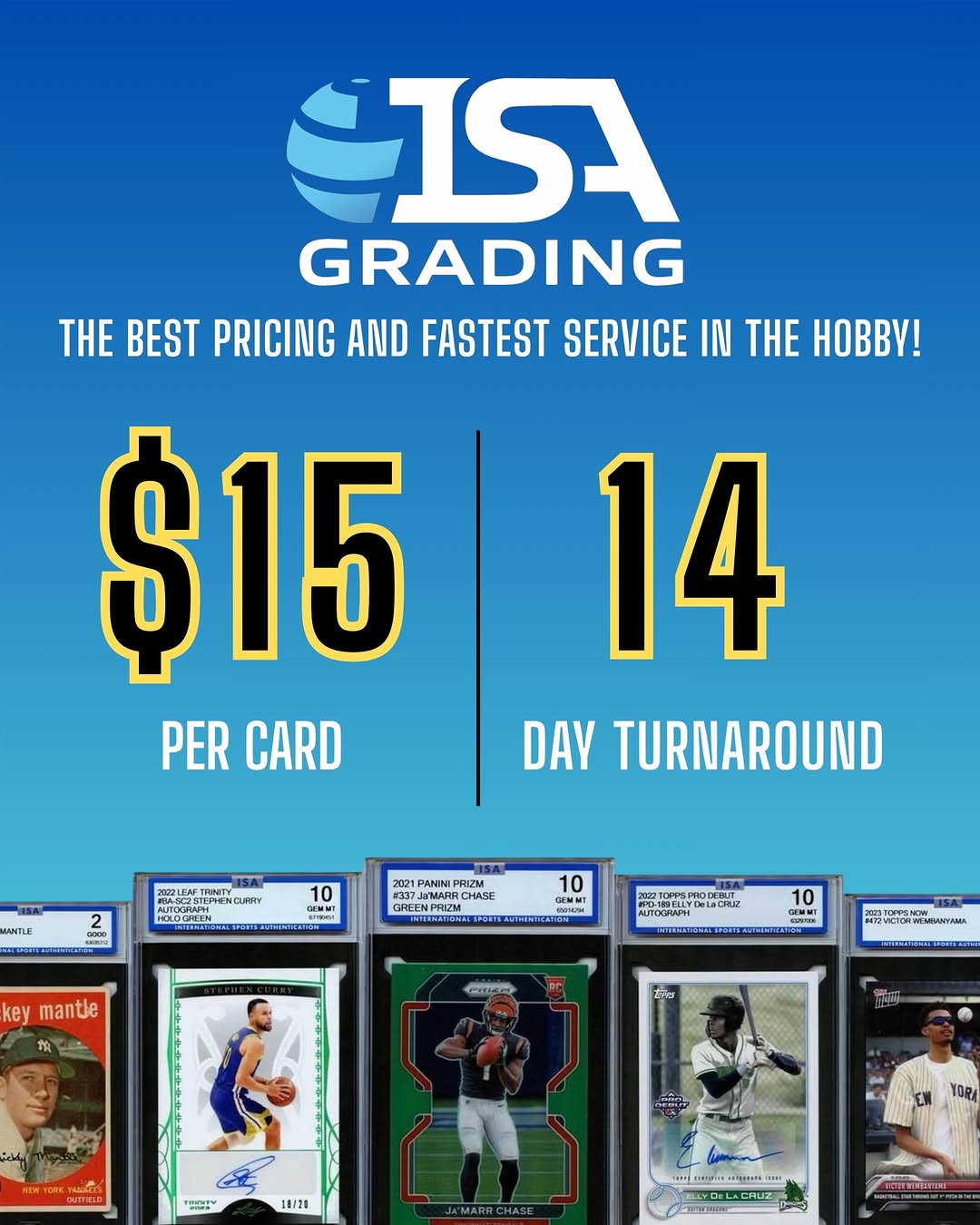
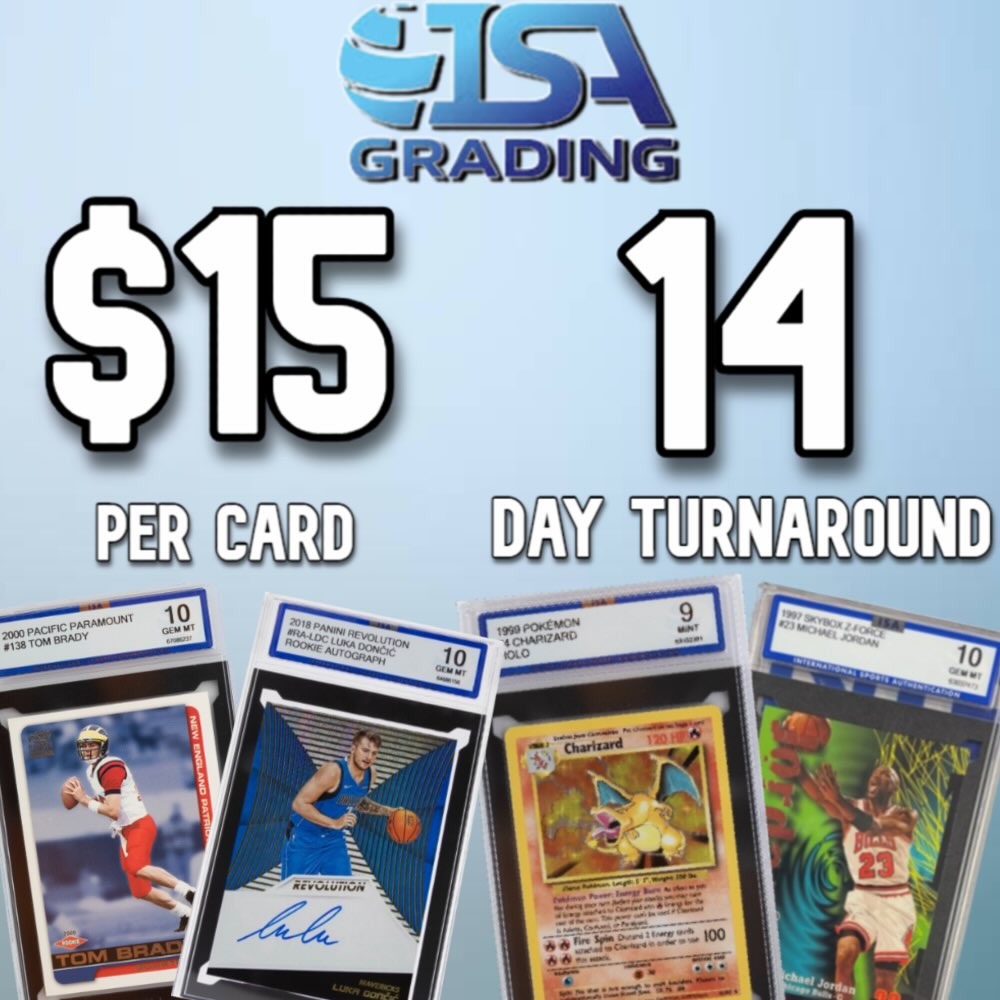
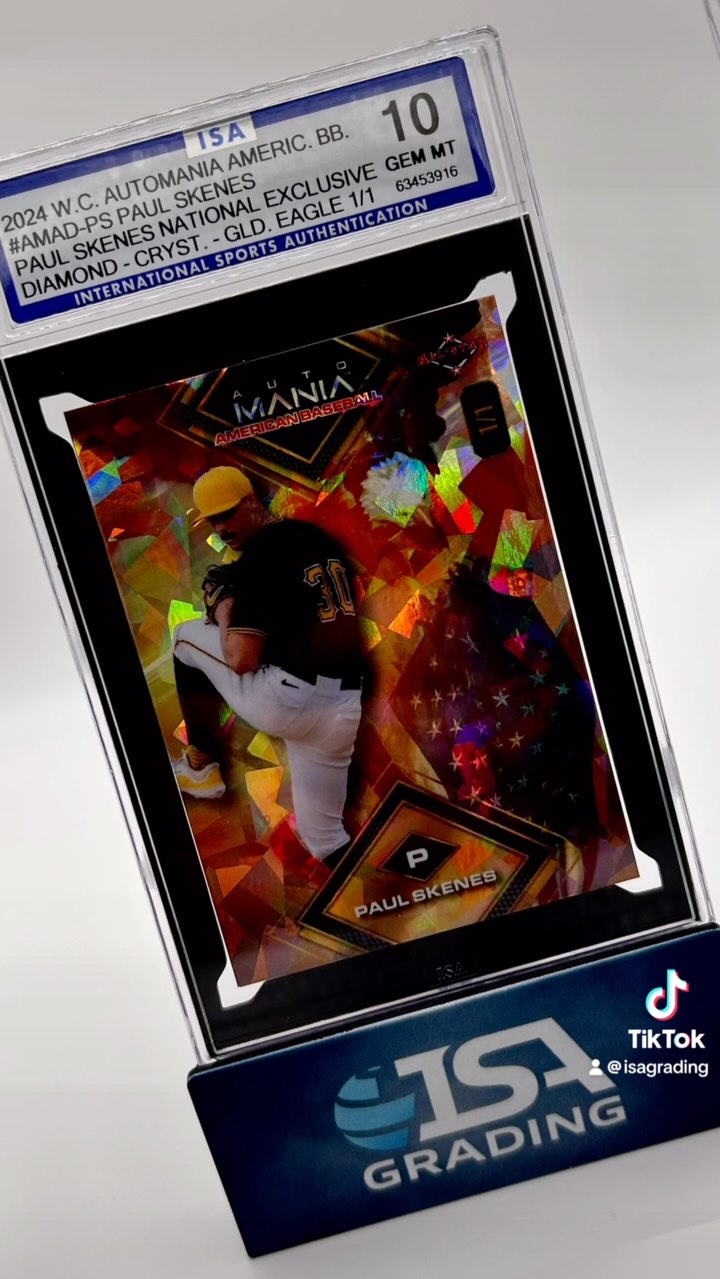
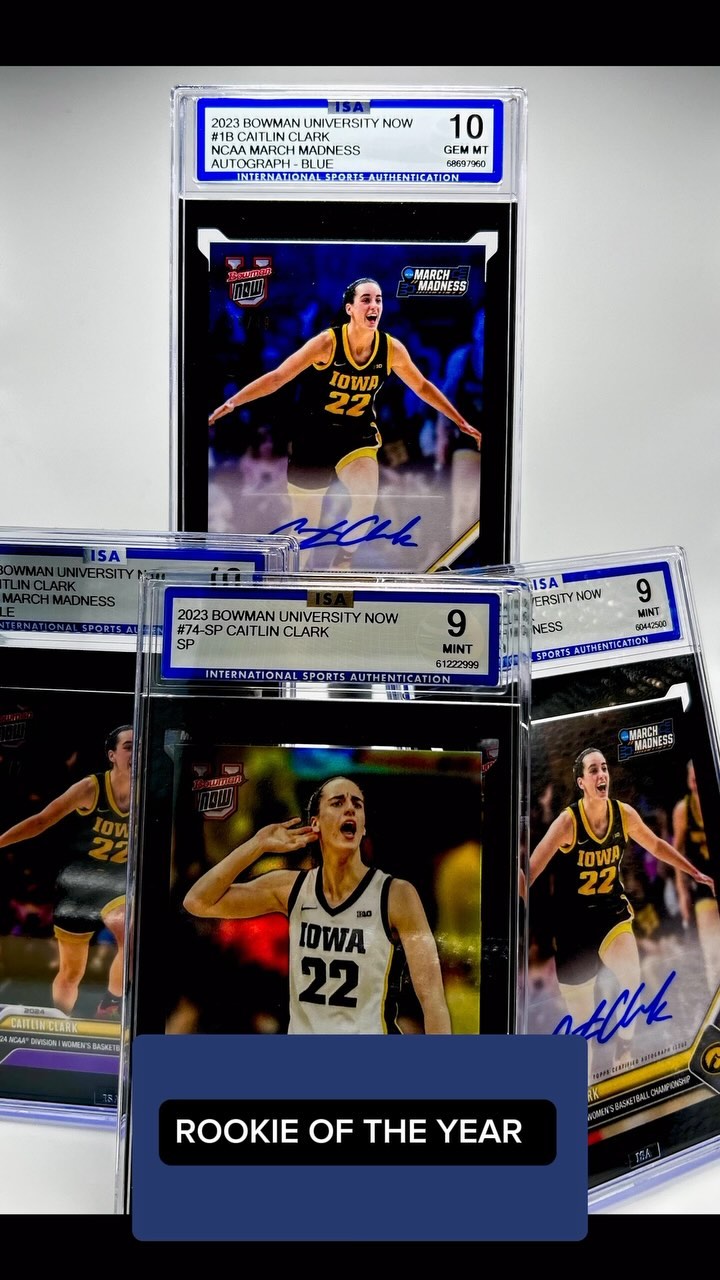
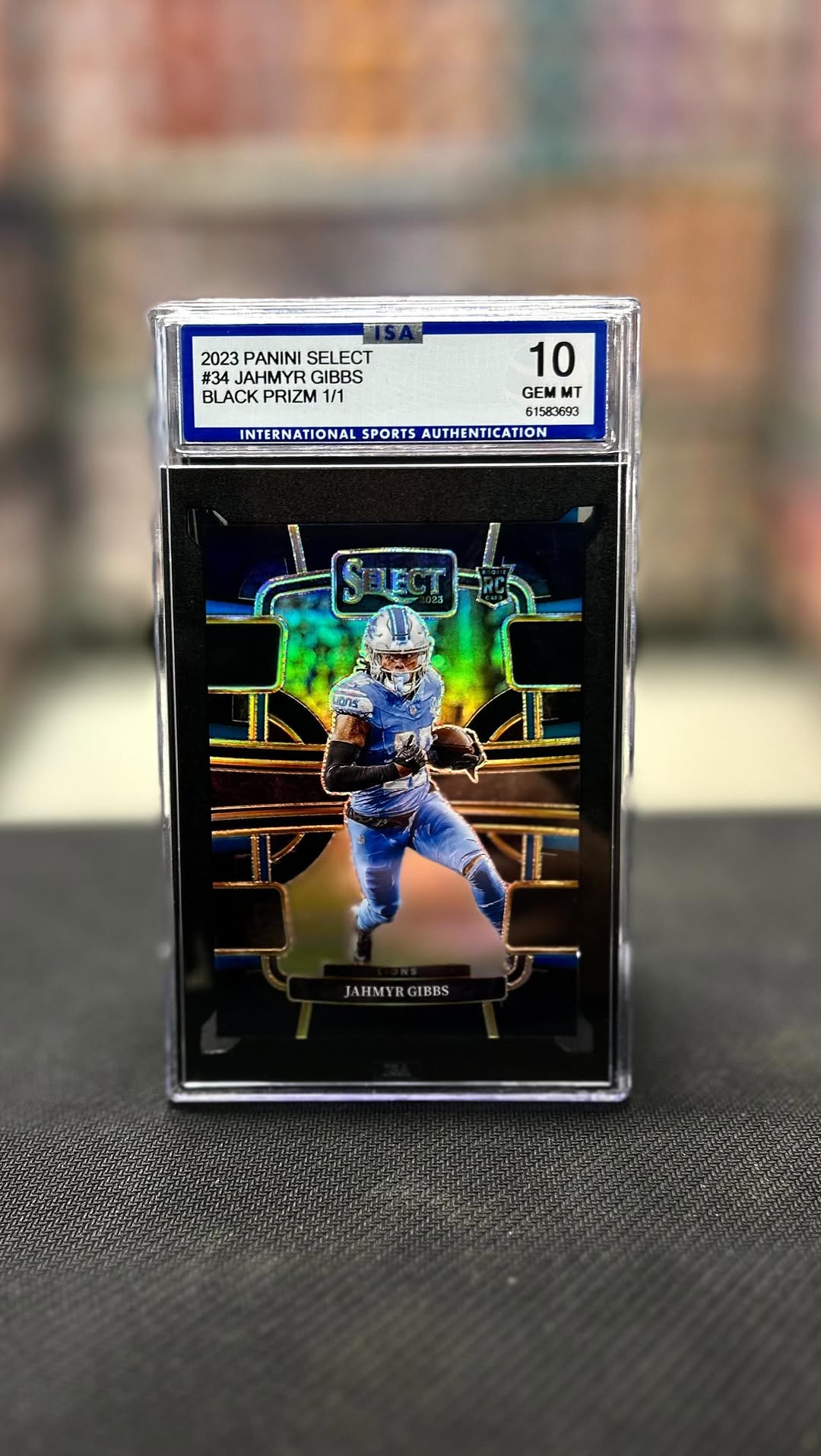
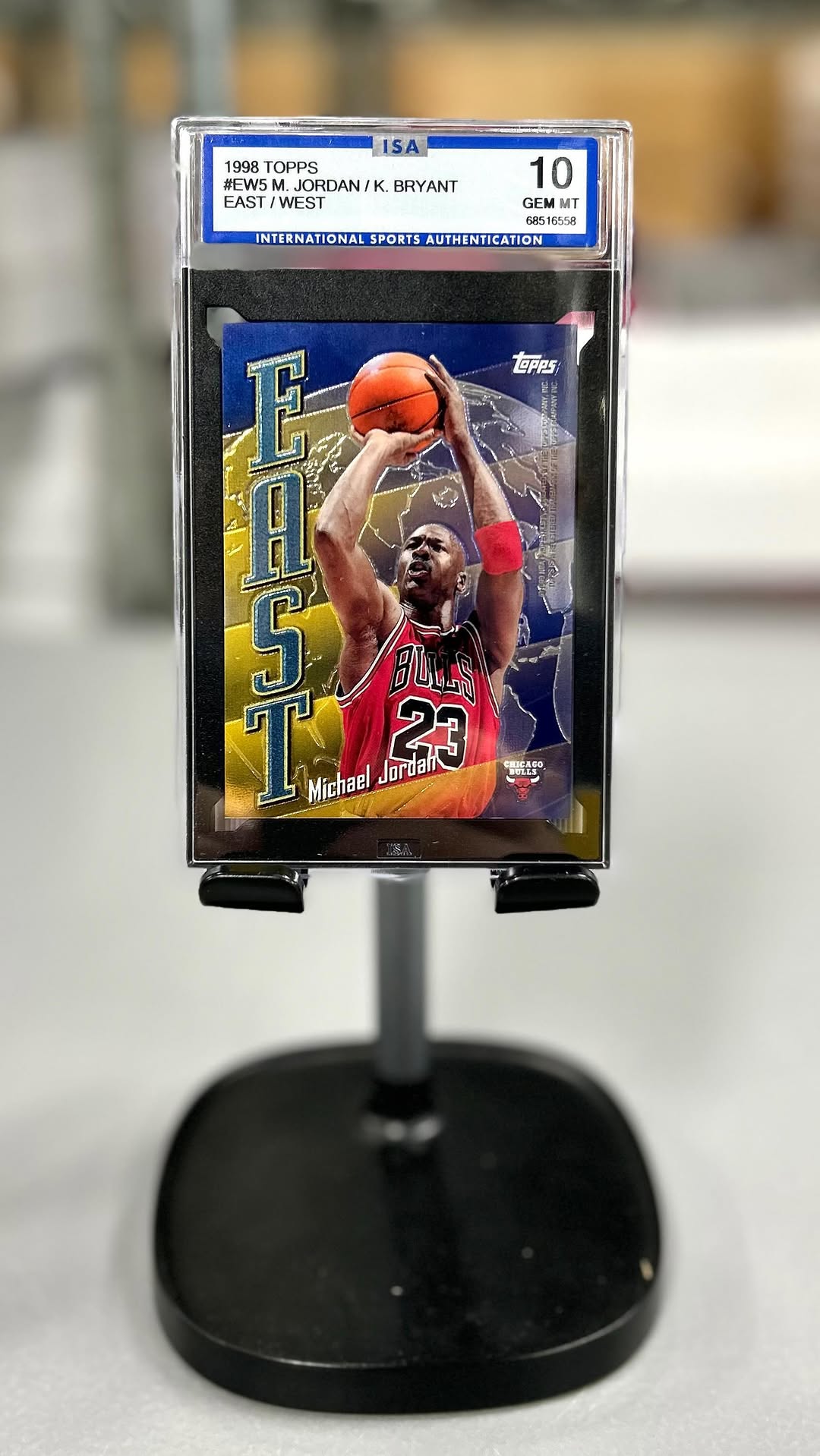
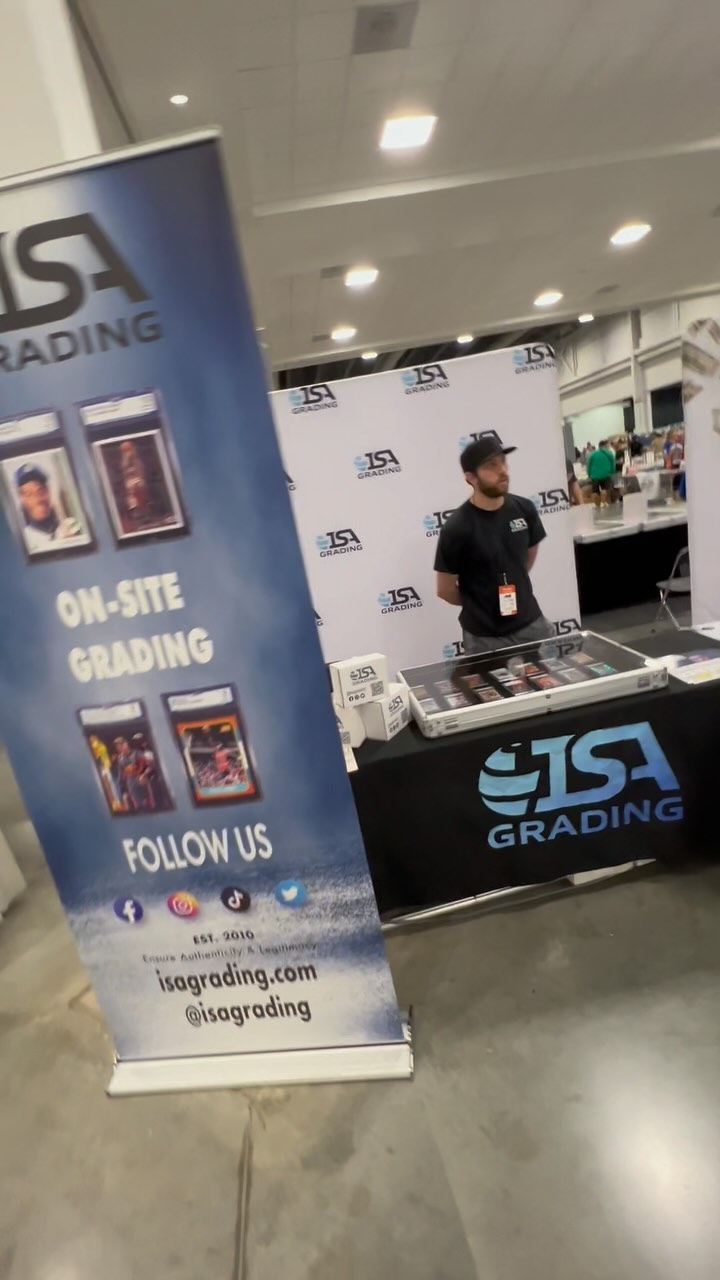
If you encounter a PSA submission pause or are worried about one, start with verified information. Then decide whether to wait, hold selected cards ungraded, or use another card grading service. ISA Grading, also known as International Sports Authentication, offers sports card grading and authentication with a current $15 per card service, a 14 day turnaround, a 10 card submission minimum, and no upcharges.
Separate PSA Shutdown Concerns From Confirmed Service Changes
Before changing your submission plans, check PSA's official website, service announcements, and communications about your order. Social posts may summarize an announcement inaccurately or describe an older situation without its original date. A restriction affecting one service level also does not necessarily mean every submission option is unavailable.
Look for the precise scope of any announcement. Does it concern new submissions, a particular category, a location, or estimated processing times? Is there a stated reopening date? Those details matter more than a headline suggesting that an entire company is shutting down.
If your cards are already submitted, use the company's official order tracking and support channels. Ask about your specific order rather than assuming that a pause in new submissions changes the handling of cards already received. Keep your order number, inventory, shipping records, and correspondence together.
Decide Whether Your Cards Need Grading Right Now
A disruption elsewhere does not make every raw card an urgent grading candidate. Separate your collection into cards you intend to keep, cards you plan to sell soon, and cards whose condition or identity needs professional evaluation. Each group can justify a different timeline.
A collector completing a personal set may prefer consistency across existing holders. A dealer preparing inventory for an upcoming show may place more weight on turnaround and predictable costs. Someone holding a valuable vintage card may prioritize the authentication process and the expectations of likely buyers.
- Keep and enjoy: Consider whether grading adds something meaningful to your collection.
- Sell on a schedule: Work backward from your intended listing or event date.
- Evaluate uncertain cards: Identify condition issues and authentication questions before choosing a service.
- Wait for a preferred holder: Store cards safely while monitoring verified updates.
Choosing a PSA alternative should follow your collecting goals, not a rush to react to an alarming search result. You can also grade one group now and reserve another for a later submission.
Compare Grading Options Using Concrete Information
Pricing That You Can Put Into a Budget
ISA's current service is $15 per card with a 10 card minimum and no upcharges. A minimum submission therefore has $150 in grading fees. A 20 card submission has $300 in grading fees. Those calculations describe the grading charge, not an assumption about shipping, insurance, taxes, or any other applicable costs.
Before sending cards, review the current submission instructions and determine your full outlay. No upcharges makes the grading fee easier to calculate, but it does not mean every expense associated with shipping and selling disappears. ISA's article on transparent $15 grading pricing provides additional context for planning a submission.
Turnaround That Fits Your Selling Schedule
ISA currently offers a 14 day turnaround. If you are comparing fast card grading options, ask how turnaround is measured and account separately for transit time. Do not treat the published grading turnaround as a promise that cards will be back at your door within the same number of days.
Leave room for shipping, receiving your return package, photographing cards, and creating listings. For a dealer, these steps are part of getting inventory ready to sell. Read more about how grading turnaround shapes a card sale before building a schedule around a show or release.
Standards and Information Buyers Can Review
Review a company's grading criteria before submitting. ISA publishes its grading scale, which can help you understand how grades are defined. Also consider whether the service provides accessible certificate records and a clear way to ask submission questions. These are practical comparison points, not proof that one company's grades translate directly into another's.
Inspect Condition Before Building Your Submission
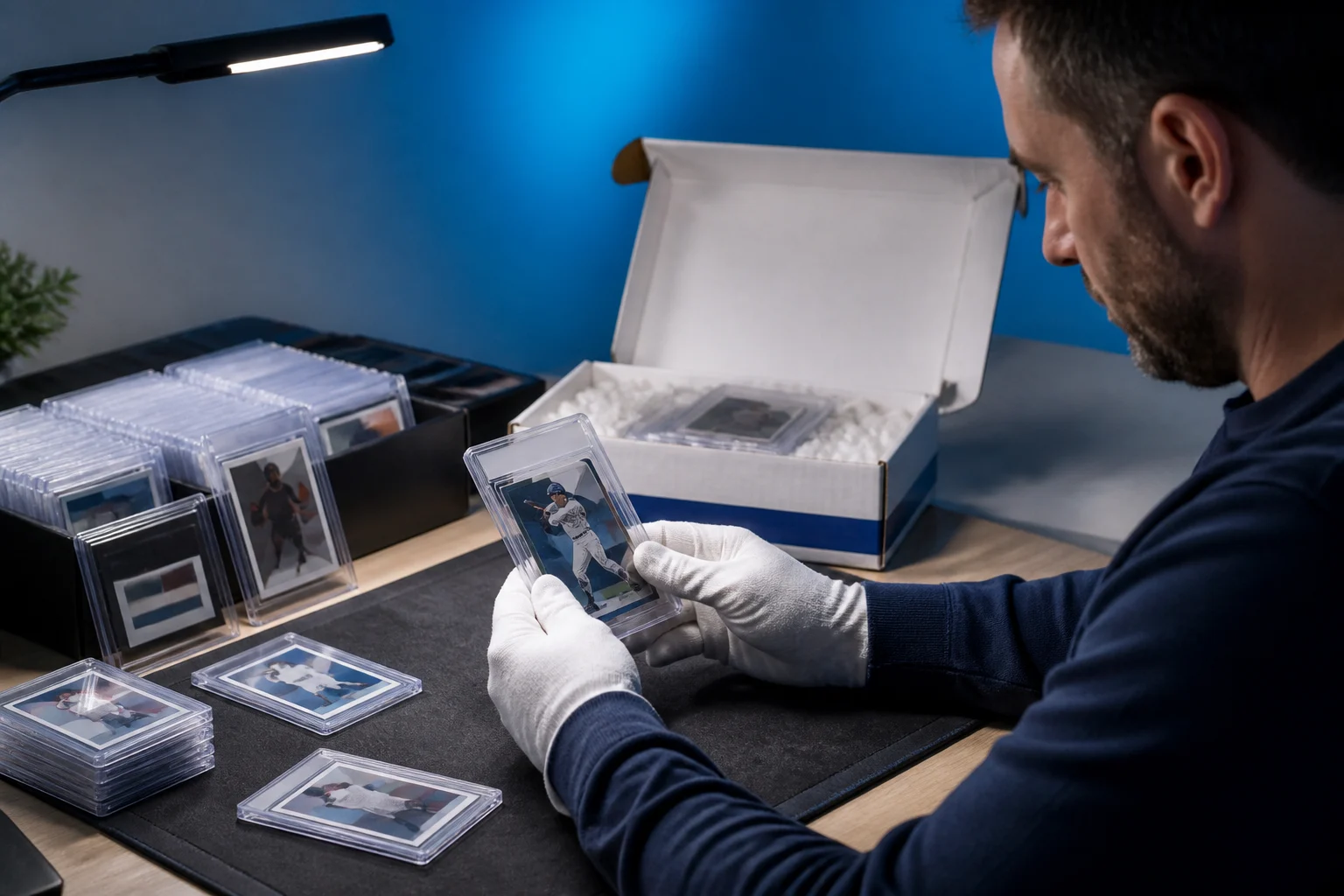
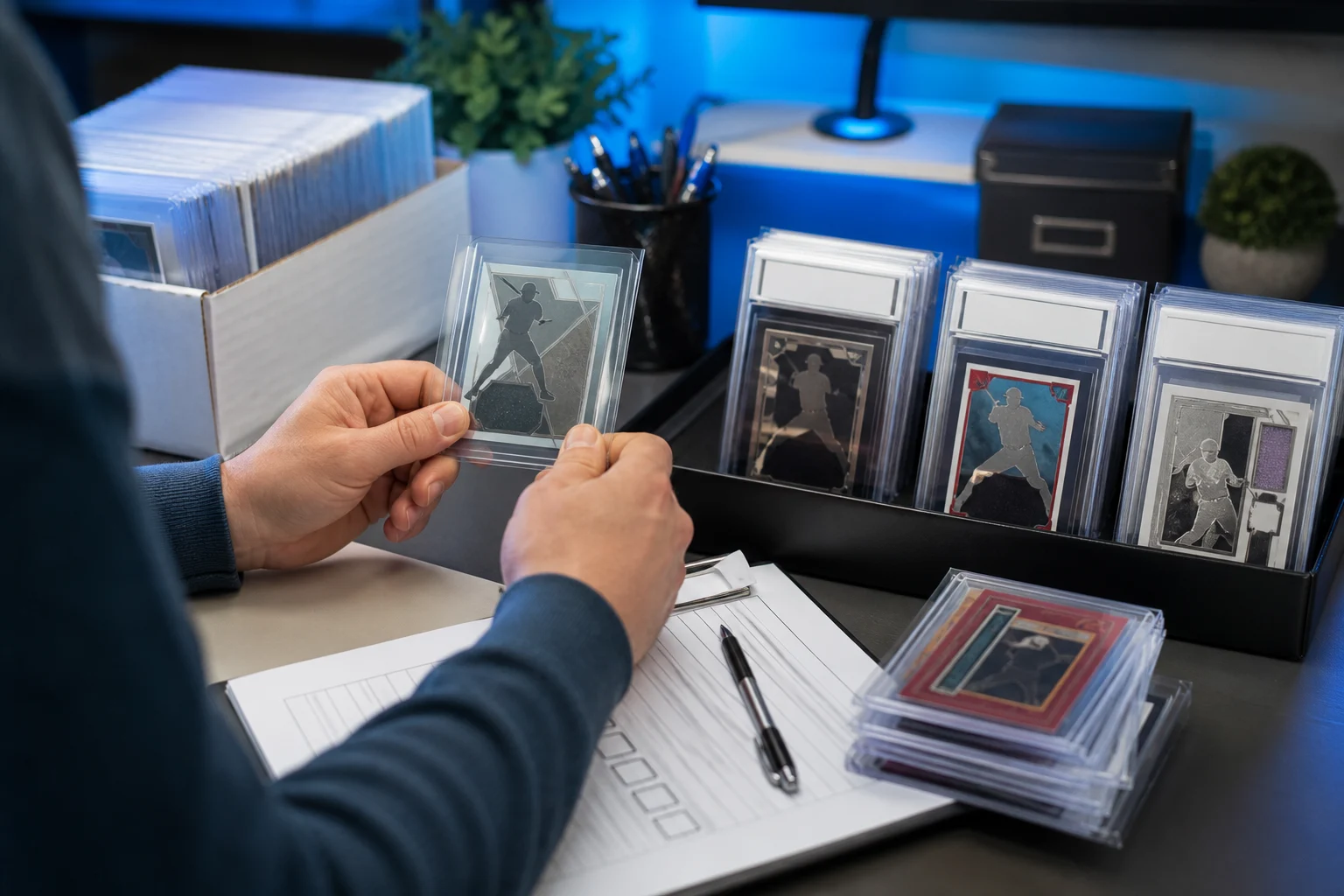
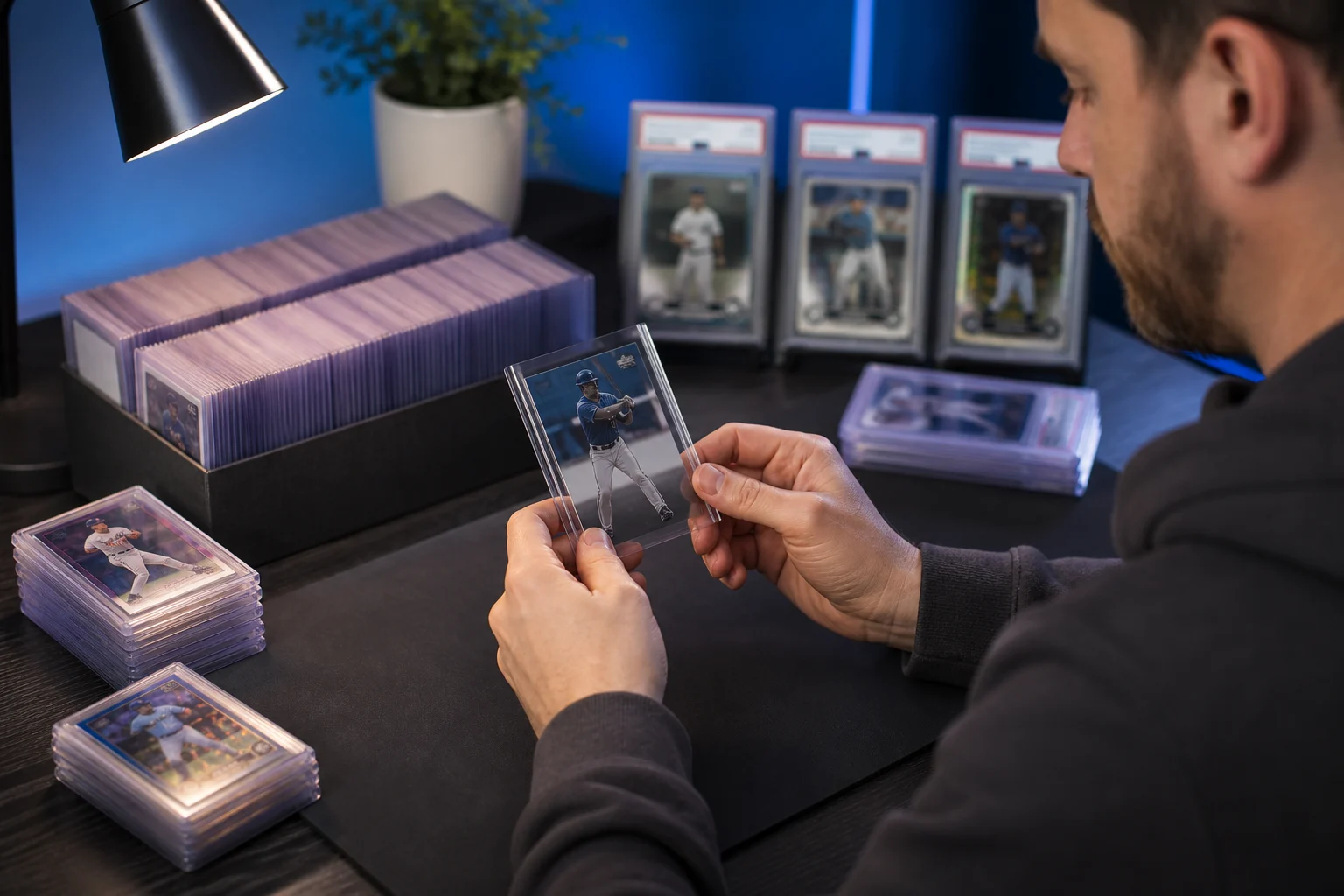
Card condition grading starts with understanding what you are sending. Inspect cards under good lighting on a clean, dry work surface. Handle them as little as possible, and avoid touching the printed surface. Your inspection is a screening step, not a guarantee of the eventual professional grade.
- Card centering: Compare the borders or design placement on both the front and back.
- Card corners: Look for whitening, rounding, bends, or small impacts.
- Edges: Check for chipping, roughness, and visible wear.
- Card surface: Look for scratches, print lines, indentations, stains, and creases.
A card that looks clean through a sleeve may show issues when viewed from another angle. Resist the temptation to clean, press, trim, or otherwise alter it to improve its appearance. Such changes can affect eligibility, authenticity assessments, and how the card should be described to buyers.
For baseball card grading and basketball card grading, evaluate each card individually rather than assuming that every rookie, numbered parallel, or popular player belongs in a submission. The card's condition, grading expense, likely market demand, and your own collecting priorities should all inform the choice.
Take Extra Care With Older Cards
Vintage card grading requires realistic expectations about age-related wear and potential alterations. Check for creases, writing, paper loss, discoloration, and unusual edges. Sports card authentication and condition assessment address related but different questions: whether a card is authentic and what condition it is in. Do not assume that a card's age alone establishes either answer.
If you are also researching TCG card grading for a mixed collection, confirm category eligibility directly with the service before including those cards. A company's sports card offering should not be treated as automatic confirmation that every trading card category or format is accepted.
Protect Cards While You Wait or Prepare to Ship
Whether you wait for a preferred company or choose another service, careful storage matters. Keep cards in suitable protective holders, away from moisture, excessive heat, and direct sunlight. Avoid tightly packed storage that puts pressure on corners or makes cards difficult to remove safely.
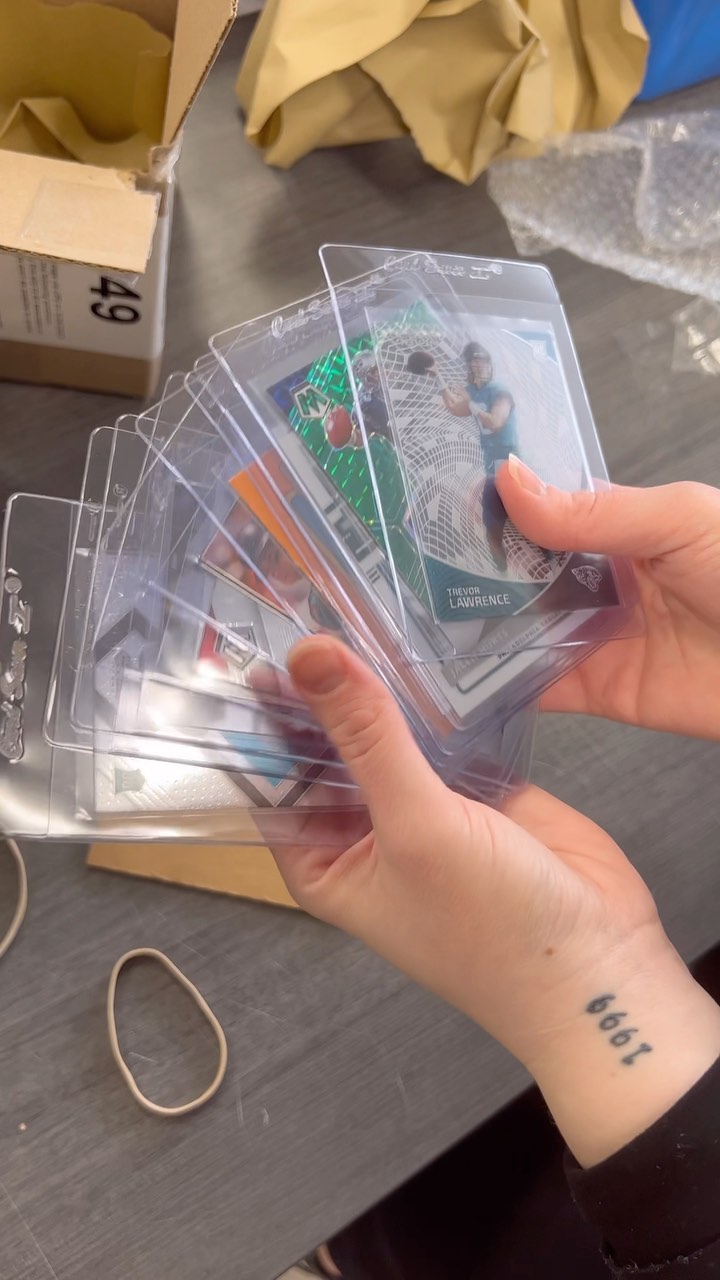
For shipping, follow the receiving company's current holder and packaging requirements. Do not assume that one grader's instructions apply to another. Prepare an inventory that identifies each card by year, set, player, card number, and relevant variation. Photographs can provide a useful reference for your own records.
Choose packaging that limits movement and protects cards from bending during transit. Retain tracking information and review the carrier's insurance terms, exclusions, and documentation requirements. Insurance is not a substitute for proper packing, and coverage should not be assumed without checking the applicable policy.
Understand What Slabs and Certificate Verification Provide
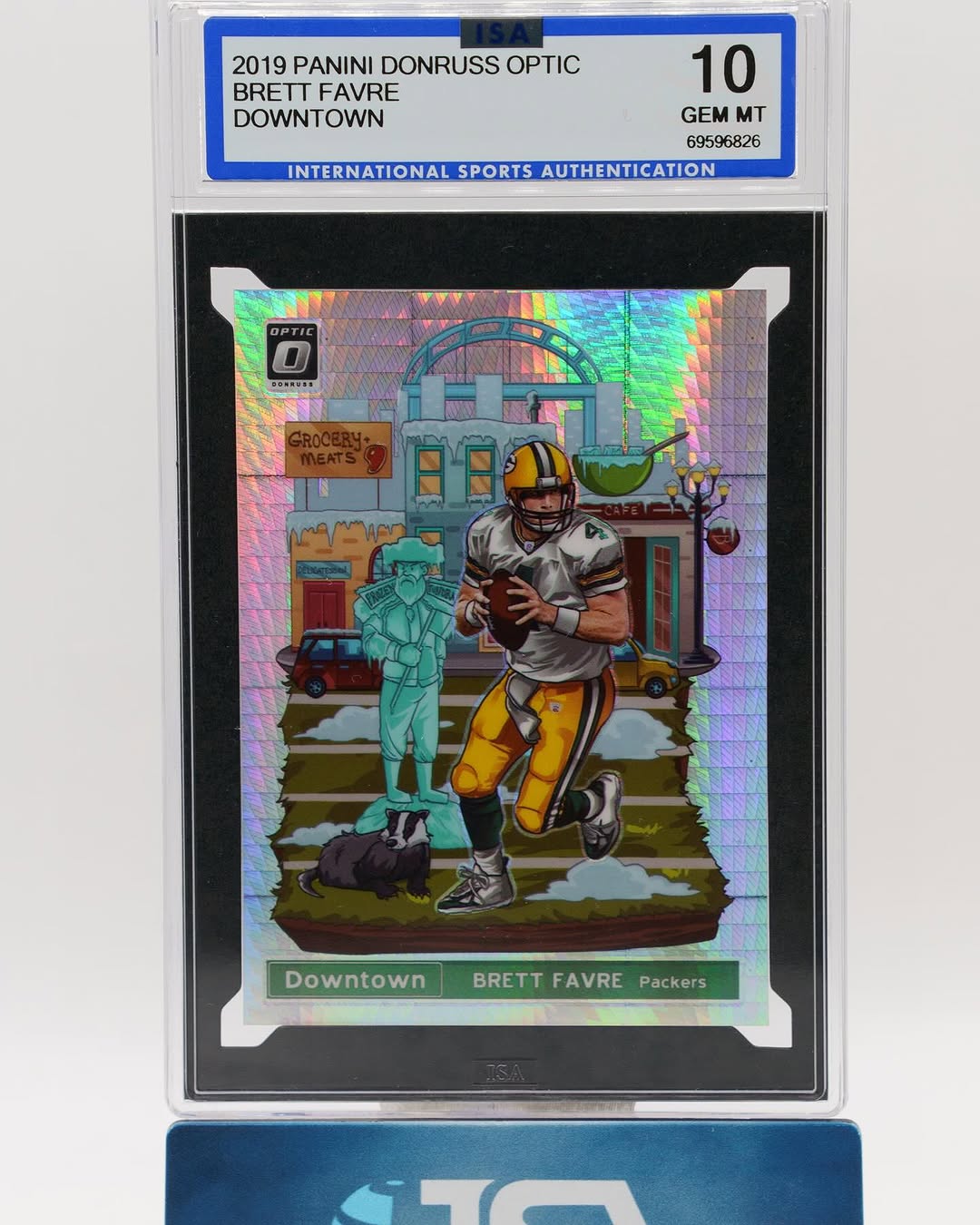
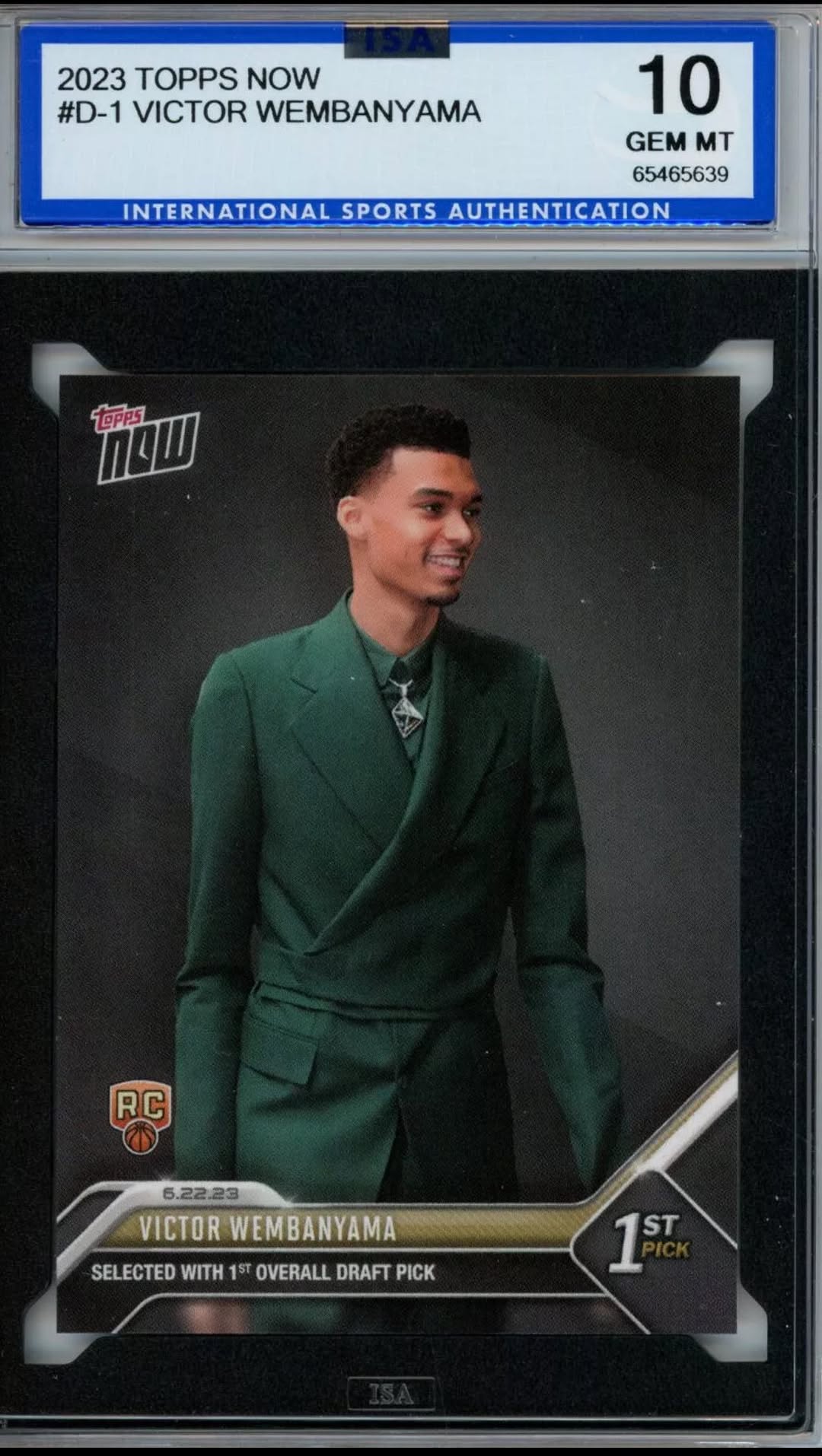
Trading card slabs give buyers a consistent way to view a card alongside its grading label. They also reduce the need to handle the card directly during display or sale. Still, an encapsulated card should be stored thoughtfully. A holder is not a reason to expose a collection to harsh conditions.
ISA provides website certificate verification. When researching or purchasing an ISA-graded card, use the certificate information to check the available record and compare it with the card and label shown. Ask the seller for readable photographs if the listing does not show enough detail.
Certificate verification is a useful research step, not a blanket guarantee about every marketplace listing. Buyers should also examine the holder, review the seller's history, and resolve discrepancies before paying. Clear front, back, and label images can help sellers answer those questions efficiently.
Plan How You Will Sell the Graded Cards
A professional grade can give buyers additional condition information, but it does not guarantee a particular selling price. Results depend on the card, its grade, demand, the grading company, marketplace conditions, and the quality of the listing. Avoid budgeting around the highest asking price you can find.
Research completed sales for closely comparable cards. Match the year, set, variation, grade, and grading company whenever possible. A sale in a different holder or a higher grade can provide context, but it is not a direct estimate of what your card will bring.
Calculate your costs before setting a price: acquisition, grading, shipping, marketplace fees, and any other applicable expenses. Include your time if you run a hobby business. A $15 grading fee is straightforward to model, but the decision still needs to make sense for the individual card.
In your listing, identify the grading company accurately, show the grade clearly, and provide certificate details when appropriate. Do not imply that an ISA grade is interchangeable with a grade from another company. Buyers should understand exactly what they are purchasing.
Choose a Service Based on Fit, Not Just Proximity
Searching for “card grading near me” can help you find local options, but distance is only one factor. Submission requirements, total costs, grading standards, certificate access, and communication may matter more to your specific project. Confirm whether a business accepts mailed submissions or offers any local submission arrangement before making plans.
When evaluating ISA, you can read collector reviews alongside the published service information. Look for details relevant to your needs rather than treating any single review as a prediction. Your own questions about eligible cards, packaging, and timing deserve direct answers.
Build a Submission Plan You Can Actually Follow
- Verify the situation: Check official information about any reported PSA service change.
- Sort your cards: Separate long-term collection pieces from time-sensitive selling inventory.
- Inspect condition: Review centering, corners, edges, and surfaces before committing fees.
- Calculate costs: Include grading and applicable shipping or selling expenses.
- Prepare records and packaging: Follow current instructions and keep a complete inventory.
- Plan the next step: Decide how you will store, photograph, list, or display returned cards.
If ISA fits that plan, review the current requirements on the submission page before sending your cards. Its current $15 per card service, 14 day turnaround, 10 card minimum, and no upcharges give you clear starting points for comparing options. The right response to submission uncertainty is a verified, deliberate plan that protects both your cards and your budget.
Submit Cards to ISA Grading
Collectors ready to use ISA Grading can start on the submission page. The current active service is $15 per card with a 14 day turnaround, no upcharges, and a 10 card minimum.
Frequently Asked Questions
Is PSA shutting down or permanently closed?
This article does not establish that PSA is shutting down or permanently closed. Treat shutdown claims as unverified unless supported by official information. Check PSA's own announcements to distinguish a temporary submission pause, a service-level restriction, and other changes.
What can I do if PSA pauses new submissions?
Verify which services are affected, then decide whether to wait, hold your cards ungraded, or choose another grading company. Base the decision on your selling schedule, preferred holder, budget, and the company's published grading standards.
What are ISA Grading's current price, turnaround, and minimum?
ISA currently offers sports card grading and authentication for $15 per card, with a 14 day turnaround, a 10 card submission minimum, and no upcharges. The minimum submission has $150 in grading fees. Review current instructions for applicable additional costs and how turnaround is measured.
How can I verify an ISA-graded card?
Use the certificate verification page on ISA's website to check the available certificate record. Compare the record with the card and its label, and request clear photographs when buying online. Verification should be part of your research, alongside checking the holder and seller.
Will using a PSA alternative guarantee the same resale value?
No. Grading companies are not interchangeable in the marketplace, and no grade guarantees a selling price. Research completed sales for the same card, variation, grade, and grading company, then account for grading, shipping, and selling expenses.