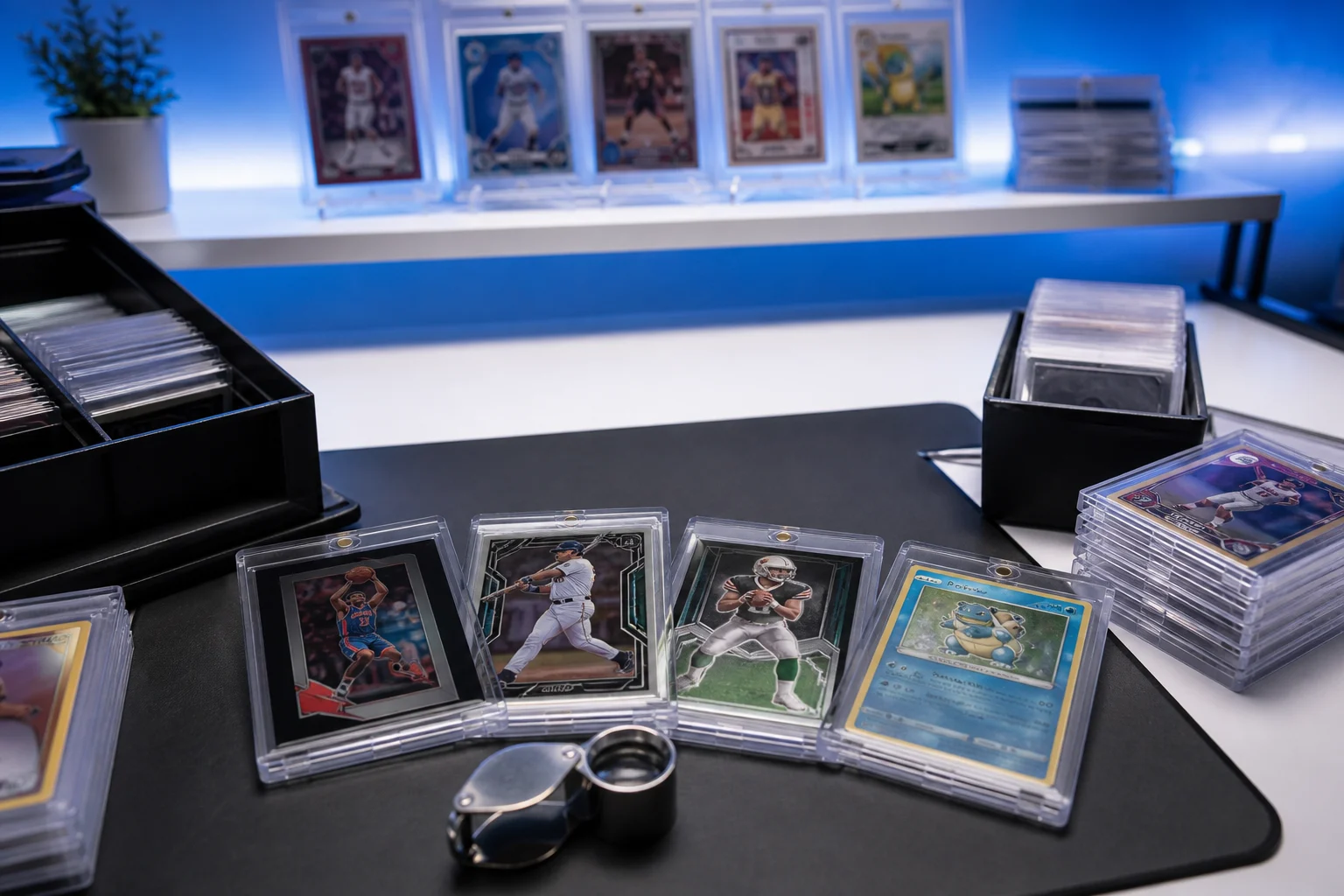
Collectors sometimes search for information about PSA shutting down when they hear a rumor, encounter a service delay, or see discussion of a possible submission restriction. That search phrase does not establish that PSA is permanently closing. It may reflect concern about a temporary disruption, a submission pause, or a hypothetical situation that collectors want to prepare for.
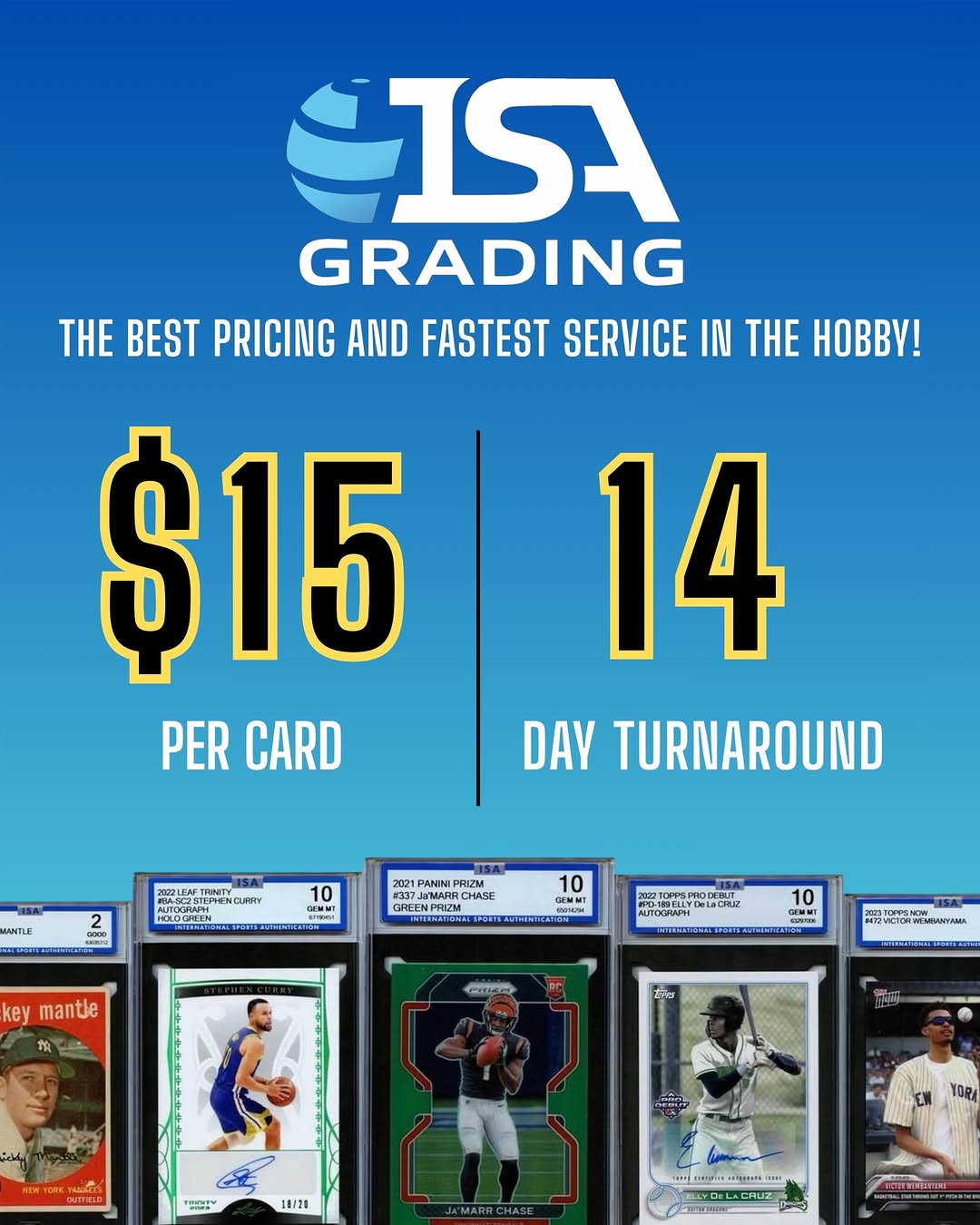
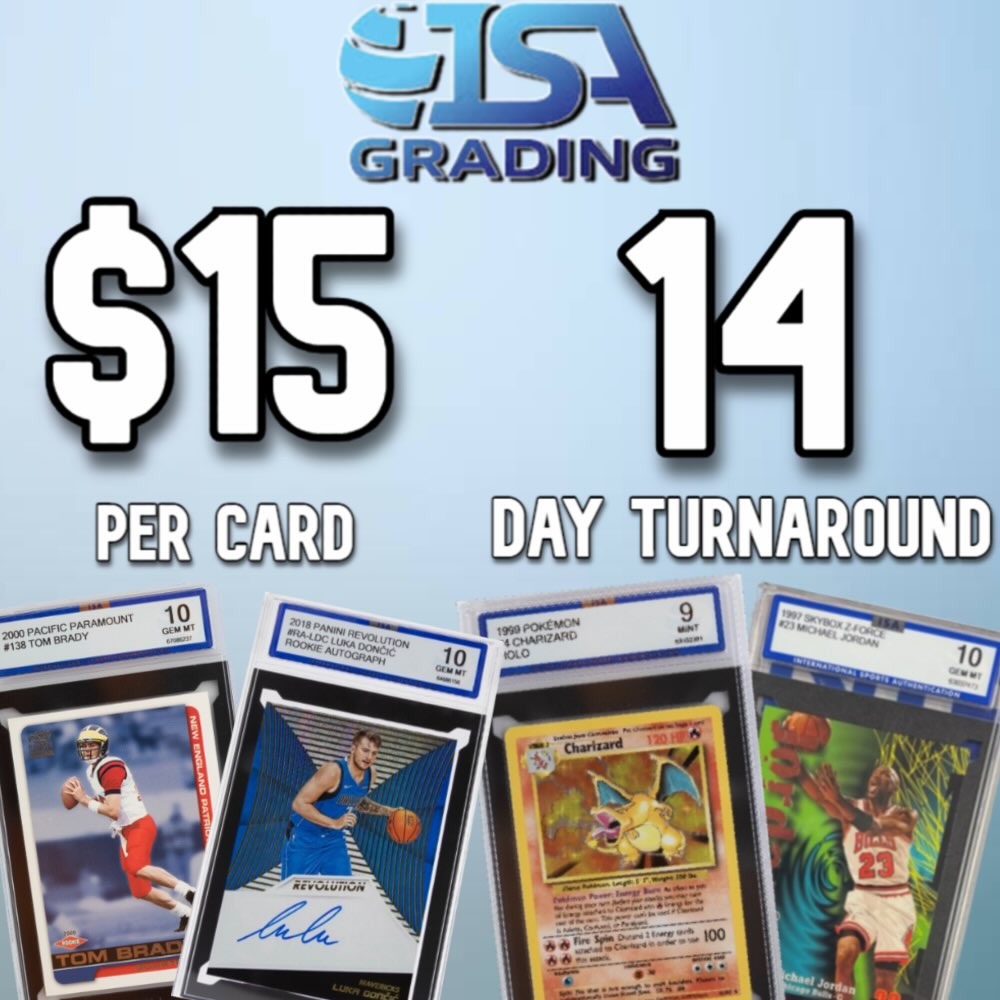
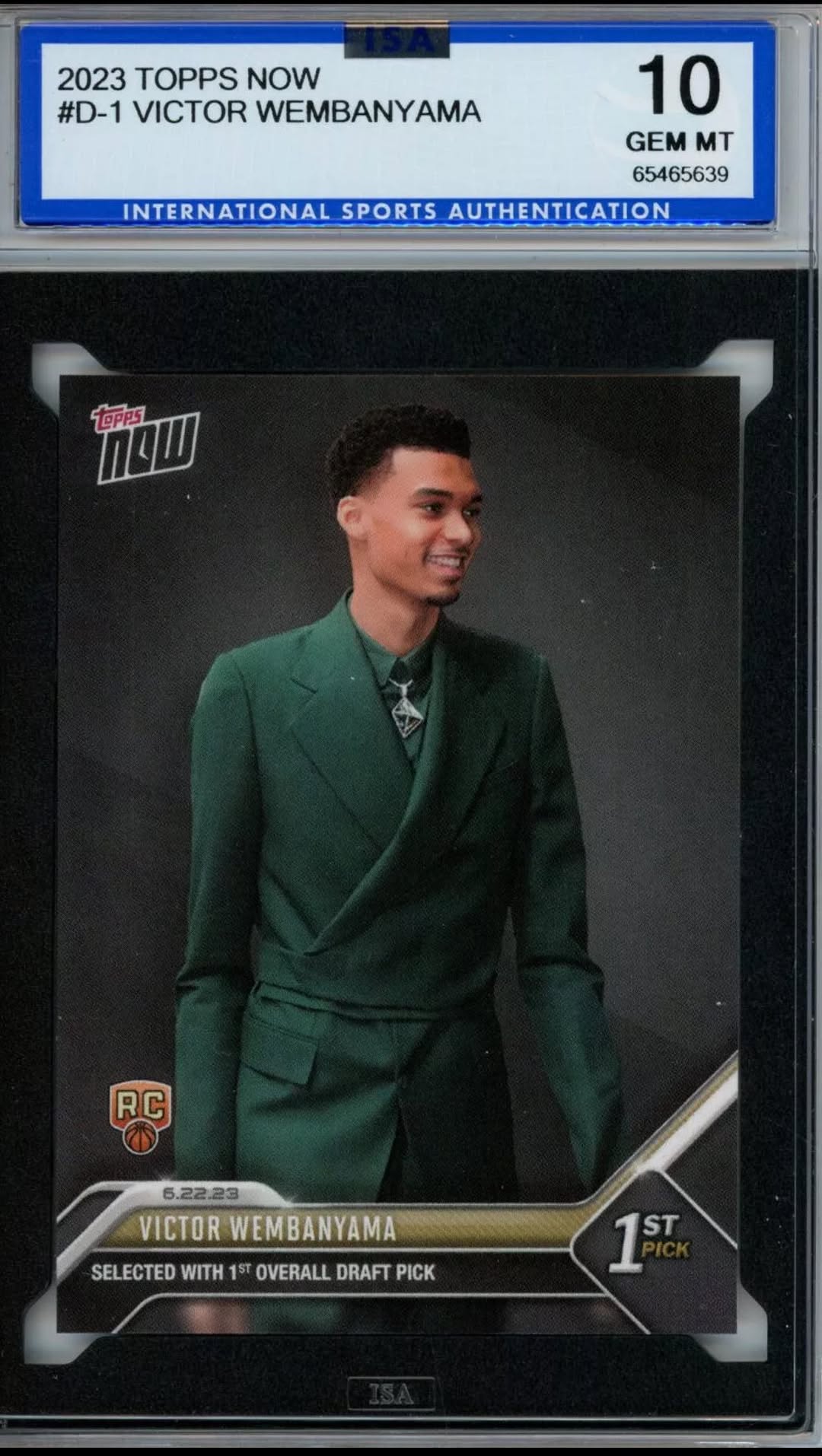
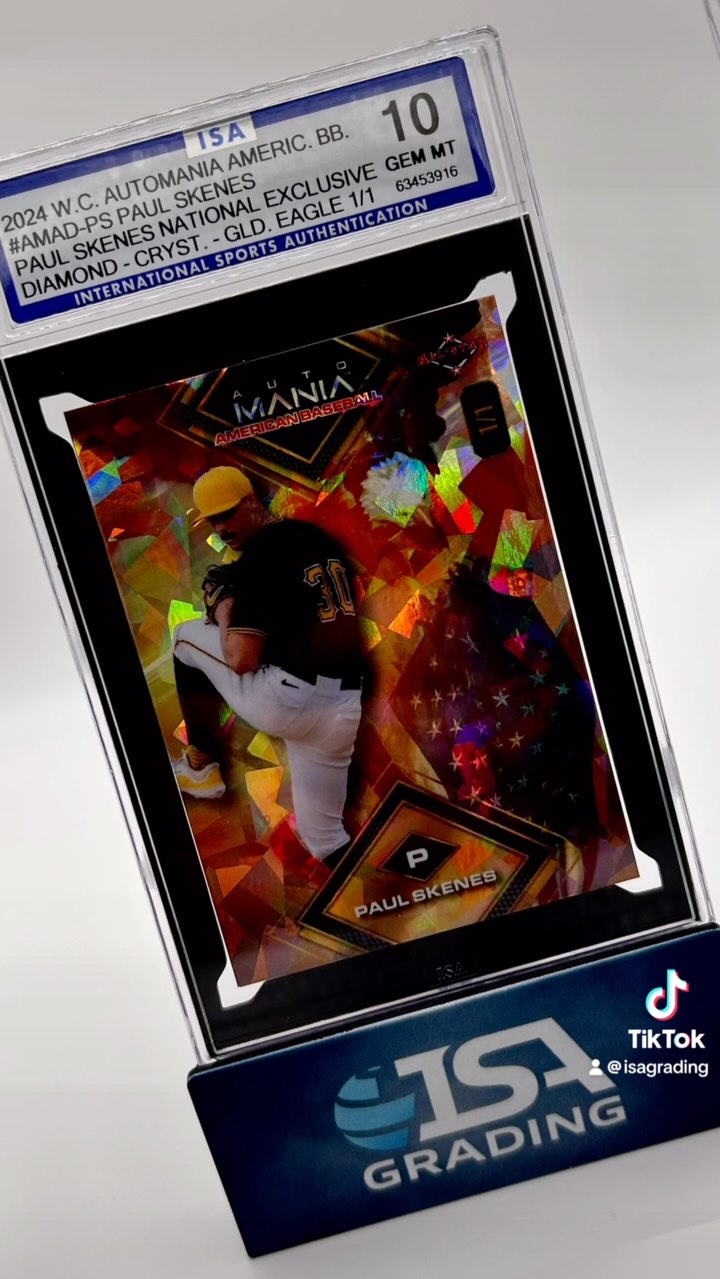
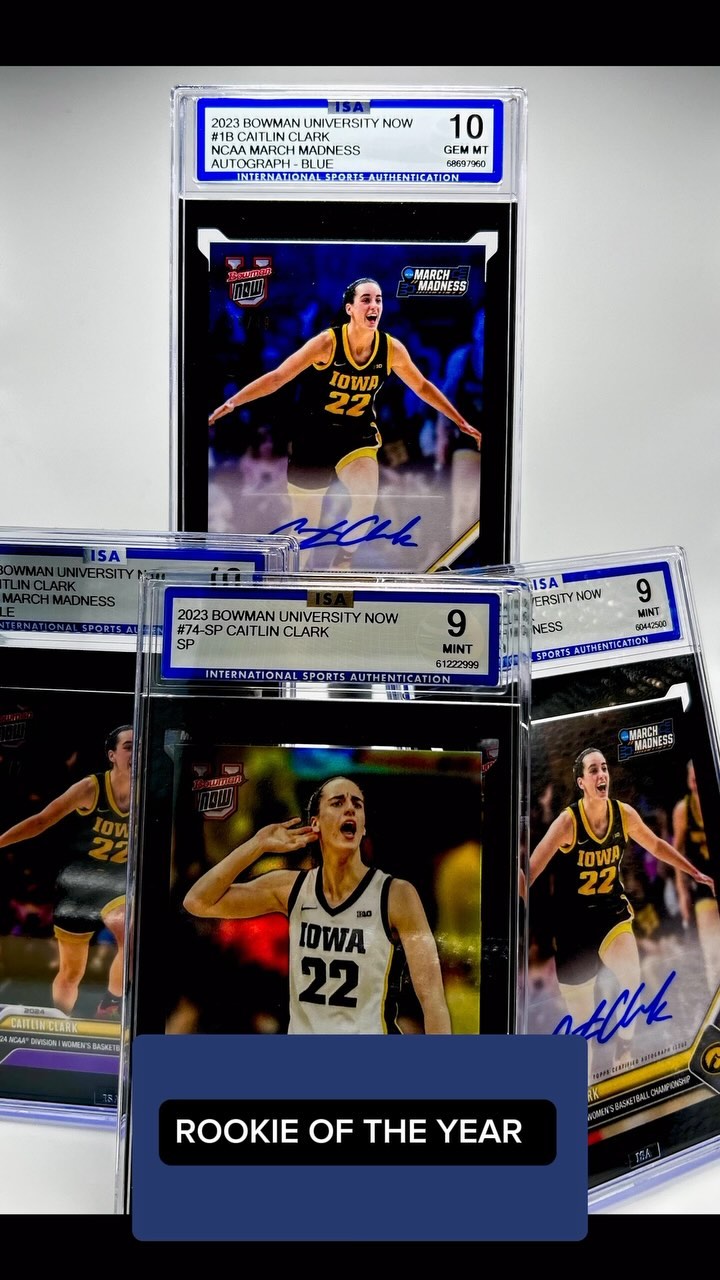
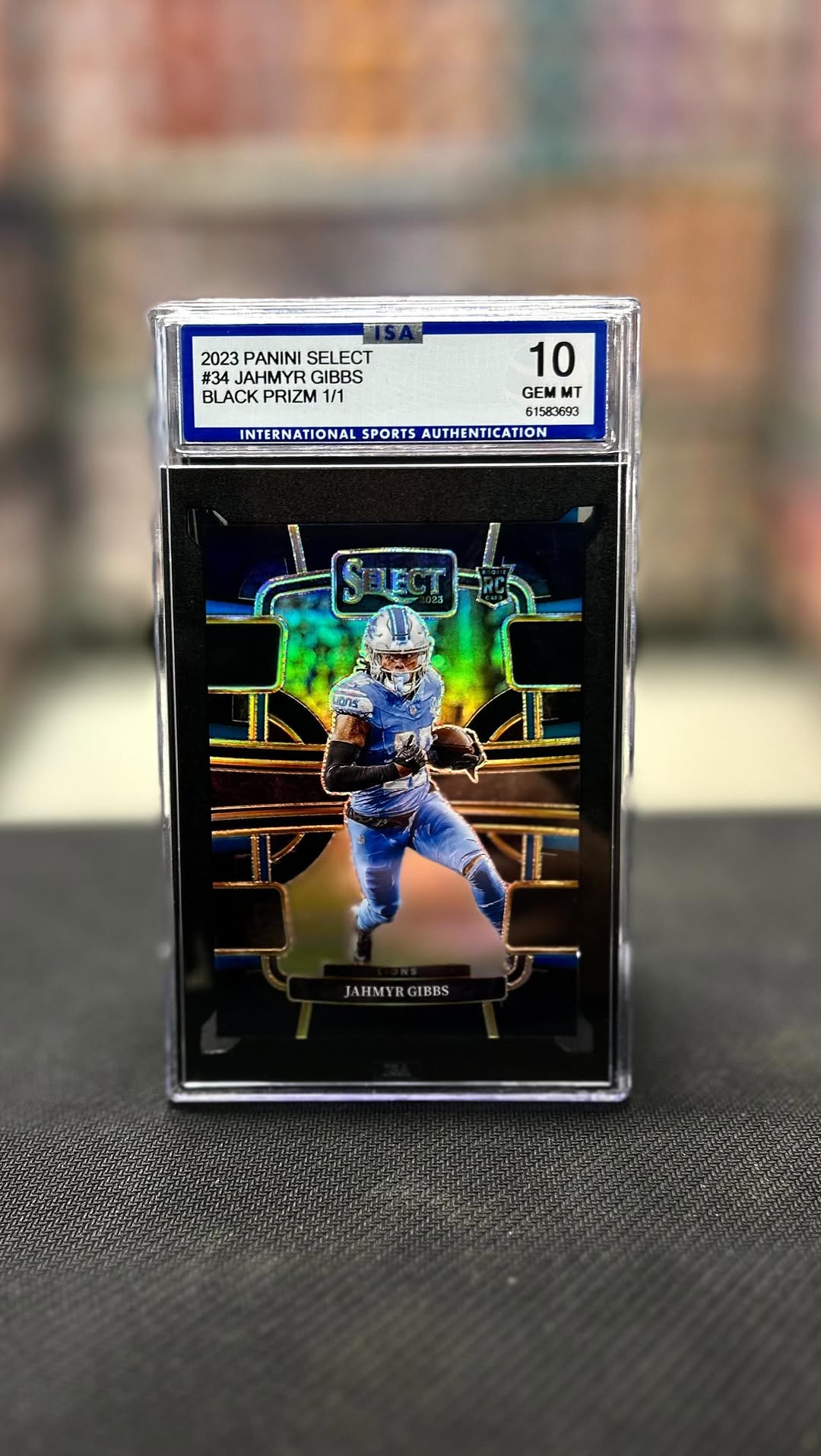
If a PSA submission pause ever affects your plans, you do not need to make a rushed decision. You can protect your cards, review grading costs, compare turnaround times, and decide whether another established card grading service fits your collection or selling strategy. ISA Grading, also known as International Sports Authentication, currently offers sports card grading and authentication for $15 per card, with a 14 day turnaround, a 10 card minimum, and no upcharges.
Separate Confirmed Information From Hobby Rumors
Grading news can travel quickly through social media, collector groups, online marketplaces, and card shows. A comment about slow service can become a claim about a shutdown even when no permanent closure has been announced. Before changing your grading plans, look for a direct statement from the company involved and confirm whether the issue affects all submissions, a specific service level, or only a limited category.
A temporary PSA submission pause would not mean that previously graded cards suddenly lose their certification. It also would not automatically determine the value of cards graded by another company. Card values depend on many factors, including the player or character, set, scarcity, condition, grade, grading company, current demand, and the confidence of individual buyers.
Collectors should treat a possible interruption as a planning issue rather than a reason to panic. The useful question is not simply, Is PSA shutting down? It is, What grading option meets my needs if my preferred submission route is unavailable or uncertain?
Identify What Matters Most for Your Submission
Before choosing a PSA alternative, define the purpose of the submission. A collector preserving personal favorites may have different priorities from a dealer preparing inventory for an upcoming show. A hobby seller may care about predictable costs and timing, while a set builder may focus on slab presentation and certificate verification.
Consider these practical factors:
- Turnaround time: Determine whether the service timeline works with your show schedule, online listing plans, or collecting goals. ISA Grading currently provides a 14 day turnaround.
- Pricing clarity: Ask whether the listed grading fee can change because of a card's declared or estimated value. ISA offers $15 card grading with no upcharges.
- Submission size: Make sure you have enough cards to meet the required quantity. ISA currently has a 10 card minimum.
- Grading standards: Review how centering, corners, card edges, and card surface are evaluated. ISA publishes its grading scale for collectors to review.
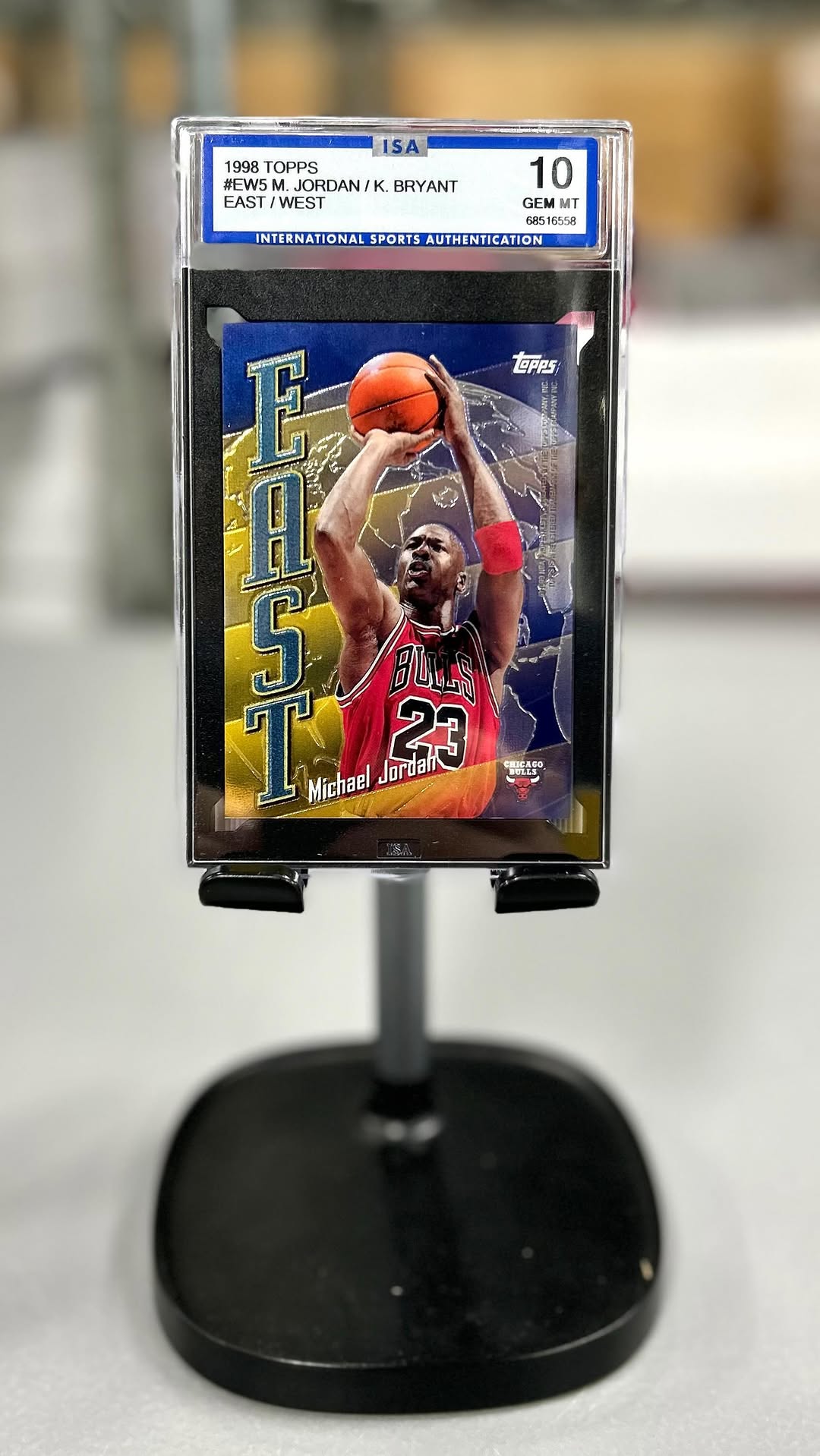
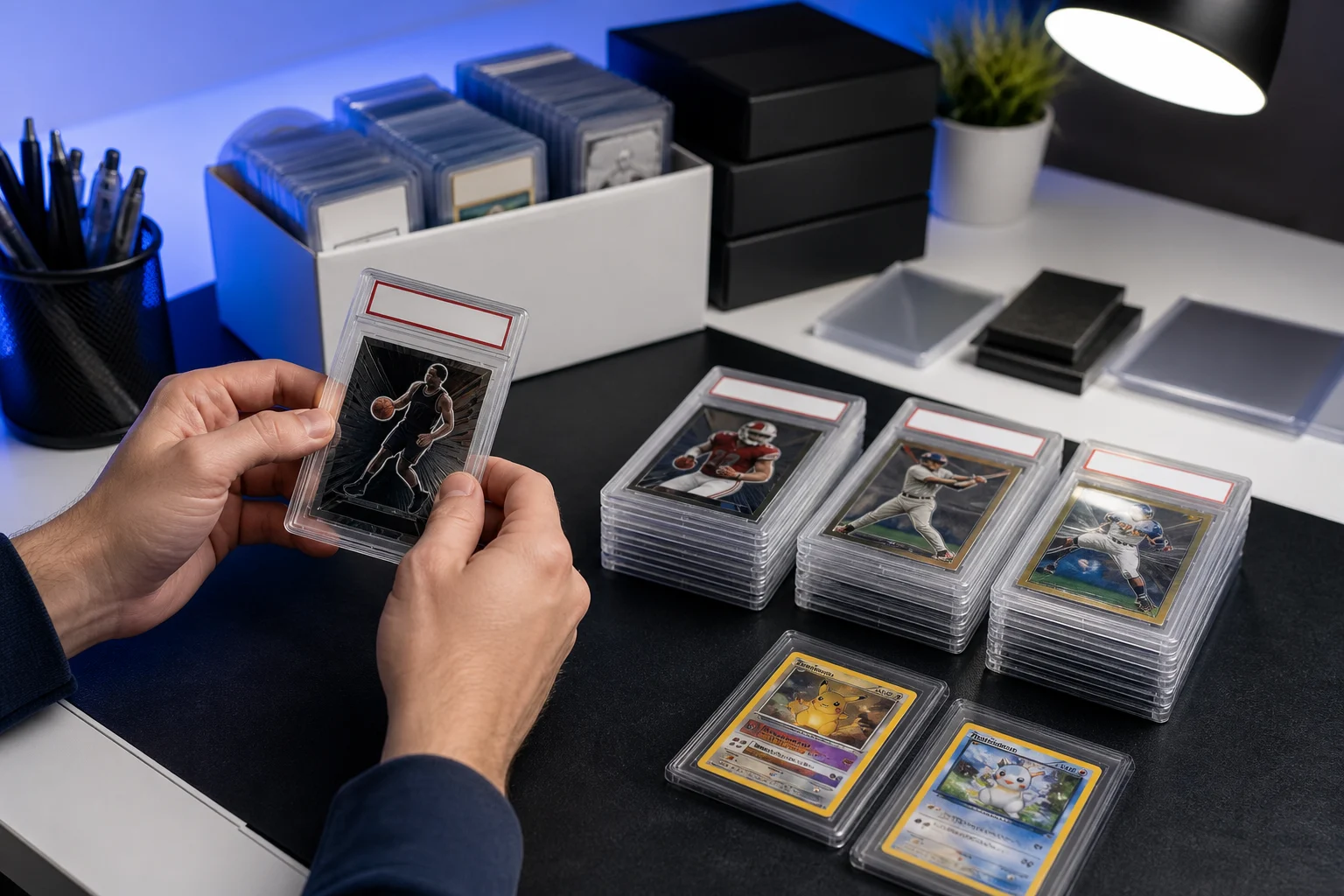
- Protection and presentation: Consider how the cards will be encapsulated and whether the trading card slabs fit your storage, display, and resale plans.
- Verification: Buyers should have a clear way to check the certification information associated with a slab.
A lower advertised fee is only useful when you understand the full cost. Declared value tiers, service upgrades, insurance, shipping, and possible upcharges can affect a submission budget. Collectors looking for no upcharge card grading may prefer a straightforward fee structure because it makes planning easier. ISA's current active service is $15 per card regardless of an expected grade or card value. More detail about this approach is available in A Clearer Path to the Slab: How ISA Keeps Grading at $15 Per Card.
Build a Backup Submission Without Rushing
If you already assembled a group of cards for another grader, do not immediately ship them elsewhere without reviewing the new company's submission process. Grading companies can have different forms, packaging instructions, service terms, and minimum quantities.
Start by creating an inventory. Record the year, manufacturer, set, player or character, card number, and any parallel, variation, autograph, or serial numbering. Take clear photographs of the front and back. This helps you document what you are sending and organize the cards when they return.
Next, decide whether each card is worth grading for your intended purpose. Not every card needs a slab. A favorite childhood card may deserve protection even if its market value is modest. A seller, however, may compare the likely selling range of graded examples with the grading fee, shipping expenses, and marketplace costs.
When you are ready, review ISA's current requirements and use the card submission page. Confirm all instructions at the time of submission because service details and shipping procedures can change. The present service includes a 10 card minimum, so collectors with fewer cards may choose to wait, add suitable cards, or coordinate with trusted friends while keeping ownership records clear.
Prepare Cards Carefully Before Grading
Card condition grading begins with what is already on the card. Grading does not repair corners, remove scratches, improve centering, or restore damaged stock. Preparation should focus on safe inspection and packaging, not alteration.
- Use clean hands and a clear workspace. Keep food, drinks, dust, and loose objects away from the cards.
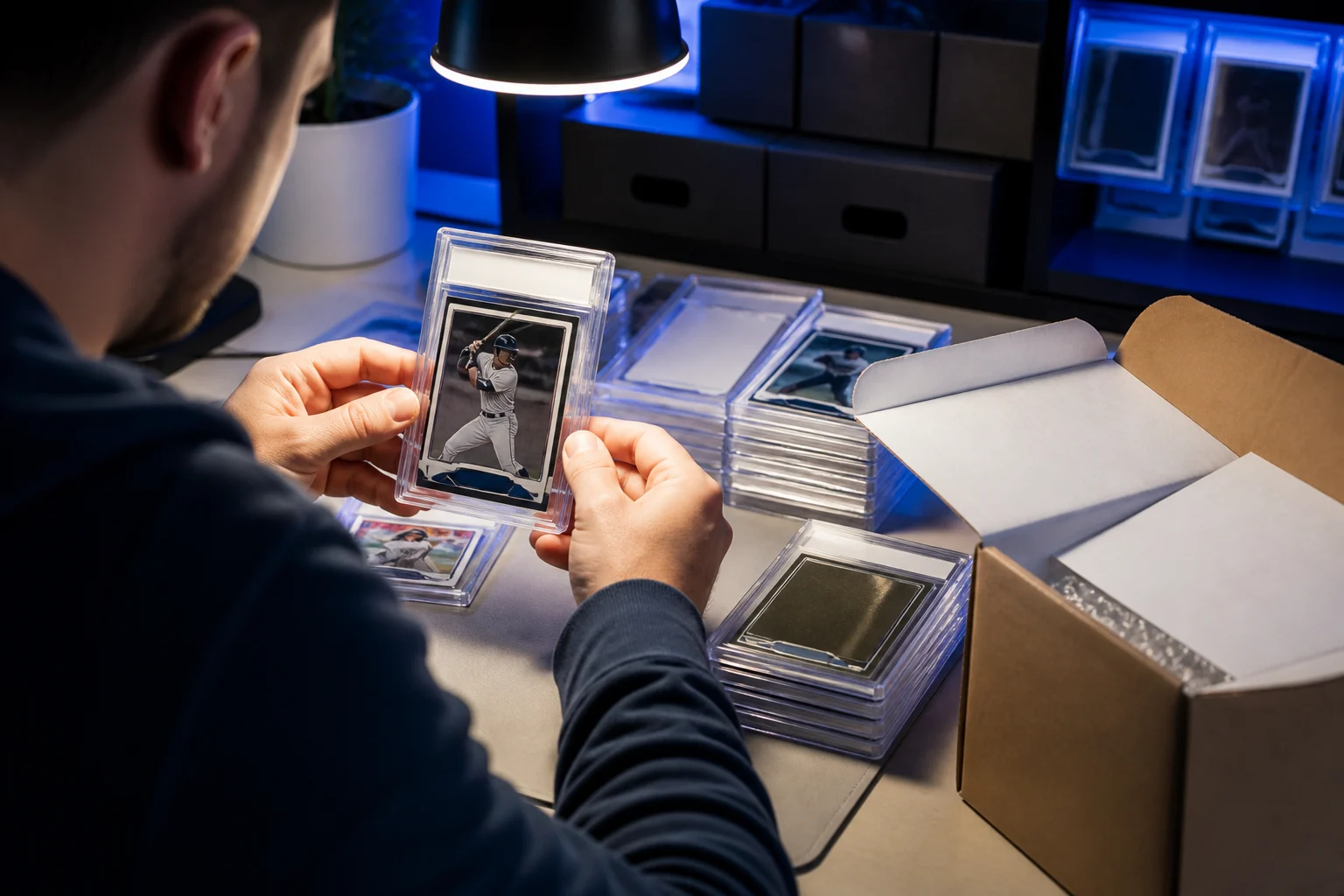
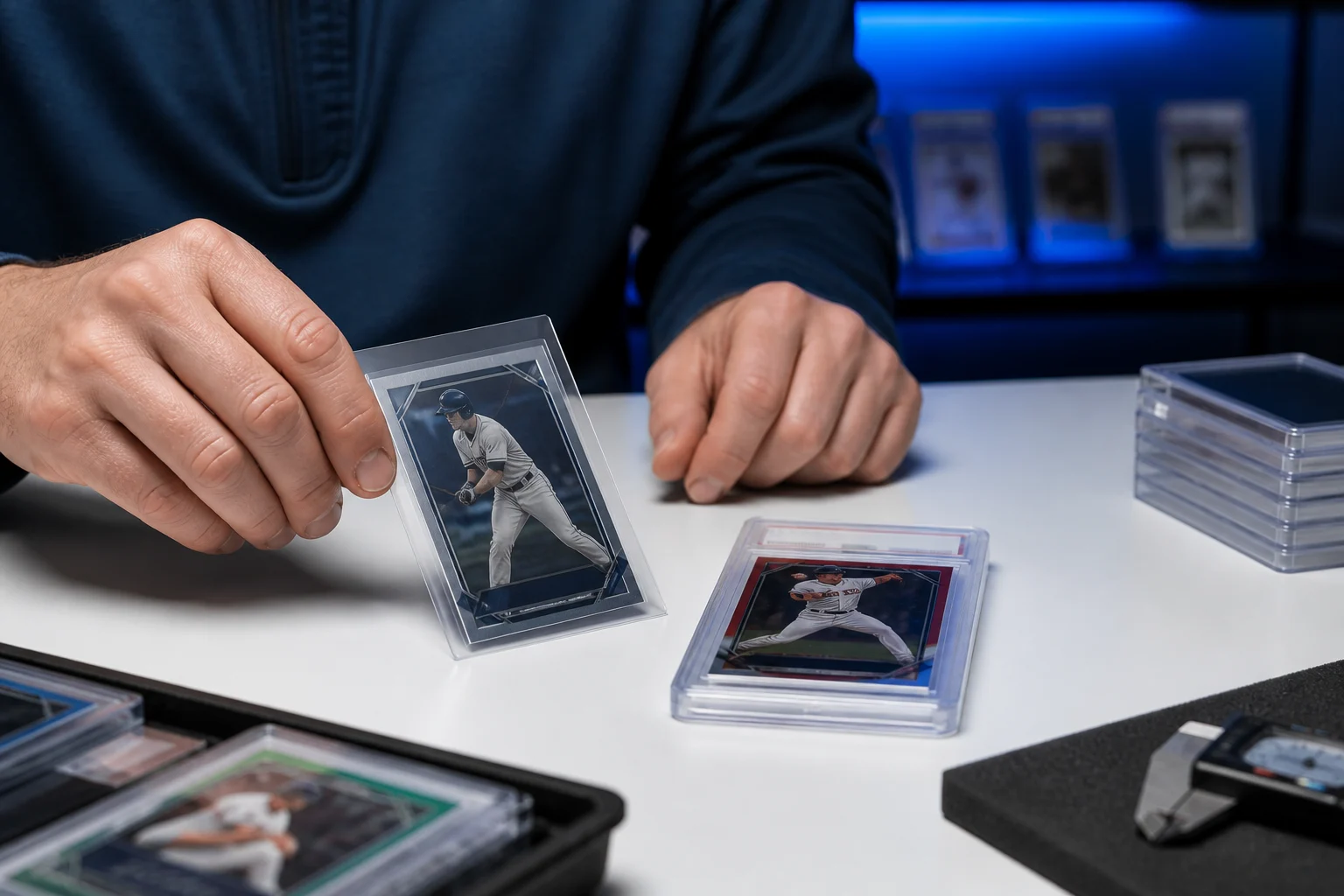
- Inspect under good lighting. Look at the front, back, corners, card edges, and card surface from more than one angle. Tilting a card under a light can reveal print lines, scratches, indentations, or gloss issues.
- Do not attempt aggressive cleaning. Chemicals, erasers, polish, trimming, recoloring, pressing, or other alterations can damage a card and may affect authentication or grading.
- Use appropriate card protection. Follow the grader's current instructions for sleeves, holders, team bags, and packing materials. Avoid forcing thick cards into holders that are too tight.
- Stabilize the shipment. Protect the group from movement, bending, moisture, and crushing without applying excessive tape directly around individual holders.
- Choose tracked shipping. Keep your inventory, photographs, receipt, and tracking information together.
Collectors who want a more detailed look at storage and shipping can read Protect Your Cards Before and After Grading with ISA Grading. Proper handling remains important after encapsulation because slabs can still be scratched, chipped, or damaged if stored carelessly.
Choose Cards Based on Goals, Not Just Category
A grading plan can include modern and vintage sports cards as well as eligible trading cards. The same basic inspection principles apply, but each category can present different condition concerns.
Sports and Rookie Cards
Rookie card grading often attracts collectors who want to preserve an important early card of a favorite athlete. For basketball card grading and football card grading, review the specific set before submitting. Chrome style surfaces can show scratches and print lines, while paper cards may have vulnerable corners or colored borders that make edge wear more visible.
Do not assume that every rookie card will be valuable simply because it receives a numerical grade. Player demand, print quantity, set popularity, parallel status, and recent comparable sales all matter. Grading can document condition and provide protection, but it cannot create market demand.
Pokemon and Other Trading Cards
Pokemon card grading requires the same careful attention to centering, corners, edges, and surface. Holofoil areas may reveal scratches when viewed at an angle, and the back border can make whitening easy to notice. Check the exact card number, set, language, edition, and variation before listing it on your inventory.
Whether you collect sports or gaming cards, card authentication and grading should support an informed decision. A slab is not a substitute for researching the card itself.
Understand How Verification Supports Buyer Confidence
Buyer confidence matters when graded cards are sold online, at shows, or through private transactions. Clear photographs and an accurate description help, but buyers may also want to verify the certificate associated with the slab.
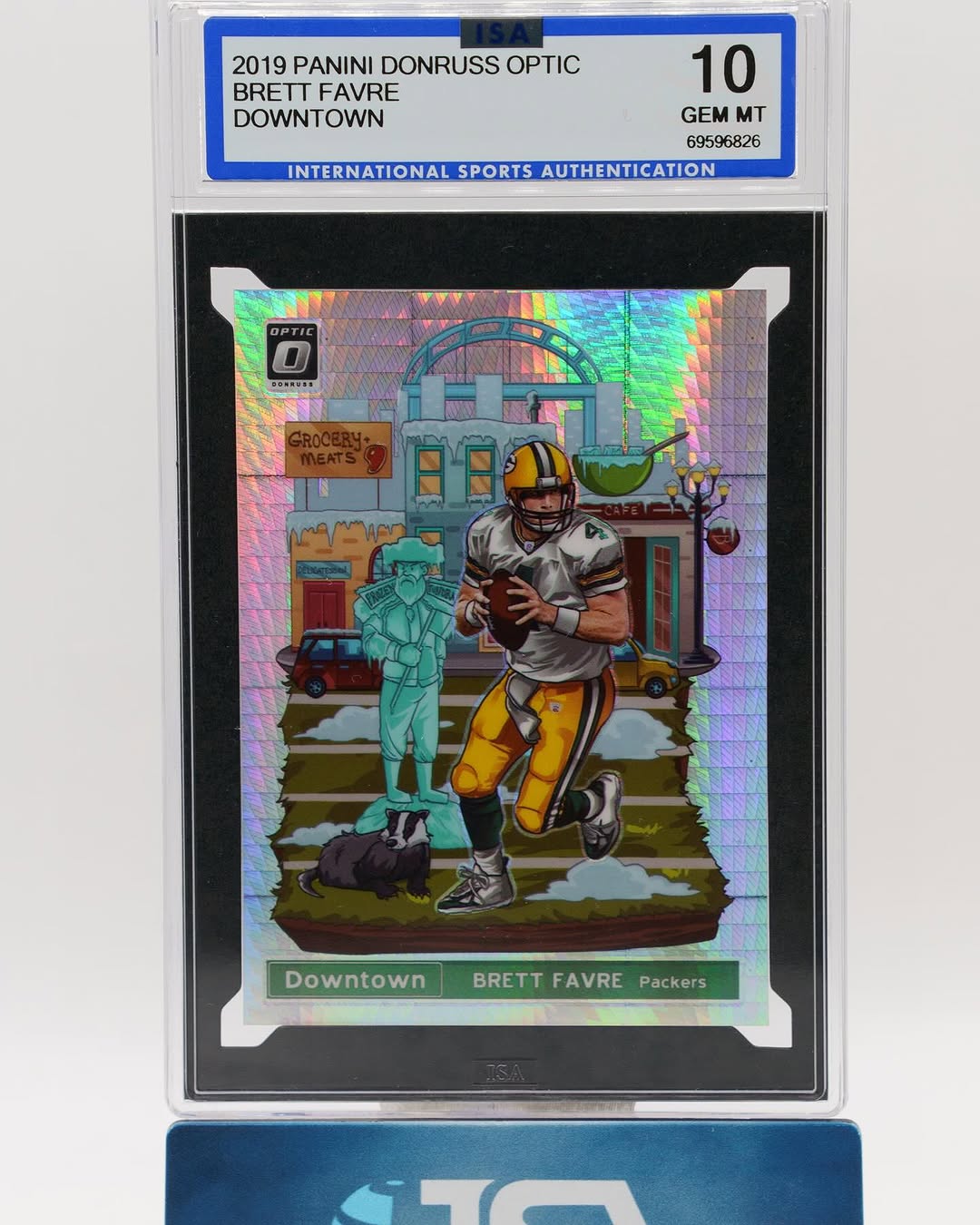
ISA provides online certificate verification. A buyer or seller can enter the certificate information through the website to review the available record. Verification helps connect a slab with its certification data, but sellers should still provide current photographs of the actual card and holder. Buyers should compare the label, certification number, card details, and images before completing a purchase.
Consistency is another important part of confidence. Collectors want to understand what a grade represents and how condition factors are considered. The article The Trust Factor: Why Grading Consistency Matters to Collectors explains why understandable standards matter when collectors compare cards.
No grading company can guarantee a future sale price. Buyer preferences vary, and some buyers may favor one grading company, slab style, or registry ecosystem over another. A realistic seller should research actual completed sales for the same card, grade, and grading company rather than relying only on active asking prices.
Selling Graded Cards After a Service Disruption
If your goal is to sell, plan the listing before the cards return. Record the grading fee and allocated shipping cost for each card. Once the slab arrives, inspect it and confirm that the label details match the card. Use the certificate verification tool and keep the submission records.
For online listings, photograph the slab's front and back in even light. Include close views that let buyers see the card, label, certification number, and holder condition. Describe scratches or damage to the slab separately from condition features visible on the enclosed card. Never imply that a grade guarantees authenticity beyond the scope of the grading company's service or guarantees future value.
Price cards using recent completed sales when available. Compare the same year, set, card number, variation, grade, and grader. If there are few direct comparisons, explain the card accurately and avoid presenting an unsupported price as established market value.
Dealers preparing for a show should leave enough time for grading, return shipping, inventory entry, and pricing. ISA's current 14 day turnaround can help with scheduling, but collectors should still account for transit time and possible carrier delays. Turnaround and shipping time are separate planning considerations.
Questions to Ask When Comparing Grading Services
A search for card grading near me may produce local shops, group submitters, and grading companies. Location can be convenient, but it should not be the only factor. Ask who actually grades and encapsulates the cards, what the full fee is, how certificates are verified, and what happens if there is a submission question.
Use this checklist when evaluating any PSA alternative:
- Is the current grading price clearly published?
- Are there value based upcharges?
- What is the stated turnaround time?
- Is there a minimum number of cards?
- Can customers review the grading scale?
- Is online certificate verification available?
- Are submission instructions and customer support options easy to find?
- Does the slab presentation suit the collection or intended buyer?
Collectors asking, Where should I grade my cards? should match these answers to their own priorities. ISA's current combination of $15 per card, a 14 day turnaround, a 10 card minimum, and no upcharges provides a clearly defined option. Collectors can also review customer feedback on the ISA reviews page while conducting their own research.
A Calm Plan for an Uncertain Submission Market
A rumor about PSA shutting down should not be treated as proof of a permanent closure. Confirm official information, protect your cards, and avoid decisions driven by urgency. If a temporary restriction or PSA submission pause changes your schedule, compare available services based on transparent pricing, turnaround, grading standards, protection, verification, and resale needs.
ISA Grading gives collectors and dealers an active sports card grading option with $15 card grading, a 14 day turnaround, a 10 card minimum, and no upcharges. Review the submission requirements, inspect each card honestly, package the group carefully, and choose grading because it supports a clear collecting or selling goal.
Submit Cards to ISA Grading
Collectors ready to use ISA Grading can start on the submission page. The current active service is $15 per card with a 14 day turnaround, no upcharges, and a 10 card minimum.
Frequently Asked Questions
Is PSA permanently shutting down?
There is no basis in this article to state that PSA is permanently shutting down. Collectors may use that phrase when discussing rumors, delays, temporary service restrictions, or a hypothetical submission pause. Check PSA's official communications for current information.
What can I do if there is a PSA submission pause?
Protect and inventory your cards, confirm the scope of the pause, review your timeline, and compare other grading services. Consider total pricing, turnaround, submission minimums, grading standards, slabs, certificate verification, and buyer preferences before choosing an alternative.
How much does ISA Grading currently charge?
ISA Grading's current active service is $15 per card with no upcharges. The current submission minimum is 10 cards, and the stated turnaround is 14 days. Shipping time should be considered separately.
Can buyers verify an ISA graded card online?
Yes. ISA provides certificate verification on its website. Buyers and sellers can use the certificate information to review the available record and compare it with the card, label, and slab.
Does grading guarantee that a card will sell for more money?
No. Grading documents condition, supports authentication, and protects the card in a slab, but it does not guarantee demand or a future sale price. Values vary by card, grade, scarcity, player or character, grading company, and market conditions.