The best time to catch a wrong card number, a crease, or a packing problem is before you ship your cards. A little preparation also helps you decide which cards are worth submitting and whether the turnaround fits your plans. Start with the reason you want each card authenticated, then build your order around cards that serve that purpose.
This guide covers what to check before sending cards to ISA Grading, also known as International Sports Authentication, and what to do when your cards come back.
Know what authentication and grading tell you
Sports card authentication addresses whether a card is genuine. Sports card grading evaluates its condition. Those are different questions: a genuine vintage card can have worn corners and still be the copy you want in your collection. A sharp looking card, on the other hand, is not necessarily genuine. If you plan to sell, buyers may care about both the identity of the card and the condition recorded on the label.
Before you choose what to submit, look at the ISA grading scale. It gives you a reference for what different grades mean, not a way to guarantee the grade your card will receive. If your selling plan only works at the highest grade, put that card aside and run the numbers again using a lower grade. You may still want it graded for your collection, but that is a different decision from grading it for resale.
Build an order that makes sense at $15 per card
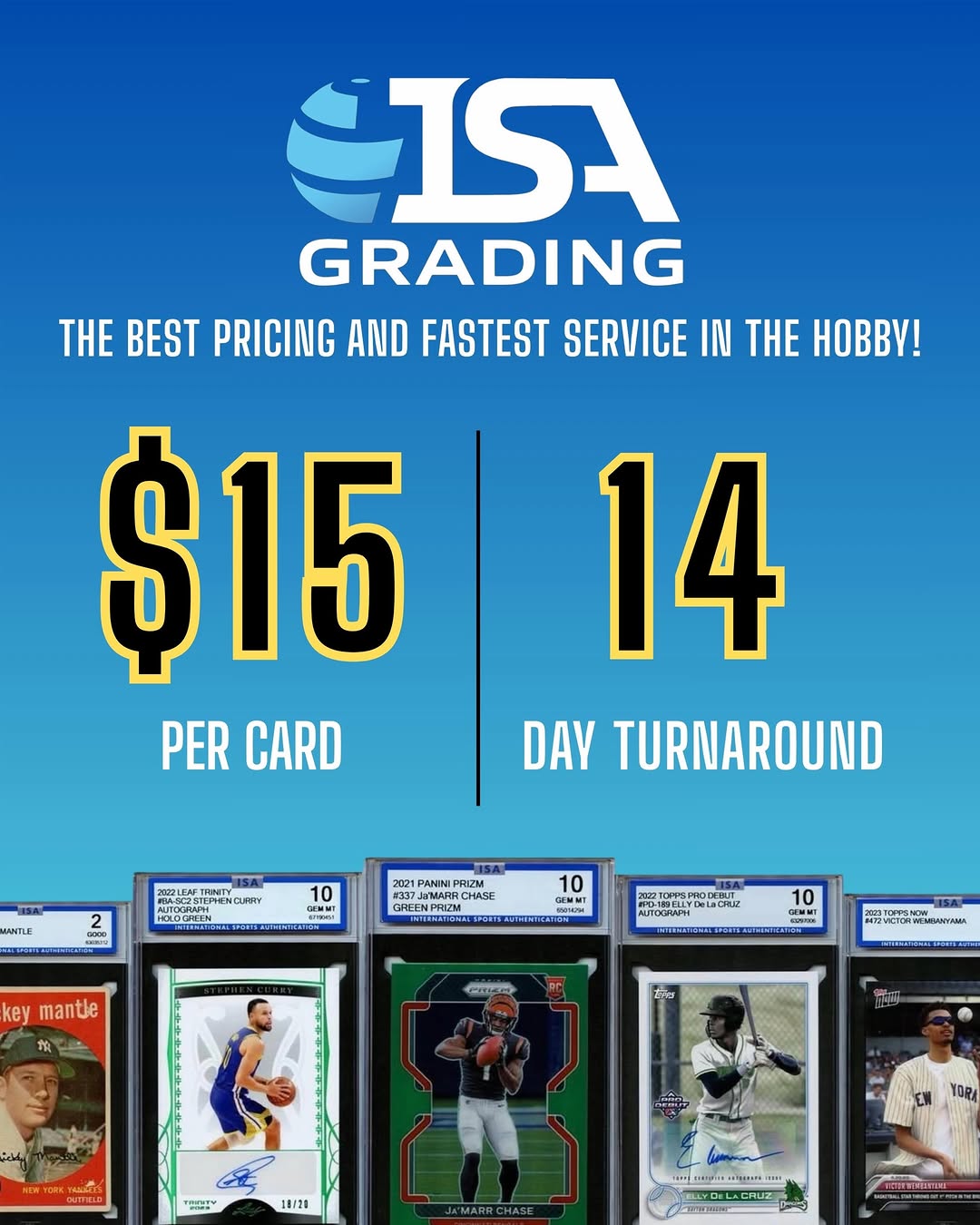
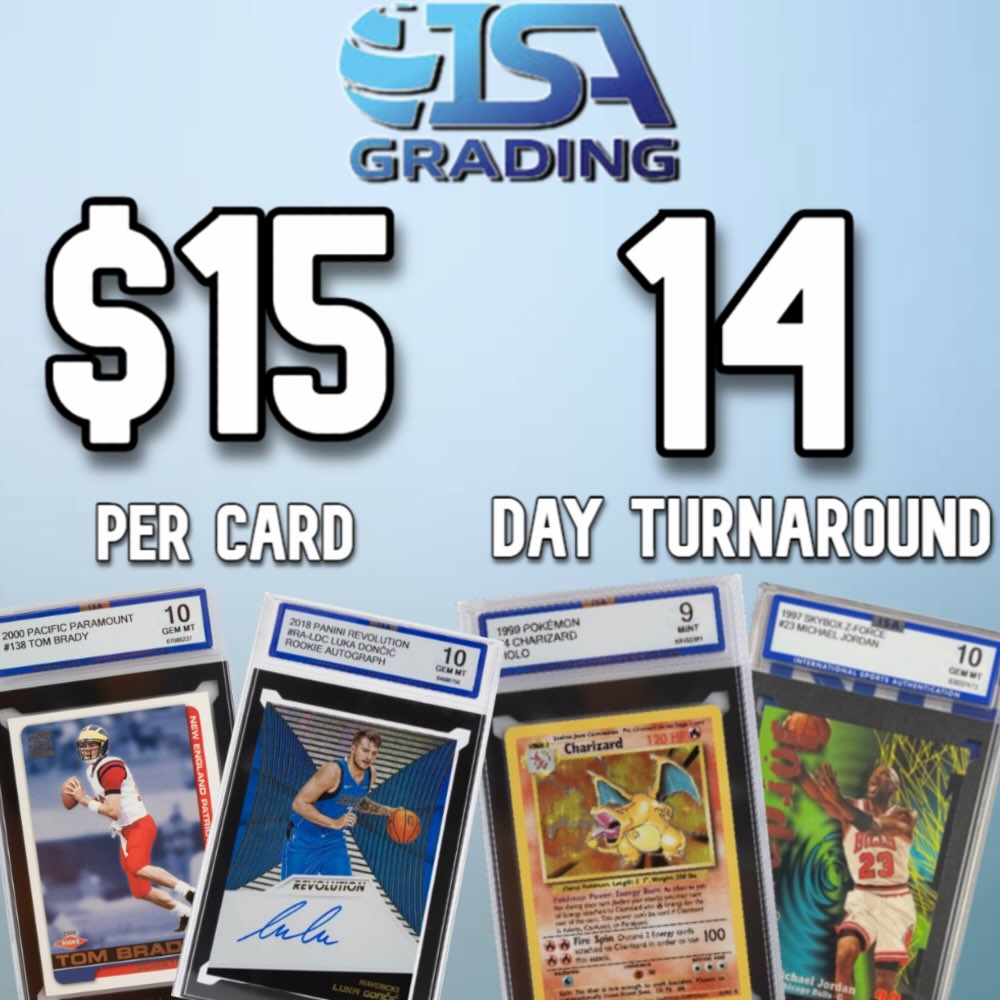
ISA’s current card grading service is $15 per card with a 14 day turnaround, a 10 card minimum, and no upcharges. At the minimum, the grading charge for 10 cards is $150. Calculate postage, any shipping coverage you choose, and other applicable costs separately rather than assuming the grading charge is the entire cost of the order. Review the ISA submission page for current instructions before you pack.
No upcharge card grading makes the grading portion of a mixed batch easy to calculate. If you have eight candidates that make sense and two that do not, however, it may be better to wait. Adding two cards just to reach the minimum costs another $30 in grading charges. That can be worthwhile if you want both cards protected for your personal collection, but it is not a reason by itself to submit cards you intend to sell.
For rookie card grading, compare sales for the same year, set, card number, and variation. A base rookie and a parallel can show the same photo but sell at very different prices. For football card grading, check whether your comparisons are recent enough to reflect the current market. For vintage card grading, consider whether confirming the card’s identity matters more to you than getting a particular grade. If you collect across categories, check eligibility before adding cards you would normally send for TCG card grading or Pokemon card grading to a sports card submission.
Inspect each card before you fill out the order
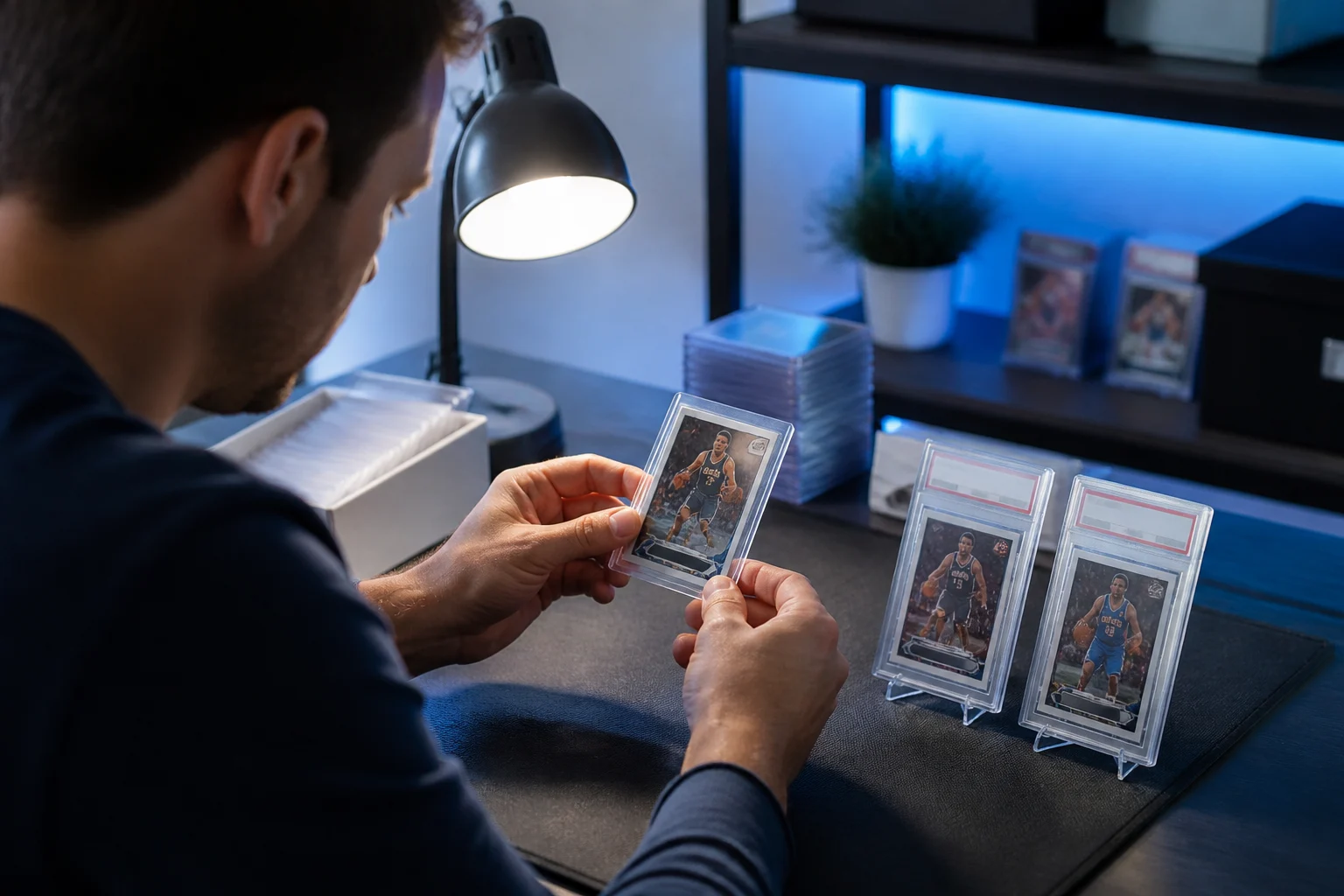
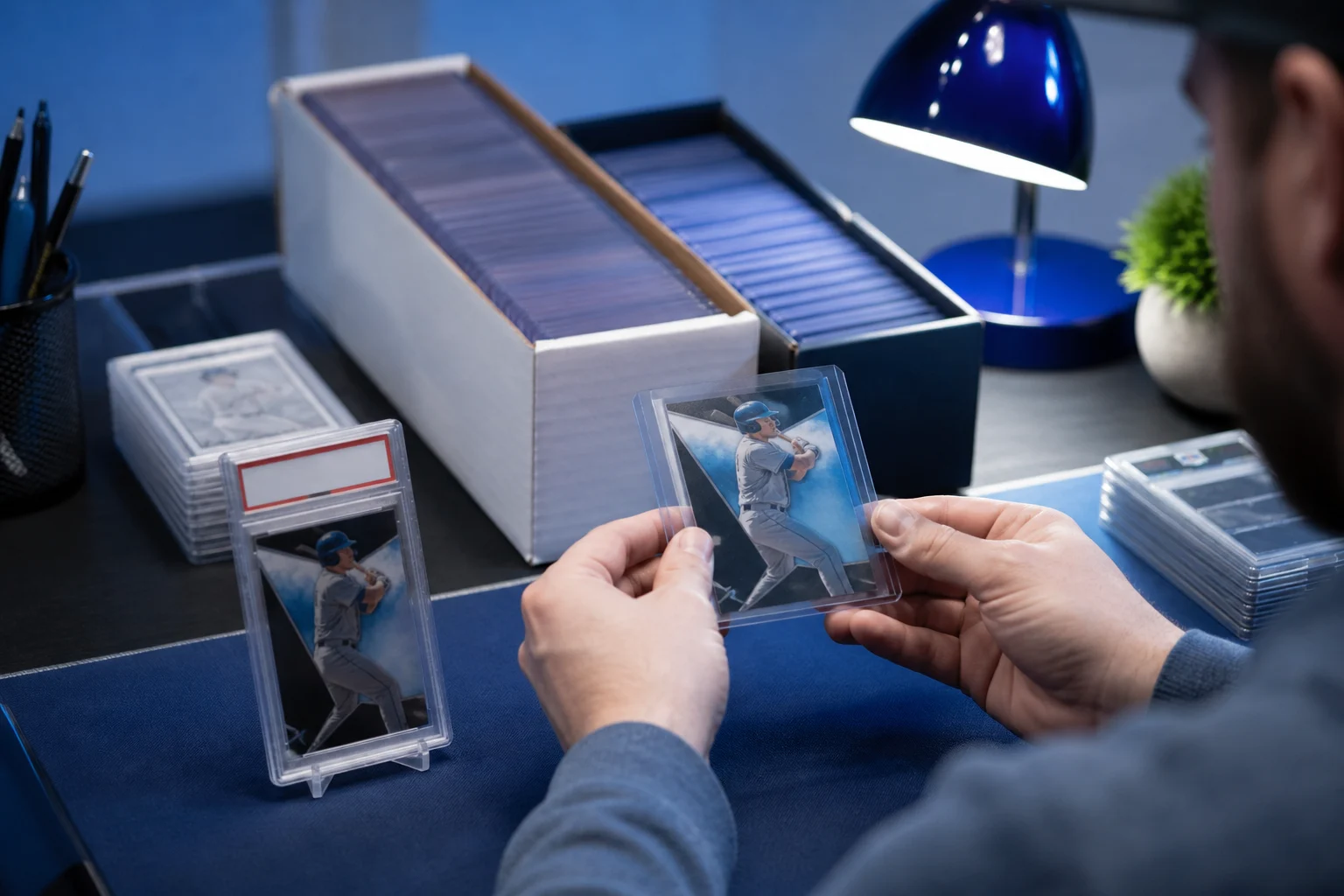
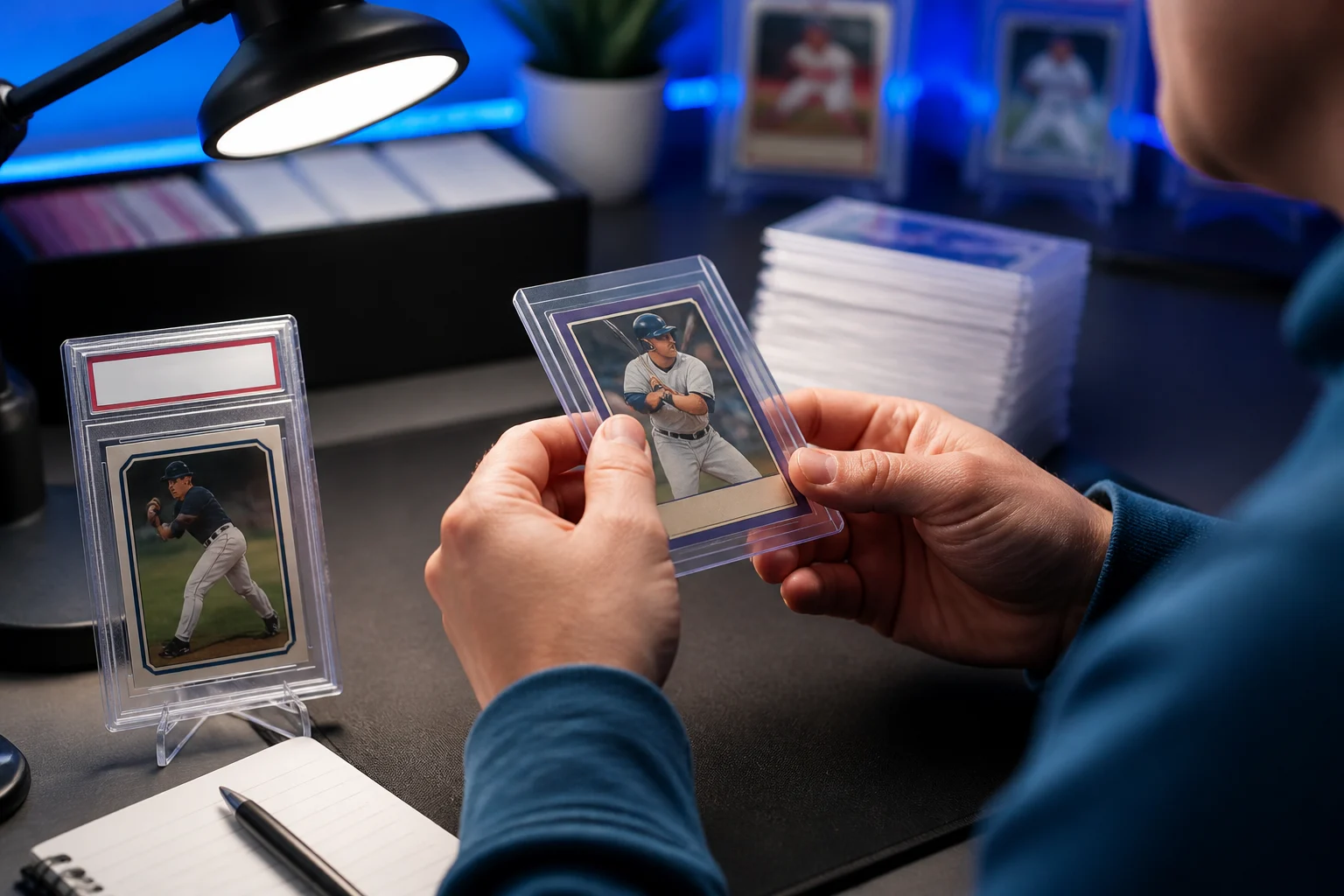
Set up a clean, dry work area with a bright lamp. Handle raw cards by their edges with clean, dry hands, and inspect them over the work surface rather than holding them above the floor. If a card is already safely sleeved, do not keep removing and reinserting it to chase a better look. Some marks are on the sleeve, so change the angle of the light before deciding that a scratch is on the card itself.
- Card surface: Tilt the card under the light and look at the front and back for scratches, indentations, creases, stains, or print lines. A shallow dent can be hard to see in a photo taken straight on.
- Card corners: Check all four from both sides. Look for whitening, rounding, bends, or separated layers. Wear can be easier to see where the card has a dark border.
- Card edges: Look for chips, nicks, and rough spots without rubbing them. Check the bottom edge too, especially if it was obscured by the lip of a holder.
- Centering: Compare opposite borders when the design makes that possible. On a card without borders, use a reliable reference image of the same issue before assuming a design element is out of place.
Condition checks are for choosing cards, not fixing them. Do not trim an edge, press out a crease, or apply polish or a cleaning solution to the card. If you suspect a card was altered or you are unsure how to handle an unusually fragile issue, ask before shipping rather than trying to correct it yourself.
Make the paperwork and packing match
Identify the exact card and record its condition
Use the details printed on the card and a reliable checklist to identify the year, set, player, and card number. Double check variations and serial numbers where relevant. Two cards can look nearly identical at a glance, so make the distinction on your inventory before you pack them. If the current instructions specify an order for the cards or submission paperwork, follow it.
Take clear photos of the front and back of each card, particularly if the order includes valuable or consigned inventory. Keep those photos with your submission details and tracking number. A dealer sending cards for several owners should also record whose card is whose, using the serial number or another distinguishing detail when available. This is much easier to do while the cards are still in front of you than after the package has left.
Protect the cards without making them hard to unpack
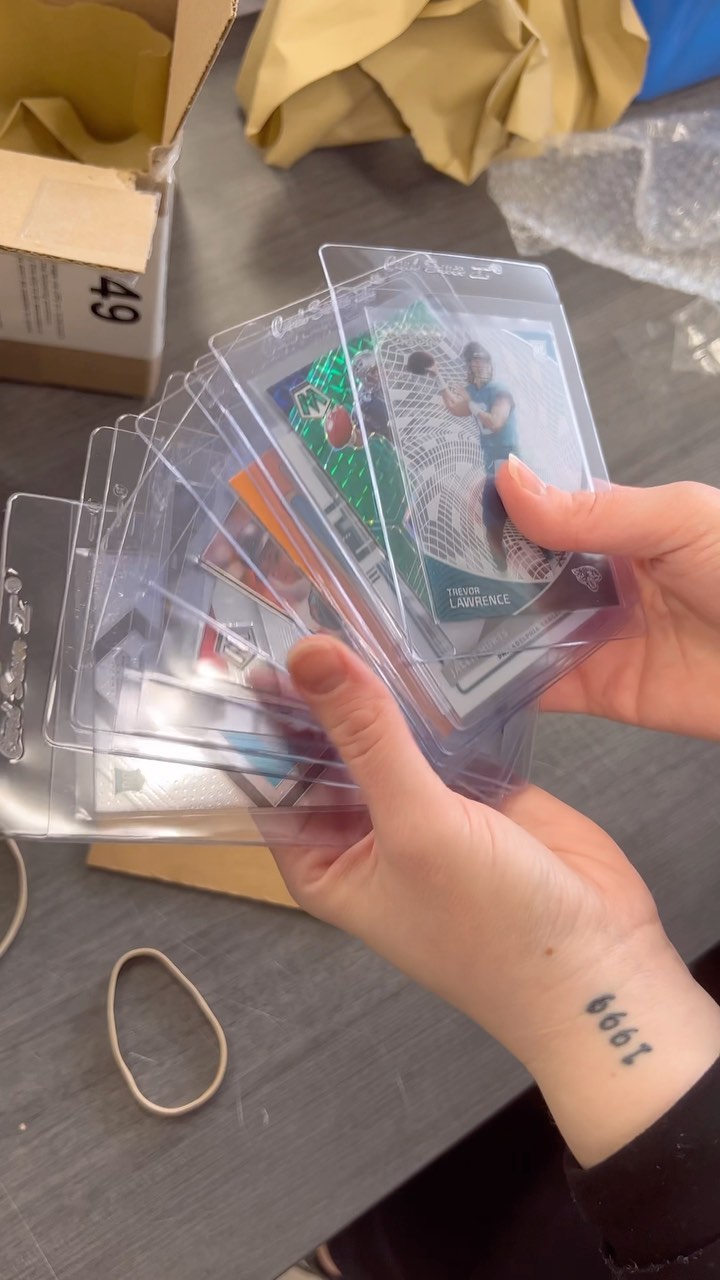
Follow ISA’s current instructions for sleeves, holders, and paperwork. Use appropriately sized protection, especially for thick cards, and never force a card into a holder that is too tight. Keep tape away from exposed cards and holder openings. The goal is for someone to unpack your order without having to pull hard, bend a holder, or cut close to a card.
Use a sturdy box with enough cushioning to keep the contents from shifting without compressing the holders. Check the shipping address against the current instructions, then choose a tracked shipping method. If you are buying shipping coverage, read what it covers before paying for it. Keep the receipt and tracking details until you have checked the returned order against your inventory.
Allow time for shipping and your selling deadline
Plan around ISA’s current 14 day turnaround, but do not treat that figure as the total time between mailing the order and getting it back. Account for shipping in both directions and check how turnaround is counted before committing to a show, auction, or buyer deadline. If your plan depends on an exact date, confirm the details through ISA’s contact page before shipping.
A search for “card grading near me” can be a reasonable starting point if you prefer a local dropoff, but proximity alone does not tell you when you will have your cards back or what the full order will cost. If you are asking “Should I grade my cards before the next show?” work backward from the event date. Leave time to inspect the order, photograph the slabs, and prepare your prices or listings. The Grading Calendar offers more examples of how submission timing affects those decisions.
Check the slabs and certificates when the order returns
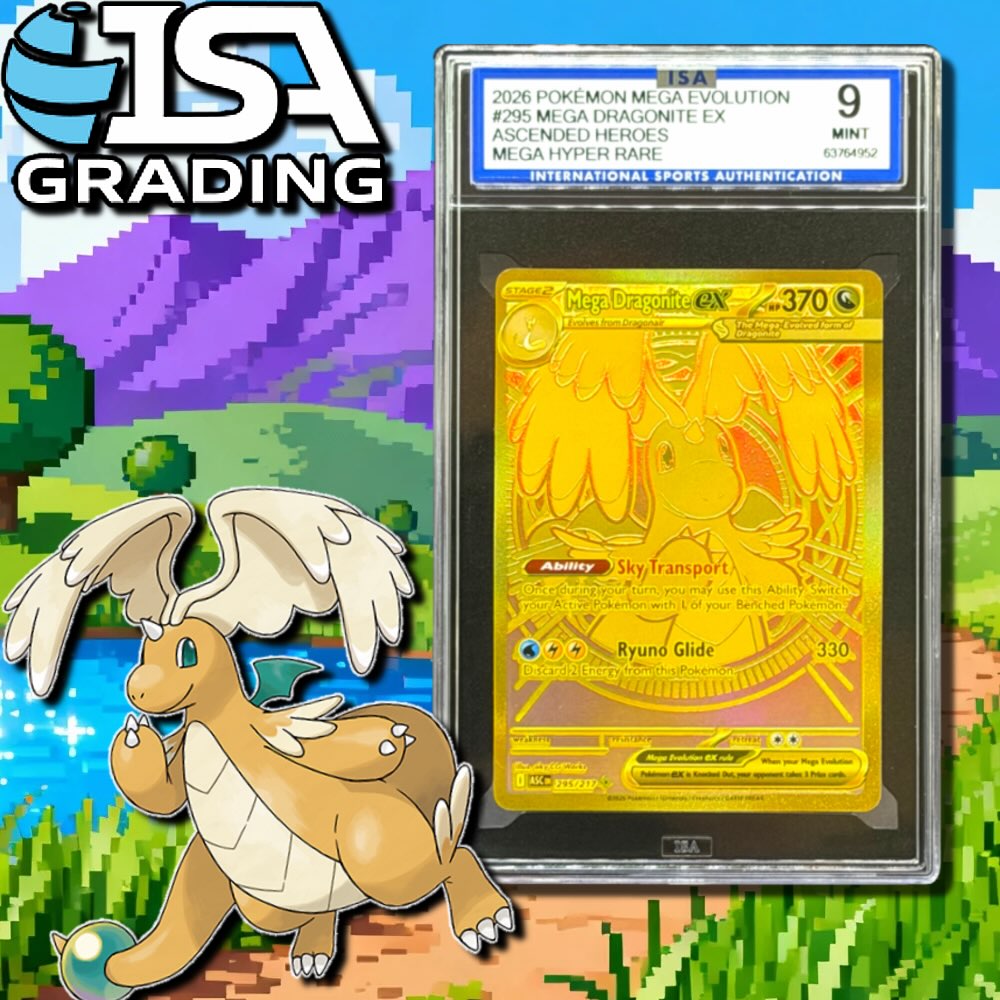
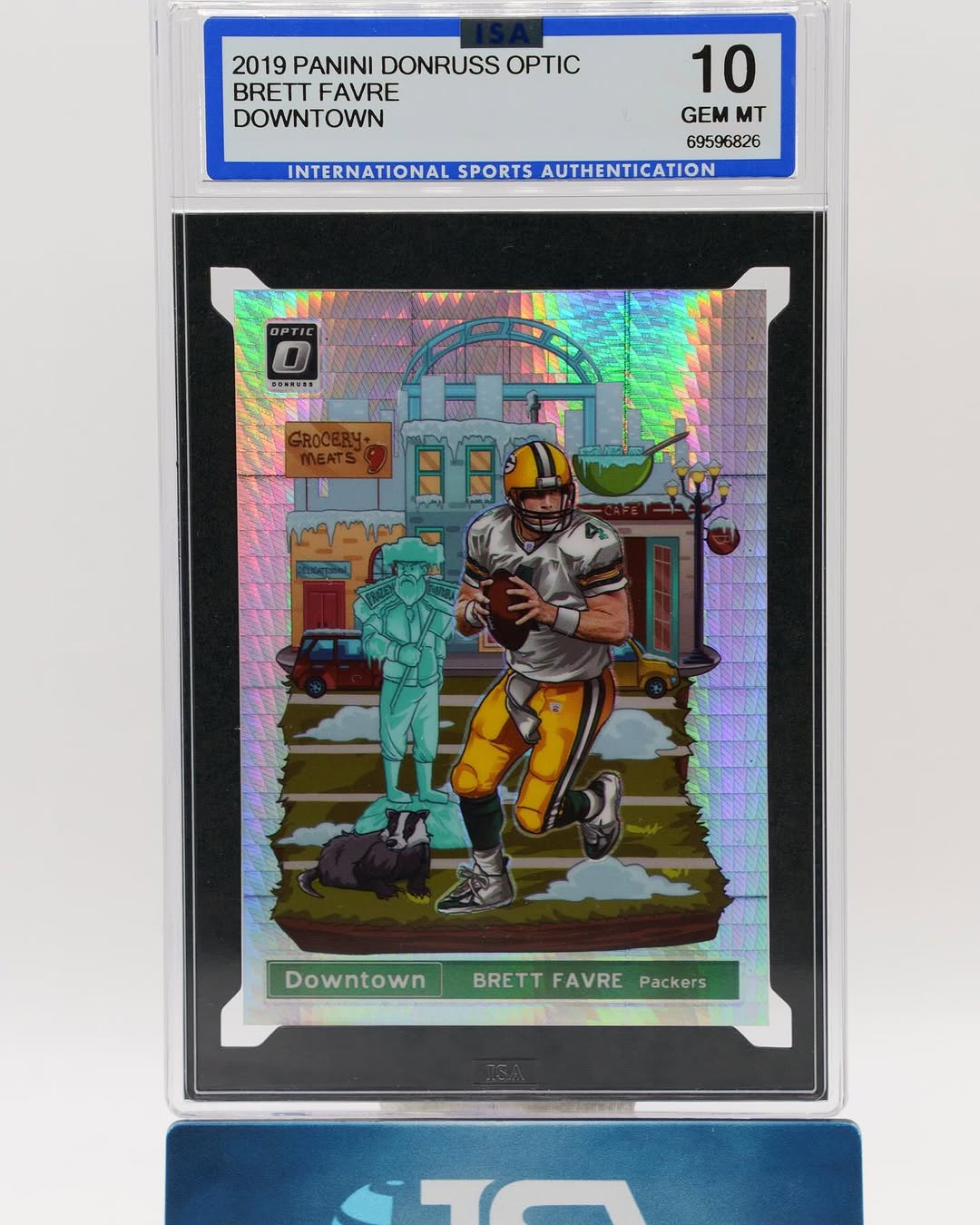
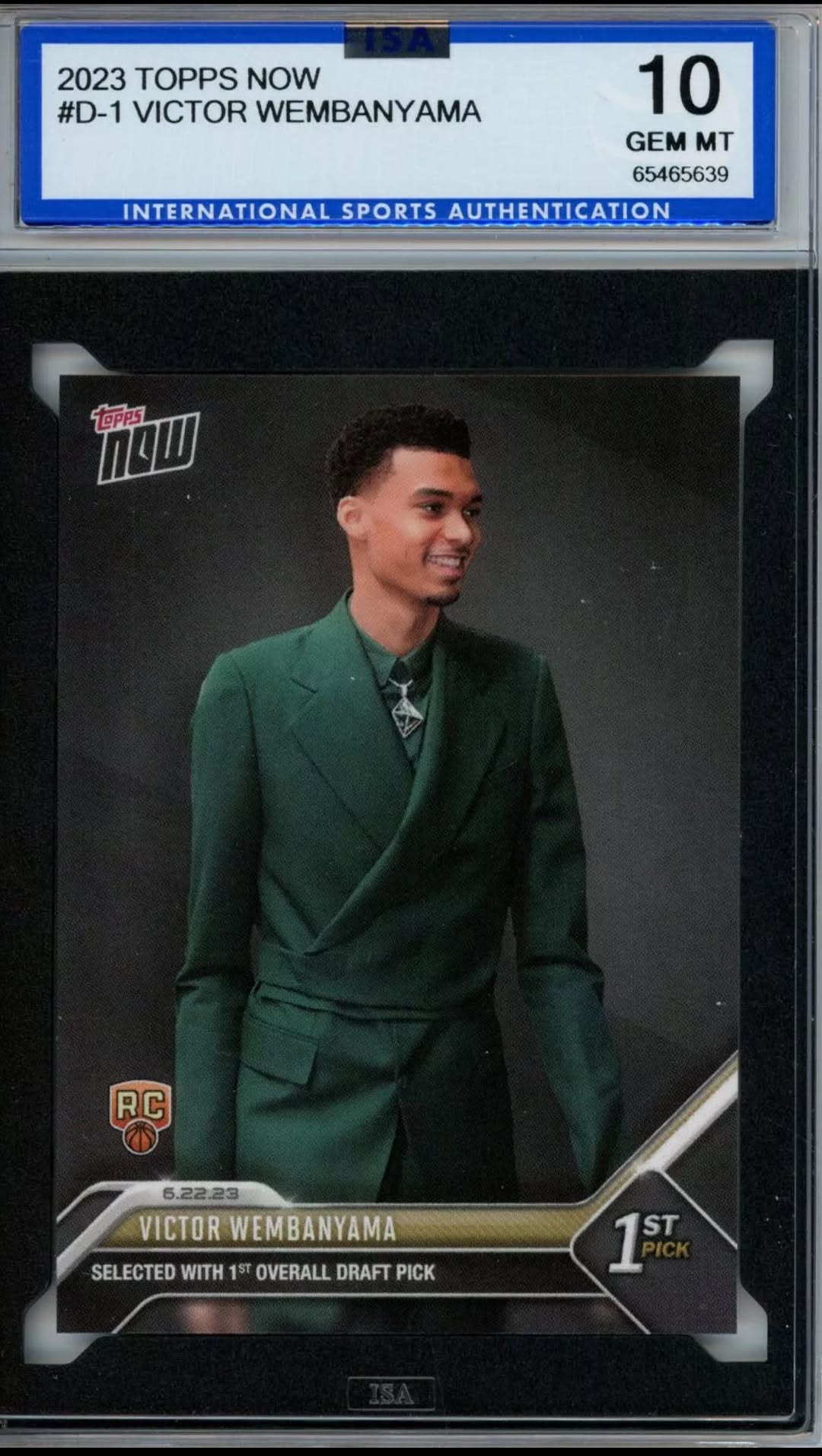
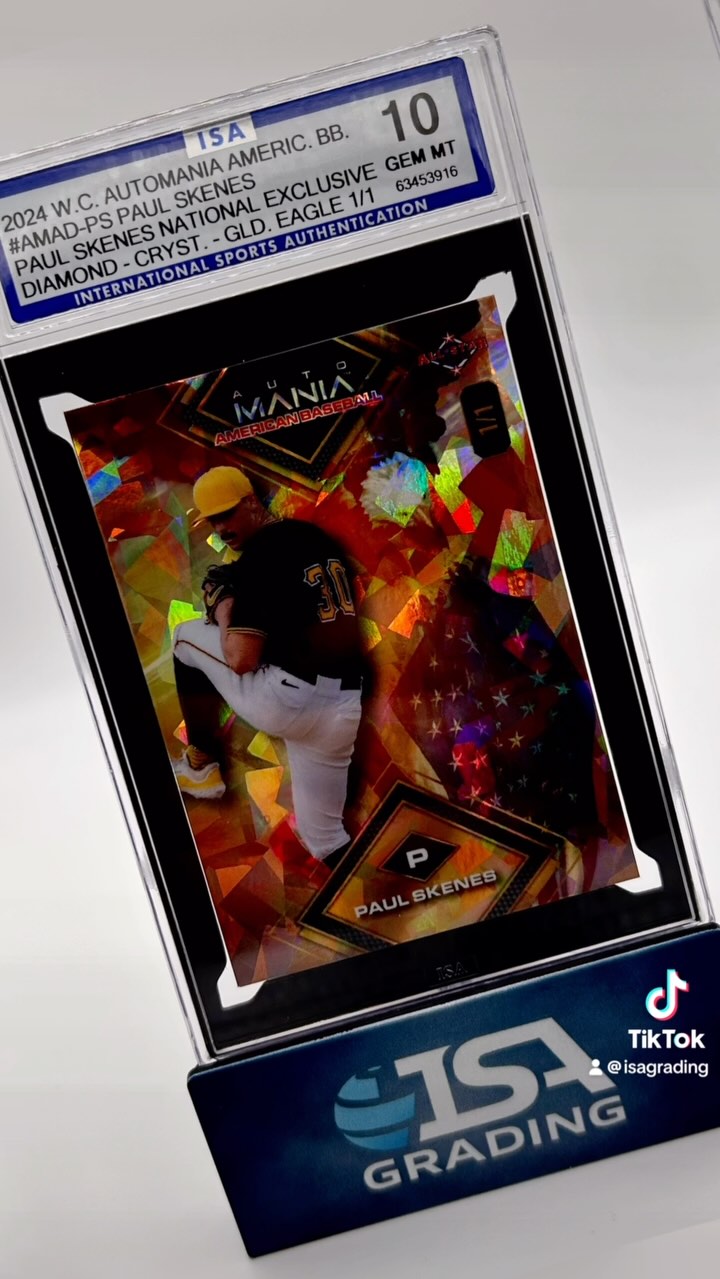
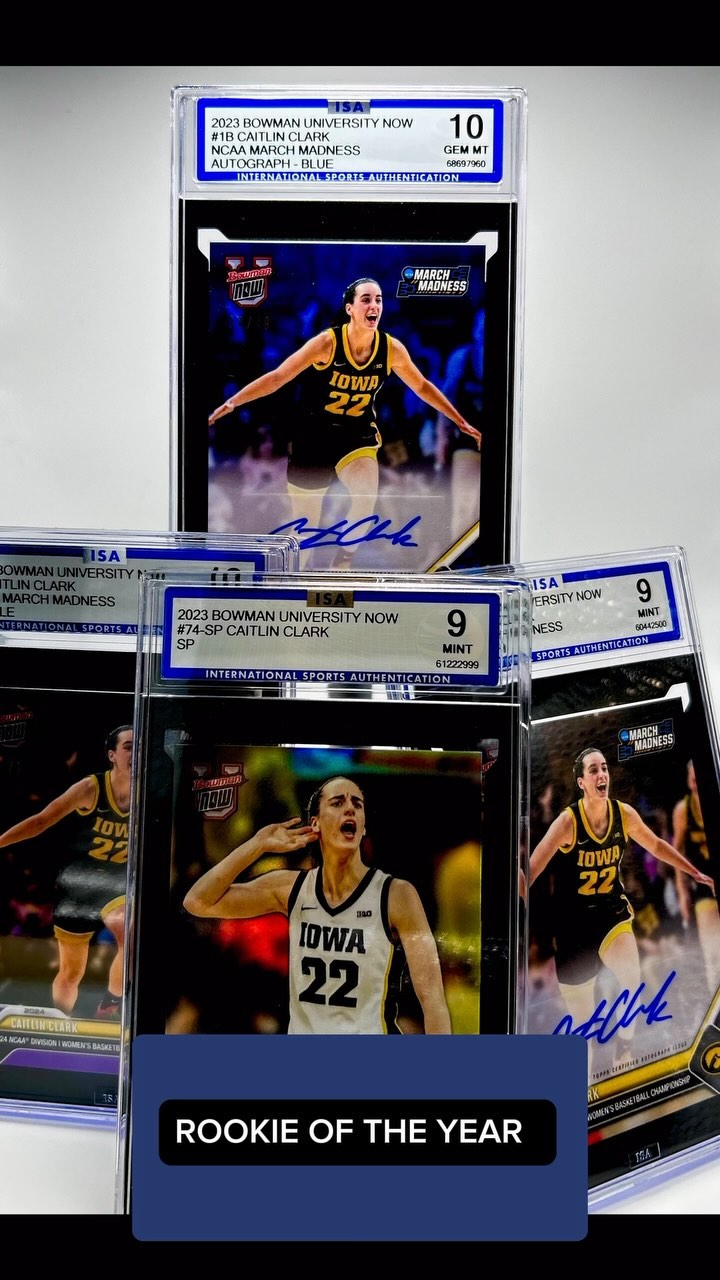
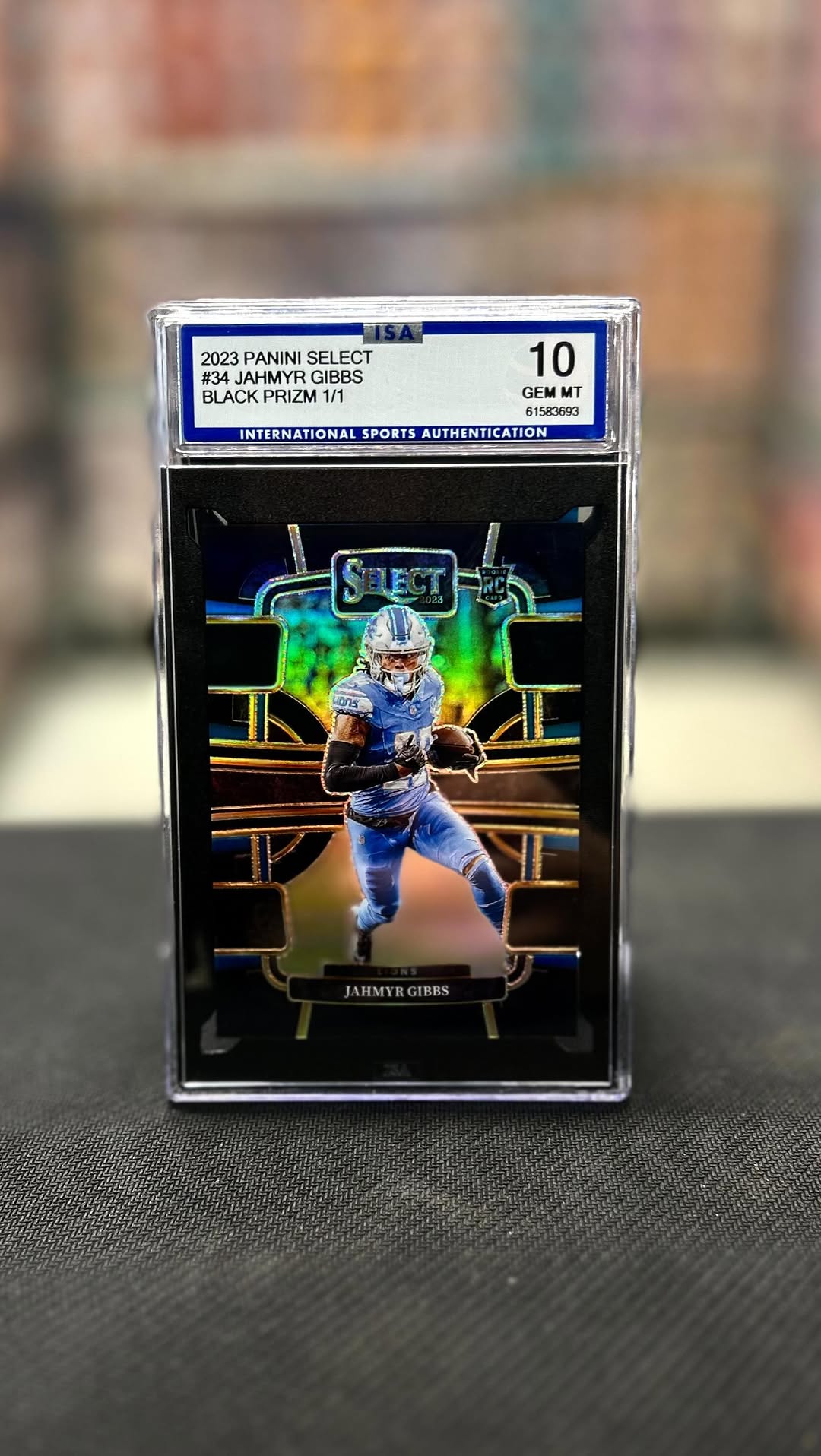
Trading card slabs make cards easier to handle and display without touching the cardboard, but they are not a substitute for careful storage. Once your order comes back, match each card to your inventory and check the holder and label. Look for visible damage to the slab and confirm that the identifying details match the card. If something looks wrong, keep the packing materials and take photos before contacting ISA.
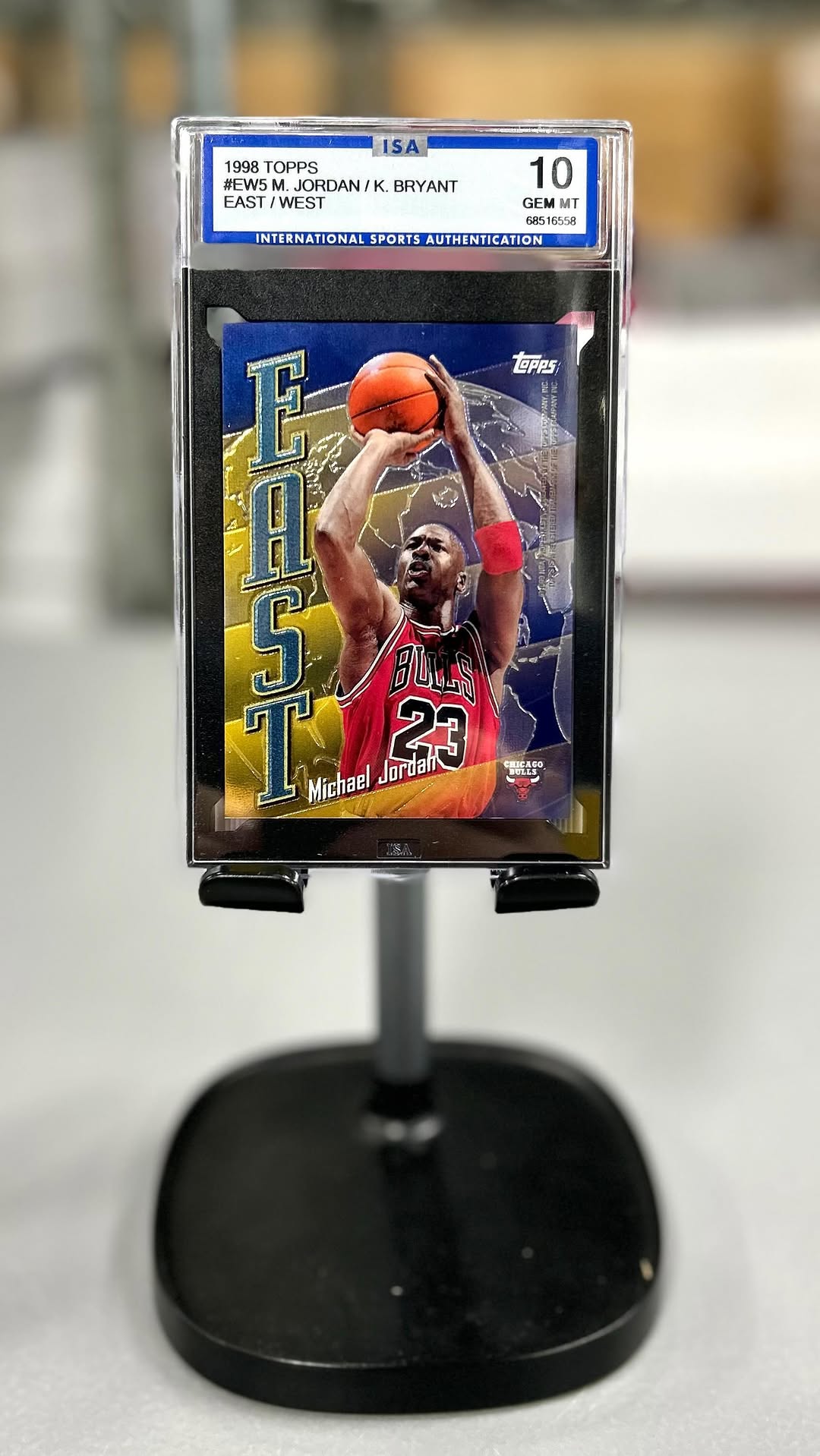
Use ISA’s certificate verification page to look up the number on the label and compare the record with the card and slab in hand. Give buyers a readable label photo so they can run the same check themselves. A matching record helps establish buyer confidence, but a lookup alone does not prove that the physical slab shown in a listing is the one the buyer will receive. The photos, label details, and verification record should agree. For more on what holders do and what to check, see Beyond the Grade: Card Slabs, Protection, and Certificate Checks.
Prepare a listing buyers can check for themselves
When selling graded cards, photograph the exact slab you will ship. Show the front, back, and full label in even light, with glare out of the way. Describe the card and its grade as shown on the label, and disclose visible scratches or other damage to the holder rather than making the buyer guess whether a mark is on the slab or the card. If you have several copies of the same issue, check that the certificate number in the photos belongs to the copy you are listing.
Price the card using recent completed sales where possible, not just active asking prices. Look for sales that match the issue, variation, and grade. If close comparisons are scarce, be honest with yourself about how much you know before counting on a particular sale price. Factor in selling fees and packing costs when reviewing whether the submission paid off.
For your next order, keep a note of any condition issues you missed and which cards were easiest to identify and sell. That record is more useful than trying to predict a grade from memory. It can help you choose a better batch, spend less on cards that do not fit your goals, and give buyers clearer information about the cards that do.
Submit Cards to ISA Grading
Collectors ready to use ISA Grading can start on the submission page. The current active service is $15 per card with a 14 day turnaround, no upcharges, and a 10 card minimum.
Frequently Asked Questions
How much does it cost to submit sports cards to ISA Grading?
ISA’s current service costs $15 per card with a 10 card minimum and no upcharges. The grading charge for a minimum order is $150. Budget separately for shipping and any other applicable costs.
How much time should I allow for an ISA submission?
ISA’s current turnaround is 14 days. Allow additional time for shipping both ways and confirm how turnaround is counted before planning around a firm sale, show, or auction deadline.
Should I clean my cards before sending them for authentication?
Do not use liquids, polish, or abrasive materials on the card, and do not try to press creases or reshape edges. Inspect the card under good light, handle it carefully, and follow the current packing instructions.
Can a genuine sports card receive a low grade?
Yes. Authentication addresses whether the card is genuine, while grading evaluates condition. A genuine card may receive a low grade because of wear, creases, or other condition issues.
How can a buyer verify an ISA graded card?
Enter the certificate number from the slab label on ISA’s certificate verification page. Compare the available record with the label and card shown, and ask for clear photos of the actual slab if the listing does not provide them.