Submitting cards for grading should feel like a planned part of collecting, not a guessing game. You want to know which cards are worth sending, how to protect them in transit, what the service costs, and when you can reasonably expect them back. This guide walks through those decisions for ISA Grading, also known as International Sports Authentication, so you can prepare a submission with fewer avoidable surprises.
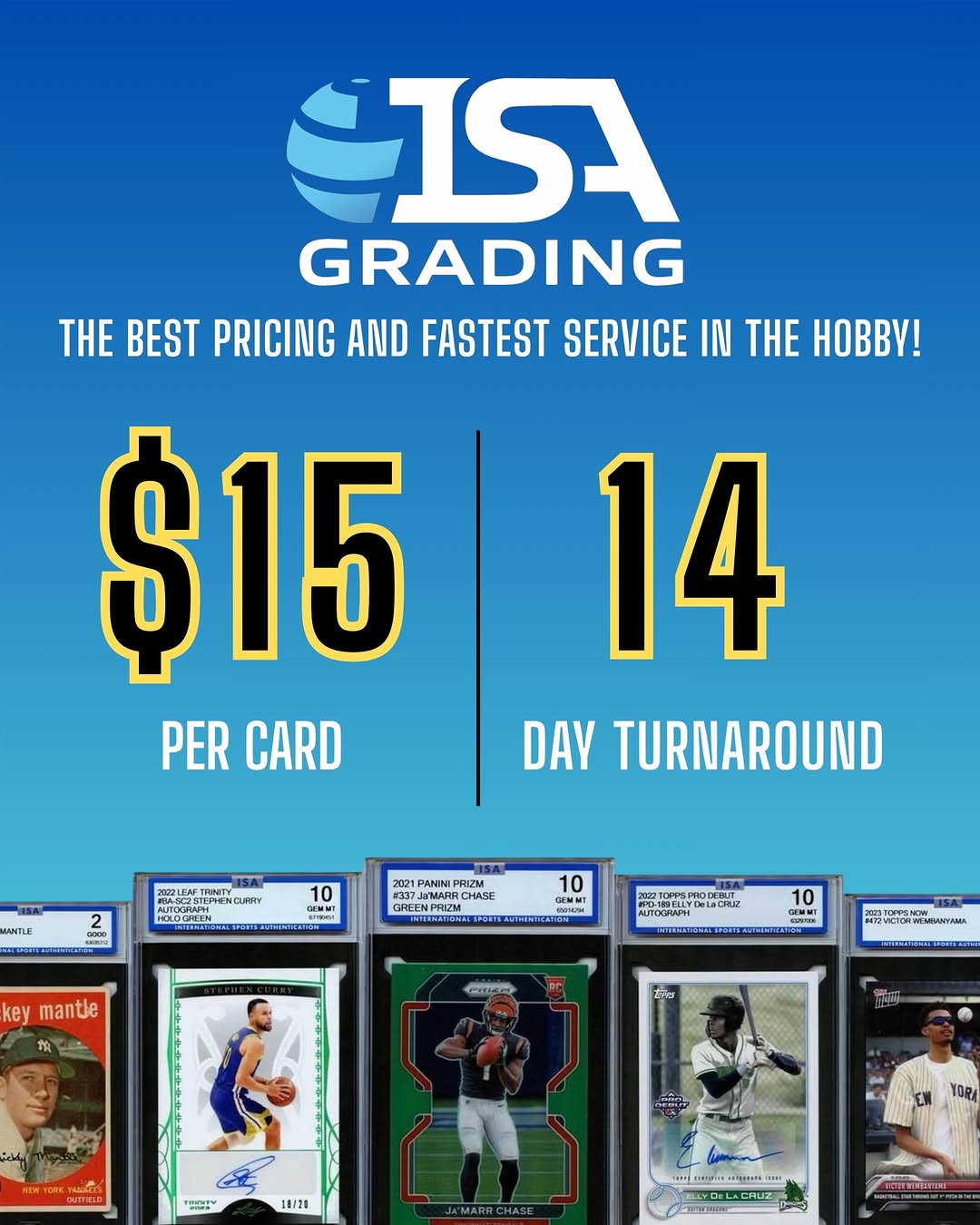
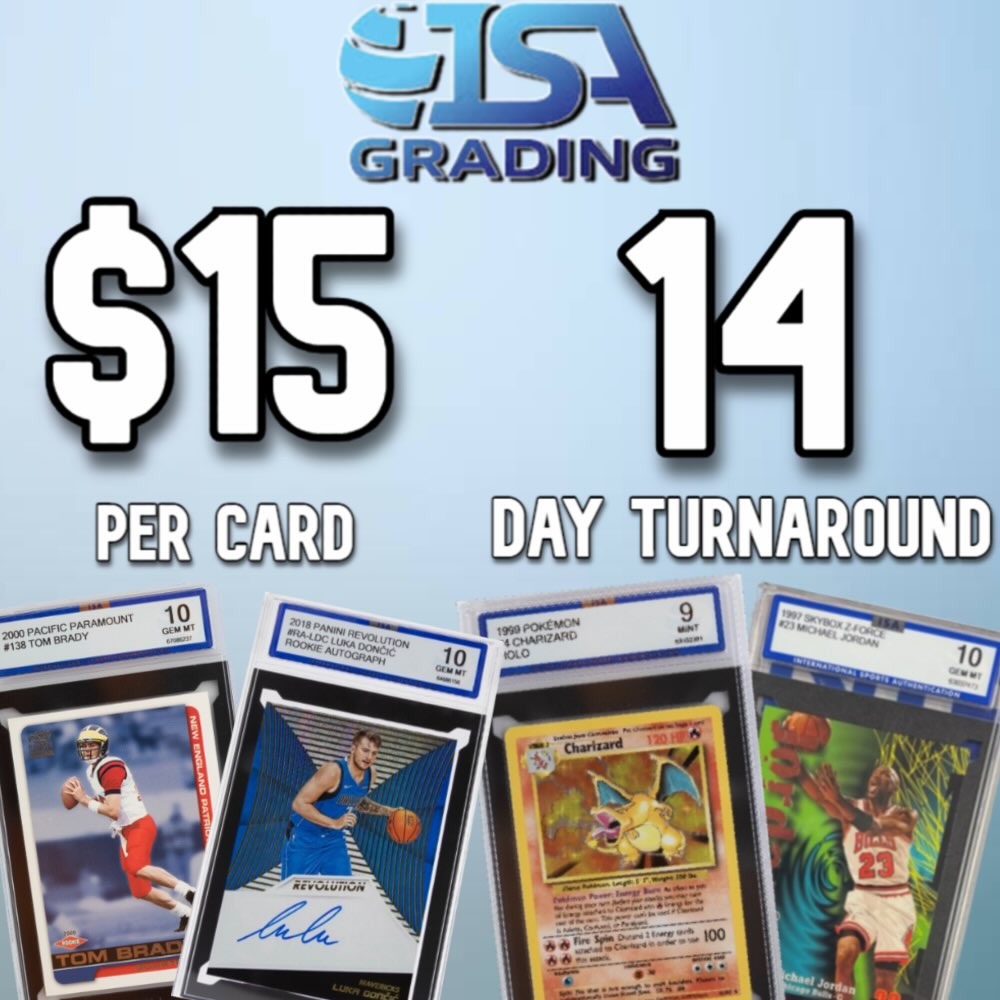
ISA's current active service is $15 per card, with a 10 card minimum, a 14 day turnaround, and no upcharges. Start with the current instructions on the ISA submission page before you complete paperwork or ship anything. Submission requirements can matter as much as your card selection, and the live page is the right place to confirm the steps that apply when you send your order.
Start with the cards, not the shipping box
If your first thought is, "Where can I grade my cards quickly?" begin by deciding what you hope grading will accomplish. A collector might want a favorite rookie card authenticated and protected. A dealer might need a consistent way to present inventory. A hobby seller might be weighing the grading fee against the likely sale price. Those are different goals, even when the cards are from the same set.
Pull out possible submissions and record the player, year, set, card number, and any identifying variation you can confirm. Check whether you already own duplicates, then decide which copy has the best combination of eye appeal and condition. A useful first pass is to separate cards you would grade for your own collection from cards you are grading primarily to sell. That distinction helps you avoid treating every card as a resale calculation.
ISA's 10 card minimum also affects planning. At the current $15 per card rate, the grading charge for 10 cards is $150. Your total outlay may also include shipping and other costs associated with preparing or sending an order. Do not add lower priority cards simply to reach the minimum without considering whether those cards serve your collecting or selling goals. If you need time to assemble a stronger group, waiting can be the more deliberate choice.
Examine condition before you submit
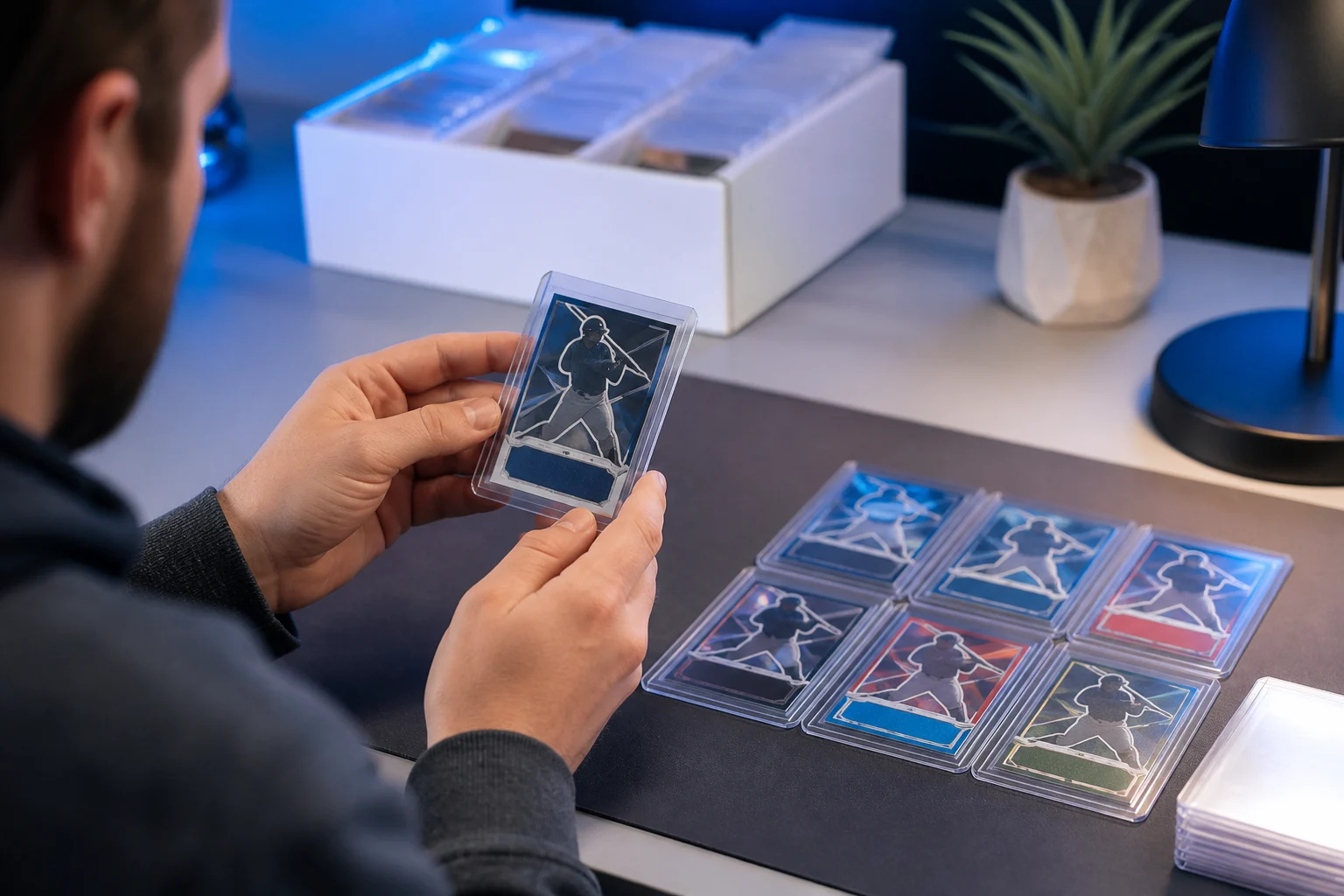
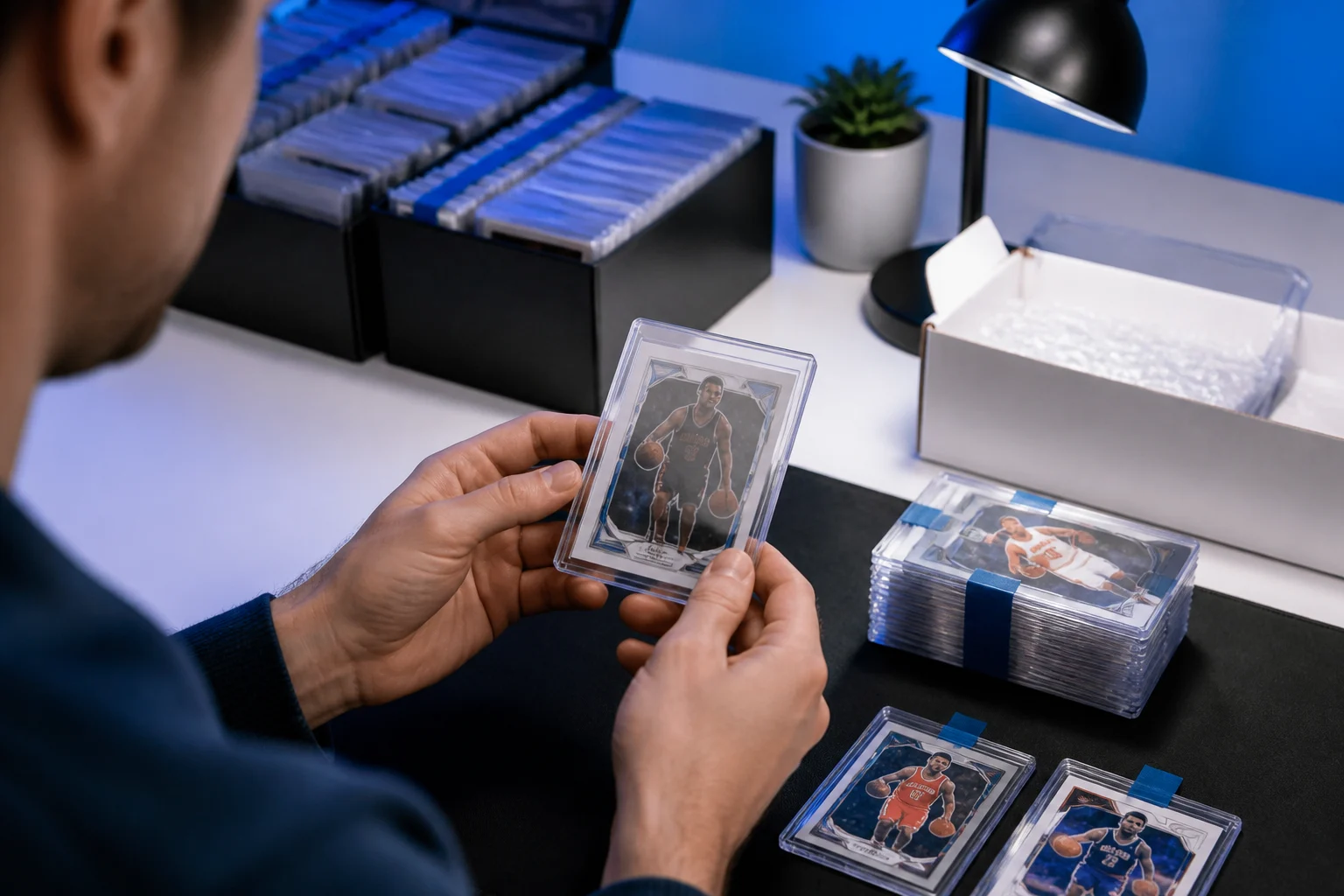
Grading preparation is an inspection process, not an attempt to improve a card. Work in good light on a clean, dry surface. Hold each card by its sides and look at the front and back. Check centering, card corners, card edges, and the card surface. Tilting a card under a light can make scratches, indentations, print lines, or gloss issues easier to notice. Look closely at darker borders, where wear may stand out, and at backs that are easy to overlook.
A phone photo can help you compare candidates, but it should not replace a careful look at the physical card. Photographs may hide surface problems or make harmless reflections look like flaws. Make a brief note of any issue you see before submission. If a result differs from your expectation, those notes give you a more useful starting point than a memory of how the card looked weeks earlier.
Read ISA's grading scale before assigning a likely grade in your head. A strong looking card is not automatically a top grade, and a card with one visible flaw may still be meaningful to a collector. For vintage card grading, keep the card's age in perspective without assuming age excuses every defect. Your decision to submit should reflect the actual card, your reason for owning it, and the range of outcomes you would be comfortable receiving.
Should you clean a card first?
Be cautious. Rubbing, applying liquids, or trying to remove a mark can create damage or alter the card. If you cannot tell whether something is loose debris or part of the card's surface, leave it alone rather than risking the card to chase a higher grade. The safest preparation is usually careful inspection, documentation, and protective packing.
Check service details and card eligibility
For collectors comparing a card grading service, pricing clarity is as important as the headline fee. ISA lists a current $15 per card service with no upcharges. That makes it easier to calculate the grading portion of a submission, but you should still account for sending and returning cards when planning your budget. For more context on the listed service, see how ISA presents its $15 per card pricing.
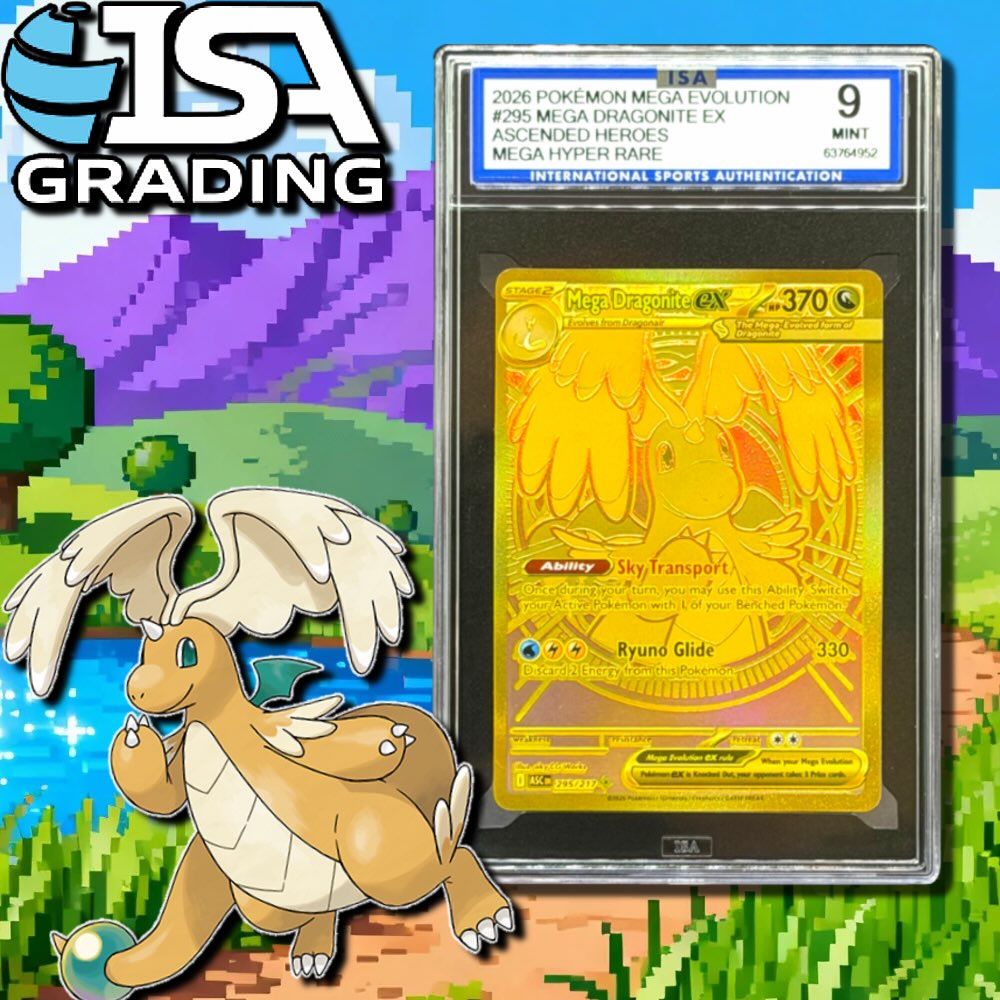
Do not assume that every card you own qualifies for the same submission. Basketball card grading and football card grading may be on your list, but questions about unusual formats, altered cards, or other categories deserve an answer before you ship. If you also collect Pokemon cards, confirm current eligibility directly with ISA before including them. Interest in Pokemon card grading, TCG card grading, or broader trading card grading does not by itself establish that a particular service accepts those cards.
The same principle applies to oversized cards, cards with unusual finishes, and items you believe may need authentication rather than a conventional condition grade. Check the submission instructions and ask about anything unclear. A short question before shipping is easier to resolve than uncertainty after your cards are in transit.
Build an order you can track
Once you have selected your cards, make a simple inventory for your own records. List each card in the order you plan to pack it and note the player, set, card number, and any variation that distinguishes it. Photograph the front and back of each card before packing. These photos are not a grading guarantee, but they can help you keep track of your collection and confirm what you sent.
Follow ISA's live submission directions for the information, forms, and packaging required with your order. Double check that your name and contact details are accurate and that your inventory matches the cards in the package. If a card's identity is uncertain, do not guess at a rare variation. Describe what you know and seek guidance when needed. Accurate records make the submission easier for you to review later.
Consider keeping a copy of your submission information and shipment details in one place. A dealer sending several orders may use a spreadsheet; a collector sending a first batch may only need a folder with photos and a receipt. Either approach works if you can quickly answer three questions: what did I send, when did I send it, and which cards belong to this order?
Protect cards through the trip
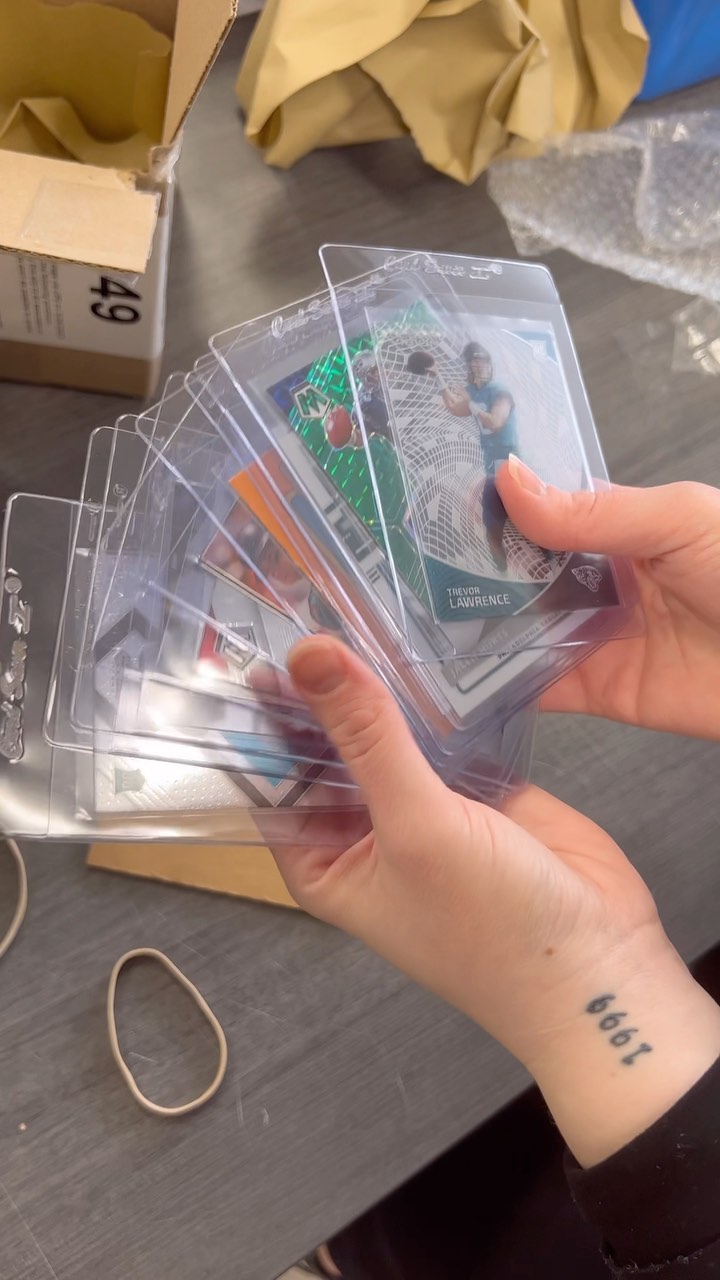
Good packing is about reducing movement, pressure, and exposure to moisture. Use clean protective supplies appropriate for the cards and follow any specific packaging instructions ISA provides. Handle cards by their edges while placing them into protection. Do not force a card into a tight sleeve or holder, and avoid tape where it could contact a card. A pull tab on a protective sleeve can help with removal, provided it is added without putting adhesive on the card itself.
Keep cards in a consistent order if your submission instructions call for it. Secure the protected cards so they cannot shift freely inside the outer box, then cushion the package without compressing the cards. Choose a sturdy shipping box and seal it well. Photographing the packed contents before closing the box can give you one more useful record of how the order left your hands.
Select shipping and tracking options that fit the value of the cards you are sending. Review carrier terms if you are considering insurance, since coverage conditions can vary. Retain the tracking number and check for delivery, but remember that a delivery scan is not necessarily the same as a completed intake or the start of a grading clock. If you are unsure how ISA defines its stated turnaround, ask before relying on a particular return date.
Understand the 14 day turnaround
ISA lists a 14 day turnaround for its current active service. That is useful for collectors seeking fast card grading, especially when planning a sale, a show, or a collection review. It should not be read as a promise that cards mailed today will be back in your hands exactly 14 days from today. Transit time in both directions and the service's stated timing rules are separate considerations.
Plan around the date you actually need the cards, not only the published turnaround. If you are selling at a specific event, leave room for shipping and any unexpected delay. If you need to know how ISA applies its 14 day card grading turnaround to a particular order, check the ISA FAQ or request clarification before submitting. Clear expectations are more helpful than an optimistic calendar entry.
What the slab and certificate can do for you
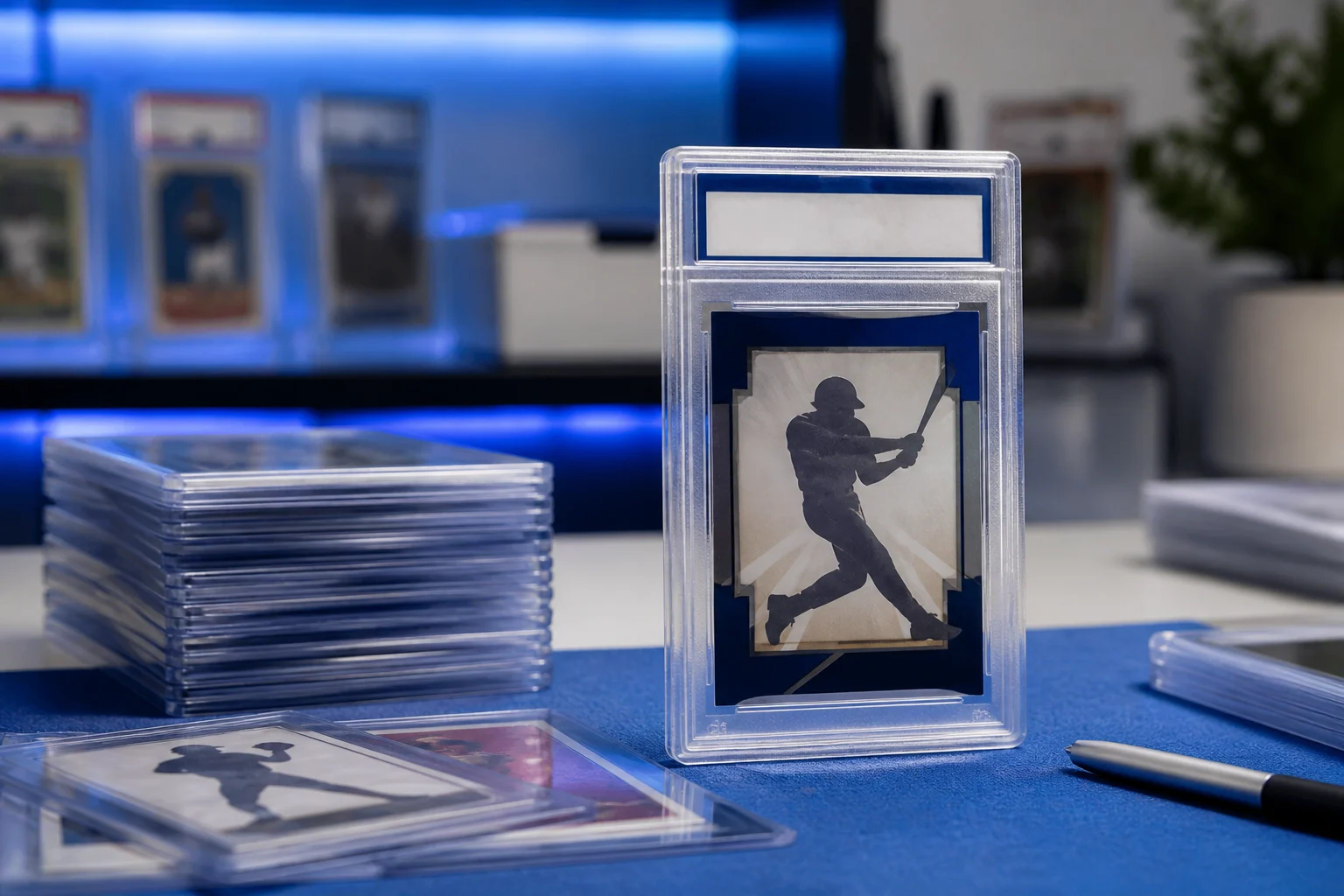
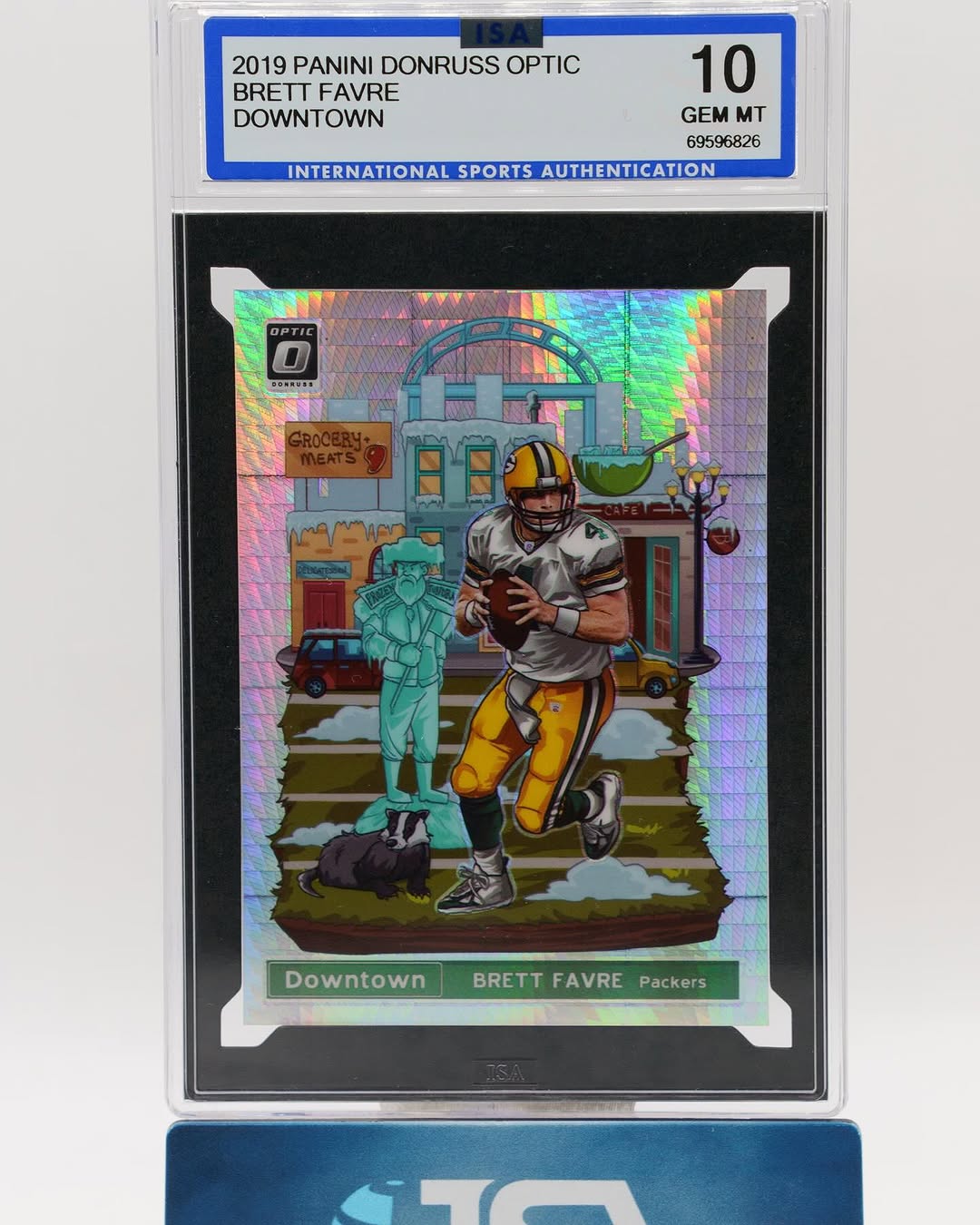
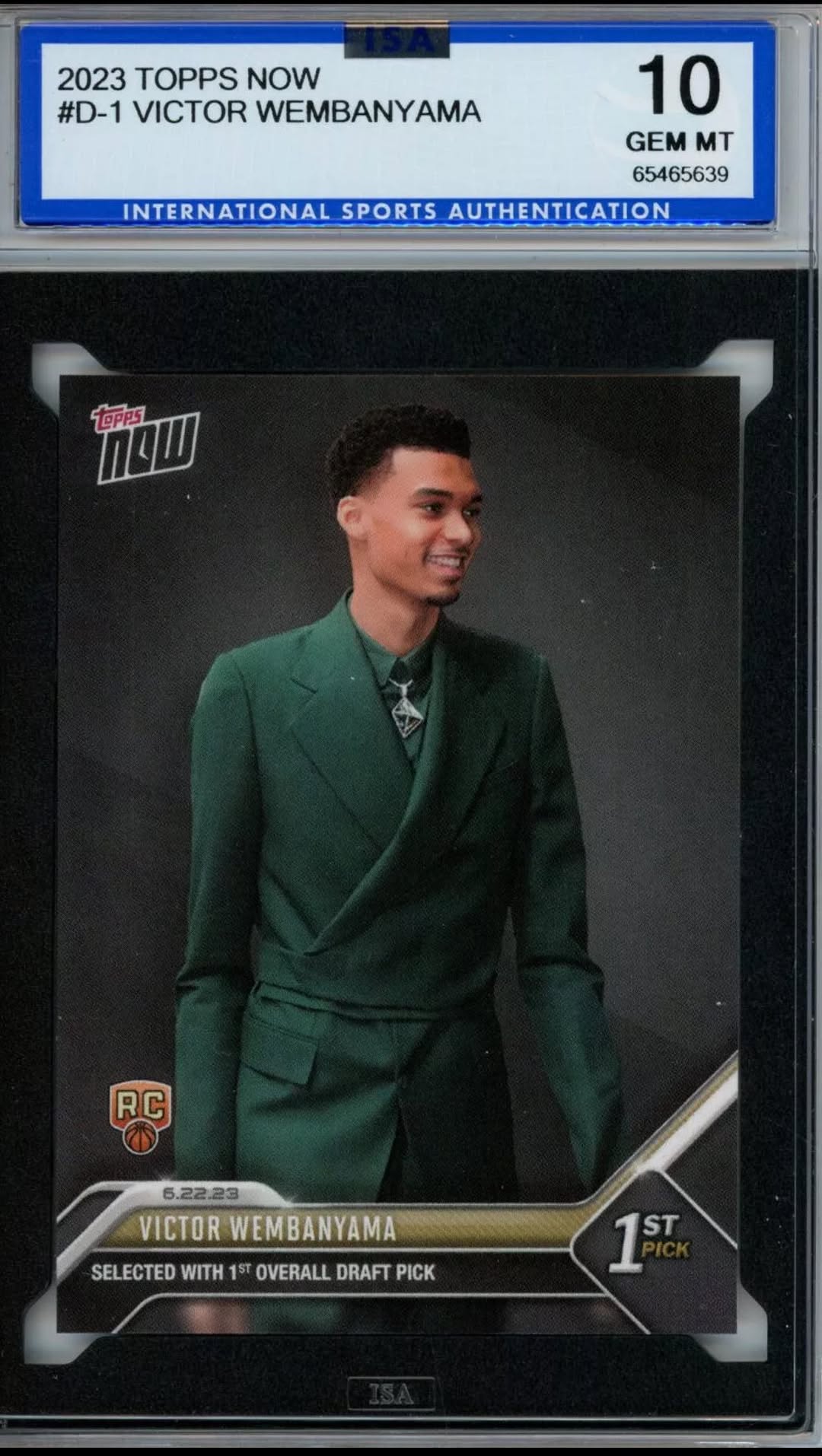
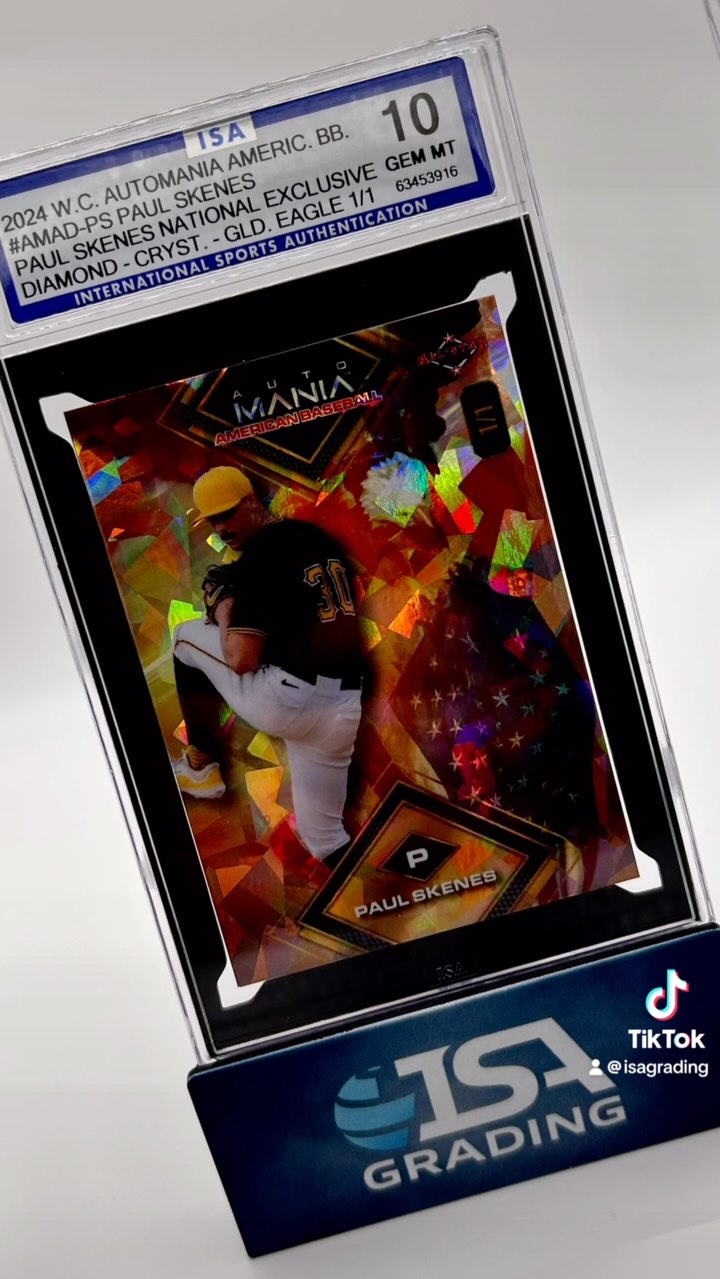
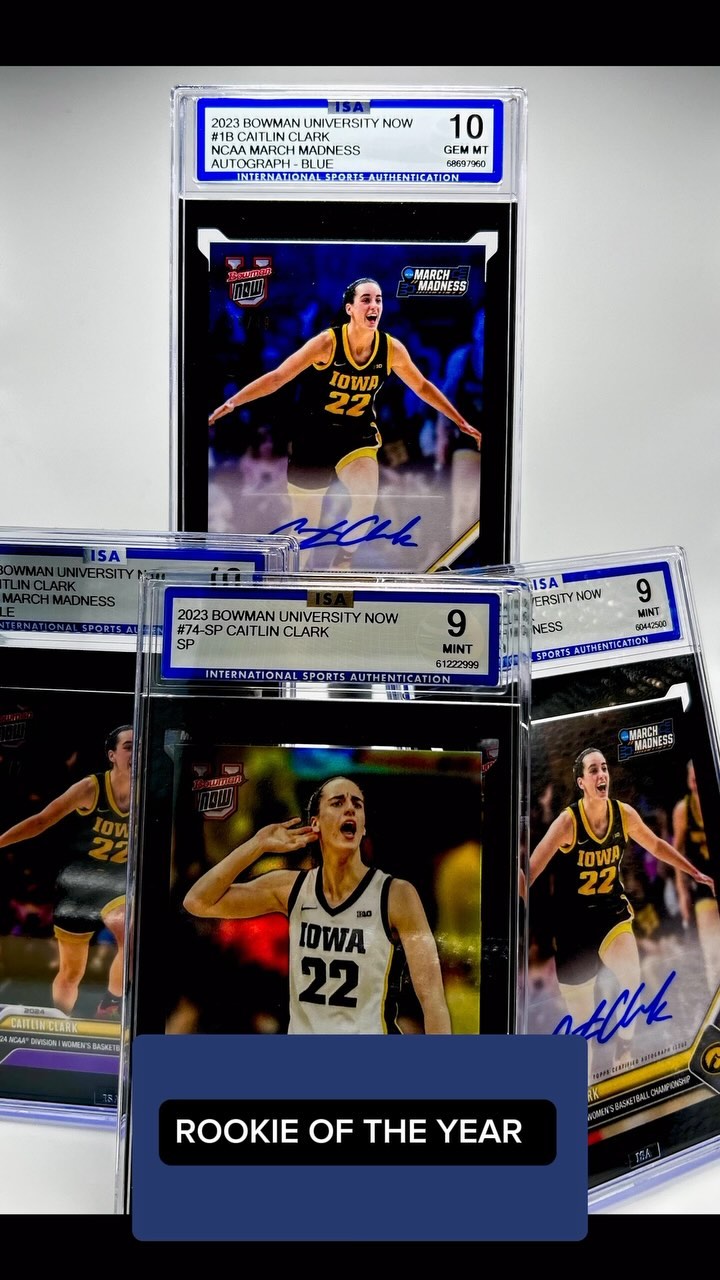
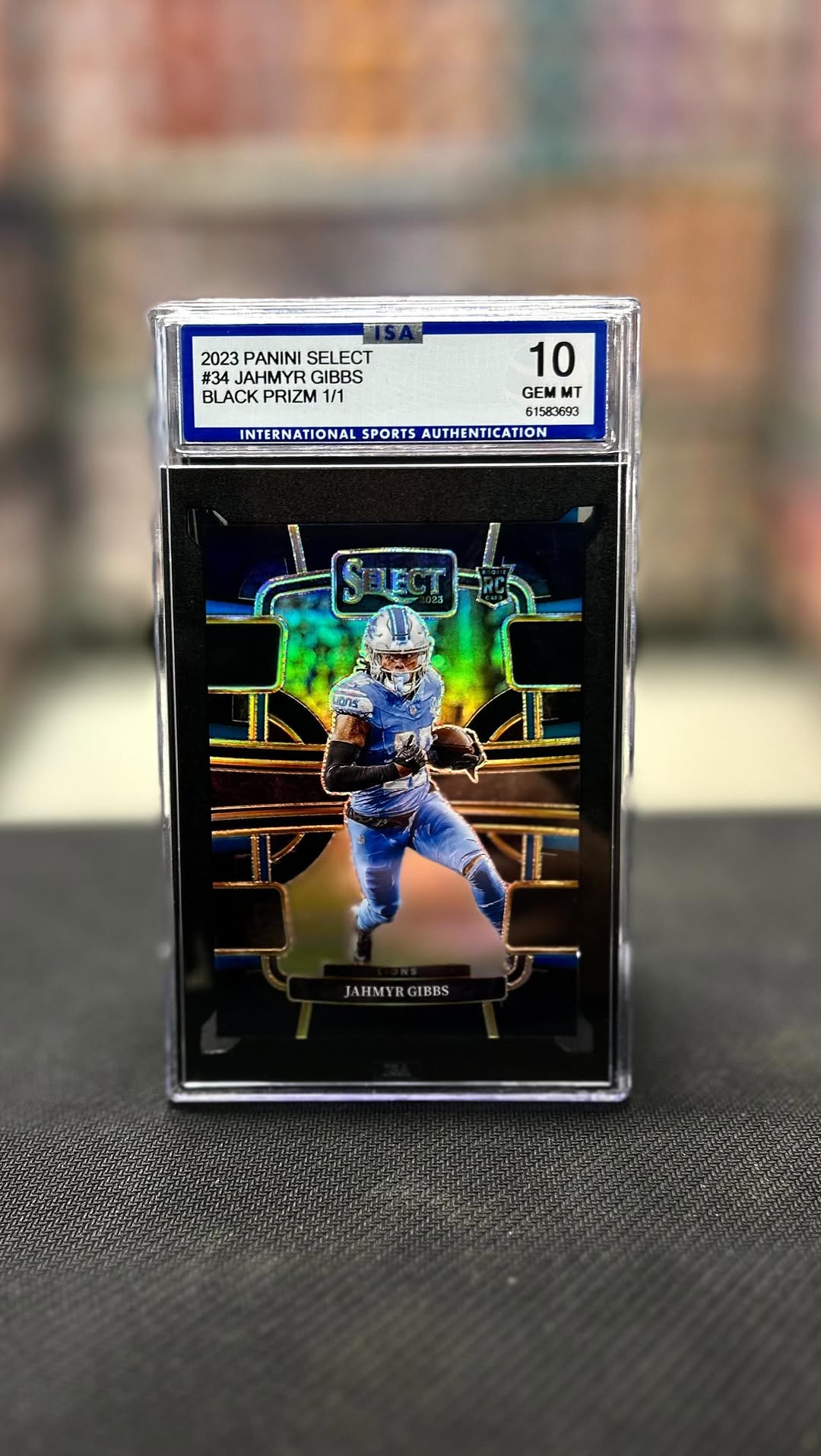
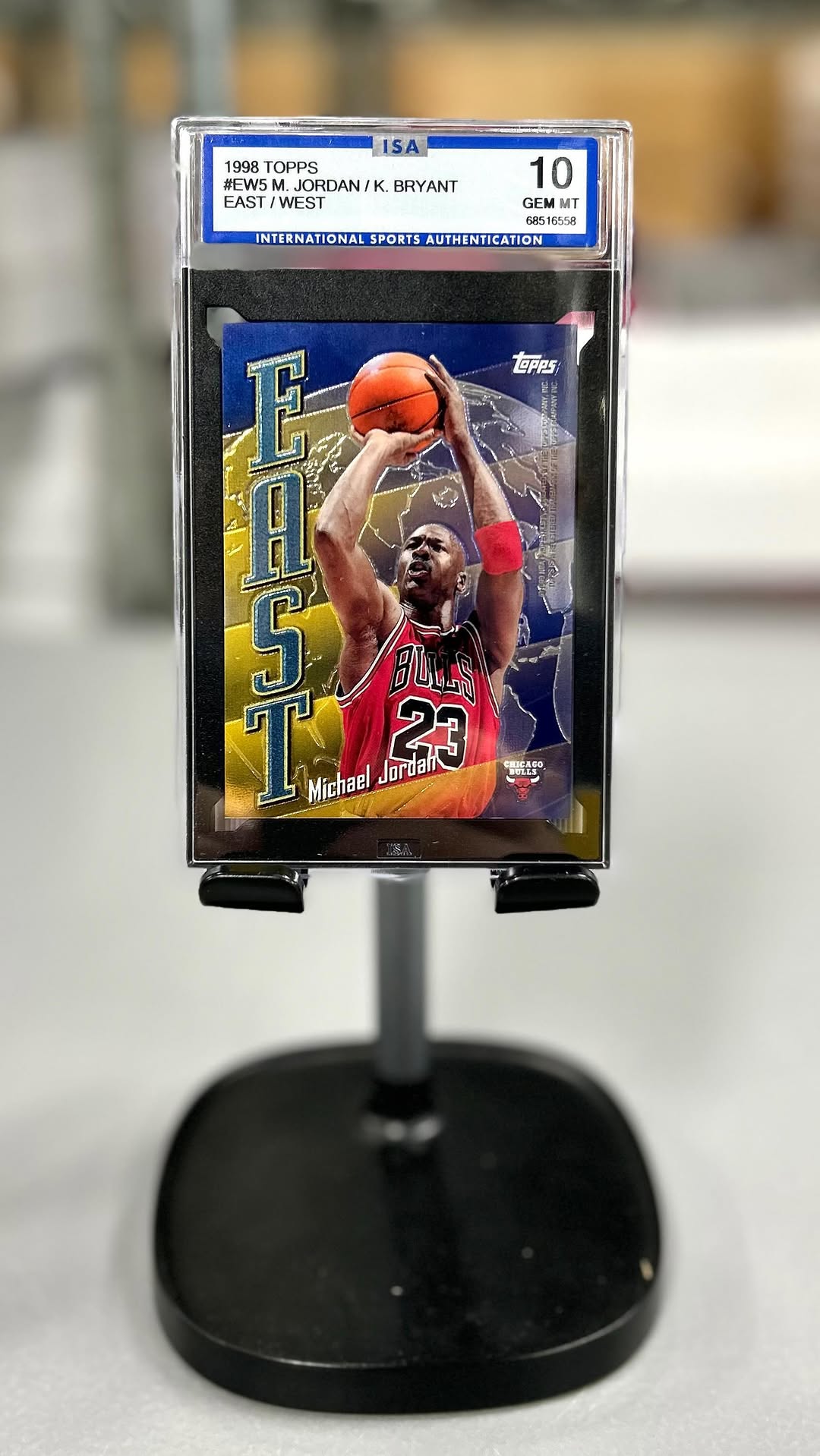
After grading, card encapsulation places a graded card in a protective holder commonly called a slab. Collectors often value slabs because they make a card easier to handle and present while keeping the grading information with the card. A slab is still a physical object that should be stored thoughtfully. Avoid unnecessary pressure, prolonged direct sunlight, and storage conditions that could harm your collection.
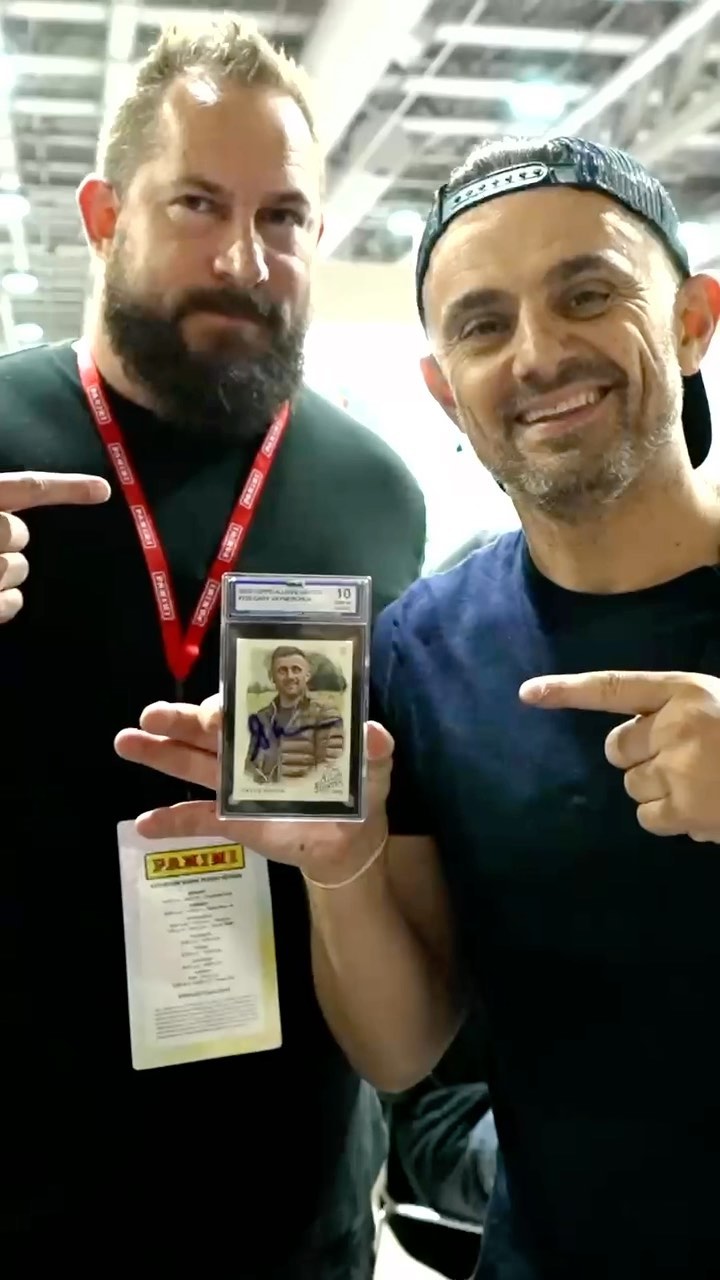
Certificate verification adds a practical check when you are reviewing or offering a graded card. ISA provides certificate verification on its website. When you receive your cards, compare each returned card and its identifying details with your records, then use the verification page to check the certificate information. If you later sell a card, a buyer can use the same resource as part of their own review.
Verification supports buyer confidence, but it does not replace good listing practices. Show clear images of the front and back of the slab, disclose any noticeable holder wear, and describe the card accurately. A grade is not a promise about future value or a guarantee that every buyer will agree on price. It is information that buyers can consider alongside the card itself, recent comparable sales, and their own preferences.
Plan for the cards after grading
If the cards are staying in your collection, decide where the slabs will live before they arrive. Grouping them by sport, player, set, or personal significance can make the collection easier to enjoy and manage. Keep your submission photos and certificate details with your collection records, particularly if you own similar cards that could be confused later.
If you intend to sell graded cards, review comparable listings and completed sales for the specific card and grade rather than assuming grading will create a profit. Account for the original card cost, the $15 grading fee per card, shipping, selling fees, and the time involved. A popular basketball card and a less sought after football card may call for different selling strategies even if both receive the same grade.
Presentation matters too. Use sharp photos, an accurate title, and a description that matches the card in the slab. Let buyers see relevant details rather than relying on a grade alone. If you are new to ISA and want to hear from other customers before submitting, you can read the reviews on ISA's website and weigh those experiences alongside the current service details.
A practical checklist before you send
- Choose at least 10 cards that fit a clear collecting or selling goal.
- Inspect centering, corners, edges, and surfaces under good light.
- Read the grading scale and keep grade expectations realistic.
- Confirm current pricing, eligibility, and submission instructions.
- Record and photograph every card in your order.
- Pack cards securely without placing adhesive against them.
- Keep copies of your order information and shipping record.
- Allow for transit when planning around the stated turnaround.
A thoughtful submission starts well before the package reaches ISA. Choose cards for a reason, protect them carefully, and use the published service details to set a realistic budget and timeline. If a card type, packing step, or timing detail is still unclear after you read the submission instructions, contact ISA before you ship.
Submit Cards to ISA Grading
Collectors ready to use ISA Grading can start on the submission page. The current active service is $15 per card with a 14 day turnaround, no upcharges, and a 10 card minimum.
Frequently Asked Questions
How much does it cost to submit cards to ISA?
ISA's current active service is $15 per card with a 10 card minimum and no upcharges. The grading charge for a 10 card submission is $150. Plan separately for shipping and any other costs associated with sending your cards.
Does ISA's 14 day turnaround include shipping?
ISA lists a 14 day turnaround for its current active service. Do not assume that this includes transit to and from ISA. Check the current submission information or ask ISA how the stated turnaround applies to your order.
What should I check before sending a card for grading?
Examine centering, corners, edges, and surfaces on both sides under good light. Record identifying details, photograph the card, and review ISA's grading scale. Avoid cleaning methods that could damage or alter the card.
Can buyers verify an ISA graded card?
Yes. ISA offers certificate verification on its website at /certificate-verification. Buyers should also review clear photos and the listing details when considering a graded card.
Can I include Pokemon or other trading cards in my submission?
Confirm current card eligibility with ISA before including Pokemon or other trading cards. The information in this guide does not establish that a particular non sports card type is accepted under the current service.