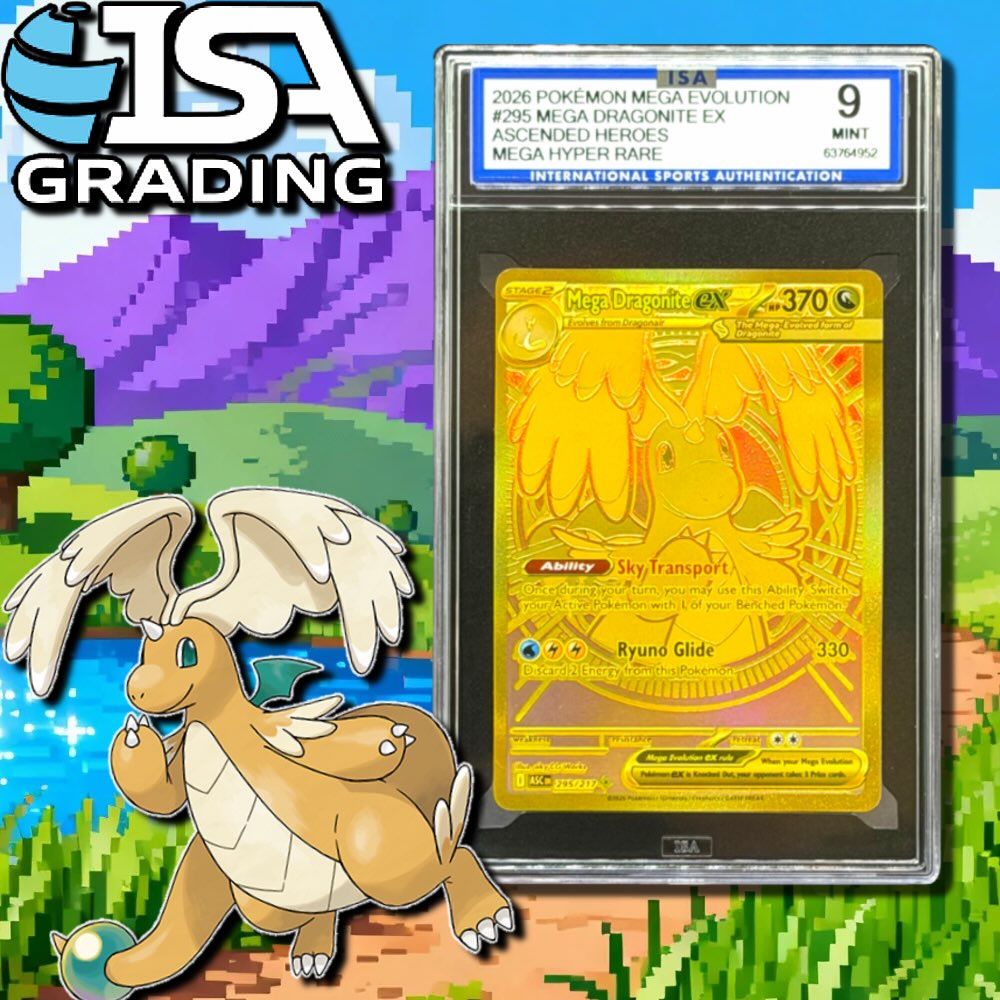
Preparing a grading order should be careful, but it does not need to be complicated. A consistent process helps protect your cards, keeps your paperwork organized, and makes it easier to decide which cards deserve a place in your submission.
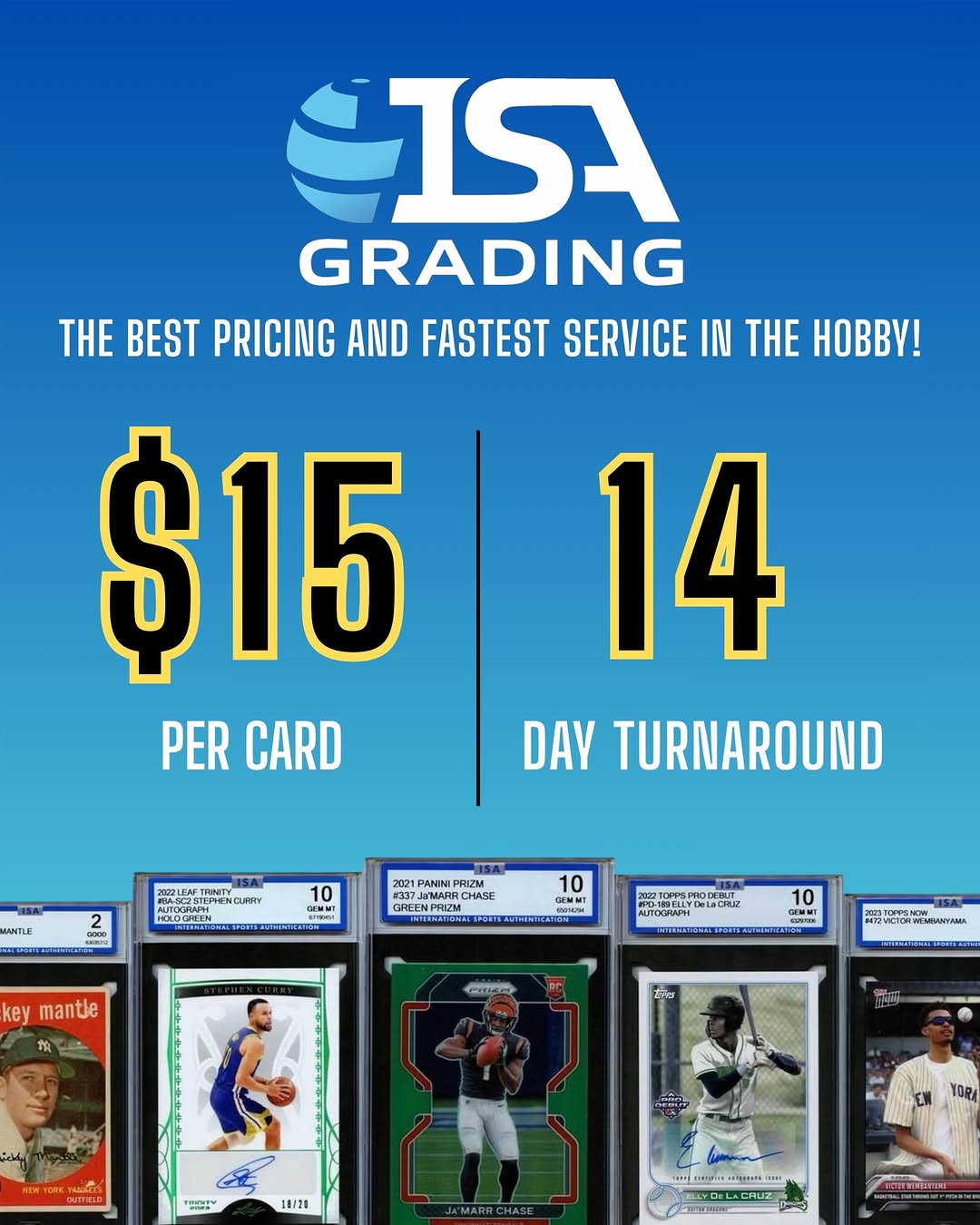
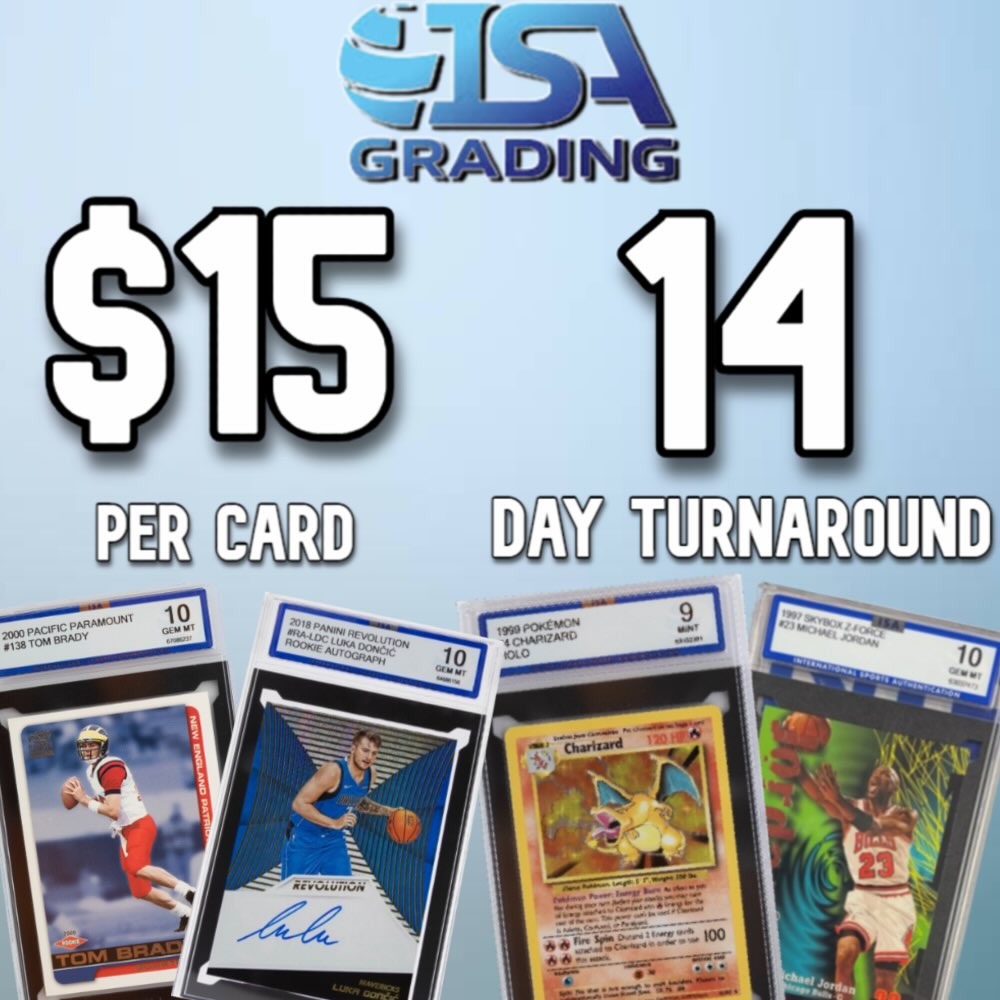
ISA Grading, also known as International Sports Authentication, currently offers sports card grading and authentication for $15 per card with a 14 day turnaround, a 10 card minimum, and no upcharges. If you are preparing your first ten card order, the steps below can help you move from a stack of raw cards to a secure, submission ready package.
Start with the current service details
Before selecting cards, confirm the grading service terms. Pricing clarity matters because grading expenses affect the total amount invested in each card. With ISA Grading's current service, ten cards cost $150 in grading fees. The service has a 14 day turnaround and no upcharges.
A 10 card minimum gives collectors a clear target. You can build the order from one sport, one player, or several parts of your collection. A dealer might submit ten cards intended for upcoming listings, while a collector might combine rookie cards, vintage cards, and personal favorites.
Review the ISA grading scale before making your selections. Understanding the grading categories will help you inspect your cards with realistic expectations. A card can have strong visual appeal while still showing issues under close examination.
Turnaround time is also part of submission planning. A 14 day turnaround can be important if you are preparing inventory for a card show, an online sale, or a collecting event. For more on how timing can affect a sale, read The Hidden Cost of Waiting: Why Grading Turnaround Shapes Every Card Sale.
Choose ten cards with a purpose
A good submission begins with intentional card selection. Avoid filling the final spots simply because the service requires ten cards. Each card should have a reason for being graded, even if that reason is personal rather than financial.
Common reasons to grade a card
- Protection: Card encapsulation can reduce direct handling and help protect a card from routine contact, dust, and accidental fingerprints.
- Authentication: Card authentication can provide added information for buyers evaluating an unfamiliar or frequently counterfeited issue.
- Condition documentation: An assigned grade creates a standardized condition reference for your collection or sales inventory.
- Buyer confidence: A graded card with certificate verification gives a prospective buyer another way to review identifying information.
- Organization: Trading card slabs can make valuable cards easier to label, sort, display, and inventory.
For rookie card grading, consider the player's collector demand, the card's condition, and your reason for submitting. A star rookie in excellent condition may be an obvious candidate, but a lower grade can still be meaningful for a scarce vintage issue or a card with sentimental value.
The same decision process applies to baseball card grading and football card grading. Consider the specific set, print quality, known condition challenges, and likely audience. If you also collect gaming cards, many of the same handling principles apply before TCG card grading, though you should confirm service eligibility before submitting.
Create a clean inspection area
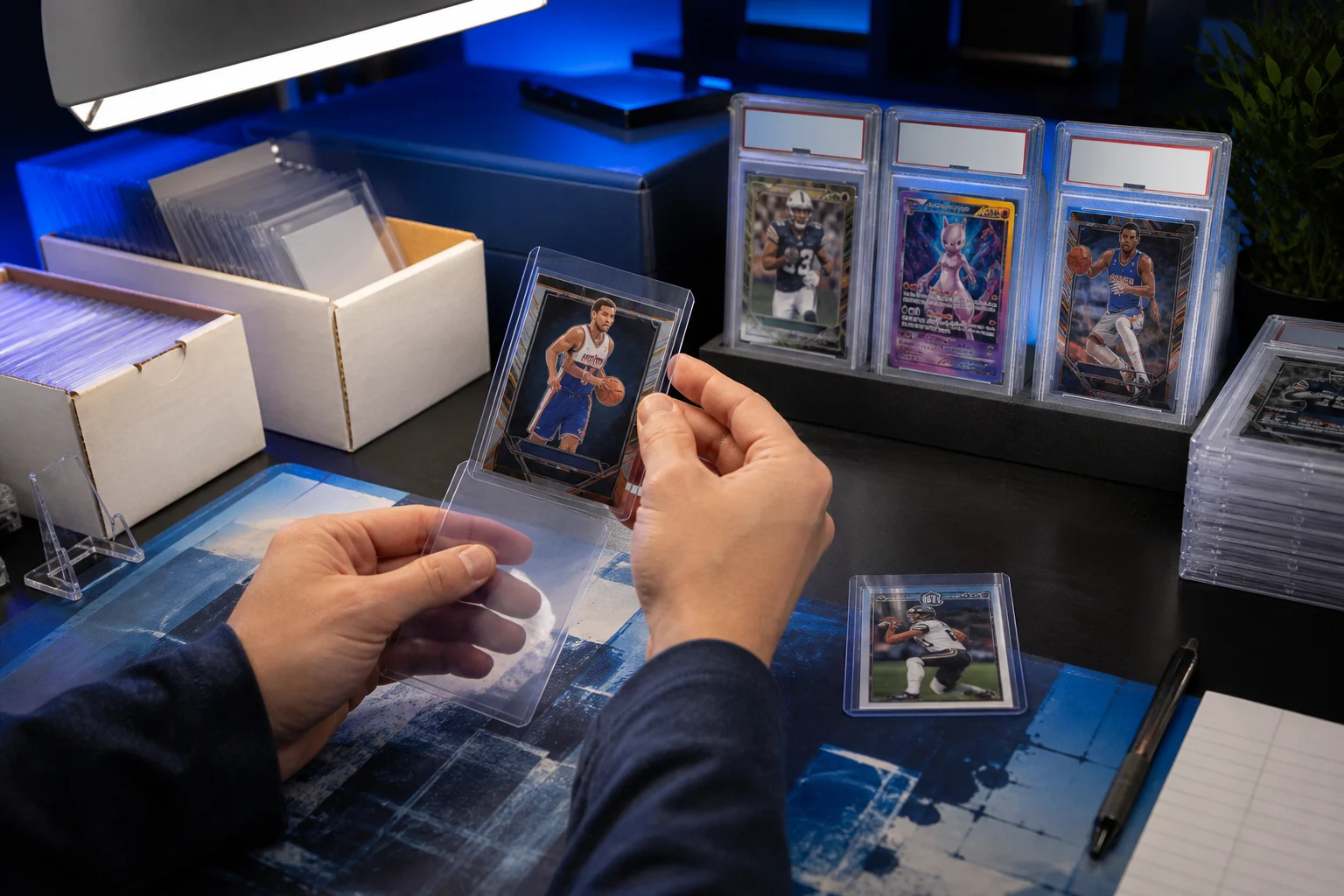
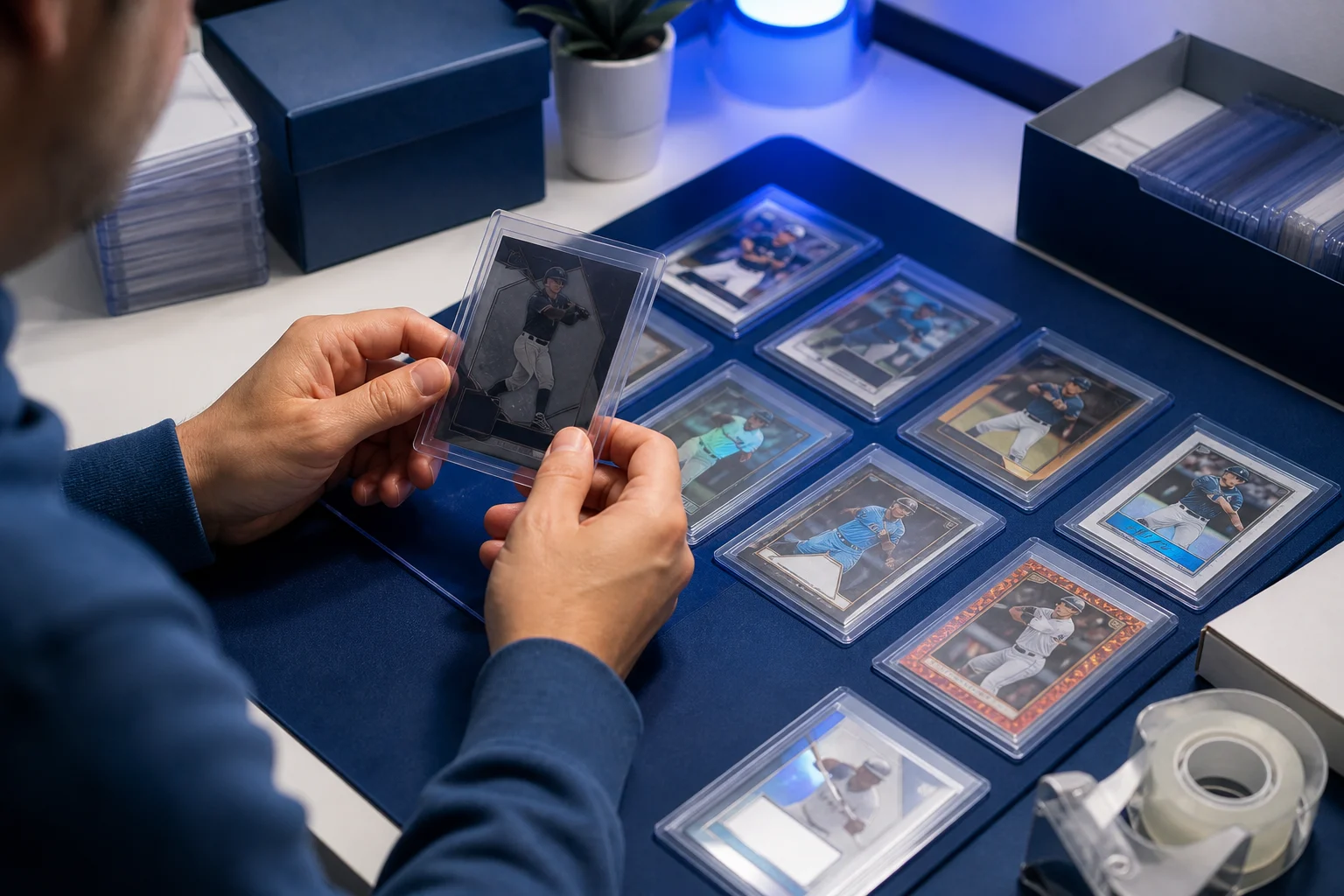
Prepare your cards on a clean, dry, stable surface. Keep food, drinks, tape, open markers, and loose debris away from the work area. Wash and dry your hands before handling cards, and hold each card carefully by its edges whenever possible.
Use bright, even lighting. A movable light can help reveal scratches, dents, print lines, residue, and surface impressions that are difficult to see from one angle. A magnifying tool may be useful, but it should support your inspection rather than create unrealistic expectations about microscopic imperfections.
Place one card at a time on the inspection area. This reduces the chance of mixing cards, scratching surfaces, or placing one raw card directly on another.
Inspect the four major condition areas
Most collectors begin grading preparation by reviewing card centering, card corners, card edges, and the card surface. Inspect both the front and back. A clean front does not erase wear, staining, or print problems on the reverse.
Card centering
Compare the visible borders from left to right and top to bottom. Some designs have clear border lines, while full art or borderless cards require you to use design elements, logos, or background features as reference points. Check the back separately because front and back centering can differ.
Card corners
Look at every corner under direct and angled light. Watch for whitening, soft tips, bends, fraying, and compression. Modern cards may have sharp front corners but small areas of chipping on the back. Vintage cardboard can show natural age related wear, so evaluate it within the context of the issue rather than comparing it only with a new card.
Card edges
Rotate the card slowly and inspect all four edges. Look for chipping, rough cuts, peeling layers, dents, and color loss. Foil cards and dark bordered sets can make edge wear especially visible. Do not attempt to trim or recolor an edge.
Card surface
Angle the card under light to identify scratches, scuffs, dimples, indentations, creases, stains, print lines, or loss of gloss. Chrome and foil surfaces often reveal fine scratches only when viewed from the correct angle. On older cards, inspect for wax, gum, paper loss, writing, or discoloration.
Vintage card grading requires extra care because older stock can be more fragile and may have condition characteristics specific to its era. Before submitting older material, review Vintage Cards, Clear Standards: What to Expect Before Grading.
Do not alter a card to improve its appearance
Grading preparation should focus on inspection, documentation, and protection. It should not involve changing the card. Avoid trimming, pressing, recoloring, sanding, rebuilding corners, applying gloss, or using chemical cleaners.
Even casual cleaning can create risk. Aggressive wiping may scratch a glossy surface, spread residue, or damage fragile paper. If a card appears dirty, stained, or altered, the safest preparation choice is often to leave it alone and account for the issue when deciding whether to submit it.
Modern cards can also be damaged by attempts to remove fingerprints. If you are not certain that a handling method is safe for the specific surface, do not experiment on a card you plan to grade.
Rank and document your ten cards
Once the inspection is complete, assign each card a submission number from one to ten. Keep the cards in the same order used on your submission paperwork. A simple inventory should include the year, manufacturer, set, player, card number, and any relevant parallel or variation.
Take clear photographs of the front and back before packing. These images create a personal inventory record and can help you confirm which copy was submitted when you own duplicates. Photograph serial numbers and other distinguishing details when applicable.
You may also record your own condition notes. For example, you might note slight back edge wear, strong centering, or a visible print line. These notes are not a prediction or guarantee of a grade. They simply help you compare your original inspection with the completed result.
Use appropriate card protection
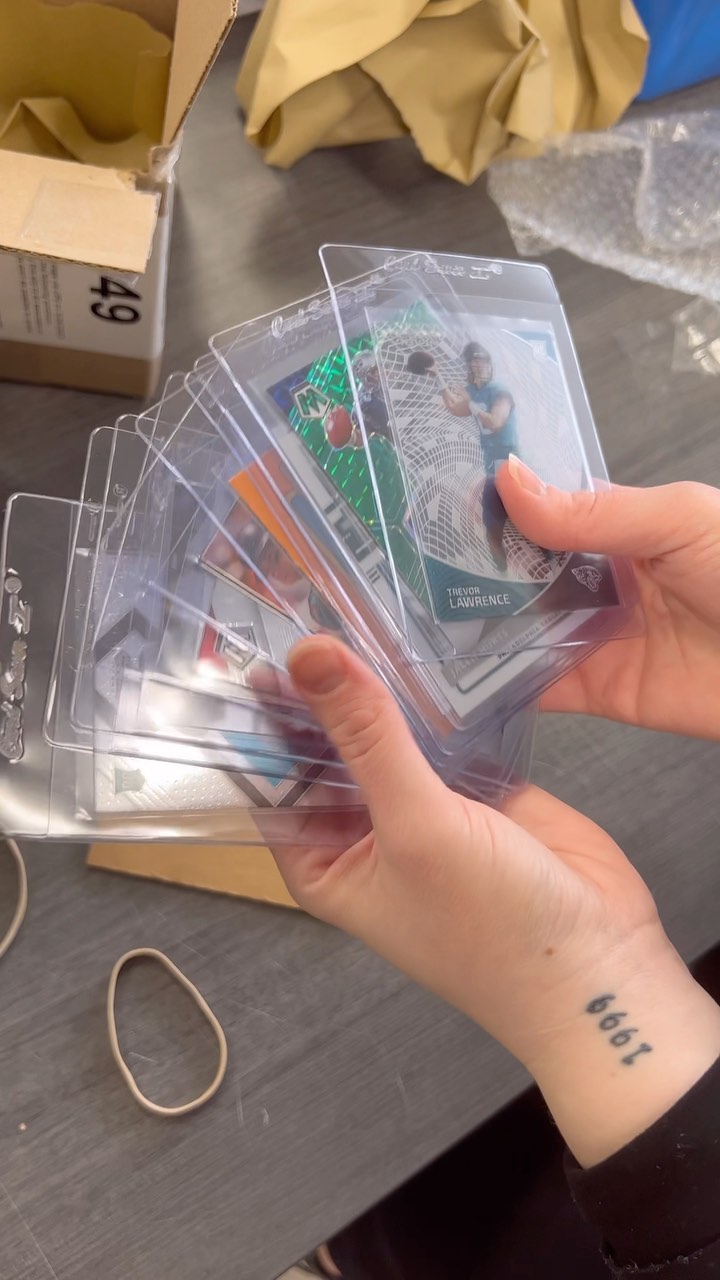
Each card should be protected individually before it enters the shipping box. A common approach is to place the card in a clean soft sleeve and then in a semi rigid card holder. The sleeve helps prevent direct surface contact, while the outer holder adds support.
Insert the card slowly and never force it into a holder that is too tight. Make sure the sleeve is fully open before sliding the card inside. For thicker cards, use protection designed for the card's actual thickness.
Avoid placing adhesive tape directly over an opening where it could contact the card. If you use a removable pull tab, make sure it does not touch the card or create pressure against the surface. The goal is secure protection and straightforward handling, not excessive packaging around each individual card.
Complete the submission carefully
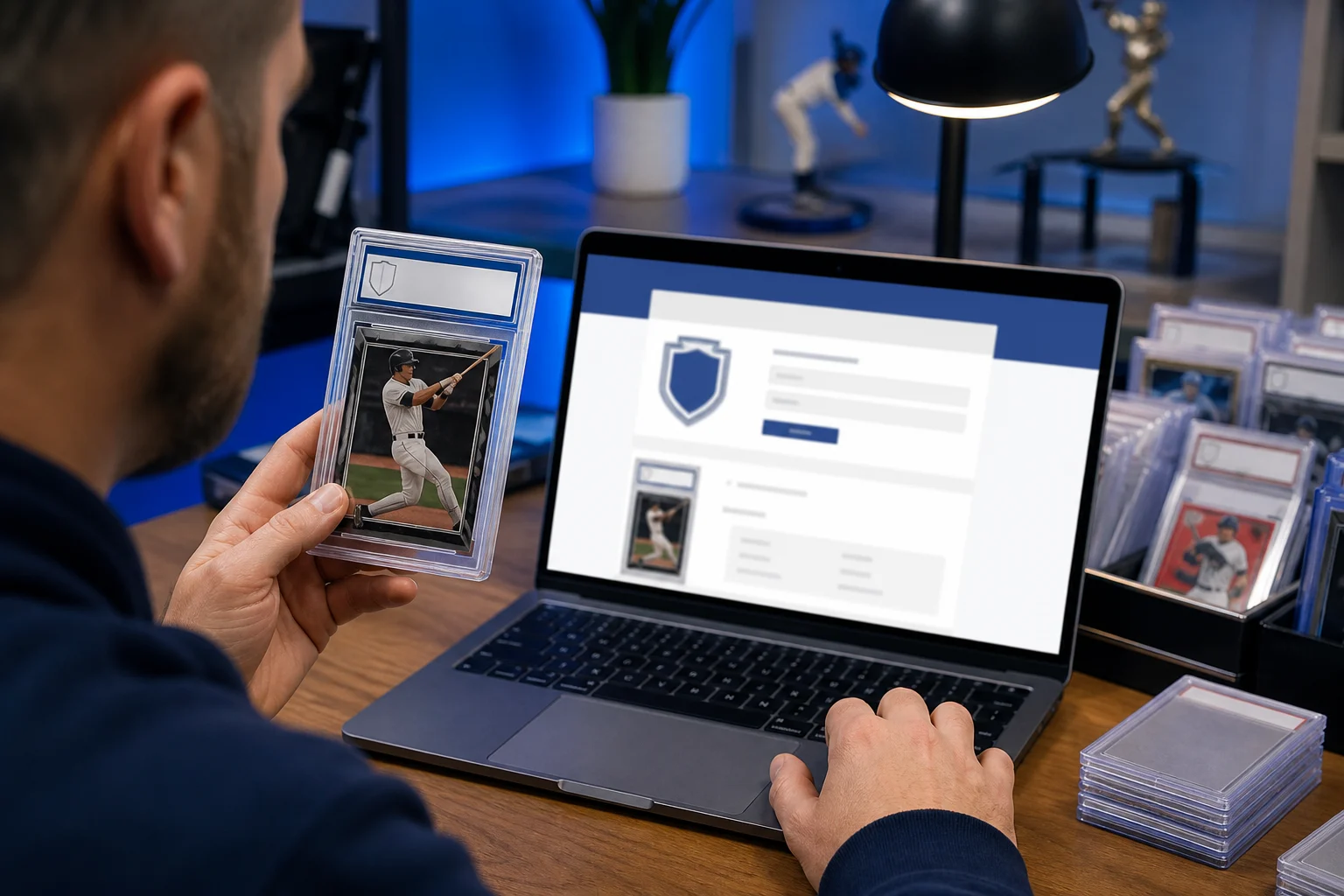
Visit the ISA submission page and enter the requested information accurately. Confirm that the number of cards on the form matches the number in your package. Review names, card years, set details, and contact information before completing the order.
Keep a copy of your submission information for your records. If you regularly grade inventory, create a spreadsheet that tracks the submission date, grading fees, shipping costs, card details, completed grades, and eventual sale prices. This gives dealers and hobby sellers a clearer picture of the total cost attached to each card.
Collectors searching for a fast card grading option often focus on the advertised turnaround alone, but preparation accuracy also matters. An organized order, readable details, and cards packed in matching sequence make the submission easier to track from your side.
Pack the cards for shipping
After placing all ten cards in individual holders, group them together without applying excessive pressure. Use sturdy cardboard or another firm support around the stack, then secure the group so the cards do not shift freely. Do not tighten bands or tape to the point that holders bend.
Place the protected stack inside a sturdy shipping box with appropriate cushioning. Fill empty space so the contents cannot move significantly during transit. Keep paperwork protected and positioned where it can be found without risking damage to the cards.
- Confirm that all ten listed cards are present.
- Check that every card is sleeved and held securely.
- Verify that the package includes the required submission information.
- Cushion the stack on all sides.
- Seal the outer box securely.
- Use a shipping method that provides tracking.
- Keep the receipt and tracking number with your submission records.
Consider shipping value and available carrier coverage when choosing a service. No shipping method can remove all risk, but sound packaging, tracking, and accurate records provide a stronger process.
Plan for the 14 day turnaround
ISA Grading's current active service has a 14 day turnaround. Use that timeframe when planning listings, shows, or customer commitments, but avoid advertising a specific graded card for immediate delivery before it has returned and you have verified its condition.
The current $15 per card price and no upcharges provide clear grading cost information at the start of the order. That clarity helps sellers calculate the amount invested in a card before setting a target sale price.
If you are asking, “Where should I grade my cards?” compare services based on current pricing, stated turnaround, authentication, holder presentation, verification tools, and suitability for your collecting goals. The best card grading service for a particular submission should fit both the cards and your intended use.
Review the slabs when they return
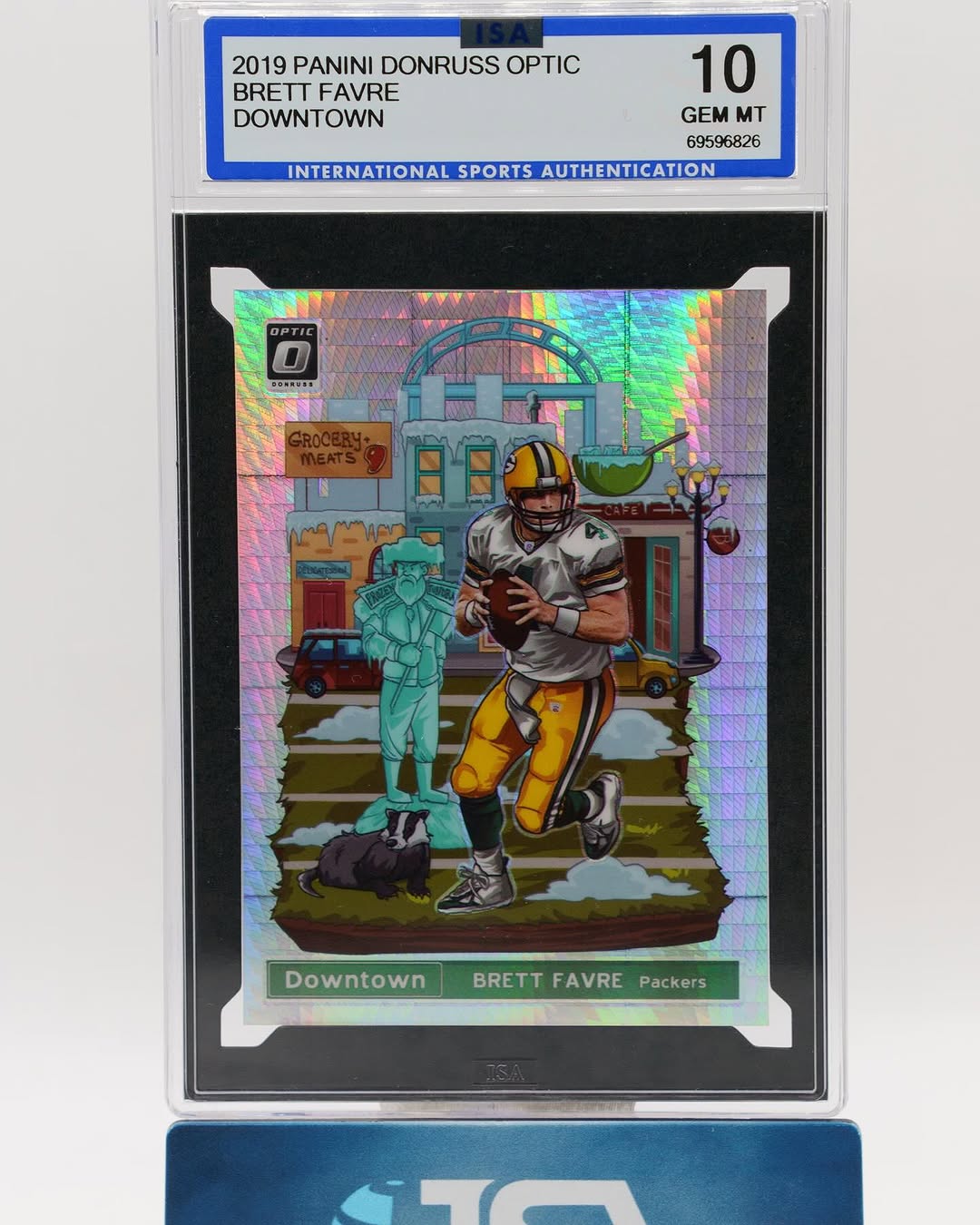
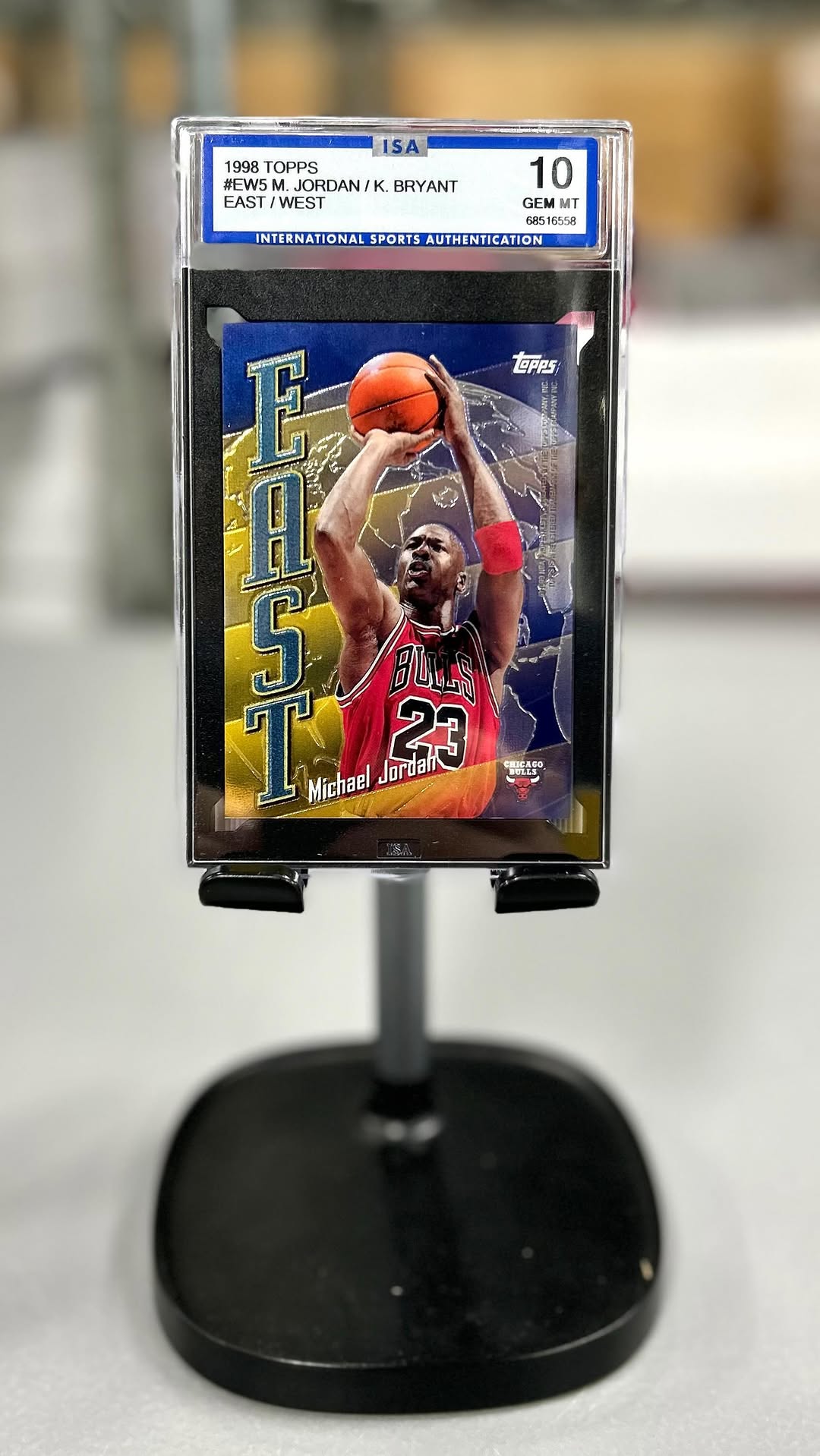
When the order returns, compare the cards with your submission inventory. Review each label for the card description and grade, then inspect the slab for any shipping damage. Card encapsulation adds meaningful handling protection, but trading card slabs should still be stored carefully. Avoid prolonged exposure to moisture, high heat, and direct sunlight.
Use ISA's certificate verification tool to check the identifying information associated with a graded card. Verification can be useful for your collection records and when preparing a card for sale.
For a closer look at how holders and verification support safer handling and sales, read Inside the Slab: Protection, Verification, and Smarter Card Sales.
Prepare graded cards for sale
When selling graded cards, use clear photographs of the slab's front and back. Show the label, grade, card, and overall holder. Avoid heavy filters or lighting that hides surface details. Include the certification number so a buyer can use certificate verification independently.
Describe the item accurately and distinguish the card's assigned grade from the physical condition of the outer holder. If the slab has storage wear, disclose it. Buyer confidence grows when listing photographs, certification details, and written descriptions are consistent.
Research recent sales of the same card in the same grade when possible. Asking prices are not the same as completed sales, and values can change with player performance, collector interest, scarcity, and broader market conditions. You can also visit the ISA reviews page to read feedback from other customers.
A repeatable ten card checklist
- Select ten cards with a clear collecting, protection, authentication, or resale purpose.
- Review the grading scale and current service details.
- Inspect card centering, card corners, card edges, and card surface.
- Check both the front and back under bright, angled light.
- Avoid cleaning methods or alterations that could damage the card.
- Record each card's identifying information and photograph it.
- Place every card in a clean sleeve and appropriate protective holder.
- Keep the cards in the same order as the submission form.
- Pack the stack securely in a sturdy, cushioned box.
- Save your submission records and shipping tracking information.
A well prepared submission protects your cards before grading and gives you better records after they return. With ten carefully selected cards, accurate documentation, secure packaging, and a plan for verification or resale, you can approach sports card grading with greater confidence and fewer preventable complications.
Submit Cards to ISA Grading
Collectors ready to use ISA Grading can start on the submission page. The current active service is $15 per card with a 14 day turnaround, no upcharges, and a 10 card minimum.
Frequently Asked Questions
What is the minimum number of cards for an ISA Grading submission?
ISA Grading currently has a 10 card minimum. At the current rate of $15 per card, the grading fees for a ten card submission total $150, with no upcharges.
How should I protect cards before submitting them?
Place each card in a clean soft sleeve and an appropriately sized semi rigid holder. Use holders made for thicker cards when necessary, and never force a card into protection that is too tight.
How long does an ISA Grading submission take?
ISA Grading's current active service has a 14 day turnaround. Collectors and sellers should consider that timeframe when planning shows, listings, or inventory updates.
Should I clean my cards before grading?
Avoid chemicals, aggressive wiping, trimming, recoloring, pressing, or other methods that could alter or damage a card. Preparation should focus on careful inspection, documentation, and secure protection.
How can buyers verify an ISA graded card?
Buyers and sellers can enter the card's certification information on the ISA certificate verification page. This provides an additional reference when reviewing or listing a graded card.