If you’ve searched for “PSA shutting down,” start by checking whether there’s an actual change to the service you plan to use. A rumor, a temporary pause in new submissions, and a longer turnaround are three different things. None automatically means PSA is closing. But if your preferred service is unavailable when you need it, you still have a decision to make: wait, send selected cards to another grader, or keep them raw.
The right choice depends on what you want from grading. A dealer preparing for a show has different priorities from a collector protecting a family card. Start with the cards that have a clear reason to leave your collection or go into a slab.
Verify the submission status before changing your plans
If PSA shutdown concerns are circulating in collector groups, look for a dated notice from PSA and check its submission portal. Read the scope carefully. An update might apply to one service level, a particular type of submission, or new orders only. A screenshot without a date or a post from a group submitter may not tell you what’s available through other channels.
If your cards are already in transit or received, look for instructions specific to existing orders. Keep your tracking number, order confirmation, and card inventory. If you submitted through a shop or group, ask whether the cards are still with the submitter or have been forwarded. That distinction tells you who can confirm their location and whether there’s anything you need to do.
Decide which cards to grade, hold, or sell raw
Before picking a PSA alternative, write down what grading would do for each card. If the answer is only “I’ve been meaning to grade my cards,” there’s no need to ship the whole stack. Start with cards where authentication, condition assessment, or protection would serve a specific purpose.
- Grade now: Prioritize a card you need authenticated before listing, a clean rookie you plan to take to a show, or a personal collection card you want encapsulated.
- Hold: Set aside cards where matching the slabs in an existing set matters, where buyers in your market tend to prefer a particular grading label, or where there’s no deadline.
- Sell raw: Consider this when comparable sales don’t suggest enough of a grading premium to cover fees, shipping, and the chance of a lower grade than you expect.
Use recent completed sales rather than asking prices. Match the year, set, player, card number, and parallel before drawing a comparison. A numbered refractor and a base rookie can look similar in small listing photos but command very different prices. If the slab matters to your buyer, compare sales by grading company as well as by grade. A matching number on two labels doesn’t guarantee a matching sale price.
Compare price, turnaround, and the size of your order
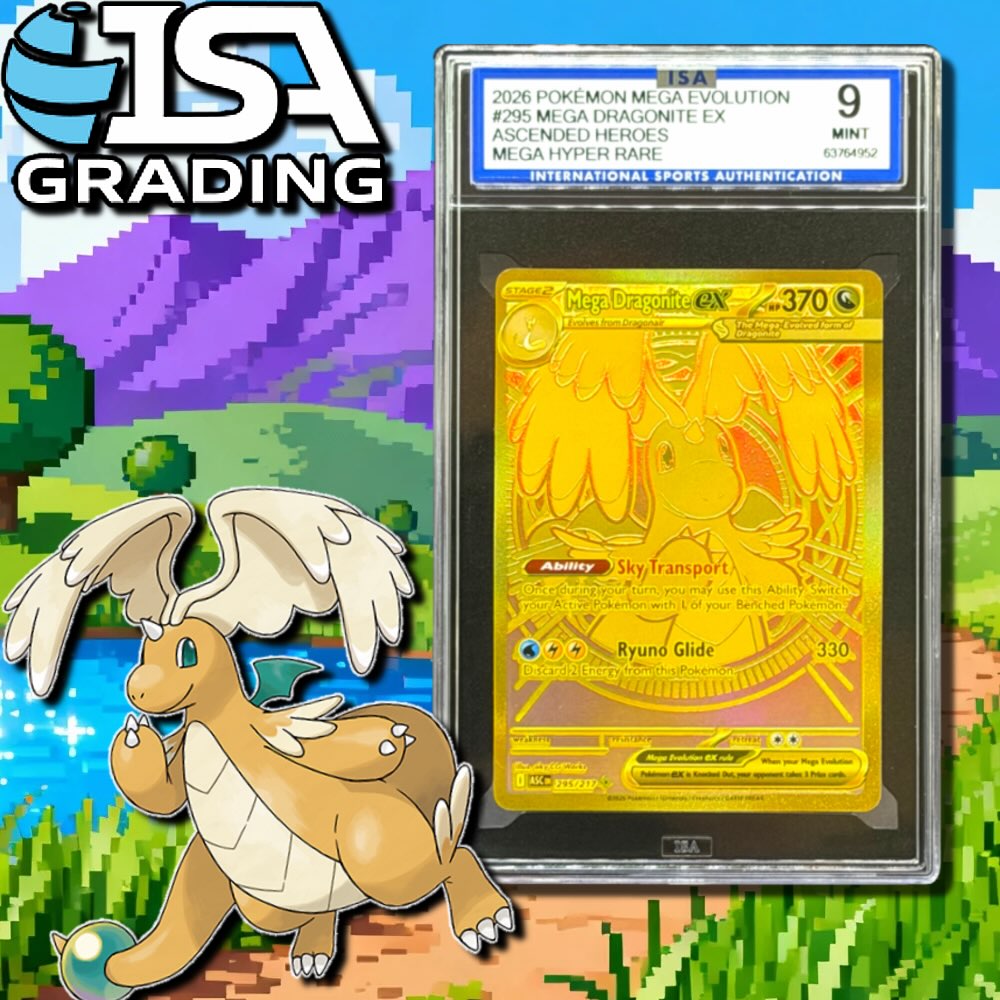
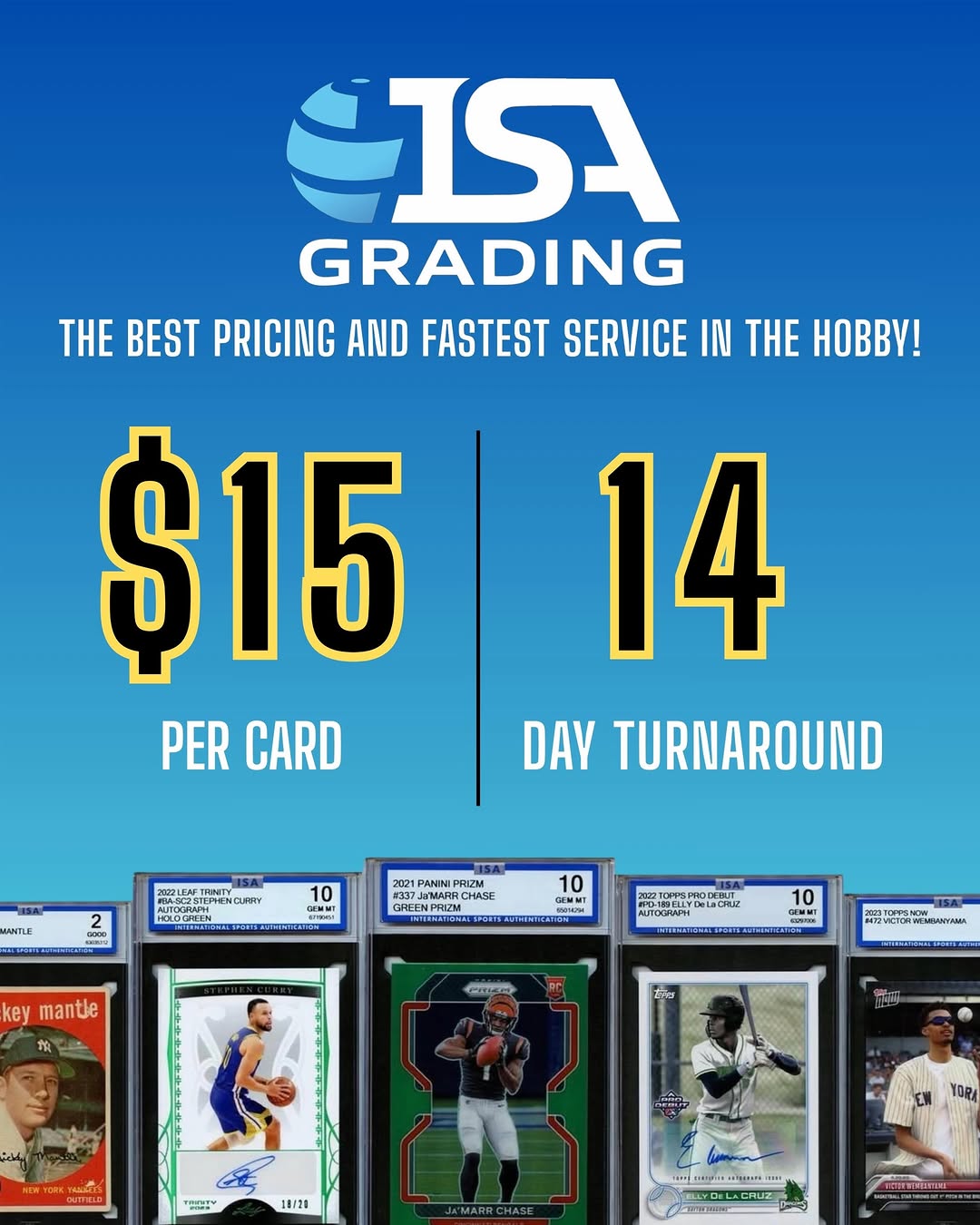
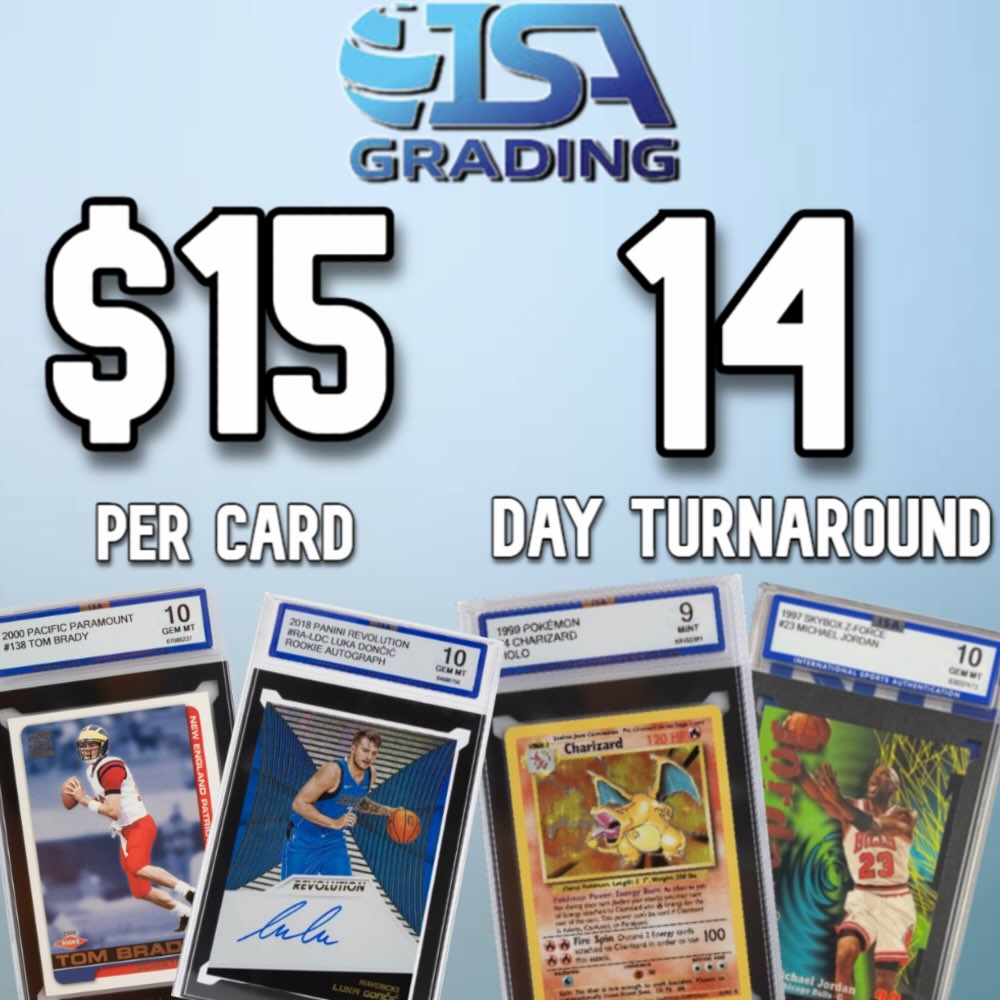
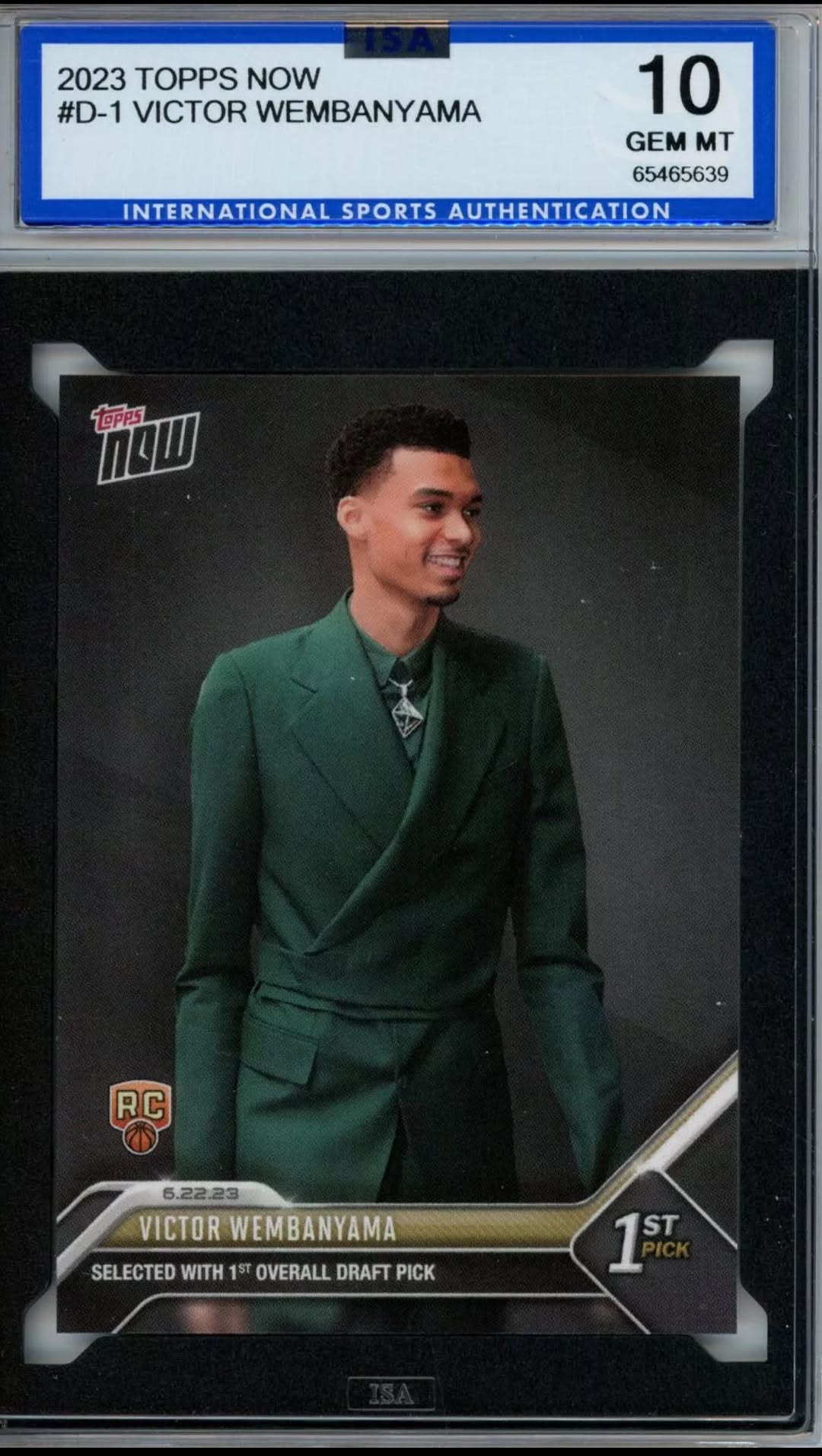
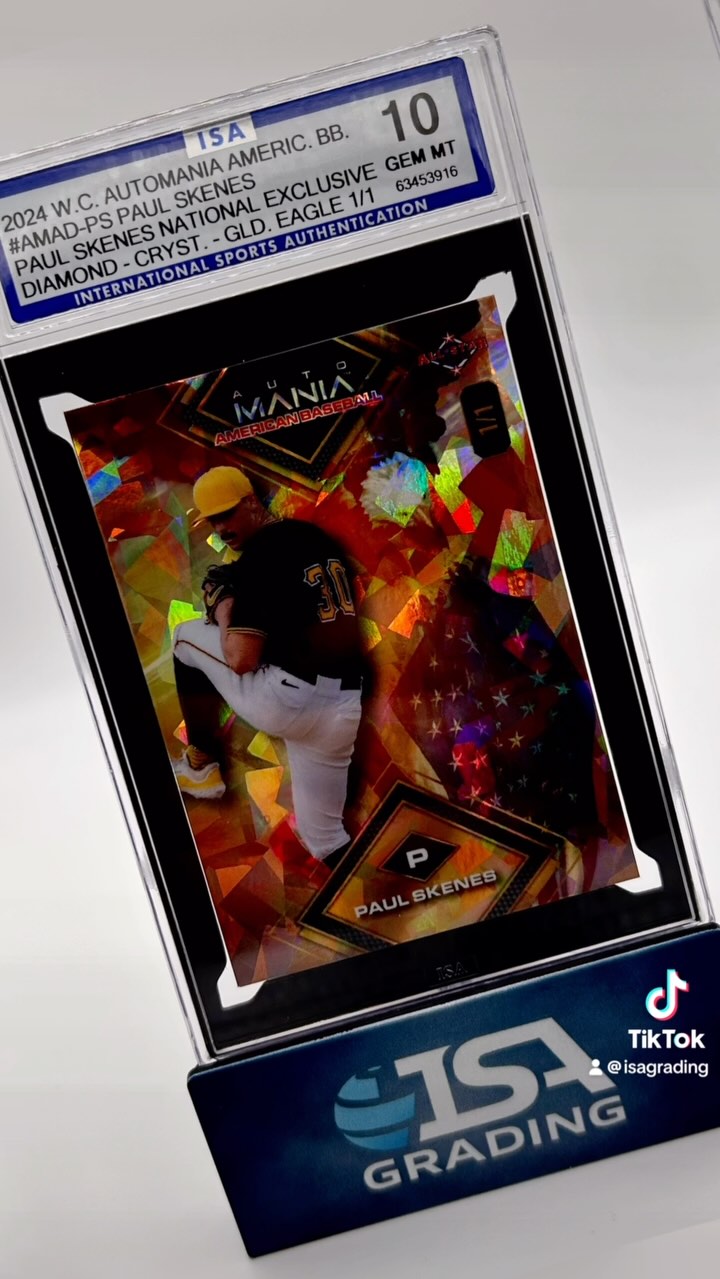
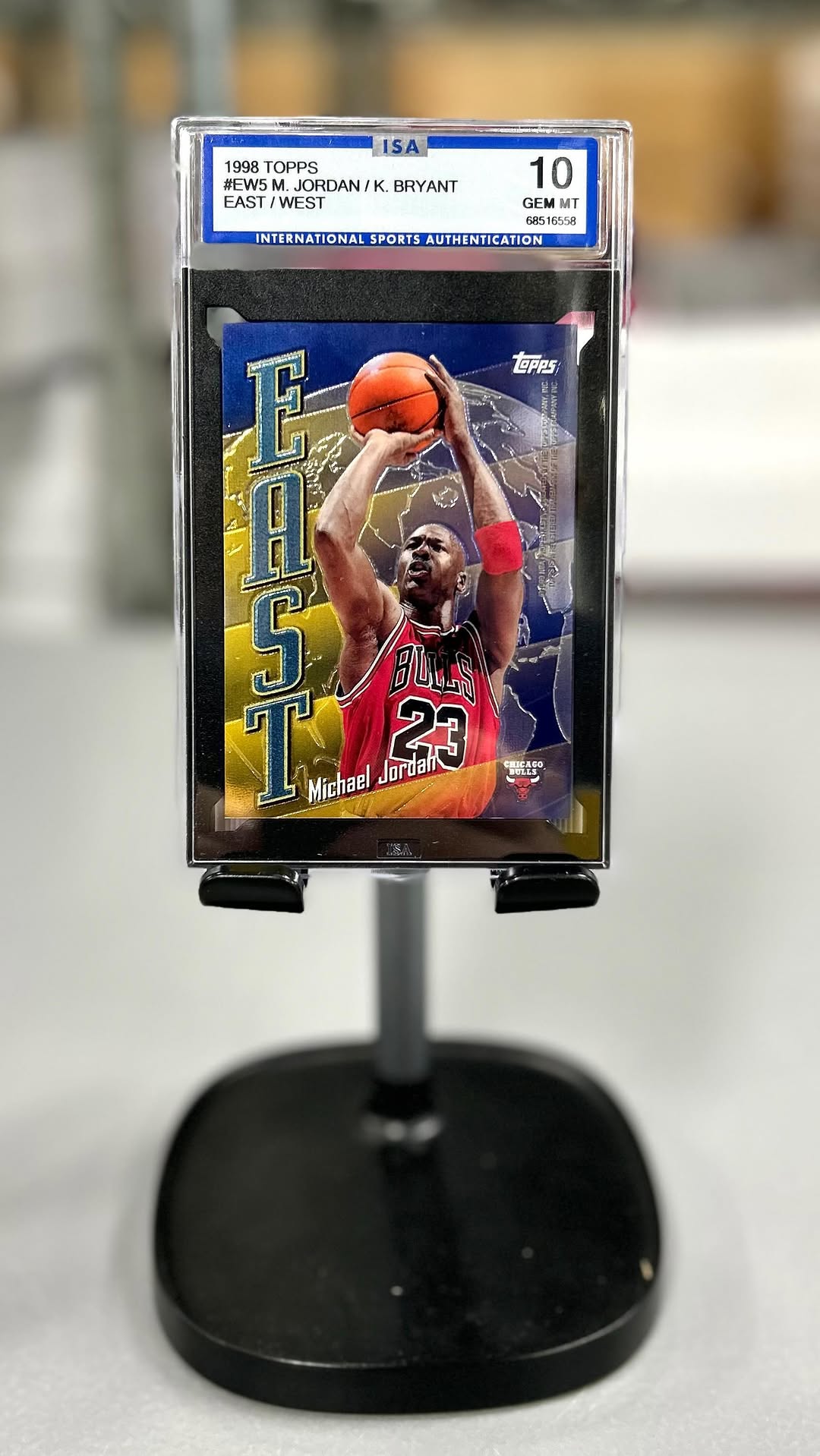
ISA Grading, also known as International Sports Authentication, offers sports card grading and sports card authentication. Its current active service is $15 per card, with a 14 day turnaround, a 10 card submission minimum, and no upcharges. At the minimum, that’s $150 in grading fees before any applicable shipping costs. No upcharge card grading makes the grading fee easy to calculate, but it doesn’t remove the need to budget for shipping and any insurance you choose.
A 14 day card grading turnaround is useful when you’re making an inventory plan, but don’t interpret it as a promise that your cards will be back in your hands 14 days after you mail them. If you’re looking for fast card grading before a show or another fixed date, check when the turnaround starts and how outbound and return shipping affect your schedule. Leave room to photograph and list the cards once they’re back.
The 10 card minimum is worth weighing on its own. A dealer may already have enough cards with a clear grading case. If you have only three, adding seven low priority cards can make the order cost more than it’s worth to you. You can wait until you have a stronger batch, keep those cards protected in the meantime, or review other options that fit a smaller order. Check the ISA grading FAQ for submission questions before committing a batch.
Inspect the cards before you pack them
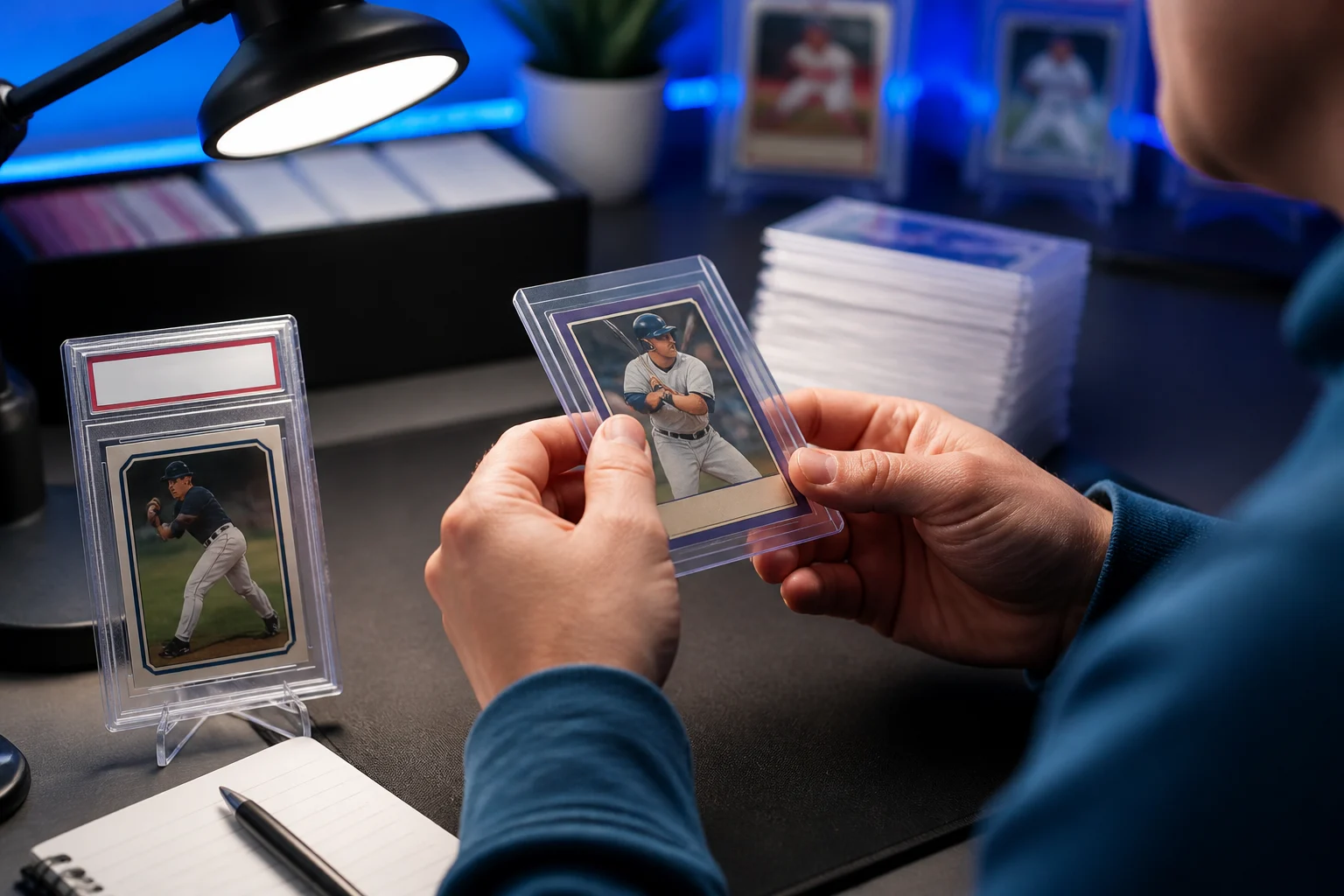
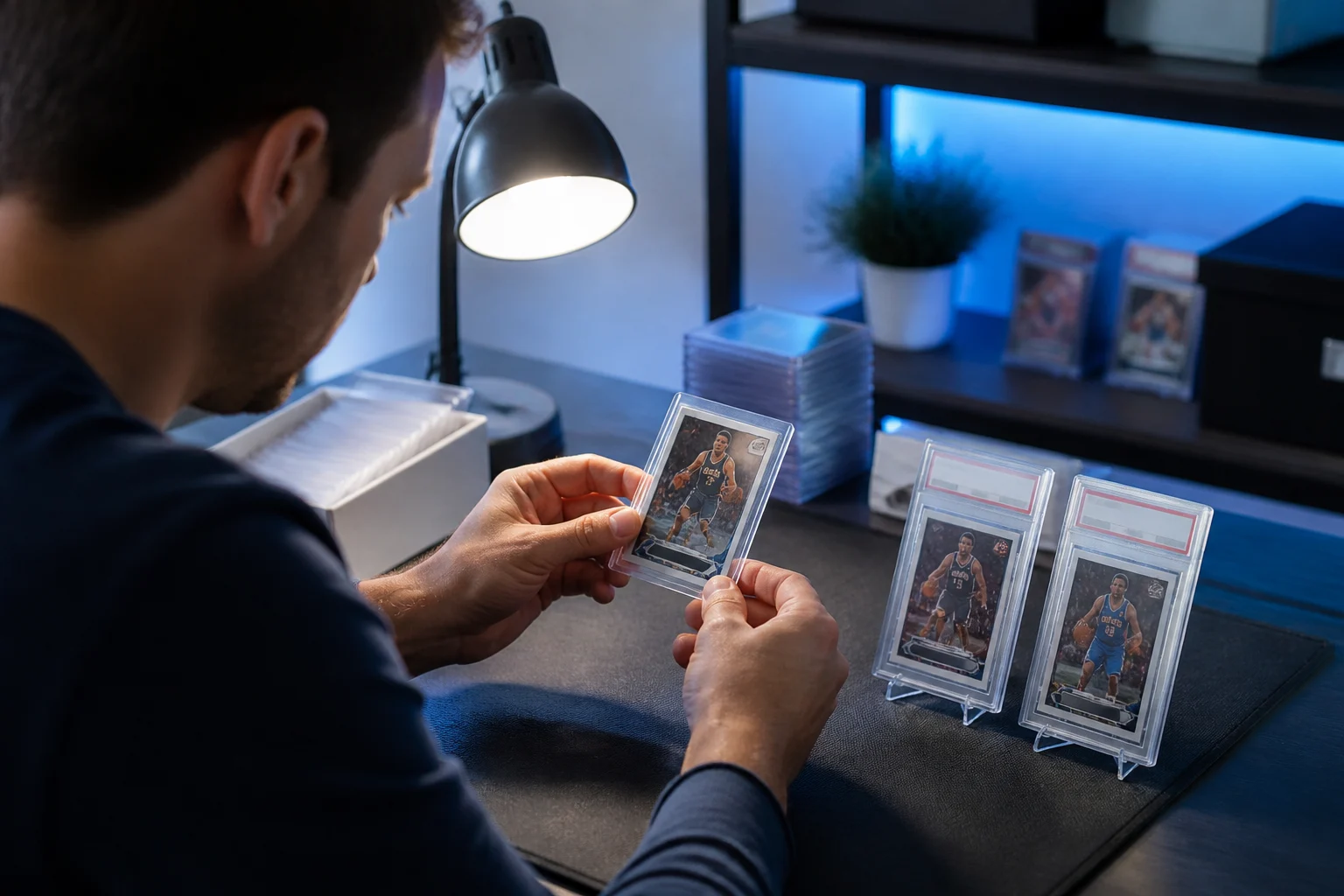
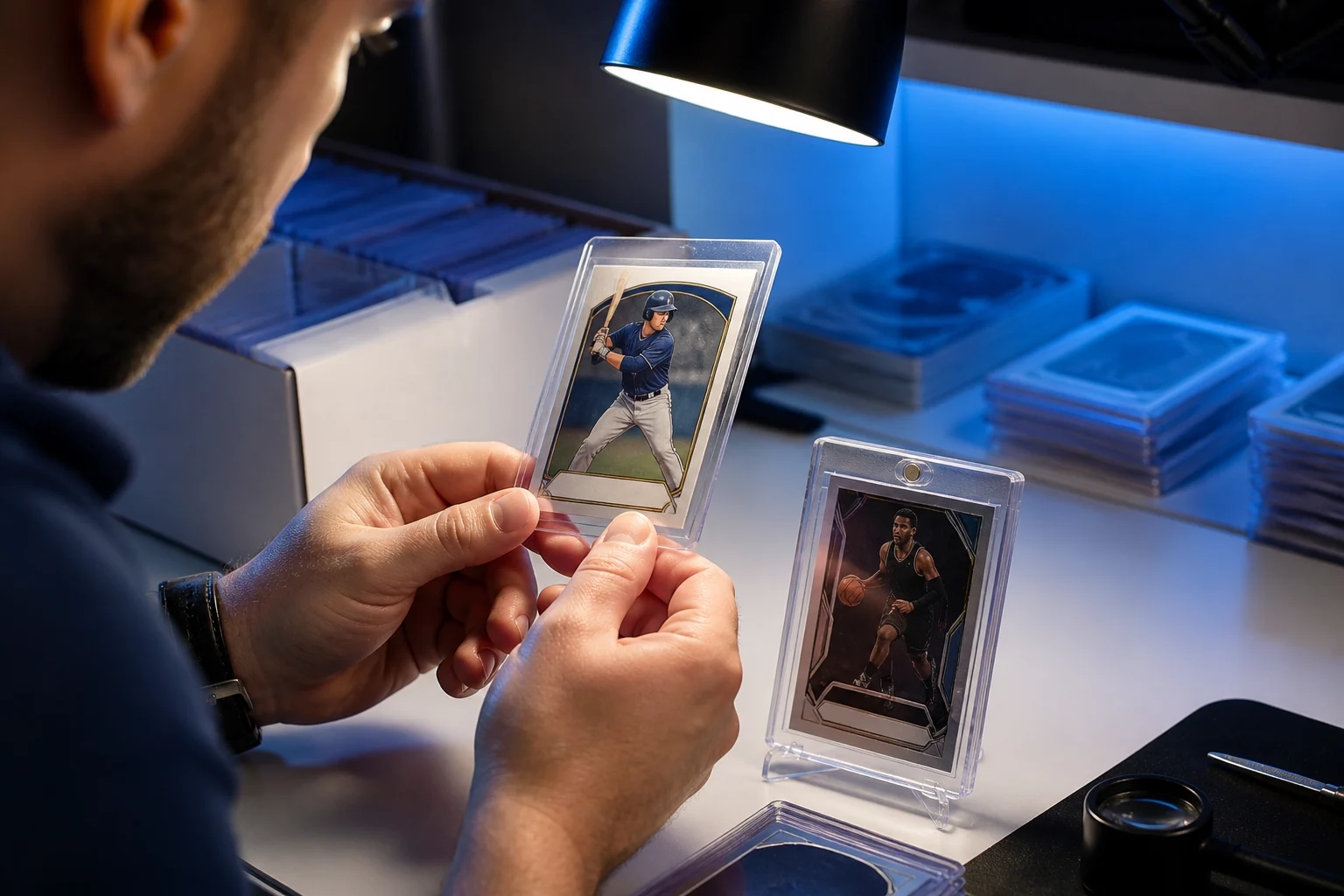
Grading preparation starts under good light, not at the shipping counter. Handle cards by the edges with clean, dry hands. Look at both sides and tilt each card under a lamp to reveal flaws that may not show up when it’s lying flat. Don’t polish the finish, press a crease, or try to trim an edge. The goal is to understand what you’re sending, not to change its condition.
Look at corners, centering, edges, and surface
- Card corners: Look for whitening, rounding, or a slight bend. Check the back as well, especially if the front has a light border that can hide wear.
- Card centering: Compare the left and right borders, then the top and bottom, where the design allows. Don’t assume a borderless card is perfectly centered just because the offset is harder to see.
- Edges: Check for chips, rough spots, and visible damage along all four sides. Dark borders and foil edges often show wear clearly.
- Card surface: Tilt the card to spot scratches, print lines, dimples, dents, stains, or residue. Check the back for creases or impressions that aren’t obvious from the front.
Use the ISA grading scale to set expectations, not to assign yourself a guaranteed grade. For baseball card grading, that could mean taking a second look at the registration and borders on an older issue. For basketball card grading, inspect glossy or foil finishes at several angles. For football card grading, give thicker memorabilia cards a close look around the edges and the window where wear can be easy to miss.
Set different expectations for vintage cards
With vintage card grading, authentication and a clear condition assessment can matter even when the card shows plenty of wear. A collector might be happy to encapsulate a favorite card with rounded corners, while a seller may need to compare sales of similarly worn copies before spending money on grading. Note any writing, paper loss, or creasing you can see, and read what to expect when grading vintage cards before building the order.
Protect your cards on the way in and after grading
Photograph the front and back of each card before packing, and keep an inventory with the year, set, player, card number, and serial number if present. Follow the grader’s current instructions for sleeves, holders, and packaging. Use supports that keep the cards from shifting without squeezing them. If you’re sending a thick patch card or an unusually sized issue, confirm that it’s eligible and check which holder to use before packing it.
If you’ve searched for “card grading near me,” pay attention to who will actually handle the submission. A local shop may accept cards on behalf of a grader, but ask who keeps the inventory, who ships the cards, how you’ll get tracking, and how the shop handles pickup. Those answers matter more than the distance to the counter.
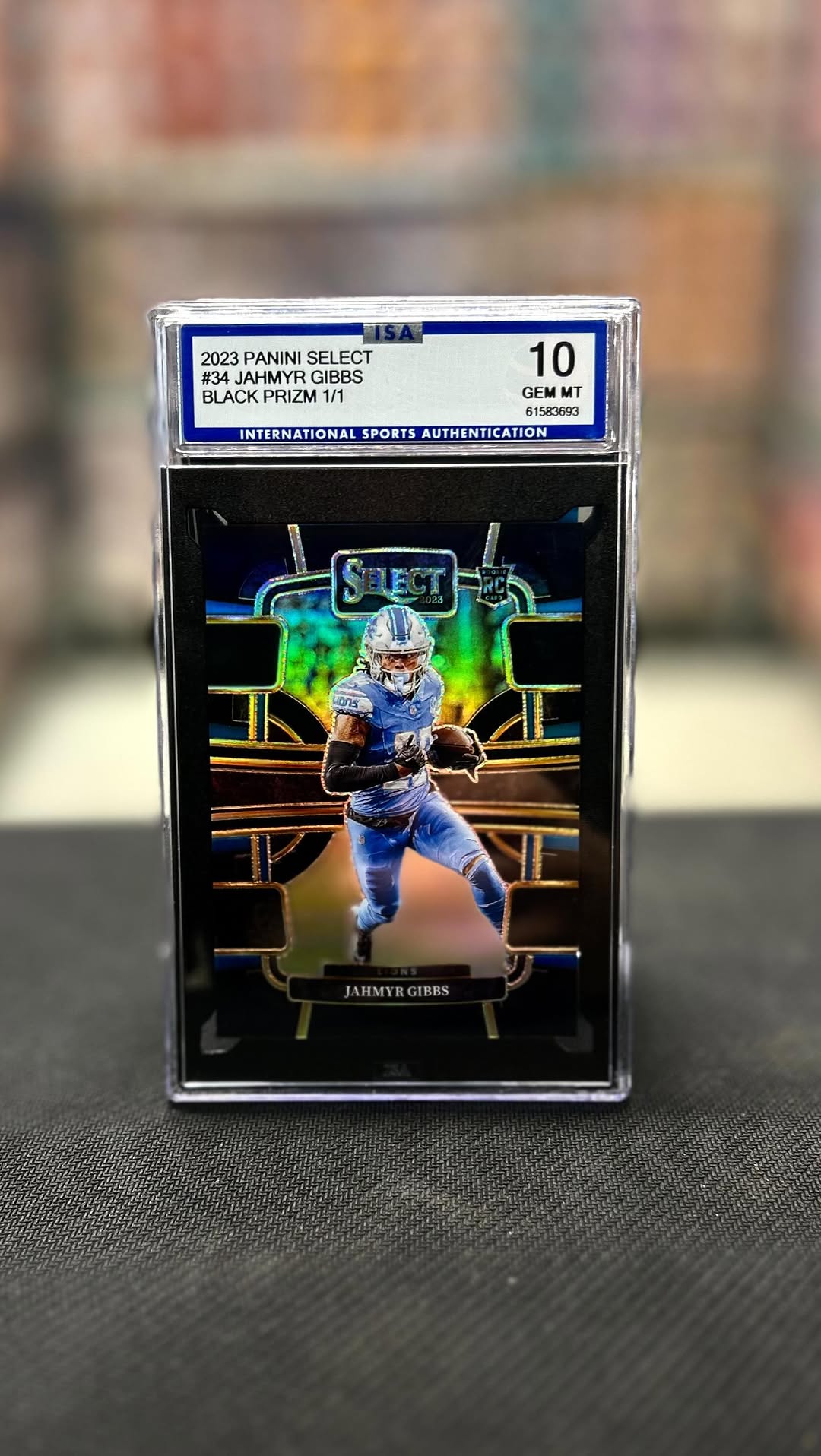
After grading, card encapsulation puts the card in a rigid holder, often called a slab. Slabs help reduce direct handling, but they can still scratch or crack and shouldn’t be left in direct sunlight or damp storage. When sending a graded card to a buyer, protect the slab itself from impact and movement. Even if the card arrives unharmed, a cracked case can create a dispute or a return.
Use certificate verification to give buyers a way to check
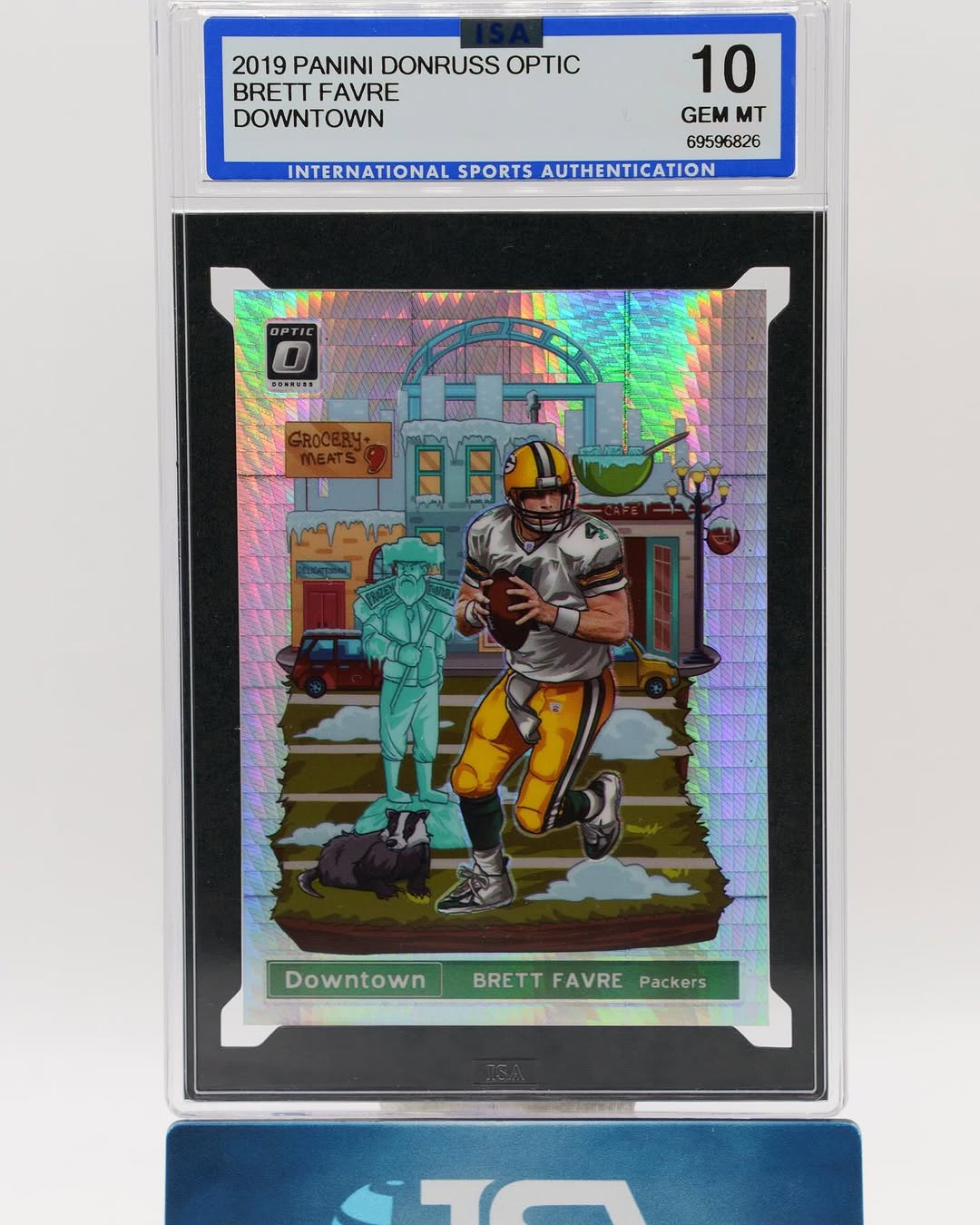
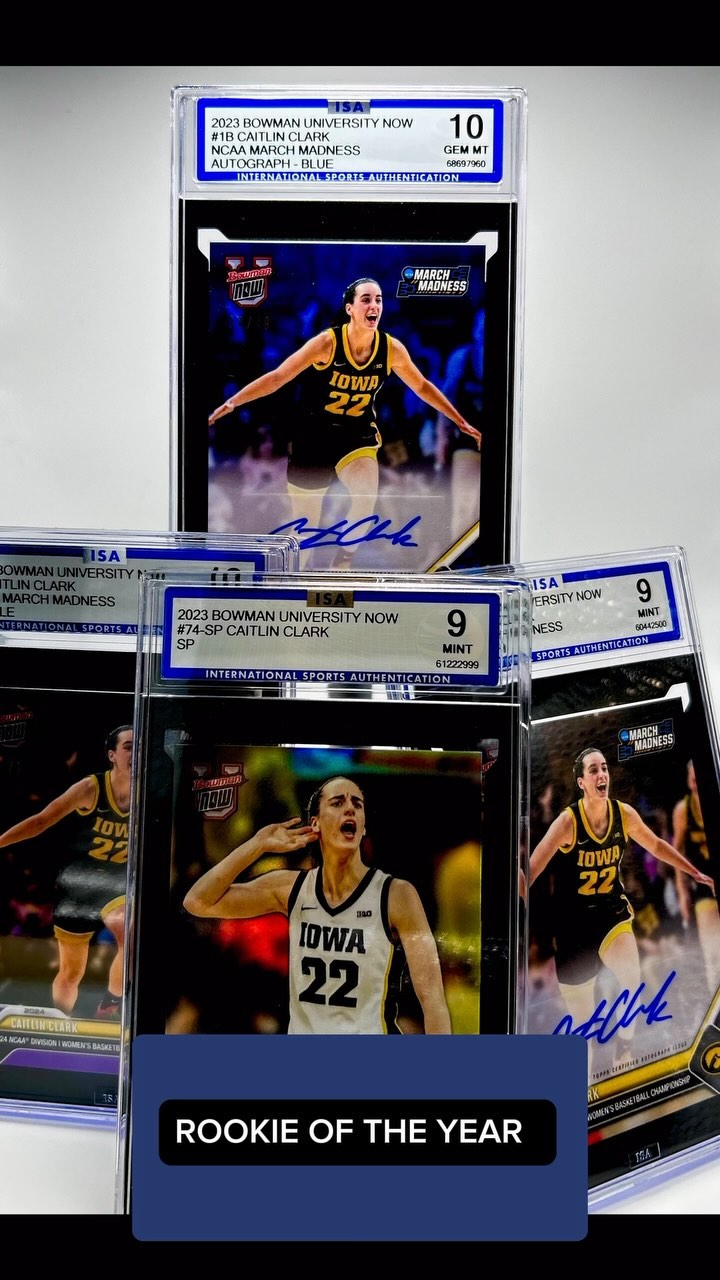
When buying or selling an ISA graded card, enter the number from the slab label on the ISA certificate verification page. Compare the available record with the label and the card shown. If the number doesn’t return a record, double check what you entered. If the details still don’t match, resolve the discrepancy before paying for the card or publishing the listing.
A matching record is useful, but it doesn’t replace inspecting the actual item. A listing photo can show a real certificate number without proving the seller has the slab pictured. For an expensive purchase, ask for current photos of the front, back, label, and any damaged areas. If you’re the seller, provide clear images and disclose scratches, chips, or cracks in the holder. That gives buyers something concrete to check as they decide whether to buy.
Plan the sale before you send the card
For each card you intend to sell, estimate the proceeds at a plausible grade and at one grade lower. For example, if you think a modern rookie might earn a 9, look at comparable sales in both 9 and 8 before you count on the higher price. Subtract the grading fee, the card’s share of submission shipping, selling fees, and any shipping you’ll pay to send it to the buyer. Compare what’s left with what you could net selling the card raw. Don’t assume a higher grade will cover the costs if the lower grade leaves little room.
Ask which buyers you’re trying to reach. A set builder might care most about the exact issue and its presentation. An online buyer comparing several slabs might filter results by grading company. If sales for the same card in an ISA slab are scarce, don’t treat another company’s results as a price guarantee. You can read ISA customer reviews for firsthand accounts of the submission experience, but use completed sales to assess resale demand.
Start with the cards that have a deadline or a purpose
Suppose you have a show next month, twelve cards you could list, and a vintage card you’re keeping. If the schedule allows time for grading and shipping, build a batch of at least ten only if each card makes sense on its own. Keep a card raw if the likely sale won’t justify its share of the cost. Hold the vintage card if you want more time to check comparables, or submit it for protection without treating it as part of your resale budget.
If ISA’s current pricing, turnaround, and minimum fit your plans, review the instructions and start your order on the ISA card submission page. For cards whose value to you depends on a specific label or whose condition you haven’t assessed, waiting is a reasonable choice. A possible submission pause changes where or when you can send a card, not whether that card is worth grading.
Submit Cards to ISA Grading
Collectors ready to use ISA Grading can start on the submission page. The current active service is $15 per card with a 14 day turnaround, no upcharges, and a 10 card minimum.
Frequently Asked Questions
Does a PSA submission pause mean PSA is shutting down?
No. A submission pause can be temporary or limited to a specific service. Check PSA’s current announcements and submission portal to see what’s affected and whether the change applies to new or existing orders.
How much does it cost to submit cards to ISA Grading?
ISA’s current active service is $15 per card with a 10 card minimum and no upcharges. The minimum batch is $150 in grading fees before any applicable shipping costs.
Does ISA’s 14 day turnaround include shipping?
ISA’s current service lists a 14 day turnaround. Before planning around a deadline, confirm when the turnaround begins and allow time for shipping in both directions.
How do I verify an ISA graded card?
Enter the certificate number from the slab label on ISA’s certificate verification page and compare the available record with the card and label. For an online purchase, ask for current photos of the specific slab as well.
Should I grade a card or sell it raw if PSA pauses submissions?
Compare recent completed sales for the same card in raw and graded condition. Include grading, shipping, and selling fees, and account for the possibility of a lower grade. If the likely net difference is small and you don’t need authentication or encapsulation, selling raw may make more sense.