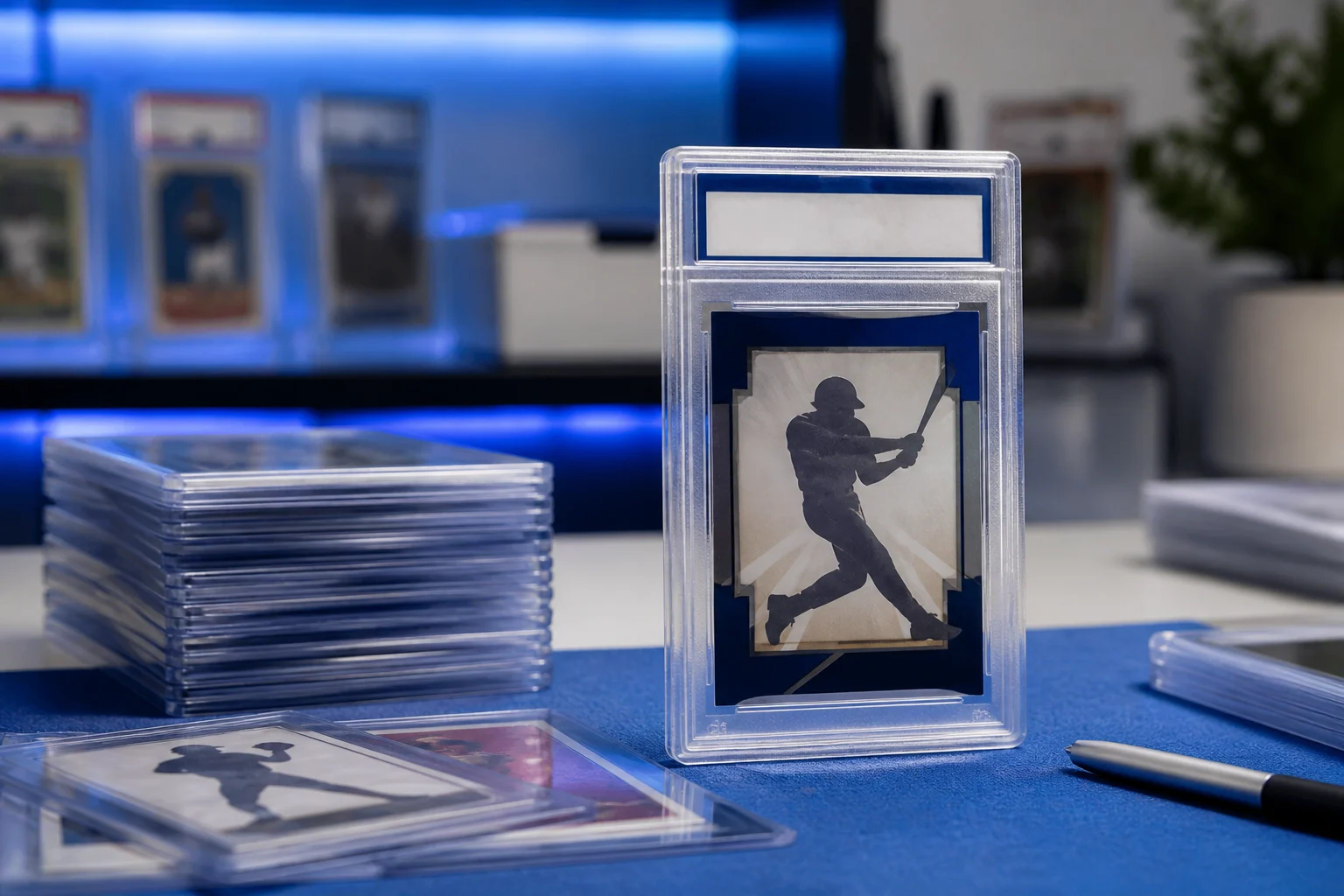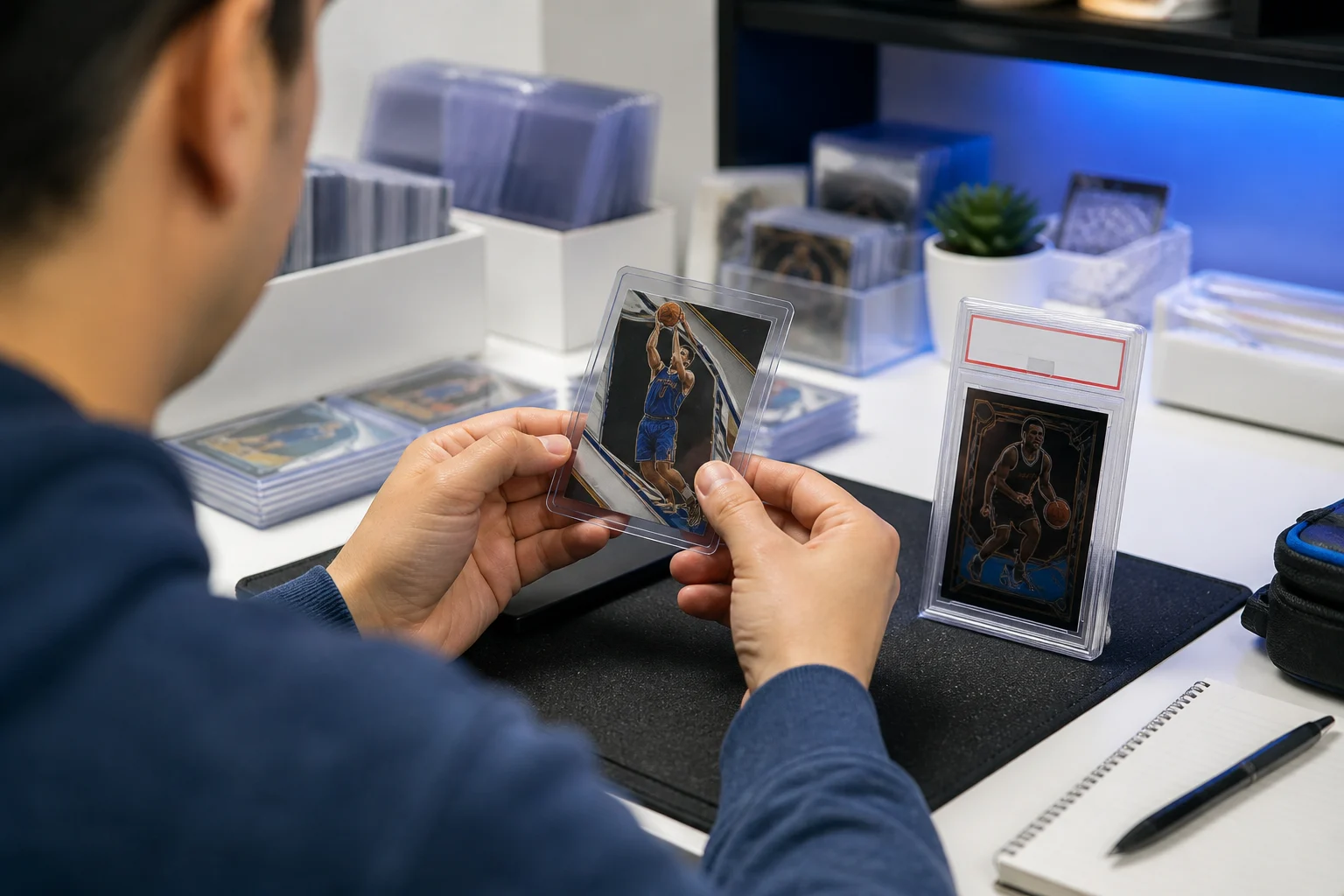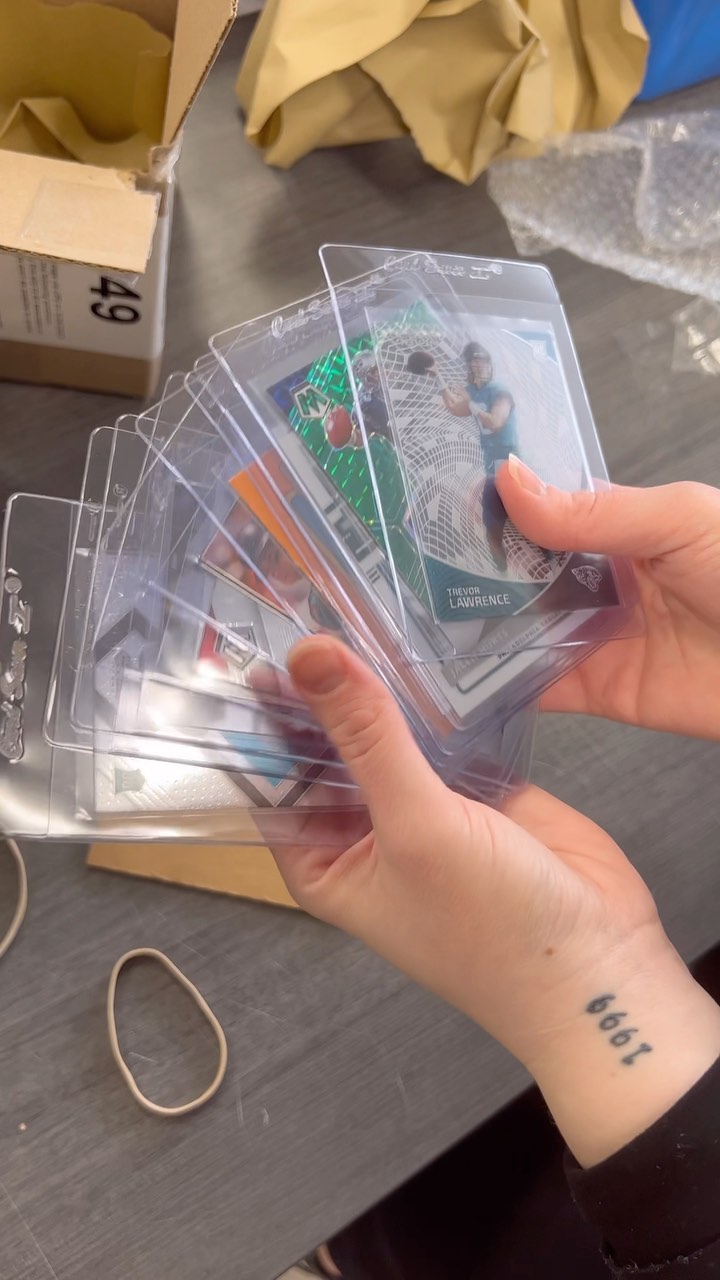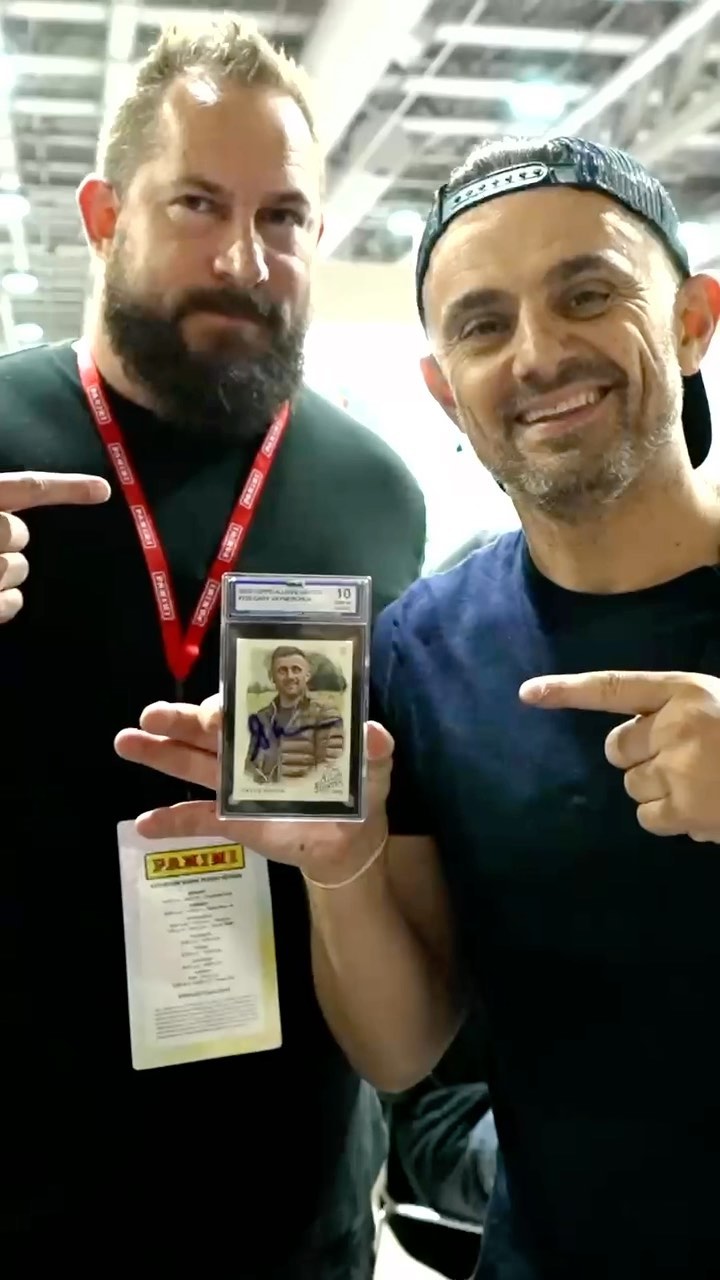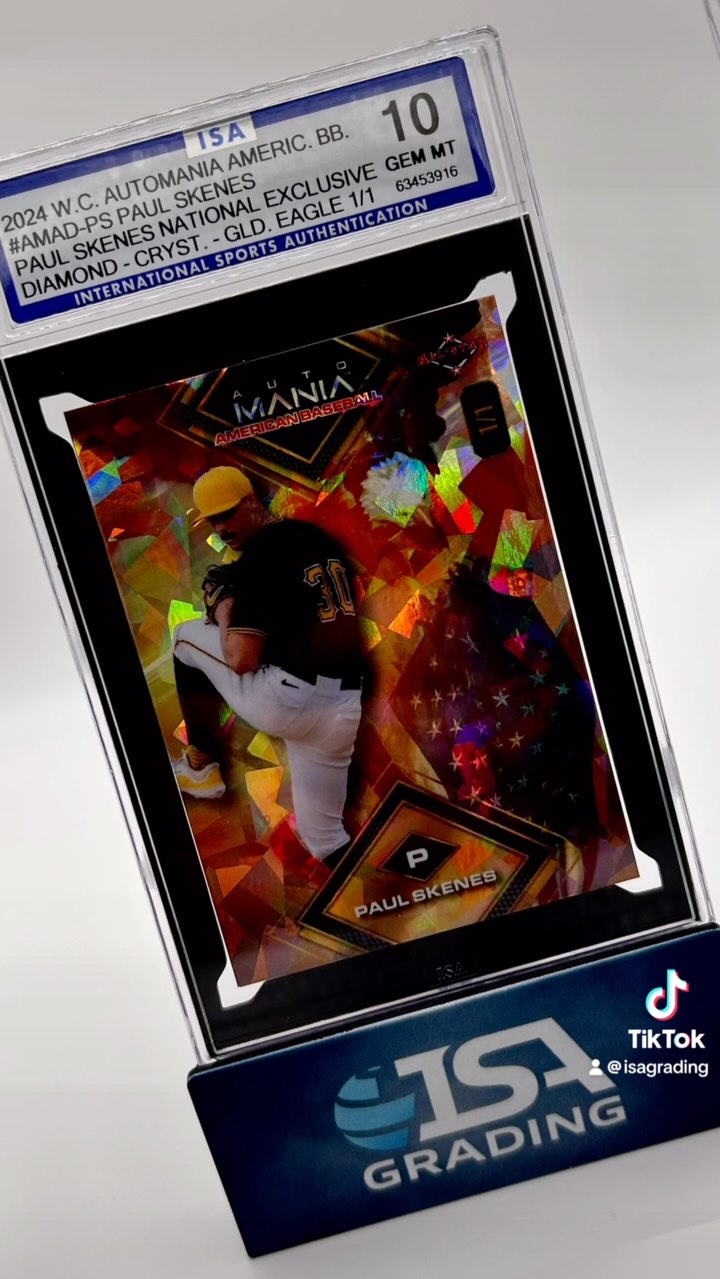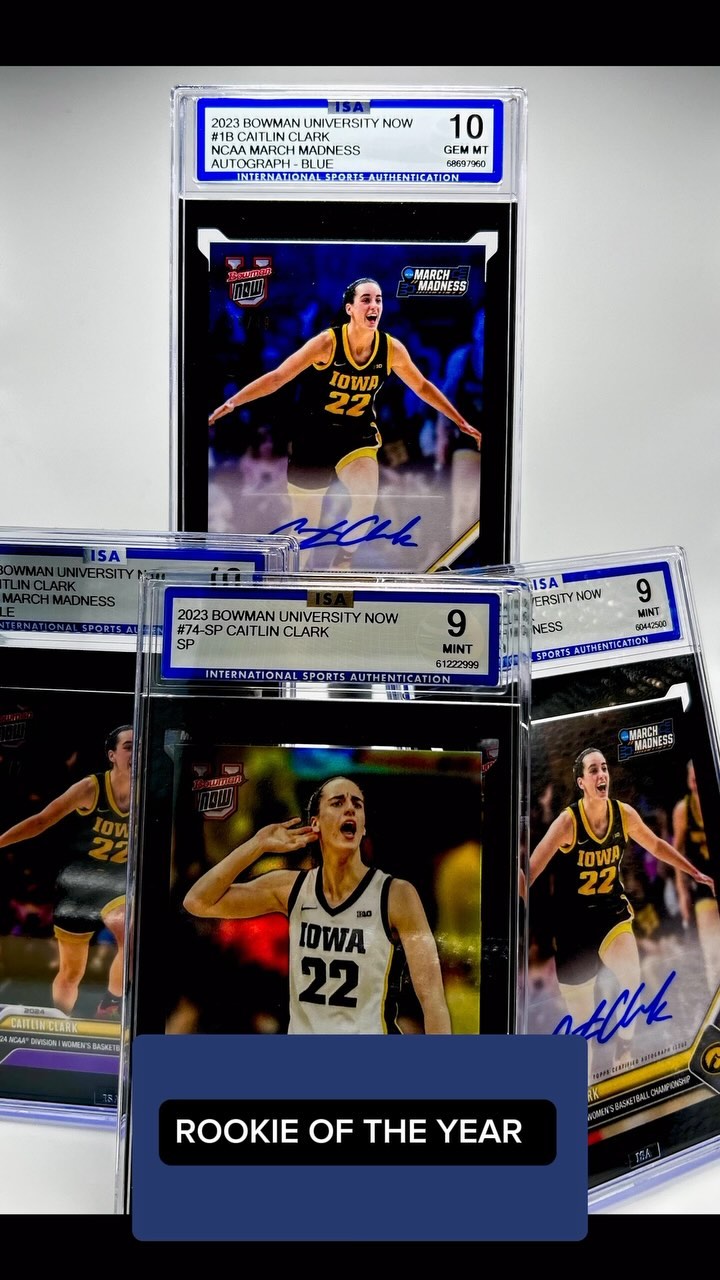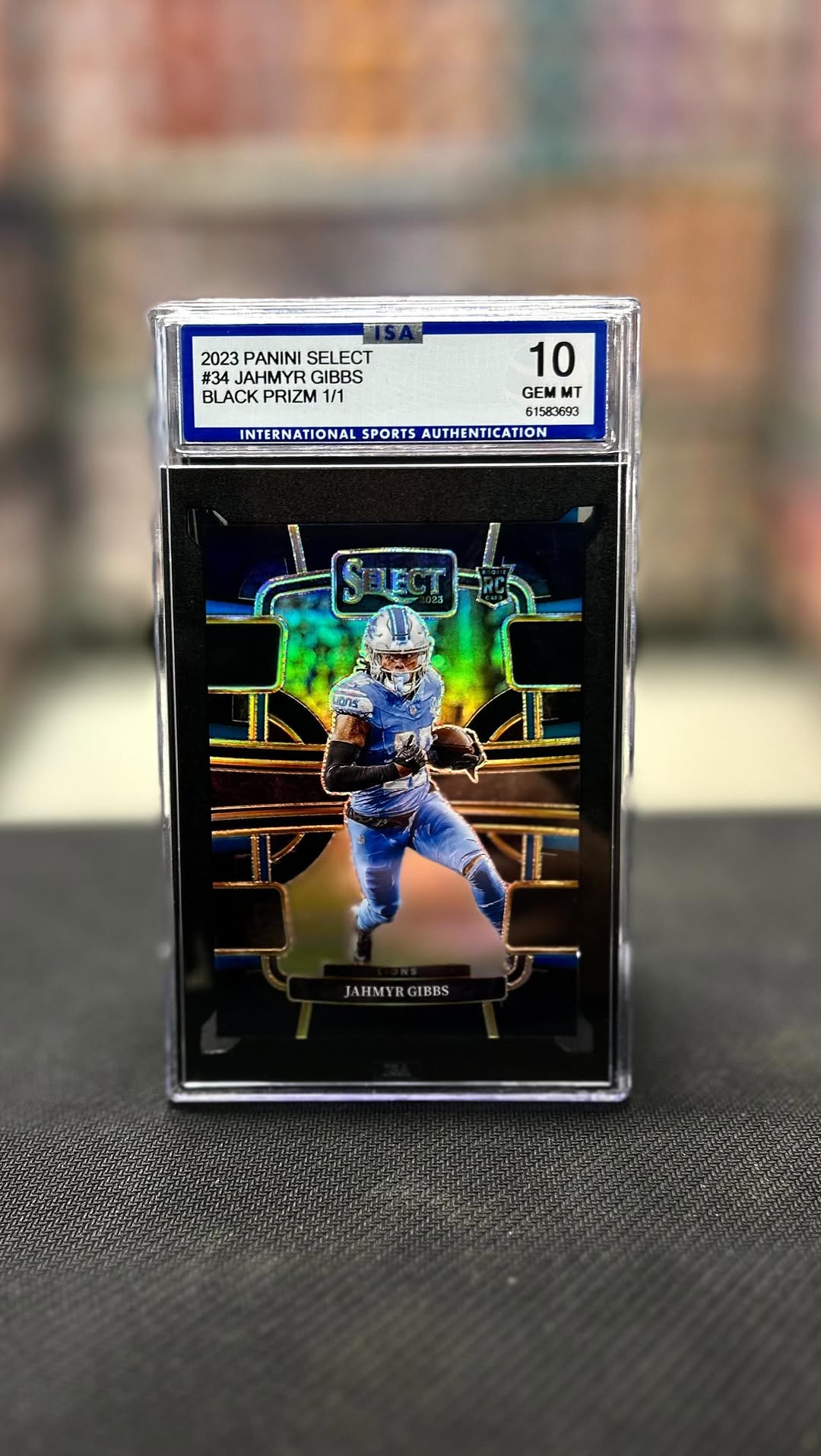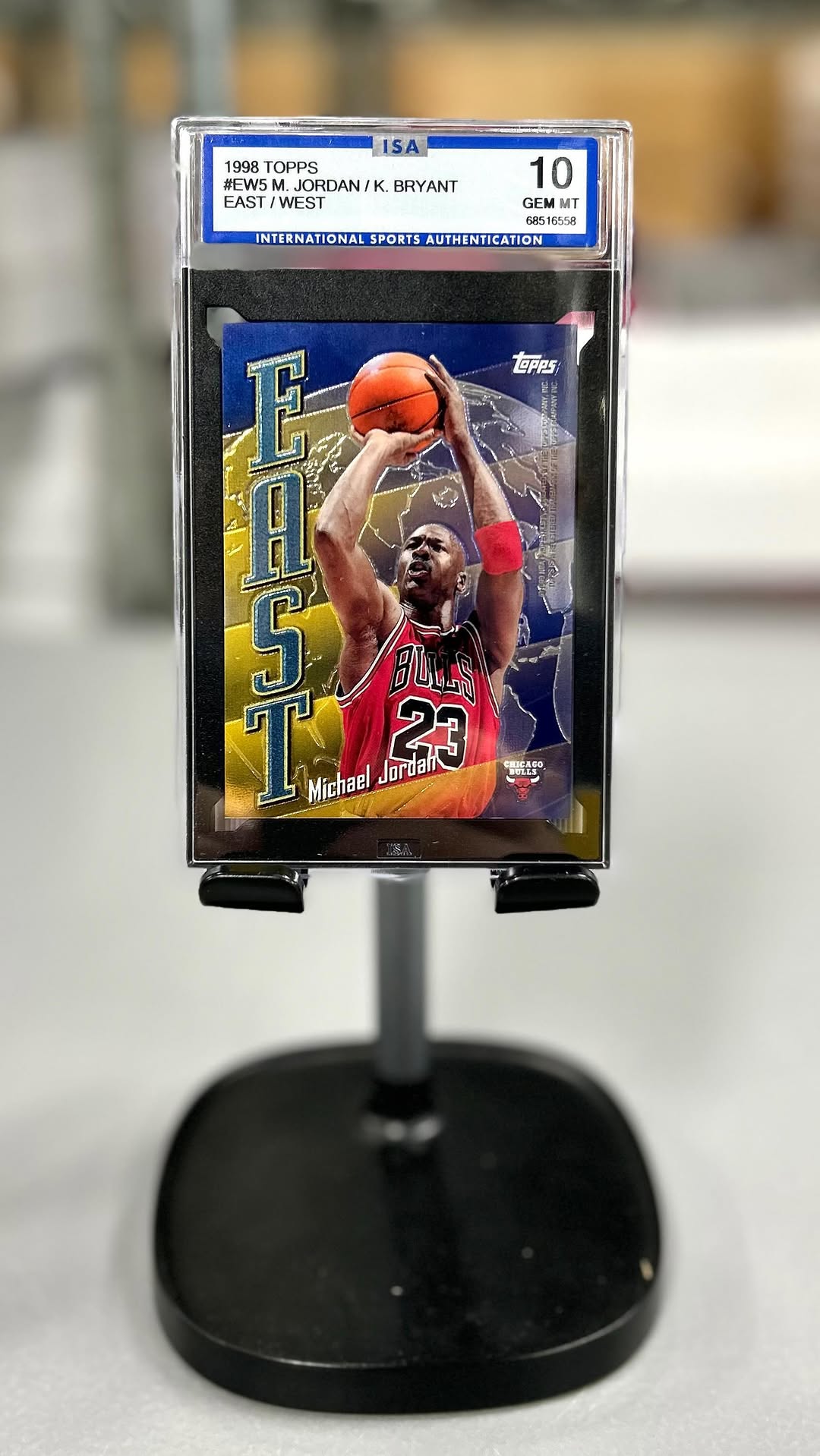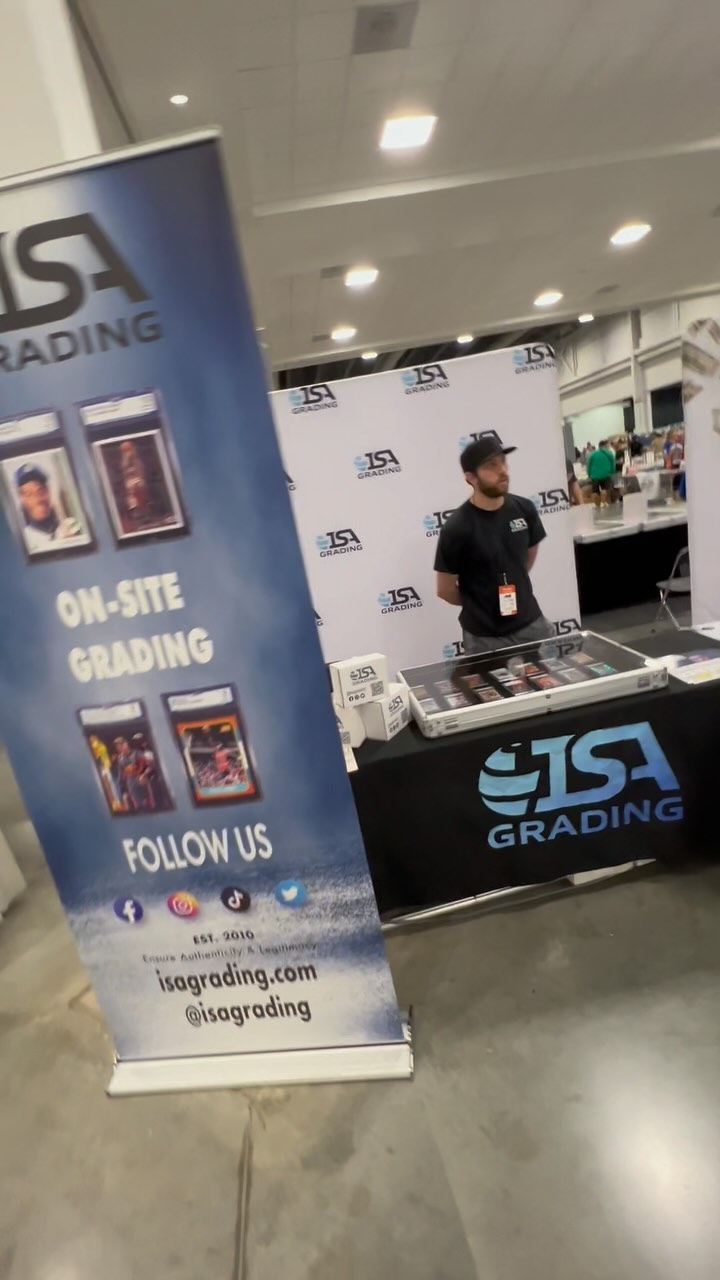
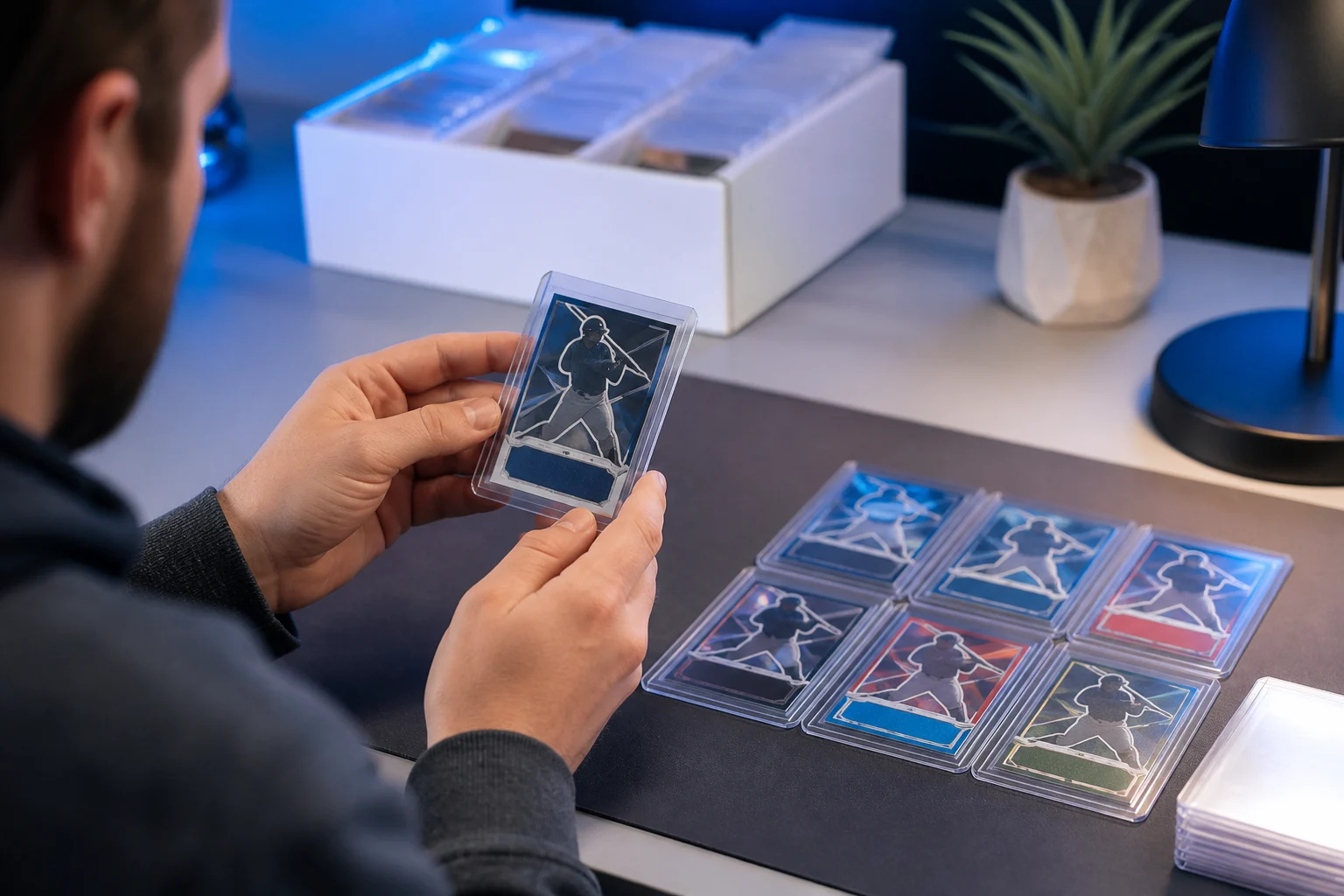
If you have a small stack of cards worth a closer look, a 10 card minimum can be a useful reason to sort it carefully. The goal is not to find ten cards simply to fill a submission. It is to choose ten cards for which authentication, grading, and encapsulation serve a purpose, whether you collect, trade, or sell.
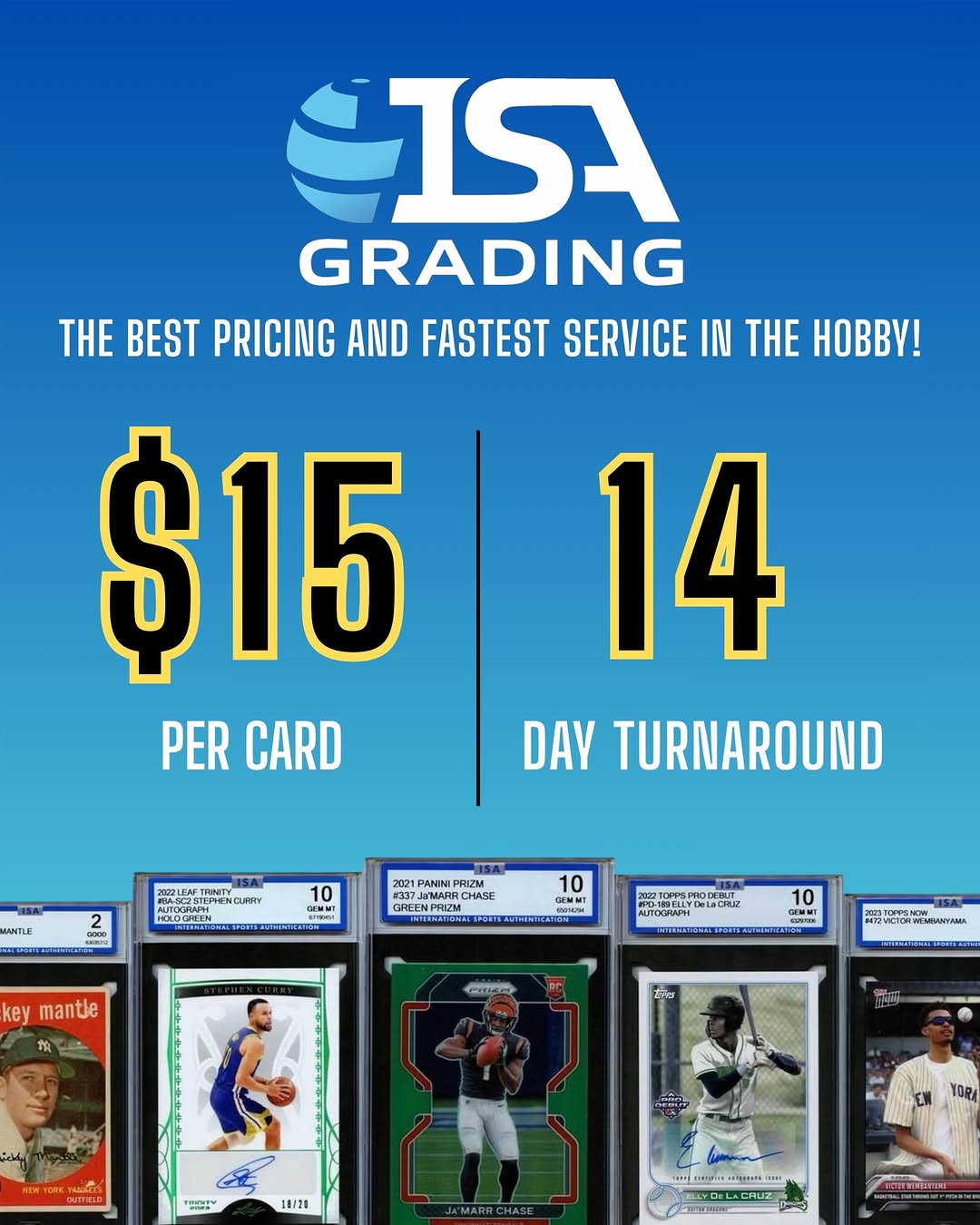
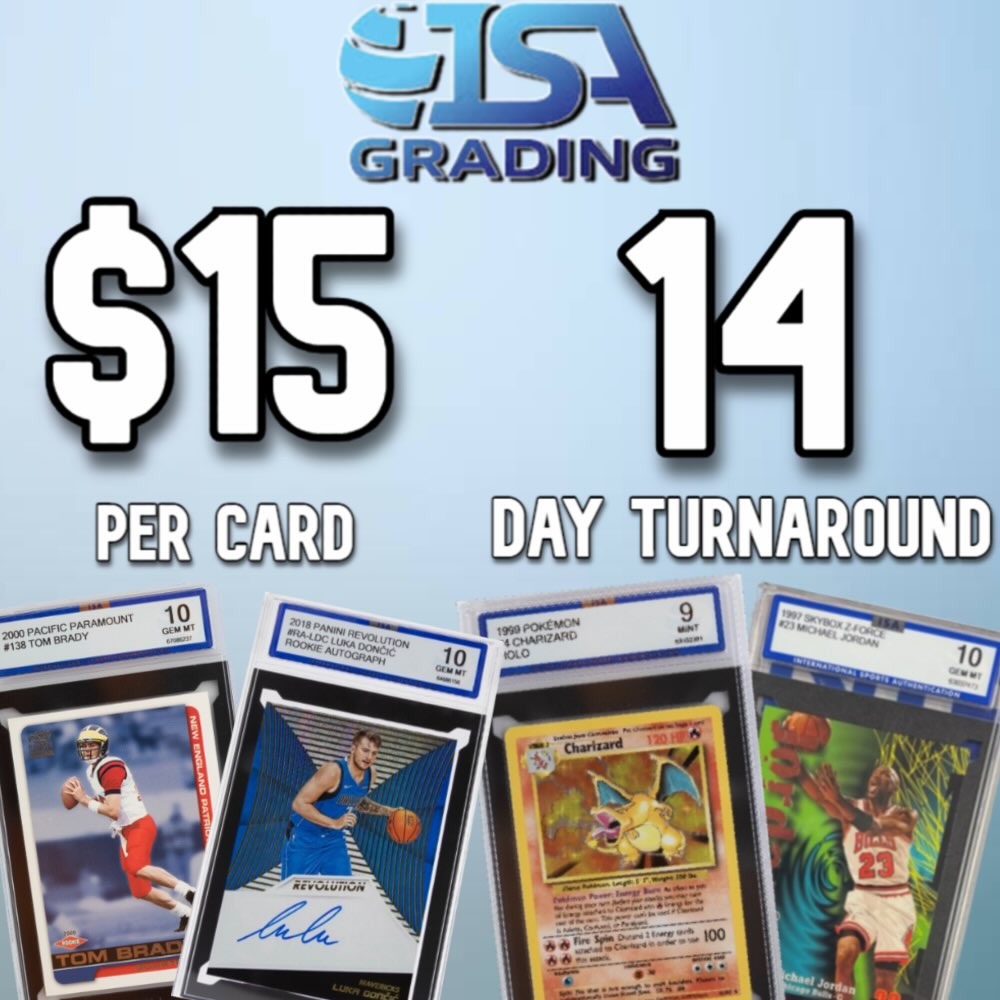
ISA Grading, also known as International Sports Authentication, offers a current sports card grading and authentication service at $15 per card, with a 14 day turnaround, a 10 card minimum, and no upcharges. This guide explains how to build a thoughtful submission, prepare cards for shipping, and use the finished grades responsibly.
What does a 10 card minimum mean for your submission?
A 10 card minimum means you need at least ten cards in a submission to use ISA's current service. At $15 per card, grading ten cards comes to $150. Plan separately for the cost of getting your cards to the grader and back, and check the submission instructions for the details that apply to your order.
The minimum does not mean every card should have the same value or serve the same purpose. A collector might submit a favorite rookie, several cards for a personal set, and a few cards intended for sale. A dealer might assemble ten cards from inventory that customers regularly ask to see graded. In either case, make sure every card earns its place.
Before selecting a mix of sports, years, or card types, review the ISA submission page for current instructions and eligibility. If you are considering TCG card grading alongside sports cards, confirm that the specific cards are accepted rather than assuming every trading card category can be included.
Build a batch around your actual goal
The search for a place to grade my cards often starts with one exciting pull. A minimum submission asks a better question: what do you want grading to accomplish across the whole batch? Start by putting candidate cards into three groups: cards you want to keep, cards you may sell, and cards you are unsure about.
For a personal collection, significance may matter more than resale math. A card tied to a memorable season or a favorite player can be worth grading even if it is not the most expensive card in your box. For inventory, think about the likely buyer, the card's raw condition, and whether an authenticated, graded example would be easier to describe and list accurately.
A simple worksheet helps. Record the card, year, set, player, visible condition concerns, reason for grading, and an estimated raw selling price if applicable. Once you have more than ten candidates, rank them. Do not let the minimum push obviously damaged or unwanted cards into the package without a clear reason.
Know the price before you pack
Pricing clarity matters because the grading fee is only one part of a collecting or selling decision. ISA's current active service is $15 per card with no upcharges, so the grading portion of a ten card submission is straightforward to calculate. If you submit more than ten eligible cards, multiply the number of cards by $15 for the grading fee.
For cards you intend to sell, compare that fee with the card's realistic selling prospects, not the highest asking price you can find online. An asking price is not a completed sale, and a top grade is not guaranteed. Consider your purchase cost, shipping and packing costs, marketplace fees, and the time you will spend preparing the listing. Sometimes grading is worthwhile for buyer confidence or collection organization even when the financial margin is narrow.
It can also help to read how to choose a grading company before you decide what matters most to you. Compare published service terms and your own priorities rather than assuming the same option suits every card.
Check condition before committing a card
Good grading preparation begins under clean, bright light. Look at the card surface from several angles for scratches, print lines, dents, stains, or other visible issues. Inspect card corners for wear or soft tips, and examine card edges for chipping or roughness. Check card centering on both sides without relying on a single quick glance.
Card condition grading evaluates the physical card, not the story behind it. A card that looks sharp inside a sleeve may reveal a surface mark once viewed at an angle. A beautiful front may have an obvious flaw on the back. Use your inspection to choose cards more deliberately, but do not treat your own assessment as a promised grade.
The ISA grading scale is a useful reference while you inspect candidates. Read it before you submit so you understand how grades are described and can set expectations for a card with visible wear. If a small flaw would change your decision to grade, take the time to look for it now.
Vintage and modern cards call for different expectations
Baseball card grading often begins with a familiar rookie or a card saved from childhood, while basketball card grading may start with a recent pull. The same inspection habits help with both, but your expectations should reflect the card in front of you. Older cards can show handling and storage wear, and modern cards can leave a pack with condition issues.
Vintage card grading can be valuable when the card's identity and condition are especially important to a buyer, even if a high numerical grade is unlikely. With a modern card, look closely at glossy surfaces and edges before assuming a fresh pull is a strong candidate. Neither age nor pack freshness guarantees a particular result.
If your ten cards span different eras, write down why each belongs in the batch. That short note can keep you from judging a well-loved vintage card by the same collecting goal as a modern card you purchased specifically to resell.
How a 14 day turnaround affects your plans
ISA lists a 14 day card grading turnaround for its current service. That gives collectors and hobby sellers a stated service timeframe to consider when planning a submission. It is still wise to allow for your own packing time, shipping in both directions, and the time needed to photograph and list cards after they return. Check current service details when you submit rather than building a sale around an assumed delivery date.
Turnaround matters most when you have a reason to act soon. If you are preparing inventory for a show, sorting cards before a move, or planning a seasonal listing schedule, work backward from the date you need the graded cards in hand. A shorter stated grading turnaround can help with planning, but it cannot control postal transit or how quickly a buyer makes a purchase.
For a closer look at scheduling a sale around grading, read why grading turnaround shapes card sales. The useful question is not only how fast a service is, but whether its timing fits what you intend to do with the cards.
Protect cards on the way to grading
Card protection starts before card encapsulation. Wash and dry your hands, clear a clean workspace, and handle cards by their edges. Avoid rubbing a surface mark or trying to repair a flaw just before submission. An attempt to improve appearance can leave a more noticeable problem.
Use appropriate protective materials and follow the current packing directions on the submission page. Keep cards from sliding against one another, bending, or taking pressure at the corners during transit. Do not put adhesive where it can contact a card, and avoid packing so tightly that removing a card becomes difficult.
Make a personal inventory before sealing the package. A clear photo or written list of each card helps you check the contents against your submission information and gives you an organized record when the cards return. For more on the steps between storage and a finished slab, see this practical card protection plan.
Authentication, grading, and slabs do different jobs
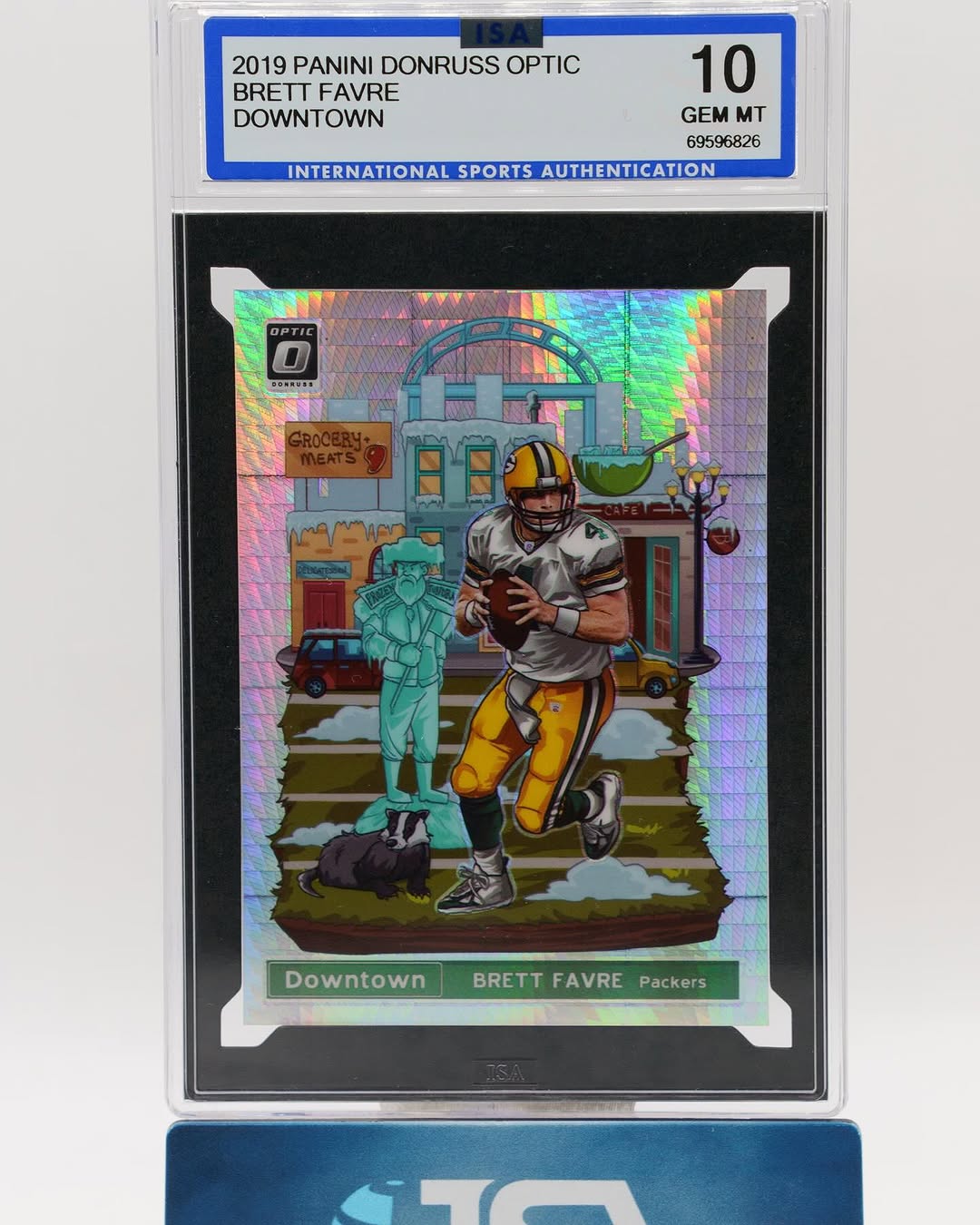
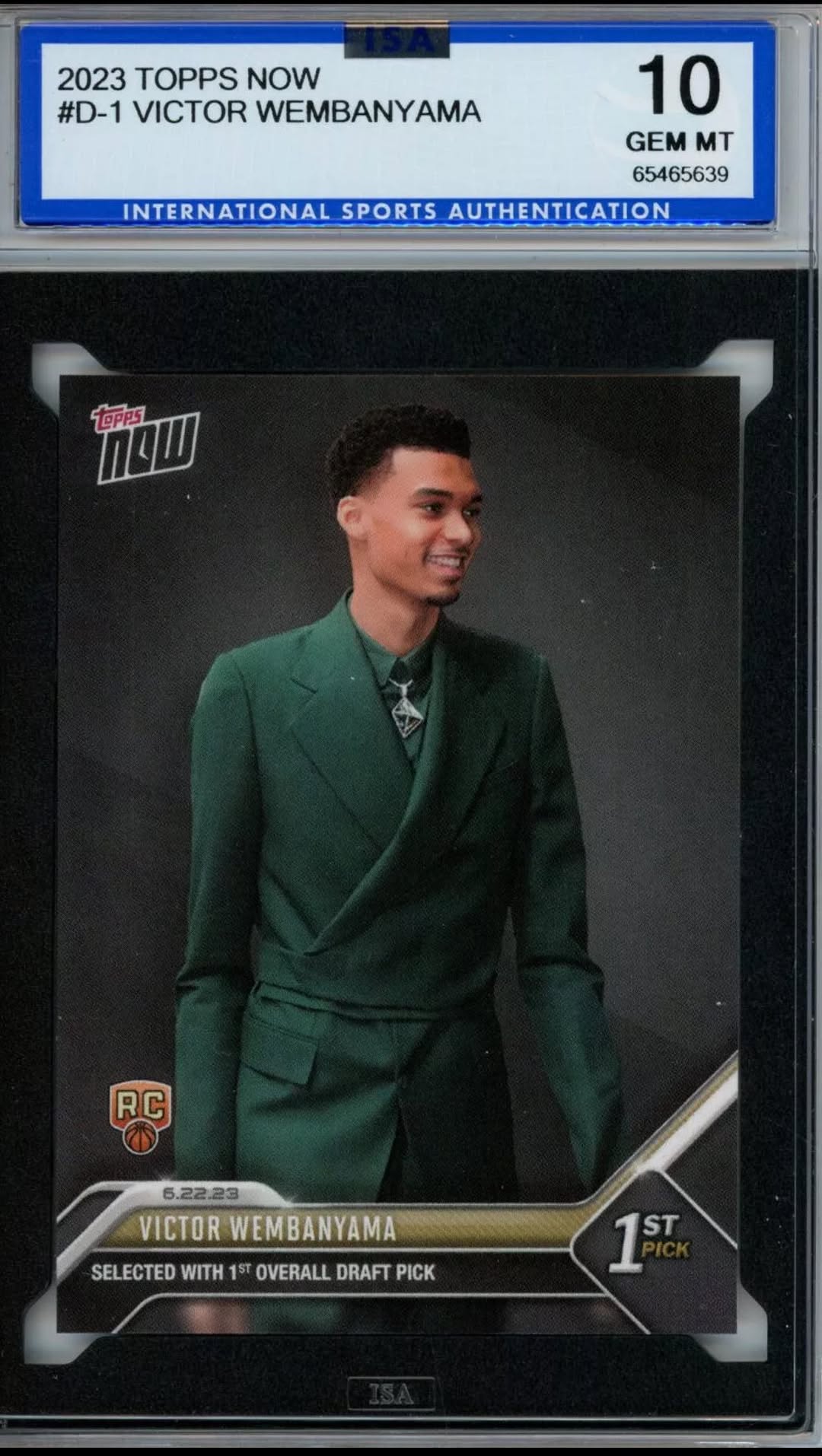
Sports card authentication addresses whether a card is genuine. Grading addresses its assessed condition. A slab presents the card with its identifying information and reduces direct handling during ordinary storage, display, and sale. These functions work together, but none makes a card immune to damage or guarantees what someone will pay for it.
That distinction matters when you describe a graded card to a buyer. Do not use an attractive numerical grade as a substitute for accurate identification, and do not claim a slab prevents every kind of wear. Store encapsulated cards carefully, away from conditions that could harm the card or holder.
Whether your interest is sports card grading for a personal set or trading card grading as part of a selling business, clear descriptions are more useful than broad promises. Identify the card and its grade accurately, photograph the actual slab, and let buyers examine the details.
Use certificate verification when buying or selling
Certificate verification gives buyers a way to check the details associated with an ISA graded card through the company's website. When your cards return, compare each card and slab label with your submission records. You can then direct a prospective buyer to ISA's certificate verification page so they can check the certificate information themselves.
Verification supports a more transparent conversation, but it should not replace looking closely at the card, label, holder, and listing photos. If you are buying, compare the certificate details with the exact card offered. If you are selling, provide readable images and accurate identifying information so the buyer can make that comparison.
Prepare graded cards for a clear listing
When selling graded cards, begin with the basics: the player, year, set, card number when relevant, grading company, and grade shown on the label. Photograph the front and back of the slab in good light. Add close views when a buyer would reasonably want to see a detail, and describe visible issues with the holder rather than hiding them outside the frame.
Price using relevant completed sales where you can find them. Compare the same card and grade when possible, and consider whether the available sales are recent enough to be helpful. A seller may ask any price, but a listing that reflects the actual card and its market context is easier for a buyer to evaluate.
For dealers, consistency can make a ten card batch especially useful. A complete inventory record lets you connect each grading fee, certificate, photo set, and eventual sale to the right card. For collectors, that same record makes it easier to remember why you submitted a card and where it belongs in your collection.
Make the ten cards count
A strong submission is not necessarily a stack of ten near-perfect cards. It is ten cards selected with a purpose, checked for condition, packed with care, and matched to a service you understand. ISA's current $15 per card pricing, 14 day turnaround, 10 card minimum, and no upcharges provide clear starting points for that decision.
Before sending anything, review the current submission instructions, check your candidate list one last time, and make sure your records match the cards you are packing. Whether the finished slabs go into a display case or a sales listing, that preparation helps you make better use of the grade, the authentication, and the certificate information that comes back with each card.
Submit Cards to ISA Grading
Collectors ready to use ISA Grading can start on the submission page. The current active service is $15 per card with a 14 day turnaround, no upcharges, and a 10 card minimum.
Frequently Asked Questions
What is ISA Grading's minimum submission?
ISA's current service has a 10 card minimum. Review the submission instructions before sending your cards, especially if you plan to include different card types.
How much does it cost to grade ten cards with ISA?
At the current rate of $15 per card, the grading fee for ten cards is $150. ISA states that there are no upcharges. Plan for packing and shipping separately.
What is ISA's current grading turnaround?
ISA lists a 14 day turnaround for its current service. Allow additional time for preparing your submission, shipping, and any work you plan to do after the cards return.
Can I verify an ISA graded card online?
Yes. ISA provides certificate verification on its website at /certificate-verification. Compare the certificate information with the card and slab you are buying or selling.
Should I submit every card that looks valuable?
Not necessarily. Inspect the surface, centering, corners, and edges first. Consider why you want each card graded and whether the grading fee fits your collecting or selling goal.