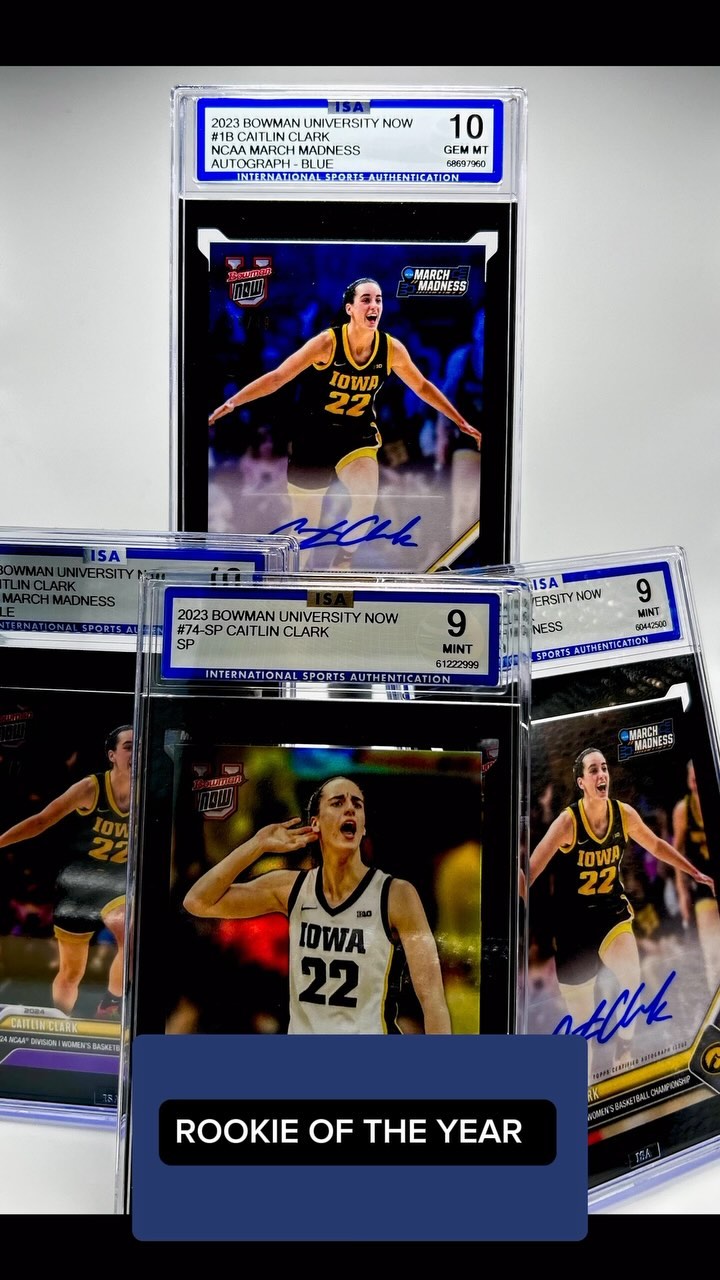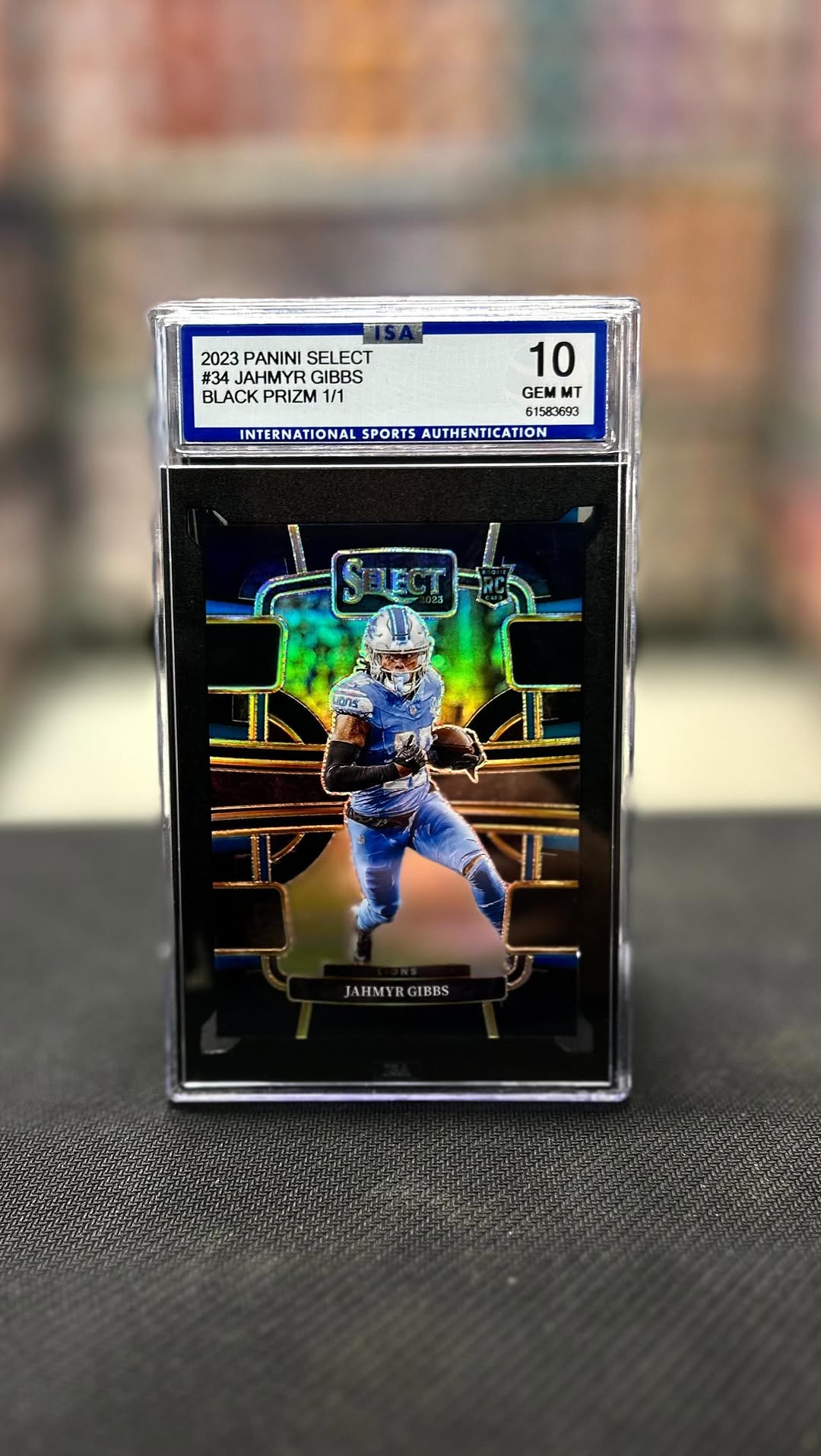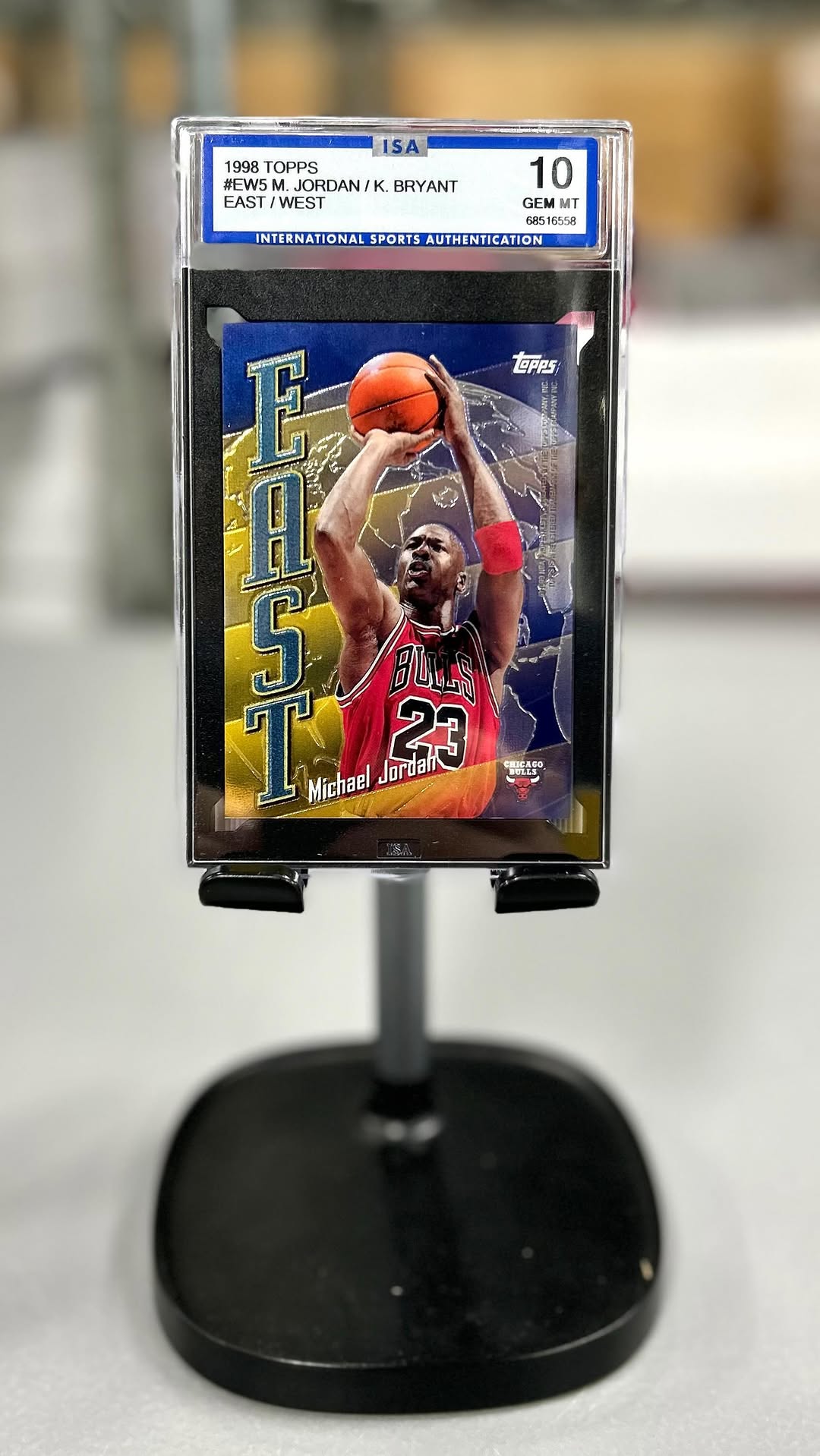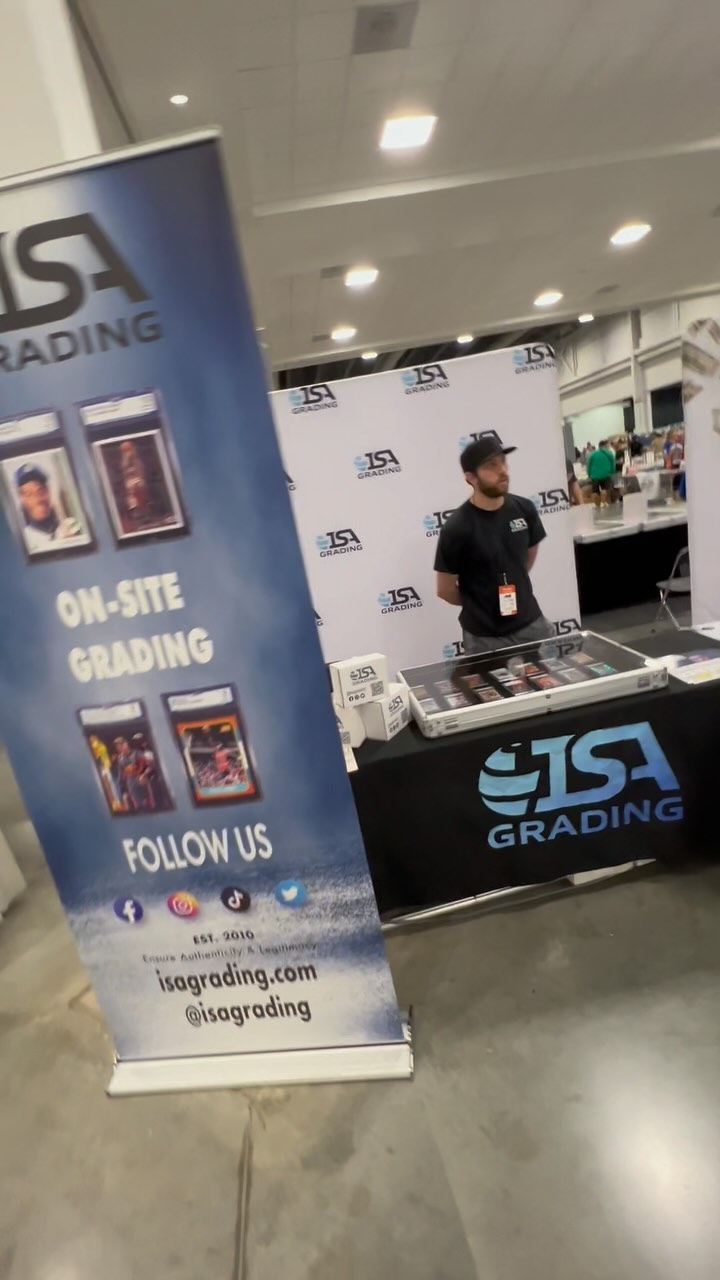
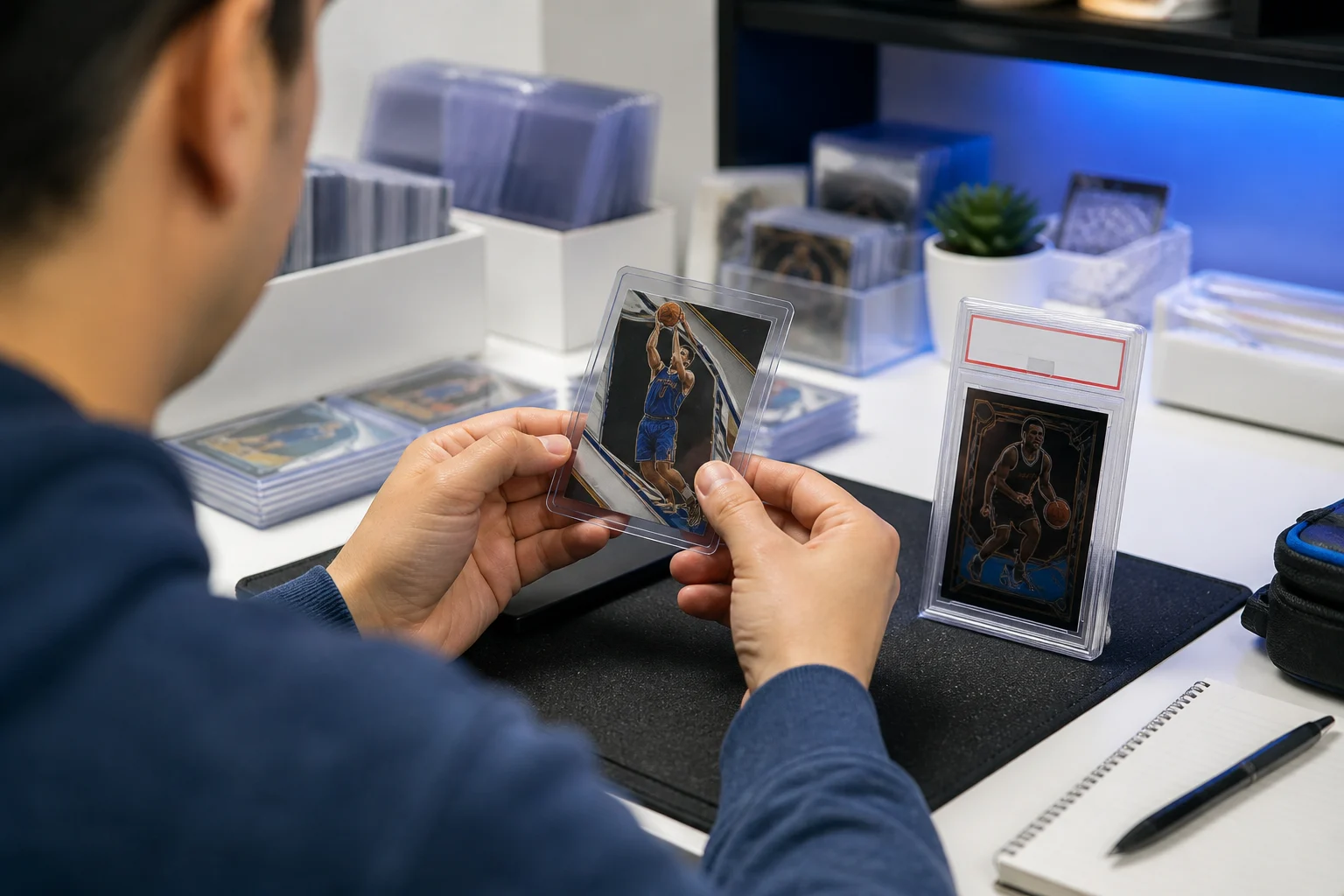
Before you submit a sports card, you probably have two questions: What might the card grade, and what will grading cost? The first takes a careful look at condition. The second should be easier to answer. When a card grading service offers no upcharges, collectors can plan around a stated grading price rather than wonder whether the bill will change after submission.
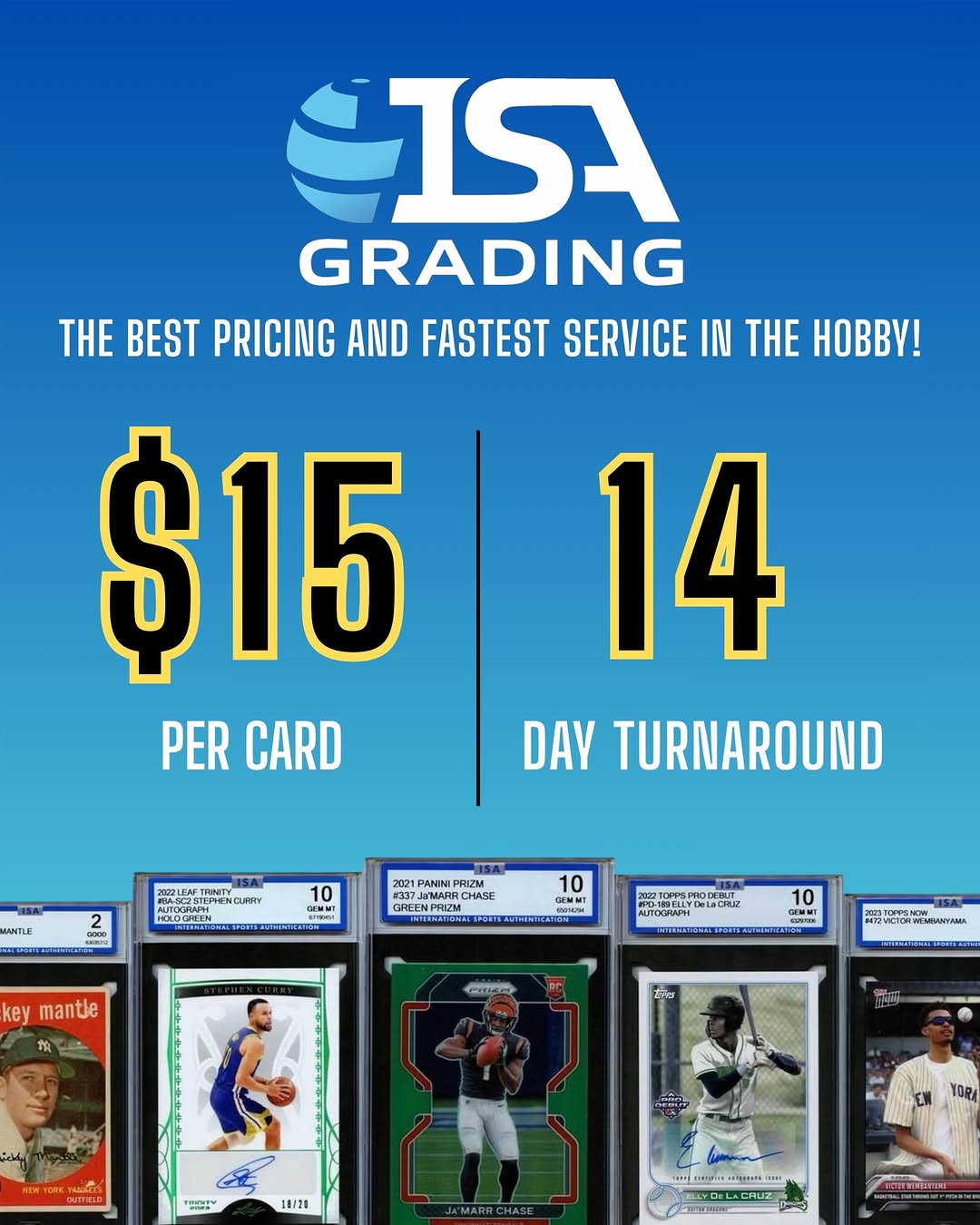
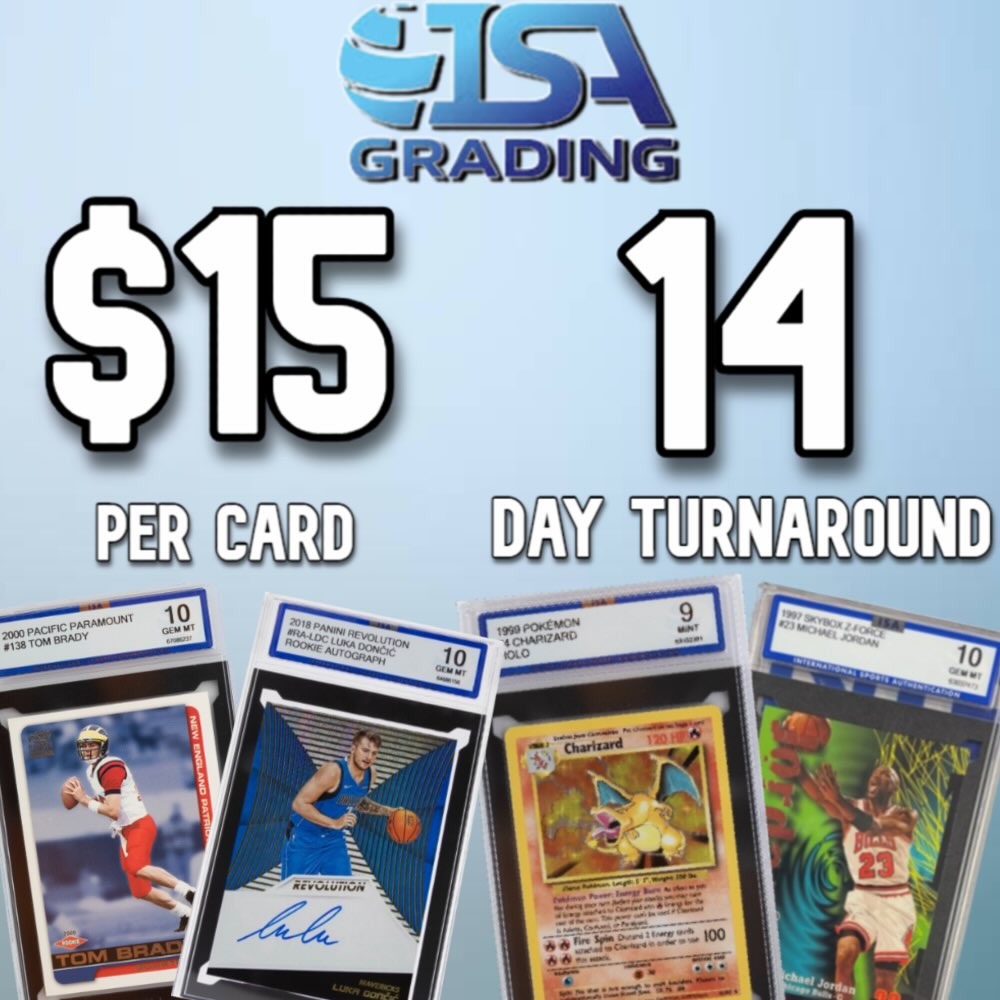
ISA Grading, also known as International Sports Authentication, currently offers sports card grading and authentication at $15 per card, with a 10 card submission minimum, a 14 day turnaround, and no upcharges. Those terms matter whether you are protecting a favorite rookie card, preparing inventory for sale, or deciding which cards in a collection are worth grading.
What no upcharges means for your grading plan
No upcharge card grading addresses a practical concern: the difference between the price you expect to pay for grading and the grading charge you face later. With ISA's current service, the stated per-card price is $15, and ISA says there are no upcharges. That gives you a clear starting point for deciding how many cards to submit and whether the submission fits your budget.
For example, a submission at the 10 card minimum represents $150 in grading charges at the current per-card price. That calculation does not tell you the cost of supplies or shipping, so review the submission details before mailing anything. It does tell you what to use for the grading portion of your plan. If you are sorting through a larger collection, repeatable arithmetic is useful: 20 cards at $15 each represents $300 in grading charges.
Clear pricing does not make every card a good grading candidate. It makes the decision easier to evaluate. A collector can ask whether grading serves a personal goal, while a dealer can compare the grading cost with a realistic selling price. For more on the pricing approach, read how ISA keeps grading at $15 per card.
Why a known cost matters to collectors and sellers
A personal collection does not always need to be judged by resale value. You may want to grade a card because it marks a memorable season, completes a team collection, or deserves a more structured way to store and display it. Even then, a predictable price helps you choose which cards to prioritize without letting the submission grow beyond what you intended.
For hobby sellers, grading is part of inventory planning. You need to account for the card's purchase price, grading charges, packing materials, shipping, marketplace fees, and the possibility that the grade differs from your expectation. A fixed grading price removes one unknown from that list. It does not guarantee a profit or a particular grade, but it helps you calculate the amount you are willing to invest before listing the card.
The 10 card minimum also shapes the decision. If you have only one card ready, you may need to wait until you have enough suitable cards for a submission. Do not fill the remaining slots with cards you have not examined just to reach the minimum. A thoughtful group of 10 is usually a better planning exercise than an impulsive stack of 10.
Turnaround time belongs in the same conversation
Pricing clarity is only one part of a grading plan. Time matters when you are building a display, preparing cards for a show, or managing items you intend to sell. ISA currently lists a 14 day turnaround. That gives collectors a stated service timeline to consider alongside the $15 per-card price and no upcharges.
Keep your full calendar in mind. A 14 day card grading turnaround is not the same thing as the total time between packing a box and having graded cards back in hand. Transit, preparation, and your own listing or review process can add time around the grading service. If you are working toward an event or sale date, allow room for those steps rather than treating the stated turnaround as a delivery date.
For dealers submitting regularly, a known price and stated turnaround can help organize batches. For a collector sending cards for the first time, they offer a simpler way to decide when to submit. Neither replaces reading the current submission instructions before you ship.
Prepare the cards before you pay to grade them
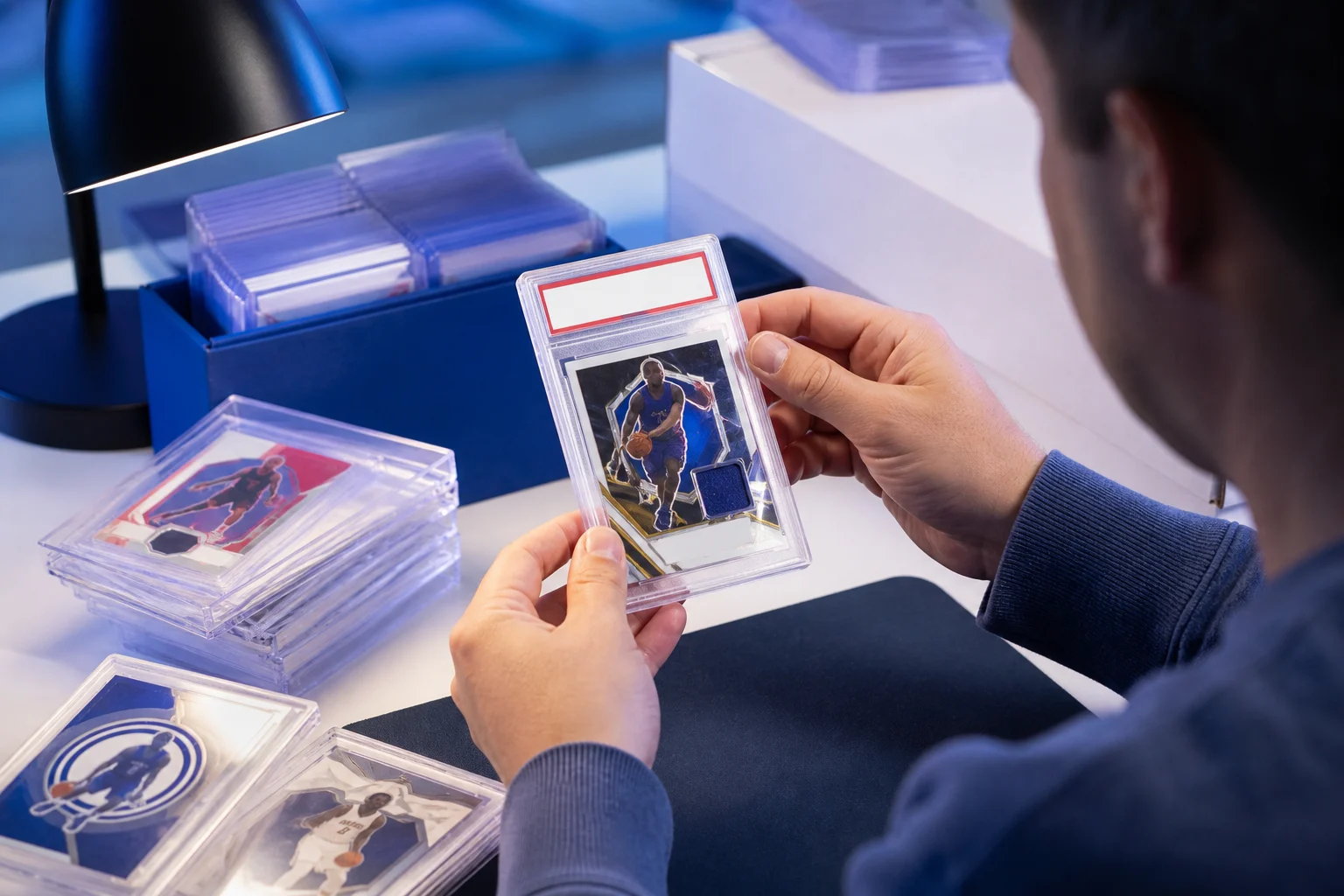
Good grading preparation begins before a card reaches a slab. Examine each candidate under steady light, handling it by the edges when possible. Look closely at card centering, corners, card edges, and card surface. Tilt the card gently to check for scratches, print lines, indentations, stains, or other issues that may be hard to see straight on. Check both front and back.
This is especially useful with rookie card grading, where excitement about a player can make it easy to overlook condition. The same care applies to baseball card grading and basketball card grading. A popular card is not automatically a strong grading candidate, and a clean appearance in a listing photo is not a substitute for inspecting the card you actually own.
Sort candidates into practical groups: cards you want graded for your collection, cards you may sell, and cards that need another look. If a card has an obvious flaw, decide whether its personal importance still makes submission worthwhile. For resale candidates, compare likely outcomes rather than assuming the highest possible grade. ISA's grading scale can help you understand the grading terms you are evaluating, although your own inspection cannot determine the final grade.
Once you have selected cards, use appropriate protective materials and follow the current packing instructions for your submission. A penny sleeve and a suitable card holder can help limit unnecessary handling before shipment. Do not force a card into a holder that is too tight, and avoid cleaning or altering a card in an attempt to improve its appearance. For a broader preparation routine, see this practical card protection plan.
What a slab does, and what it does not do
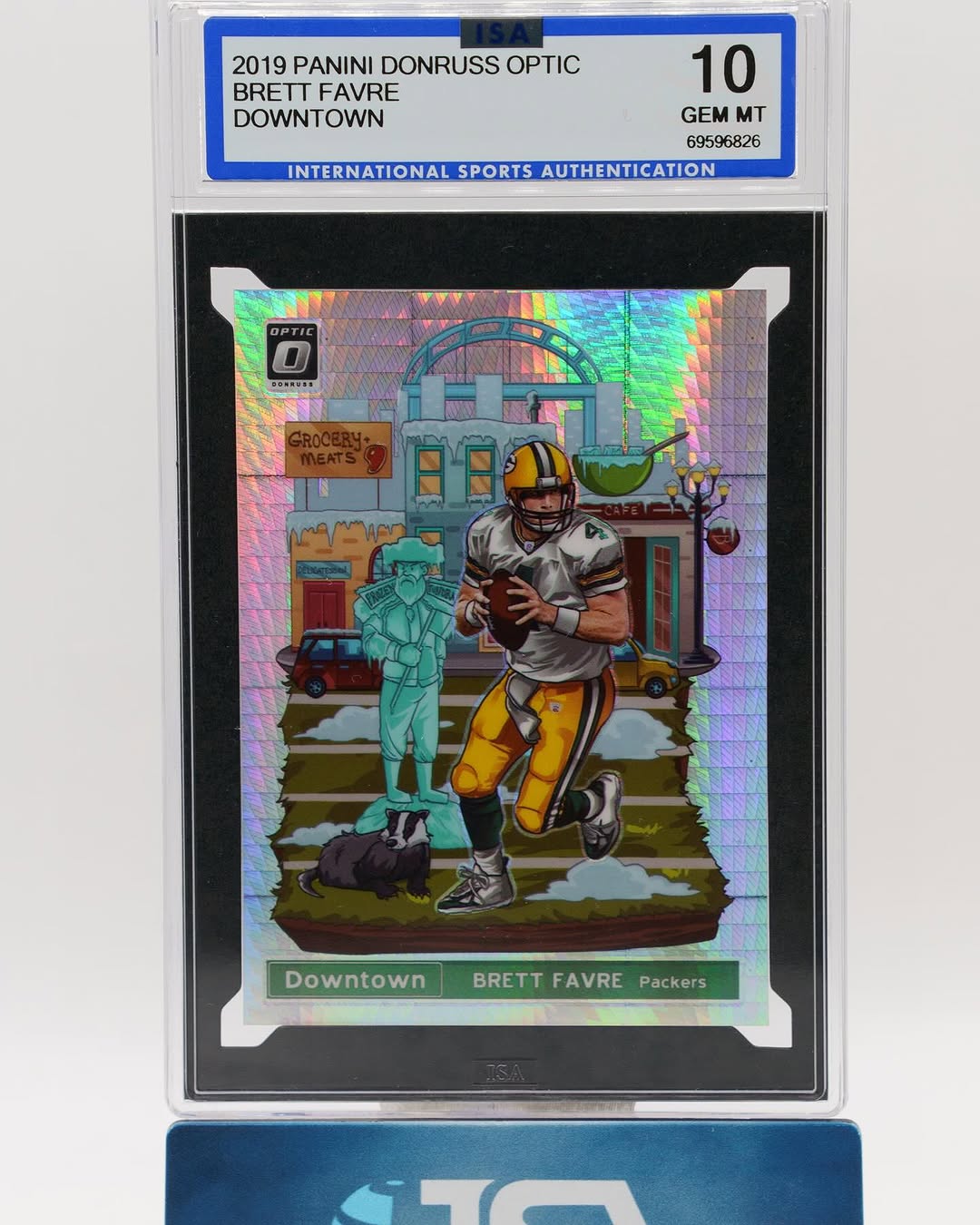
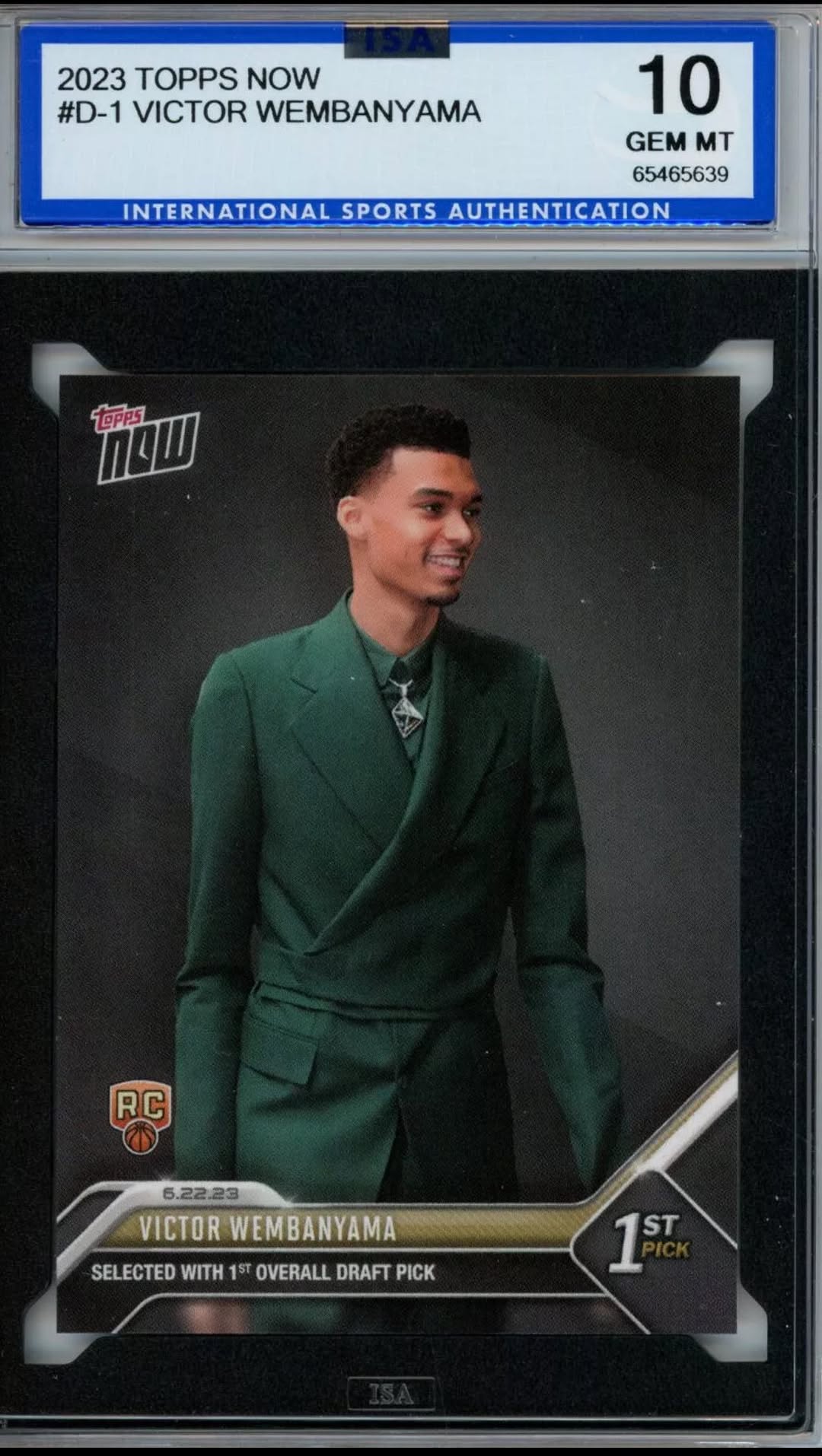
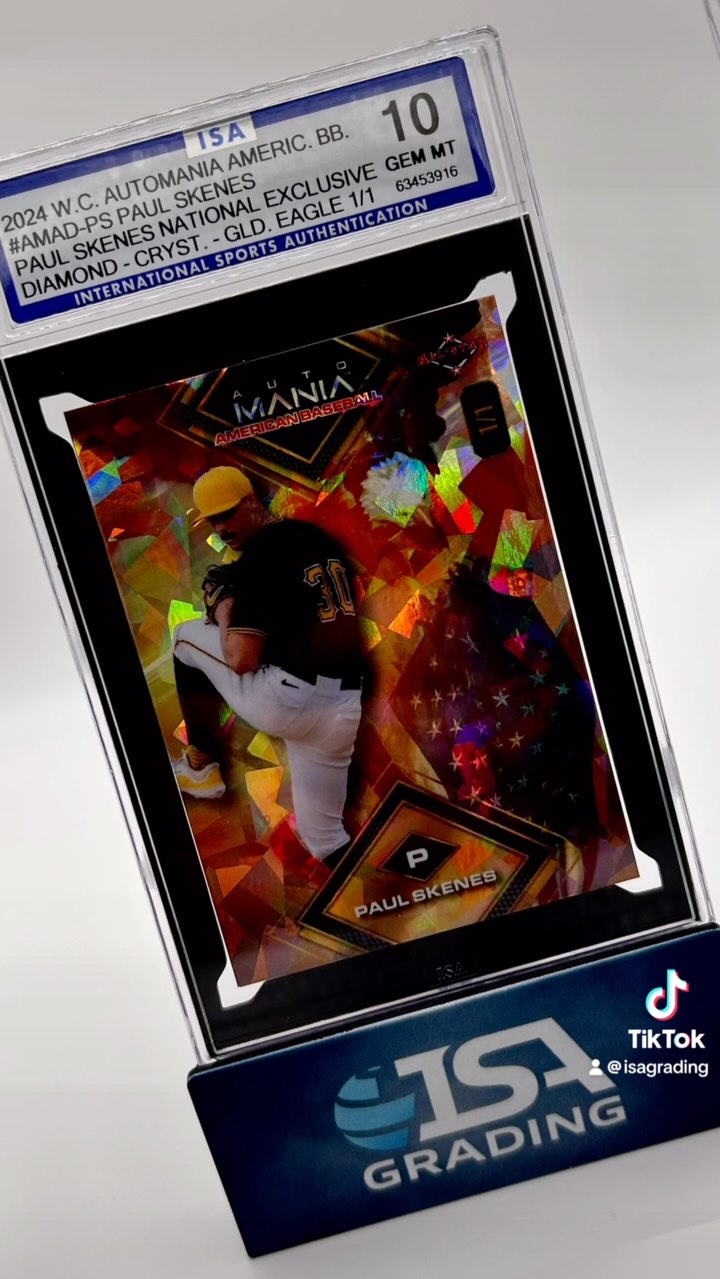
Trading card slabs are a familiar part of collecting because they present a card with its assigned grade in a consistent format. Card encapsulation can also reduce the need to handle the card directly during routine viewing or sales discussions. For collectors who organize boxes or displays by player, set, or grade, the slab becomes part of the card's identification and presentation.
A slab is not a reason to ignore storage conditions. Keep graded cards away from excess moisture, prolonged direct sunlight, and situations where they may be dropped or crushed. Store them securely and handle them with the same care you would give any valued collectible. Protection begins with preparation and continues after the graded card returns home.
It also helps to separate two ideas that are often discussed together. Card condition grading addresses the card's assessed condition. Card authentication addresses whether the item is genuine. Neither turns an ordinary card into a guaranteed investment. The value of grading depends on the card, the result, your purpose, and the expectations of the people who may eventually buy it.
Buyer confidence starts with details buyers can check
When selling graded cards, clarity in the listing is as important as clarity in the grading price. Identify the card accurately, show clear photos of the front and back of the slab, state the assigned grade as shown, and describe any relevant details visible to a buyer. Do not present an estimated grade as though it were the final result.
ISA provides certificate verification on its website. Including the certification number in a listing gives a prospective buyer a way to check the associated record. Verification is one useful step in evaluating a graded card, not a substitute for reviewing photos, seller terms, and the item being offered. Buyers should confirm that the information they find matches the card and slab shown in the listing.
This matters to sellers with one treasured card and to dealers handling larger inventories. A complete listing can answer common questions before a message arrives. It can also help you avoid confusion about the player, year, set, card number, and grade. If you want a sense of other customers' experiences before submitting, ISA's reviews page is available to read alongside the service details.
Compare grading services using your own priorities
A search for card grading near me may return several options, but location alone does not answer the questions that matter most. Start with the cards you own and the reason you want them graded. Then compare the published grading price, submission minimum, stated turnaround, authentication options, grading information, certificate tools, and submission process. Check the current terms directly before choosing any service.
For ISA, the current points to evaluate are straightforward: $15 card grading, a 10 card minimum, a 14 day turnaround, and no upcharges. Consider how those terms work for your batch. A dealer with enough inventory to meet the minimum may have a different decision to make than a collector with a single card. Both should weigh pricing and timing alongside the importance of the card and their preferred way to sell or display it.
If you are submitting regularly, consistency in how you select cards matters too. Use the same inspection routine for each batch, record what you sent, and compare your expectations with the grades you receive. That habit can improve your own decisions over time without assuming every card will receive the grade you hoped for.
A practical plan for your next submission
Begin with more than 10 candidates, then narrow the group after a careful condition check. Write down each card's identifying details and why you want it graded. For potential sales, set a realistic budget that includes grading charges and other submission or selling costs. For personal cards, decide whether protection, presentation, or completing a collection is the main goal.
Next, confirm the current service details and read the instructions on ISA's submission page. Prepare and pack the selected cards as directed, keeping your own record of the batch. Once the cards return, review each grade, keep the certification information with your records, and use accurate photos and descriptions if you choose to sell.
No upcharges cannot tell you what grade a card will earn or what a buyer will pay. What it can do is make the grading charge easier to understand before you commit. For collectors and dealers deciding which cards deserve a place in trading card slabs, that clarity is a meaningful part of a sound submission plan.
Submit Cards to ISA Grading
Collectors ready to use ISA Grading can start on the submission page. The current active service is $15 per card with a 14 day turnaround, no upcharges, and a 10 card minimum.
Frequently Asked Questions
What does no upcharges mean for ISA Grading submissions?
ISA Grading states that its current $15 per-card grading service has no upcharges. The current submission minimum is 10 cards. Check the submission page for current instructions and any costs outside the per-card grading charge, such as shipping or supplies.
How much does it cost to grade 10 cards with ISA?
At ISA's current price of $15 per card, 10 cards represent $150 in grading charges. That calculation does not include any shipping or packing costs.
Does a 14 day turnaround include shipping time?
Do not assume the stated 14 day turnaround includes the time it takes to prepare, ship, and receive your cards. Review ISA's current service information and allow time for transit when planning a submission.
Can buyers verify an ISA graded card?
Yes. Certificate verification is available on ISA's website at /certificate-verification. Buyers can use it to check the associated record and compare its details with the card and slab offered for sale.
How should I choose cards for grading?
Inspect each card's centering, corners, edges, and surface on both sides. Consider your reason for grading, the possibility of a lower grade than expected, and the full cost of submitting or selling the card.